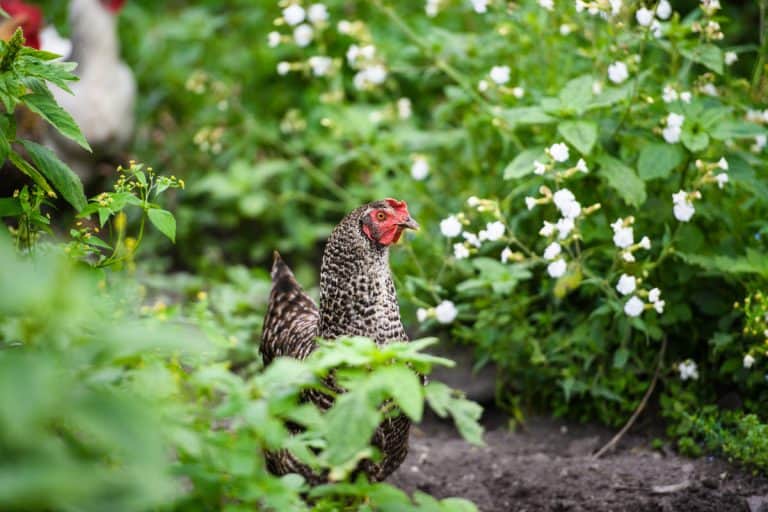

Backyard chickens symbolize self-reliance in many American neighborhoods, providing fresh eggs and meat and a daily link to the outdoors. Recent outbreaks of highly pathogenic avian influenza, commonly called bird flu, have raised serious concerns for small flock keepers. What risks does your coop face, and how can you reduce them without losing the joy of keeping birds? This guide explains how bird flu spreads, how to prevent it, how to recognize illness quickly, and what to do if your chickens get sick. The information reflects current guidance from federal and state animal-health agencies and university extension programs, with a strict focus on poultry.
What Is Bird Flu?
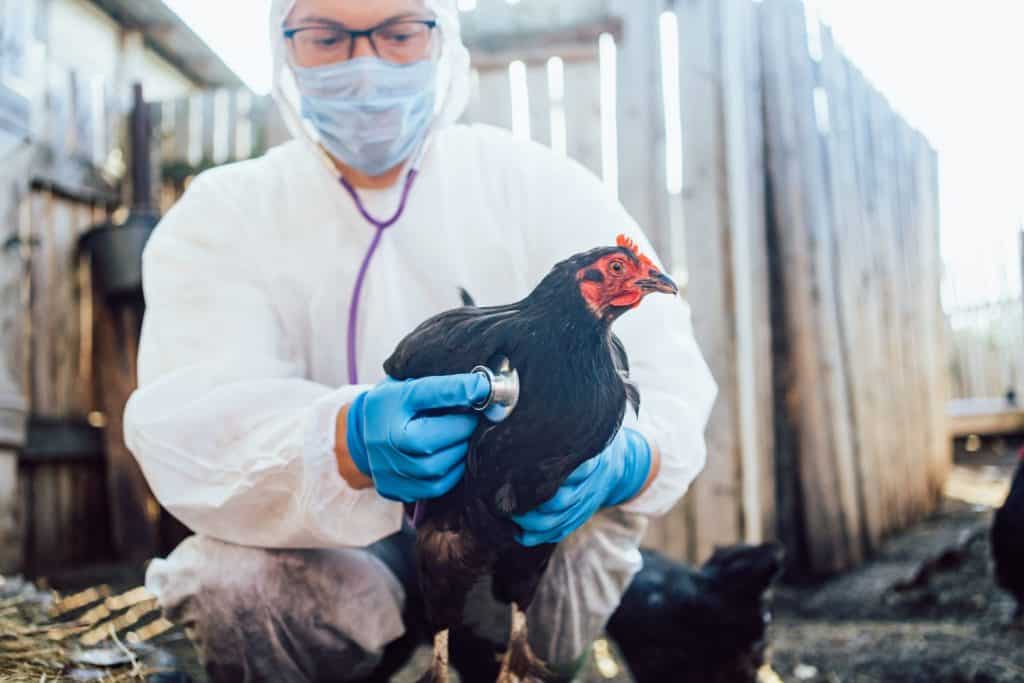
Human infections with bird flu are rare but do happen.
©ShishkinStudio/Shutterstock.com
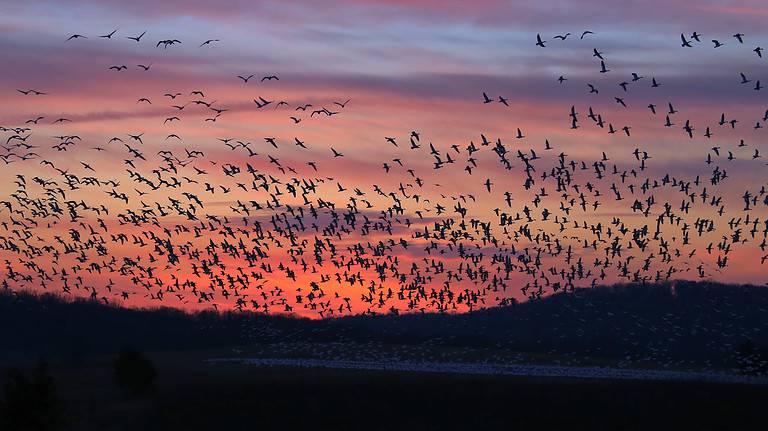
Bird flu is caused by influenza A viruses that infect birds. Many strains exist, but H5N1 highly pathogenic avian influenza, often shortened to HPAI, has driven the most severe poultry losses in the United States since detections surged in 2022. Wild aquatic birds carry these viruses along migration routes. When the virus reaches domestic poultry, it can spread rapidly and cause high mortality in chickens, turkeys, and other species.
Transmission occurs through direct contact with infected birds and through contaminated surfaces, equipment, feed, water, and droppings. Small amounts of material on boots, clothing, egg trays, or tools can move the virus from place to place. Because wild birds shed the virus in their feces and secretions, open water sources and uncovered runs increase the risk of infection. Seasonal migration brings waves of exposure, so flock owners should heighten precautions in spring and fall.
Human infections with H5N1 in the United States remain rare. Reported cases have involved close contact with infected animals or contaminated environments. Public-health agencies continue to judge the risk to the general public as low. Influenza viruses can change over time; however, consistent hygiene, testing when illness appears, and prompt reporting protect animals and people.
The Big Picture Since 2022
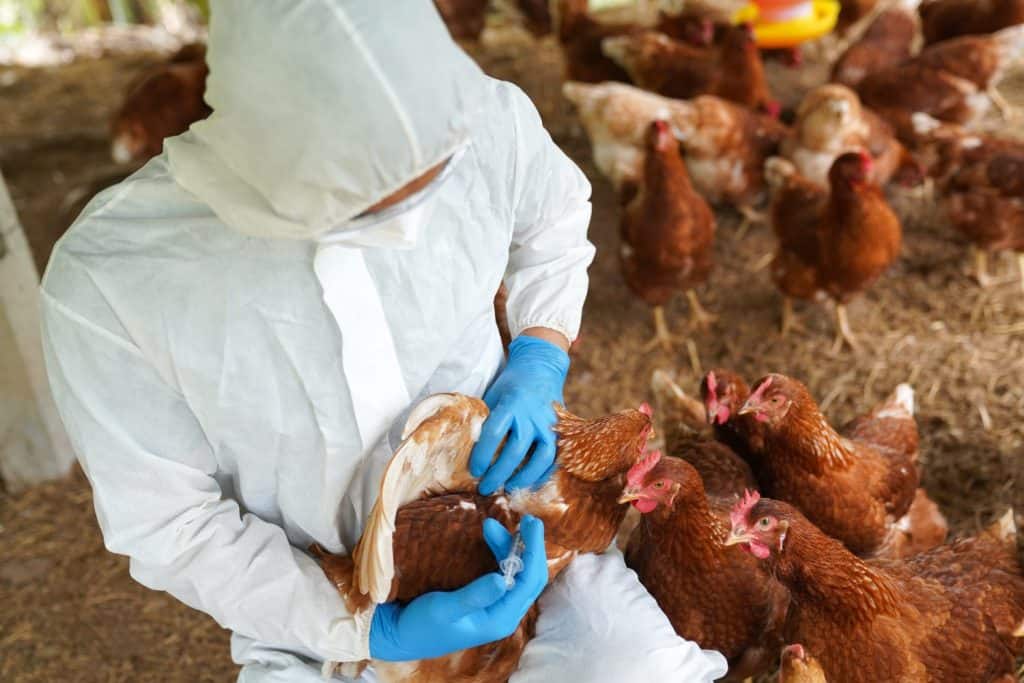
Since 2022, 148 million domestic birds have been euthanized to prevent a bird flu outbreak.
©PPK_studio/Shutterstock.com
HPAI detections have occurred in wild birds, commercial poultry, and backyard flocks across many states. As a result, about 148 million domestic birds have been euthanized to stop the spread, which prevents wider damage to the food supply. Activity varies by season and region, with states in major flyways reporting more detections during migration peaks. Small flock owners in affected areas have faced quarantines, testing, and cleaning orders after detections near their homes.
Because the virus continues to circulate in wild populations, periods of quiet do not guarantee safety. Flocks that avoided trouble last year may still face exposure during the next migration wave. That uncertainty calls for steady, repeatable routines that reduce risk every day, not just during headlines.
How Bird Flu Reaches Backyard Coops
©Asha Natasha/Shutterstock.com
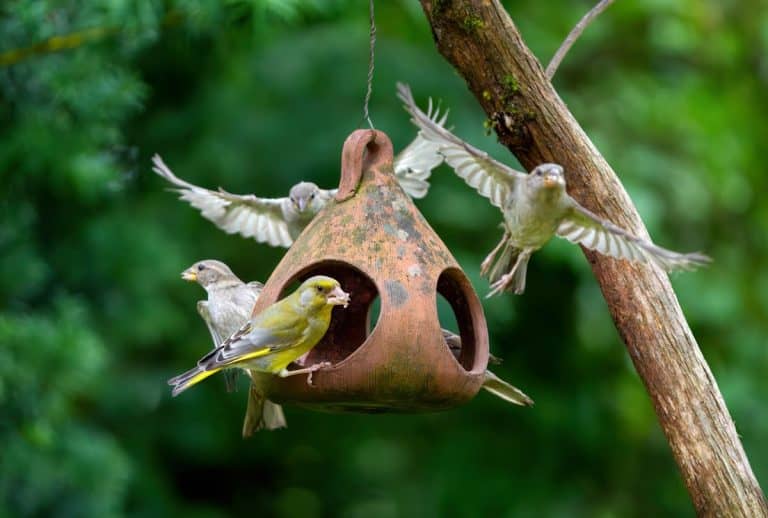
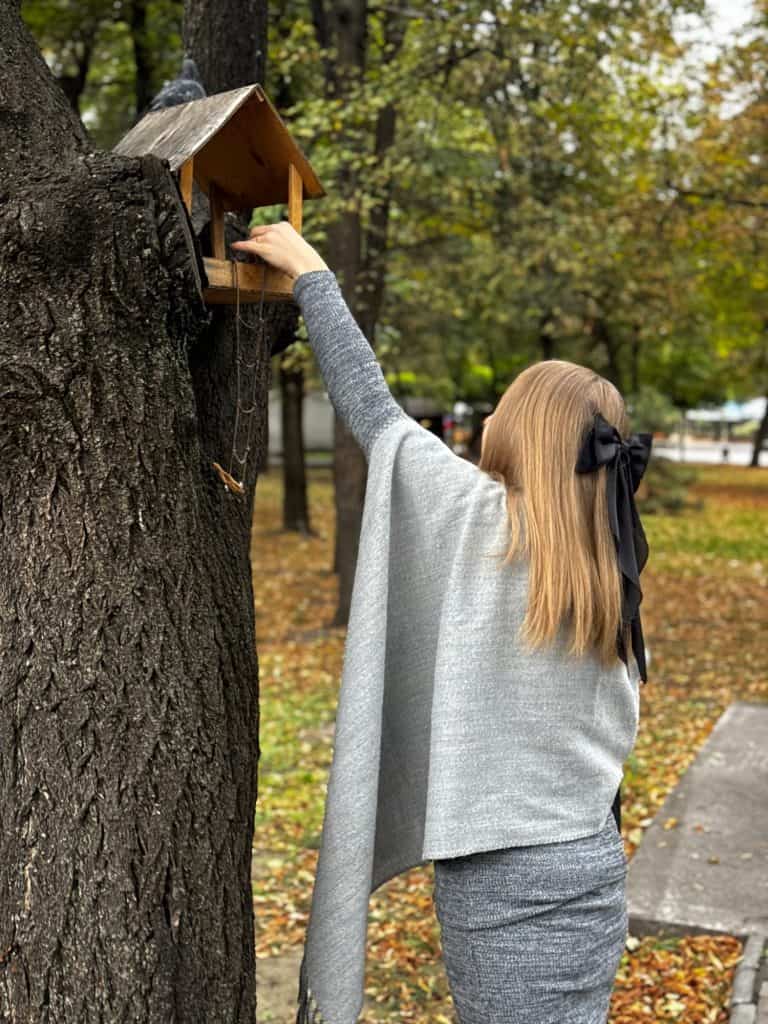
Understanding how bird flu reaches a coop helps you block it. Wild birds are the biggest risk, since uncovered runs, open feeders, and standing water draw ducks, geese, and songbirds that can shed virus. Droppings on roofs and fences can wash into the run during rain, so add a roof or netting, keep feed covered, and protect waterers. People and gear are the next risk. Boots, baskets, scoops, and tools move contaminated dirt, and visitors who keep chickens can carry problems in. Establish consistent entry routines: pause at the gate, change into designated footwear, and clean your hands before entering.
New domestic birds added to your flock are an unpredictable risk factor. Birds from shows, swaps, or casual sales can bring disease if they skip quarantine, and show birds can carry pathogens home without early signs. Shared water sources add danger because waterfowl frequent ponds and puddles, so they offer clean water that wildlife cannot reach. Finally, rodents are a significant concern. Mice and rats contaminate feed and surfaces and wear down flock health, which makes any exposure hit harder.
How Can I Prevent Bird Flu?
©gabriel12/Shutterstock.com
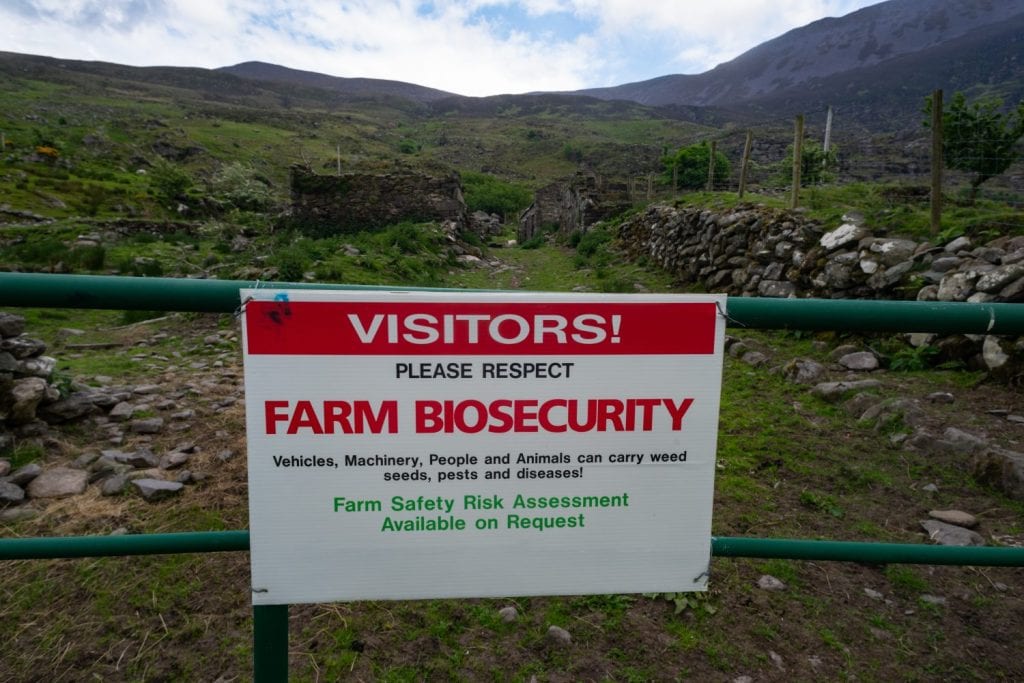
Biosecurity describes everyday habits that keep pathogens away from your birds. Think of it as a series of guardrails. One guardrail may fail on a busy day, but several together offer sturdy protection. Here are some examples of precautions fowl owners should take to secure their flocks.
- Roof the run, cover feed and water, and clean spills before they draw pests.
- Keep a pair of “chicken boots” by the door to change into.
- Scrub hands, and use a quick brush-and-disinfect routine on the way in.
- Provide drinking water in enclosed drinkers, filled in a clean area.
- Fix leaks, drain puddles after rain, and store feed in sealed bins to keep rodents away.
- Give new birds a 30-day timeout in a separate pen with separate gear.
- If you visit other flocks, tend your birds first, then change clothes before you go.
- Do not share equipment, and if someone must enter the run, hand them clean boots and gloves.
- Keep a simple notebook of visitors and new arrivals.
- Make a small grab-and-go kit with gloves, a mask, detergent, and disinfectant.
Recognizing Symptoms in Chickens
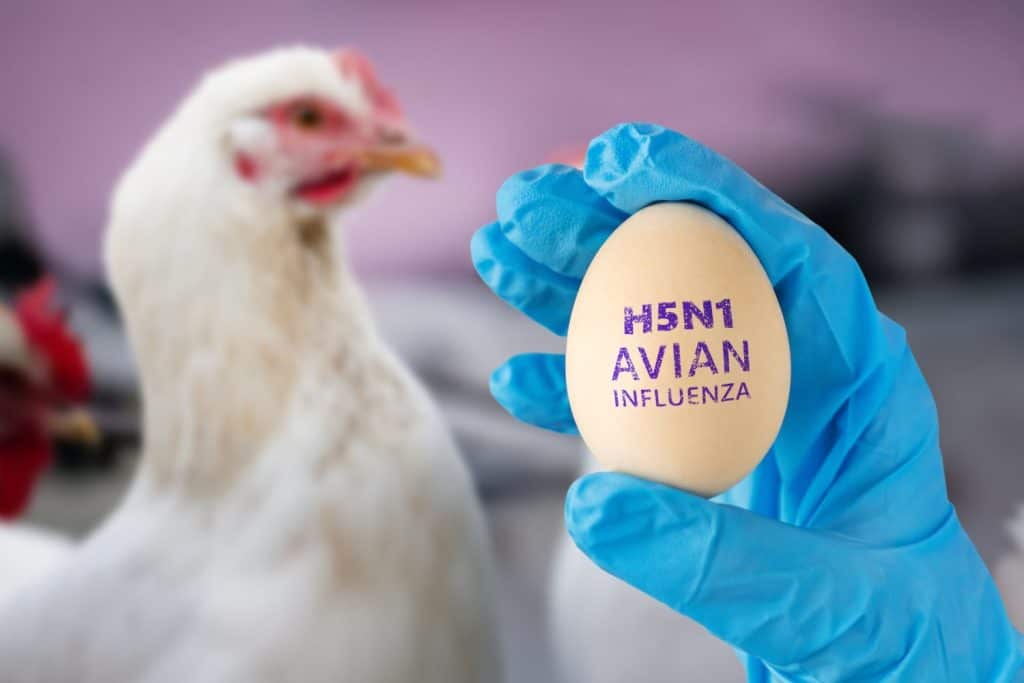
Avian flu is no joke: know the signs and watch for them in your birds.
©Melnikov Dmitriy/Shutterstock.com
HPAI can move quickly, so early awareness matters. Watch for a sudden drop in feed or water intake, fewer eggs or misshapen eggs, and birds that stay off to the side or huddle. Respiratory signs include coughing, sneezing, gasping, or nasal discharge. Combs and wattles may swell or turn bluish or purple. Diarrhea, soiled vents, wobbly gait, tremors, and unexpected deaths also raise concern.
These signs overlap with other diseases such as infectious bronchitis, Newcastle disease, and mycoplasma. Do not guess. Call your veterinarian, your state animal-health office, or an extension service for testing. They can explain how to collect samples and where to send them. Accurate testing confirms the diagnosis and triggers the correct next steps if HPAI is present. Prompt verification saves time, prevents the spread of rumors, and provides you with a clear action plan.
What to Do When You Suspect Bird Flu
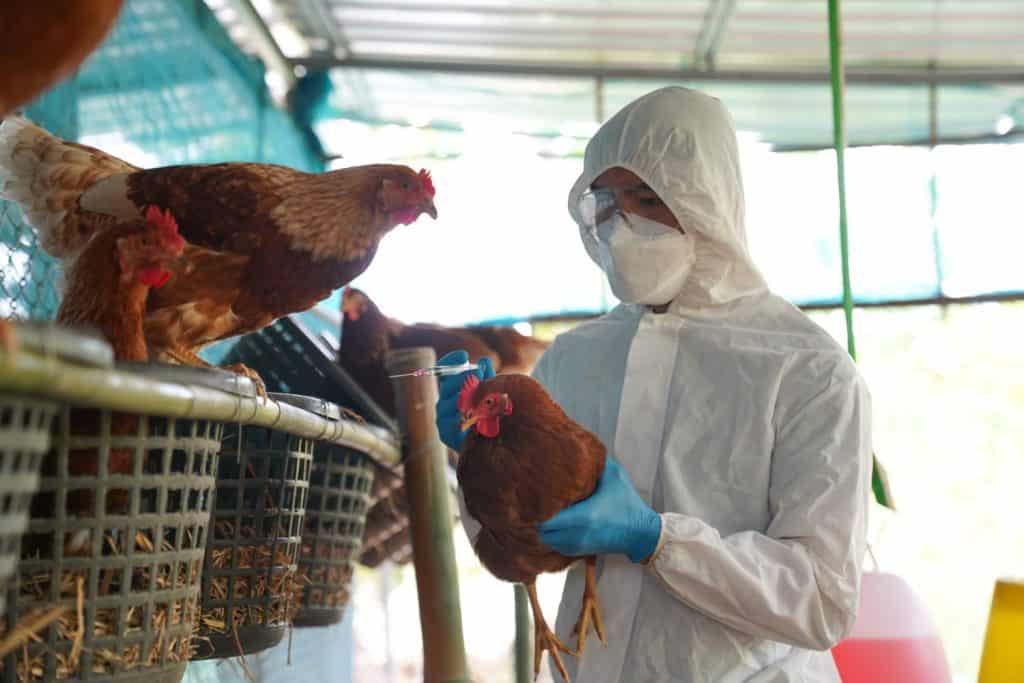
If you suspect bird flu, call your state veterinarian or the USDA reporting line.
©Pordee_Aomboon/Shutterstock.com
Move fast and stay steady. Isolate sick birds in a separate pen away from the coop and use different gear for that area. If isolation is not possible, cordon off a section of the main coop and limit access to essential caregivers. Keep pets and kids out. Call your state veterinarian or the USDA reporting line to flag suspected avian influenza. While you wait for guidance and test results, halt all movement of birds, eggs, and equipment. Posting a sign such as “No entry—flock under evaluation” at the gate helps establish clear boundaries.
Protect yourself and clean the right way. Wear gloves, a mask, and eye protection when handling ill or dead birds, then bag and seal carcasses as your state directs. Wash your hands with soap and water for at least twenty seconds after any contact. Remove debris from surfaces, scrub with detergent, rinse, apply a disinfectant labeled for avian influenza, allow it to sit for the recommended contact time, then rinse and dry. Replace soiled bedding and keep a brief log of your steps. If tests confirm HPAI, follow official instructions on quarantine, disposal, and final cleaning, and do not restock until cleared. If tests are negative, strengthen your biosecurity measures and address any weaknesses you identified.
Food Safety for Households with Poultry

Poultry should be cooked to the proper temperature to avoid spreading disease.
©Tatjana Baibakova/Shutterstock.com
You can maintain a safe kitchen during outbreaks by following standard practices. Cook poultry to an internal temperature of 165 degrees Fahrenheit, and cook eggs until both the whites and yolks are firm, or to 160 degrees Fahrenheit if using a thermometer. Proper cooking inactivates influenza viruses and many other pathogens. Avoid cross-contamination by washing hands after handling raw poultry or eggs and by cleaning cutting boards, counters, and tools with hot soapy water. Refrigerate eggs and meat promptly. Discard eggs from sick birds until a veterinarian or state officials provide guidance, and never serve undercooked eggs from any flock.
People and Bird Flu: Understanding the Risk
People who are young, elderly, or immunocompromised are most at risk from bird flu.
©Billion Photos/Shutterstock.com
Public-health officials continue to report a low risk to the general public. The few U.S. human infections reported to date have all involved close contact with infected animals or contaminated environments. Workers who handle sick birds should use personal protective equipment that matches the task. Backyard keepers should wear gloves and a mask during cleaning jobs that stir up dust, since dried feces can contaminate air inside a coop. Washing your hands after completing chores is a simple and effective way to reduce risk.
Household members who are very young, older, pregnant, or immunocompromised should avoid the coop area during an active investigation. If someone in your home develops red or watery eyes, fever, cough, or shortness of breath after close contact with sick birds, contact a healthcare provider and mention the exposure. Early care helps clinicians choose the right tests and treatments.
Where to Find Reliable Updates

State and Federal agencies are your best sources of information about bird flu and other illnesses.
©Comdas/Shutterstock.com
Stick to trusted sources. The Centers for Disease Control and Prevention posts human-health updates and guidance for protective equipment. The U.S. Department of Agriculture’s Animal and Plant Health Inspection Service hosts detection maps, cleaning checklists, and farm-level biosecurity steps through the Defend the Flock program. Land-grant universities operate extension sites with local advice, including recommended disinfectants and plans tailored to backyard keepers. Your state veterinarian’s office also posts outbreak notices and rules for movement, shows, and fairs. When sources provide consistent guidance, follow it. If rules differ by state, adhere to the strictest applicable instructions.
With practical biosecurity, quick reporting, and cooperation between neighbors, backyard poultry can continue to thrive. Your daily choices protect your flock, and the wider community benefits when owners keep risk low and share accurate information.