
Quick Take
- One species of fish passes the same self-recognition test that puts primates and dolphins in an elite cognitive category, a finding that might change how you think about what's swimming on your plate. Mirror test details →
- Fish have no neocortex, yet researchers have found evidence suggesting they can experience pain. See the pain evidence →
- Over a third of the world's fish stocks are in a critical state, and the fishing practices most people consider harmless are part of the problem. Overfishing statistics →
There’s a peculiar thing with human perception that has caused untold destruction and torment. Put simply: if you look or seem different from me, then you don’t have the same value as me. We see this in how humans treat birds, mammals, and even other humans. Save for perhaps insects, no creature is regarded with more aspersion and indifference than fish. They live in what might as well be a different world, yet we rely on them deeply for food, fertilizer, and a host of other purposes. At scale, it’s easy to overlook the inner lives of fish. For the sake of Fish Amnesty Day, observed each year on the fourth Saturday of September, we aim to look more closely at these marvelous creatures.
We may treat other creatures differently, but even birds and mammals are offered protections and empathy that we withhold from fish. And yet, fish are remarkable in their own right. A growing body of scientific knowledge suggests that fish are just as industrious, clever, and socially complex as many land-dwelling creatures. Some fish use tools to find prey. Others exhibit long-term memory and social awareness. Even more remarkably, the cleaner wrasse fish species passes the mirror self-recognition test. In honor of Fish Amnesty Day, we take a closer look at the lives of fish and how an appreciation of them can go a long way in safeguarding ocean ecosystems.
Continue reading
Go Fish
The simplest way to explain fish is that they are vertebrate animals that live in the water and lack limbs with digits. Some fish are jawless, but most have jaws, and most are cold-blooded. Beyond that, the classifications break down into increasingly esoteric categories. That’s because there are 33,000 extant species of fish with countless differences, features, and behaviors.
Fish species outnumber the combined total of amphibian, reptile, bird, and mammal species. They first appeared on Earth during the Cambrian Period, some 485 million years ago. Since then, they have spread across the planet, with some estimates putting the total living fish population between 1 and 3.5 trillion.
Suffice it to say there are a lot of fish out there, and many kinds of fish. Yet, they are routinely overlooked by humans. Whether it’s through mass-scale commercial fishing, rendering for fertilizer, or reconstitution for things like fish oil supplements, we get what we want from fish and then move on. Yet fish lead very real lives, full of social interaction, problem-solving, and interiority. It’s part of the reason there is a Fish Amnesty Day in the first place.
Fish Feel Pain
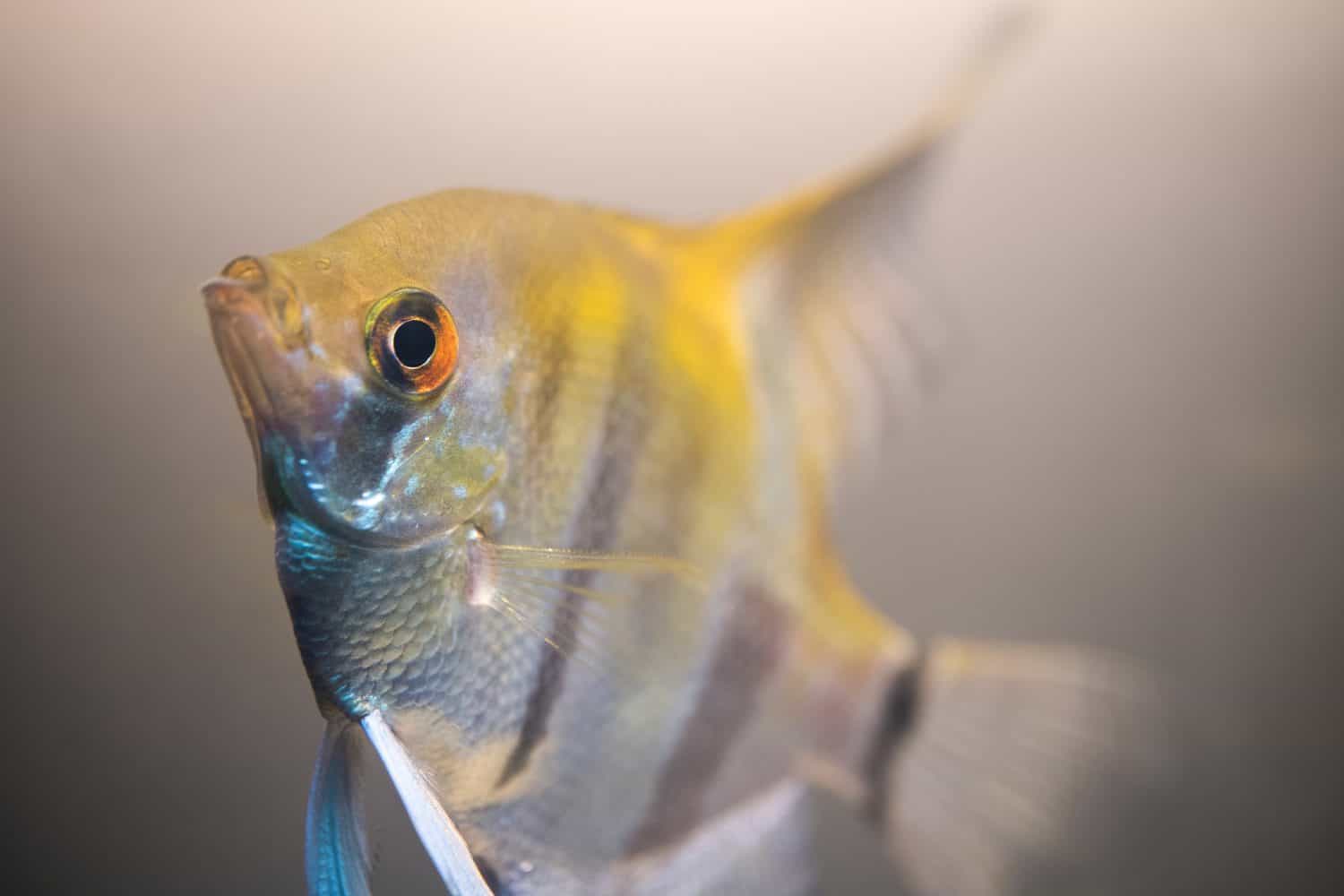
While it remains a contentious issue in ichthyology, evidence suggests that fish feel pain.
©muratinan/Shutterstock.com
Even more seemingly gentle, holistic approaches to cultivating fish, like recreational fishing, involve practices that discount or ignore potential suffering. Catch-and-release fishing still requires forcing a hook through a fish’s mouth and pulling it out. A growing body of data, however, suggests that fish truly do feel pain and stress. Their brains have nociceptors, which are similar to pain receptors found in mammals. When a fish gets injured, their bodies show signs of stress. Their activity decreases, and their breathing rates increase.
Fish rely on alternative brain structures for processing learning and emotion. However, when they are exposed to painful stimuli, these creatures exhibit marked behavioral changes. Crucially, if they are administered pain-relieving drugs during these states, their behavior returns to normal. Furthermore, other studies have shown that fish will endure painful stimuli if it results in a high reward.
The ability of fish to feel pain remains one of the more contentious issues in ichthyology. Opponents point to fish’s lack of neocortexes as evidence that they don’t feel pain consciously. Supporters, however, argue that this view is overly mammalian-centric and does not accurately reflect fish awareness.
Fish Friends and Tools
Even if fish don’t feel pain in the conventional sense, some species do use tools. Orange-dotted tuskfish blow water at clams in sand to uncover them. Then they pick up the clams, take them to a large rock, and repeatedly hit the clams against the rock until they open. Several species of wrasses engage in similar tool-like actions. Archerfish press their tongues against the roof of their upper jaw, which compresses their gill covers and sends a jet of water up to ten feet into the air to stun prey.
Beyond just tool use, fish engage in complex social interactions and structures. Wrasses, in particular, demonstrate a complex inner life in this regard. They demonstrate long-term memory and awareness, as evidenced by their ability to recognize previous interactions with particular creatures and alter their behavior going forward.
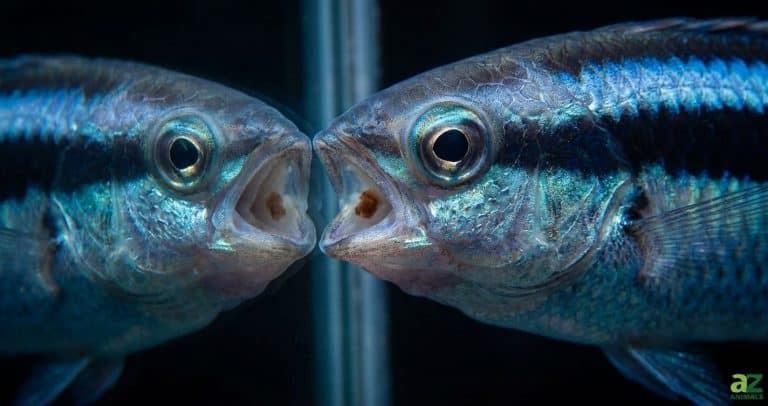
Perhaps most remarkably, cleaner wrasses also pass the mirror test. They recognize themselves in the mirror, and they may even use mirrors as tools for offensive strategies, such as detecting parasites on their bodies. Primates, dolphins, and octopuses also pass the mirror test, which suggests that fish are far cleverer than we give them credit for. It’s why they deserve Fish Amnesty Day.
Fish Amnesty Day
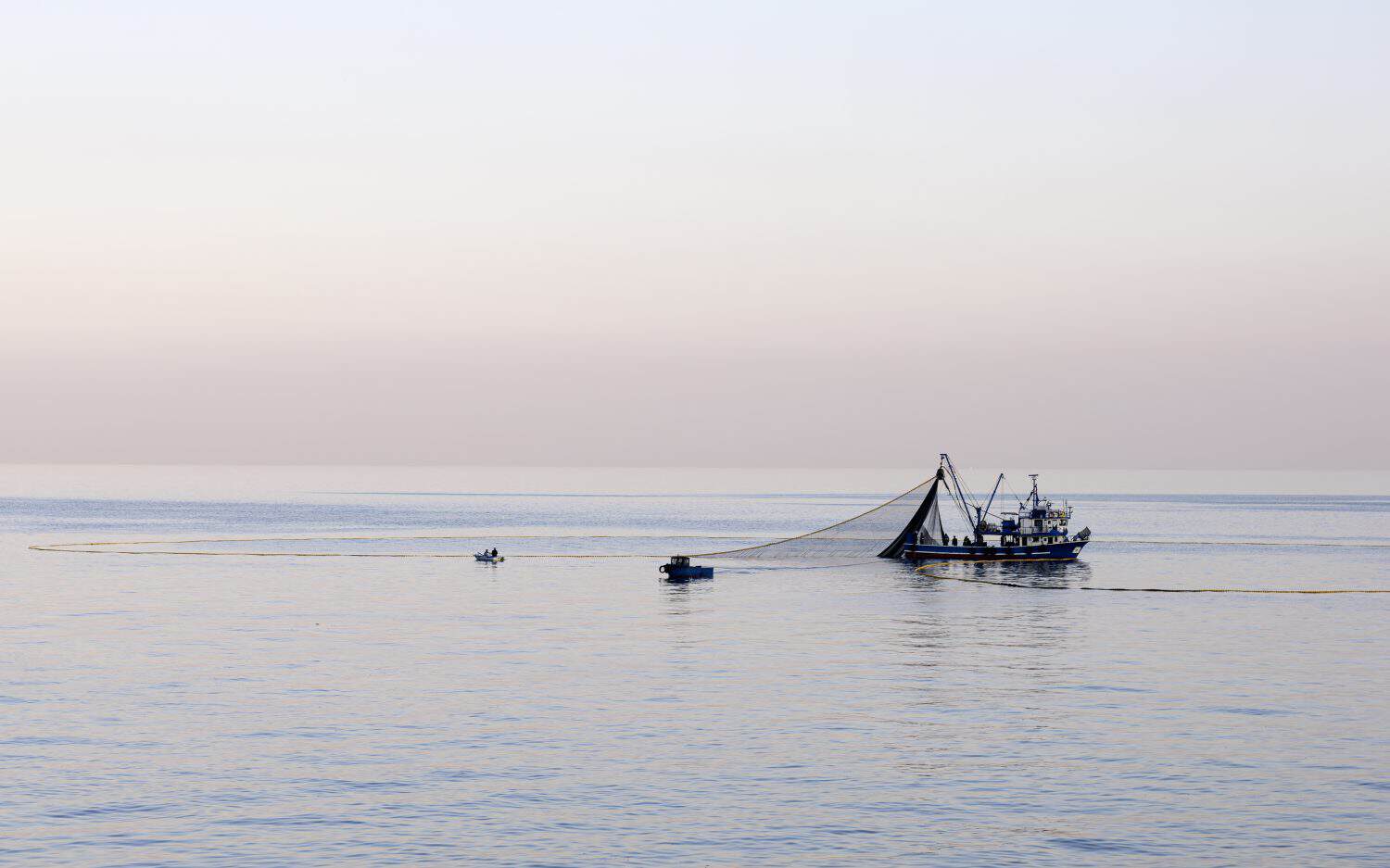
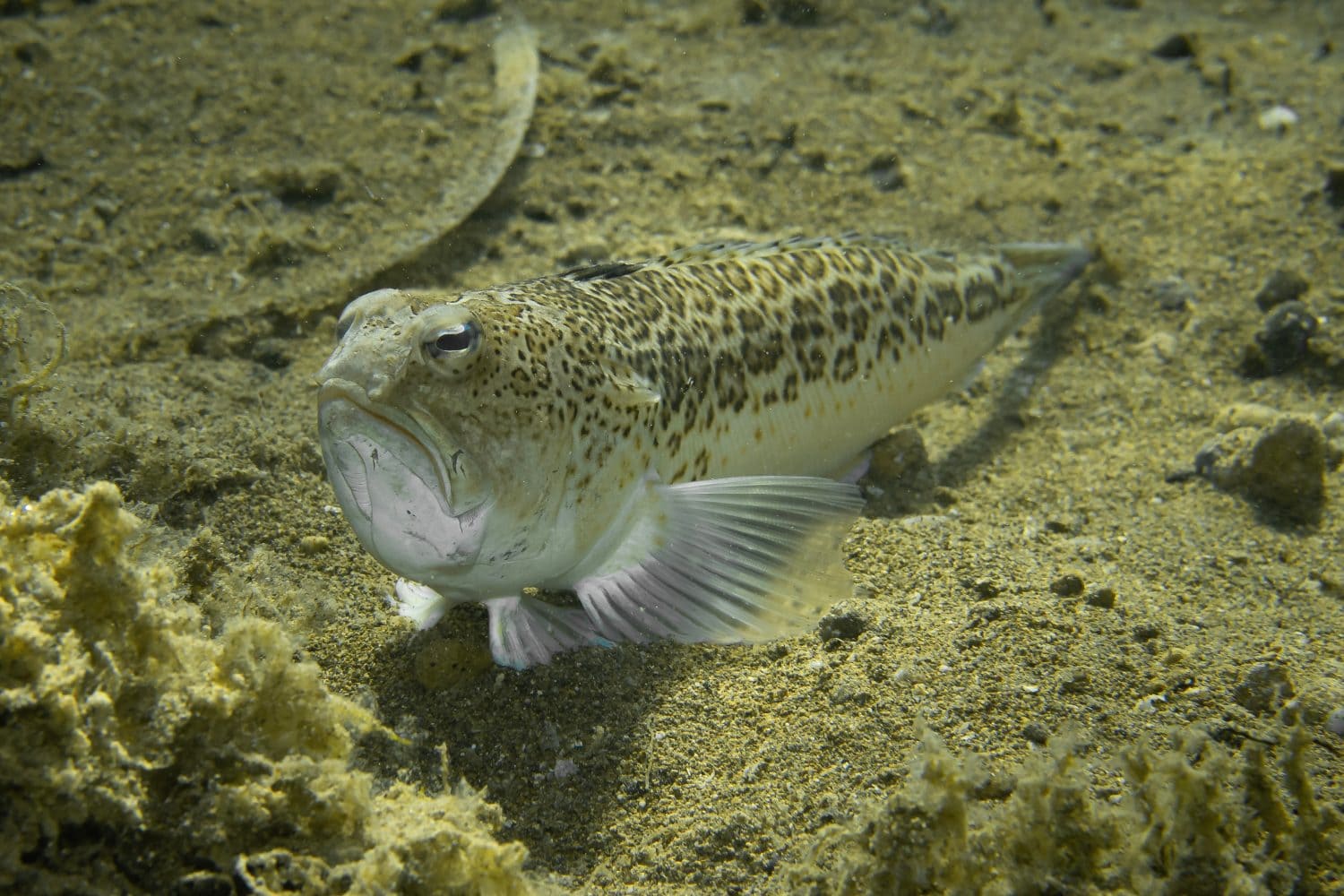
A recent report from the United Nations confirmed that 64.5% of fishery stocks are exploited beyond biologically sustainable levels.
©Guven CAN/Shutterstock.com
While all these points are fascinating, they are ultimately irrelevant to the welfare of fish. Awareness and interiority should not be the deciding factors when it comes to compassion, care, and welfare. Industrial fishing happens at a massive scale, depleting ecosystems and destroying habitats. A 2025 report from the Food and Agriculture Organization of the United Nations confirmed that 64.5% of “all fishery stocks are exploited within biologically sustainable levels, with 35.5 percent of stocks classified as overfished.“
When factoring in production levels and weighing them against the average, the report found that 77.2% of fisheries rely on biologically sustainable stocks. The fishing industry further harms fish through its containment methods. Tight cages often result in sea lice outbreaks and bacterial infections. Confined quarters in general are bad for fish, as they result in elevated mortality rates.
In honor of Fish Amnesty Day, it’s important to consider alternatives that uphold the welfare of fish. An increase in Marine Protected Areas can give overexploited species a chance to recover. Compassionate fishing gear can reduce unnecessary suffering and bycatch. Sustainable practices in general reduce the impact on fish. Any bit of effort in that direction can do wonders.
Fish may be different from us, but that does not mean they should be robbed of the ability to live healthy, happy lives.