
Quick Take
- England will ban live boiling of lobsters, a nerve-center policy change set to come into force as part of animal welfare reforms announced in late 2025 and expected to be implemented in the near future.
- This shift forces restaurants and suppliers to adopt humane methods for crustaceans, reshaping costs, operations, and consumer choices.
- Counter-intuitively, the policy rests on sentience science for invertebrates, not tradition or sentiment.
- Read on to discover which humane methods may become standard and how enforcement will work nationwide.
England is proposing a unique, new animal welfare plan that protects one animal in particular: the humble lobster. The proposal is actually part of the government’s Animal Welfare Strategy for England, published in December 2025, with key measures including the lobster boiling ban expected to be implemented in the near future.
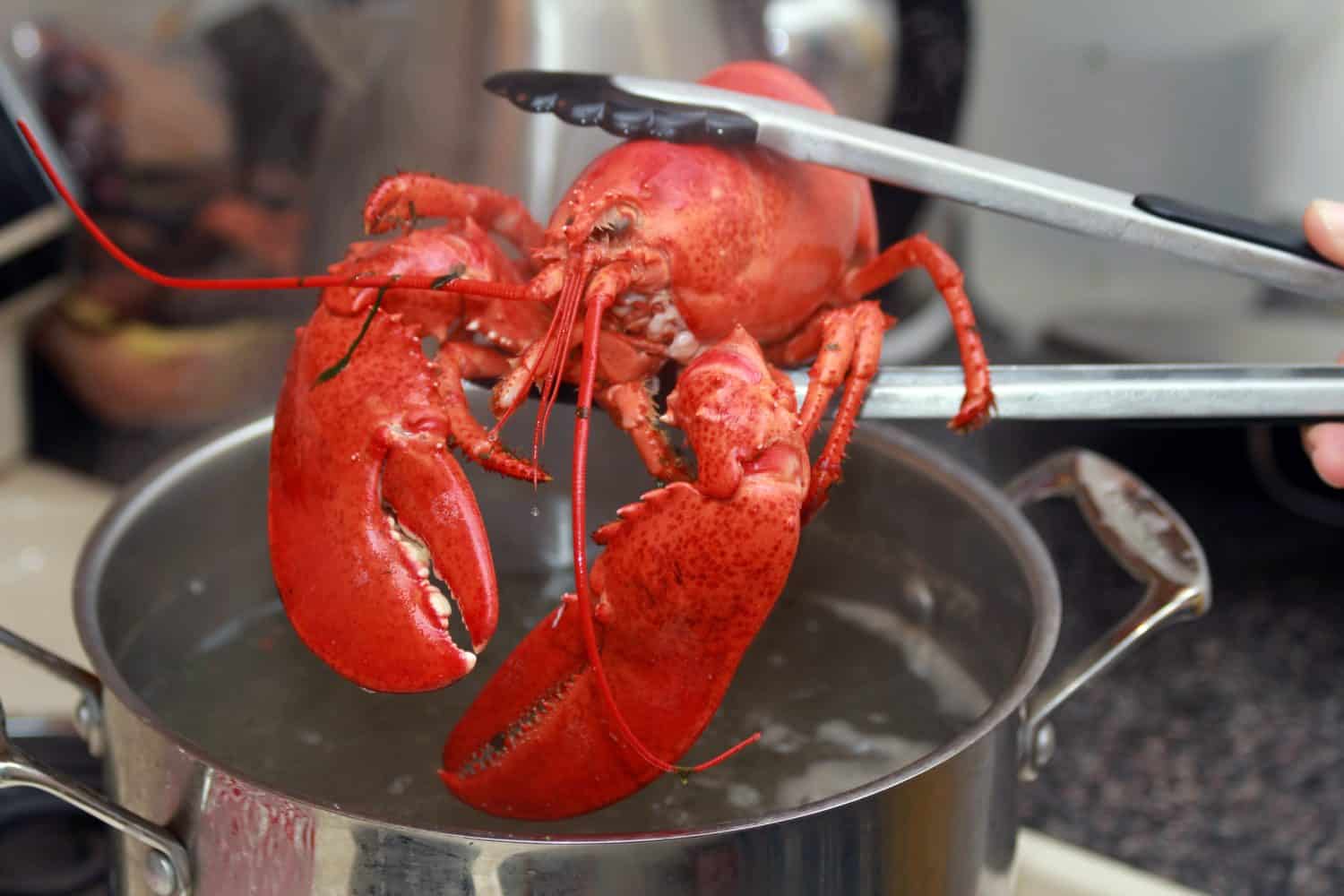
What does it mean for lobsters specifically? Chefs and anyone cooking them will be banned from boiling them alive under these new animal welfare reforms.
There are both supporters and those opposed to the plan, for a myriad of reasons. However, the main motivation is clear and based on science: data shows that invertebrates can experience pain and distress. Is this policy enforceable, and what are the details?
Tension is amplified because the lobster ban is arriving alongside other dividing proposals; this ban has plenty of complex details surrounding it. Let’s discuss this potential shift in culinary practices and what it might mean for invertebrates moving forward.

What the Government Is Proposing for Lobsters
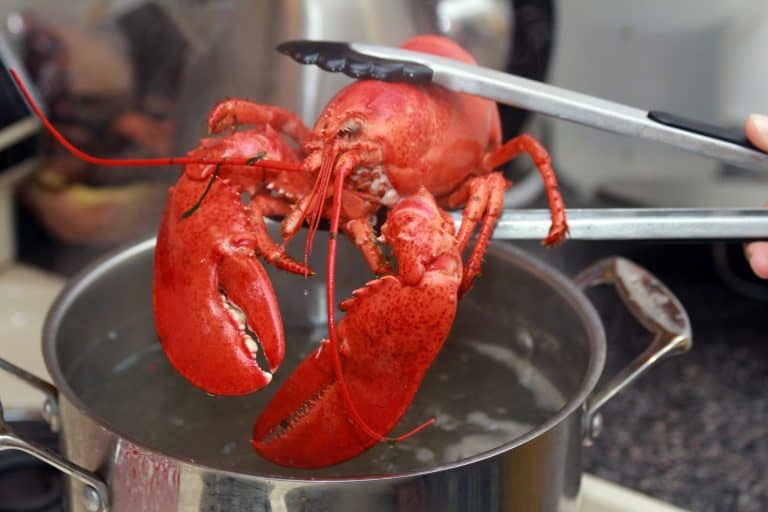
While simple enough, this policy change for lobsters has far-reaching potential. Essentially, the government intends to ban live boiling of lobsters in England, specifically targeting the practice of placing lobsters and other crustaceans into boiling water while they’re still alive and conscious. Alongside this change, there will also be published guidance on more humane ways to kill decapod crustaceans for food purposes.
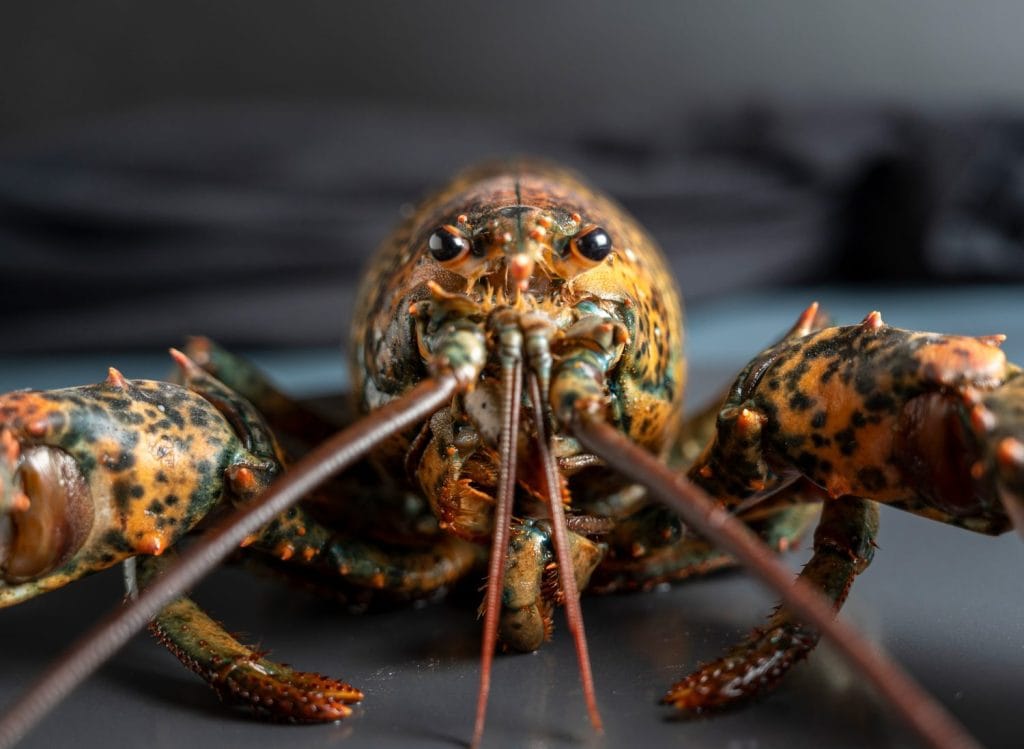
Lobsters are now considered sentient and capable of pain, alongside other crustaceans.
©Miguel Guasch/Shutterstock.com
This lobster policy shift is just one element in a package the government is presenting as the biggest overhaul of animal welfare rules in a generation. Changes for pets, farmed animals, crustaceans, and wildlife alike are present in this policy; we’ll touch on those in a moment. For now, let’s take a closer look at what this might mean for lobsters and other crustaceans.
Why This Policy Helps Crustaceans
The lobster proposal actually builds on a policy change that happened in 2022. The UK passed the Animal Welfare (Sentience) Act 2022, essentially granting more rights to animals once deemed incapable of higher thought or feeling pain. For the purposes of that particular 2022 act, “animal” explicitly includes decapod crustaceans, a group that includes lobsters, crabs, crayfish, and many shrimp species, alongside vertebrates and cephalopods as well.
In the recent past, UK animal welfare law has solely centered on vertebrates. Their Animal Welfare Act from 2006 defines “animal” as a vertebrate other than humans, with the option to extend coverage by regulation. However, this extension is only viable if there’s scientific evidence an invertebrate can experience pain or suffering, even ones we regularly consume.
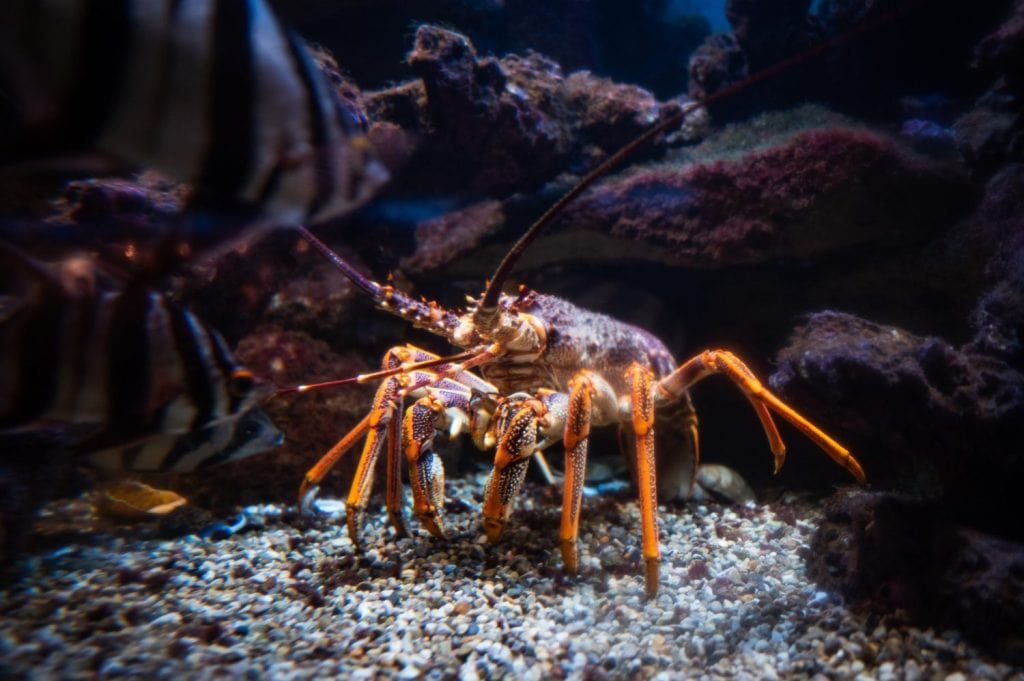
Other crustaceans may be protected under this policy shift, including shrimp.
©Francisco Maropakis/Shutterstock.com
The science happened when the government-commissioned LSE review on cephalopod and decapod sentience arrived, which assessed evidence of sentience and welfare risks in commercial practices, including within kitchens. Animals like lobsters and crabs were considered sentient in the review, making them eligible for protections.
What Humane Killing Means from a Practical Perspective
Once this policy becomes a rule, kitchens and suppliers are left with plenty of practical questions: what methods of killing count as humane at home or within a restaurant kitchen, and how do you verify they both work and that locales are adhering to these rules?
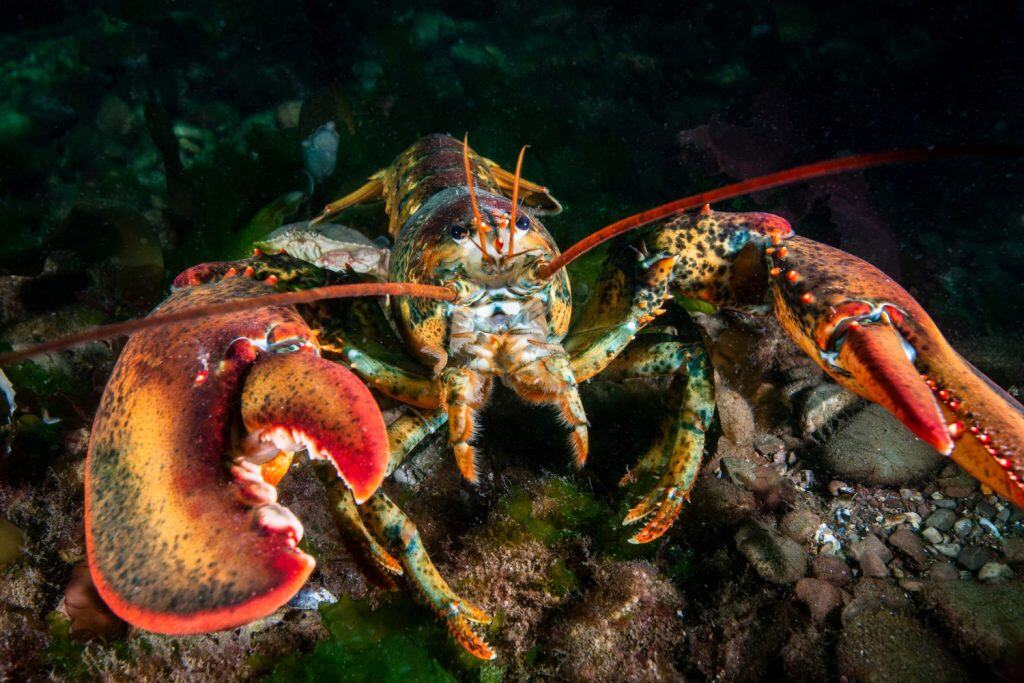
If being boiled alive is no longer considered humane, restaurants and cooks across England will need alternative methods.
©RLS Photo/Shutterstock.com
At its crux, humane killing must render the animal insensible as quickly as possible, then kill it, with minimal time spent in a state where pain or distress is likely. There are multiple humane slaughter methods for edible decapod crustaceans, with welfare tradeoffs across these approaches.
Methods most often discussed in the UK debate include:
- Electrical stunning/“electrical euthanasia” systems designed for crustaceans, intended to rapidly stop nerve activity and sensibility before cooking begins
- Mechanical dispatch, when used correctly and quickly, usually by trained staff
- Chilling/cooling approaches, designed to reduce activity before a final killing step; the effectiveness and best practices behind this process are contested across species and conditions, as many crustaceans combat cold differently
A more recent study discusses electrical stunning evidence and the challenge of proving true insensibility in practice, especially with non-verbal crustaceans. With lobsters and other crustaceans qualifying under the updated policy, regulators will have to translate these humane methods into enforceable standards across kitchens country wide.
Why This Is Happening and Other Policy Changes
The lobster ban is part of a wider strategy designed to set clearer welfare baselines across species, including animals that don’t always trigger the same public empathy as mammals.
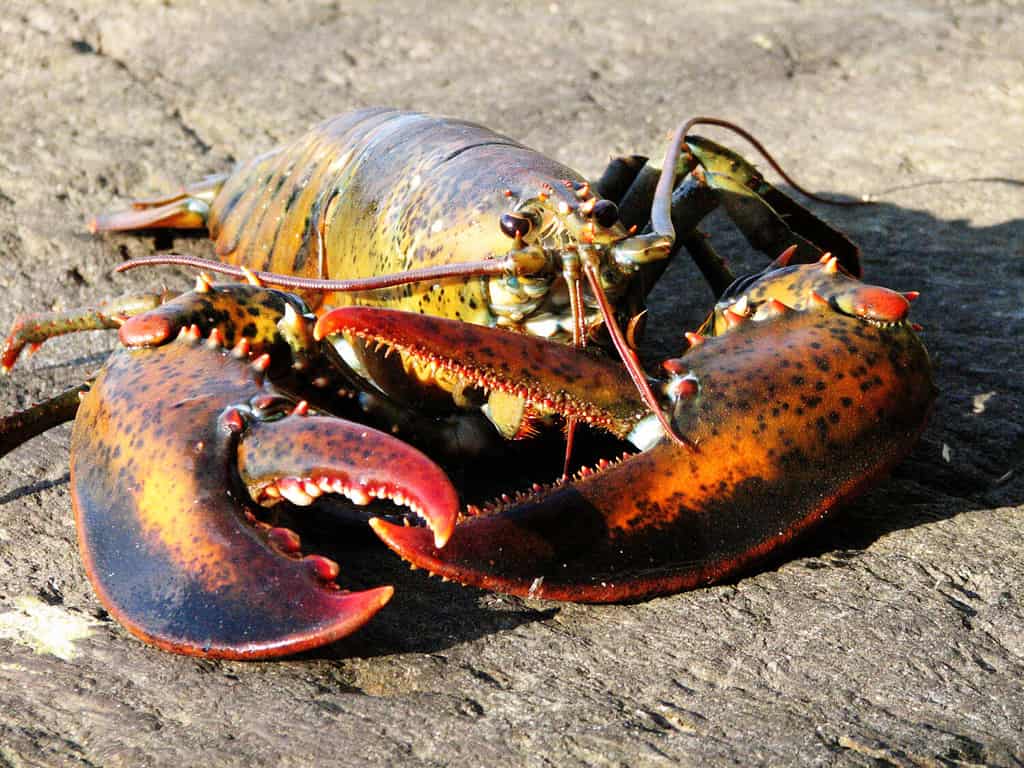
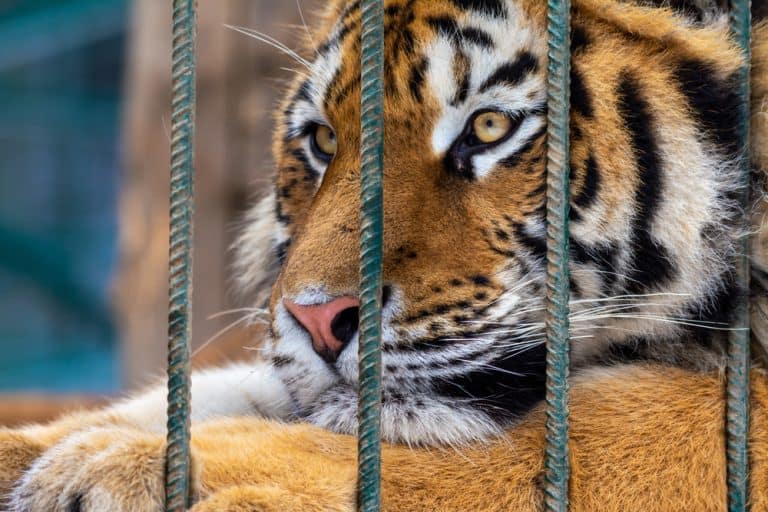
England has many policy shifts in the works for animals, including additional accountabilities for zoos.
©/Shutterstock.com
There are several policy changes for animals currently in the works, including these shifts, categorized by animal type:
- Companion Animals
- Cracking down on puppy smuggling and tightening rules meant to reduce low-welfare breeding and illegal importation.
- Reviewing and strengthening dog breeding and selling standards, including oversight aimed at improving traceability and the legitimacy of rehoming companies.
- A ban on the use of remote electric shock collars for dogs in England, which came into effect in February 2024.
- Improving microchipping and identification systems, including addressing inconsistencies across database providers and record quality.
- Wild Animals
- A commitment to ban trail hunting.
- Banning snares and reviewing other trapping practices where welfare concerns have been raised.
- Introducing a scheduling change for hare shooting during breeding seasons.
- Kept Wild Animals (Such as Exotic Pets, Zoo, or Aquarium Animals)
- Maintaining and tightening welfare expectations in licensed settings; privately kept primates and other wild species will be taken into account.
- Farmed Animals
- A change in certain confinement systems, including cages for laying hens and phasing out pig farrowing crates using intricate transition planning.
- Shifting away from high-concentration CO₂ stunning for pigs before slaughter.
- Plans to introduce clearer standards for the humane killing of farmed fish, a similar issue that lobsters currently face.
- Science and Research
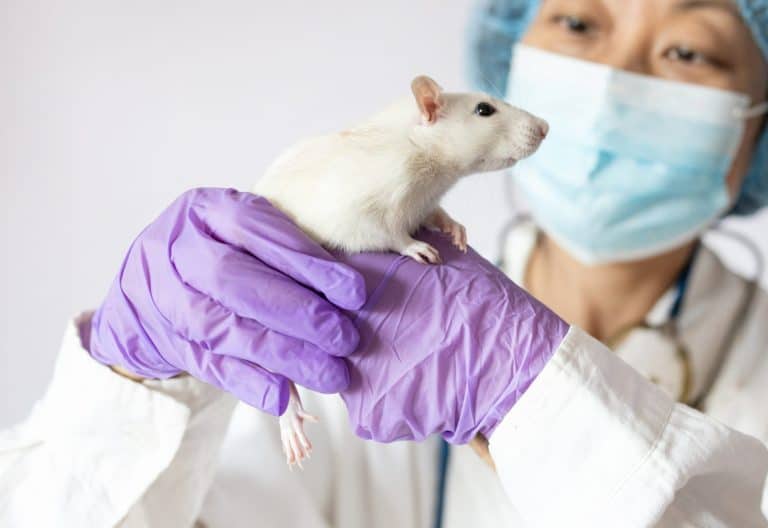
- Continuing efforts to reduce animal testing where possible, while supporting alternatives through research and increased funding.
Lobsters are definitely one component of this policy, with many other animals potentially benefitting as well.
Why Supporters Say This Policy is Overdue
Animal welfare groups believe that, if the science supports a reasonable likelihood of pain perception in a living creature, policy should default toward whatever humane alternatives that might exist.
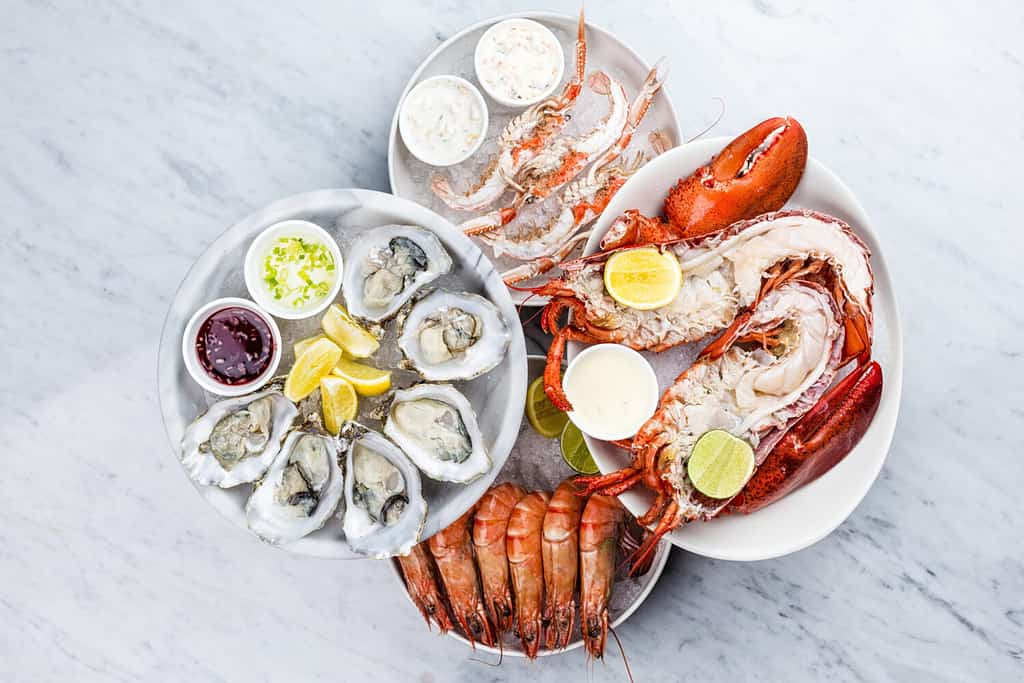
While no one is saying that seafood shouldn’t be eaten, these animals could be killed in more humane ways.
©Artur Begel/Shutterstock.com
Groups like the RSPCA and FOUR PAWS consider the strategy as a significant step forward and hope these policies will be implemented as soon as possible. Time will tell as to how long these changes will take, but animal advocacy groups remain optimistic.
Clear rules and regulations are likely also the only way to level the playing field, especially when considering animals in a restaurant or food business setting. If it remains optional, higher-welfare businesses absorb extra costs while competitors do nothing, something campaign groups and some supply chain activists have repeatedly pointed out in debates about crustacean welfare, specifically.
Why Critics Are Against These Policy Shifts
Once governments start applying welfare standards to animals that were historically excluded or rarely considered in a legal setting, critics can’t help but ask: where does it stop? The lines continue to blur, making it more difficult to ascertain how operations will continue in the future for other species.
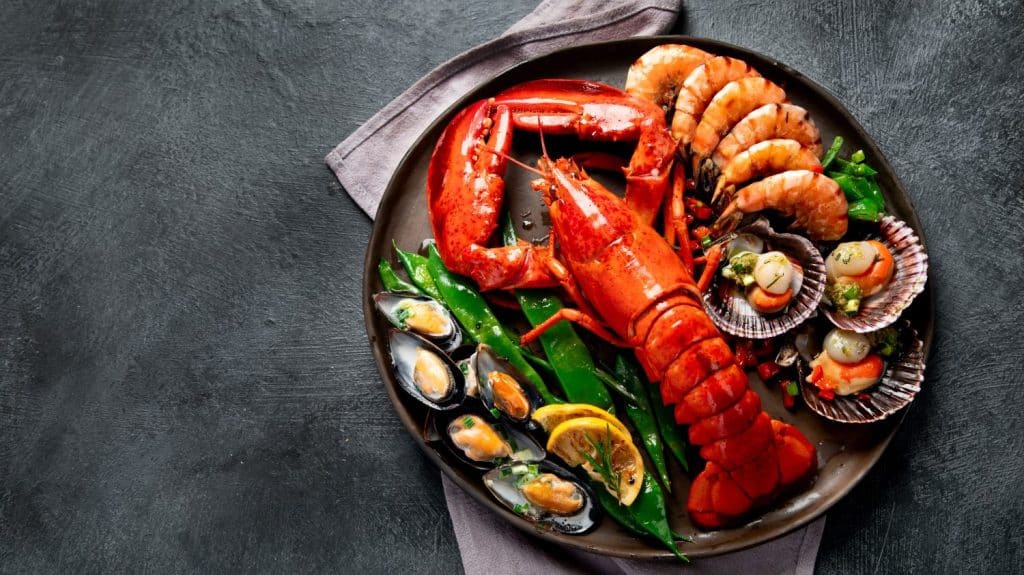
The main critique of this policy is the notion of cost, as restaurants will have to supply their own humane killing methods and tools.
©Tatjana Baibakova/Shutterstock.com
There’s also a key argument that these changes and interventions will push costs onto restaurants, fishmongers, home cooks, and suppliers already operating on tight margins. There is little evidence that funding or humane supplies will be provided to businesses, making it a hotly contested debate.
And it isn’t just lobsters that are causing this type of stir. The policy has many other dividing facets. For example, rural groups criticize the government’s plan to end trail hunting, with the debate centering around tradition, countryside identity, personal choice, and regulation.
What Happens Next For Lobsters in England
While animal welfare activists hope these new policies will take effect as quickly as possible, it may take some time. Multiple facets of this change need addressing and implementing, including:
- Exactly which species and settings are covered such as restaurants, retailers, wholesalers, fisheries handling, and even home cooking guidance
- Which methods are considered compliant; there’s a fine and unclear line between what counts as stunned versus killed
- What training or equipment standards apply, and whether exemptions exist for certain operations, such as home cooks
- How enforcement works in the real world, especially across small kitchens and undisclosed businesses

Lobsters may have a win in the works, but only time will tell how enforceable and practical this policy is.
©I Wayan Sumatika/Shutterstock.com
Legislation alone doesn’t guarantee a country-wide behavior change, which officials recognize as a key concern behind these policies. However, if the lobster earns a win in England, this humble crustacean could earn wins in other countries, too. Just because they can’t speak doesn’t mean they don’t deserve to die in as humane a way as possible.