Quick Take
- A mother bear's pregnancy can actually be paused, and whether her cubs are even born depends on one critical factor she has to meet first. See how pregnancy works →
- Black bear cubs spend over a year learning everything from their mother, while their father plays absolutely no part in the process. Discover solo cub-raising →
- What looks like a rough grab is actually the gentlest and safest way a bear can carry her young, and the reason why is more fascinating than it looks. Watch the carry technique →
Black bears may have a reputation for being powerful and intimidating, but moments like this show just how gentle and attentive they can be, especially as mothers. In this wholesome clip, a mother bear carefully helps her two cubs over a tall garden fence. The fence is far too high for the little ones to climb on their own, so she patiently lifts each cub by the loose skin on its neck and carries it over. It’s a sweet reminder that, even when the bears in a viral video aren’t the species people assume, the parenting moment is still every bit as adorable.
Watch the Wholesome Clip Now
View this post on Instagram
These Bears Aren’t Actually Grizzlies
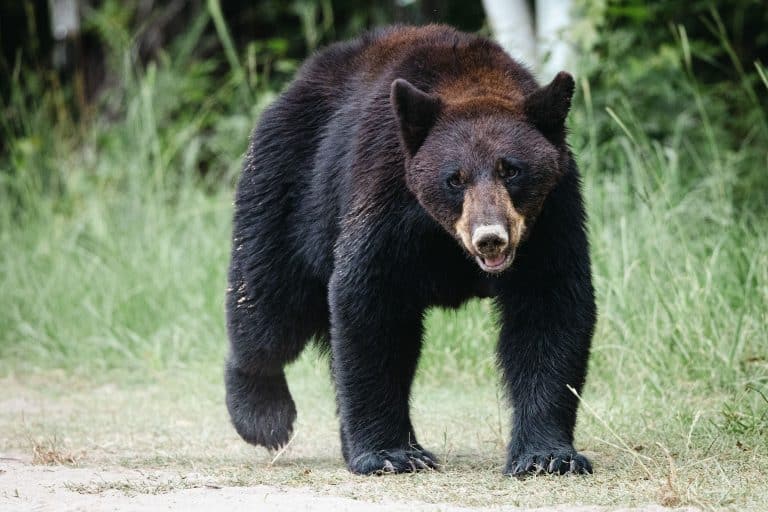
Although the bears in this video are described as grizzlies, they are actually black bears. Black bears can vary quite a bit in color, ranging from black to brown or even cinnamon, which sometimes causes confusion. But regardless of the mix-up, the scene is still just as heartwarming: a mother bear carefully and patiently getting her cubs safely over an obstacle.
How Do Black Bears Normally Give Birth?
Black bears are found across much of North America and are the continent’s most common bear species. During the breeding season, females may mate with more than one male, and males may compete for access to receptive females. Mating usually takes place between May and July.
Like other bears, black bears experience delayed implantation. This means the fertilized egg does not immediately attach to the uterus. Instead, implantation happens later in the year, and only if the female has built up enough fat reserves to support pregnancy. Cubs are usually born in the den during winter, most often between January and early February, while the mother is in her period of winter dormancy. A litter usually includes one to three cubs, though larger litters can happen.
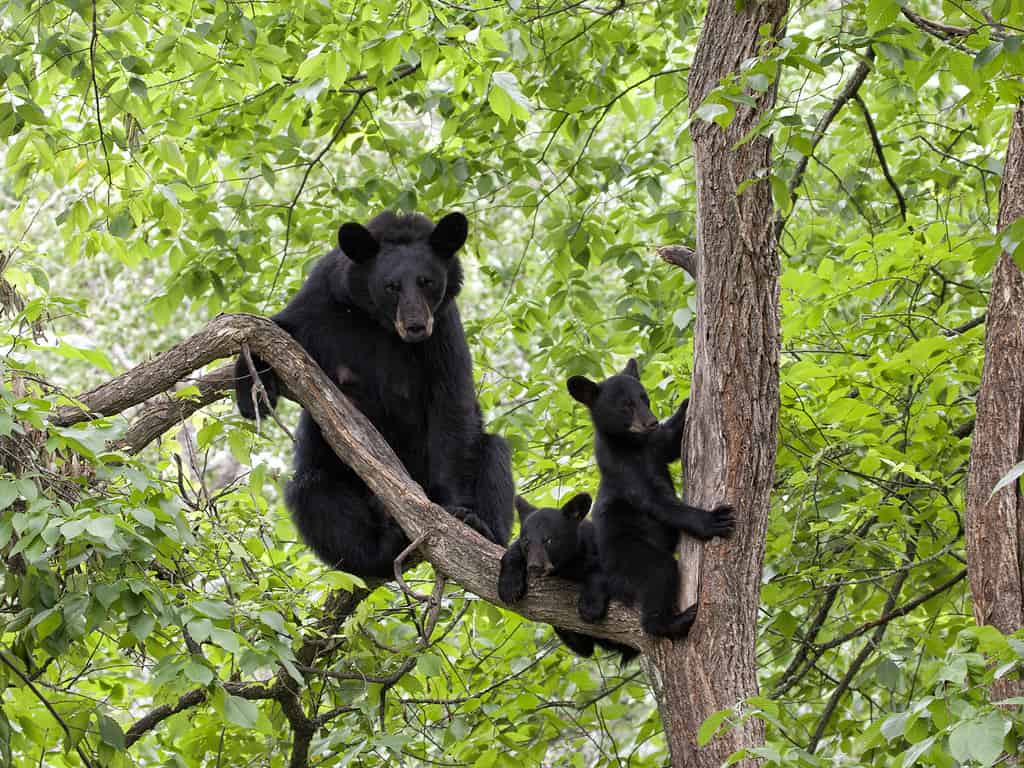
Black bear with two adorable cubs in a tree.
©dssimages/iStock via Getty Images
How Do Black Bears Normally Care for Their Cubs?
Black bear cubs are born tiny, blind, and mostly hairless, making them completely dependent on their mother. Over the next few months, they grow quickly, develop a thick coat of fur, and become much more active. The mother nurses and protects them through their earliest, most vulnerable stage of life.
As the cubs grow, she teaches them important survival skills, including how to climb, forage, and respond to danger. Black bear cubs usually stay with their mother for about 16 to 18 months, sometimes longer, before heading off on their own. During that time, she is solely responsible for their care and protection.
Male black bears do not help raise cubs. After mating, they play no role in parenting, leaving the mother to do all the work of feeding, defending, and teaching her young.
Still Adorable Either Way
Whether someone first thought these bears were grizzlies or not, the best part of the video remains the same: it captures a tender side of bear behavior that people do not always get to see. This mother black bear is strong, patient, and clearly focused on getting her cubs safely where they need to go, and that makes the whole moment even more endearing.