
Quick Take
- Baby owlets are communicating with their mothers before they've even cracked their shells, and the mechanism behind it is stranger than you'd expect. How owlets call pre-hatching →
- That mysterious chirping sound in a barn owl nest might not be coming from where you think. Sounds from inside the shell →
- Pipping is only the beginning. The step that actually gets a chick out of its shell has a name most people have never heard of. What zipping actually means →
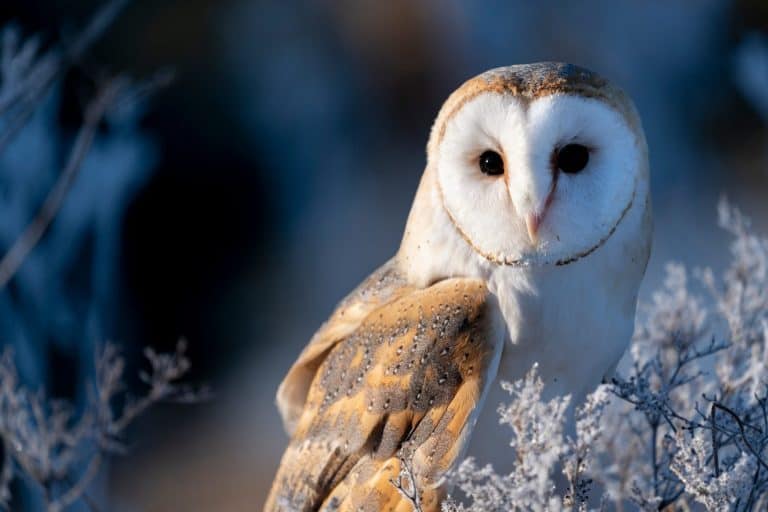
We don’t often think of what a hatchling does inside its egg right before hatching. Many may not even know that hatchlings can chirp and use their beaks hours before breaking the shell. However, this YouTube video demonstrates just how much birds—specifically barn owls—are capable of before they are even born.
The video, which follows beloved barn owl Gylfie on her motherhood journey, reveals a mysterious chirping. At first, it sounds as if the chirping might be coming from outside the barn or even from Gylfie herself. In reality, it is her owlets making the noise!
Barn Owl Chicks Chirp Before Hatching
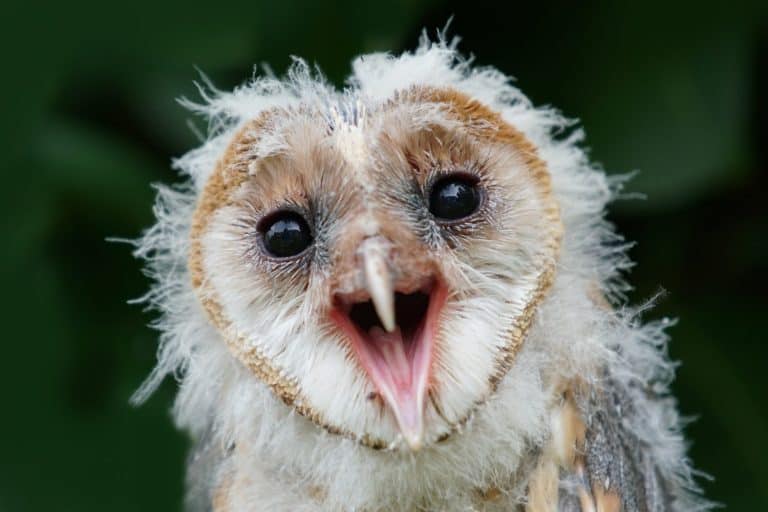
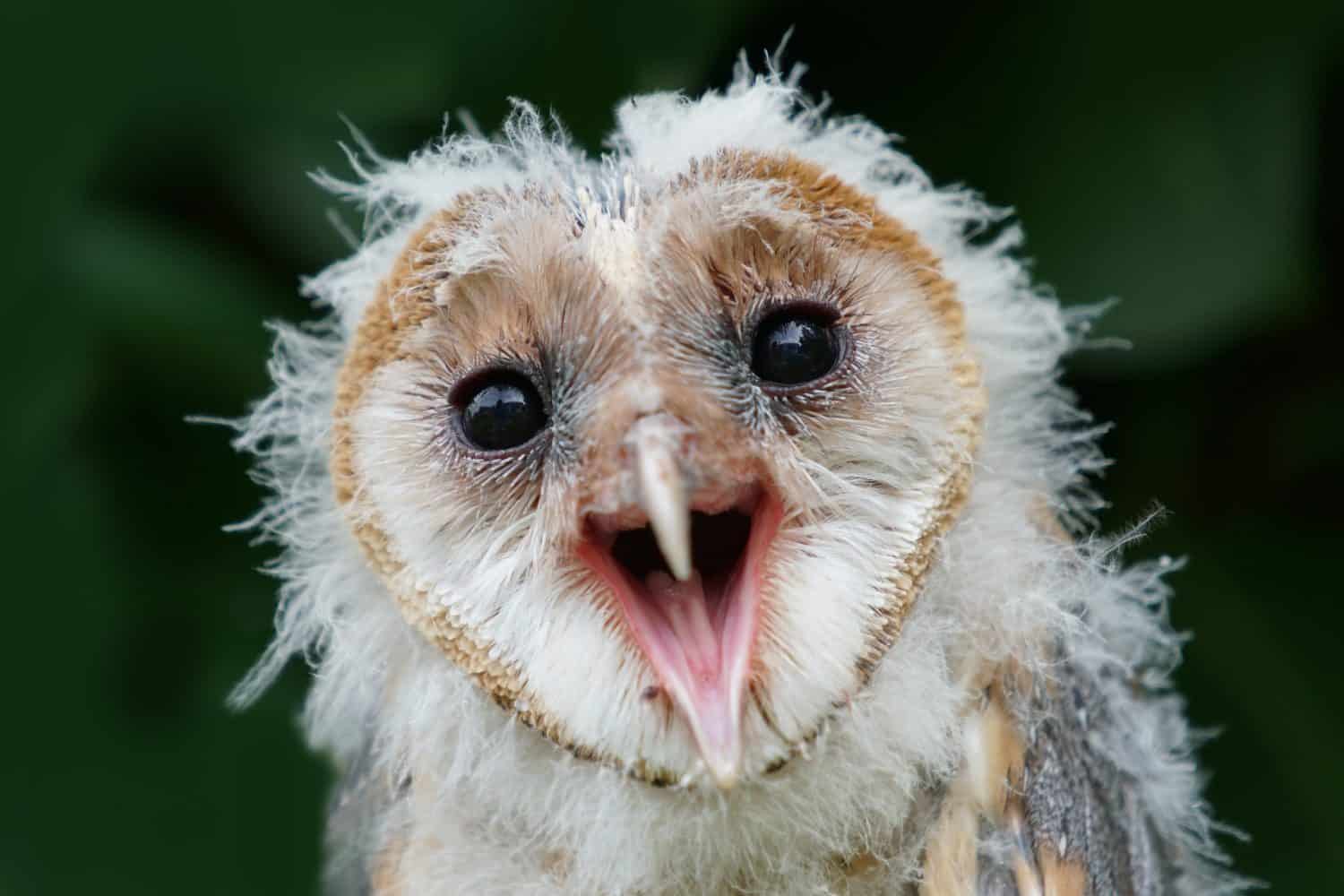
It can be quite the surprise when you check in on your barn owl and hear the chirping of several others. While it may not mean anything to us, this chirping is the first communication between the mother and her owlets. This vocalization is known as a pre-hatching call. Alternatively, ‘pipping’ refers to the moment when the owlet physically breaks through the eggshell as it prepares to hatch. It usually sounds like chittering, but what the owlet is really communicating is, “I’m ready to break free of this shell!”
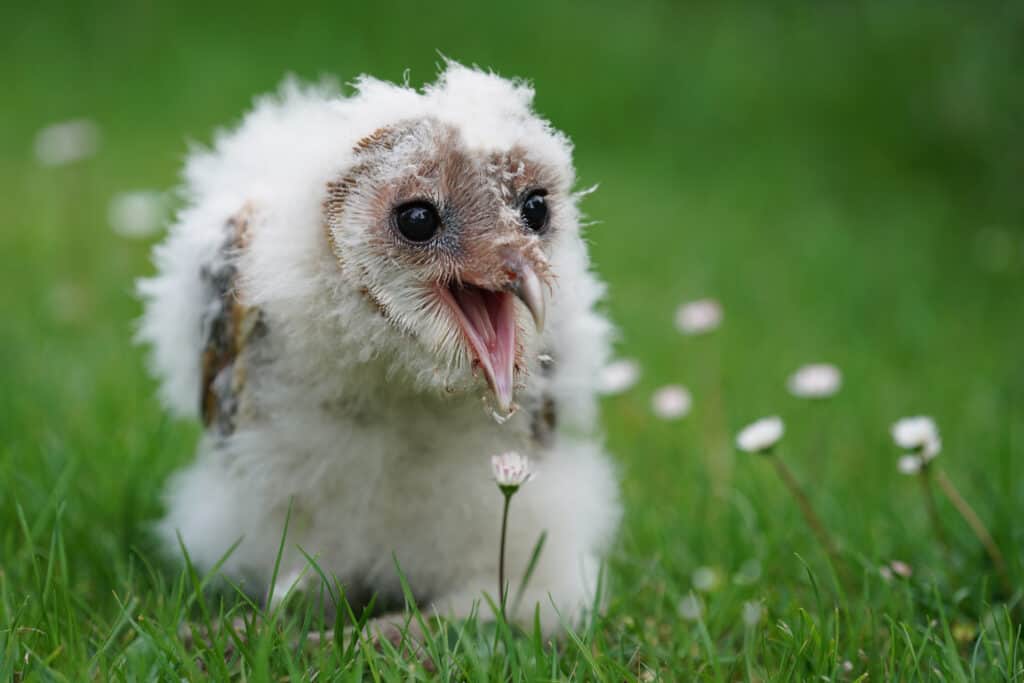
It takes an average of 32 days for barn owl eggs to hatch, but you may hear the chicks before they emerge.
©Holger Kirk/Shutterstock.com
The reason we can hear pipping is that the owlet has already broken through the thin inner membrane of its shell. When this happens, sound is no longer muffled and travels freely. Breaking the inner membrane is also known as internal pipping. This allows the owlet to access the air cell and begin breathing air. This can make its vocalizations louder and more frequent. However, some vocalizations may occur even before this stage.
Pipping Means a Chick Is On Its Way
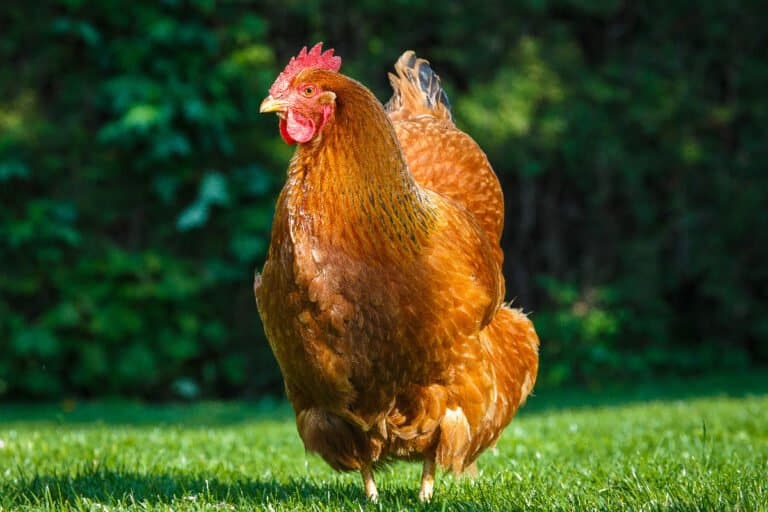
Barn owls aren’t the only birds that have pipping chicks. This can be common in many bird species, including ducks, chickens, geese, and other raptors. The larger the offspring, the more likely you are to hear it before it hatches. Other species, such as songbirds, are usually too small for us to hear pipping. We typically hear their voices later, after they have hatched and are a few days old.
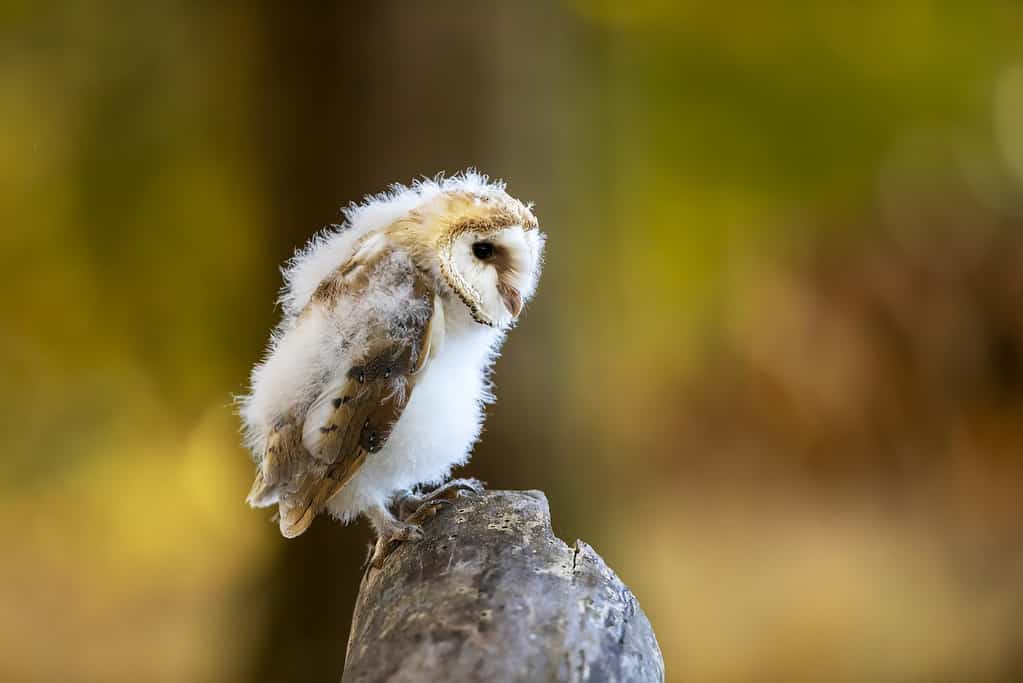
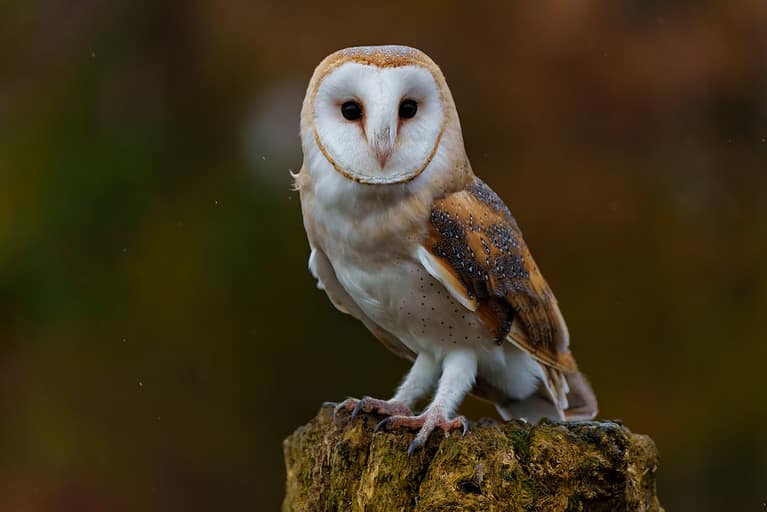
Barn owls rarely leave the nest or their eggs.
©scigelova/iStock via Getty Images
Hearing pipping is exciting for several reasons. The first is that it signals the chick is ready to meet the world. Not long after pipping, it performs a step called “zipping.” Using the small egg tooth on the outside of their beaks, birds rotate inside their egg. As they do, they slowly chip away at the hard external shell. At this stage, pipping becomes louder, and once the shell cracks, the chicks make their first full chirps as hatchlings.