Quick Take
- Horses have a hidden biological alarm system that spreads danger signals through the herd without any sound required. See the alarm mechanism →
- When one horse gets spooked, the rest of the herd reacts, and the reason why goes far deeper than you'd expect. Discover the herd response →
- A hurricane video caught horses making a series of calculated survival decisions that most people would never notice. Watch the survival decisions →
- The bond horses form with each other may trigger the same phenomenon scientists have only studied between horses and humans. Explore horse-to-horse bonds →
A viral video from American Dream Farm in Statham, Georgia, shows how a herd of horses huddled together to protect themselves during a hurricane. The herd not only stayed close for protection but also followed each other’s lead on which direction to stand against the wind and rain. This fascinating behavior isn’t limited to the herd in the video. Some horse experts believe that when horses move in tandem or stand near each other, their autonomic nervous systems begin to mirror one another.
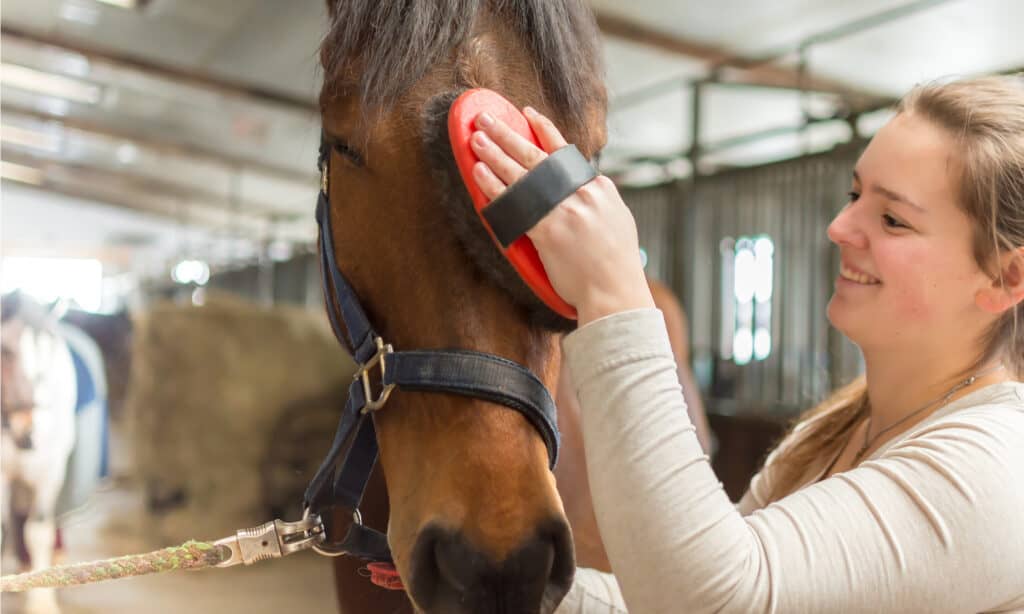
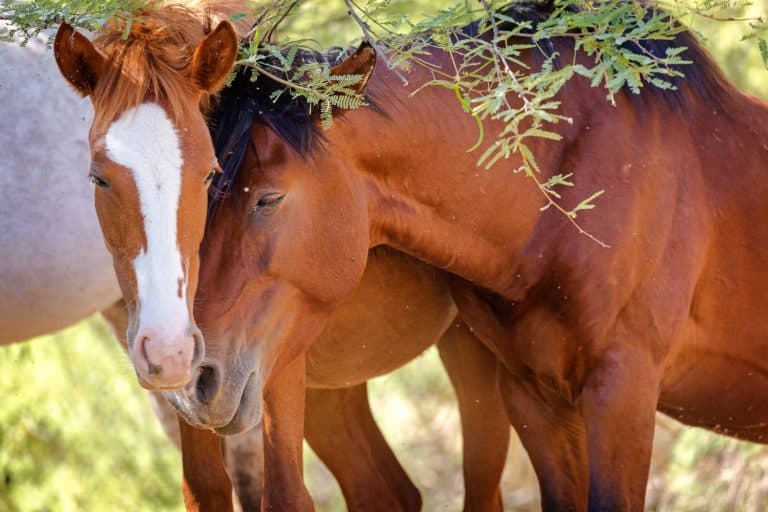
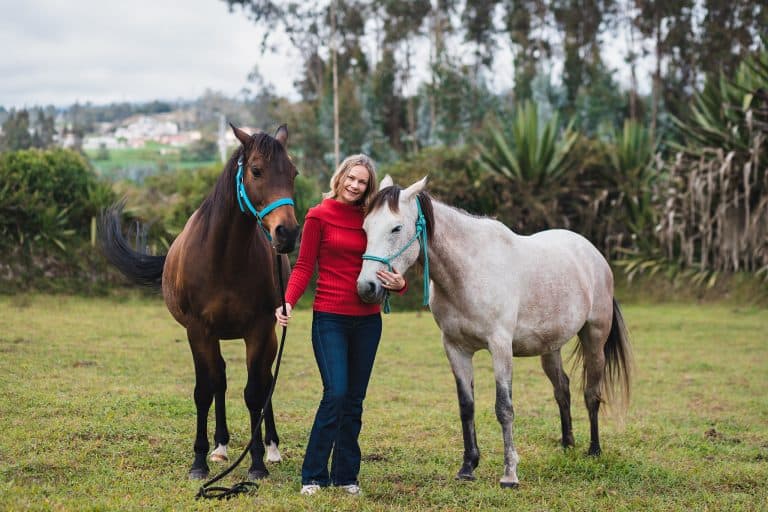
Horses can form close bonds with each other and with their human owners.
©Tanja Esser/Shutterstock.com
Why Horses Huddle in Bad Weather
In the Instagram Reel above, Monique Smith explained that her farm was experiencing weather from the outer bands of a hurricane. The horses were standing near each other, all facing the same direction.
In the video, the horses turn their backs to the wind and rain and continue shifting to protect themselves from the elements. Smith also notes that the herd moves away from the trees toward the lowest part of the yard. “They’re making themselves small,” she says, “and they’re staying together in a herd.”
How Heart Coupling and Bidirectional Coupling Help Herds Survive
Smith also notes that as one horse changes direction, the herd follows. At one point, a horse is startled by something off camera, and the others react as well. Smith explains that horses can “detect each other’s heart rates and pulses and sync each other’s heart rates to one another.” She continues, “They’re asking themselves, why is that horse getting an elevated heart rate? Is there a predator around or something?”
Heart coupling and bidirectional coupling can occur when animals experience autonomic nervous system coregulation. Research has shown horses and humans may experience synced heart rates. Although studies have not been conducted on horses’ coregulation with other horses, experts and anecdotal evidence suggest that this herd behavior happens not only with trusted humans, but also with other members of the herd.
Experts believe heart coupling is a survival mechanism that horses use to alert each other when danger is near. When one horse senses a threat and their heart starts racing, other horses nearby go on alert to protect themselves and the rest of the herd from predators.
Do All Horses Experience Physiological Coupling?
The research we have on physiological coupling is primarily between horses and humans. Scientists have found that many complex factors are likely at play when horses and humans sync their heart rates.
Research shows that horses form close social bonds with each other, but it takes time and familiarity to build trust. Scientists found that bonded horses engage in mutual grooming, also known as allogrooming, especially after times of stress.
Do Other Equine Species Experience Heart Coupling?
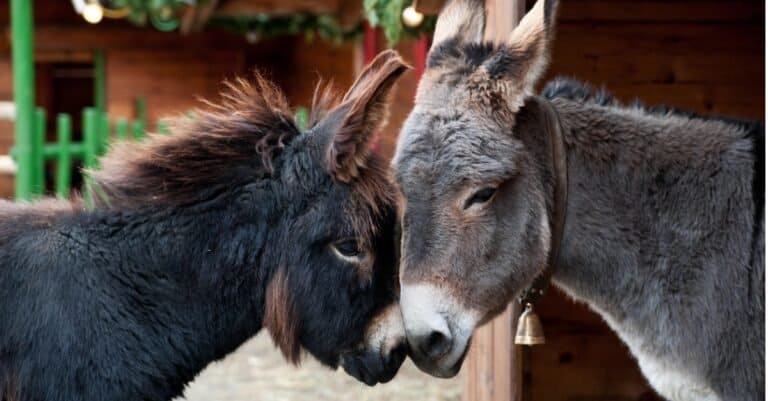
Equine species, such as zebras, donkeys, and mules, form close bonds with one another, just as horses do. Although we don’t have research on whether same-species equines co-regulate or heart-couple with each other, research does show they routinely synchronize their behavior.