
Quick Take
- Hundreds of spiders were filmed hanging from extensive webs attached to a power line in Indonesia.
- Power lines provide elevated anchor points for webs that can intercept flying insects. See their survival strategy →
- Web-building spiders can remain motionless while waiting for prey, making them appear frozen in place. Discover why power lines work →
- Weather conditions and prey availability may help explain large spider gatherings. Explore the real explanation →
Spiders are known for creating intricate webs to catch their prey, but you probably wouldn’t expect to see hundreds of these creatures hanging out on a power line. You can see exactly this in the Instagram post above, which shows the spiders seemingly frozen in mid-air, en masse. Although the sight might look straight out of your worst nightmare, there’s actually a natural explanation for why the spiders are suspended from a power line.
Why Are the Spiders on a Power Line?
The unusual footage in the Instagram post was filmed in Indonesia and shows hundreds of spiders suspended from massive webs attached to an overhead power line. Of course, it’s not unusual to see spider webs across structures. However, it is unusual to see them in a mass gathering on a power line so high in the air.
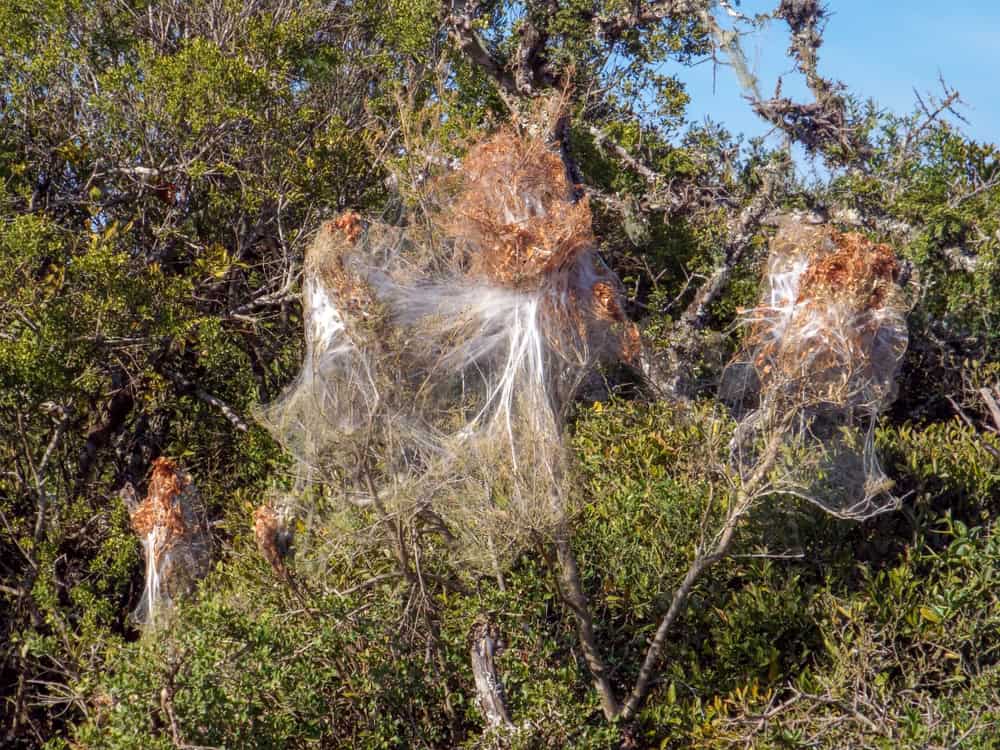
Sometimes spider webs can be huge structures in the air.
©jason johnstone/Shutterstock.com
Although the spiders don’t appear to be moving in the video, remaining motionless is normal behavior for web-building spiders, as they often wait patiently for unsuspecting insects to land on their webs rather than actively chasing their prey. Spiders can often wait for long periods of time, as not to frighten away their potential prey.
Stable structures such as power lines can be useful places for spiders to build their webs as they provide an anchor point for the silk. Elevated structures can also be useful as they put the web in the path of flying insects, which greatly increases the chances of catching prey. Also, flooding or heavy rain can cause spiders to seek higher ground for safety.
Is This a Common Spider Phenomenon?
Although seeing hundreds of spiders suspended from a power line is an unusual sight, large gatherings of spiders isn’t entirely unusual behavior. Web-building spiders can sometimes create their webs close to one another when the area offers suitable conditions for catching prey. However, this doesn’t necessarily mean that they create one big web together. Instead, it could just be the result of many spiders building webs on the same structure. The mass gathering is likely an example of multiple spiders taking advantage of a favorable place for catching prey.
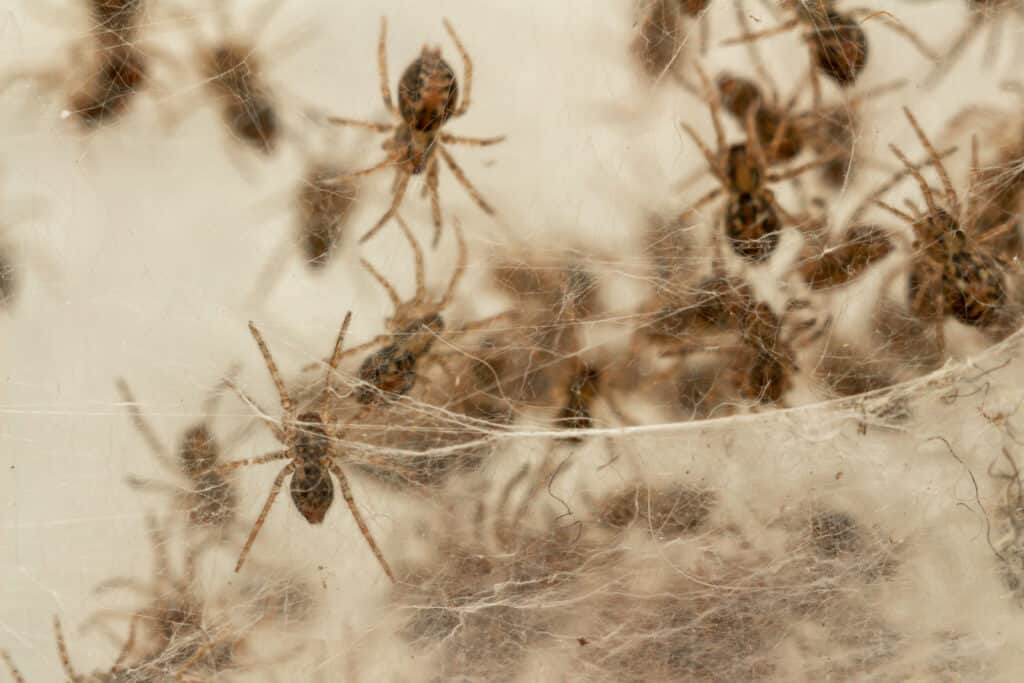
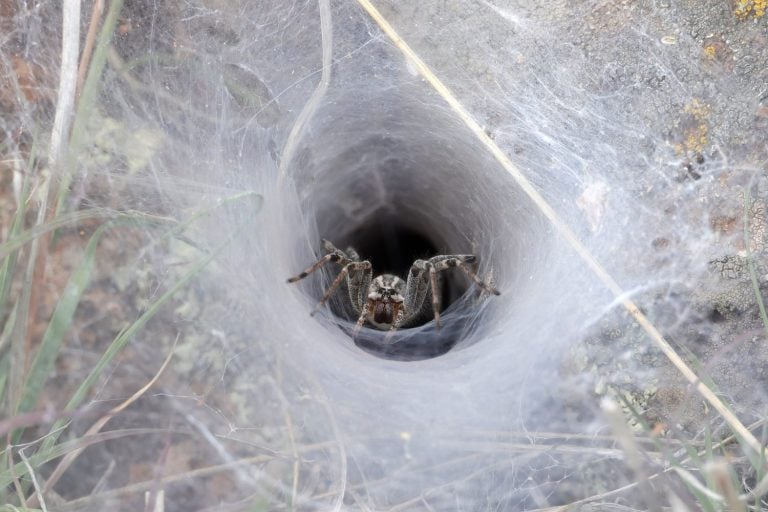
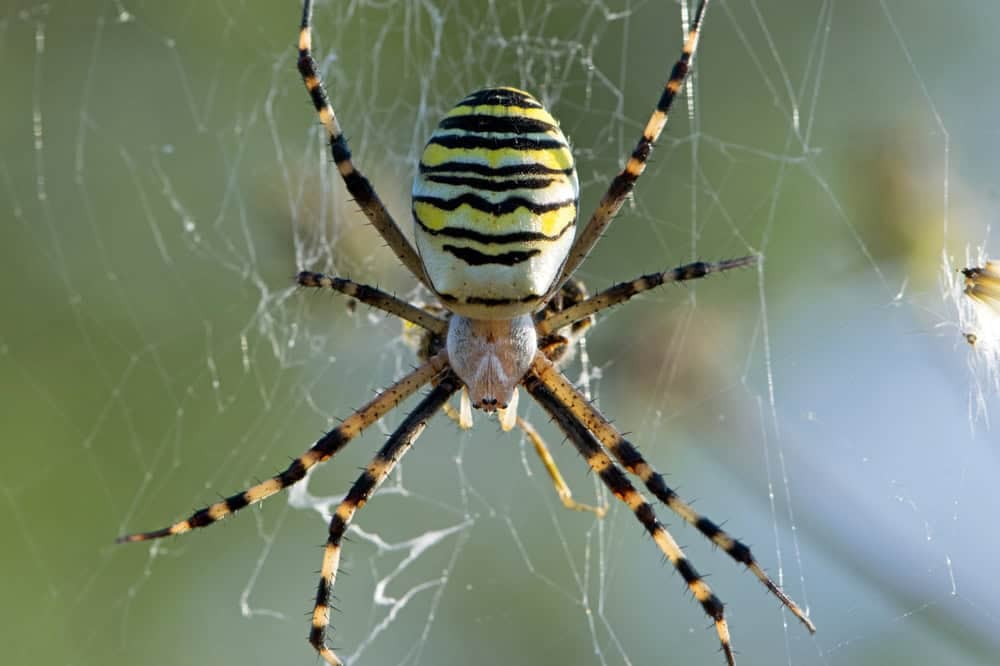
Although most spiders are solitary, some do live in colonies.
©Ivan Semenovych/Shutterstock.com
Most spider species are solitary, although a few species are social and live in colonies. However, the exact species of spider in the post hasn’t been reliably identified, so it’s impossible to say if the gathering is unusual behavior for the arachnids involved. Regardless, the sheer number of spiders and the expansive webbing make this a particularly striking sight.