
Quick Take
- Honey bees have a reputation for gentle industriousness, yet researchers just caught them doing something that shatters that image entirely. See the hostile behavior →
- Doubling honey bee density on a single plant type triggers a measurable cascade effect on rival pollinators, with the numbers proving far more dramatic than scientists had expected. Explore the study findings →
- One invasive species did something no other pollinator dared to do when confronted by a honey bee, a feat that raises uncomfortable questions about which insects actually need saving. Meet the bee that fights back →
- Climate change may be quietly rigging the competition between pollinators in ways that favor one species at the expense of all others. See the climate warning →
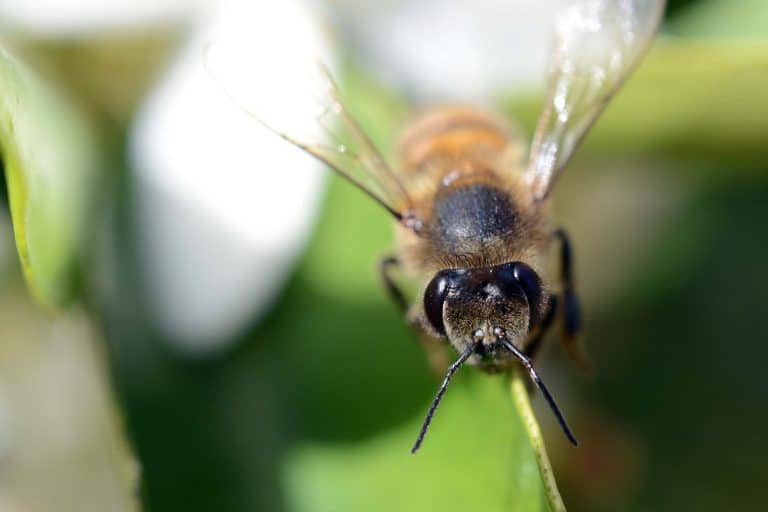
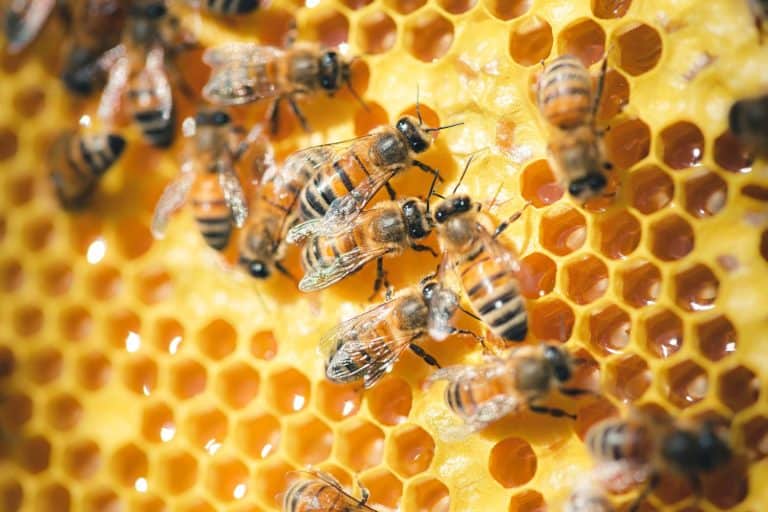
The natural world is highly competitive. There are only so many resources, and nearly every species must fight for its share. It’s player-versus-player out there, where even the most seemingly gentle creatures contend for their place in the environment. Take the honey bee, for example. The latest research shows that honey bees are just as competitive as other creatures. In the United Kingdom, scientists have documented honey bees using aggressive tactics to fight for the right to pollinate flowers.
The study detailing these findings was conducted by researchers at Anglia Ruskin University (ARU) and published in the journal Ecological Entomology. The researchers observed honey bees intimidating, displacing, and chasing away rival insects from flowering plants that produce nectar and pollen. This is arguably the first evidence of its kind, and it shows that even honey bees, pressured by human development and climate change, will do what it takes to survive. Below, we explore this research, how scientists uncovered this unexpected aggressive behavior, and what it reveals about the pressures honey bees face in places like the United Kingdom.
Fight for Food
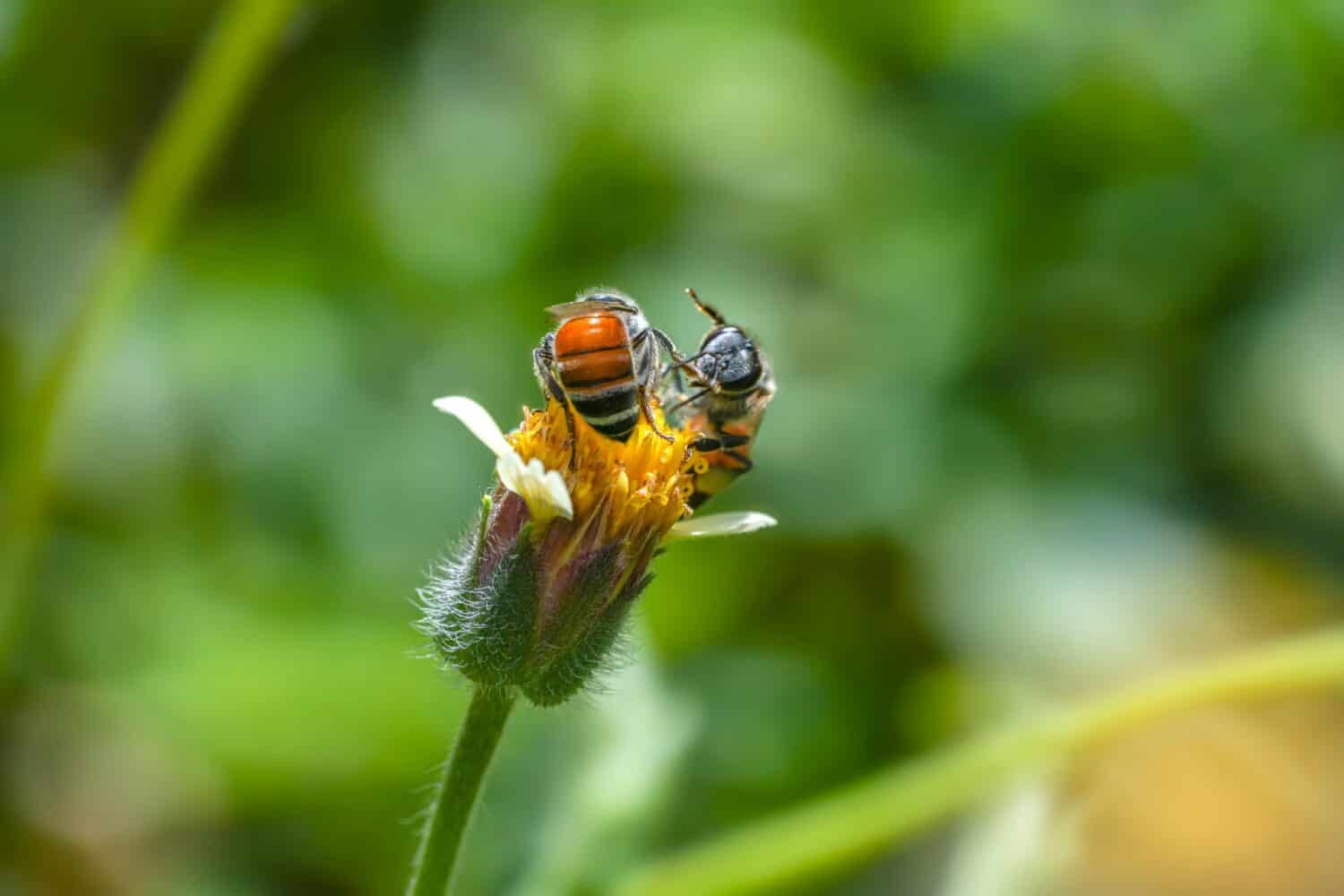
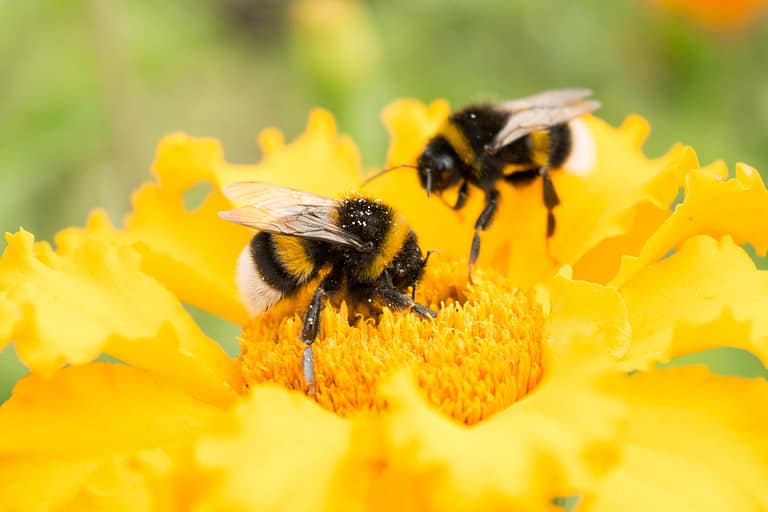
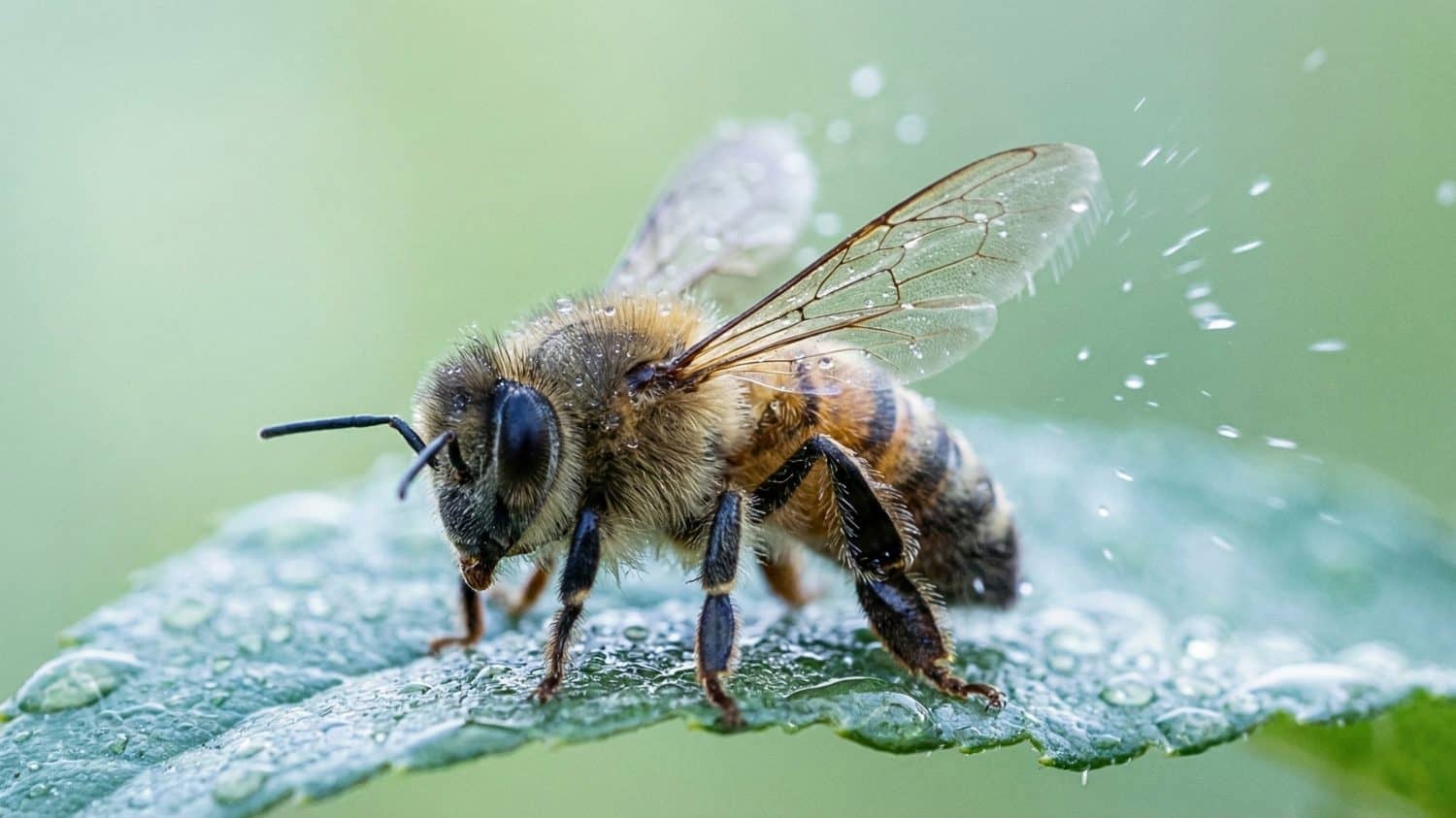
Researchers found that honey bees are incredibly competitive and will use aggressive tactics to ensure access to flower nectar.
©MERCURY studio/Shutterstock.com
As illustrated by findings published in the journal Ecological Entomology, even honey bees aren’t above fighting for the right to drink nectar and pollinate flowers. The study followed different pollinator insects at five separate locations around Cambridge, England, over the course of two years. Specifically, they focused on bramble and ivy plants at sites situated within several hundred meters of known honey bee colonies.
Examining the exact behavior of pollinators, however, required classification. The team split up pollinators at each site into groups: honey bees, bumble bees, solitary bees, and hoverflies. From there, the researchers watched what happened over 93 cumulative hours. When one insect interrupted another one feeding, they classified the interaction by outcome. Wins occurred when one insect got the upper hand and gained access to a flower at the other’s expense. The latter insect was classified as having suffered a loss. If both insects could feed on the same flower without conflict, however, the researchers classified the interaction as a share.
This simple measurement system produced consistent patterns. At sites with a greater density of honey bees, fewer pollinators from other species were present, and there was more competition over flowers. Furthermore, these sites showed honey bees ‘winning’ more interactions than other insects. More specifically, bramble flowers became virtual battlegrounds. When the density of honey bees was doubled on brambles, it correlated with a 14% decrease in bumblebee density. The same held true for ivy plants, as more honey bees on these flowers correlated with fewer solitary bees and hoverflies.
Unexpected Aggression
Winning a race to a flowering plant is one thing; doing everything possible to stop your competition from getting there first is another. The researchers found that the observed honey bees repeatedly initiated hostile interactions with rival pollinators to drive them away and grab flowers for themselves.
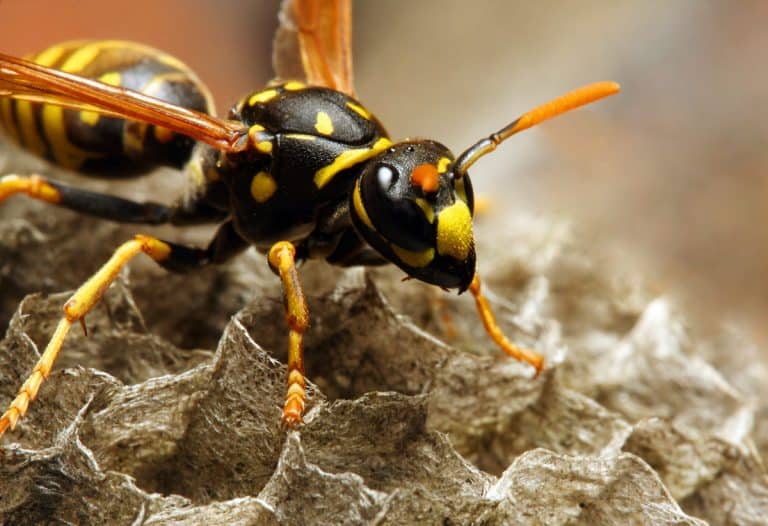
This reputation for aggression preceded the bees, too. Researchers saw other pollinators like bumblebees and wasps actively avoiding honey bees. Statistically, rival pollinators avoided honey bees 28% of the time on bramble plants and 36% of the time on ivy plants. Honey bees gained the upper hand in at least 20% of encounters, often by chasing or physically pushing away other insects.
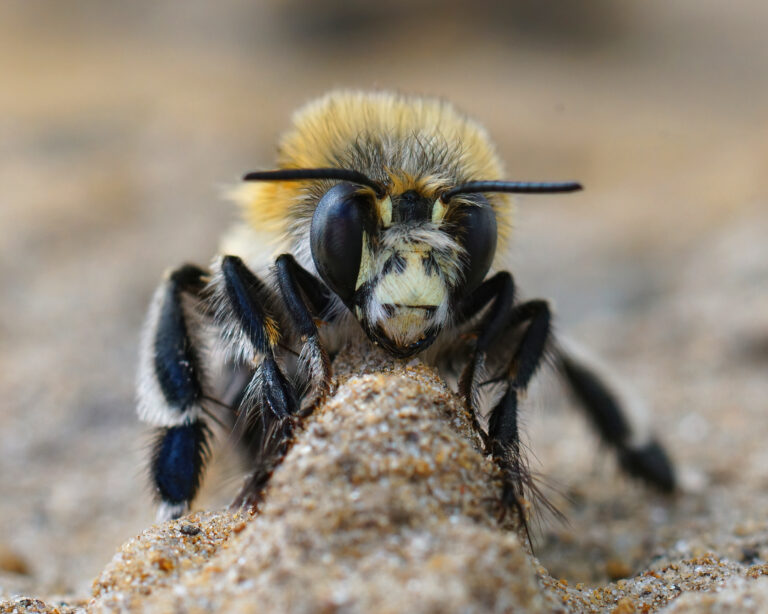
Other insects observed in the study were not as aggressive as honey bees. That is, except for ivy bees. An invasive species first documented in the United Kingdom in 2001, the ivy bee was the only insect willing to fight back. While the rest of the pollinators would admit defeat quickly, ivy bees would chase or displace honey bees. Speaking to Science Daily, lead author Victoria Buckle confirmed this. She said, “An interesting exception was the ivy bee, which would win contests more often against honey bees. It is the first time, to our knowledge, such behaviors have been observed and shows ivy bees are able to ‘hold their own’ in such encounters.”
Save the (Wild) Bees
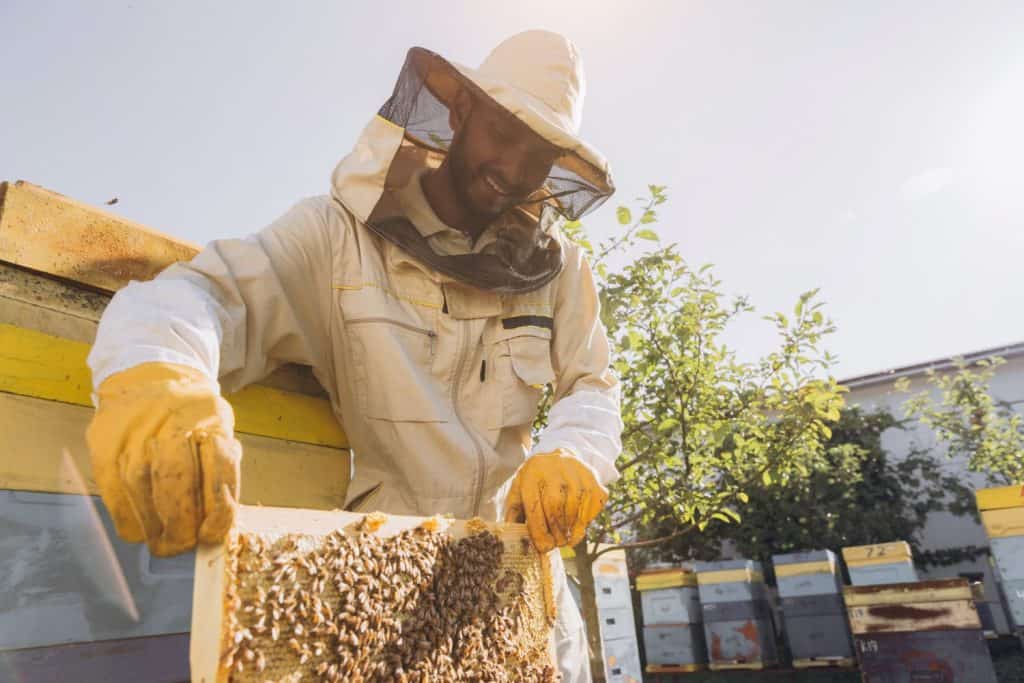
Although wild bee populations are in decline, commercial beekeeping has continued to grow in the United Kingdom.
©Anatoliy Cherkas/Shutterstock.com
The idea of saving the bees has gained increasing exposure in recent years due to the accelerated decline of wild bee species across the world. It should be noted, however, that honey bee populations are relatively stable. In fact, beekeeping in the United Kingdom continues to experience growth: the number of registered beekeepers increased from 19,000 in 2010 to 47,000 in 2025. These findings paint a more nuanced picture of which bees need saving, and which may hasten the demise of other pollinators.
Climate change should not be discounted either. Researchers believe that competition becomes more intense during warmer conditions. Plants, too, produce less nectar during hot periods, which forces pollinators into further competition. These factors, combined with the fact that bumblebees and hoverflies prefer cooler temperatures and honey bees prefer hotter temperatures, could create conditions for a biodiversity crisis.
These latest findings suggest that honey bees could outcompete all other wild pollinators, a situation intensified by a growing number of honey bee hives in the United Kingdom. As lead author Victoria Buckle told Science Daily, “It’s important to find ways to ensure honey bees and wild pollinators can continue to coexist, particularly in locations with a high density of hives, such as urban areas.”