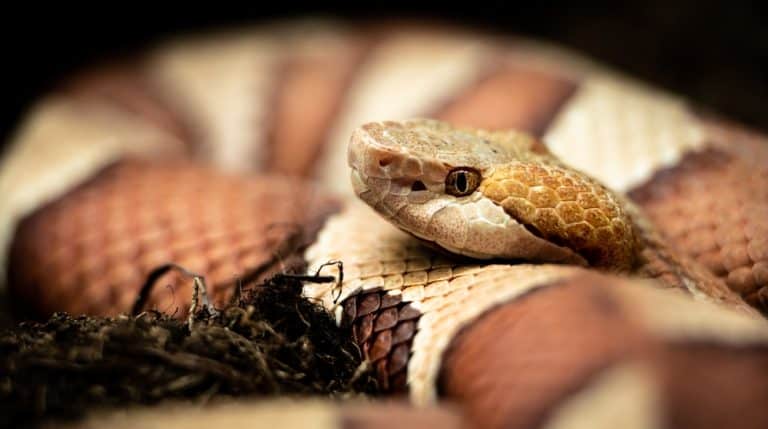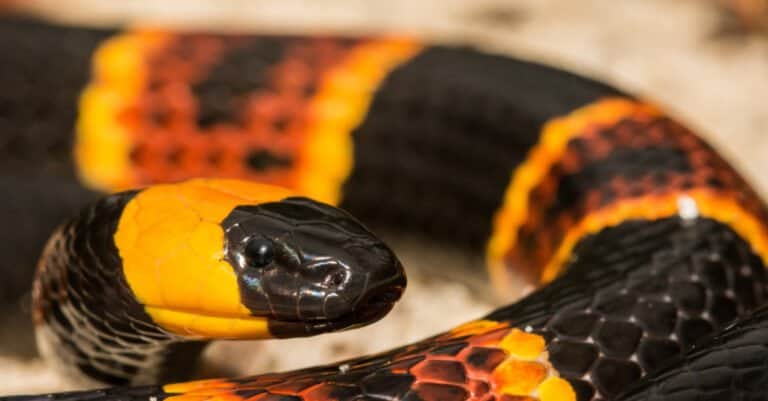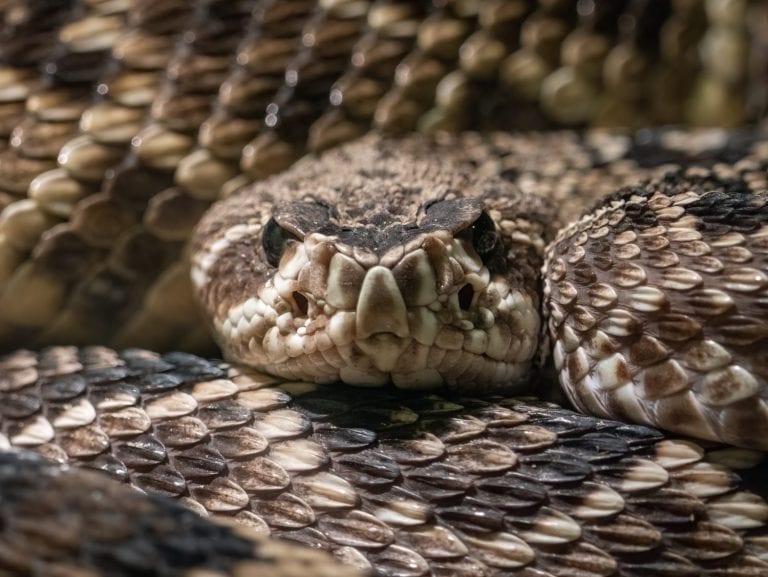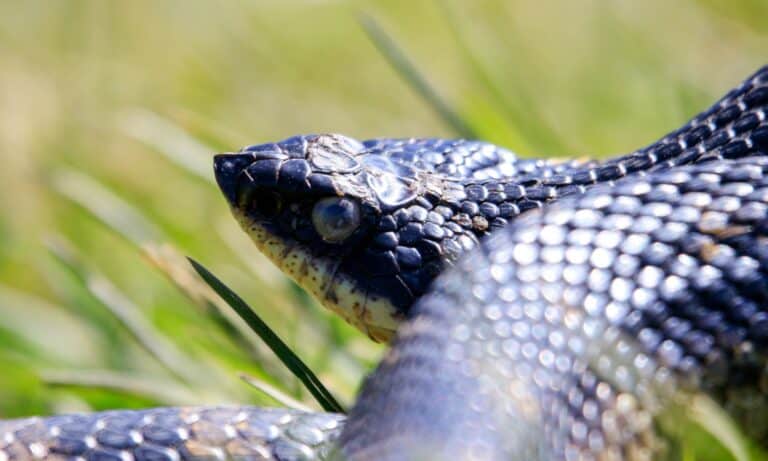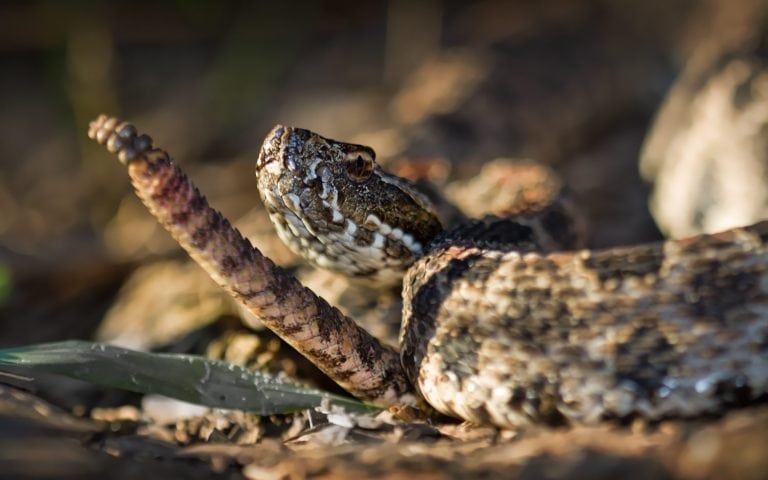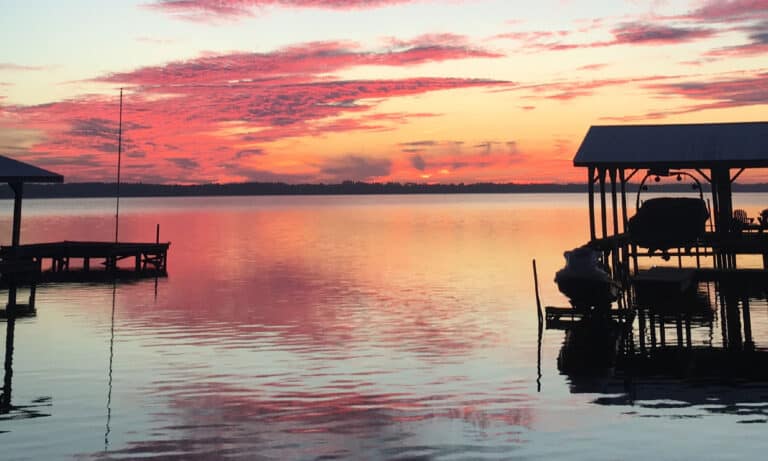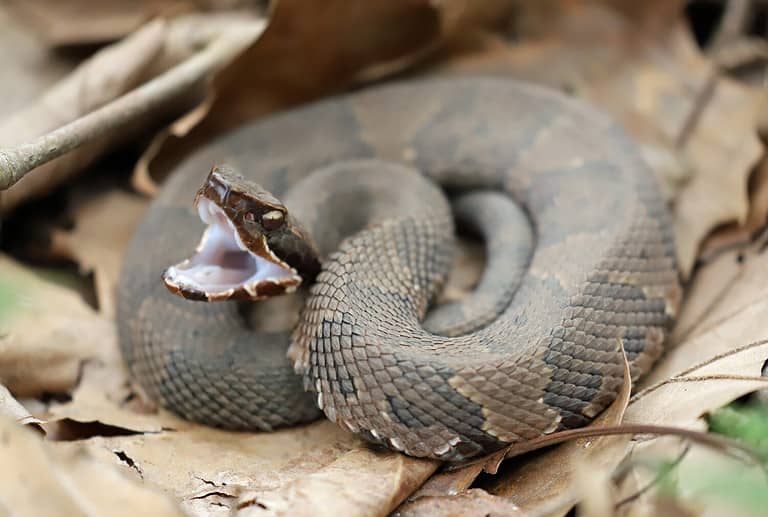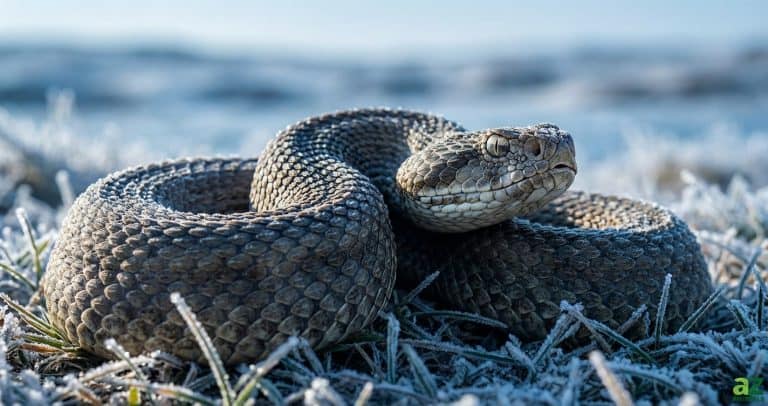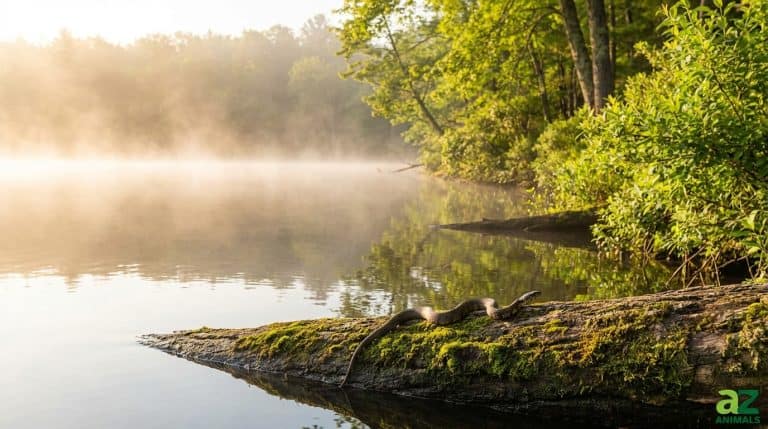

Imagine drifting peacefully on the calm waters of a picturesque lake in British Columbia, basking in the gentle warmth of the sun. The tranquil silence breaks as a ripple of water stirs at the lake’s edge — a snake emerges, sliding elegantly across the surface. Welcome to the world of snake-infested lakes in British Columbia!
Before you get too worried about snakes interrupting a peaceful afternoon, know that snakes have zero interest in you. These amazing creatures are both predators and prey, putting them in a difficult position. Humans are a lot bigger than snakes, which means that a snake will think you are the predator!
Fortunately, if snakes aren’t your thing, Canada’s northern location means there aren’t as many cold-blooded creatures — the weather is just too cool for them to thrive the way they do in warmer climates.
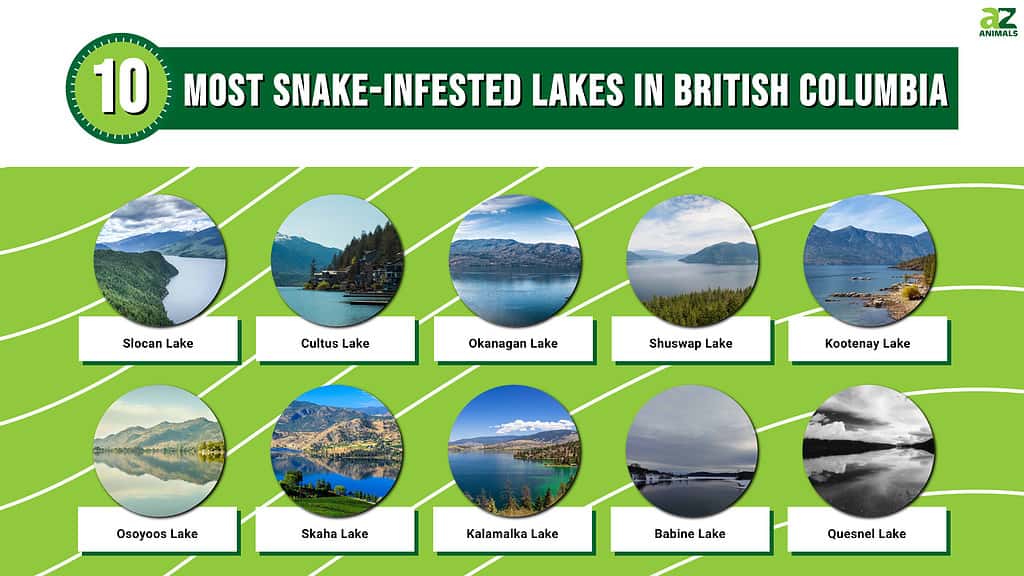
In fairness, while the title says “snake-infested” lakes, it’s a vague term that means different things to different people. One person may consider one snake a sign of an infestation, while another says he wishes there were more snakes to see!
To determine which areas had the most snakes, we turned to iNaturalist.org and its millions of observers for help. As far as snake-infested, Canada’s climate makes that downright impossible unless you are terrified of snakes or you’re visiting the Narcisse Caves for the annual red-sided garter mating season — which isn’t even located in British Columbia, but Manitoba.
1. Okanagan Lake
The lake with the most snake species, Okanagan Lake’s beautiful landscape is a perfect home for about six snake species. With the garter snakes, there are probably a couple of subspecies in the mix too, but they’re often hard to differentiate, so there’s definitely room for some error.
Okanagan Lake is popular for boating, fishing, and camping along the shore. You’re not likely to find snakes randomly swimming across the middle of the lake, but garter snakes are semi-aquatic and often hang out around the shoreline in the brush, rocks, and leaf litter. Western terrestrial and common garter snakes are seen with regularity, but you’ll also find gopher snakes, northern rubber boas, racers, and even a venomous northern Pacific rattlesnake or three.
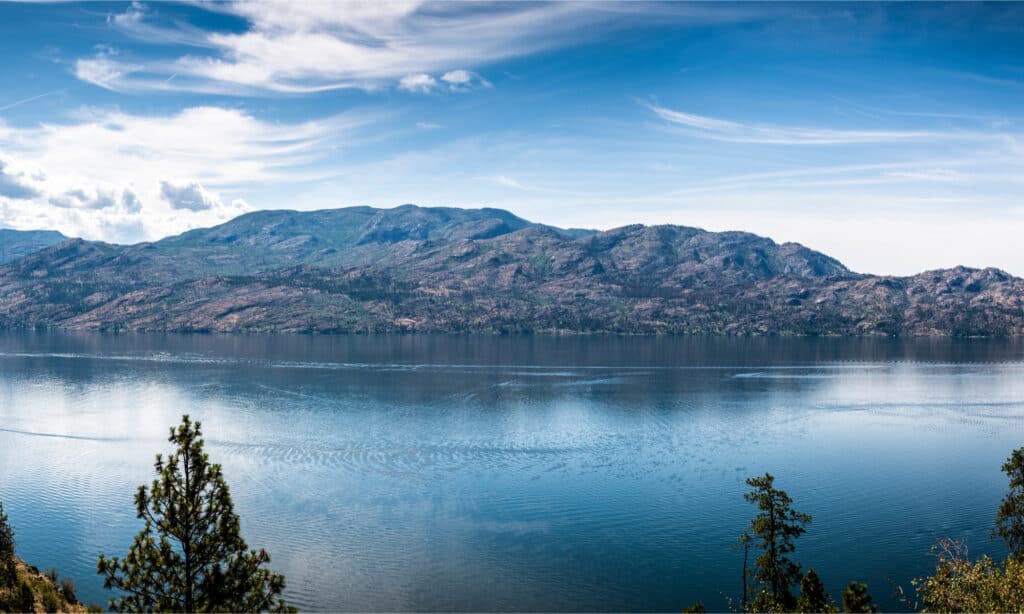
Stunning Okanagan Lake spans 84 miles (135 km) from the north (Vernon) to the south (Penticton).
©RLS Photo/Shutterstock.com
2. Kalamalka Lake
Only a little to the east of Okanagan Lake is Kalamalka Lake. If you’re not there for the snakes, camping, hiking, and boating are popular!
This lake is also home to several snake species, including the northern rubber boa, gopher snake, western yellow-bellied racer, northeastern garter snake, and common gartersnake. You’ll also occasionally hear the distinctive rattle of the northern Pacific rattlesnake, which is more common here than around other British Columbia lakes.
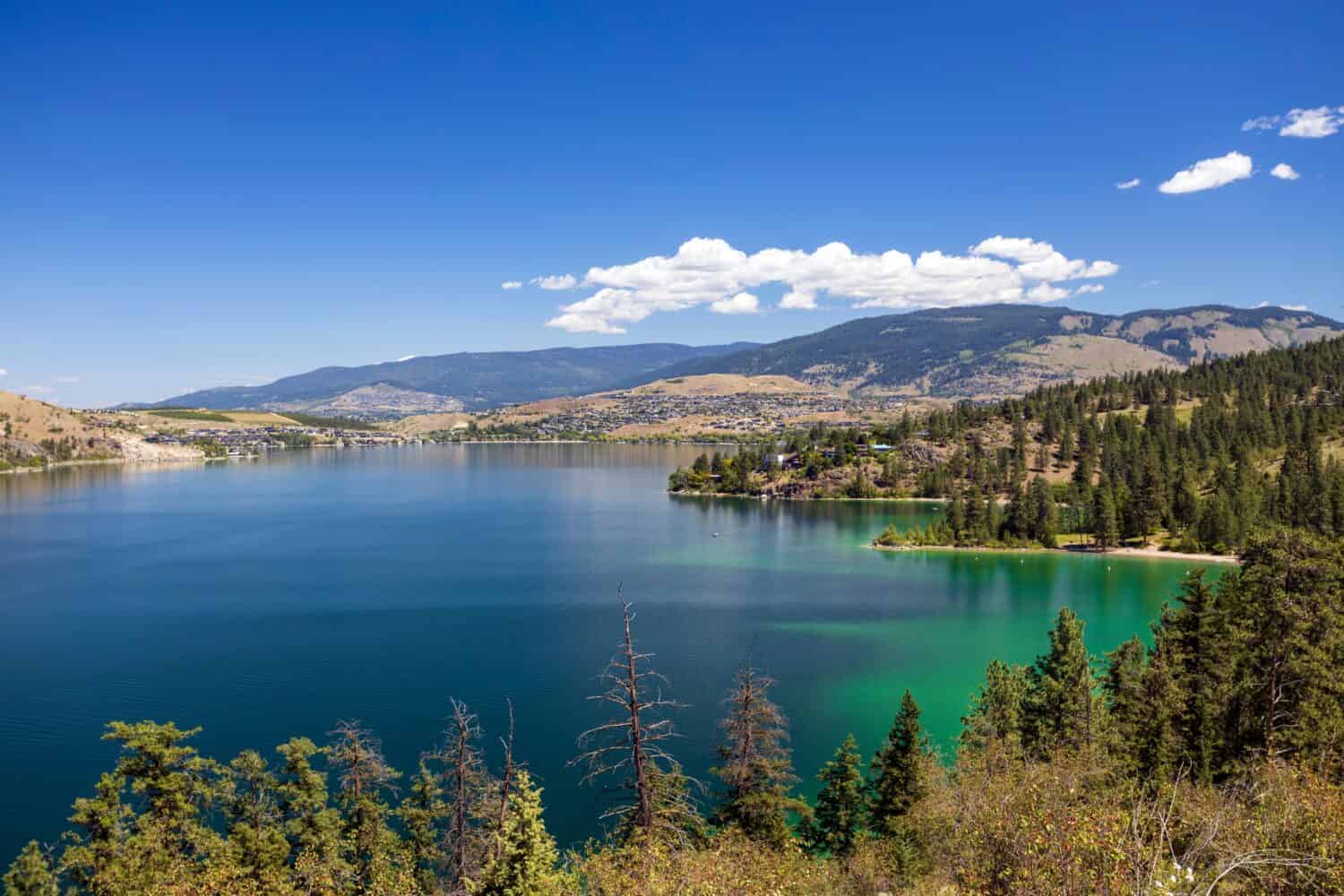
Kalamalka Lake Provincial Park and Protected Area is located in Coldstream, British Columbia, Canada.
©Nalidsa/Shutterstock.com
3. Kootenay Lake
The Kootenay region’s mountains cradle several lake and river systems. Kootenay Lake is part of the Kootenay River, created by the Corra Linn Dam. The lake’s beautiful water and environment make it an ideal place to spend quality time with your friends and family, with everything from swimming and canoeing to cycling, hiking, and camping available.
If you’re not a fan of those legless rodent assassins known as snakes, this may be a good option for you. There aren’t as many species here as around other lakes.
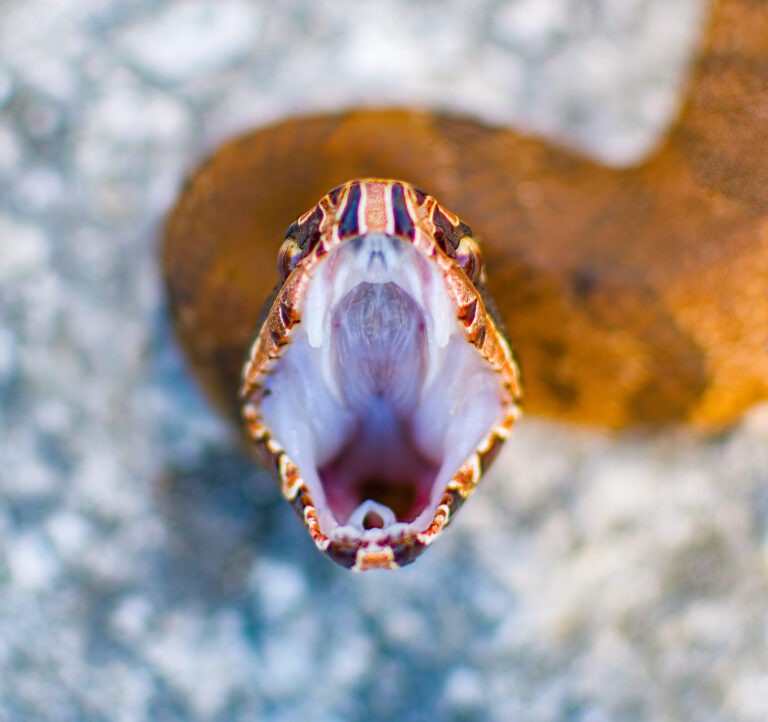
The common garter snake, known for its striped pattern and habit of musking anyone who tries to pick it up, is a common sight around Kootenay Lake. It thrives on the amphibians and other small prey in the region. Also in residence is the western terrestrial garter snake and, more specifically, its subspecies, the wandering garter snake. These snakes have more varied diets than other garter snakes and will eat anything small enough to swallow. If you’re really lucky, you might get to see the only boa to live this far north — the extremely docile northern rubber boa.
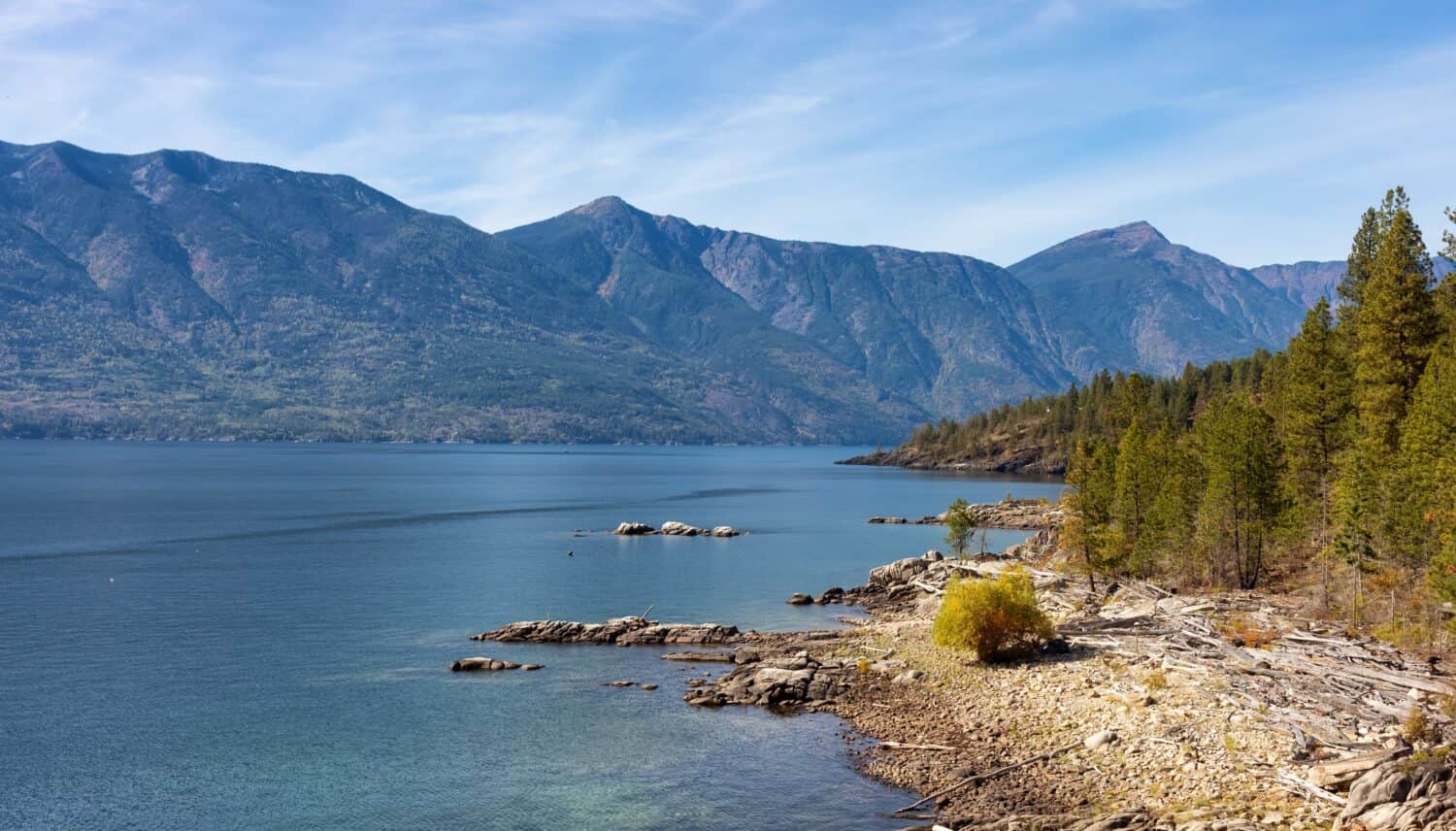
The conditions of Kootenay Lake make it a great place for snakes.
©EB Adventure Photography/Shutterstock.com
4. Skaha Lake
The clear, clean waters and diverse shoreline offer a fantastic habitat for many species. Located south of Okanagan Lake, Skaha Lake is a natural oasis teeming with life. You may see bighorn sheep, Pacific chorus frogs, and pygmy nuthatches. However, we’re not here to talk about birds and sheep, are we?
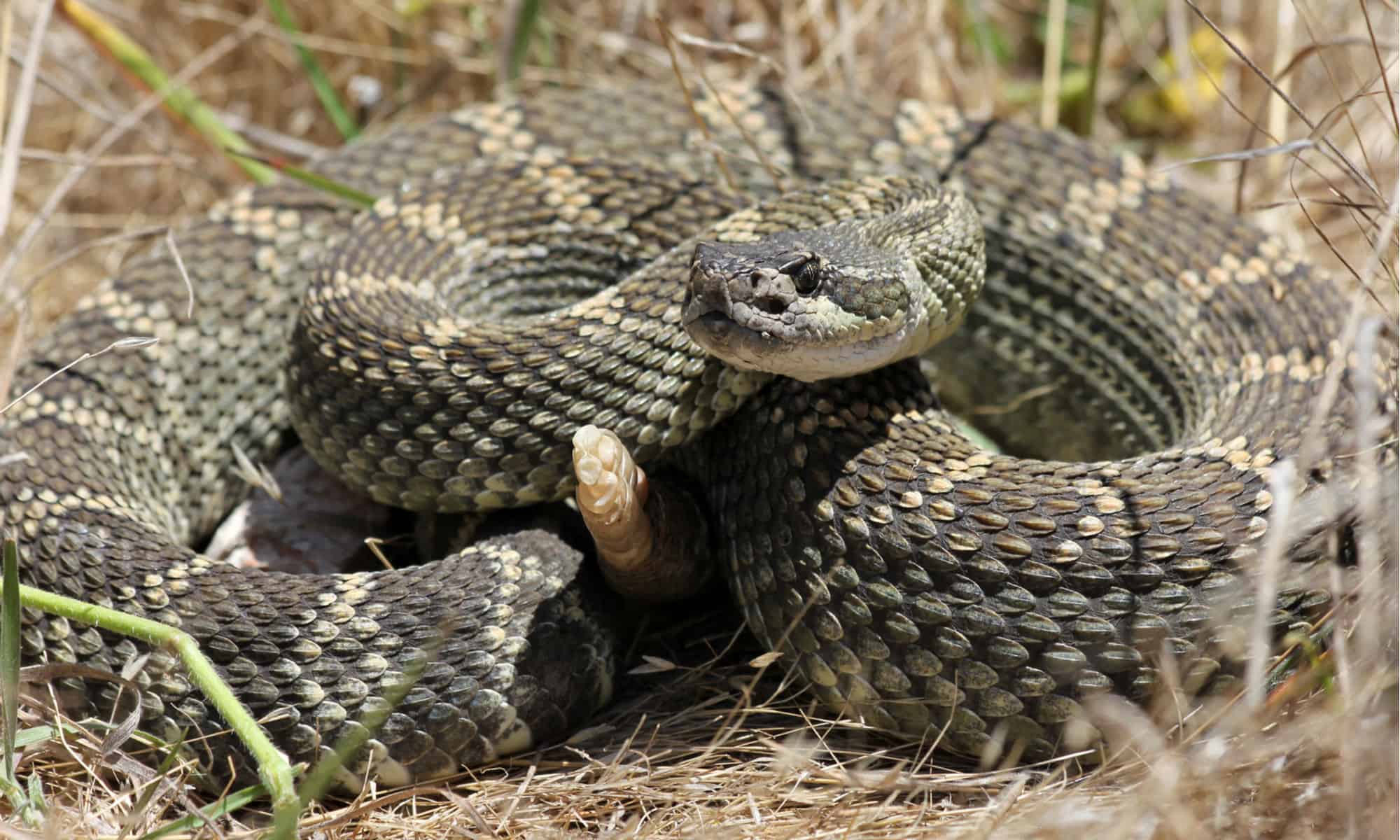
Its sandy banks, rocky outcroppings, and vegetation-ridden areas perfectly blend shelter, sun, and abundant food resources. Here, you’ll find various garter snakes, but also one of the biggest snake species in North America — the gopher snake. And on the slightly scarier side, the northern Pacific rattlesnake. However, far from being the big mean snakes movies sometimes portray them as rattlesnakes are the scaredy-cats of the snake world. They’re prey for nearly every carnivore or omnivore larger than them, so they use the rattle as a communication tool to get people to leave them alone.
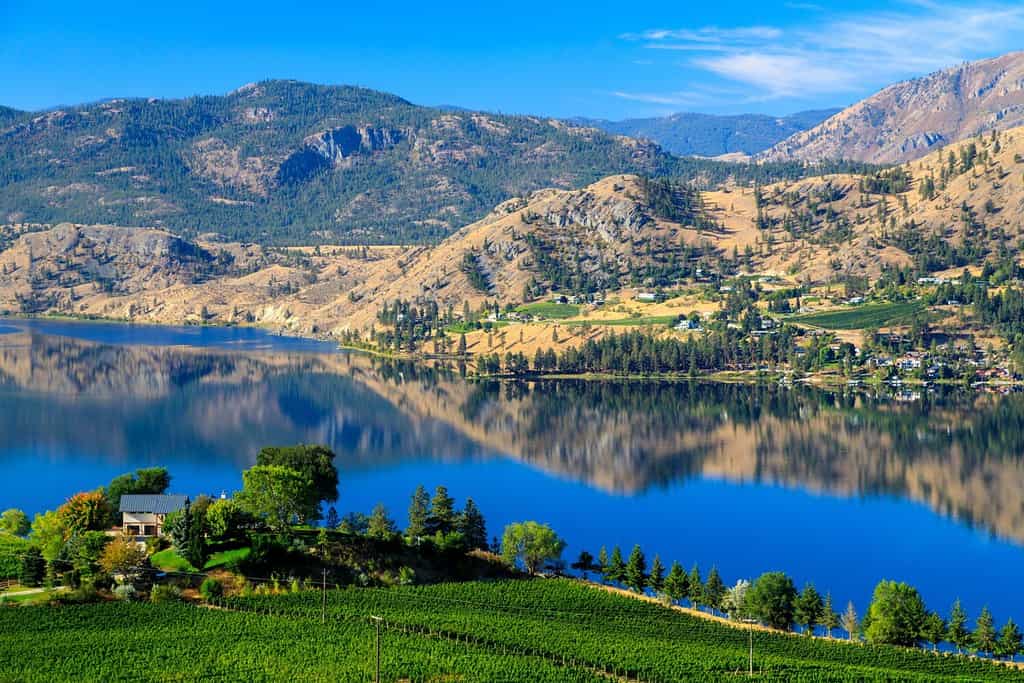
Skaha Lake has a few harmless and interesting snake species.
©Nalidsa/Shutterstock.com
5. Harrison Lake
This lake is the biggest in the southern Coast Mountains and is home to hundreds of species. At the southern end is the town of Harrison Hot Springs, popular for the hot springs that have had people flocking to it for years.
You’re most likely to see a few different garter snake species around Harrison Lake, including northwestern, western terrestrial, and common garter snakes. But you might also encounter northern rubber boas, gopher snakes, and possibly a northern Pacific rattlesnake.
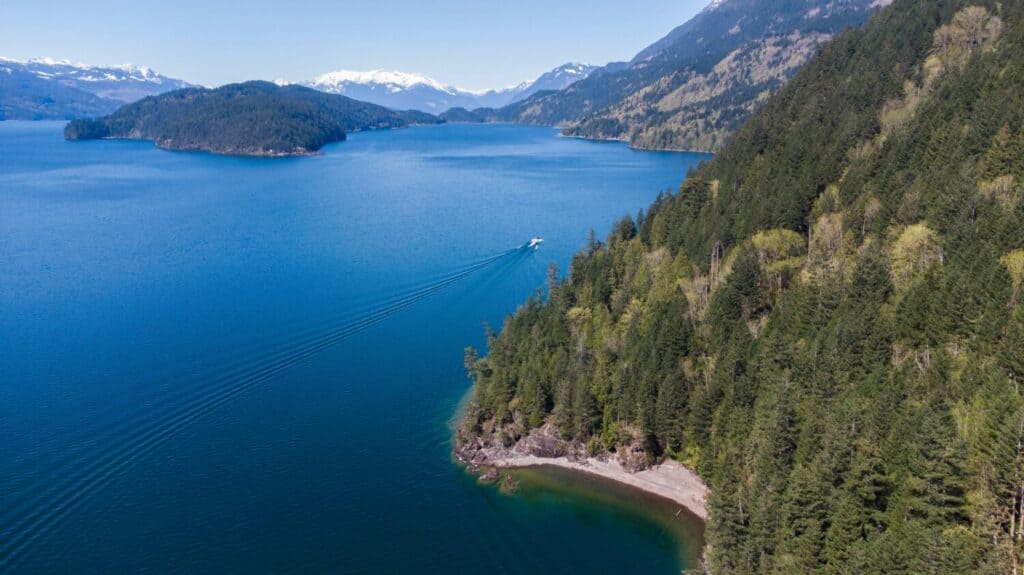
Harrison Lake’s beautiful coastline is full of wildlife.
©AURELINA FILMS/Shutterstock.com
6. Osoyoos Lake
Located in the southernmost part of British Columbia’s Okanagan Valley, Osoyoos Lake has slightly warmer weather, which is slightly better for snakes! But like other areas of Canada, there still aren’t very many species — only about six make their home here.
The mixture of sandy beaches, grassy areas, and rocky nooks make fantastic nooks and crannies for various small animals to thrive. With snakes, where you have adequate food, shelter, and weather, you’ll have snakes. At least a few.
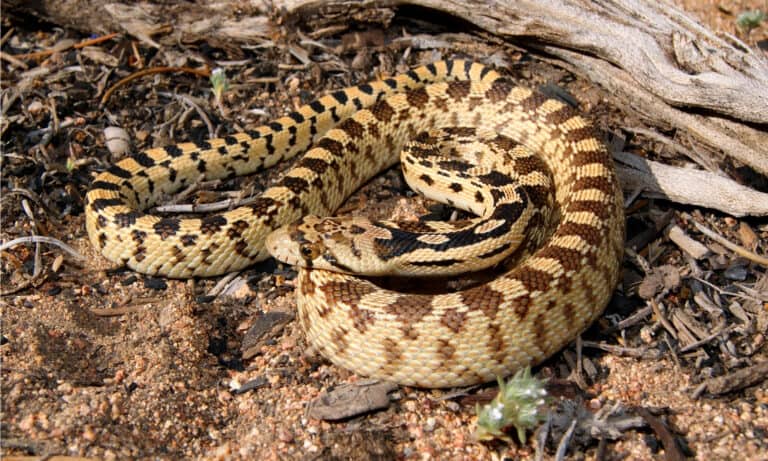
Osoyoos Lake is just north of the Canada-United States border, and the big burly bluffing gopher snake is among the most common snakes. These snakes have similar markings to northern Pacific rattlesnakes and, when cornered, puff themselves up, hiss, and rattle their tails to make you leave them alone. If they’re really panicked, they may even fake strike with a closed mouth. Fortunately, they’re harmless.
On the more dangerous side, you might see, or more accurately, hear a rattlesnake. This area is home to the northern Pacific rattlesnake as well. So, be careful, but without snakes, where would we be?
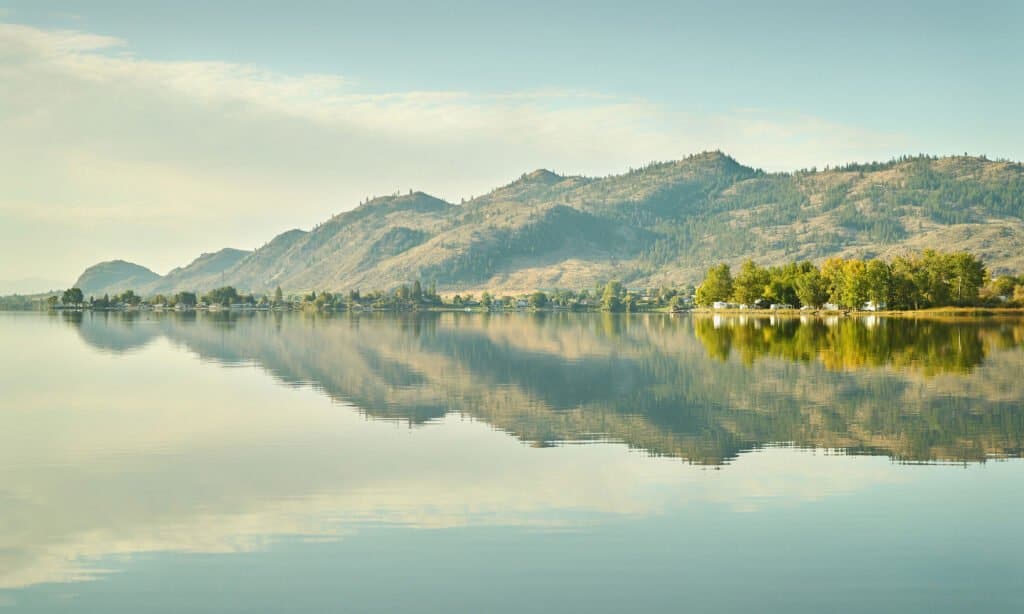
Osoyoos is derived from the word sẁiẁs, meaning “narrowing of the waters” in the local Okanagan language
©iStock.com/Maxvis
7. Kamloops Lake
This lake, with amazing paddling, is sometimes so smooth that the mountains’ reflection is hard to differentiate from the water itself. Kamloops Lake is northwest of Kelowna and part of a system of several lakes in the region.
Wildlife in the region is diverse and includes three owl species, including the adorable burrowing owls and unique-looking hawk owls. That’s in addition to river otters and bald eagles — most of which include snakes in their diet. So, when the area’s snakes aren’t hunting for rodents, worms, and insects, they’re avoiding being eaten. Which snakes will you see? In addition to the ever-present range of garter snakes, you’ll also discover gopher snakes, northern Pacific rattlesnakes, and even the lightning-quick North American racer.
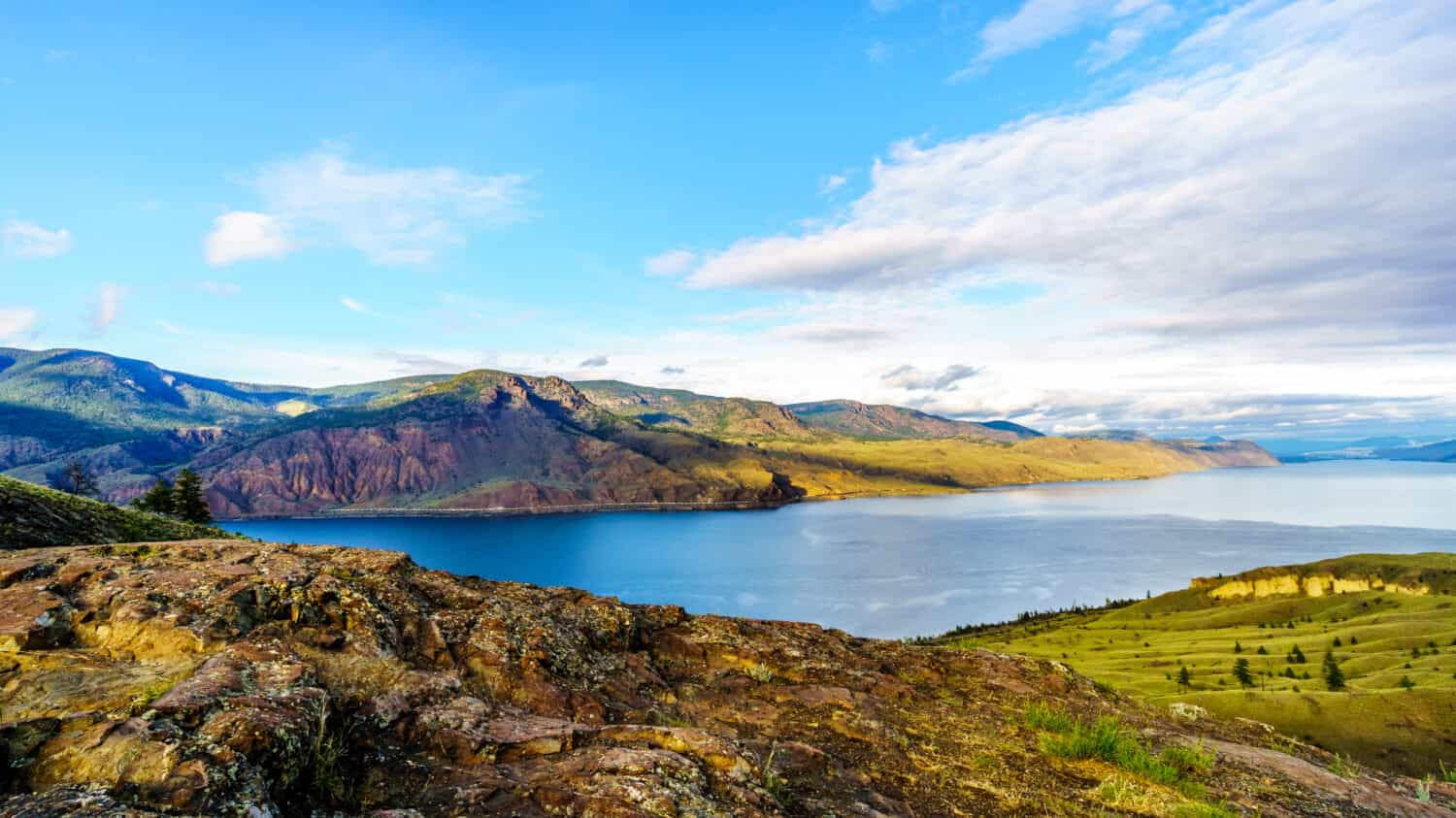
Kamloops Lake is home to several snake species, including the northern Pacific Rattlesnake.
©Harry Beugelink/Shutterstock.com
8. Cultus Lake
Situated just north of the Canada-United States border, Cultus Lake’s beautiful clear water offers a welcome respite and home for many plant and animal species.
Here, garter snakes thrive. Dense vegetation with great basking and hiding makes this lake’s shores and shallows terrific habitats for these reptiles. Because the northern climate makes for longer, colder winters, the snake population gets limited to those species that can take it. Garter snakes are among the most cold-adapted snakes in the world, and you’ll find northwestern and common garter snakes around Cultus Lake. These harmless snakes can grow up to about four feet long, but most are smaller.
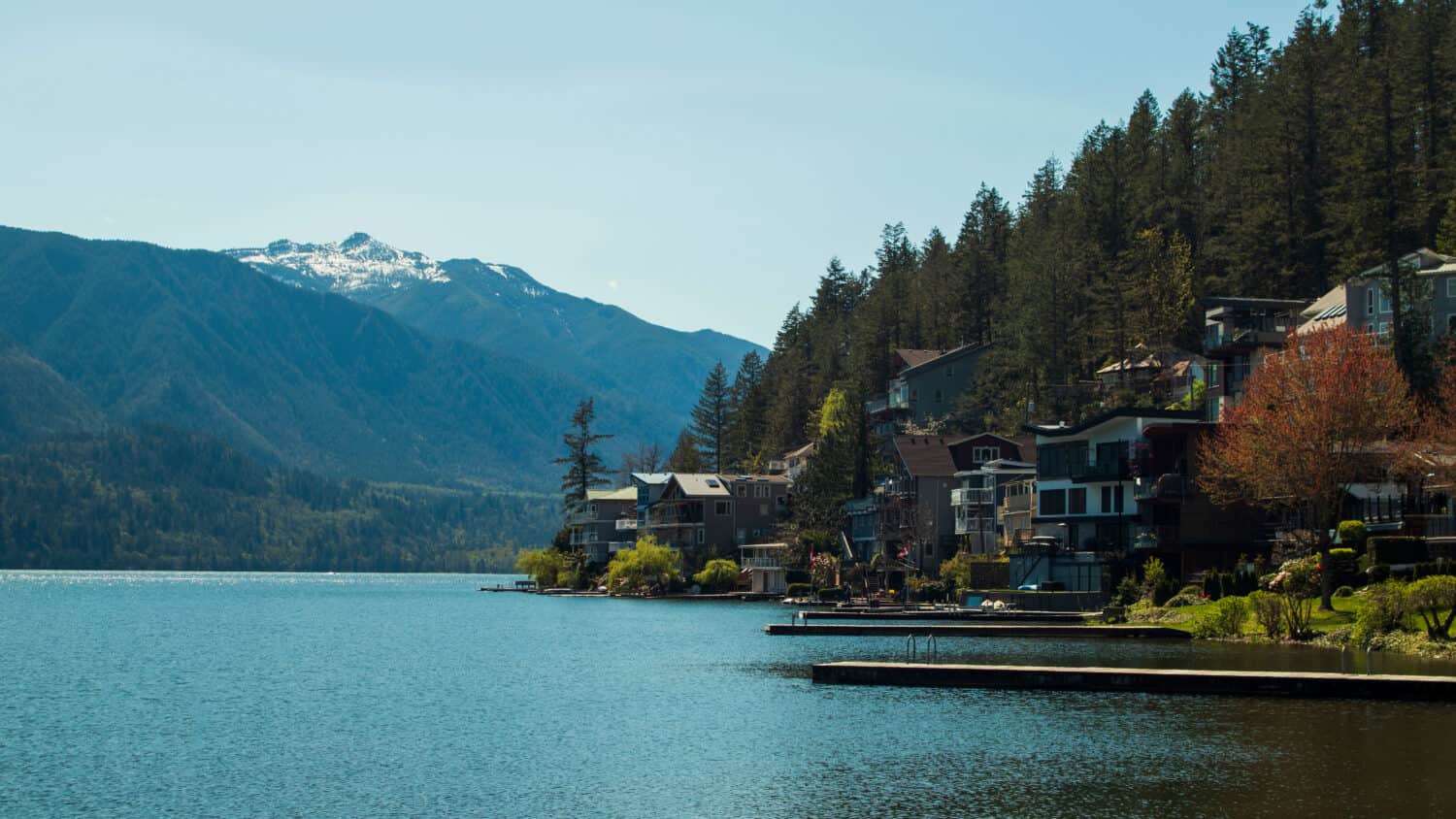
Cultus Lake in British Columbia has many camping and swimming spots for locals to enjoy.
©AURELINA FILMS/Shutterstock.com
9. Slocan Lake
Nestled in the scenic Kootenay region, Slocan Lake’s tree-covered hills are a stunning backdrop for any adventure. Only a few snake species make their home around Slocan Lake. The western terrestrial garter snake is the most common, followed closely by common garter snakes. If you’re really lucky, you’ll find a rubber boa hiding somewhere nearby.
These snakes all help keep pests from overpopulating the lake. The western terrestrial and common garter snakes eat insects, worms, amphibians, and sometimes fish, while the rubber boa prefers small mammals like mice, shrews, and voles.
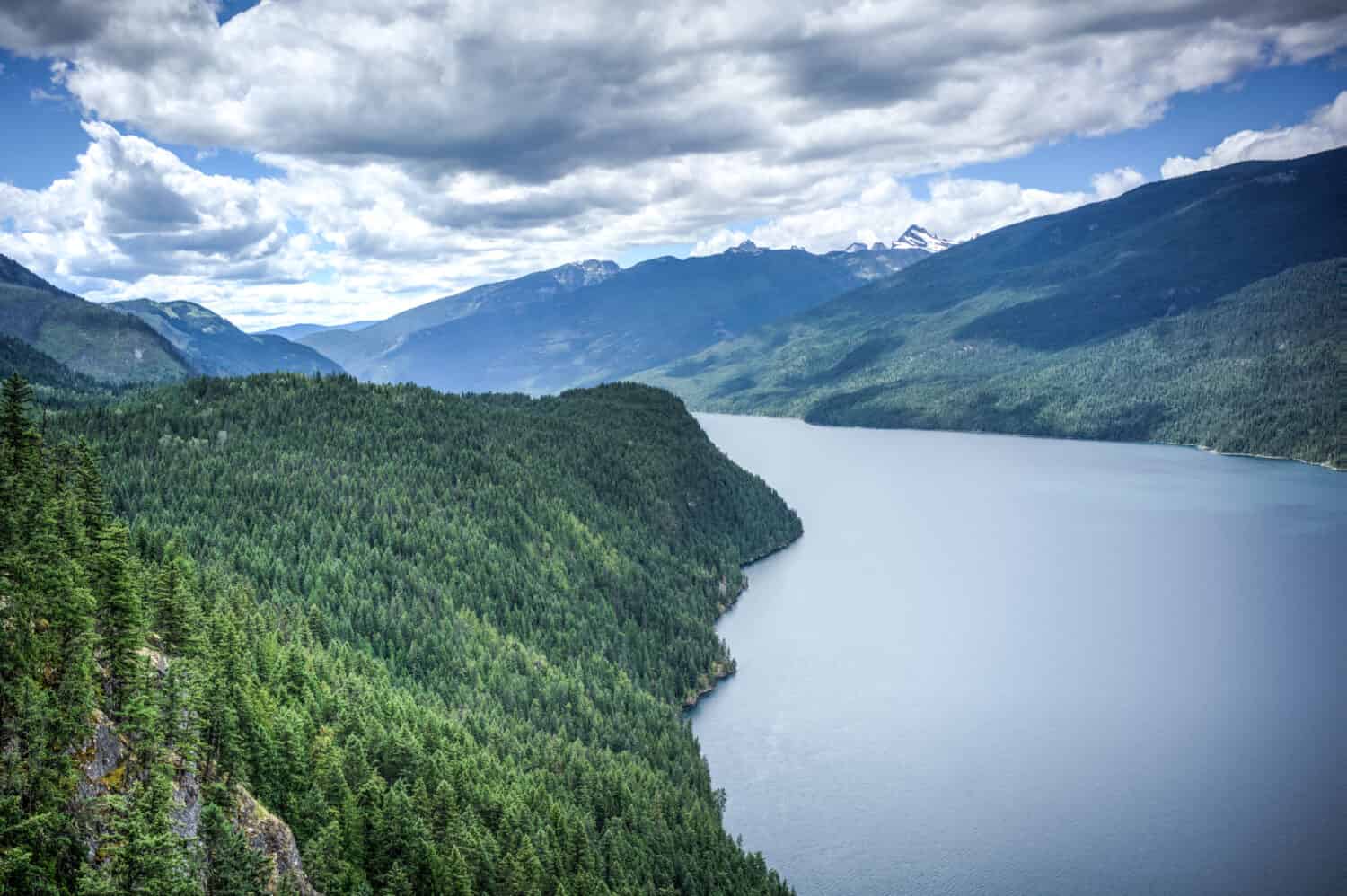
The stunning Slocan Lake is home to a few snake species in the Kootenay region of British Columbia.
©David Bukach/Shutterstock.com
10. Christina Lake
This lake’s southern tip is only a few miles north of the Canada-U.S. border. The wildlife is varied and includes northern leopard frogs, bighorn sheep, and grizzly bears. Christina Lake is popular for fishing, camping, and hiking and is home to several snake species.
Here, the shoreline’s miles of beautiful scenery offers plenty of shelter for animals, large and small. Snakes are everywhere, in hiding! Like everywhere else, snakes prefer to avoid people and usually try to escape before you ever have a chance to spot them. If you’re lucky, you’ll spot a North American racer as it slithers away from you at about four miles per hour. Northern rubber boas, western terrestrial garter snakes, common garter snakes, gopher snakes, and the venomous northern Pacific rattlesnakes are all possibilities.
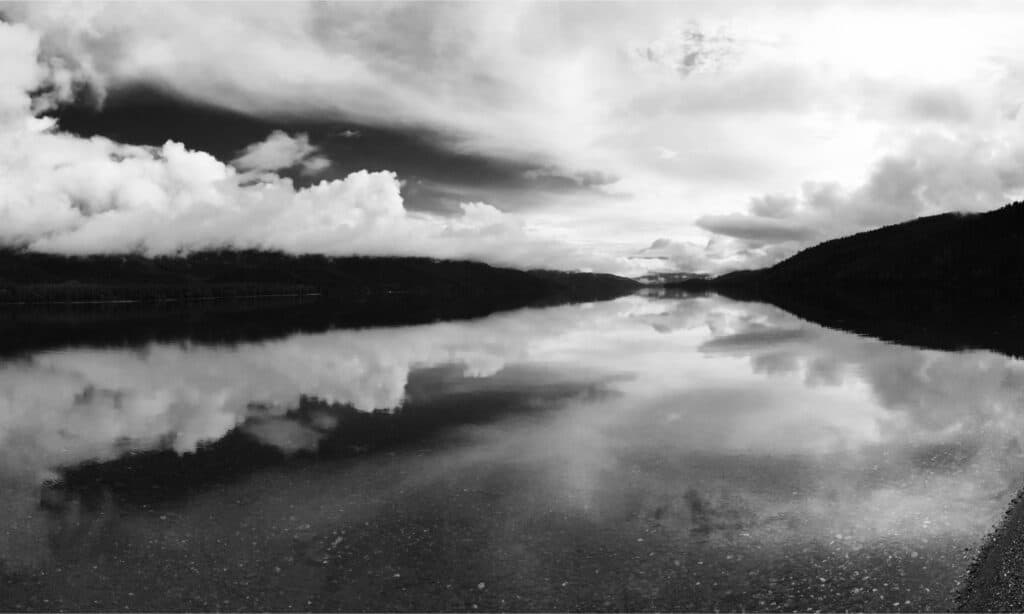
With a maximum depth of 511 miles, Quesnel Lake is claimed to be the deepest fjord lake in the world.
©Morseofphoto/Shutterstock.com
Key Takeaways
That’s a wrap on our serpent-filled tour of British Columbia’s most snake-populated lakes! If you felt like these weren’t very “snake-infested,” you’re right. Canada’s weather isn’t snake-friendly, and only the most cold-tolerant snakes can live here. We found ten lakes that have more snake species than others, but it isn’t Texas.
So, enjoy your adventures in and around the water. Don’t worry too much about the snakes; they’re more worried about avoiding you than biting you!
Summary of the 10 Most Snake-Infested Lakes in British Columbia
| Rank | Snake Infested Lake |
|---|---|
| 1 | Okanagan Lake |
| 2 | Kalamalka Lake |
| 3 | Kootenay Lake |
| 4 | Skaha Lake |
| 5 | Harrison Lake |
| 6 | Osoyoos Lake |
| 7 | Kamloops Lake |
| 8 | Cultus Lake |
| 9 | Slocan Lake |
| 10 | Christina Lake |