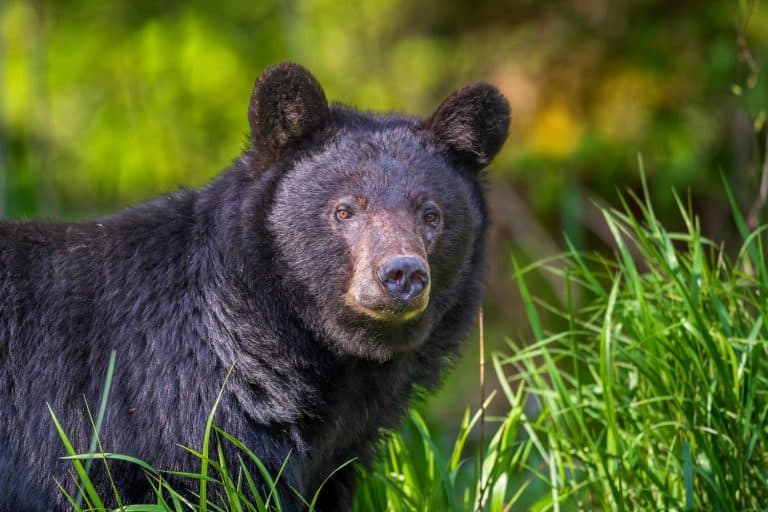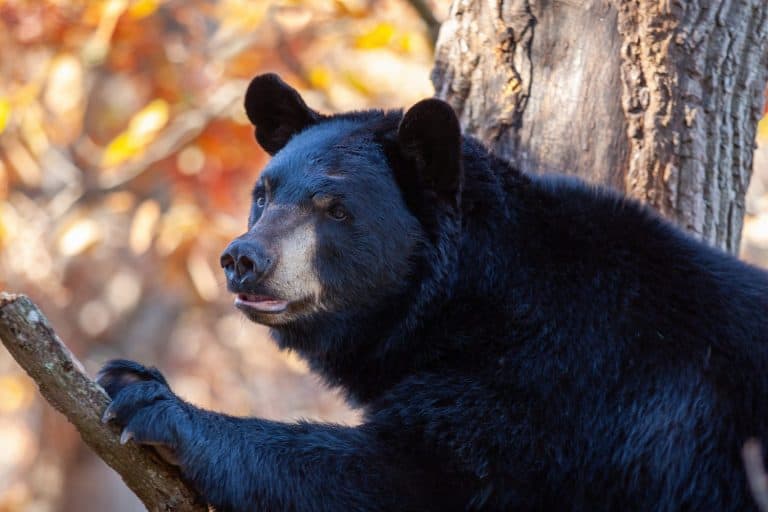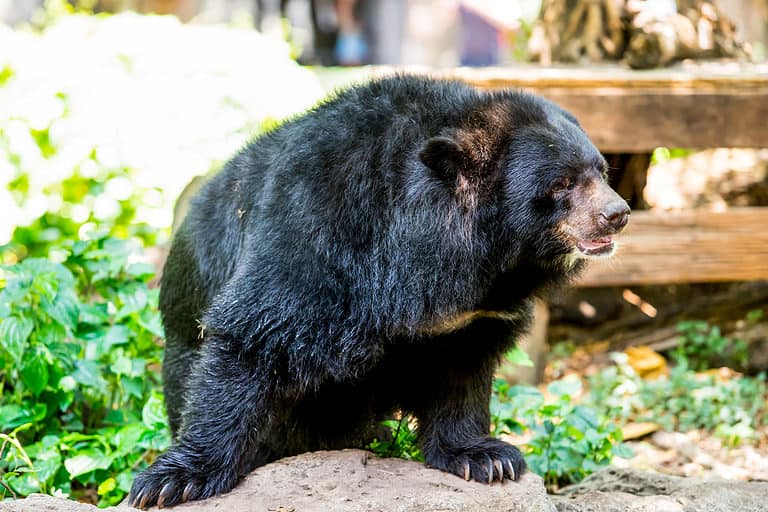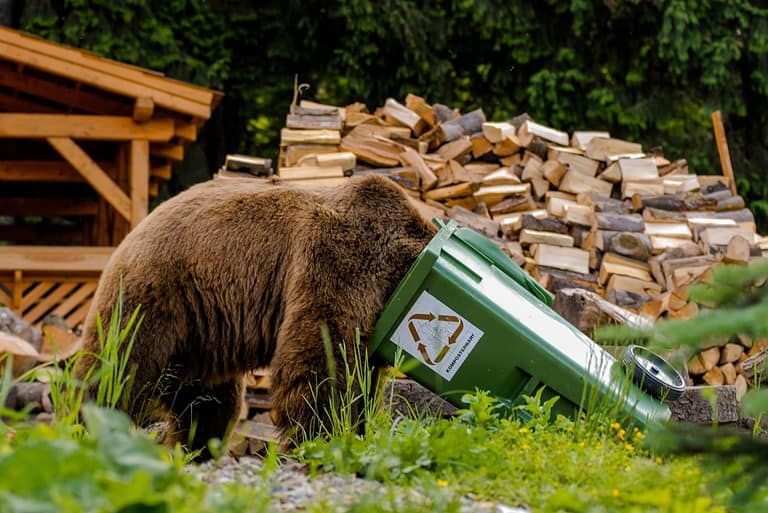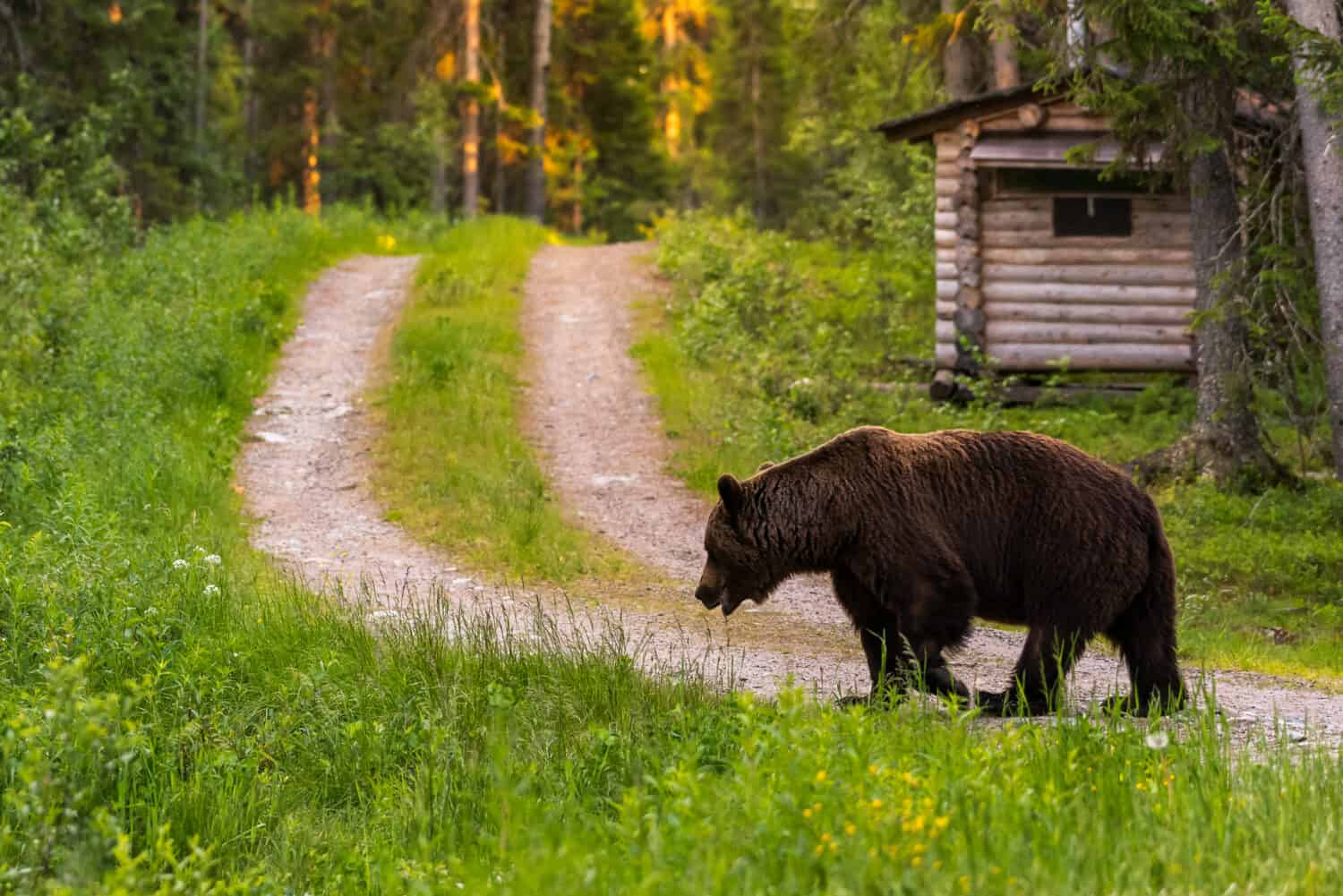

Getting ready to spend some time in the great outdoors? If you’ll be in bear country, make sure that you take steps to keep these massive animals from sniffing around. One of the biggest things that will bring bears to your yard is smell. If they can smell food, they’re much more likely to come around looking for something tasty to eat. Bears also return when they find food, making it an ongoing problem. They will come back to your yard if they know that food is nearby.
According to the National Park Service, bears have one of the best senses of smell out of all animals.
Not all of the smells that attract bears are food. But these animals aren’t very picky and will sniff out (and sometimes eat) everything from toiletries to bug spray. Even though they might not eat these things in the end, bears can do damage just trying to get to them to see if they are edible. This can include scratching your car, breaking windows, and destroying flimsier storage bins. Of course, food is still one of their favorites, and is sure to bring them around. If they think that they can get a meal, bears will even break into your home. Here are some of the top smells that will attract bears to your yard.
Canned Goods
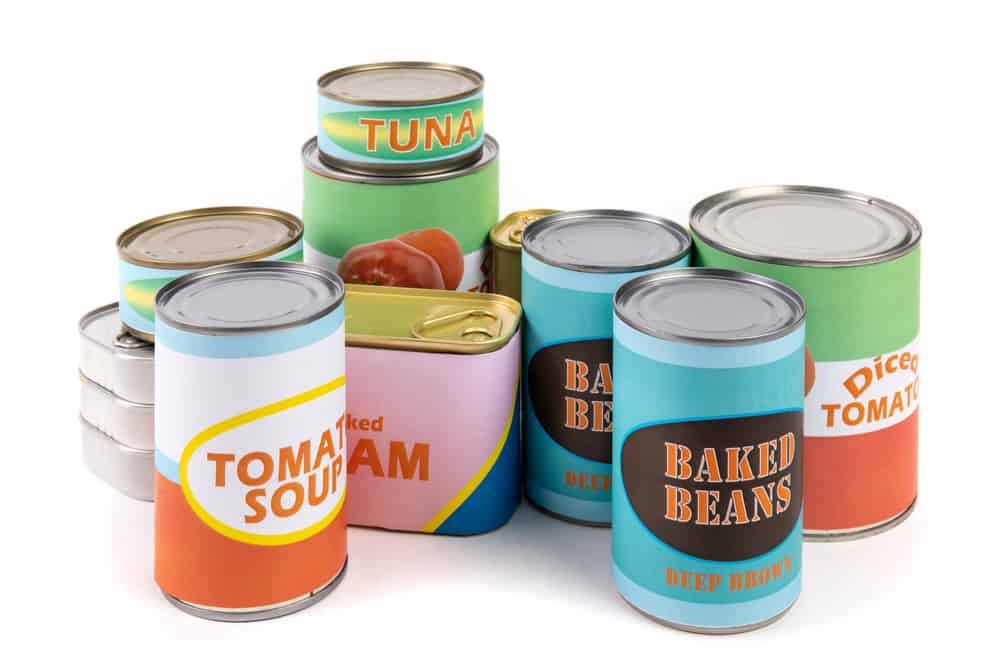
Even though we can’t smell canned goods, bears can sniff out potential food.
©sockagphoto/Shutterstock.com
You might think that the smell of food won’t get out of the seal of canned goods but bears have incredibly powerful noses. The smell of canned goods is easy for bears to sniff out. They can’t open the cans but will use sharp claws and teeth to tear into them. Bears might also do damage trying to get to the cans if they are stored on a high shelf or in a bin that is not bear-proof. If bears are used to seeing cans, food, or other things left out in a vehicle or on a table, they’ll return in the future looking for more food.
Fruits and Vegetables
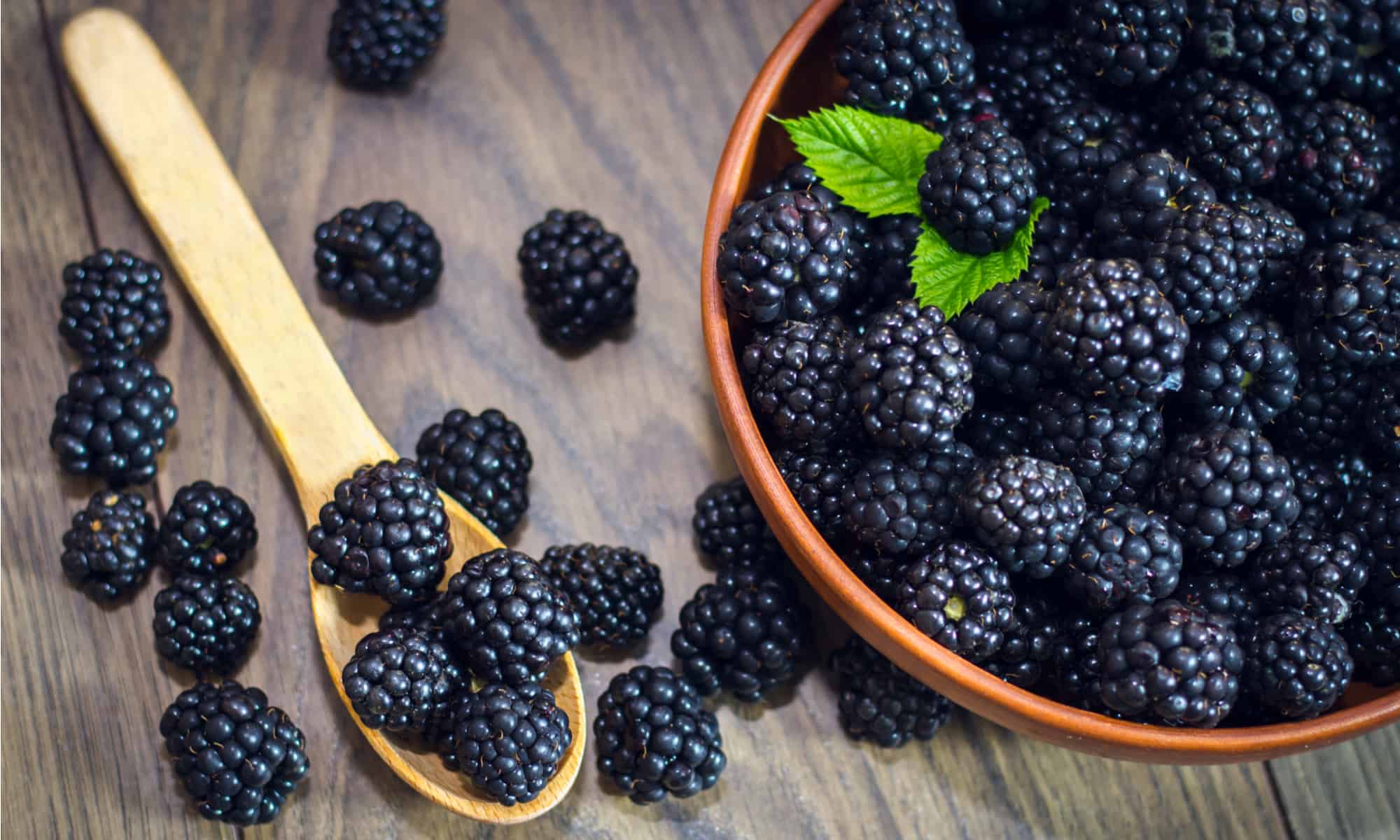
Bears love to eat berries so when they can get them without pushing through brambles, they are sure to eat them.
©Vipvit/Shutterstock.com
In the wild, bears forage for berries and other plants as part of their diet. So when you leave fruits and vegetables out in the open, they’ll come quickly to partake in a tasty little snack. They can sniff through containers and packaging to smell the food inside and will tear into them easily. Store packaging can still release smells that attract bears to your yard as they come sniffing out potential food.
Meat and Fish
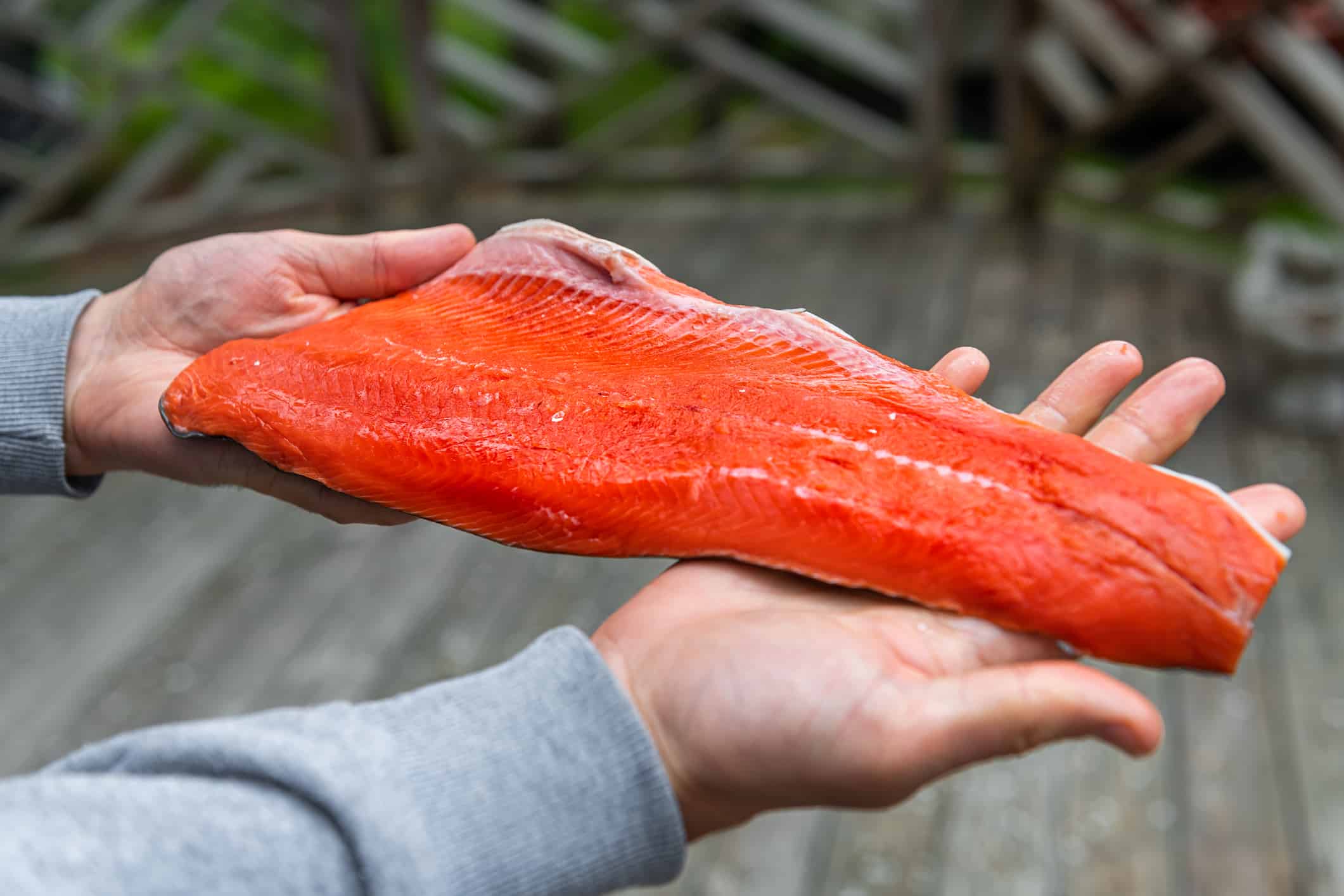
Fresh, frozen, or cooked salmon is especially appealing for hungry bears.
©krblokhin/iStock via Getty Images
Bears go crazy for filling food like meat and fish. In the wild, bears eat fish and other protein sources as part of their diet. These animals are harder to find and catch, so if bears can find them already prepared, this saves them a lot of trouble. If they get into these foods often, however, it can be dangerous for people nearby. It also trains the bears to look for food in populated places rather than in the wild.
Drinks
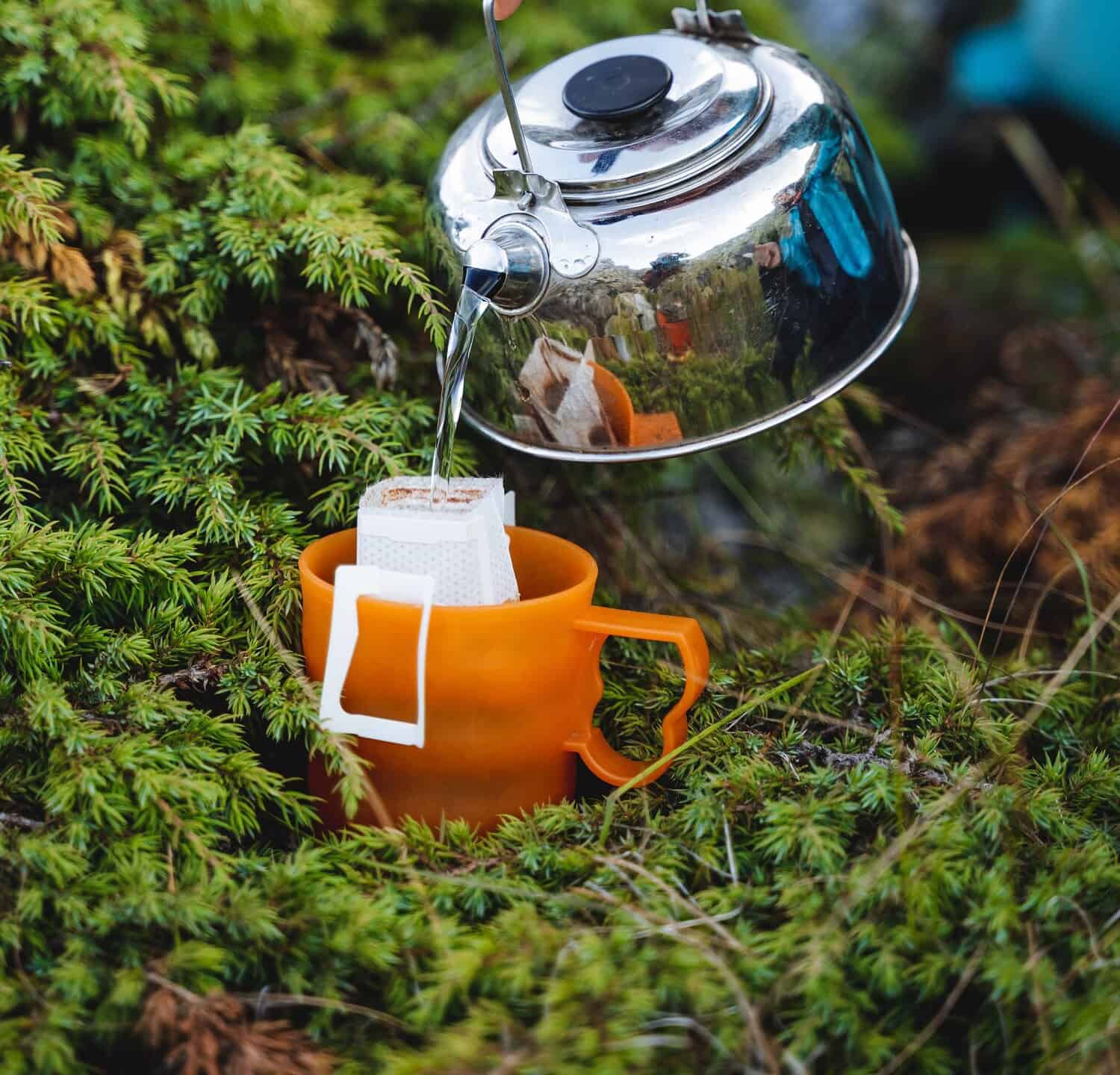
Make sure to secure drinks as well as drink-making materials like tea bags or coffee filters when camping to keep bears from sniffing around.
©Aleksey Matrenin/Shutterstock.com
Like other animals, bears need to stay hydrated. They will go after drinks that are left unattended, including water, juice, sodas, and even alcoholic beverages. Bears do not have the dexterity to open jars, bottles, or cans. But they will use their claws to tear into drink containers. If they spot them inside your vehicle, they can also do considerable damage trying to get inside.
Toiletries
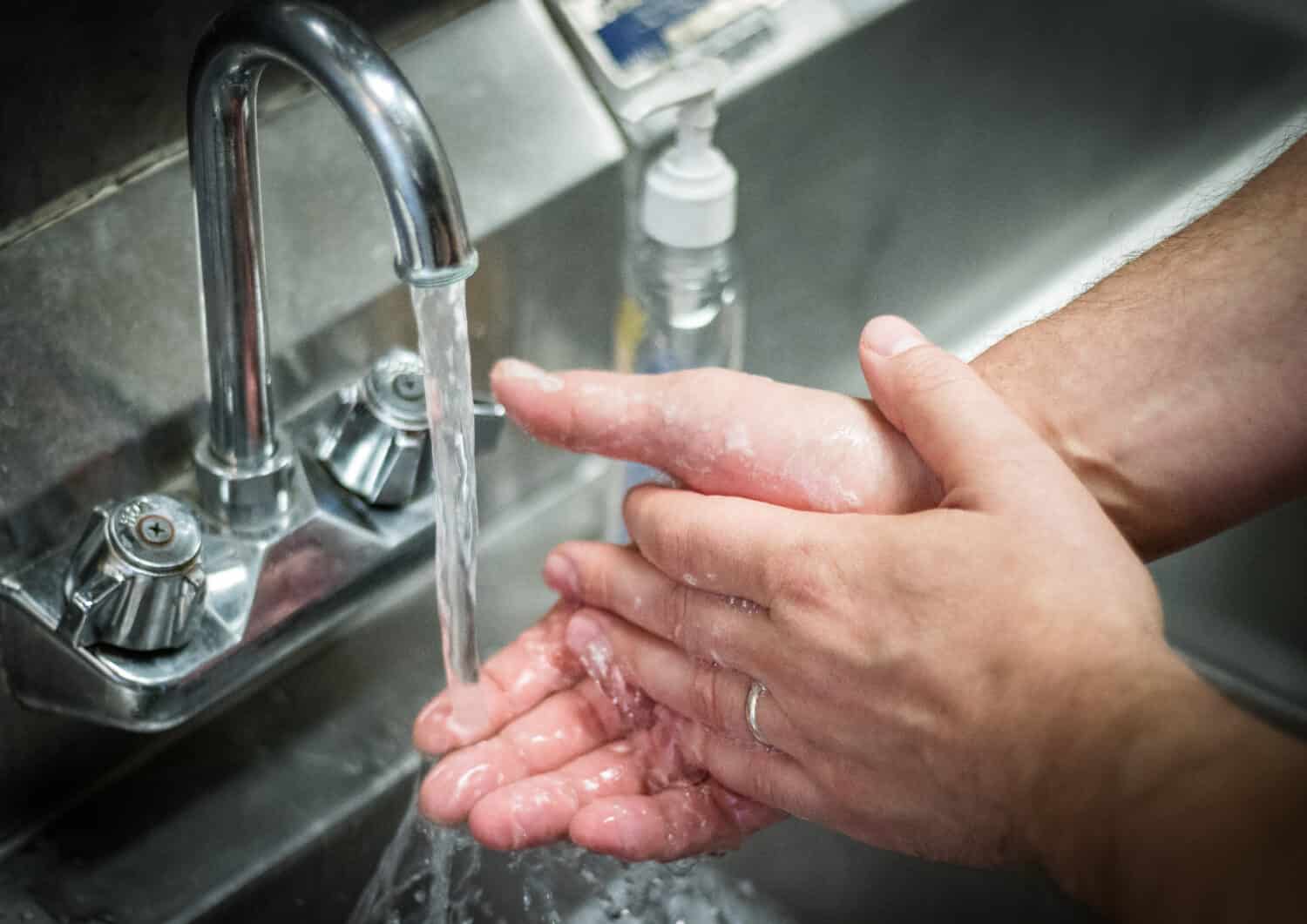
Toiletries that are appealing for bears include shampoo, hand soap, lotions, and a variety of other items.
©Benjamin Clapp/Shutterstock.com
Believe it or not, the scent of toiletries can also attract bears. Many toiletries are scented with sweet odors, which bears mistake for food. They might go so far as to actually try and eat toiletries that are left out. In most cases, they’ll stop eating it once they realize that it isn’t food. But bears will sample just about anything to find out if they can eat it.
Sunscreen and Bug Spray
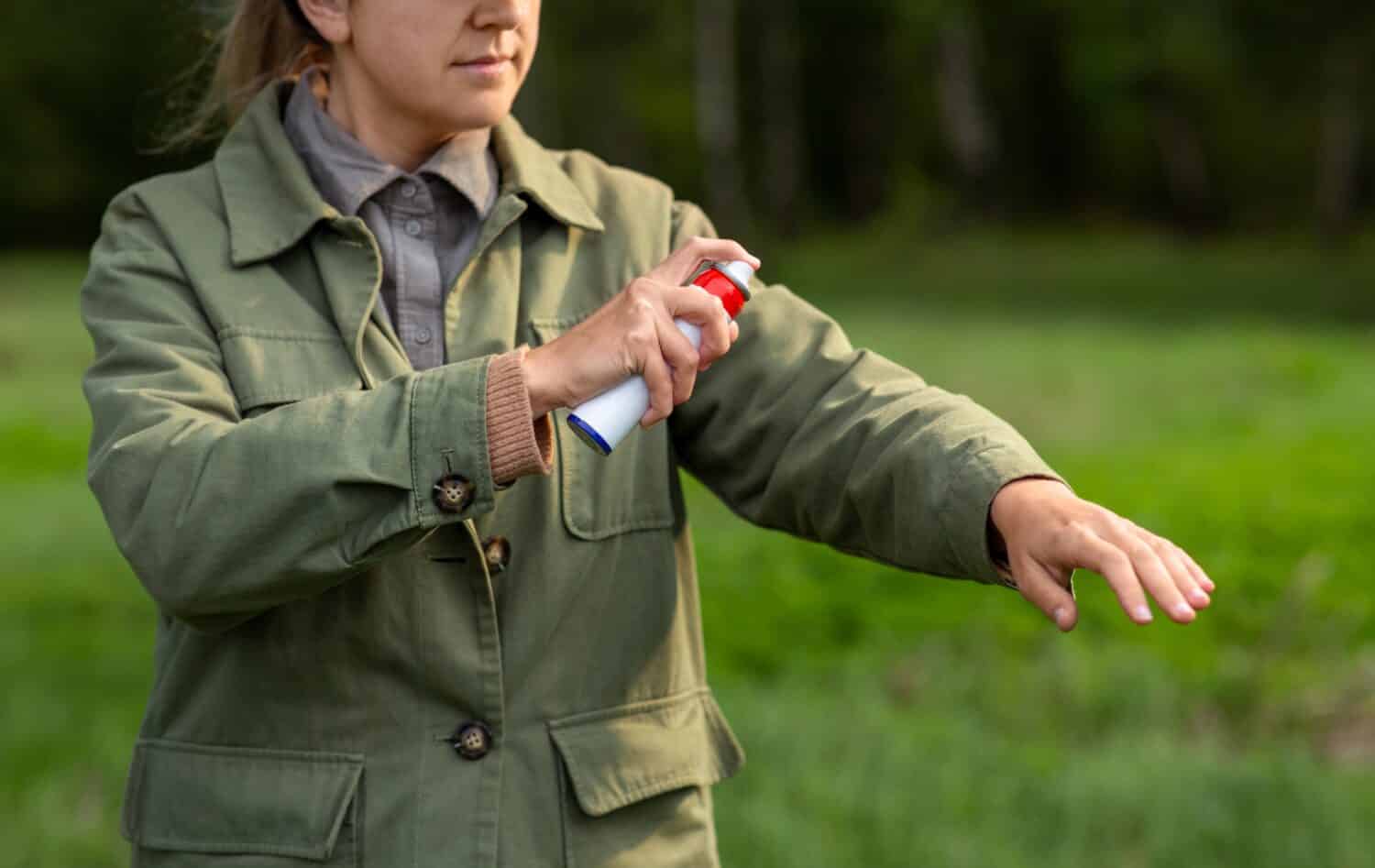
Using bug spray is important for keeping safe in the woods but make sure to secure it to keep bears from smelling it.
©Syda Productions/Shutterstock.com
Sunscreen and bug spray can also bring bears around your yard. They tend to have a stronger odor than some other things. Not all bears will be interested in sunscreen and bug spray once they get a good whiff. But bears have an excellent sense of smell and will be interested at least. This is especially true if they have found food in similar locations in the past. Bears remember where they have found food and will return to look for more.
Trash
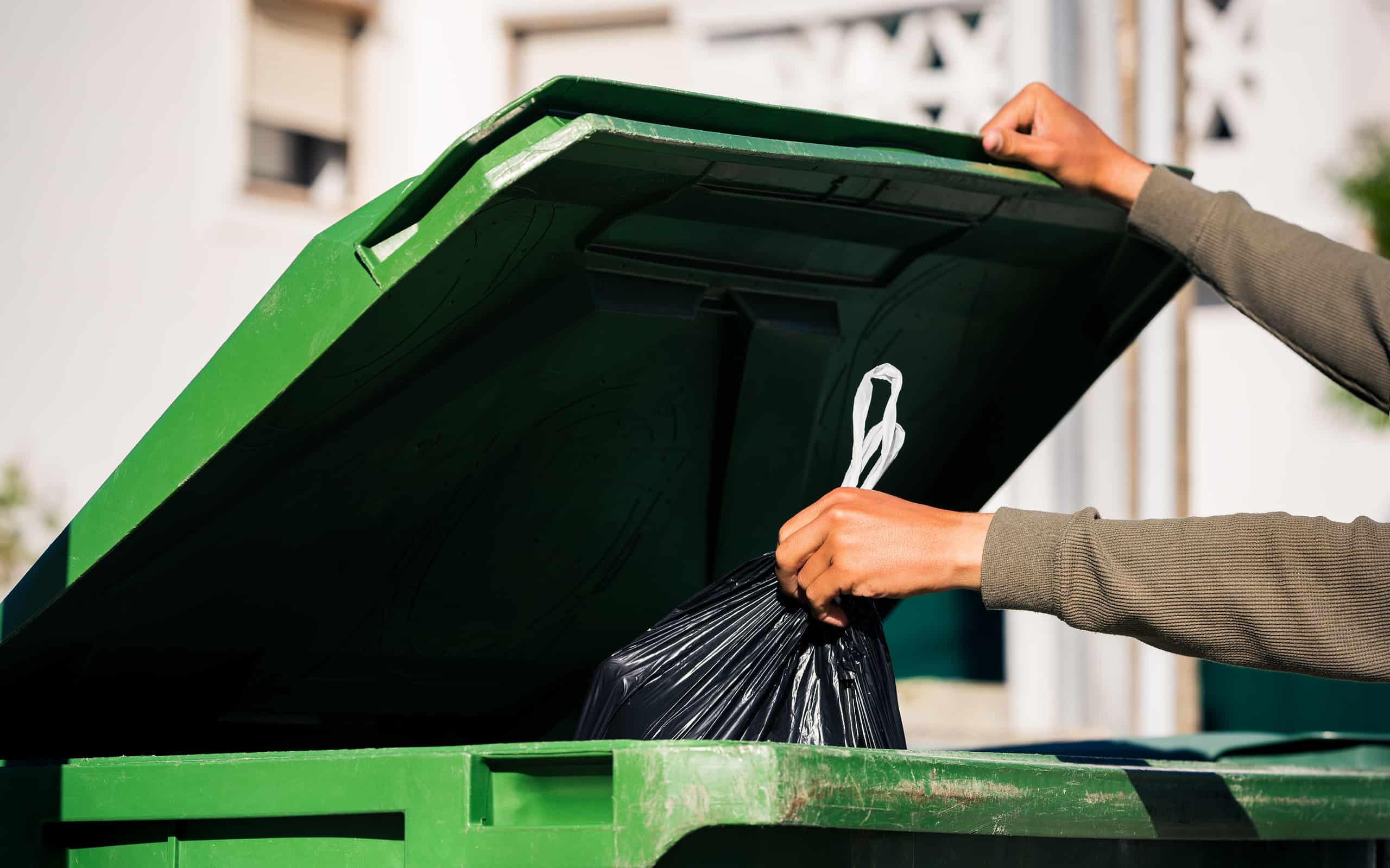
Unsecured trash is one of the top smells that attract bears to your yard.
©Daria Kulkova/iStock via Getty Images
Trash is one of the most appealing smells to bears and the top reason that these animals come sniffing around your yard or campsite. Trash smells are a literal smorgasbord to a bear. When they get a whiff of trash, everything from food scraps to soap will get them excited for the meal to come. It’s important to secure your trash in a bear-proof and smell-proof container. If you live in bear country, these are widely available to help homeowners keep bears out of their yards. Campsites often have bear-proof containers available for food, drinks, trash, and other items.
Soap
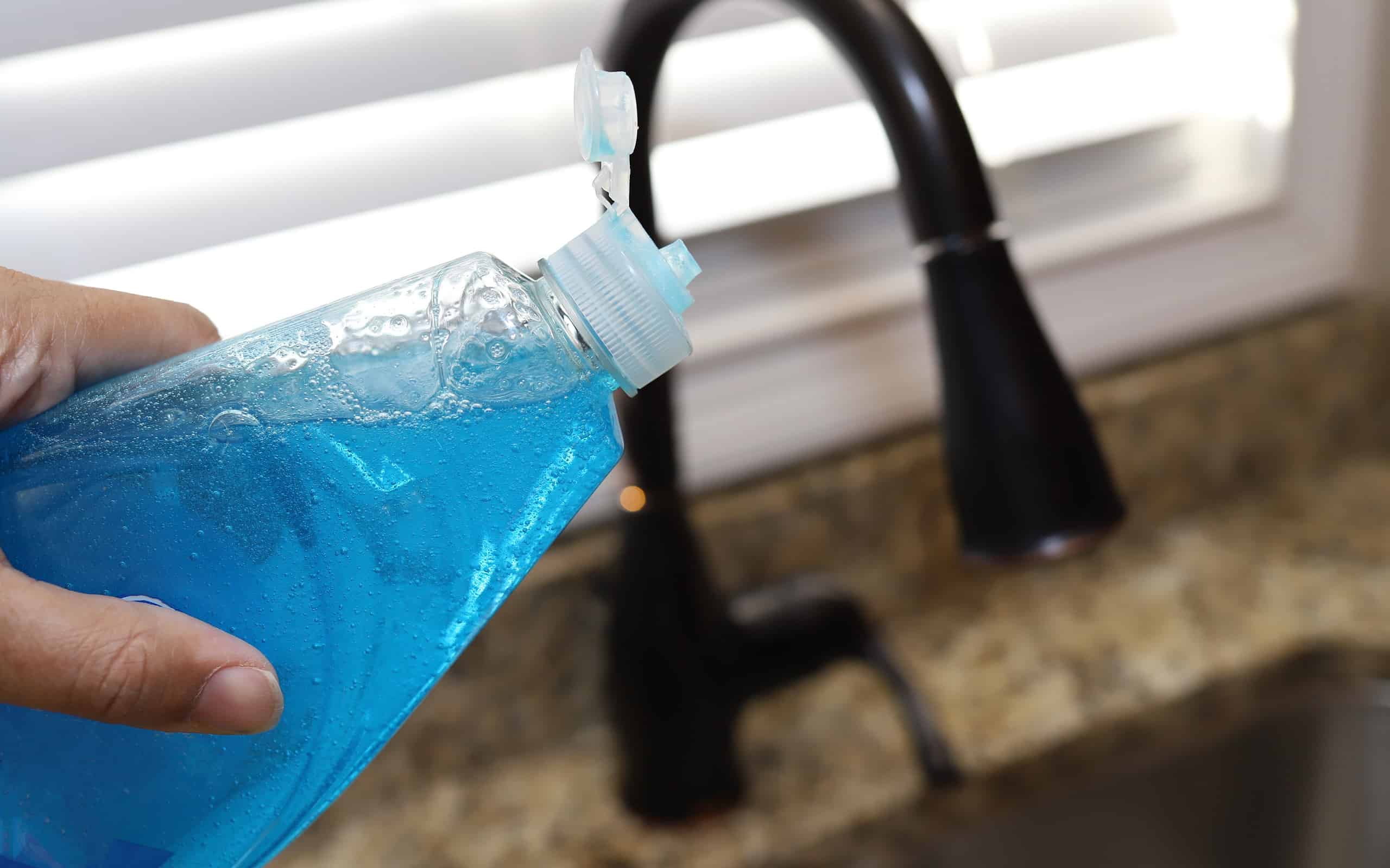
Dish soap smells can attract bears to the area, although they generally aren’t interested in eating it.
©Robin Gentry/iStock via Getty Images
You might have thought to put up your food, drinks, trash, and toiletries but don’t forget simple things like dish soap. Bears might think that the smell of dish soap, hand sanitizer, or wipes is food and come around sniffing. While they might not eat these items, the curious bear can still cause damage as they look for the source of the appealing smell.
Barbecue Grill
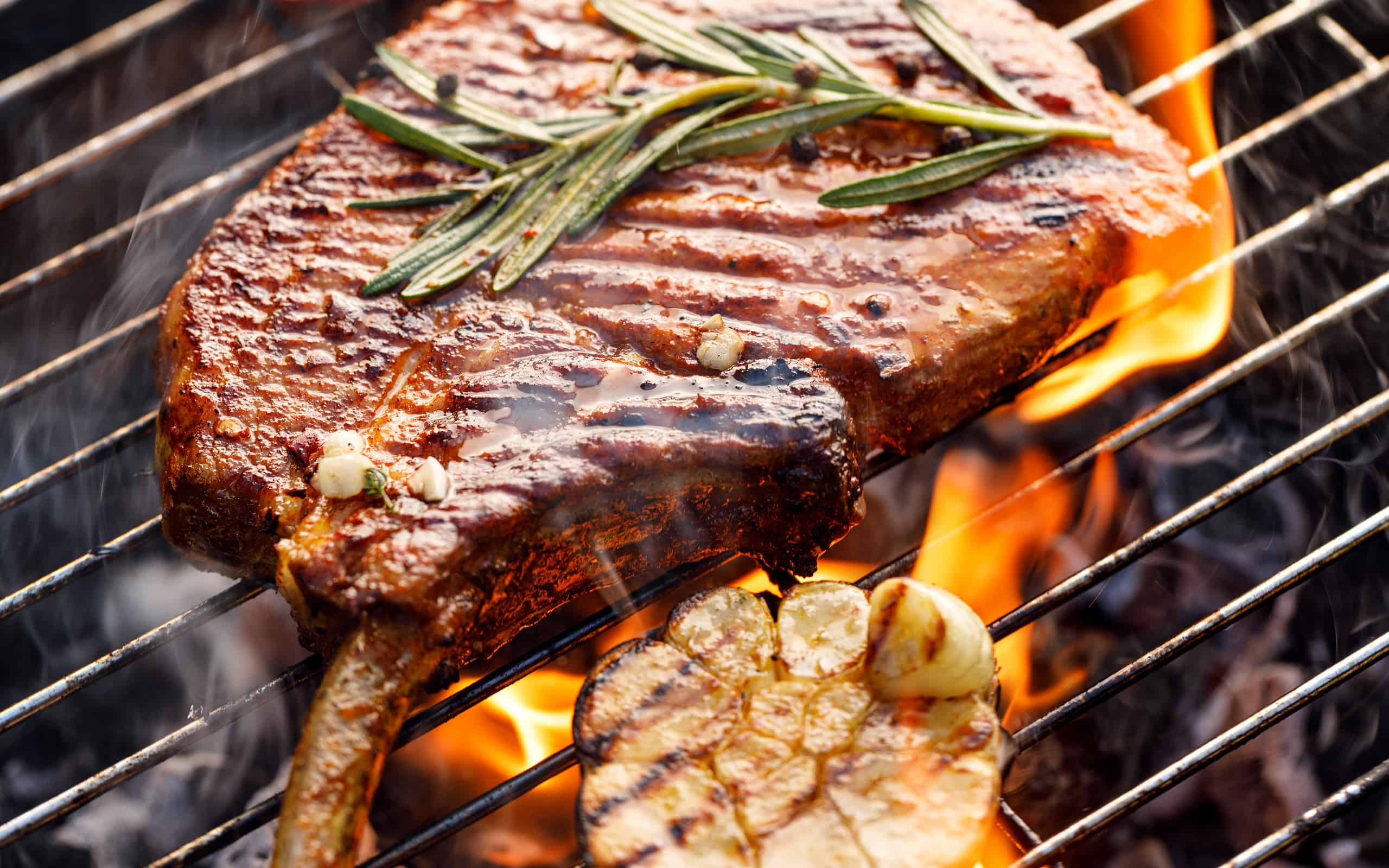
Bears can smell food cooked on the grill even after you have cleaned up.
©zi3000/iStock via Getty Images
One place that you might not think about is your barbecue grill. Even though it doesn’t have food on it, the smell of remnants on the grill will still be appealing to bears. These animals can smell stuck-on food and juice from past meals on your grill. Make sure that you clean it thoroughly after using it. The same is true for picnic tables, outdoor food prep surfaces, and even tools like spatulas or tongs. If you can bring your grill into another space, it can keep the bears from getting to it. A good cleaning can also help reduce the smell of food.