
Quick Take
- Elephants are returning to Sonai Rupai, yet the government is quietly doing something inside the sanctuary that directly undermines their comeback. See the legal contradiction →
- Nearly 70% of a protected wildlife sanctuary was swallowed by human settlement, and the story of how it happened involves government agencies themselves. Explore the encroachment history →
- Tigers are back in Sonai Rupai too, and what their return actually signals about the sanctuary's recovery is more nuanced than it appears. Read about their return →
- A conservation win and a political land grab are happening in the same forest at the same time, and the courts have not yet resolved which one wins. See what hangs in the balance →
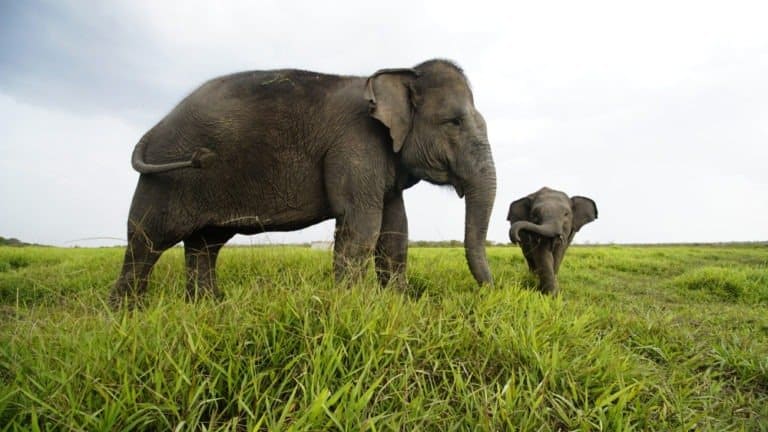
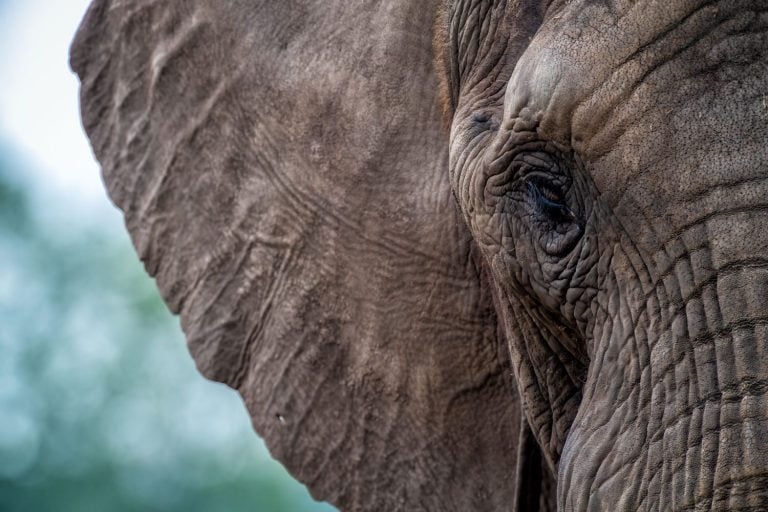
Elephants are on the move through parts of Sonai Rupai Wildlife Sanctuary that were inaccessible to them for decades. These areas in Assam have remained under human encroachment since the early 2000s, but wildlife conservation teams have been working to reclaim them. With elephants traveling through these areas now, there are encouraging signs that conservation work is truly effective.
Assam Chief Minister Himanta Biswa Sarma recently said, “The transformation unfolding at Sonai Rupai Wildlife Sanctuary is particularly close to our hearts.” However, some wonder if the transformation of this habitat is the entire story, or if there are aspects to this transition that the government would rather keep under wraps.
This is the current status of the Sonai Rupai Wildlife Sanctuary, including its elephants, the politics involved, and the area’s potential future.
Sonai Rupai and its Residents
The Sonai Rupai Wildlife Sanctuary covers approximately 175 to 220 square kilometers in the foothills of the Eastern Himalayas, formally protected in 1998. Four rivers run through it, and these rivers help support a mix of forests, grassland, and swamp regions.
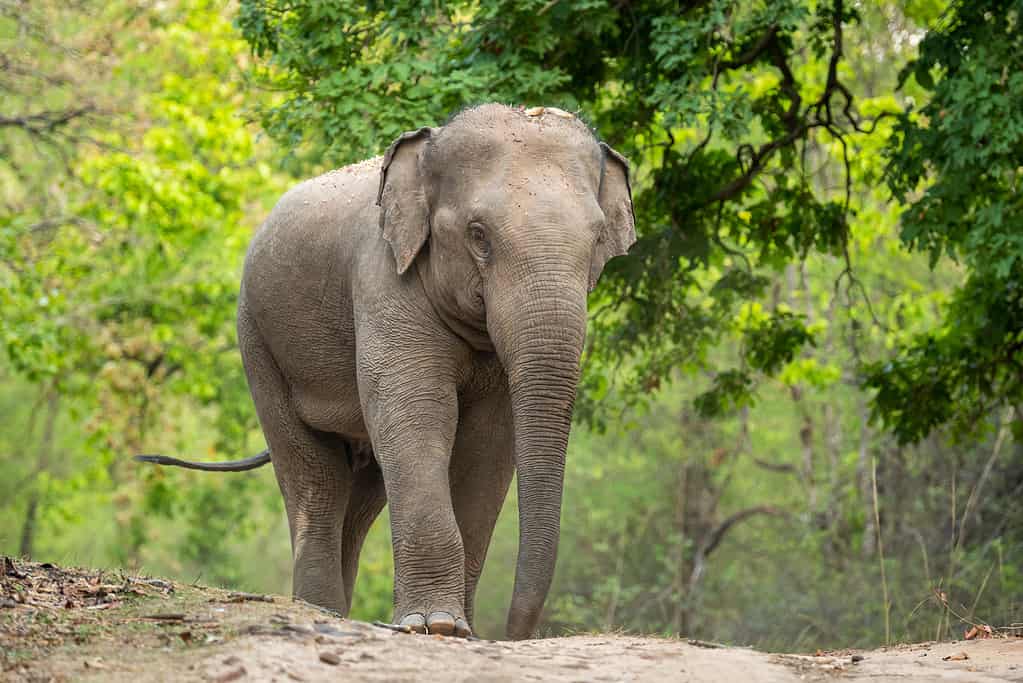
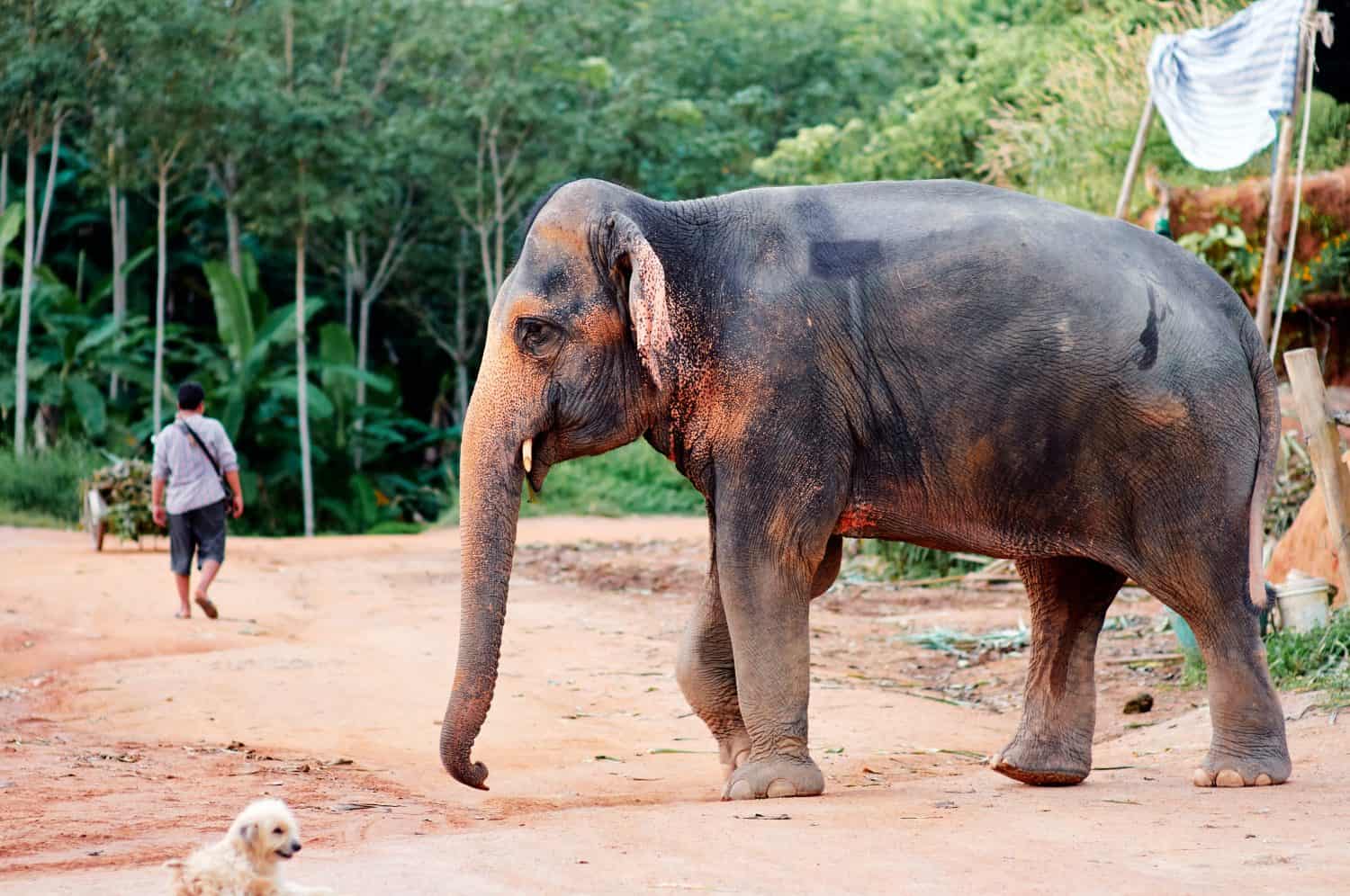
A sanctuary in India is allowing humans to encroach into habitat meant for Asian elephants.
©Sourabh Bharti/iStock via Getty Images
The sanctuary is part of the Kameng-Sonitpur Elephant Reserve, linking with Nameri National Park and other forests along the Arunachal Pradesh border to form a critical movement corridor for Asian elephants. Long before its formal protection status, it was recognized as a place of exceptional biodiversity and first designated as a game reserve in 1934.
However, encroachment into this special region accelerated significantly after 2002. By 2024, in an affidavit submitted to the National Green Tribunal, Assam’s Principal Chief Conservator of Forests acknowledged that approximately 300,000 people had encroached upon forest lands across the Sonai Rupai, Chariduar, and Balipara areas combined, with 68.74% of the forest land in Nameri National Park and Sonai Rupai Conservation Landscape under encroachment.
Encroachers are more detrimental than they sound: they cleared acres of forest, built permanent houses, and cultivated commercial crops inside the sanctuary, including betel nut, coconut, rubber, and tea. Even government agencies built roads, bridges, and schools within the protected area, and elephants were quickly compressed out of their historical range, into areas where conflict with humans became commonplace.
Reclaiming a Sanctuary for Elephants
The Assam government has conducted evictions across this forested region in recent years as part of a broader wildlife protection effort. The goal is to remove settlements, allow vegetation to regenerate, and reopen the habitat for wildlife movement; the unique habitat of Sonai Rupai allows it to recover relatively quickly, once agricultural pressure and grazing are removed.
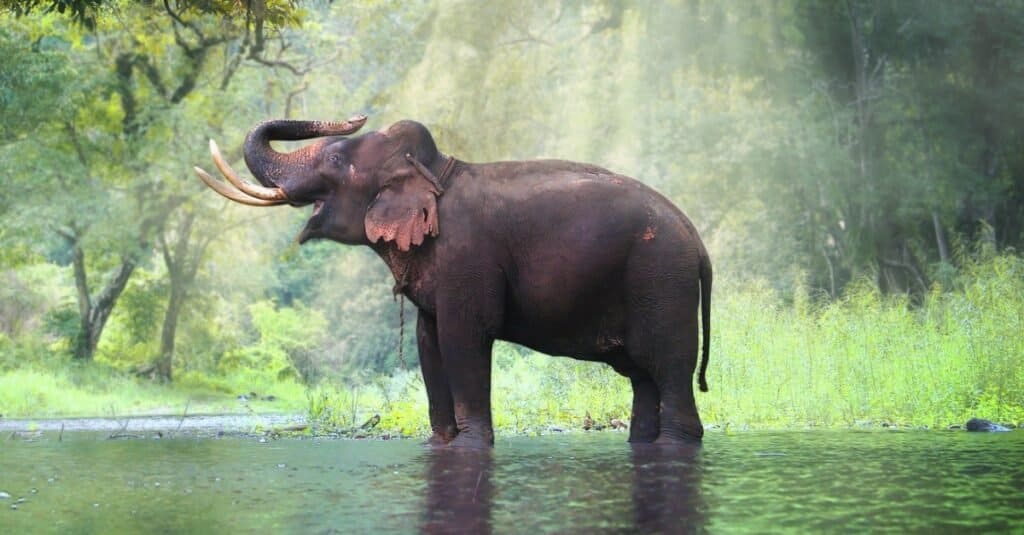
The reclamation efforts in this forest proved vital for elephants, as their habitat expanded.
©iStock.com/goodze
With elephants moving through these newly cleared areas already, it proves that the evictions are working. Their presence indicates that vegetation, water sources, and links to adjacent habitats have returned to a level the elephants prefer. Plus, with camera trap networks, ranger patrol data, and physical evidence elephants leave behind, monitoring teams have confirmation of movement into these reclaimed zones.
Tiger movement has also been documented in Sonai Rupai, and it’s also significant. The return of apex predators indicates recovery across multiple trophic levels, not just at the surface of the habitat, since tigers require adequate prey density, forest cover, and low human disturbance before they will establish territory in an area.
But what’s the complication regarding this restoration? Is there a darker side to reclaiming this preserve? Sources say yes; this isn’t a simple, feel-good story.
How Legal Encroachment is Happening in Sonai Rupai
In 2022, land was granted under the Forest Rights Act to more than 1,300 people from 72 villages, with 38 villages located inside Sonai Rupai Wildlife Sanctuary itself. Then, on June 23rd, 2025, while the National Green Tribunal was still hearing an active petition on encroachment in the sanctuary, the Assam government issued one more order. This incorporated 81 new villages into the equation, 18 of them located inside Sonai Rupai.
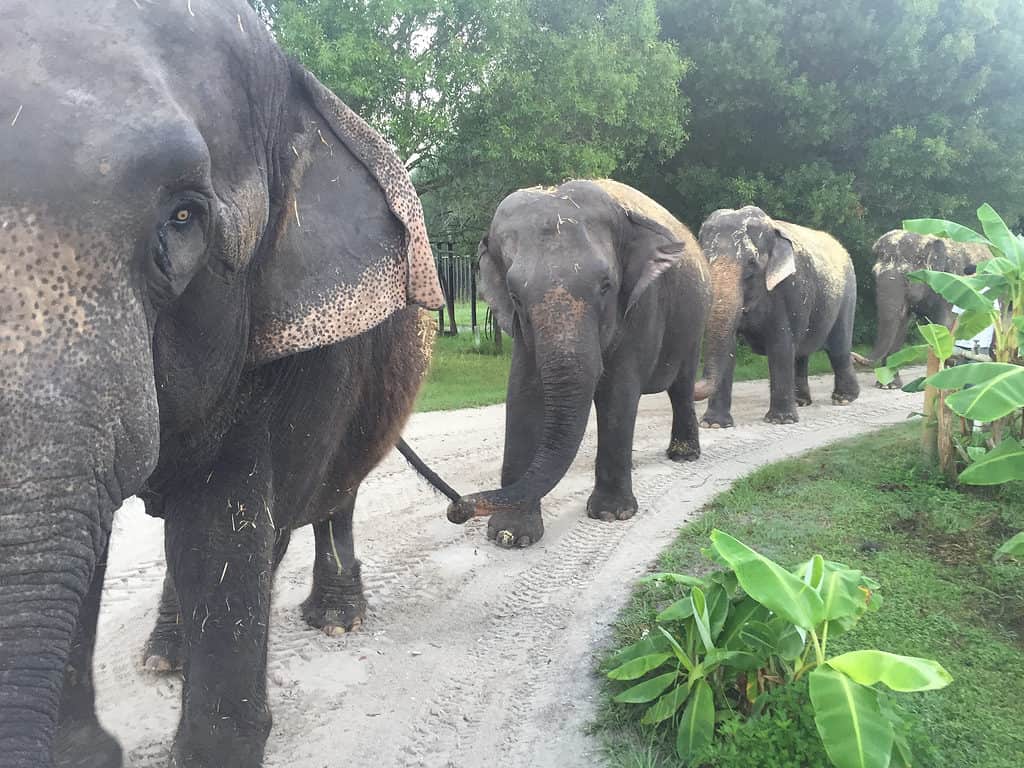
Activists are attempting to fight the human encroachment into Sonai Rupai.
©ElephantErik/Shutterstock.com
Environmental activist Dilip Nath from Dhekiajuli filed a letter to President Droupadi Murmu, calling the incorporation “an illegal and arbitrary act” that “renders the legalisation of illegal encroachments in Sonai Rupai Wildlife Sanctuary.” He also flagged a political dimension: the 2026 Assam Assembly elections were approaching, and the area where much of this activity was taking place was politically significant.
The government also indicated it was planning to settle an additional 2,400 encroachers inside the sanctuary, with over 23,000 Forest Rights Act claims pending across neighboring areas. The Ministry of Environment, Forest and Climate Change submitted a detailed affidavit on the encroachment issues, and the case continues without a clear resolution.
What the Future Looks Like For Elephants in Sonai Rupai
Elephant movement through restored areas is proof that recent reclamation work in Sonai Rupai is real. However, the entire conservation picture in this forest cannot be separated from the legal and political context.
Ultimately, this is a sanctuary where eviction creates reclaimed land in one zone while the government simultaneously attempts to legalize settlement in adjacent zones. This divide contests the purpose of the sanctuary entirely; part of it may be returning to wildlife, but the other part is being conceded to long-term human settlement.
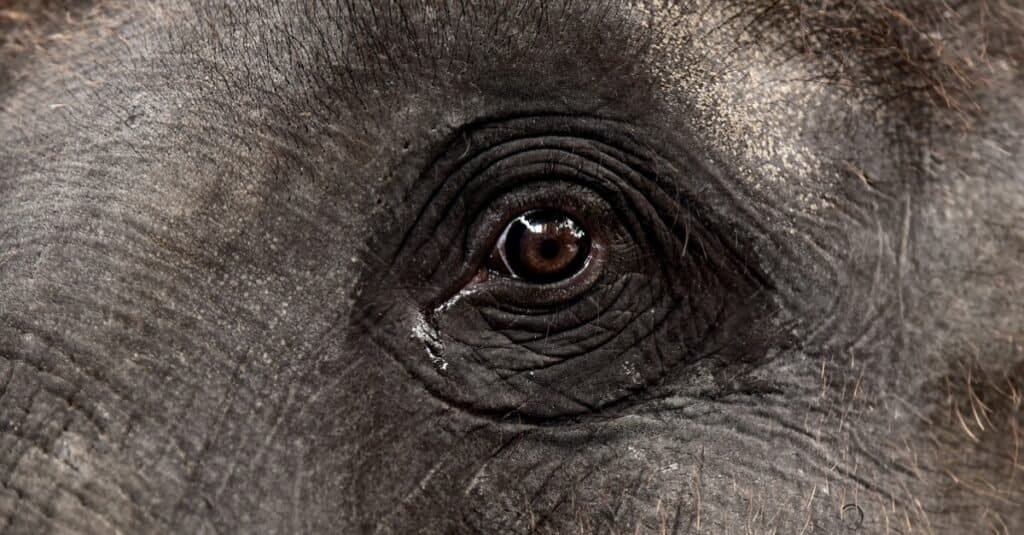
There is more work to be done in order to protect the Asian elephants of Sonai Rupai.
©iStock.com/Kreangagirl
With the final boundary between those two outcomes still to be determined by courts, the Nameri-Sonai Rupai conservation area is, as one ecological assessment summarized, “teetering on the edge.”
Time will tell if this reclamation effort will protect Asian elephants in the long run or simply create another habitat that humans overtake.