
Quick Take
- Cheetahs are nearly genetic clones of each other, yet some grow bigger heads, bulk up, and turn bold. Something is flipping their switches without touching their DNA. See the epigenetic findings →
- Male cheetahs start life one way and can become something almost unrecognizable, and the violent trigger behind that shift is stranger than it sounds. Explore the violent transition →
- Epigenetic markers may predict which animals survive and which don't, a finding that researchers say could reshape how we fight extinction. Epigenetics and conservation impact →
Namibian free-ranging cheetahs are behaving in very different ways despite the fact that they are genetically very similar to each other. Now, a new study has revealed how their genes can be turned on and off in a process called epigenetics. This process is behind the cheetahs transitioning from ‘floaters’ with a nomadic lifestyle to territory bosses who stay in one place.
Continue reading
What Is Epigenetics?
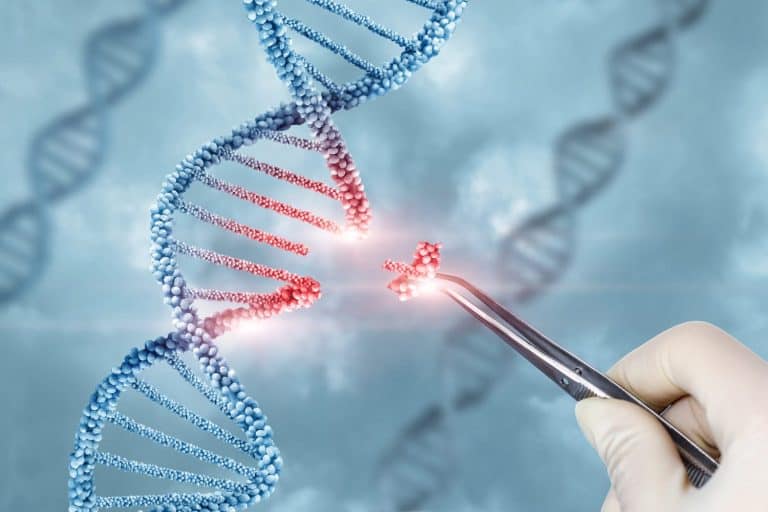
DNA contains all the instructions needed to build and repair the body. Nearly every cell has the same genes, and yet they look and function very differently. A kidney cell, for example, has the same DNA as a skin cell, and yet they look very different and perform very different tasks. This can be achieved because the genome and the effects it has on the cell can be regulated. Essentially, genes can be turned on and off, and the proteins they produce can change without the underlying DNA code being altered. This is called epigenetics.
There are several different potential methods of epigenetic modification. One example is methylation, in which a particular chemical group (called a methyl group) attaches to a gene and prevents it from being activated.
From Floaters to Territory Bosses
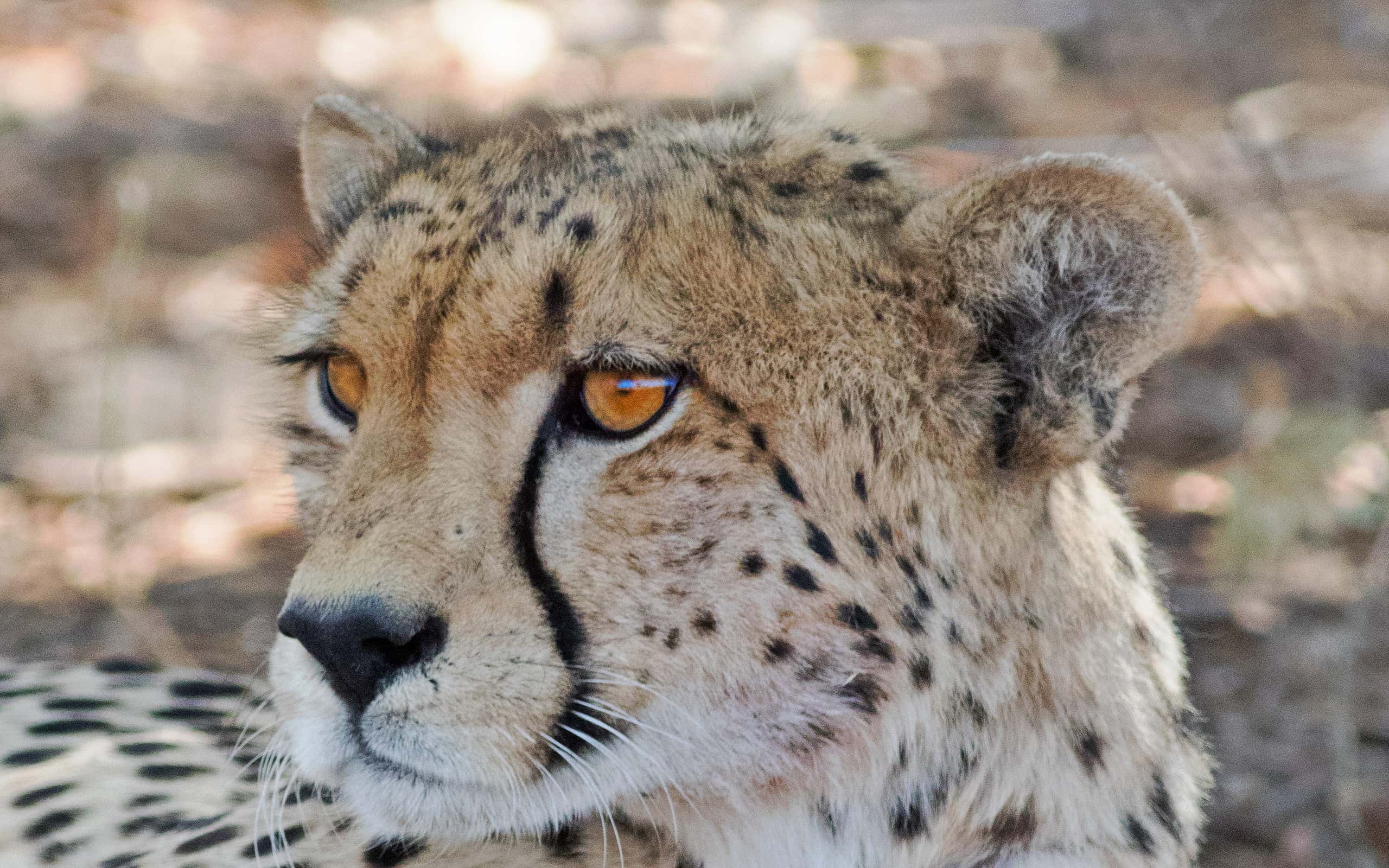
Cheetahs are slim, athletic big cats with small, rounded heads and short ears. They favor grasslands and deserts where they hunt gazelles, impalas, and other small- and medium-sized ungulates. They are one of the fastest terrestrial animals on the planet but can only maintain bursts of speed for short distances. Some males are territorial and establish an area of land, which they mark using urine. They also establish their territory by raking the ground with their hind paws, clawing at trees, flattening grass by rolling on it, and depositing feces. Nonterritorial males, known as floaters, are typically younger and remain in an area for only a few days.
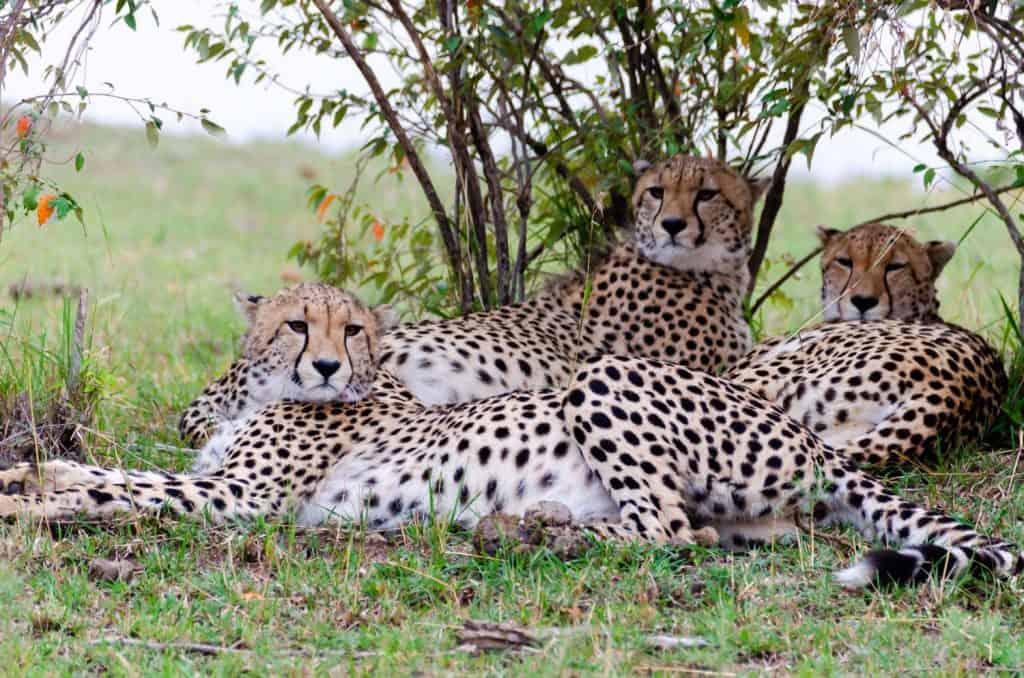
Some cheetahs form coalitions.
©Chaithanya Krishnan/Shutterstock.com
Male Namibian cheetahs (Acinonyx jubatus jubatus) start their adult lives as ‘floaters’. They do not have a territory of their own to defend. Many cheetahs live a solitary life, but some join together to form coalitions of up to four males. If a floater coalition is the same size as or larger than a nearby territorial coalition, they may attempt to take over that territory. The process is violent and often involves a deadly fight!
A remarkable transition follows, which is rare in mammals. As they achieve territorial status, the cheetahs start to look different. They gain muscle mass, and their heads get bigger. At the same time, they become more aggressive and bold, including towards humans. This is an example of epigenetic modification within the lifespan of one animal.
How Were Namibian Cheetahs Studied?
To understand how these changes come about in the Namibian cheetah, scientists from the Department of Evolutionary Genetics, Leibniz-Institute for Zoo and Wildlife Research (IZW), Berlin, Germany, analyzed the cheetahs’ DNA.
Free-ranging male cheetahs were captured in box traps. Scientists took biological samples (blood, weight, and age data) from 10 individuals for genetic tests and fitted them with GPS collars. The cheetahs were released but were captured again for further testing once they had taken over a territory.
Scientists compared the DNA methylation patterns of peripheral blood mononuclear cells in the cheetahs when they were floaters with when they were territorial. This paired-sample design allowed scientists to study genetic regions associated with the changed behavior and appearance.
Epigenetics in Action in Namibian Cheetahs
This study demonstrated that methylation patterns changed as the cheetahs transitioned from a floating to a territorial lifestyle. In particular, there was a predominance of hypermethylation once the males had become territorial. It shows that epigenetics is associated with an observed life-history transition.
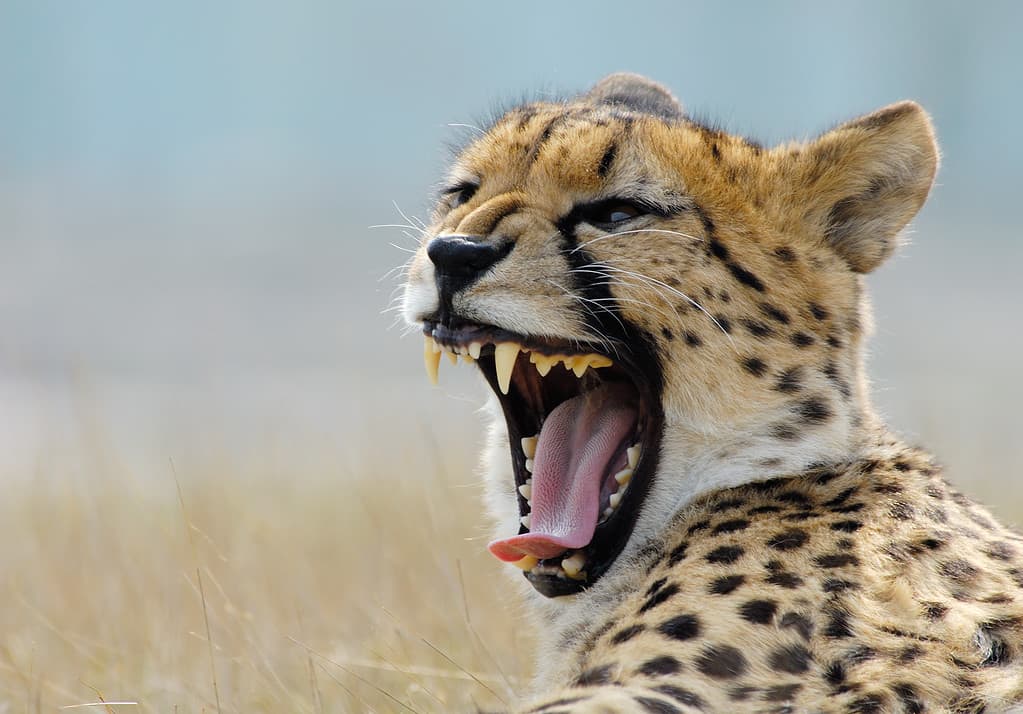
Territorial cheetahs look different from floater cheetahs.
©Eric Gevaert/iStock via Getty Images
The genes involved were those related to physical development, including body mass and head size. Genes related to neurodevelopment, learning, and cognition were also involved. These changes affected behavior, including altered spatial patterns (how far they roamed), aggression, and boldness.
It’s important to note that this study cannot determine whether the methylation differences occurred before, during, or after the transition.
Why This Matters
The situation faced by Namibian cheetahs is a natural experiment. Their numbers have decreased, leading to low genetic variation. In some species, this has led to a self-reinforcing decline towards extinction known as the extinction vortex. Yet other species remain remarkably resilient. Epigenetics may be the mechanism behind this.
When gene expression is flexible, it may enable adaptive changes, allowing species to survive even when their genetic diversity is low. It is possible that epigenetic markers may act as biomarkers and signal which animals have the best chance of adapting and therefore surviving. By integrating epigenetics into conservation biology, we can make extinction risk predictions more accurate and guide management strategies in the future.