
Quick Take
- Spider webs are secretly acting as something far more powerful than insect traps, and scientists have just figured out how to exploit that hidden capability. See how webs filter DNA →
- One researcher's offhand thought during a casual walk became the insight that could change how wildlife conservation works forever. See the research findings →
- There's one group of animals this method nearly misses entirely, and the reason why is surprisingly biological. Discover which animals are missed →
- Knowing an animal passed through an area is useful, but knowing *when* it did is what changes everything for endangered species tracking. Explore the timing advantage →
As habitat conditions shift due to climate change, monitoring species populations has become more important than ever. However, because some species are more difficult than others to observe, this can prove to be a daunting and invasive process.
Researchers have shown that monitoring wildlife does not always require direct observation. Thanks to spider webs’ ability to capture environmental DNA, researchers identified 85 animal species without even spotting them. While this will not replace physically observing animals in their habitats, it is another useful tool in the fight to conserve animals.
Continue reading
Spider Webs Reveal Which Animals Live Nearby
It used to be that the only way to determine whether an animal lived in an ecosystem was to physically observe it, catch it on a camera trap, or identify it by the hair or scat it left behind. Thanks to spiders, this may no longer the case.
According to a study published in iScience, spider webs carry a treasure trove of DNA information. Previously, researchers identified only the DNA of insects and other species caught in the web. However, researchers at Curtin University in Perth, Australia, suggested that environmental DNA may be present. If this proved to be the case, researchers could use a non-invasive approach to monitor animal populations at any given location and time.
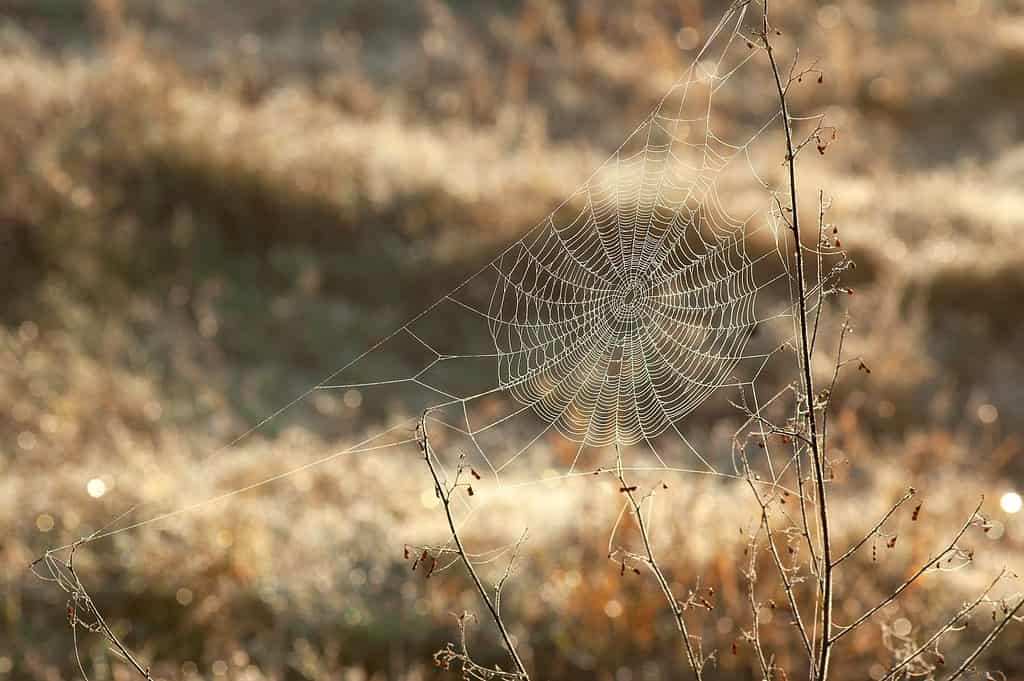
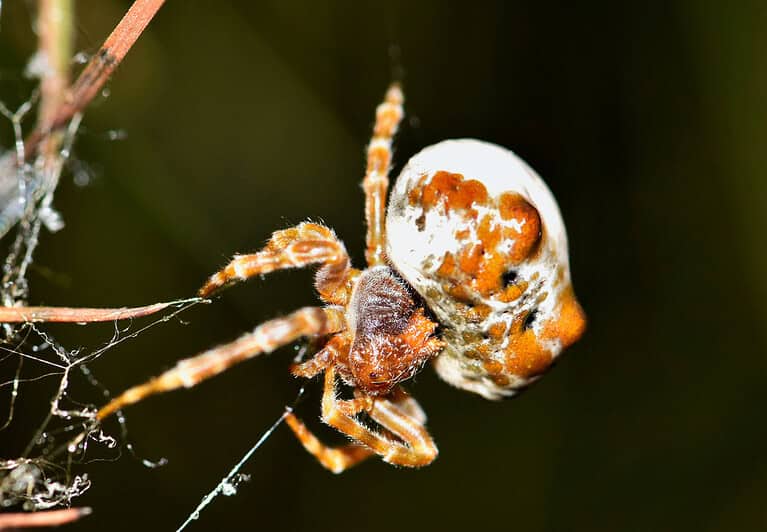
Orb spider webs were collected at Karakamia Wildlife Sanctuary and Perth Zoo to determine whether they contained environmental DNA.
©Donna Bollenbach/Shutterstock.com
To determine what DNA was present, Ph.D. student in genetic biodiversity Josh Newton and evolutionary biologist Morton Allentoft, both of Curtin University, collected orb spider webs. They did this by wrapping the webs around a stick. In total, they collected 49 webs from Karakamia Wildlife Sanctuary.
The webs were taken back to the lab for analysis. When the results came back, they were shocking.
Across the 49 webs, researchers identified 32 distinct animal species.
To ensure accurate results, webs were collected from the Perth Zoo. Analysis identified 61 species of exotic animals living at the zoo. DNA collection via spider webs proved reliable.
How Do Spider Webs Collect Local Wildlife DNA?
The idea of collecting spider webs to see whether they carry DNA from animals living in the habitat came to Allentoft while on a walk in Perth, Australia. He recalled a biology lesson in which he learned that “spider webs are sticky.” With earlier research proving that insect DNA was left in the web after the insects were caught, Allentoft wondered if environmental DNA could be captured as well.
“I’ve been told in my biology days that spiderwebs [are] sticky,” Allentoft explained to NPR. “You can see they’re messy, they’re dirty. And I was thinking to myself, ‘Maybe these spiderwebs [are] big passive air filters. They sit there for days or weeks — months even. They may very well be capturing the DNA that [is] floating around.'”
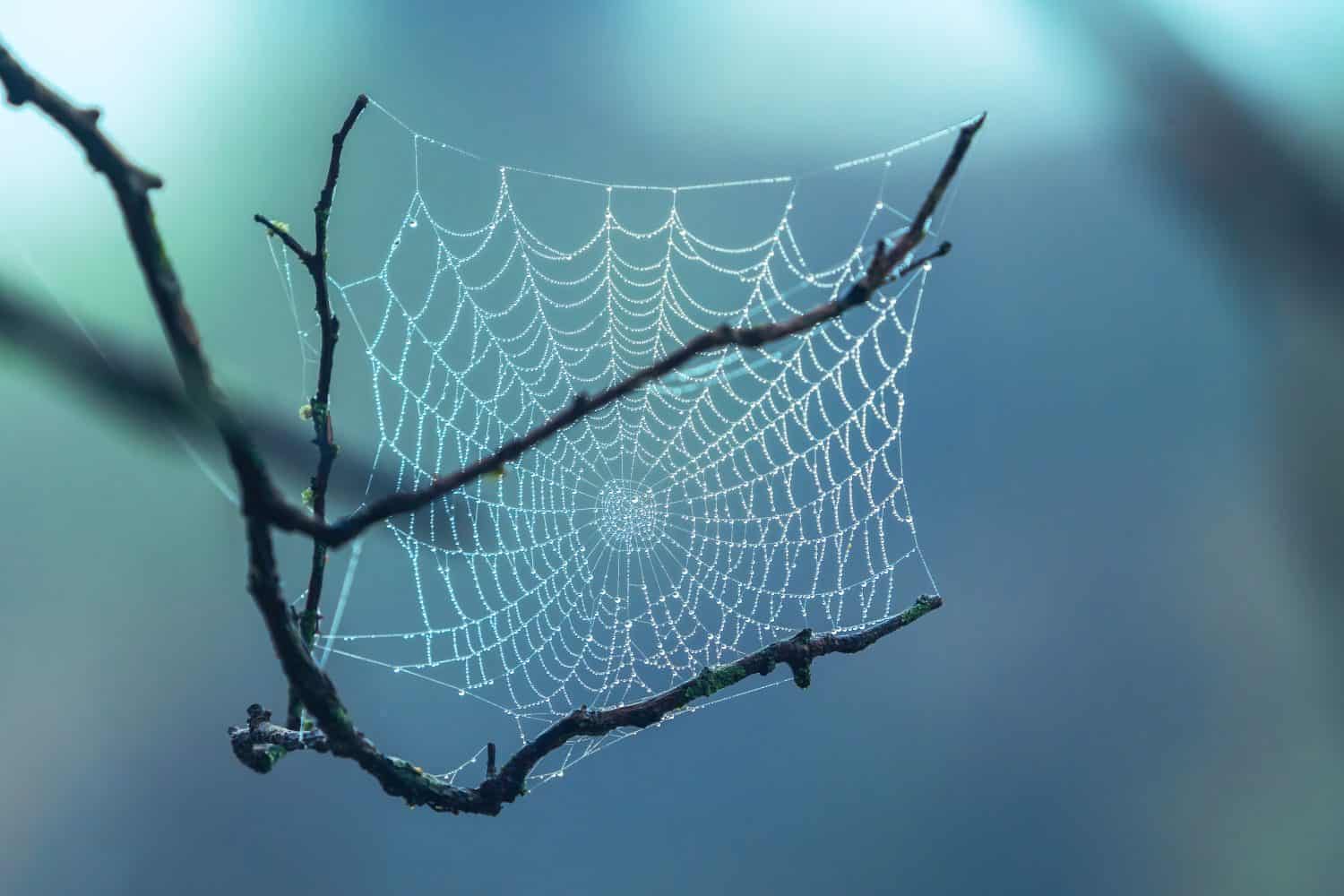
Thanks to the stickiness of the spider web, DNA gets caught, revealing which animals live in a habitat.
©Diego Grandi/Shutterstock.com
Every living creature sheds DNA. From skin flakes to hairs, animals leave genetic material behind wherever they travel. As this genetic material floats invisibly through the air, it eventually lands on surfaces indoors and outdoors. In spider webs, the DNA gets caught in the web’s stickiness.
While smaller creatures, like insects, leave their DNA directly in webs, larger animals do not need to touch the webs to leave their DNA behind. Thanks to the transport of cells by wind, water, sediment, and more, DNA finds its way to spider webs, revealing which animals live in an ecosystem at any given moment.
Spider Webs Capture a Snapshot in Time
In this particular study, orb spider webs were dismantled to collect DNA. However, these spiders consistently break down their webs on their own, meaning the DNA collected is typically fresh — not much more than a few days old.
While an orb-web spider can keep its web intact for weeks, the environment and the animals caught in it cause its structural integrity to deteriorate over the course of a day. Consequently, the spiders will break down their webs nightly and rebuild them.
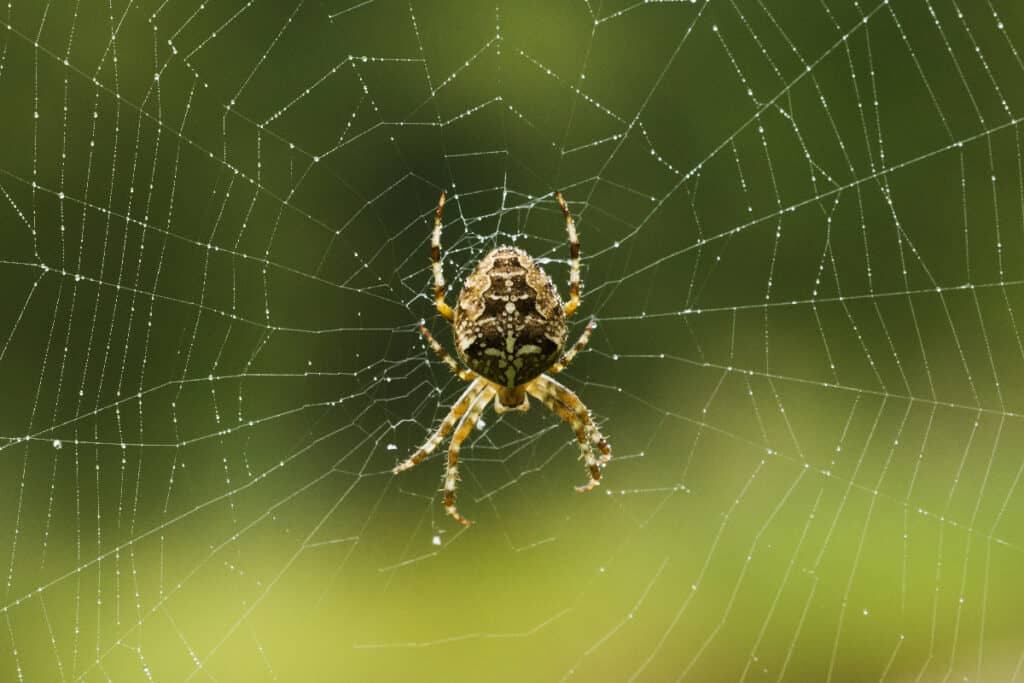
Because orb web spiders typically take down and rebuild their webs within several hours to several days of their creation, any animal DNA found is recent.
©iStock.com/mirceax
For researchers, this means that when the web is collected, the DNA present may be a few hours to a few days old. When tracking endangered species, knowing the timeframe in which they passed through an area can be important. Fortunately, orb spider webs can provide this information without requiring researchers to spend extended time in the field or disturb the animals living there.
How Spider Webs Help with Gathering Data for Elusive Animals
Finding animals in their habitat can be difficult. Not only is it unclear when the animals will appear during the study window, but they may never make their presence known at all. This makes spotting the animal after weeks in the field especially rewarding. However, it is also incredibly frustrating to walk away empty-handed from an expedition.
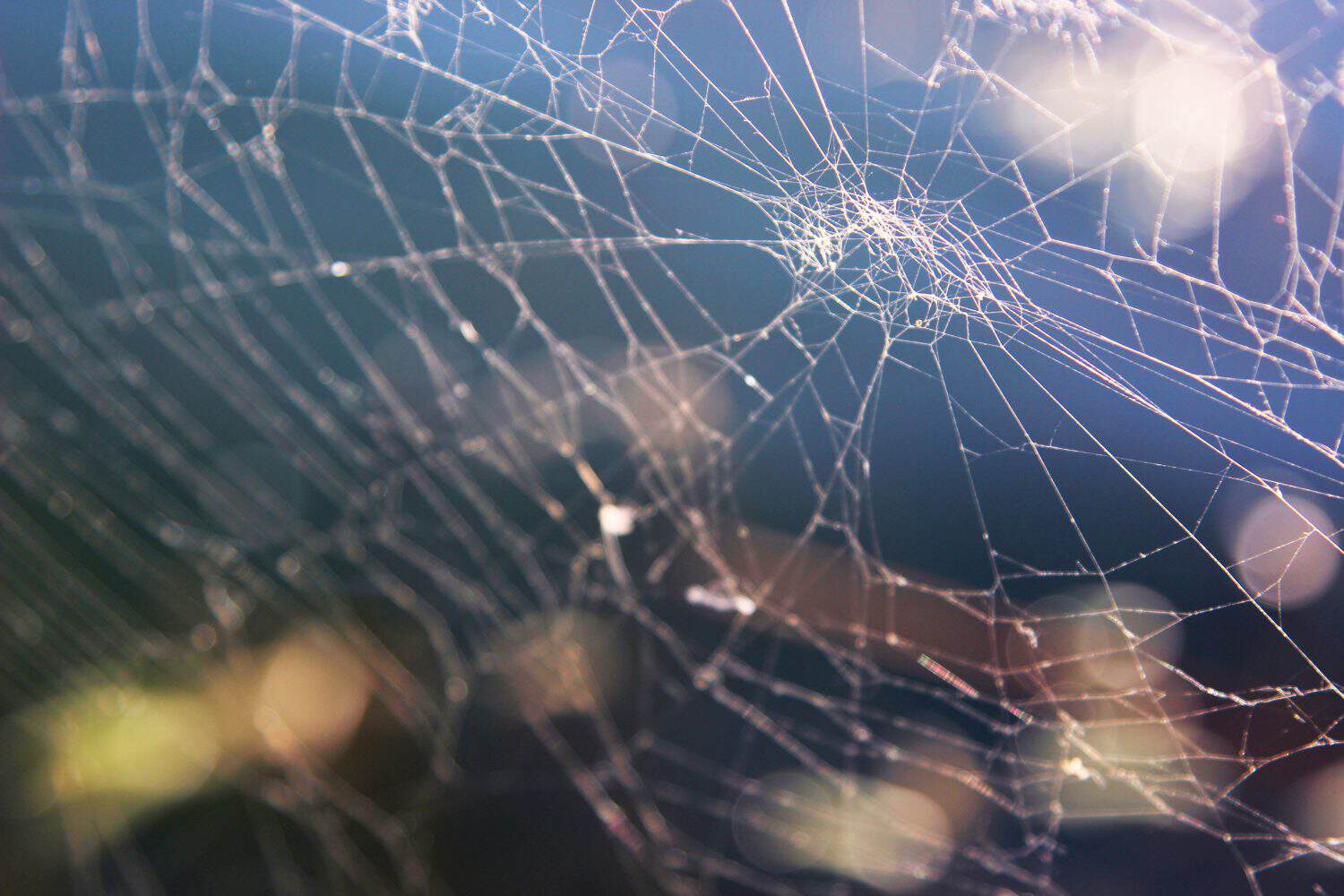
Even elusive animals shed DNA, making it easier to detect their presence in a habitat, thanks to spider webs that capture it.
©Emily Rose Photography/Shutterstock.com
According to the study, spider webs can help gather data on elusive animals. Since DNA is caught in the webs, researchers need only collect and analyze web samples to determine which animals recently moved through the ecosystem.
If, across several web collections, researchers find no DNA, they know not to focus their efforts on that part of the habitat. Instead, if they are trying to set camera traps or even visually observe a particular animal, they can focus more attention on other areas. This saves both time and money, thanks to spider webs handling the DNA collection passively.
Are Some Animals Underrepresented With DNA Captured in Spider Webs?
Although spider webs contain DNA from a variety of animal species, spider webs alone cannot capture a complete picture of all vertebrates living in a region. As researchers discovered, some species present are underrepresented.
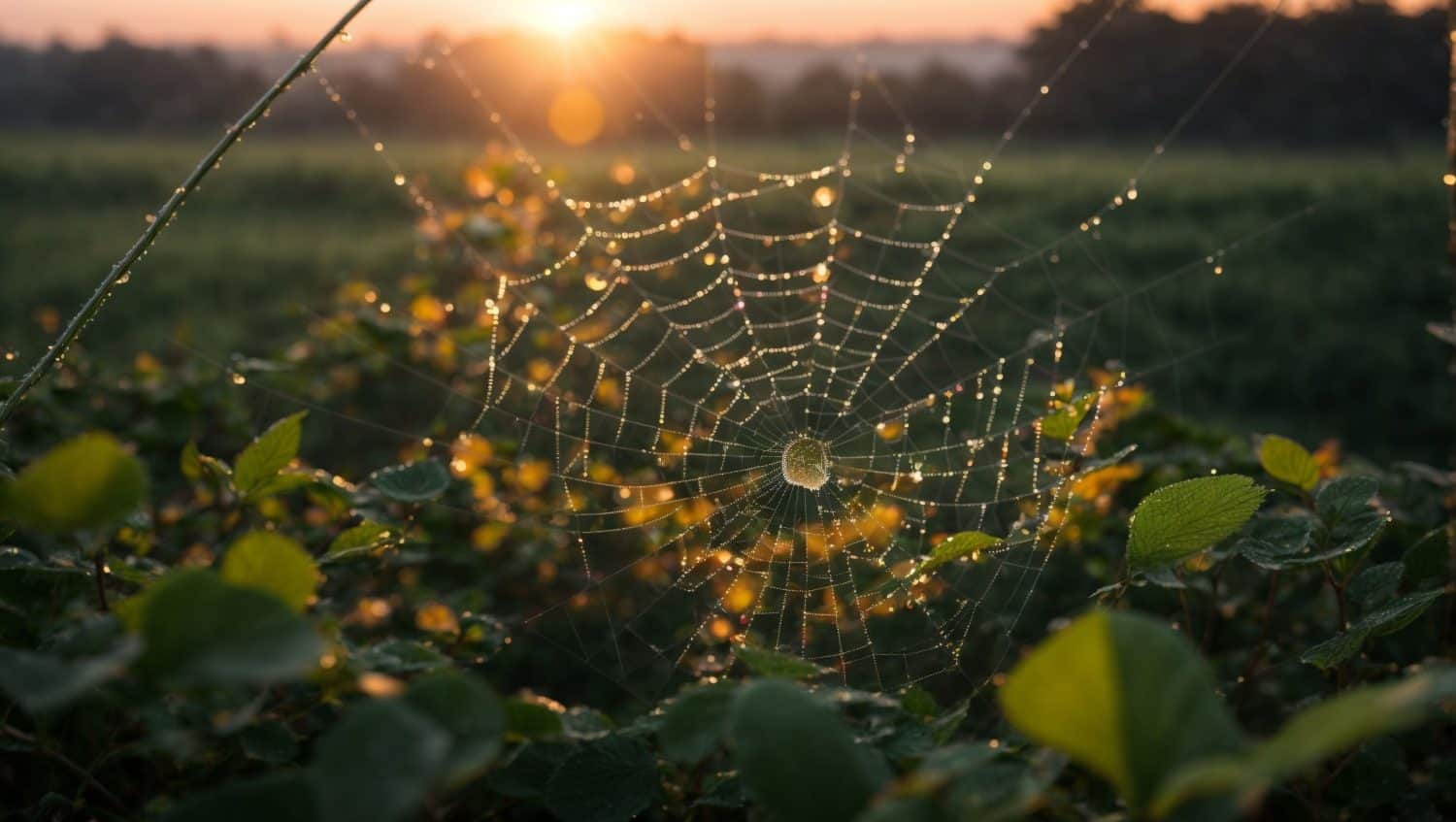
While spider webs help collect DNA, reptiles are often underrepresented among identified creatures because they shed fewer cells than other animals.
©Wirestock Creators/Shutterstock.com
According to the study, reptile DNA was the most underrepresented. Researchers suspect this may be because reptiles leave behind less detectable cellular material than many other animals. As a result, the reptiles in the region are not fully accounted for.
While analyzing DNA from spider webs is an effective way to passively monitor species, it does not tell the whole story. However, when combined with vegetation swabs and water samples, this combination can provide a more complete picture of the animals present in an ecosystem.