
Quick Take
- Annual taxonomic descriptions are increasing, but they may not actually be outpacing extinctions.
- Analyzing 2 million species revealed that recorded data often lags behind the actual biodiversity crisis.
- New species discoveries are accelerating despite widespread ecological decline and habitat loss, but they are typically species that have existed for decades.
- Revisiting museum collections helps identify new species without conducting new expeditions.
While the average person may believe we’re losing species faster than we can discover new ones, that may not be the case. A recent analysis hosted at the University of Arizona has researchers arguing that the pace of new species discoveries, about 16,000 per year, now far exceeds the rate of recorded species extinctions, which is estimated at about 10 per year. However, this comparison is based on documented extinctions, which are likely an undercount of actual losses.
What does this mean, exactly? Do we have so many new species occurring that we can’t keep up? Not quite. It’s more like a sign that taxonomy is moving faster than many people assumed, and that large parts of biodiversity are still outside our formal inventory. We’re cataloguing better than ever, but are these newly inventoried species actually new?
This is what our current state of new species discovery looks like, including what cool new species we’ve uncovered lately. Plus, we’ll go over what these new discoveries mean for the overall state of animal species today.
What Scientists Mean by New Species Discoveries
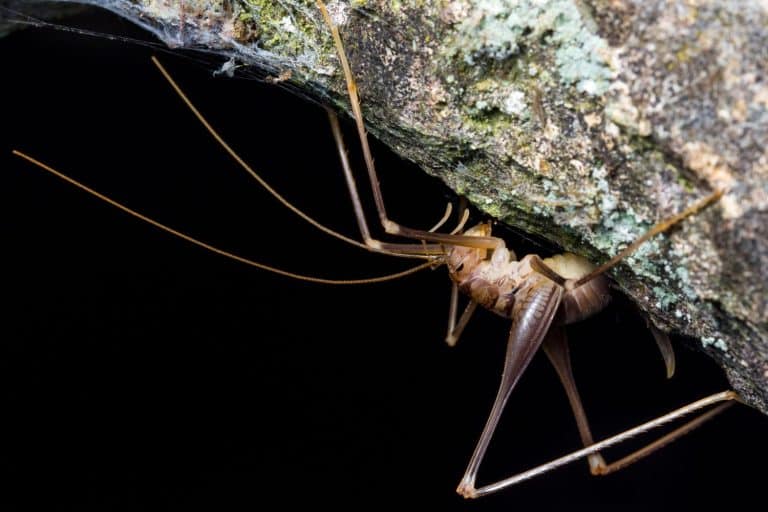
In most cases, when scientists say they’ve discovered a new species, it means they’ve newly described a species. The organism obviously already existed in a forest, a reef, a river, or a museum drawer, so what’s new about the species?

While new species are being uncovered, are they truly outpacing extinction rates?
©wavebreakmedia/Shutterstock.com
Technically, what’s new is the evidence trail that proves it’s distinct and gives it a formal name scientists can use. Conservation and research often run on formal recognition. If a species hasn’t been described yet, it’s easier to miss in surveys and far harder to assess, which makes it less likely to show up in policy, policy that might just protect a species moving forward.
What the University of Arizona Found and Why the Study Matters
The team at the University of Arizona examined taxonomic histories for roughly 2 million species and focused on the most recent period that had comprehensive global data. In the final report, an average of more than 16,000 new species were described per year, from roughly 2015-2020, including over 10,000 animals, about 2,500 plants, and close to 2,000 fungi.
The calculated rate of recorded species extinctions was also about 10 per year, meaning the rate of new species descriptions far outpaces the number of extinctions that have been formally documented. However, actual extinction rates are likely higher due to underreporting and the difficulty of confirming extinctions.
Why the Discovery Rate of New Species Keeps Rising
There are a number of things that are influencing the number of new animal species and why they’re being discovered at a faster rate than before.

Conservation efforts endeavor to find new species, but many new species have been on our planet, undiscovered, for years.
©Romolo Tavani/Shutterstock.com
Better genetics is a big factor. The UArizona report notes that many new species are still identified by visible traits, but improved molecular tools are likely to reveal more “cryptic” species (ones that look similar but are genetically distinct).
Museum collections are another driver. Specimens collected decades ago can become “new” when someone revisits them with stronger comparisons and DNA tools. A lot of discovery now is detective work, not expedition footage.
Then there’s the simplest explanation: we’re still early in the inventory. The UArizona report argues that even in groups we think we know well—like fish, amphibians, and reptiles—there may be far more species than currently described.
Why This Doesn’t Change Our Biodiversity Crisis
It’s still possible for new species descriptions to surge during a period of ecological decline. In fact, it’s a common enough occurrence in our history of species identification.

New animal, plant, sea and fungi species are discovered every single year.
©MPIX.TURE/Shutterstock.com
Extinction confirmation takes time, given that many species are poorly monitored. Plus, just because a species isn’t recorded as extinct doesn’t mean it’s thriving. On top of that, conservation concerns often shows up first when there’s habitat loss or total population collapse, signals that don’t require a final extinction declaration to be considered serious.
Species can also be described or identified for the first time when they’re already rare or on the verge of extinction. This is the uncomfortable truth about species identification: sometimes, we discover something too late.
What An Influx of New Species Tells Scientists About the Animal Kingdom
This apparent trend of new species discoveries points to a world with far more biological diversity than our official counts capture, especially in understudied groups. Taxonomy is also necessary and must be considered, as any new species can’t be protected until it’s scientifically described.
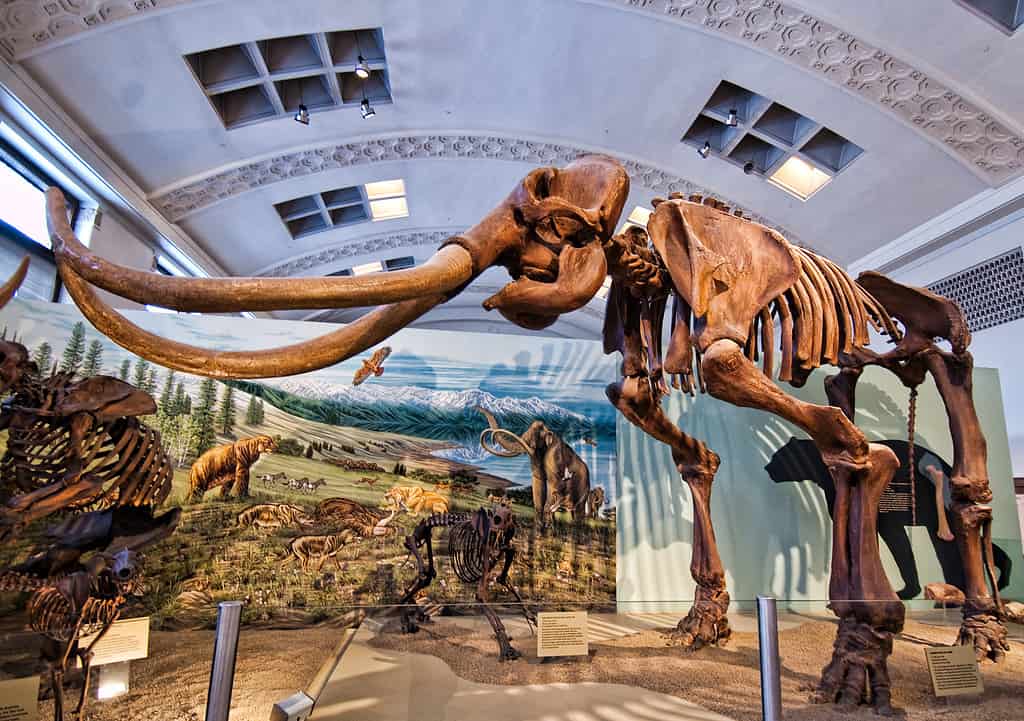
Museum displays can help scientists identify new subspecies of already-discovered animals.
Additionally, if new species discovery remains high, then targeted work will persevere. This work could be in biodiversity hotspots, museum backlogs, rare or unique habitats, and hard-to-identify lineages; no matter what, this work will likely lead to even more species in the future.
Newly Described Species From the Past Five Years
To showcase what science and conservation efforts have uncovered the past few years, here are some of the newest species to be described in the animal community.
Northern Green Anaconda (Eunectes akayima)
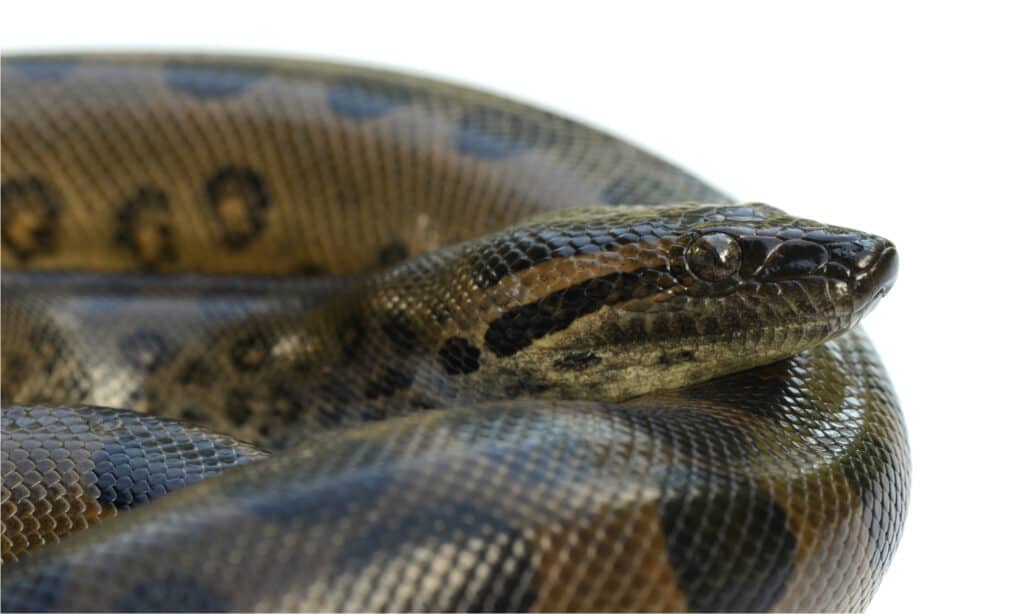
There’s a new subspecies of the northern green anaconda.
©Patrick K. Campbell/Shutterstock.com
A 2024 paper in Diversity describing Eunectes akayima formally describes the northern green anaconda (Eunectes akayima) as a new species, distinct from the southern green anaconda (E. murinus). A deep genetic divergence and a split estimated around 10 million years ago has been discovered, leading to a new, distinct species.
Bloodstained Orchid (Telipogon cruentilabrum)
In a Royal Botanic Gardens, Kew feature, one standout plant that’s newly described in 2025 is the Telipogon cruentilabrum, nicknamed for the red-stained look of its flower. While seen and mentioned in many other outlets, this orchid has only recently been properly documented. It proves that plants can go unrecognized for years, even in well-studied regions, and formal description is often the moment conservation becomes possible for them.
Trapdoor-Spider Zombie Fungus (Purpureocillium sp.)
A new species of fungus, Purpureocillium atlanticum, that parasitizes trapdoor spiders was described in 2025, and it’s full of unique properties and capabilities. Fungi is a field with plenty of new discoveries, but it still remains fairly unrepresented.
Vampire Hedgehog (Hylomys macarong)

A new species of hedgehog has been discovered, known as the vampire hedgehog.
©iStock.com/serikbaib
Soft-furred hedgehogs in Southeast Asia have a new addition to the genus Hylomys, with research noting that Hylomys macarong was one of the species newly recognized despite sitting in collections for decades. The species name ‘macarong’ means ‘vampire’ in Vietnamese, referencing its long, pointed fangs.
Limestone Eyelash Pit Viper (Trimeresurus ciliaris)
A 2023 paper in Vertebrate Zoology describing Trimeresurus ciliaris focuses on a karst-dwelling pit viper from southern Thailand, distinguished from other species using both morphology and DNA. While similar to other pit vipers, this one’s region and distinct characteristics led to its recognition as a new species.
High-Andes Mouse Opossum (Marmosa chachapoya)
A specimen from Peru was also uncovered in 2025. This high-Andes mammal remains a special species discovery, as its preferred altitude and climate make for some rare ecosystems. The species was formally described as Marmosa chachapoya, a new mouse opossum from Peru’s Río Abiseo National Park.
New Sea Anemone Genus and Species (Endolobactis simoesii)
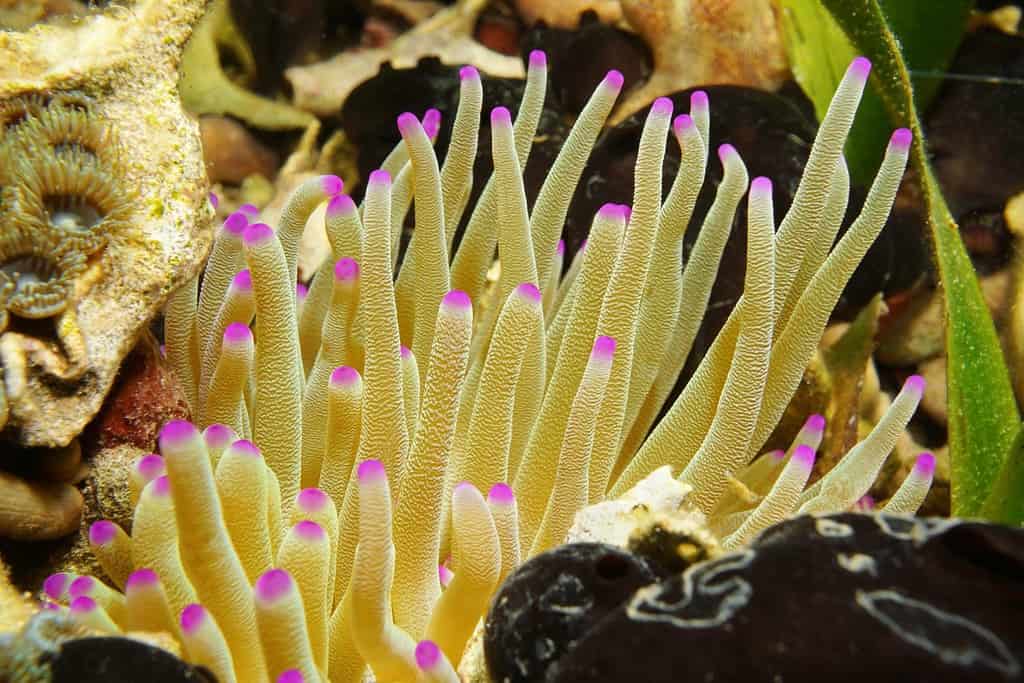
There are many new species left to be discovered under the sea.
©Damsea/Shutterstock.com
A 2025 paper in Zootaxa describing Endolobactis simoesii adds an entirely new genus and species of sea anemone, showing how much basic marine biodiversity still gets refined through careful anatomical work. There’s plenty left to discover under the sea, and this anemone was discovered in the Yucatán Peninsula, Mexico.
New Species Discoveries Are Still Happening
Given our recent counts, over 16,000 new species are being formally described each year, a pace that far exceeds the approximately 10 species per year that are formally recorded as extinct. However, are we technically outpacing extinctions?

We have many unknown animal species in our world, existing just under our noses.
©Mongkolchon Akesin/Shutterstock.com
Short answer: no. Scientists around the world are getting better at finding life that’s been here all along, but many of those species will need protection the moment they receive their formal names. Conservation efforts must persist, as multiple habitats continue to be permanently altered by our interference.