
Quick Take
- Researchers visited the same forest patch for over a year before spotting it, and they weren't even looking for it. Why it stayed hidden →
- One biological quirk, not its appearance, was the 'slam dunk' proof that this was a species no one had ever seen before. The key distinguishing trait →
- The spider may have survived for centuries in secret, but one specific type of change could erase it almost overnight. Threats that could erase it →
- Scientists believe most spider species are still unknown, and the Hexura vandal hints at exactly where they might be hiding. How many species remain unknown →
In a world where up to 200 species of flora and fauna go extinct daily, discovering a new species is something to celebrate. This is exactly what happened when researchers stumbled upon a new spider, found only in a tiny corner of Idaho. The spider, Hexura vandal, became the newest Hexura species identified, prompting researchers to wonder what other species might be hidden in Idaho’s forest microhabitats.
Continue reading
The Story Behind the Hexura Vandal Spider’s Discovery
When researchers discovered Hexura vandal, they were not looking for it. Instead, research students from the University of Idaho were hunting for samples of Microhexura in a region of the Nez Perce-Clearwater National Forest that they had surveyed for over a year. Ethan Briggs and entomology doctoral student Arnau Calatayud-Mascarell spotted the spider by chance, which completely and permanently changed the direction of their fieldwork.
According to a new study published in ZooKeys, Hexura spiders typically live from southern Vancouver Island to central Oregon. That is why Briggs and Calatayud-Mascarell were shocked when they observed one in the dense forests of Idaho.
“It was like going to a remote island and finding something new,” Calatayud-Mascarell explained to The Spokesman-Review. “So it was a shock for us to find this spider.”
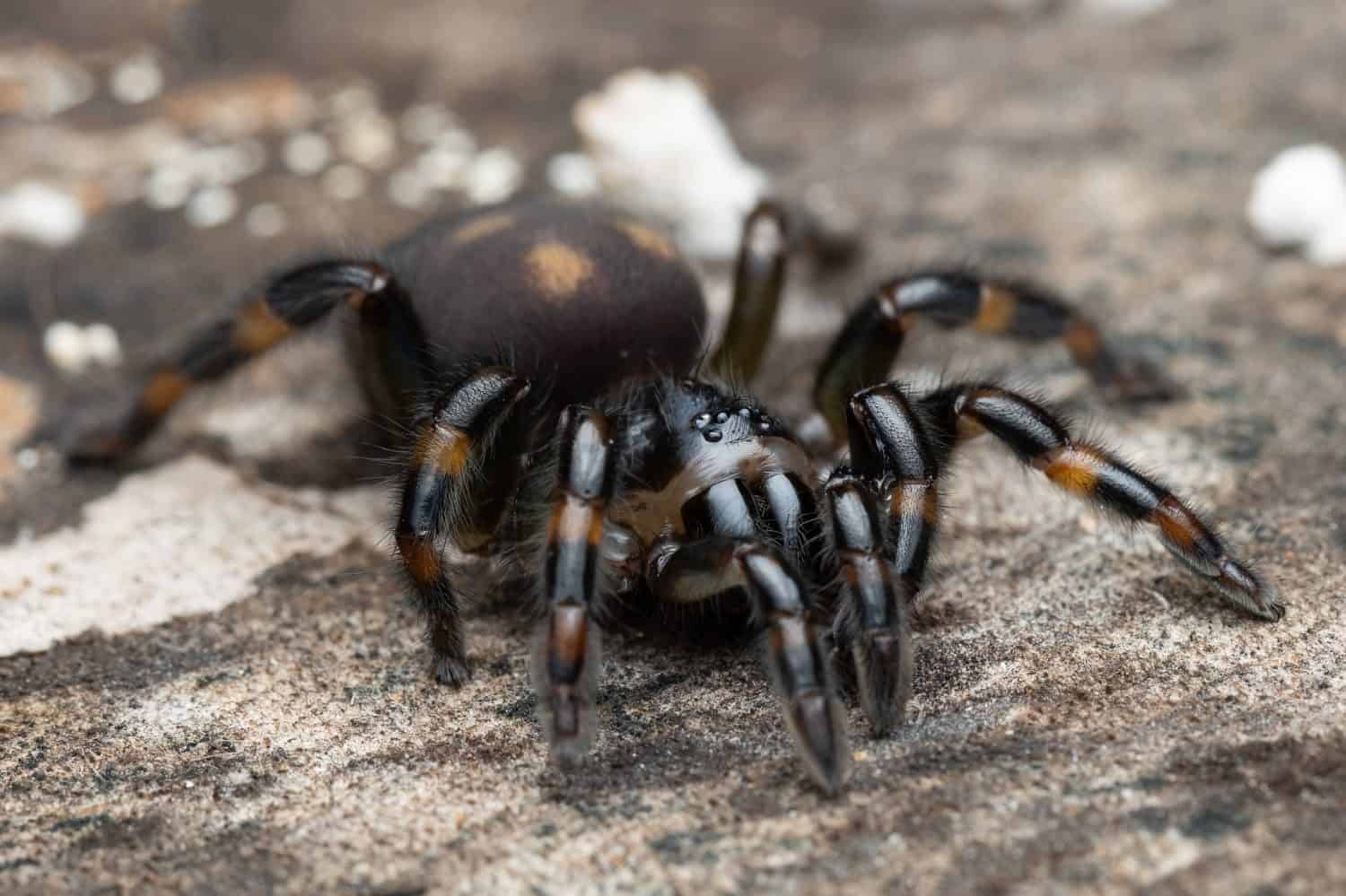
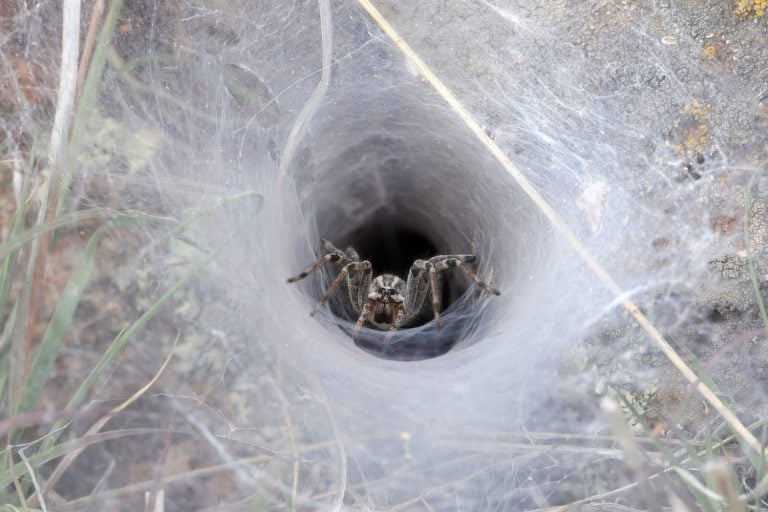
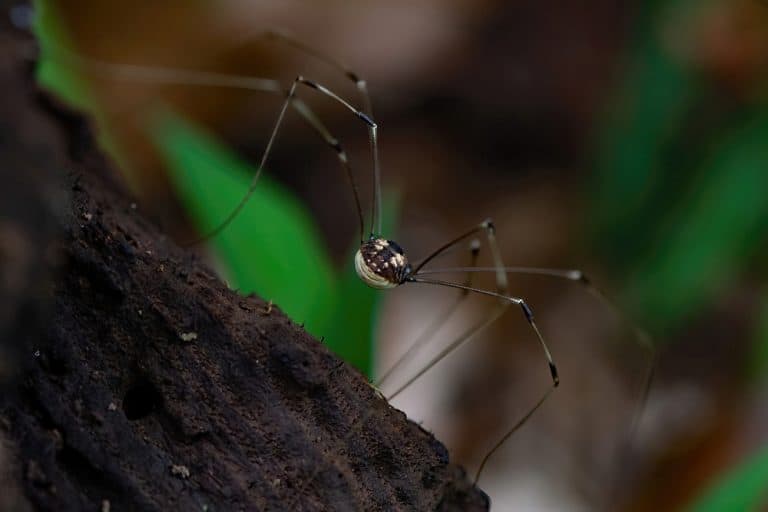
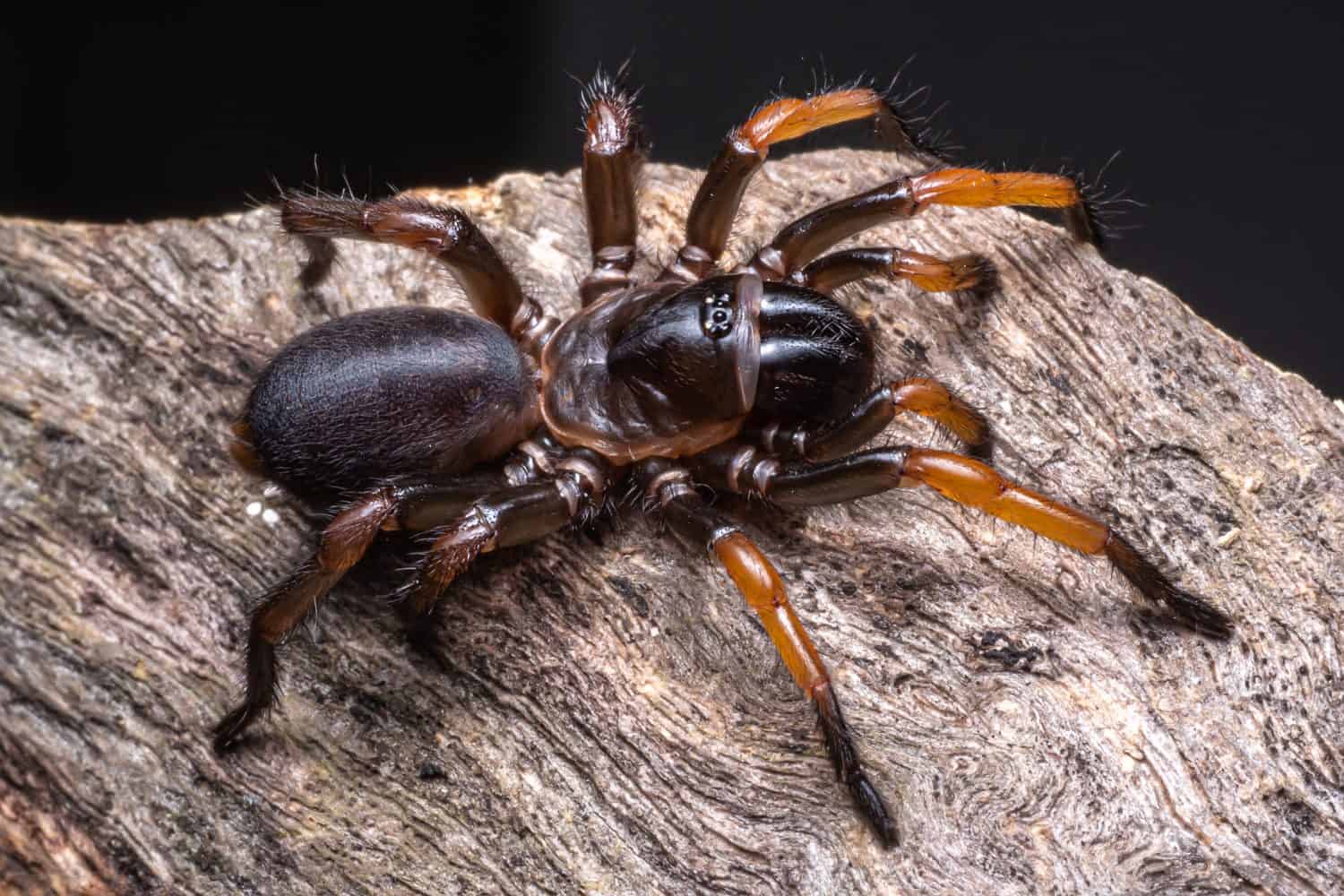
Hexura vandal, a similar species to this trapdoor spider, was a surprise discovery.
©santhosh_0708/Shutterstock.com
Recognizing how special the spider was, Briggs and Calatayud-Mascarell stopped searching for Microhexura specimens along the Lochsa River and shifted their focus to the Hexura spider.
With the blessing of University of Idaho associate professor Chris Hamilton, research began in earnest to prove this Hexura spider was a new species. Once this was accomplished, the spider was aptly named after the University of Idaho’s mascot, officially becoming Hexura vandal.
How Is Hexura vandal Different from “Sister” Hexura Species?
Although it looks similar to a few “sister” species of Hexura spiders, also known as American folding trapdoor spiders, Hexura vandal is a distinct species. To confirm they had discovered a new species, Calatayud-Mascarell and Briggs conducted genetic testing. Two years after their initial discovery, the researchers had the proof they needed.
After observing the first Hexura vandal, Calatayud-Mascarell and Briggs collected 53 additional specimens. They genetically tested and dissected these spiders to identify differences from Hexura species living in the Cascades.
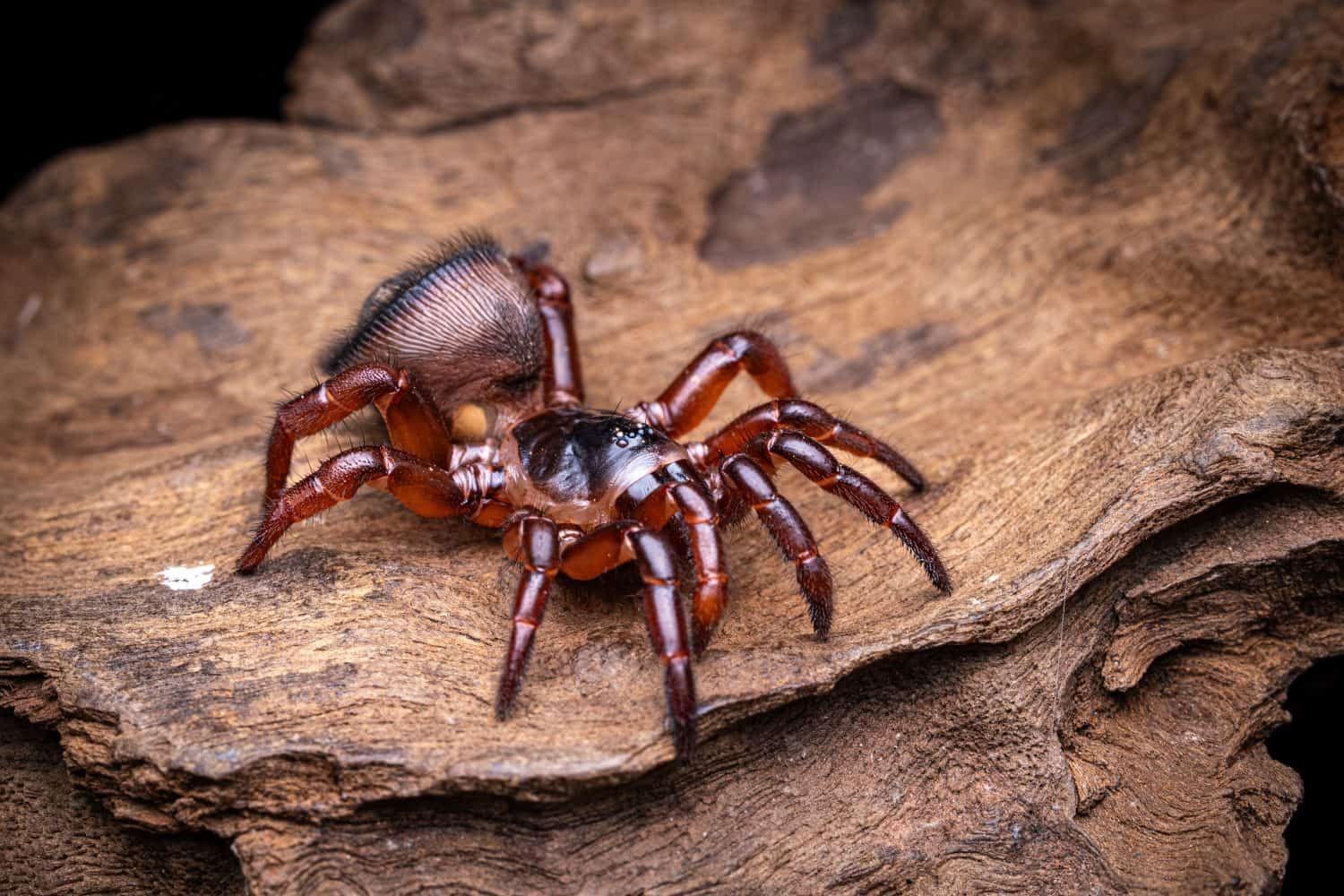
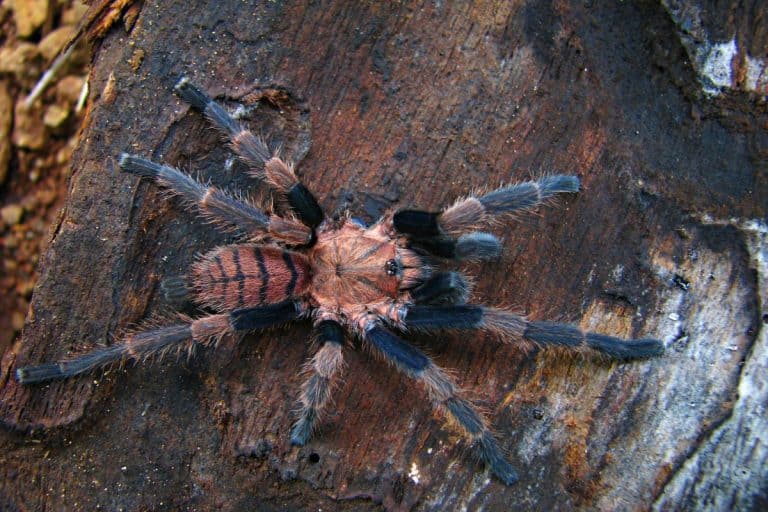
Hexura vandal, a species similar to this trapdoor spider, was found to have developed its sexual organs differently from other Hexura spiders.
©Silapavet Konthikamee/Shutterstock.com
Briggs and Calatayud-Mascarell found that the sexual organs of Hexura vandal had developed differently from those of other Hexura spiders, likely due to their long isolation. This proved to be a “slam dunk,” according to Hamilton, who oversaw the research, in confirming that a new species had been discovered.
“It’s unique because it seems to be only found around here,” Hamilton explained to The Spokesman-Review. “And it’s been here for a really long time… they’ve been persisting, and that’s a pretty cool story.”
How the Spider Remained a Secret
The region in Kooskia, Idaho, where the Hexura Vandal spider lives, is protected within the Nez Perce–Clearwater National Forest. With an untouched forest ecosystem, the spiders have thrived in their microhabitats. However, this does not make Hexura Vandal spiders any easier to locate. Their microhabitats actually make the spiders harder to find, as they inhabit only specific parts of the forest.
Unlike other spiders that make their presence known with large spiderwebs, Hexura Vandal spiders create funnel-shaped webs. These webs are beneath ground cover or within rotten logs. While those familiar with their webs can find them, the spiders themselves are easily overlooked, even in their retreats, due to their small size. As a result, it is difficult to know how many times researchers searching for other creatures may have missed Hexura vandal.
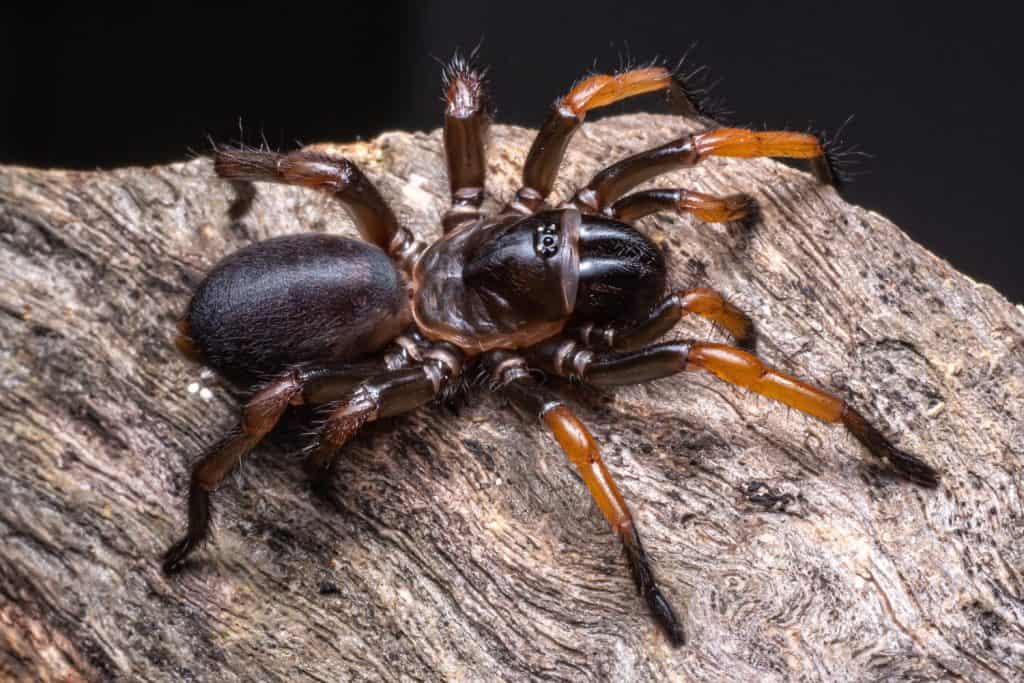
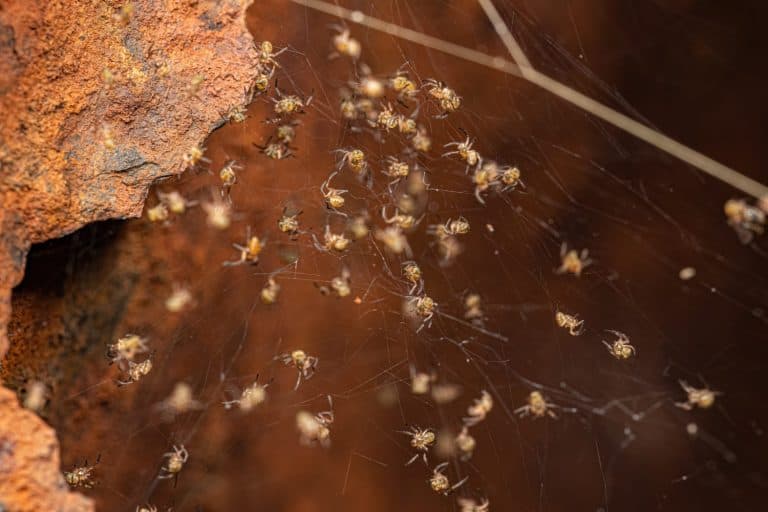
Given their remote microhabitats, Hexura Vandal spiders, a species similar to this trapdoor spider, went undiscovered for centuries.
©nokkaew/Shutterstock.com
Adding to the difficulty of spotting the spider, the region where Hexura vandal lives has never been fully surveyed. This means other species may still be waiting to be discovered in this part of the National Forest because of how remote the location is.
Finally, researchers were not specifically looking to discover a new species of spider. They had been in the same location numerous times over the course of a year before they came across Hexura vandal by chance. Had researchers not been searching for Microhexura specimens, Hexura vandal may have remained undiscovered.
Here’s Why This Spider Is Vulnerable
Because Hexura vandal occupies such a small habitat, it is vulnerable to any changes in that environment. Due to its limited ability to disperse, it is unclear how long the species can survive as the climate continues to change.
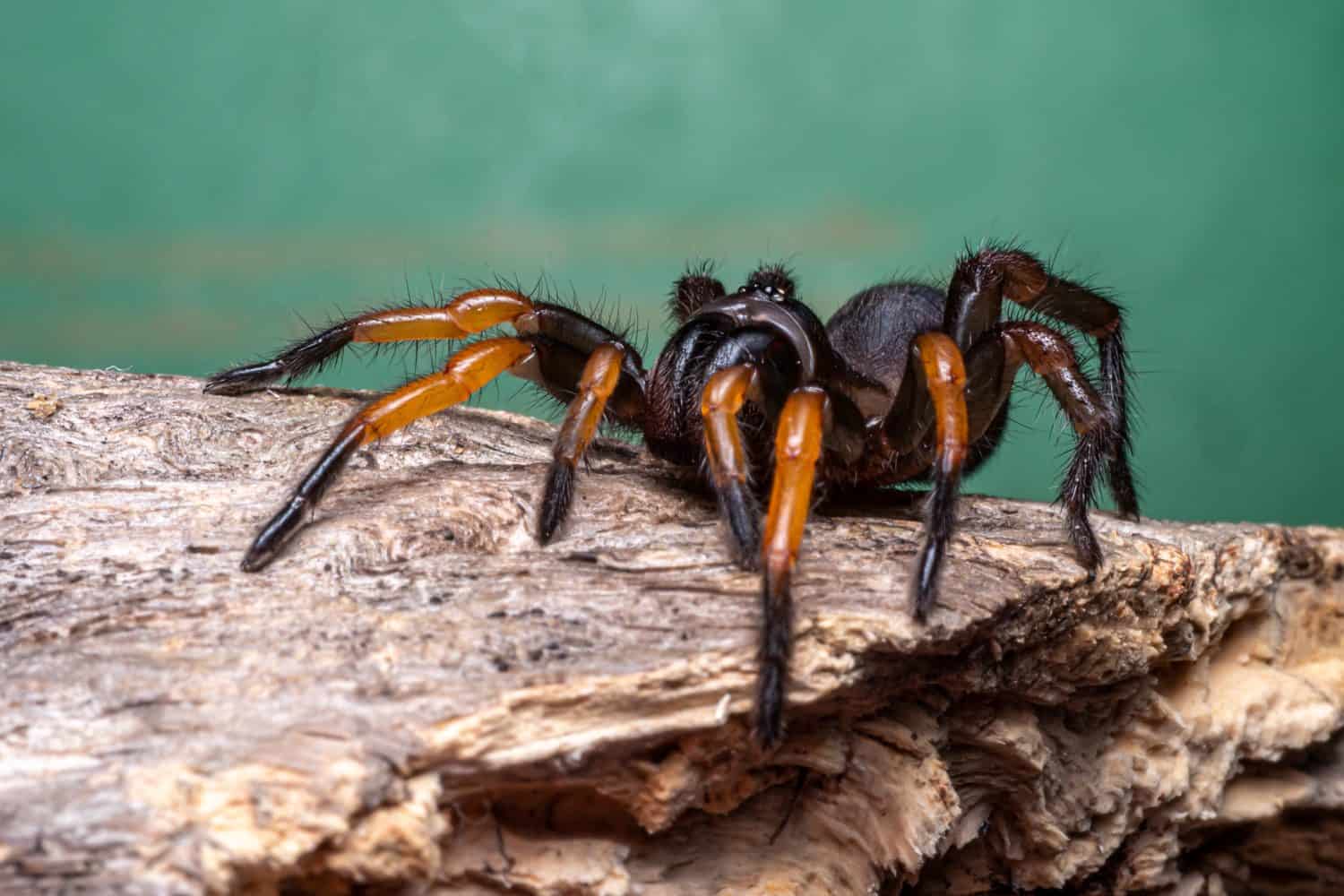
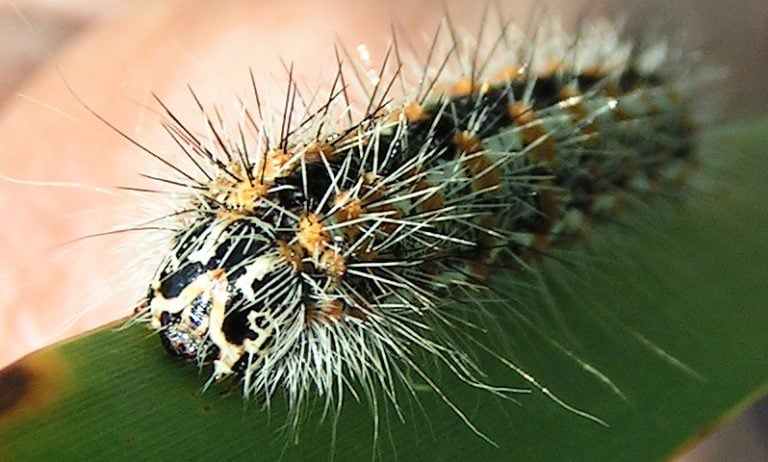
Hexura vandal, a species of spider similar to this trapdoor spider, is vulnerable to habitat changes, such as fire, logging, climate change, and more.
©nokkaew/Shutterstock.com
Some of the ways habitat change affects Hexura Vandal spiders include:
- The distribution of the spiders is restricted to the cool, damp forest areas of Kooskia, Idaho, meaning they cannot live in warmer, dry habitats
- Forest fires, drought decreasing how much snowpack there is, and climate change bringing warmer temperatures, prematurely melting snow, make the microclimates the spiders live in uninhabitable
- Hexura Vandal spiders cannot travel long distances to find new habitats
- Logging destroys the habitats of Hexura Vandal spiders
Because of these issues, it remains to be seen how long Hexura vandal will persist in its isolated habitat. A major disturbance could severely threaten the species.
How Many Species of Arachnids Are Still Waiting to Be Discovered?
There is a common belief that new species can only be discovered in remote locations rarely visited by humans. However, as the discovery of Hexura vandal shows, this is not the case. In fact, researchers say that only the surface has been scratched in identifying spiders, with many more still waiting to be found, potentially hiding in plain sight.
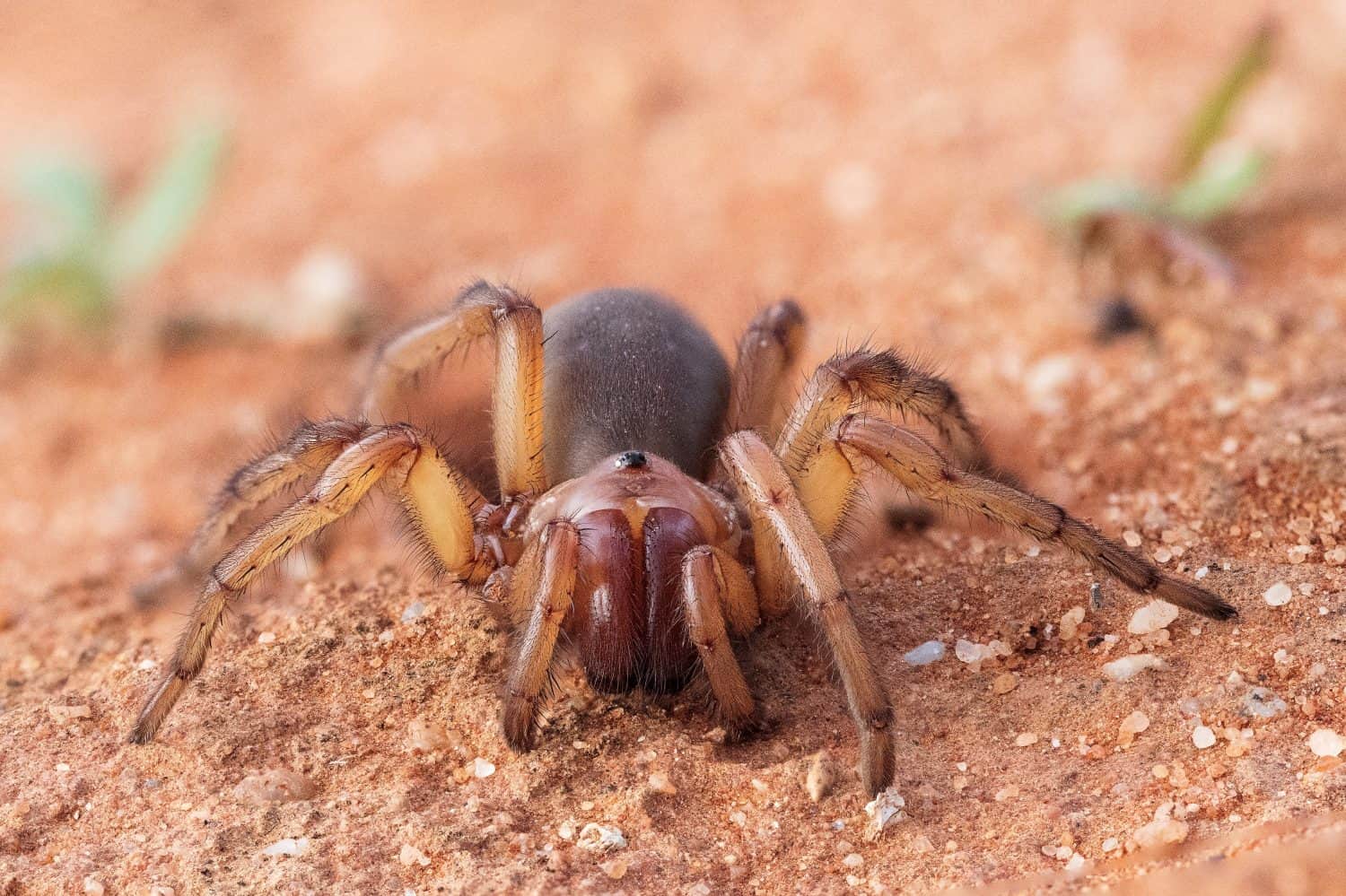
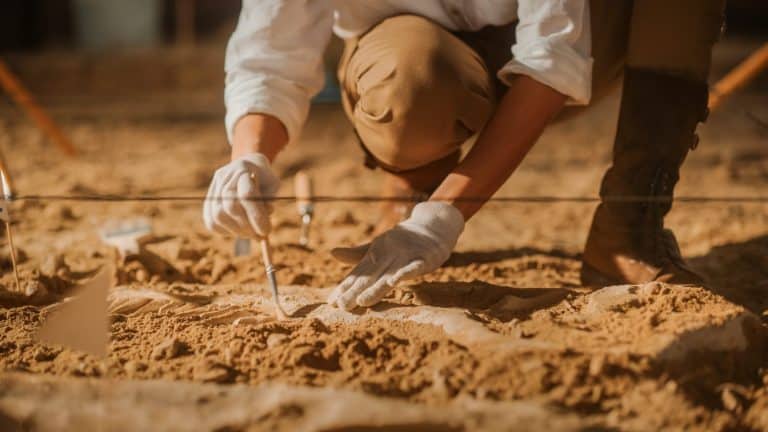
With 150,000 to 200,000 more species of spiders still to be discovered, there is no telling what may still be out there to find.
©Ken Griffiths/Shutterstock.com
There are 50,000 known species of spiders. Researchers believe there are 150,000 to 200,000 different species of spiders on the planet. This means that only 15% to 20% of the species have been discovered. Where these spiders live still remains a mystery. However, there is optimism that another 50,000 species will be identified in the next 100 years.
Recognizing a new species can be difficult. With many spiders looking similar to one another, it can take time, as it did with Hexura vandal, to spot the differences. Fortunately, researchers recognized straightaway that they had something special on their hands. This discovery shows that it is not always necessary to travel to uncharted territory to find new species; many may be living in our own backyards, continuing their lives as they have for generations.