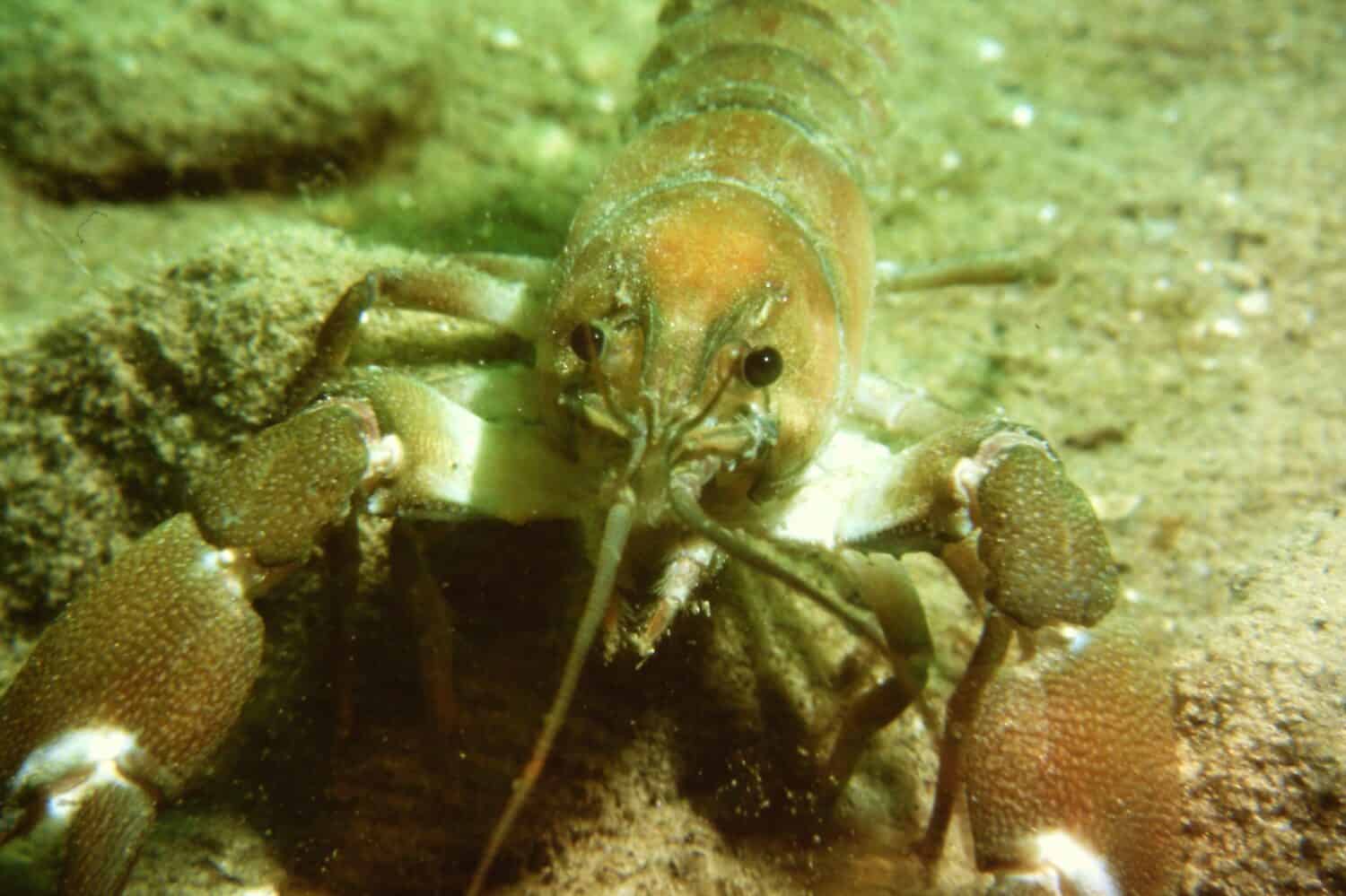

According to a news statement, the Center for Conservation and Research at the San Antonio Zoo celebrated a revolutionary win with the healthy birth of 47 highly endangered Oklahoma Cave Crayfish.
They have worked tirelessly and with steadfast commitment to conservation, and it shows in this historic first accomplishment. The CCR team has made significant progress in revealing the mysteries behind this endangered species’ critical need for protection.
This species has already been classified as “state endangered” by the state of Oklahoma. This status is currently being evaluated by the United States Fish and Wildlife Service for potential listing on the Endangered Species List.
The press release goes on to say that these crustaceans are the first to be born in captivity. The Oklahoma Cave Crayfish is the rarest species in the country. The same press release mentions that this is only the second time researchers are able to breed white and blind crawfish.
The group started an experiment called capture-mark-release-recapture to find out how many animals there were, how long they lived, and how they used their habitat. Innovative techniques were used to label wild crayfish with tiny, harmless acrylic elastomer tattoos that shine underneath black light.
This allows researchers to recognize specific individuals and undertake vital ecological population research that will later guide conservation efforts. The research team witnessed the effective hatching of eggs after a female crayfish laid her eggs. This is yet again, another ground-breaking first.
These methods can be very helpful in preserving endangered species by using current management and breeding standards while using animals from the wild in the lab. Look forward to more coming from the experts and researchers at the San Antonio Zoo.
What is an Oklahoma Cave Crayfish?
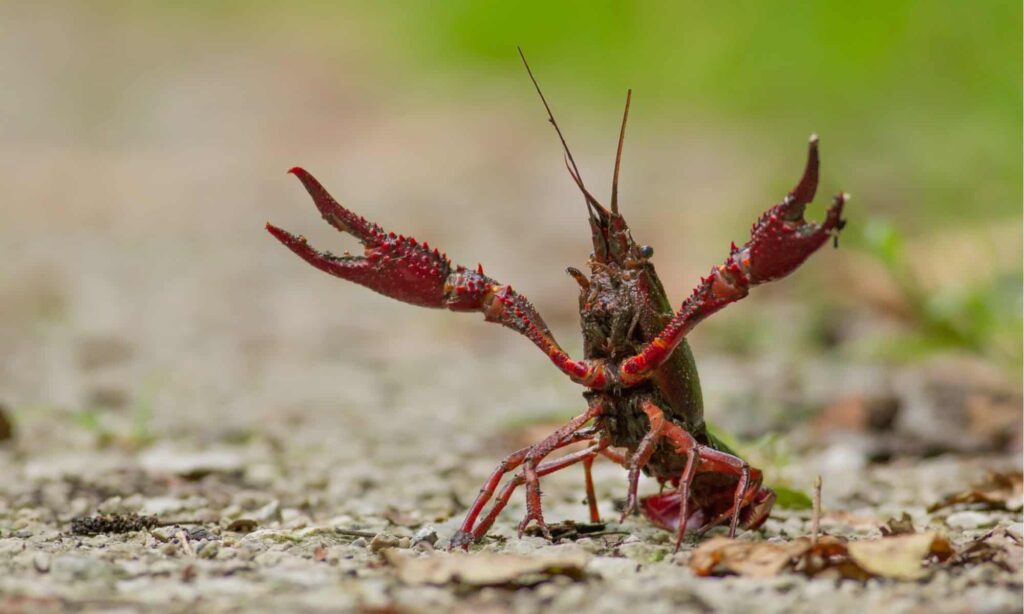
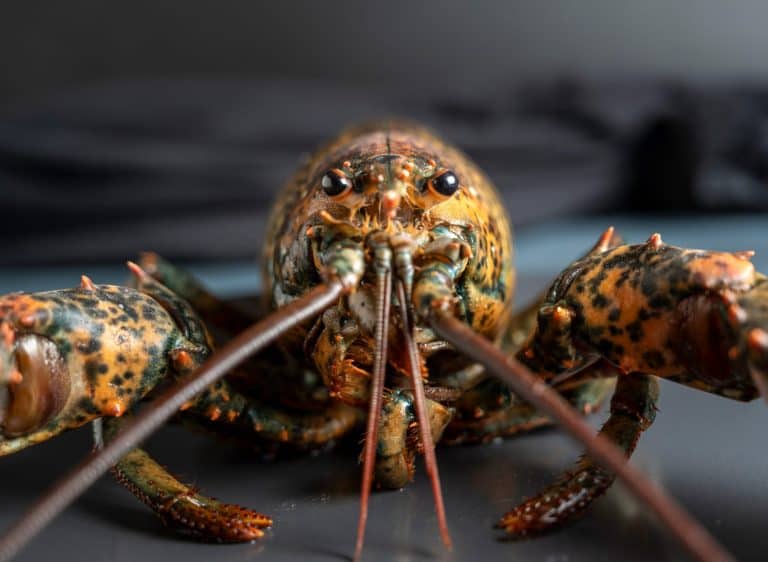
Most crayfish are a deep red color.
©rugco/Shutterstock.com
This is a little crayfish with a white or translucent look that rarely grows longer than a few inches. Like other crustaceans, it has pincers and legs. Something unique about this species is that there are no eyes on the outside of their body, rendering them blind.
The species is particularly vulnerable to contamination of groundwater, which degrades habitat by lowering water quality. Another hazard is direct human interference within cave environments.
Oklahoma Cave Crayfish are probably an opportunistic feeder. They love to eat either plant or animal waste that has accumulated on the streambeds of underground rivers. It has evolved to deal with the lack of light, like numerous other cave animals, and uses alternative sensory organs to find food and live. It is uncertain how this crayfish reproduces.