
Quick Take
- Most relocated beavers didn't stay put, yet researchers still declared the project a success. Here's why that math works. See why it worked →
- During a severe drought, dammed river sections did something the undammed stretches couldn't, and this finding changed what wildlife managers think about beaver relocation entirely. Discover the drought effect →
- Beavers classified as 'nuisances' turned out to be doing something engineers had been failing at for years, though not in the way anyone planned. How beavers outperformed engineers →
- Survival rates for the relocated beavers were shockingly low, yet researchers are planning to do it again. Check the survival numbers →
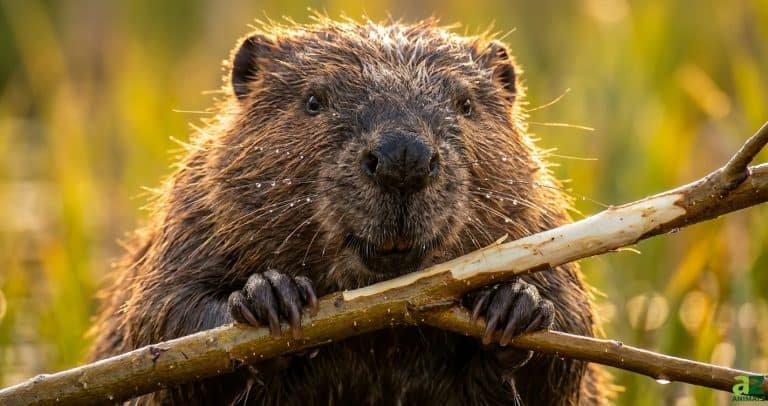
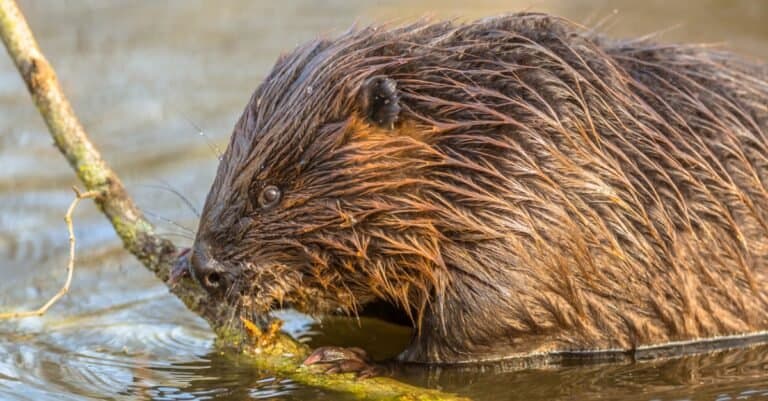
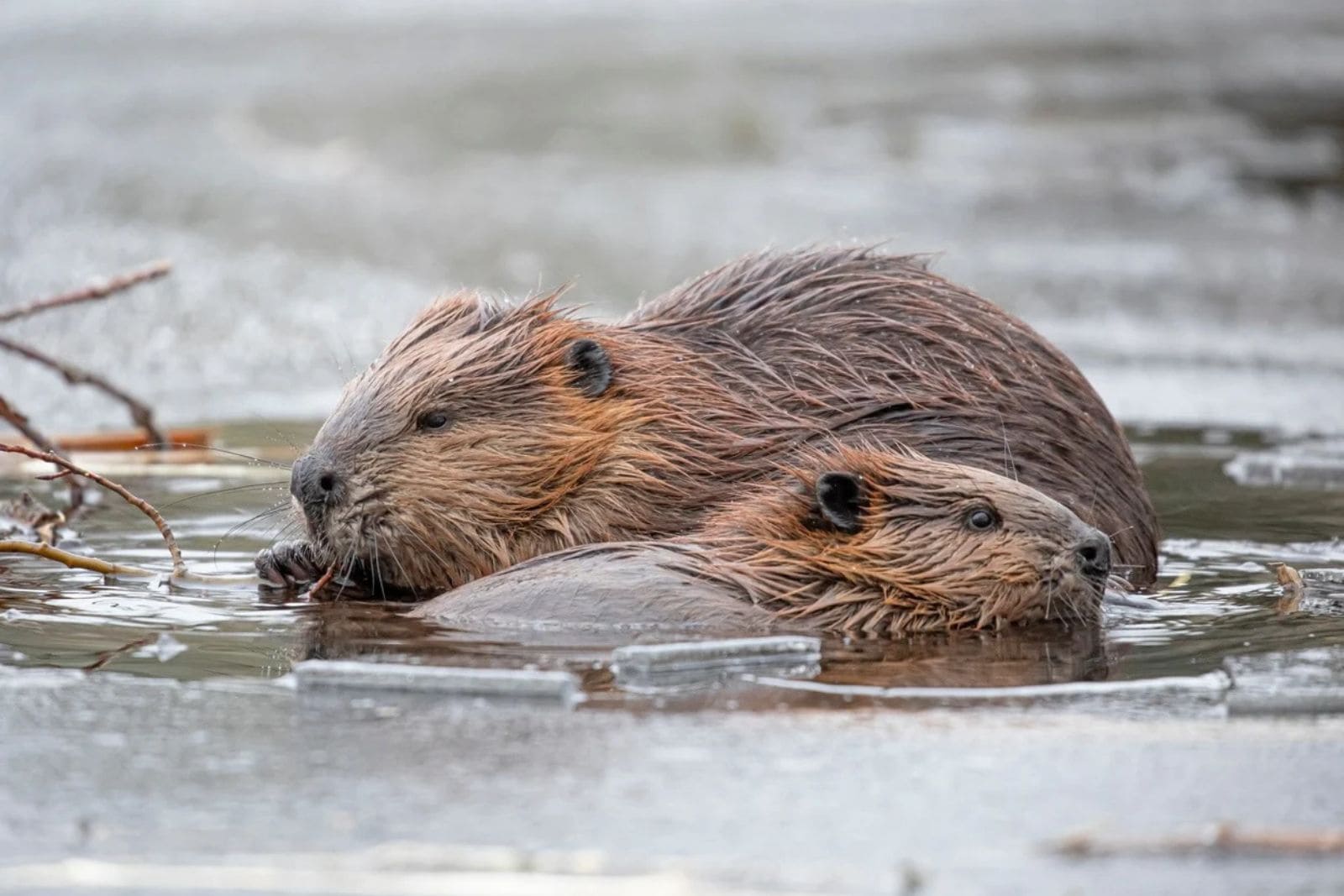
Utah’s Price and San Rafael rivers run through some of the driest country in the state, degraded by decades of drought and altered water flow. For years, wildlife managers tried to fix that by hand, building artificial dam-like structures to slow the water down. Then researchers at Utah State University wondered whether the job might go faster with actual beavers doing the work.
Between 2019 and 2020, they moved 47 so-called nuisance beavers, animals trapped elsewhere for damaging property or infrastructure, into these two desert rivers to see if the animals’ dam-building could restore habitat for fish found nowhere else, according to The Wildlife Society.
Why Beavers Are Called Ecosystem Engineers
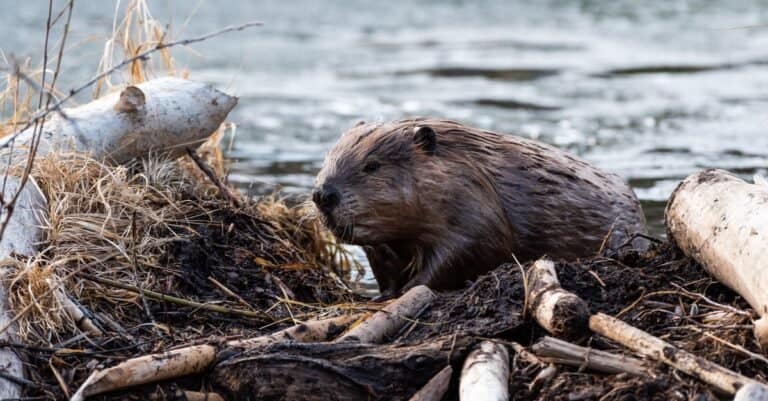
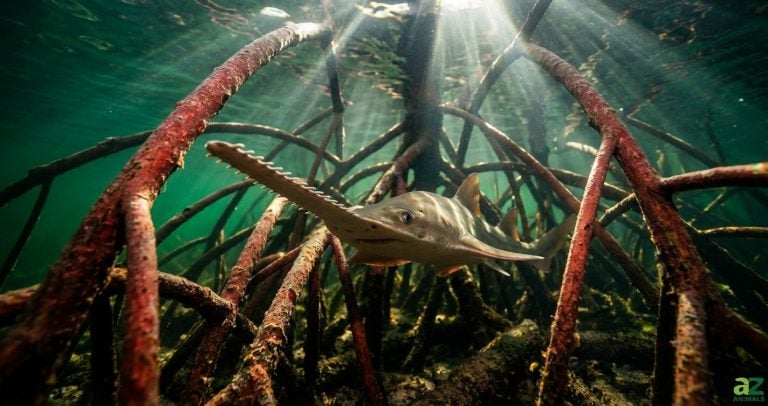
Beavers earn that label because almost nothing else in nature reshapes a landscape the way they do. Their dams slow rivers down, spread water sideways into wetlands, and create the kind of still, deep pockets that struggling fish species depend on, including the endangered Colorado pikeminnow, bonytail chub, razorback sucker and bluehead sucker.
That matters most during drought. During a dry spell in 2020 that hit the study area hard, researcher Julie Young, who leads the project at Utah State University’s Beaver Ecology and Relocation Center, said dammed sections held onto water that nearby undammed stretches lost completely. “That’s why these dams are important, because it creates permanent puddles of water for the fish to take refuge during those times,” Young said. The researchers published their full results in the journal Animal Conservation.
What Happened When 47 Beavers Were Relocated
The results were mixed. Just under 40% of the relocated beavers survived the eight weeks researchers tracked them, compared to roughly 80% of the 24 resident beavers monitored as a comparison group. Predators, likely bobcats, cougars and black bears, killed several of them, and others died of unknown causes or lost their tracking tags in thick vegetation, according to a companion graduate thesis on the project.
Only about a quarter of them stayed at the spot where researchers released them. That is lower than other beaver-relocation studies have found, where roughly half of released beavers typically stick around, Young told reporters. Many simply left in search of better territory, following the same wandering pattern young beavers show when they naturally disperse from their birth colony.
Why Researchers Still Call It a Success
Despite the low survival and the wandering, the project’s central goal held up. “We had more dams after our study than there were before our study,” Young said. Crews counted 17 new dams on the Price River and three on the San Rafael, including some built right alongside the artificial structures already in place.
Even beavers that left the release sites entirely may still be doing some good, Young said, since they likely settled into other degraded stretches of the same watersheds. Researchers now plan to study how the fish themselves respond to the new dams. Young was blunt about the conditions the project worked against: “We were in probably the worst conditions for beavers; it’s a very degraded river system, and we still found some success.”