
Quick Take
- A fungus has quietly driven over 500 amphibian species to decline or extinction, and most existing treatments fail completely at scale. Understand the fungal threat →
- One frog species shrugs off a lethal fungal infection that devastates others, and scientists have finally figured out why. See the resistant species →
- Not every frog can borrow this defense, and the difference between species that can and can't may reshape how we protect amphibians worldwide. Discover which frogs benefit →
There is a fungus out there that threatens almost every frog species on Earth. Called chytrid fungus, it causes skin damage in frogs and can eventually lead to heart failure. This fungus is such a threat that it has been linked to the decline or extinction of more than 500 amphibian species across six continents. There may be hope for frogs, however. Recently, scientists discovered that the Haddadus binotatus species of frog may have a natural defense against the fungal pathogen. They found that the frog’s skin microbiome contained a bacterium that effectively blocked chytrid fungus from having an effect.
The counteractive effects of this bacterium were further shown with an inverse test. Scientists suppressed the bacteria on the frog’s skin with antibiotics. This, however, made the frogs more likely to develop signs of the disease. Furthermore, similar tests conducted on a different species of frog showed that they had no natural immunity to the fungus. Let’s learn more about this fungus, the experiment scientists conducted to test one species’ natural immunity to it, and how this research might protect amphibian habitats going forward.
Chytrid Fungus
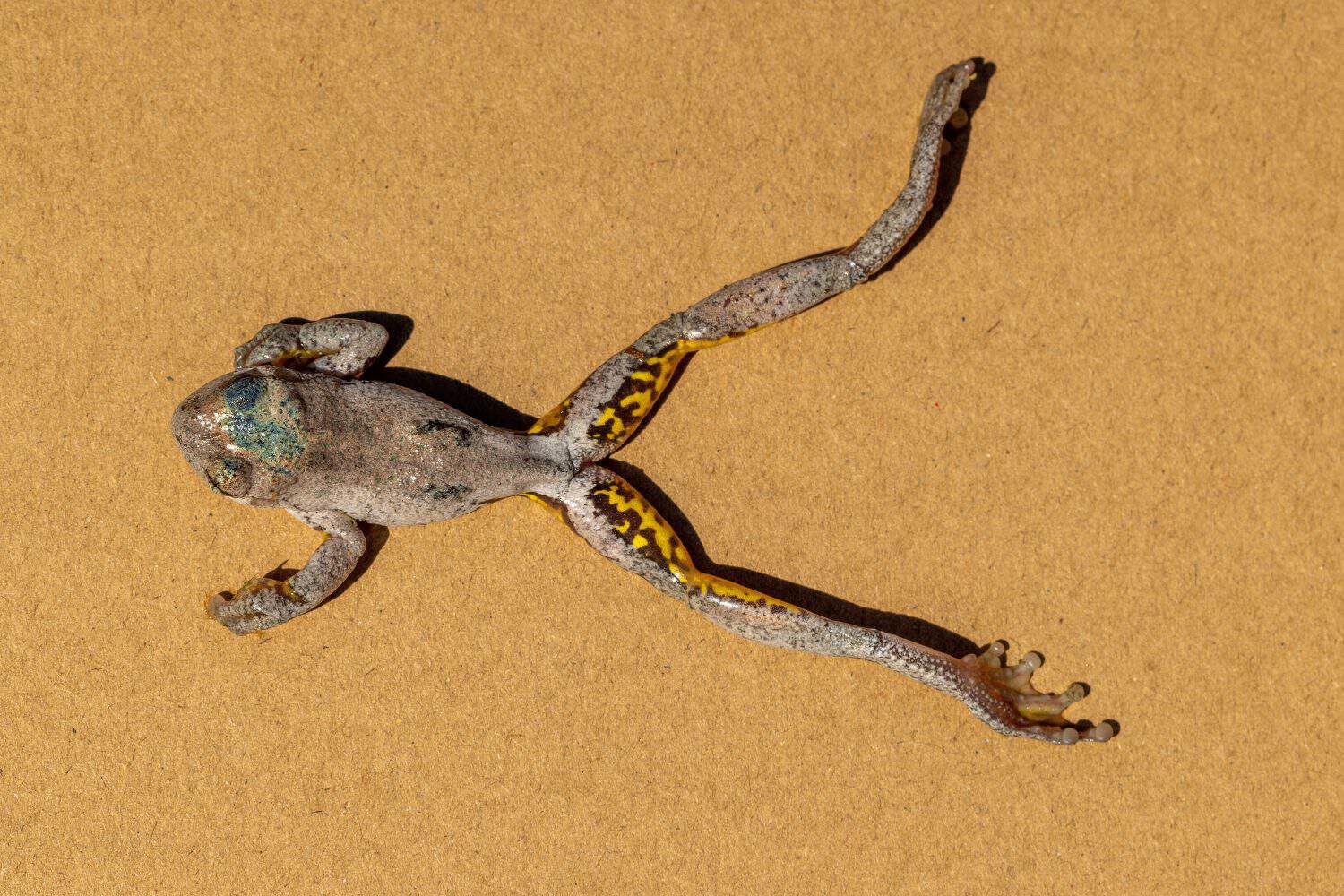
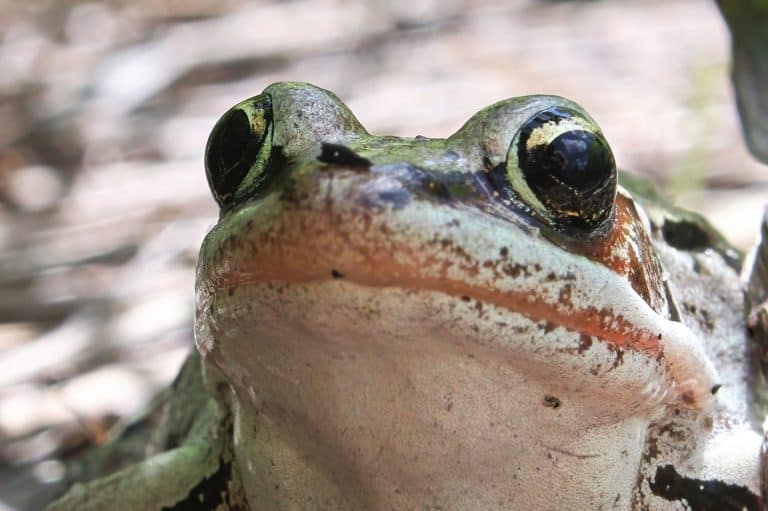
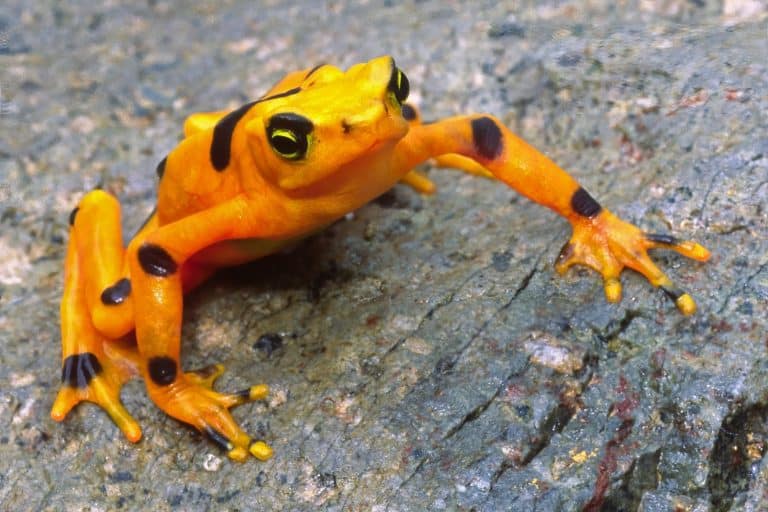
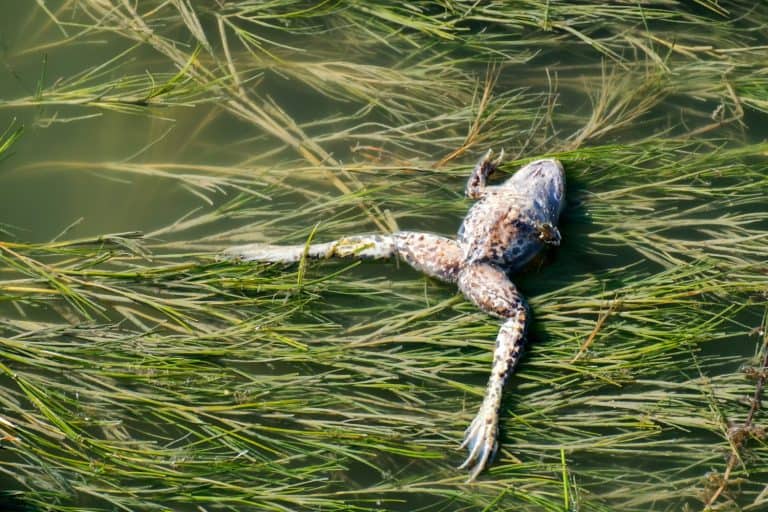
Chytrid fungus has led to the death or decline of over 500 species of amphibian across the world.
©Ken Griffiths/Shutterstock.com
In the past several decades, an infectious disease has threatened the survival of amphibian species across the world. It is called chytridiomycosis, and it is caused by the chytrid fungus. Scientists first discovered it in its epizootic (outbreak) form in Queensland, Australia, in 1993. Since then, it has somehow spread across six continents. The fungus has varying effects on amphibians; sometimes it causes sporadic deaths, other times it wipes out virtually 100% of a species.
Chytridiomycosis manifests in different ways. Typically, the first sign of infection is anorexia, showing as quickly as eight days after exposure. Amphibians infected with the disease can become increasingly lethargic, to the point that they refuse to move when pressed. Perhaps the most obvious physiological signs of infection show in the skin. Frogs with chytridiomycosis shed patches of skin that show discoloration with opaque, grayish-white, or tan tones. Over the course of a week or two, the skin thickens. Because infected amphibians can no longer absorb nutrients, release toxins, or even breathe through their skin, death follows quickly.
The disease has spread across the world, from the Americas and Europe to Africa and Oceania. Its infectious capability and onset of symptoms have made chytrid fungus one of the more destructive wildlife pathogens on Earth. The decline or extinction of over 500 amphibian species is linked to its spread. While various treatment methods have been proposed and tested, none are effective at scale. As such, many scientists are on the hunt for novel treatment methods and a better understanding of the fungus.
Bacteria vs. Bacteria
The latest research shows that some frog species may have a natural defense against the chytrid fungus. A team of researchers, led by Penn State scientists, recently published a study that draws a causal relationship between a frog’s skin microbiome and its ability to survive chytridiomycosis infection. The researchers wanted to test the relationship between different types of bacteria and the role they play in microbiome suppression, so they conducted a lab experiment in Brazil on two frog species: Haddadus binotatus and Ischnocnema henselii.
This process was far from easy. Schuck cultured roughly 700 strains of bacteria from the frogs’ skin, grew each one in culture, exposed them to chytrid fungus, and tracked growth. From there, they DNA-sequenced each culture and built a reference database to help identify which bacteria protected against chytrid infection.
As Gui Becker, associate professor of biology in the Penn State Eberly College of Science and senior author of the paper, explained to Eureka Alert, the experiment was multidimensional. He said, “We designed the experiment at two levels. First, a simple yes-or-no test to see if the microbiome was contributing a defense against disease, then we dug deeper into the function of every bacterium, building a reference database. Those two checks together allowed us to test the specific defense mechanisms of the microbiome.”
The Results
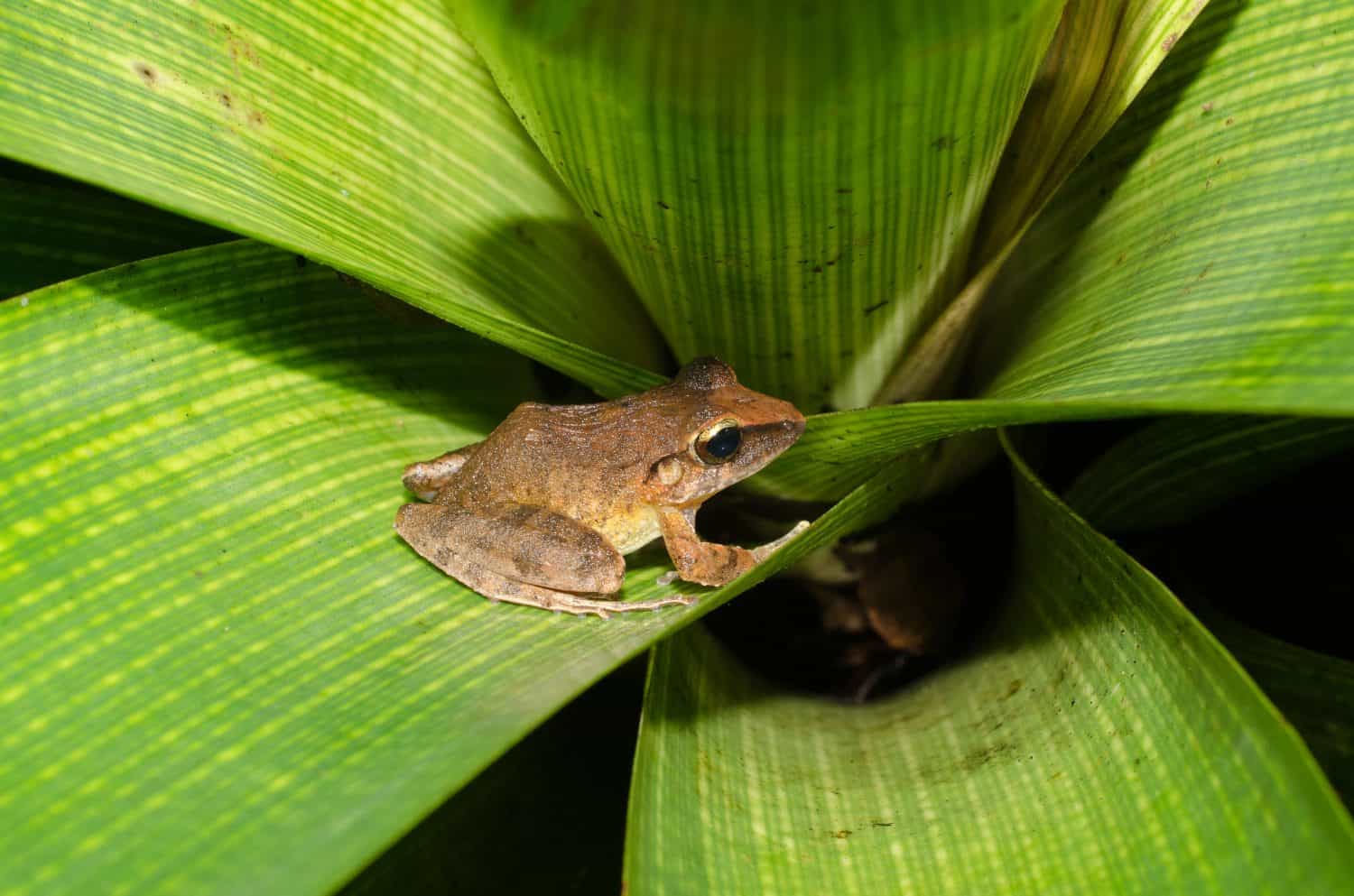
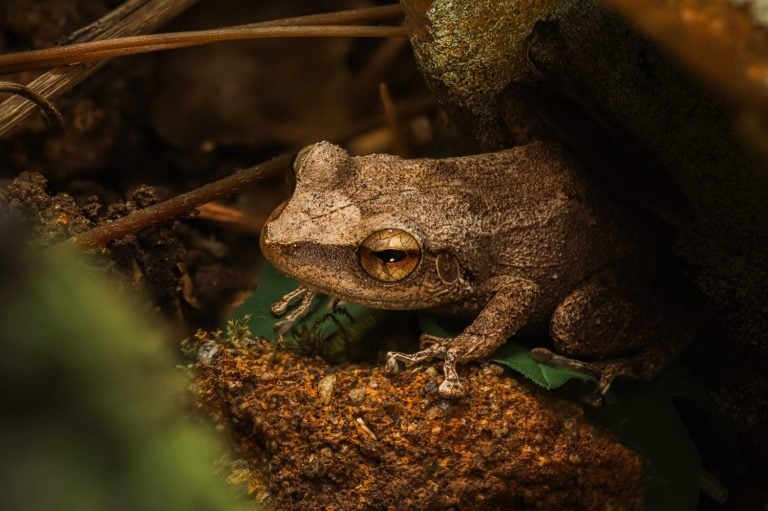
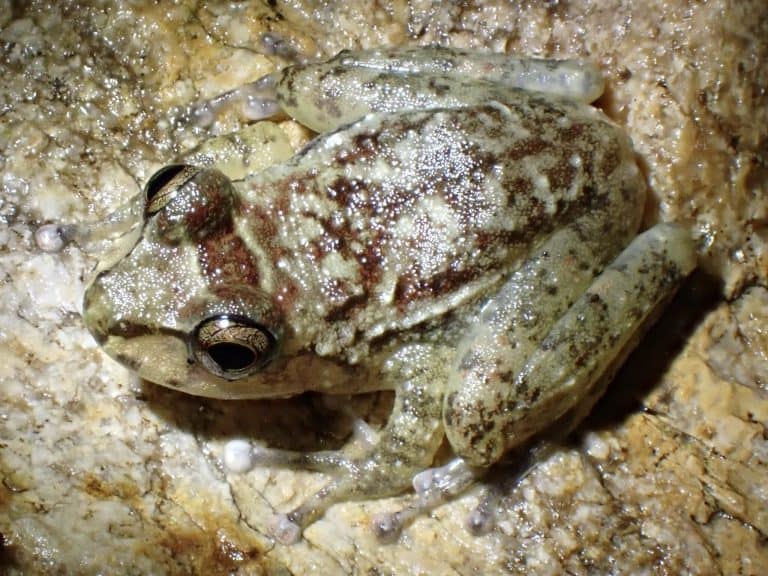
Researchers found that the natural skin microbiome of clay robber frogs protected them from chytridiomycosis infection.
©Mendesbio/Shutterstock.com
The results were notable. The researchers found that H. binotatus, also known as the clay robber frog, naturally tolerated the fungus if it had a healthy skin microbiome. Its natural skin bacteria protected it from infection. Researchers tested this further and found that, when treated with antibiotics, the frogs became more likely to show signs of infection. However, this reaction was not universal. The other subject species, I. henselii, was susceptible to infection regardless of the quality of its skin microbiome.
The fact that clay robber frogs seemed relatively immune to infection had long been known, but the protective mechanisms remained unknown until now. As lead author of the study, Laura Schuck explained to Eureka Alert, “For years we knew that the tropical frog H. binotatus rarely became infected with the fungus in the wild, but we didn’t know why. Now we know. This study moved us from correlation to experimental evidence that the microbiome really is important against this disease.”
Now that a link has been made between the protective effects of an amphibian’s skin microbiome, the researchers hope to take a closer look at this process. Schuck said, “If we understand how this frog recruits and maintains beneficial bacteria, we can begin to understand how the microbiome works as a natural defense and what we need to protect in the environment to keep those bacteria available to amphibians and other endangered vertebrates.”