
Quick Take
- B1 deficiency doesn't just weaken trout. It rewires how they behave, hunt, and look. Explore the neurological effects →
- The standard method for saving endangered fish populations may actually be making things worse for Lake Champlain's trout. Why hatcheries may backfire →
- Scientists discovered that trout embryos are doing something remarkable before they ever take their first bite of food. Discover what embryos absorb →
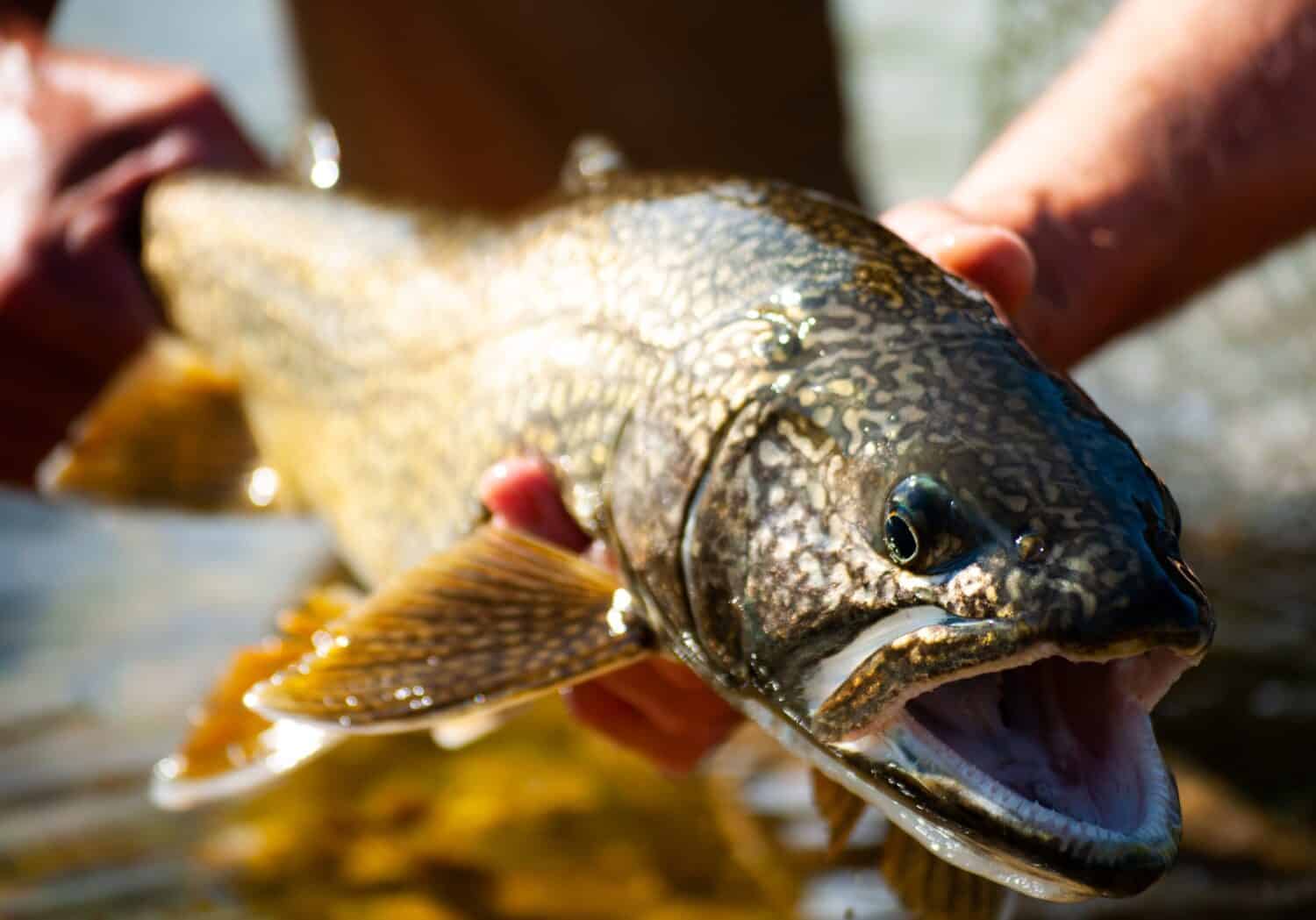
Lake Champlain is home to 81 documented fish species. Of those, three trout species call this cold-water lake home: brown, lake, and rainbow trout. These fish once swam in abundance throughout the Great Lake, but declining populations in recent decades have concerned scientists.
A recent study by the University of Vermont now sheds light on one of the obstacles standing in the trout’s way. And the cause isn’t predation or environmental conditions. Rather, Lake Champlain’s trout species struggle to find the one vitamin they need to survive.
B1 Deficiency Causes Severe Neurological Damage
Trout, especially rainbow trout, are heavily reliant on thiamine in their diets. Also known as vitamin B1, trout usually get this from their food sources. However, trout aren’t the only fish species reliant on thiamine to survive.
Lake Champlain, which is traditionally high in thiamine byproducts, is also home to a species of fish known as alewives. These fish are high in thiaminase, which breaks down B1 in the body. When trout prey on alewives, their thiamine levels decrease because they unintentionally ingest thiaminase. As trout suffer from B1 deficiencies, they begin to show outward signs of neurological impairment.
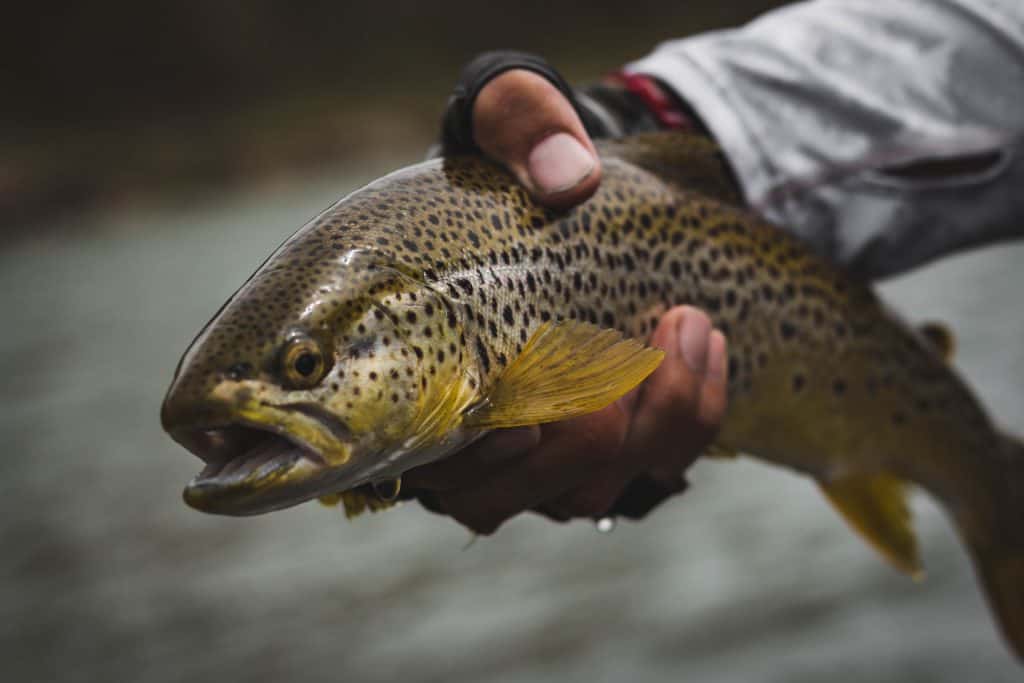
Lake Champlain is home to a population of brown trout that have also suffered from B1 deficiencies.
©Trey Lidbury/Shutterstock.com
One of the first signs of low B1 in trout is confusion and lack of coordination. Fish often swim in circles or spiral through the water, which accompanies behavioral changes. Hyperactivity or, conversely, lethargy are good indicators that a fish is suffering from a deficiency.
As hatchlings grow with deficiencies, they may have muted coloration, dull scales, or dark pigmentation. They also show signs of impaired hunting skills, which exacerbate issues such as emaciation and, eventually, starvation. Mortality rates among B1-deficient trout hatchlings are high because they cannot fend for themselves.
Why Are Lake Champlain’s Trout Suffering?
Thiamine Deficiency Complex (TDC) has threatened Lake Champlain’s trout populations for decades. Without conservation and external help, many of its native species would continue to suffer from B1 deficiency. Until scientists from SUNY Brockport, the University of Vermont (UVM), and Oregon State University stepped in, there seemed to be few options left.
Together, researchers conducted a study to determine whether B1 deficiency could be treated before it became a problem. To do this, they needed to determine whether trout embryos could absorb thiamine. Since the fish are wholly underdeveloped at this stage, the vitamin also needs to come from a unique source: the water around them.
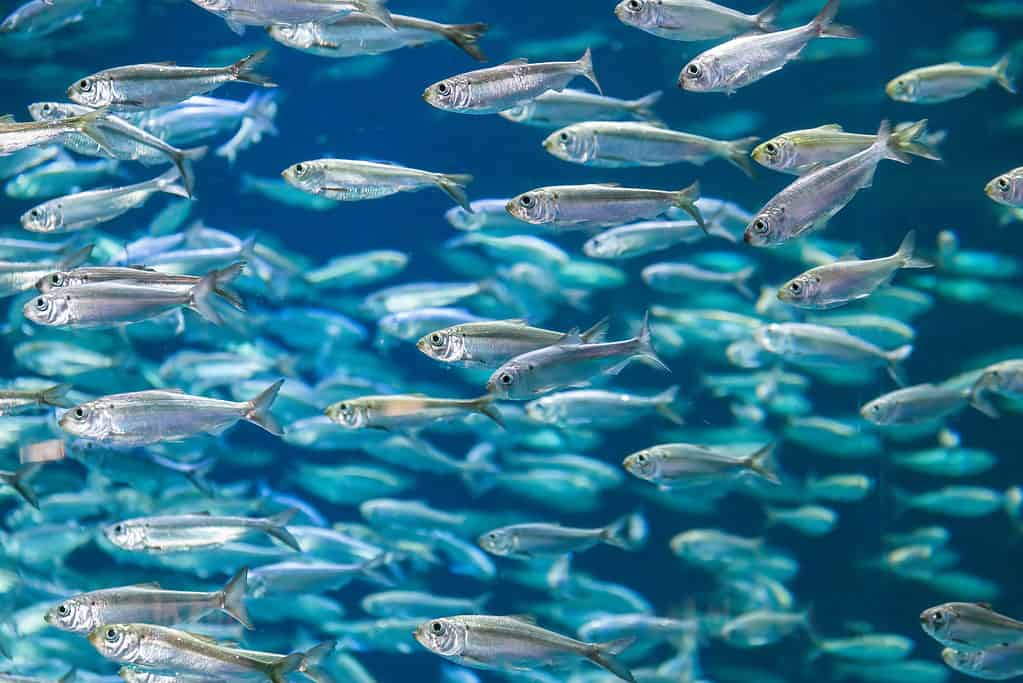
Trout prey on alewives, which contain compounds that break down essential vitamins like B1.
©MagicBones/Shutterstock.com
Trout don’t hunt or forage until they reach the juvenile stage, but if they could absorb nutrients from their environment, it would be a gamechanger. Conducting the experiment required two groups: one controlled in a laboratory and the other left in Lake Champlain. The lab-raised trout mimicked population restoration, in which the fish would be introduced to the lake once they had grown. These habitats had no natural thiamine present in the water source.
Alternatively, the trout hatched in Lake Champlain showed an abundance of B1 that had accumulated over time.
Wild-Raised Trout Have Better Odds of Survival
As far as conservation is concerned, this discovery contradicts some of what we know about reestablishing vulnerable populations. When species are safely raised in captivity and reintroduced into the wild, their numbers can often grow slowly. However, the same is not true of Lake Champlain’s trout. In fact, raising hatchlings in a lab environment may do more harm than good.
The study results, published in Scientific Reports, showed that higher levels of thiamine accumulated in fish raised naturally in the lake. This is because embryos were actively absorbing nutrients from the water, which naturally has higher levels of B1.
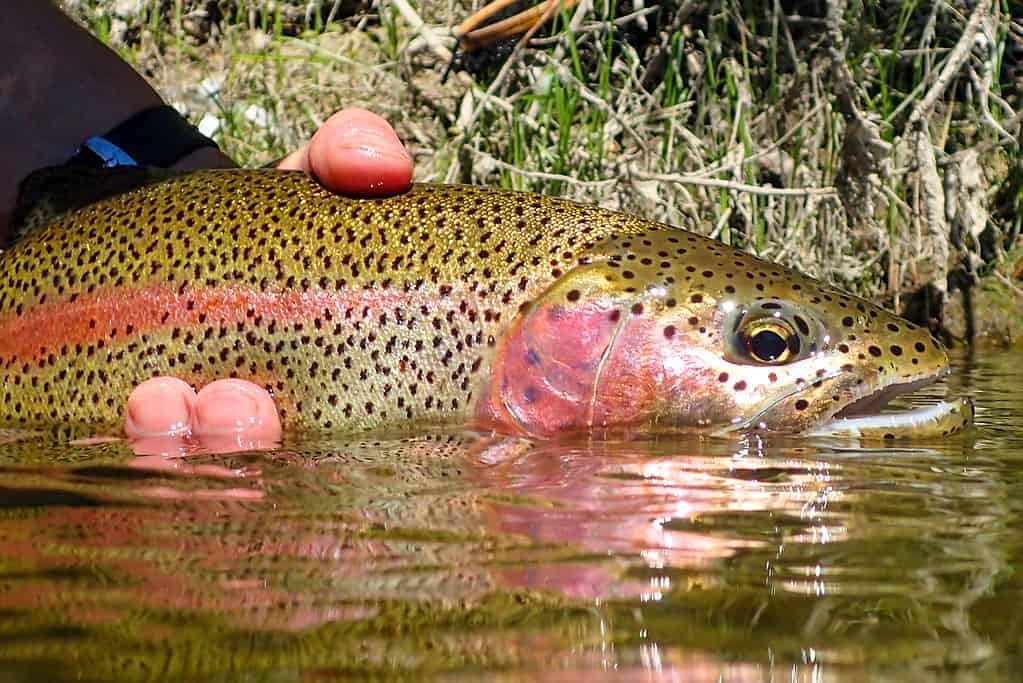
Rainbow trout have a chance to rebound in Lake Champlain, according to UVM’s new study.
©christiannafzger/iStock via Getty Images
This was a definitive win in TDC research, which has traditionally been done only in fish hatcheries. However, without a natural environment to compare results to, scientists wouldn’t know what happens during the five months of incubation. As it turns out, embryos work hard to absorb as many nutrients as they can during this crucial stage.
“Prior to this study, practically everything we knew about the effects of TDC on newly hatched fish was based on studies in labs and hatcheries,” said Matthew Futia, the study’s lead author. “Our findings suggest that what occurs in natural environments may actually be quite different, and thankfully, in a good way for the fish.”
In May 2025, the crew aboard a research vessel on Lake Champlain saw early signs of these study results. They observed trout entering adulthood that appeared to be thriving despite decades of population decline. This rebound was observed in wild-raised hatchlings, indicating better health than in laboratory-raised hatchlings.