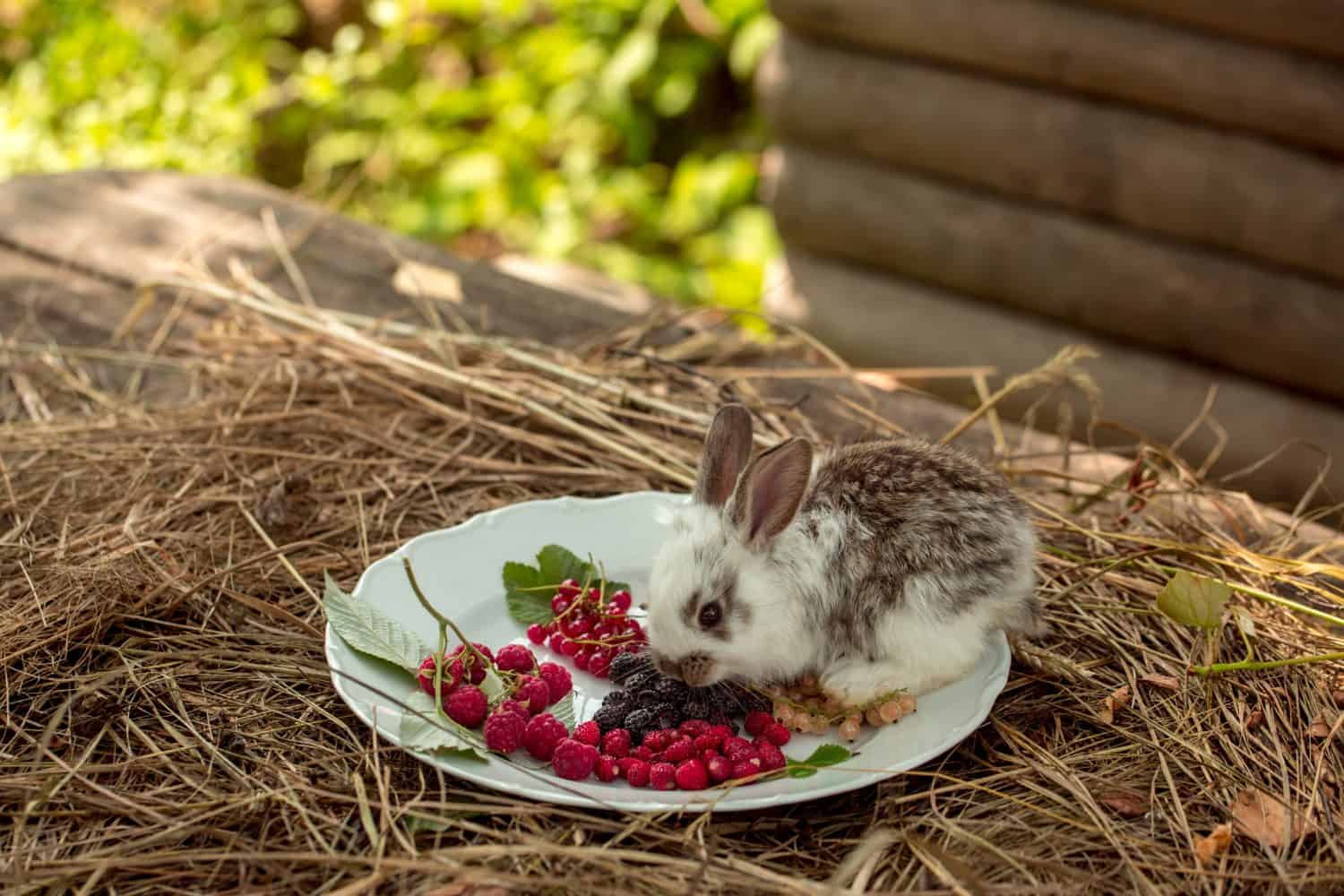

Rabbits are adorable, fluffy creatures capable of bringing great joy to those who share their homes with one or several. They are light-hearted, galloping balls of hilarious antics who provide a lifetime of giggles. How could you not love a little animal who enjoys the simple things in life despite being on every predator’s menu, like binkies? It’s even an adorable-sounding term, but seeing it in action is special. All that silliness makes a rabbit work up an appetite. When the weather is warm and berries are in season, offering your little buddy a few is tempting. Let’s find out when rabbits are okay to eat blackberries and what guidelines to follow for a healthy rabbit.
Rabbits Can Eat Blackberries
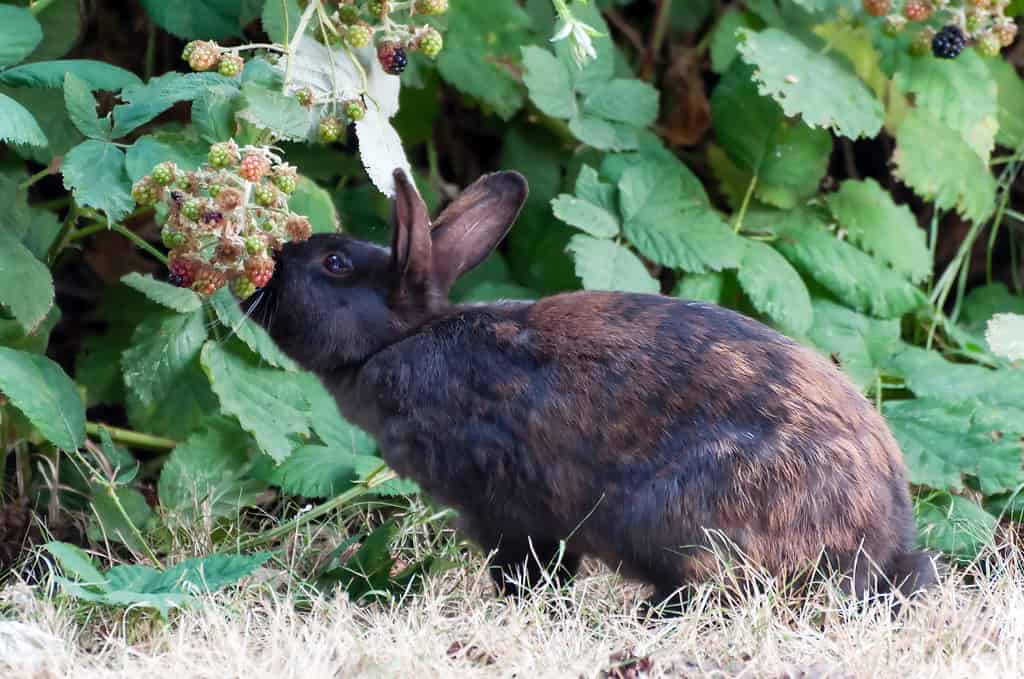
Berries do not all have the same ripeness levels, and caution is important when feeding them to pets.
©jamesvancouver/iStock via Getty Images
Right down to rabbits eating blackberries, it is more complicated than a straightforward answer. Much can change the quality of a blackberry, and with that said, it is extremely important for your rabbit’s health and well-being to follow a few fundamental principles when deciding.
Rabbits don’t always know what is good for them or may hurt them, and as a pet owner, it is your responsibility to steer your little friend in the right direction. Blackberries are okay to eat under certain circumstances but can hurt your rabbit otherwise, leading to a costly vet bill.
1. Unripe and Overripe Blackberries
Avoid feeding your rabbit any off-color blackberries. They are likely unripe if they are not a deep purple/indigo/black color. They may not cause any severe condition in your rabbit. They do contain very mild hallucinogenic properties that may scare your rabbit. A scared rabbit can act differently than usual, especially if hallucinating! You don’t want your little buddy accidentally getting away, getting in trouble, or having an upset stomach. Avoid blackberries that you find on the ground, also. Overripe fruit has begun to ferment and can make your bunny nauseated, have diarrhea or act drunk. Only pick ripe blackberries that feel firm with a slight bit of squishiness. Since blackberries are only in season for a short time every year, you can wash and freeze them to offer to your rabbit long after the season.
2. Clean the Blackberries
It’s very important to wash fruit before consuming it, no matter where you got it. If it came from your garden, it may seem safe but can still be contaminated with bacteria. Certain animals can pass down bacteria like salmonella, E. Coli, or listeria if they come into contact with something we touch. Plus, it’s a good idea to thoroughly rinse your blackberries before ingesting them in case they have any chemicals, dirt, insect or bird poop, or any other not-so-tasty things on them. This does not mean you must wash them with soap because that will contaminate them and possibly hurt your rabbit. Rinse them well in a colander and pat dry. Soak them in cold water for extra safety to ensure the potential contaminants are gone.
3. Don’t Let Your Rabbit Eat Too Many Blackberries
Blackberries, like most fruits, contain a good amount of sugar. Rabbits can get diarrhea from too much sugar, and it can become serious. Your pet rabbit is probably unfamiliar with eating blackberries, so it is also important to slowly introduce the fruit so as not to cause severe stomach upset. Remove the blackberries from your rabbit and do not offer them again for at least two weeks to allow their gastrointestinal tract to recover if they experience diarrhea fully.
Giving your rabbit one blackberry occasionally is generally acceptable, but do not offer blackberries more than two or three times a week once they are acclimated. A rabbit’s GI tract is extremely sensitive, and they rely on chewing their poop to maintain the proper gut flora to be able to digest anything. If your rabbit has diarrhea, this disrupts the delicate balance in several ways and can lead to a very sick rabbit. Always make sure to feed unlimited hay with fresh water to help your rabbit keep the important gut bacteria balance.