
Quick Take
- Wildlife agencies must be precise in setting rabbit bag limits to ensure long-term population resilience, and these vary greatly by state.
- Population instability is based on multiple factors, and these data sets must be monitored; bag limits must change to support this instability.
- Rabbit bag limits often exceed upland game bird quotas due to the unique biological turnover rates of both animals.
- Wildlife managers prioritize paying attention to particular indices or datasets, as census methods can often fail to capture accurate population signals.
Rabbit hunting season regulations vary greatly by state and local wildlife management organizations. Daily bag limits change each year and can vary significantly depending on where you live, as agencies continually reevaluate and balance factors such as habitat, species composition, hunter participation, and long-term population trends to maintain healthy populations.
Regardless of location, most agencies perform the same basic tasks: estimating rabbit population numbers, determining how many rabbits hunters harvest each year, and deciding on a harvest level that will not harm the following year’s population. But what are the real reasons behind the variety of bag limits, especially for rabbit hunting seasons? This article provides a behind-the-scenes look at wildlife agencies and the decisions they make during hunting seasons. Rabbit hunting is one of the most varied hunting seasons, and here’s why.
Why Rabbit Bag Limits Vary So Much Across States
There is a great deal of variety across rabbit hunting seasons when it comes to the bag limits available. Set by state wildlife agencies, some of the ways these rules vary include:
- No daily limit or closed seasons: In Oregon, the Oregon Department of Fish & Wildlife has their rules set: that many commonly hunted unprotected mammals include cottontail rabbits and that hunting is allowed year-round with no bag limits. However, other states have entirely closed seasons, allowing for no hunting of rabbits; it all depends on local rabbit populations.
- No bag limits in parts of Texas: Texas Parks & Wildlife rabbit hunting is one example where there are no closed seasons or bag limits for rabbits and hares on private property, which is a very different regulation from most states.
- Moderate daily limits are common in the East: The Pennsylvania Game Commission has cottontail rabbits at 6 daily / 18 total possession after the second day for the 2025–26 license year, which is a higher number than many other states, especially beyond the East Coast.
- Higher daily limits show up in other states: A North Carolina small-game regulation allows hunters to take rabbits at 5 per day; meanwhile, Georgia’s published season dates include rabbits at 3 per day, which is lower than in Pennsylvania.
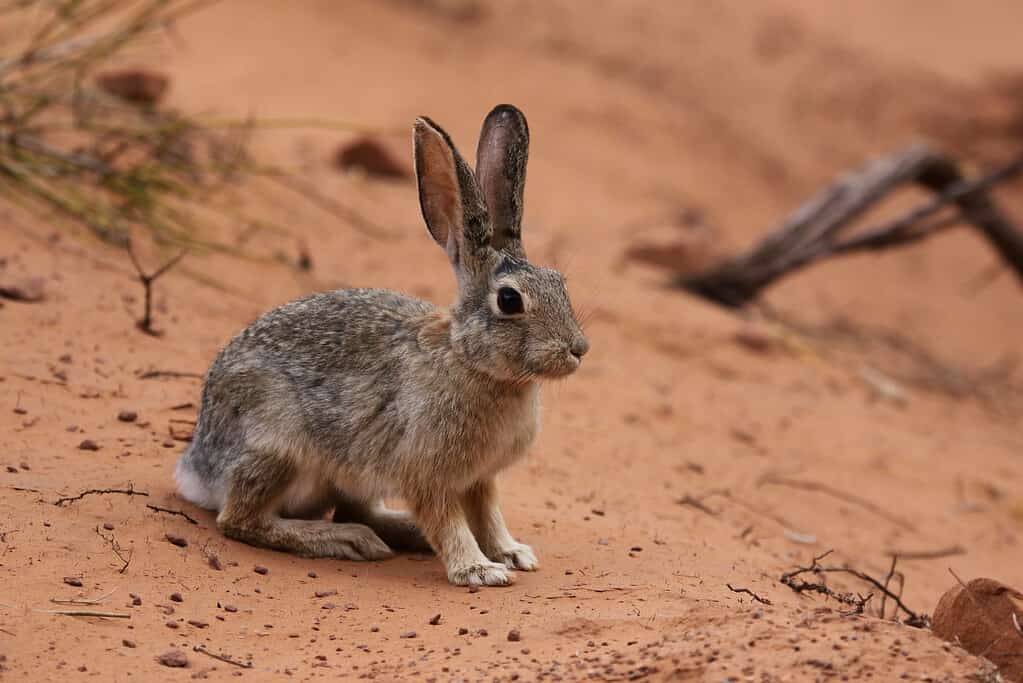
Rabbit bag limits are set very differently depending on your state, and potentially even your hunting unit.
©Chris Hill/Shutterstock.com
Those differences are decided based on how confident an agency feels about their rabbits’ population resilience, as well as the interpretation of past hunting season data. And data is vital to setting limits for every hunting season, not just cottontails.
Core Data Agencies Use to Set Rabbit Bag Limits
Some data is used across all states, while other data is more regionally dependent. Here is some of the data that must be considered when determining rabbit hunting season bag limits to avoid negatively impacting local rabbit populations.
Population Surveys and Indices
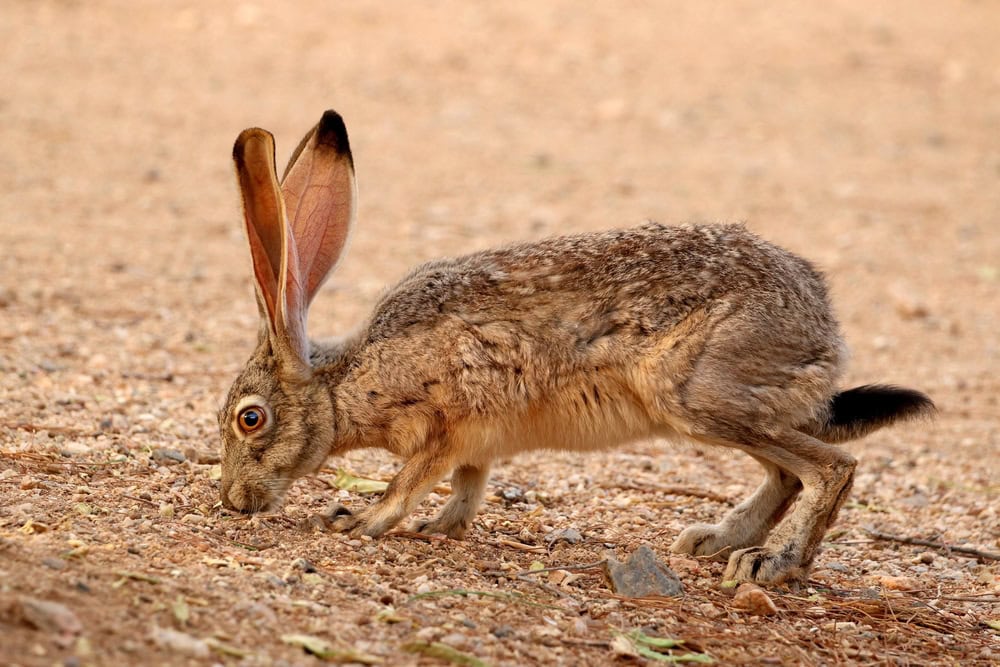
Creating a rabbit population census can be extremely difficult, which is why many states get creative.
©J Curtis/Shutterstock.com
Rabbits are hard to census directly, so agencies lean on indices, which are repeatable surveys that show shifting population signals over time. There are also different types of indices, including:
- Roadside or route-based indices: Some states, like Ohio, maintain a statewide spring population index for eastern cottontails. These numbers are determined and expressed as rabbits per survey mile, as the animals are observed along set routes.
- Long-running regional indices: Many states take past cottontail rabbit indices based on survey miles and compare them to 10-year or other long-term averages. This helps to more accurately check on how hunting has affected populations in the long run.
- Road-kill trend indices: Roadkill indices for rabbits are also valuable, typically presented as rabbits per thousand miles traveled by observers. Showing how many rabbits are lost to vehicular accidents helps officials from setting too high a bag limit.
Hunter Harvest Data and Estimates
Harvest data is where agencies learn how much pressure hunters are putting on rabbit populations, making it invaluable and nonnegotiable for hunters to accurately report their harvests.
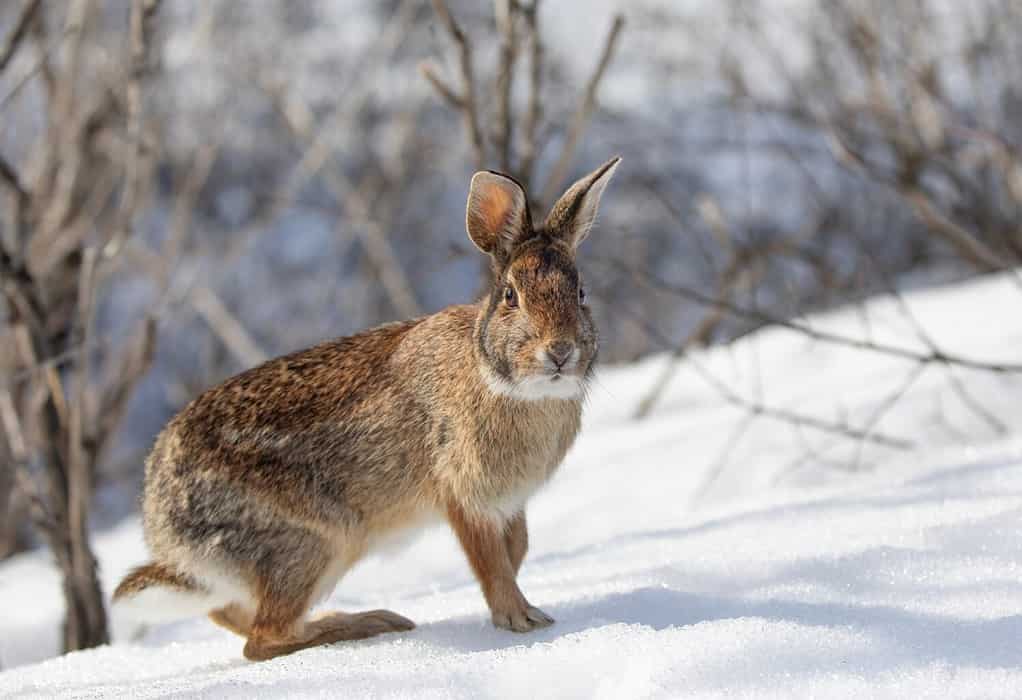
Cottontails are one of many rabbit species, which is why specific subspecies populations must be included in bag limit data.
©Jim Cumming/Shutterstock.com
Many states collect this data using surveys of license holders, with some standout examples below:
- The Kansas Department of Wildlife & Parks uses a random-sample approach to estimate hunter activity and harvest.
- Colorado Parks and Wildlife utilizes phone and internet survey sampling and reporting across multiple hunted species, including the cottontail rabbit.
- Turning back to Pennsylvania, the Pennsylvania Game Commission has a Game Take Survey approach, sampling license purchasers and estimating harvest/hunter days for all game species.
Long-Term Trends and Potential Red Flags
Long-term tracking and the identification of any red flags allow agencies to quickly adjust bag limits, especially when new risks arise. Risks can include habitat loss, increases in predator populations, an influx of new hunters or residents, new construction or roadways that increase roadkill deaths, and other factors.
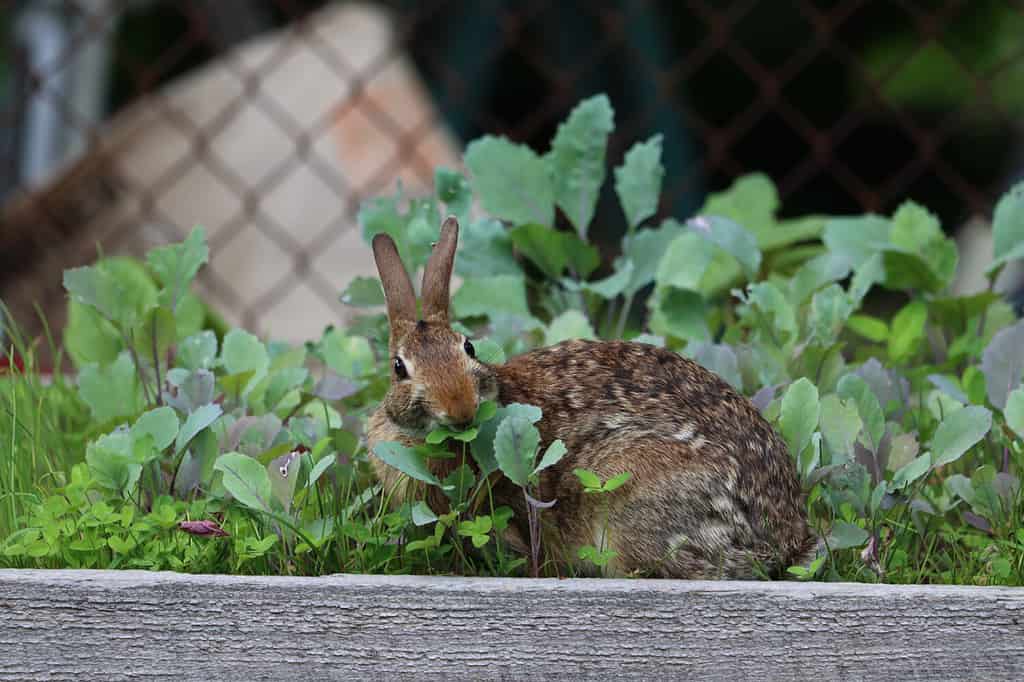
Changes in habitat can change rabbit populations, which will affect annual bag limits.
©Lisa Basile Ellwood/Shutterstock.com
Nevada is a good example, as the state has documented a long-term decline in rabbits, explicitly linking that concern to regulatory changes. Shortening the rabbit hunting season and decreasing limits in response to the trend are some of the solutions the state came up with.
How Agencies Turn Data Into Bag Limit Numbers
Once data is available from a prior season (and past seasons, if trends suggest it), agencies typically run through a practical set of questions in order to determine accurate bag limits.
Identifying which specific rabbit species are being managed is a practical starting point. Simply using the word rabbit can be a mistake, as it can include multiple cottontails and sometimes hares or jackrabbits. Agencies and hunters need to clearly distinguish between individual populations and set appropriate limits to avoid harming subspecies that cannot withstand hunting pressure.
Additionally, highly reproductive species can support higher allowable harvests in many systems. Examining birth rates and reproductive success is another important aspect of the data needed to determine rabbit bag limits.
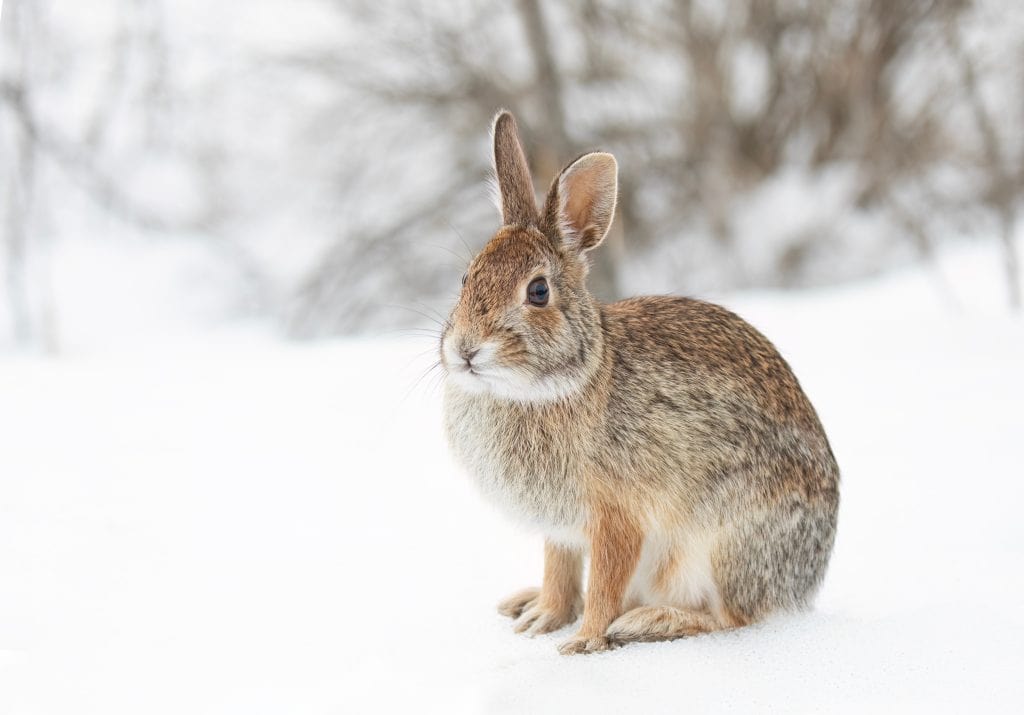
Rabbit hunting limits are not always met every season, but it all depends on the state.
©Jim Cumming/Shutterstock.com
Another must is understanding how much harvest is actually happening. In many states, rabbit hunting isn’t popular enough to threaten populations; Pennsylvania’s research shows that hunters usually take less than 30% of available rabbits. As long as past trends also prove stable, bag limits aligned with prior hunting year data should keep populations safe.
Finally, one of the most important questions to ask when determining bag limits is how enforceable the rule is. A daily limit only matters if it’s realistic to follow as well as enforce in the field, especially for small game where similar-looking species and quick hunting techniques are common. If a rule is too complicated, it is unlikely to be followed, which could put a species at risk over the course of the season.
Why Do Rabbit Bag Limits Tend to Be Higher Than Upland Game Bird Limits?
Rabbit limits are often higher than upland game bird limits for a potentially obvious reason: rabbits reproduce quickly and can replace their populations rapidly. The unique biology of rabbits and upland game birds helps explain why agencies often view rabbits as more resilient to harvest than many upland birds.
For example, Cottontails usually have 2–4 litters per year with 3–8 young per litter. Upland birds vary greatly in the number of eggs they lay and rarely have more than one or two broods per year. Also, the average eastern cottontail gestation period is about 28 days, making their turnaround much faster compared to birds.
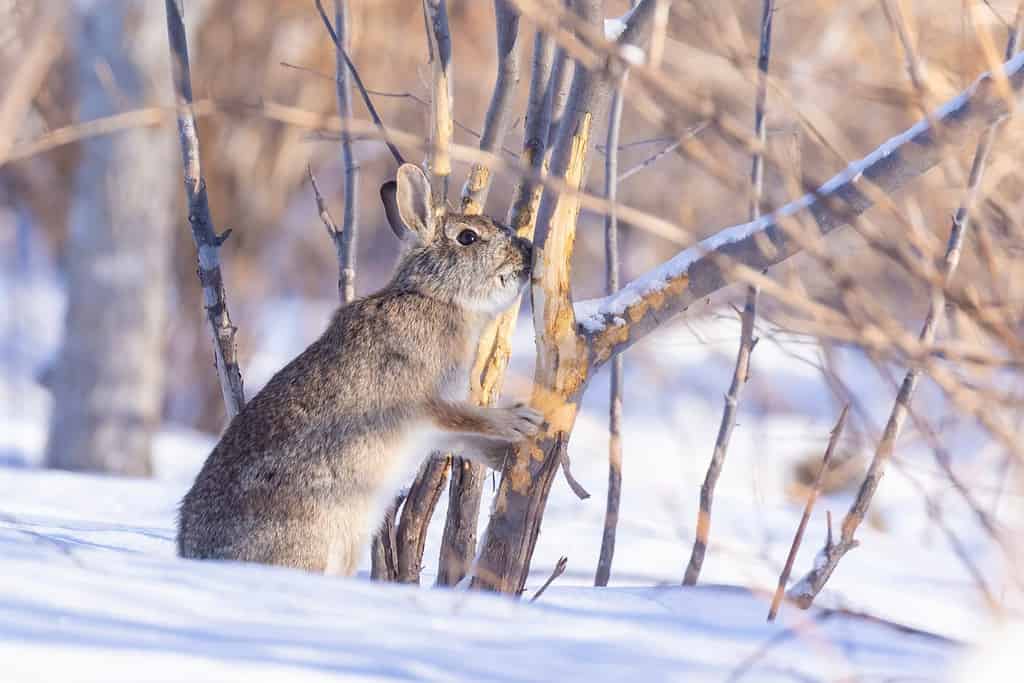
Yearly rabbit populations are easily influenced by outside circumstances, so bag limits must reflect this.
©Mircea Costina/Shutterstock.com
Cottontails are also considered to have a high annual turnover compared to most birds, meaning their lives are short-lived and they have a high reproductive rate to make up for it. That’s why managers expect annual rabbit populations to be strongly influenced by weather, habitat, human activities outside of hunting season, and predation, rather than by hunting alone.
When we compare the typical bag limits for rabbits and upland birds in the same state, the more conservative approach to upland bird bag limits becomes clear. Pennsylvania’s seasons and bag limits have rabbits set at 6 daily, while ruffed grouse and pheasant are each set at 2 daily. Bag limits vary by state, but rabbits are generally assigned higher bag limits compared to upland game birds.
What Makes Agencies Tighten Rabbit Limits?
Even with high reproductive potential, rabbit limits aren’t always stagnant. There are many reasons why agencies might change them, and their constant monitoring proves it. Agencies pull back when they see evidence of:
- Multi-year index declines. Repeated drops in all previously mentioned indices can mean far fewer rabbits in a given hunting district or region.
- Disease and emerging threats. If there are increasing reports of diseases, it’s best to lower bag limits to keep everyone safe. Agencies have specifically pointed to rabbit hemorrhagic disease concerns alongside declines, with shortened seasons and decreased limits tied to these concerns.
- Regional habitat loss. Rabbits can be locally abundant but regionally reduced if they experience habitat loss, particularly during a breeding season. Agencies may set statewide rules and bag limits while tightening regulations or access in certain units.
Why Hunter Reporting Matters More Than Most People Think
For rabbits, harvest reporting is often the fastest way agencies learn about changes in game populations, especially in areas without intensive rabbit field surveys throughout the state. Because of this, some states encourage hunters to record the days they hunted, where they hunted, how many animals were taken, and any other relevant information, as this data can be vital for management.
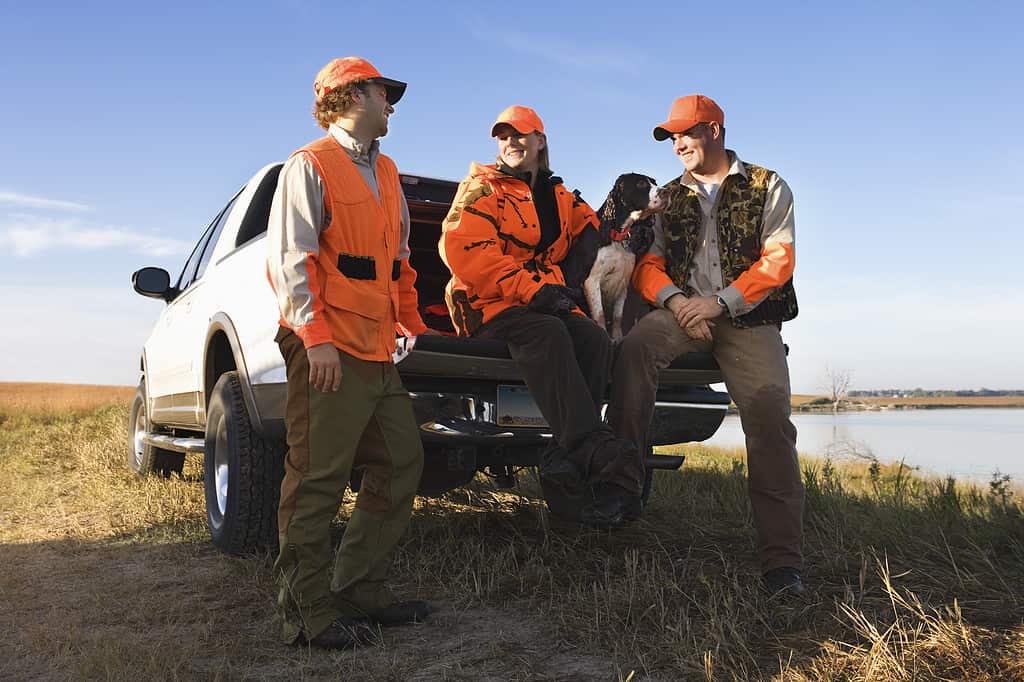
Rabbit bag limits largely depend on accurate hunter reporting, so do your part if you’re planning on hunting this year!
©© Getty Images/Stockbyte via Getty Images
Agencies rely heavily on hunter-reported data to estimate hunting effort and harvest for rabbits and other species. While rabbit bag limits may appear simple, they are based on extensive data. To ensure hunting remains sustainable for animal populations, these thresholds and rules exist for a reason. Always check your state’s annual bag limits before heading out to hunt.