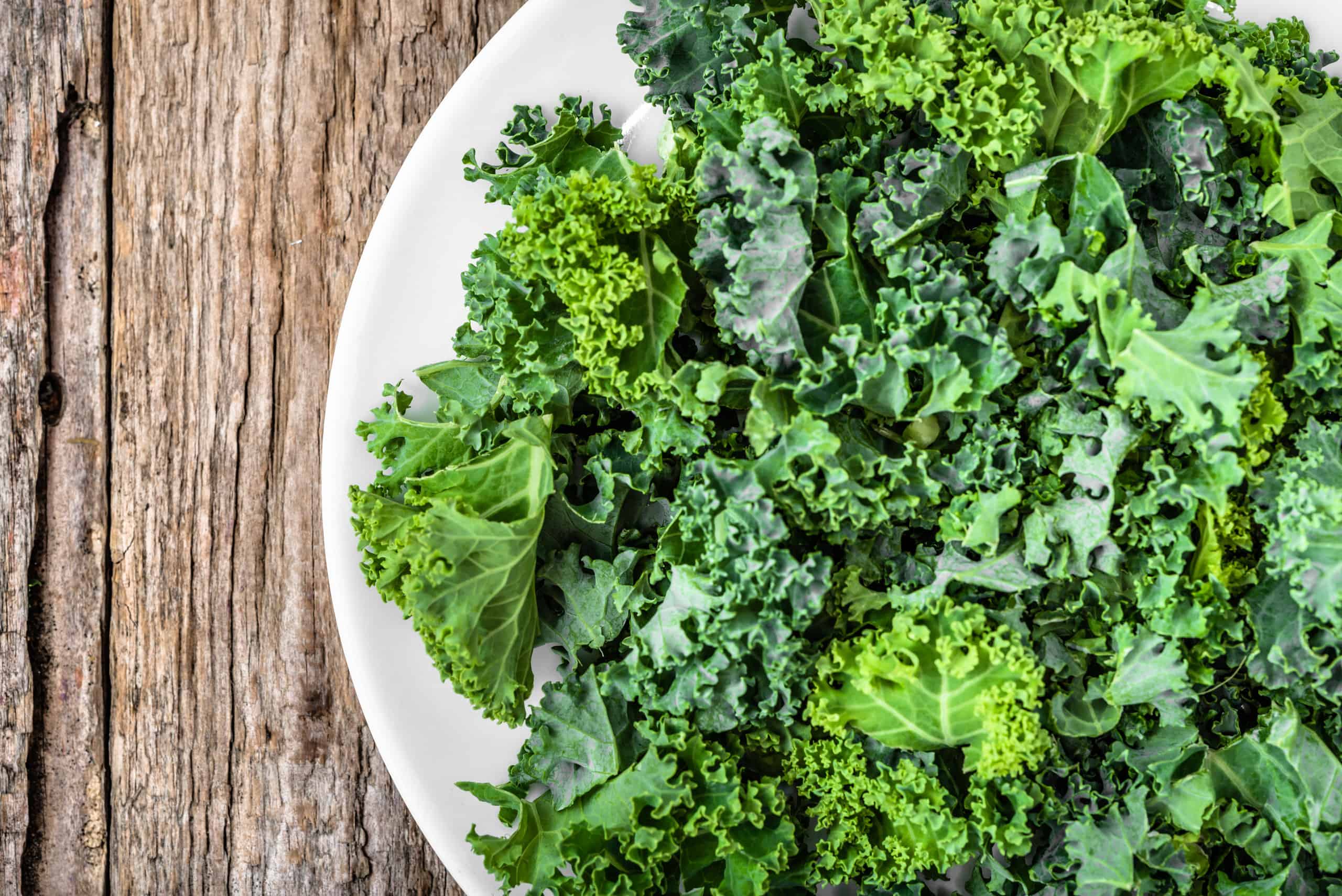

Rabbits are herbivores whose diets consist mostly of grasses, vegetables, and plant matter. Many rabbit owners wonder if they can feed their furry friends leafy greens like kale. Simply put, the answer is yes. Giving your rabbit kale can actually help boost its mood and provide valuable nutrients, such as calcium, vitamin C, vitamin A, and vitamin K. However, you will want to follow some best practices when doing so. Here are three tips for feeding your rabbit kale.
1. Feed Your Rabbit Kale in Moderation
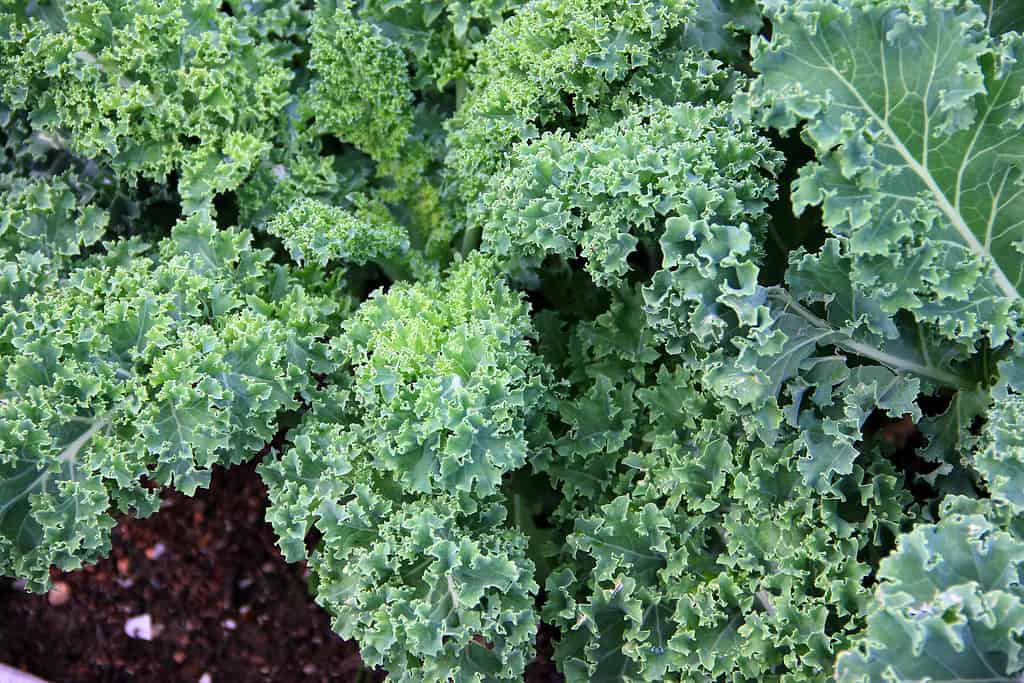
If you plan to feed your rabbit kale, don’t overdo it.
©lauraag/ via Getty Images
Do not feed your rabbit kale every single day. While it is a nutritious snack in moderation, too much kale can lead to digestive distress, bladder issues, and even kidney problems down the line. Most experts recommend you just add a leaf or two to your rabbit’s food portion or offer it as a snack once in a while. Avoid feeding your rabbit kale more than once or twice a week, as this could cause health concerns and offset any benefits it might otherwise have.
2. Monitor Your Rabbit for Digestive Distress
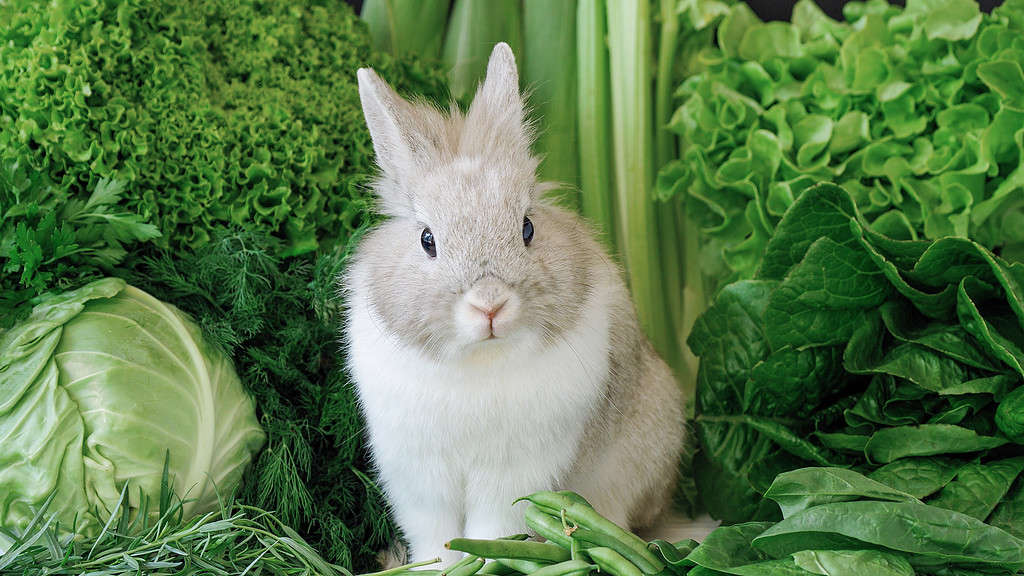
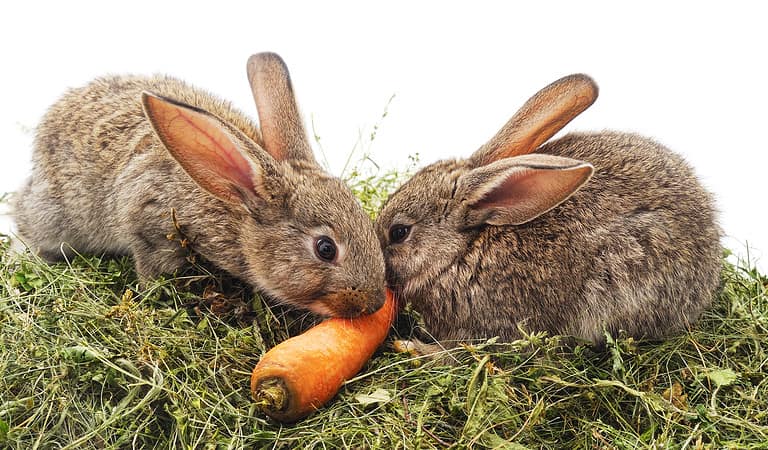
Rabbits are known for their plant-based diets filled with nutritious greens.
©Olha/iStock via Getty Images
Often, foods like kale, broccoli, and cabbage can cause excessive gas. This can quickly make your rabbit feel full, which might dissuade it from eating its usual, well-balanced, and nutritious diet. If you’re adding kale to your bunny’s diet, be sure to monitor your beloved pet rabbit for any signs of abdominal pain or changes in bowel movements/habits. While some experts claim that more starchy vegetables cause gas than leafy greens like kale, it’s still something to keep in mind. As soon as you notice any sort of distress, stop feeding your rabbit kale immediately. Additionally, avoid starchy and sugary foods.
3. Introduce Kale Alone
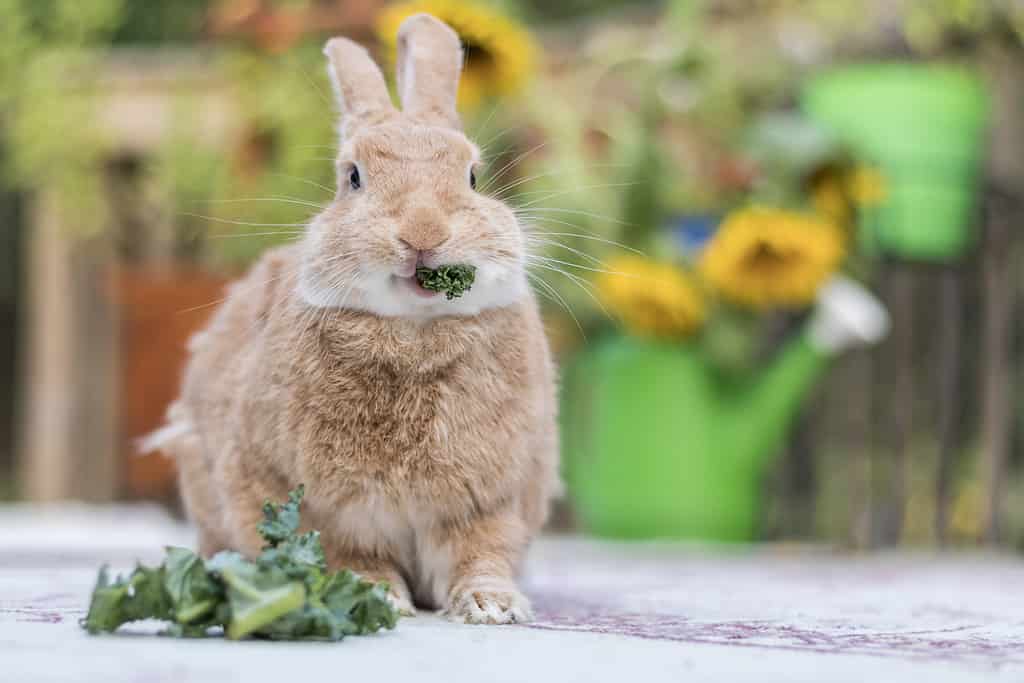
When introducing new foods to your rabbit, monitor it for any adverse effects or troubling symptoms.
©Rabbitti/iStock via Getty Images
Any time you introduce a new food to your furry friend, you’ll want to do it alone to ensure there aren’t any adverse reactions. Rather than offering your rabbit a variety of new leafy greens, introduce them one at a time so you know exactly how your bunny reacts to each. Feed your rabbit a single leaf before adding more to its meal. If there are no negative side effects, it should be safe to feed your rabbit kale in moderation.
Feeding Your Rabbit Kale
Following the above advice, you can ensure your furry loved one reaps the nutrients and benefits kale has to offer without any adverse side effects. Give your rabbit kale in moderation, like as an occasional snack or with its meal once a week. Of course, keep an eye on your bunny to make sure it’s still happy and healthy along the journey.