
Backyard cookouts are a dog’s paradise. Inevitably, some kid will drop a whole paper plate of chips, hot dogs, and baked beans on the ground. If he’s fast enough—and he is—your dog will have 3/4 of it eaten before you even notice. And to be honest, sometimes we just turn a blind eye to it because hey, free cleanup, right?
How concerned should you be if your dog gobbles up beans, though? They’re rich in protein, fiber, vitamins, and minerals, making them a nutritional staple for people across the globe. But are they good for your dog? This article sorts out which beans are safe, which are not, how to prepare them properly, and why moderation is essential.
The Many Varieties of Beans
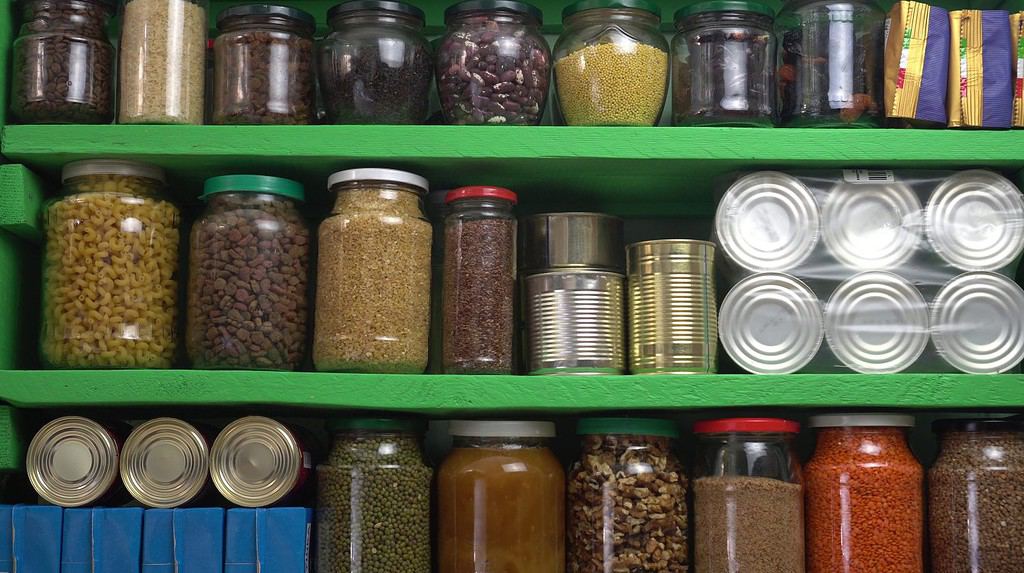
Beyond differences in color, shape, and taste, beans have different nutritional profiles.
©Fevziie/Shutterstock.com
The legume aisle of your grocery store will give you all sorts of choices of beans: black beans, kidney beans, pinto beans, navy beans, and more. Each type carries a slightly different nutritional profile, but the basics remain the same. Beans provide plant-based protein, complex carbohydrates, vitamins (especially B vitamins), minerals such as iron, and a generous amount of fiber.
That fiber is both a blessing and a curse. It helps regulate digestion but is also notorious for causing gas. The old playground rhyme about beans being “the musical fruit” isn’t far from the truth. For most people—and many dogs—beans can still be a healthy addition to a balanced diet. But only as long as they’re served with care.
Are Beans Safe for Dogs?
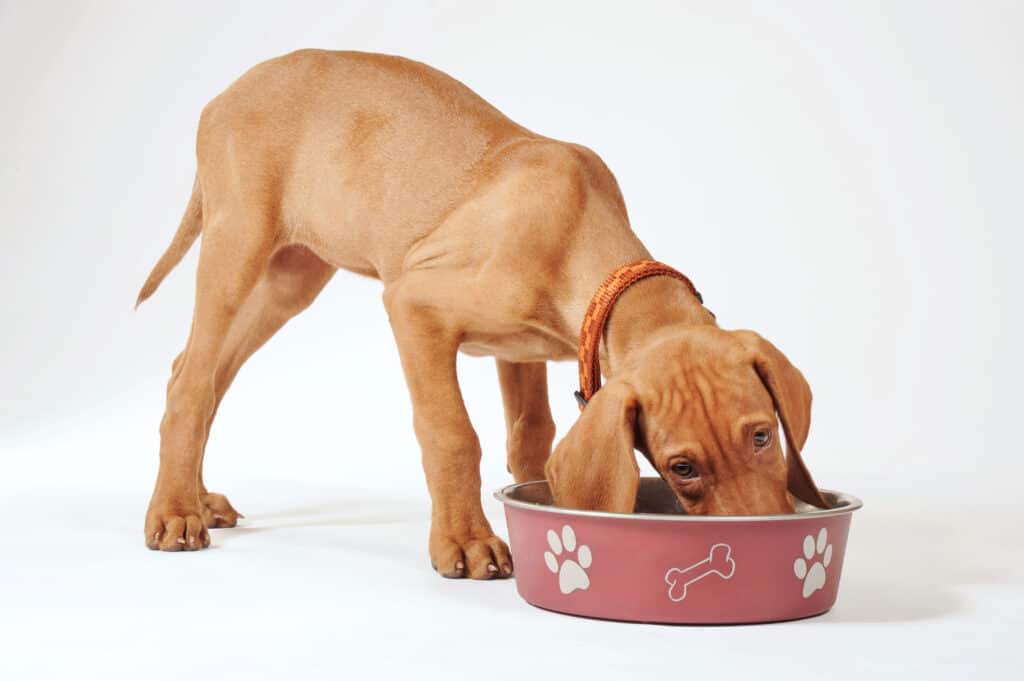
Dogs will enthusiastically wolf down all kinds of beans, but that doesn’t mean they’re good for them.
©AndrasKiss/Shutterstock.com
The short answer is yes, many beans are safe for dogs. Prepared the right way and served in moderate portions, they can serve as a supplement or treat. Dogs thrive on animal protein as their primary fuel. However, beans can offer a fiber boost, aid in weight control, and supply some extra plant-based protein for muscle repair in active pets. Still, not every bean is dog-friendly. Preparation matters as much as the type of bean. Some legumes are best avoided entirely, while others are only safe when fully cooked and served plain.
Best Bean Choices
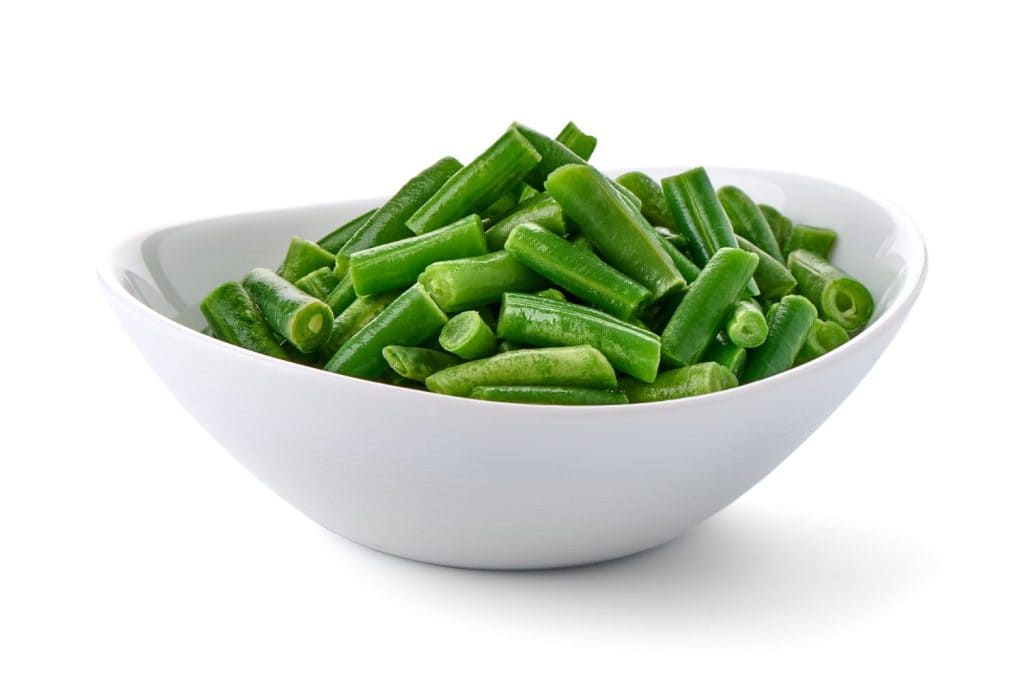
Green beans are one of the best choices to feed dogs.
©GSDesign/Shutterstock.com
Among the beans that are safe for dogs, the best choices are green beans, chickpeas, and black beans. Green beans stand out as the top option. They are low in calories yet high in fiber and vitamins, making them a healthy, crunchy snack that even helps with weight management. Chickpeas are another solid choice, offering a good balance of plant protein and fiber to support digestion, though they should be served plain and in small amounts. Black beans are also a strong option, providing antioxidants along with protein and fiber, which can give dogs a nutritious boost when fed occasionally.
Other Dog-Friendly Beans
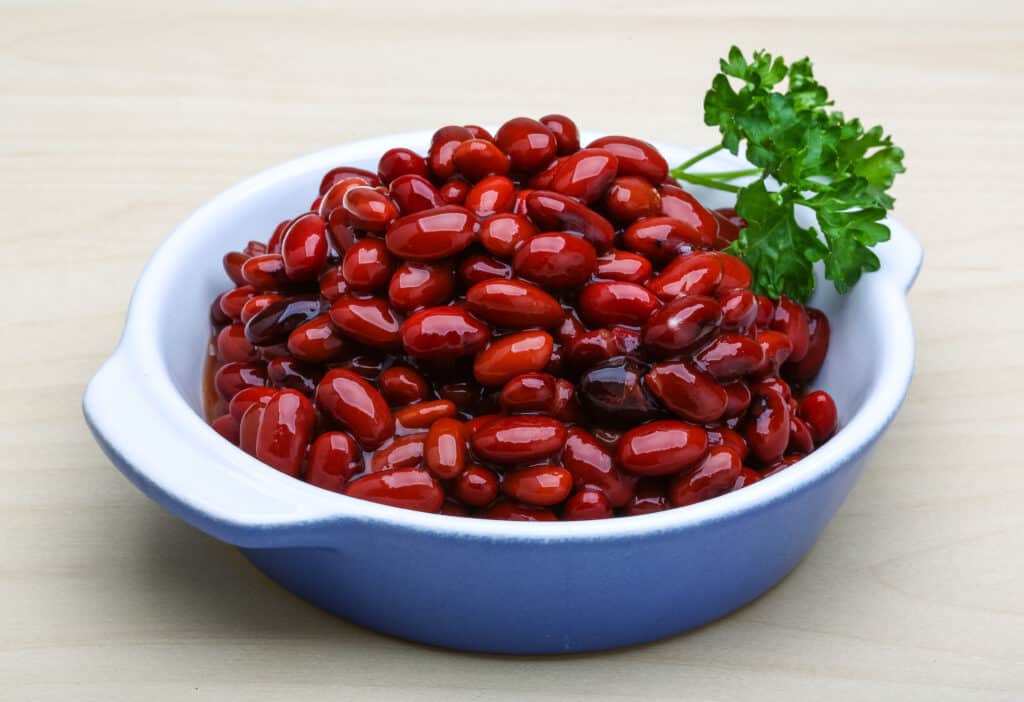
Dogs can eat kidney beans only if they are thoroughly cooked.
©Andrey Starostin/Shutterstock.com
Other beans that dogs can eat include pinto, navy, Great Northern, cannellini, kidney, and lima beans. These varieties all provide protein, fiber, and important nutrients, but they are denser and starchier than the best options (green beans, chickpeas, and black beans). Dogs can eat these beans in small amounts. However, pinto and lima beans are known to cause gas, while navy and Great Northern beans can be hard on a dog’s digestive system if fed too often. Raw kidney beans can be toxic, but when thoroughly cooked, they are ok for a dog’s diet. Cannellini beans are generally safe but, like the others in this group, are best limited to occasional servings rather than regular snacks.
Soybeans: A Special Case

Soybeans can be healthy for dogs if prepared properly. Not all soy-based products are good for them, though.
©nada54/Shutterstock.com
Soybeans are a special case for dogs. They should never be eaten raw, since raw soy contains compounds that interfere with digestion, but cooking neutralizes those risks. Plain cooked soybeans or unsalted edamame can be safe in moderation, offering a protein-rich supplement. Still, they are dense and can upset a dog’s stomach if fed too often, so they’re best treated as an occasional extra. Processed soy products are more complicated: plain tofu is usually fine in small amounts, while items like soy burgers or flavored edamame often contain salt, spices, garlic, or onion that are dangerous for dogs. The simplest rule is to stick with plain, cooked soy in small portions and avoid heavily processed soy foods altogether.
Beans to Avoid
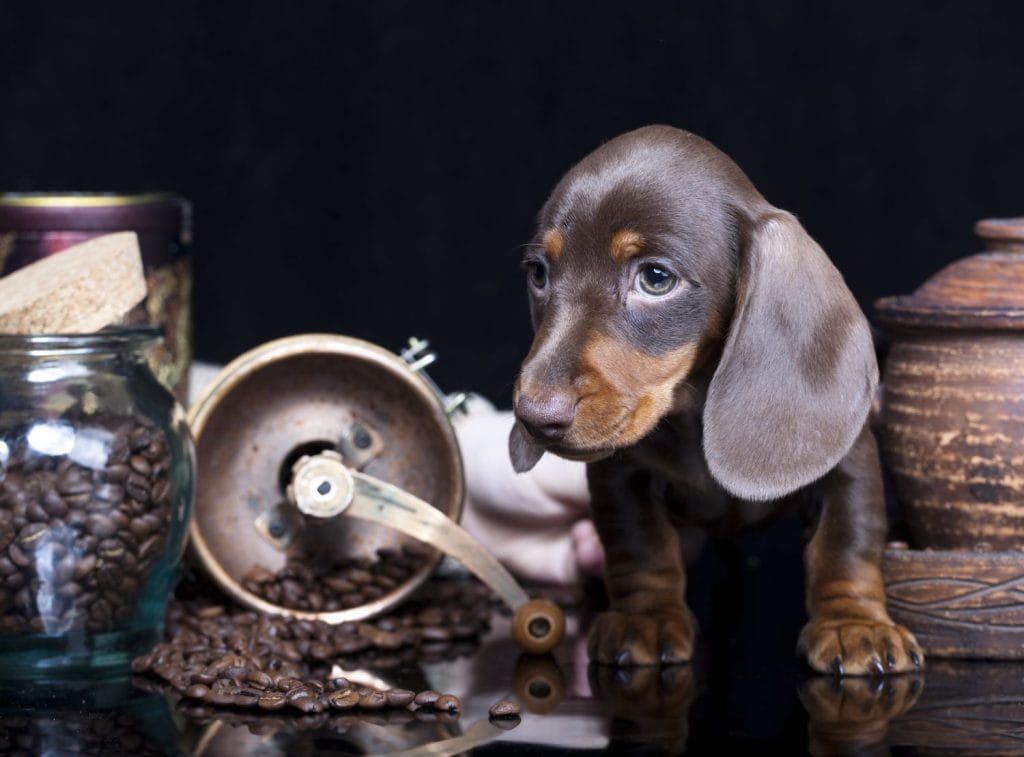
Coffee beans are dangerous for dogs.
©Liliya Kulianionak/Shutterstock.com
Some beans, or bean-based foods, belong firmly on the “do not feed” list. Raw or undercooked beans are unsafe because some varieties contain phytohemagglutinin, a compound that can trigger severe stomach upset or even poisoning. This is an especially high risk in raw kidney beans. Store-bought baked beans and other seasoned bean dishes are also a bad idea. Onions, garlic, sugar, salt, and artificial sweeteners like xylitol are common in human recipes and harmful to dogs.
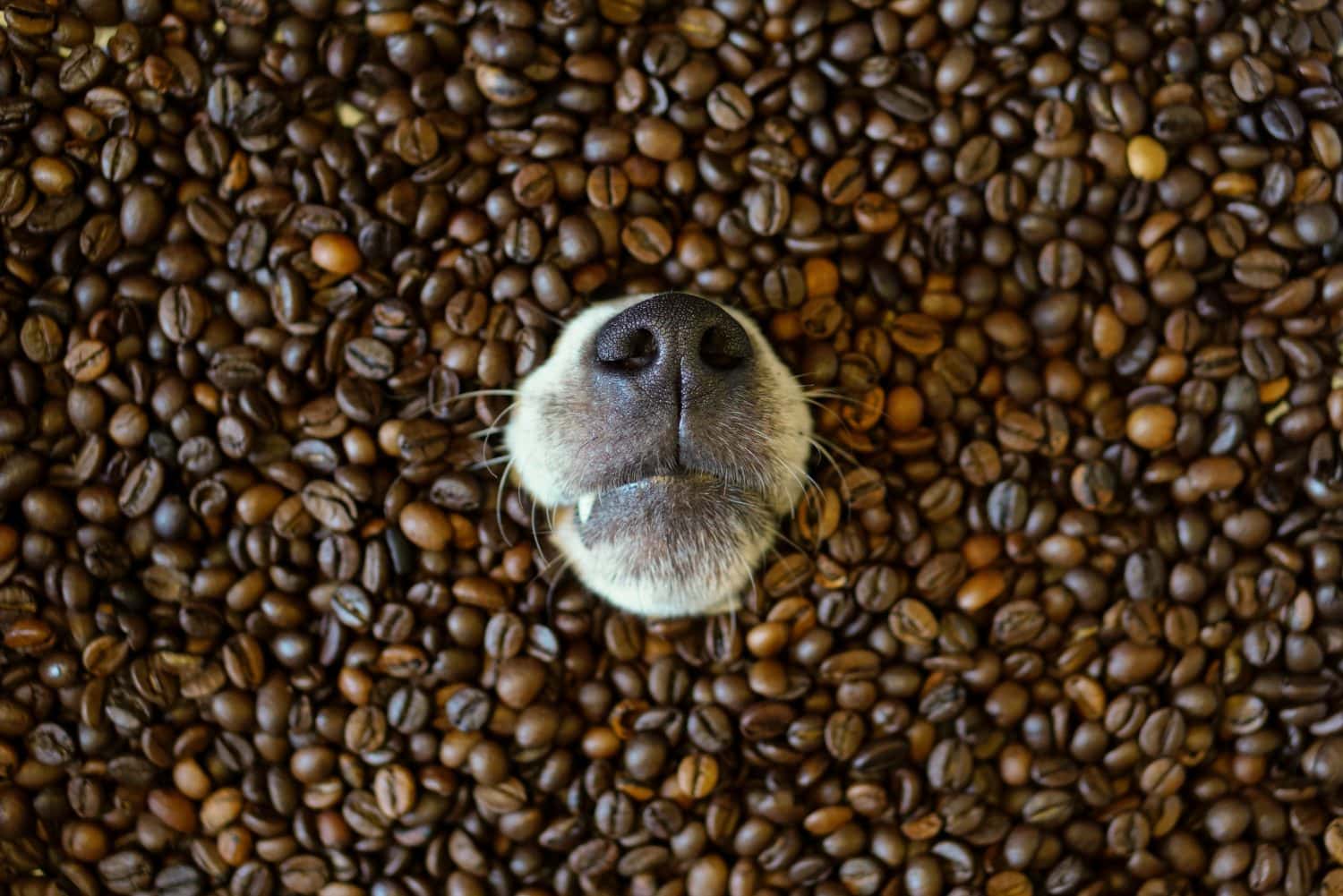
Coffee beans are not actually beans, but rather the seeds of a fruit. Regardless, they are toxic to dogs because of their caffeine content. Even small amounts can cause restlessness, rapid breathing, elevated heart rate, tremors, and vomiting. Larger doses may lead to seizures or even be fatal. If a dog eats coffee beans, it’s important to call a vet immediately, since the toxic dose depends on the dog’s size and the amount consumed.
Serving Beans the Right Way
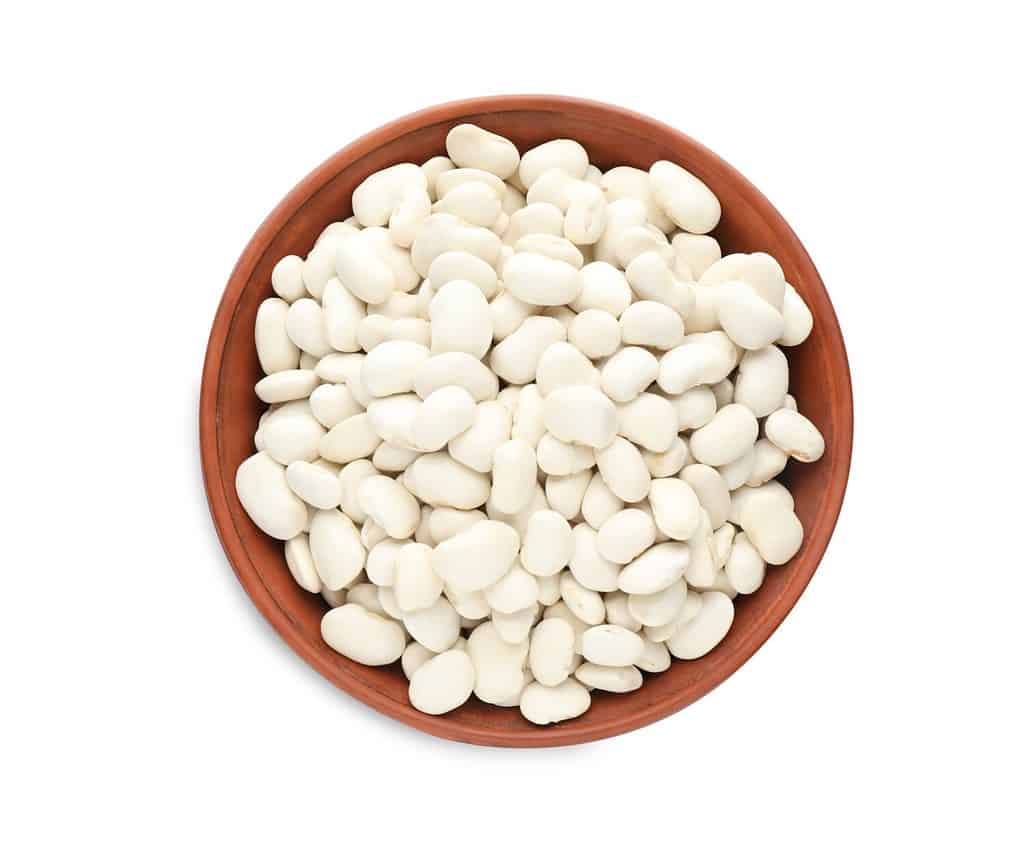
Beans are best served to dogs plain.
©New Africa/Shutterstock.com
When feeding beans to a dog, keep it simple. Beans should always be fully cooked and served plain, with no salt, seasonings, onion, or garlic. Canned beans are fine if they are rinsed well to remove excess sodium. Introduce beans gradually, starting with small amounts to see how your dog reacts, since too much fiber at once can cause gas or loose stools. For very small dogs or puppies, mash or chop the beans to reduce the risk of choking. A safe portion is typically about a teaspoon of cooked beans for small dogs, a tablespoon for medium dogs, and up to two tablespoons for large dogs. Beans should never make up more than ten percent of your dog’s daily calories
Most problems come from undercooked beans, heavily seasoned recipes, or oversized servings, which can lead to digestive upset such as gas, vomiting, or diarrhea. Some dogs may also have allergies to legumes, showing signs like itching or skin irritation. Over time, feeding too many beans may interfere with nutrient absorption and cause ongoing discomfort, so if a dog shows persistent issues, beans should be scaled back or removed from the diet altogether.
Why Add Beans at All?

Green beans can be part of a weight-loss diet for an overweight dog.
©Krakenimages.com/Shutterstock.com
If a dog is already eating balanced commercial food, beans aren’t essential, but they can still play a useful role. They make inexpensive, healthy treats—even handy for training—and add variety to meals without replacing the dog’s core diet. For families who grow their own gardens, beans can also be a practical way to stretch food budgets by supplementing kibble with safe, natural extras. Green beans in particular are often used as part of weight-loss plans for overweight dogs, since they are filling but low in calories. Used this way, beans become a practical, low-cost addition rather than a replacement for nutritionally complete dog food.
Like many foods outside a dog’s core diet, beans occupy a middle ground: they are helpful in moderation but can be risky if mishandled. Respect that balance, and your dog can enjoy the occasional handful of beans without trouble—though you may want to keep the windows open afterward.