
Quick Take
- Their short legs are deceptively adorable, yet that same anatomy puts basset hounds at serious risk of a life-threatening emergency most owners never see coming. See the health risks →
- Basset hounds look like lazy couch potatoes, but one instinct hardwired into them makes them surprisingly difficult to control. This is true even for experienced dog owners. Discover the nose instinct →
- Training a basset hound the way you'd train most dogs could backfire. There's a specific reason the usual approach doesn't work with this breed. Understand their stubbornness →
- Living in an apartment with a basset hound isn't automatically a dealbreaker, though it depends entirely on one key factor that determines whether it works. Check the apartment factor →
Owning a basset hound comes with distinct challenges rooted in their independent nature and unique anatomy. Their breeding as scent hounds makes them notoriously stubborn and easily distracted by smells, which can make obedience training a lesson in patience. Physically, their long, drooping ears and deep wrinkles must be wiped regularly to prevent painful infections and irritation. Basset hounds are also prone to obesity when their diet isn’t monitored and their exercise is neglected. Prospective owners should also be prepared for drooling, shedding, and loud, soulful baying, especially when the dog is left alone or detects an interesting scent. Continue reading to determine whether a basset hound is the right choice for you.
Basset Hounds are Clingy
Basset Hounds are highly prone to separation anxiety. They form incredibly strong attachments to their families and inherently dislike being left alone for extended periods. Because they are a pack breed, many basset hounds thrive and settle down more easily if they have another dog for company.

Your basset hound will want to be by your side constantly.
©Daniel Myjones/Shutterstock.com
Basset hounds tend to be very clingy toward their favorite people. They do best in a home where a family member is present most of the day.
They’re Ruled by Their Noses
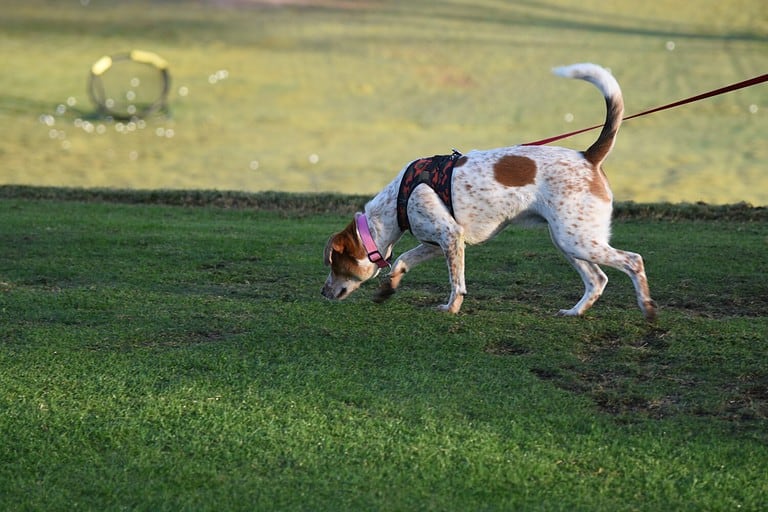
Basset hounds get a lot of enrichment through sniffing their environment, and it’s best to let them enjoy their walks as they please.
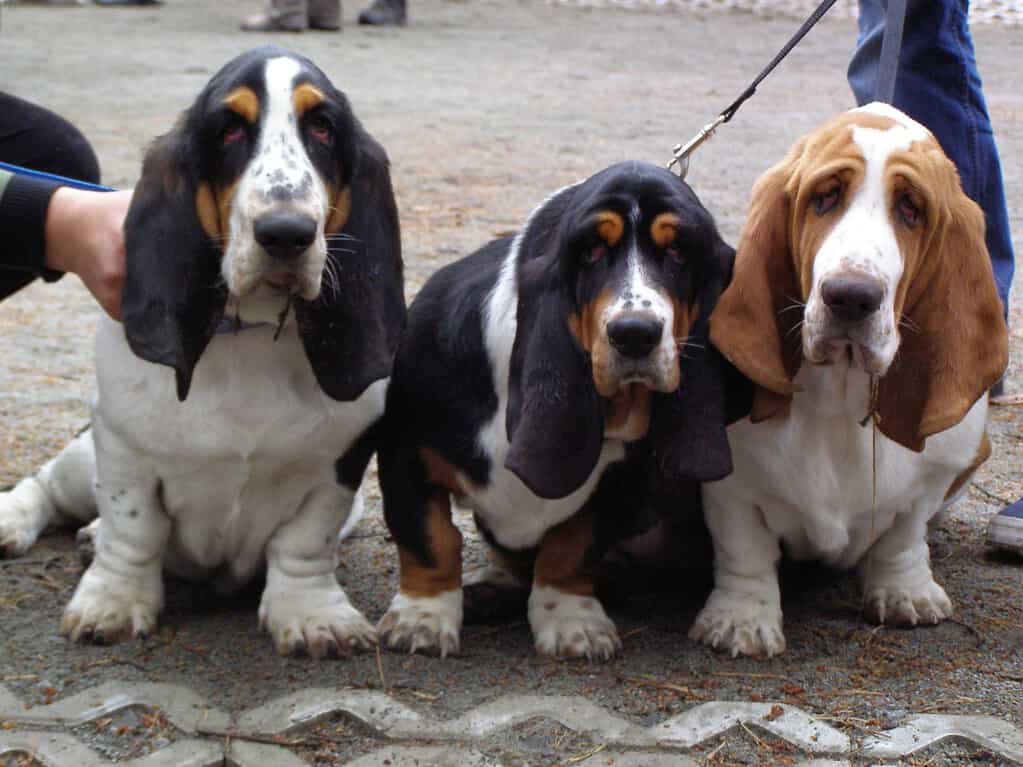
Basset hounds prefer slow sniff walks instead of keeping a quick pace.
Remember that walks are for your dog’s enjoyment, and you can always play at home to get more of their energy out or go for a walk without them if you want to keep a faster pace.
A basset hound’s nose can also make them wander if allowed off-leash. Always keep your pup on their leash or in a well-enclosed space to prevent them from running away after prey.
They Have Strong Prey Drives
Chasing small animals is another common complaint about basset hounds. If you don’t want your pet to bring you dead animals, this breed may not be right for you.
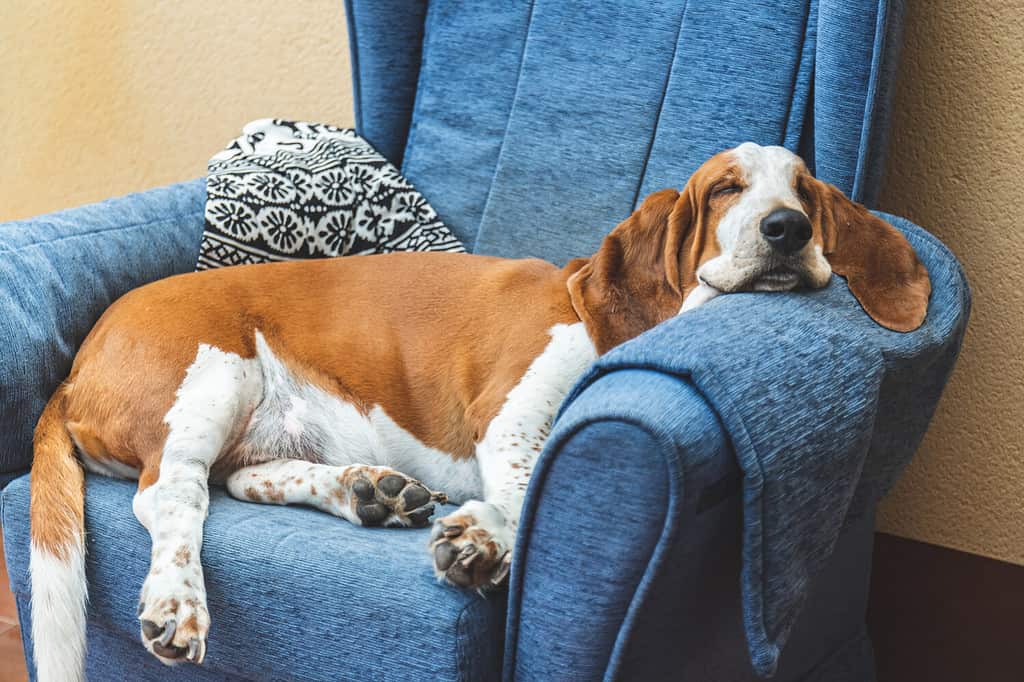
They may seem like total couch potatoes, but basset hounds enjoy chasing prey as well.
©Daniel Myjones/Shutterstock.com
Basset hounds were initially bred to hunt rabbits, hares, and other animals. Though they’re typically more interested in chasing rodents, some basset hounds may see cats as prey, especially outdoor cats that run away.
Basset Hounds Like to Dig
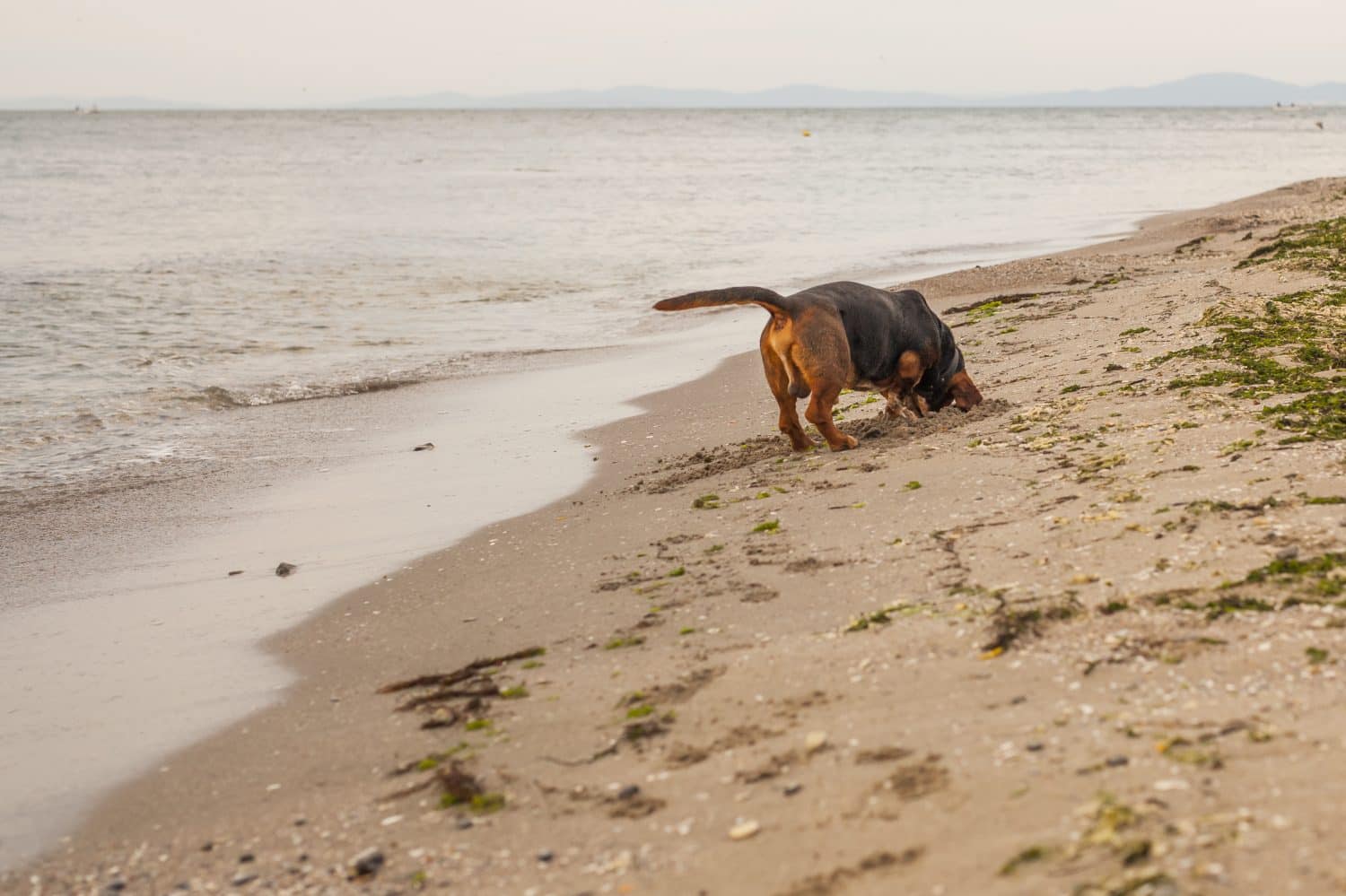
Basset hounds love to dig holes.
©Akos Nagy/Shutterstock.com
Since basset hounds are diggers, you may need to invest in underground fencing or supervise them in the backyard. Even if they don’t dig at the fenceline, they might destroy your yard with holes.
You can make a dig box for your dog using play sand, give them blankets to root through and bury toys in indoors, or refill your used shipping boxes with treats or toys for them to rifle through. All of these activities engage their instincts in less destructive ways.
They’re Stronger Than They Look
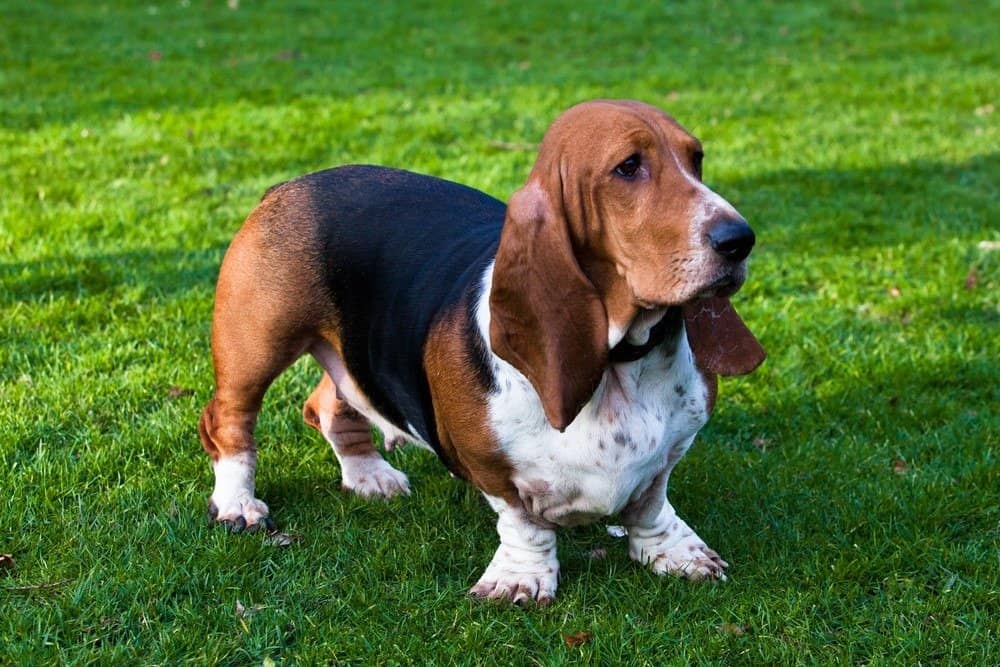
Basset hounds have strong little bodies.
©Ewa Studio/Shutterstock.com
Don’t let their short legs fool you; basset hounds weigh 40-65 pounds and are strong, muscular dogs. They may be difficult to handle on a leash, especially if they catch the scent of a prey animal and become determined to track it.
They’re Vocal
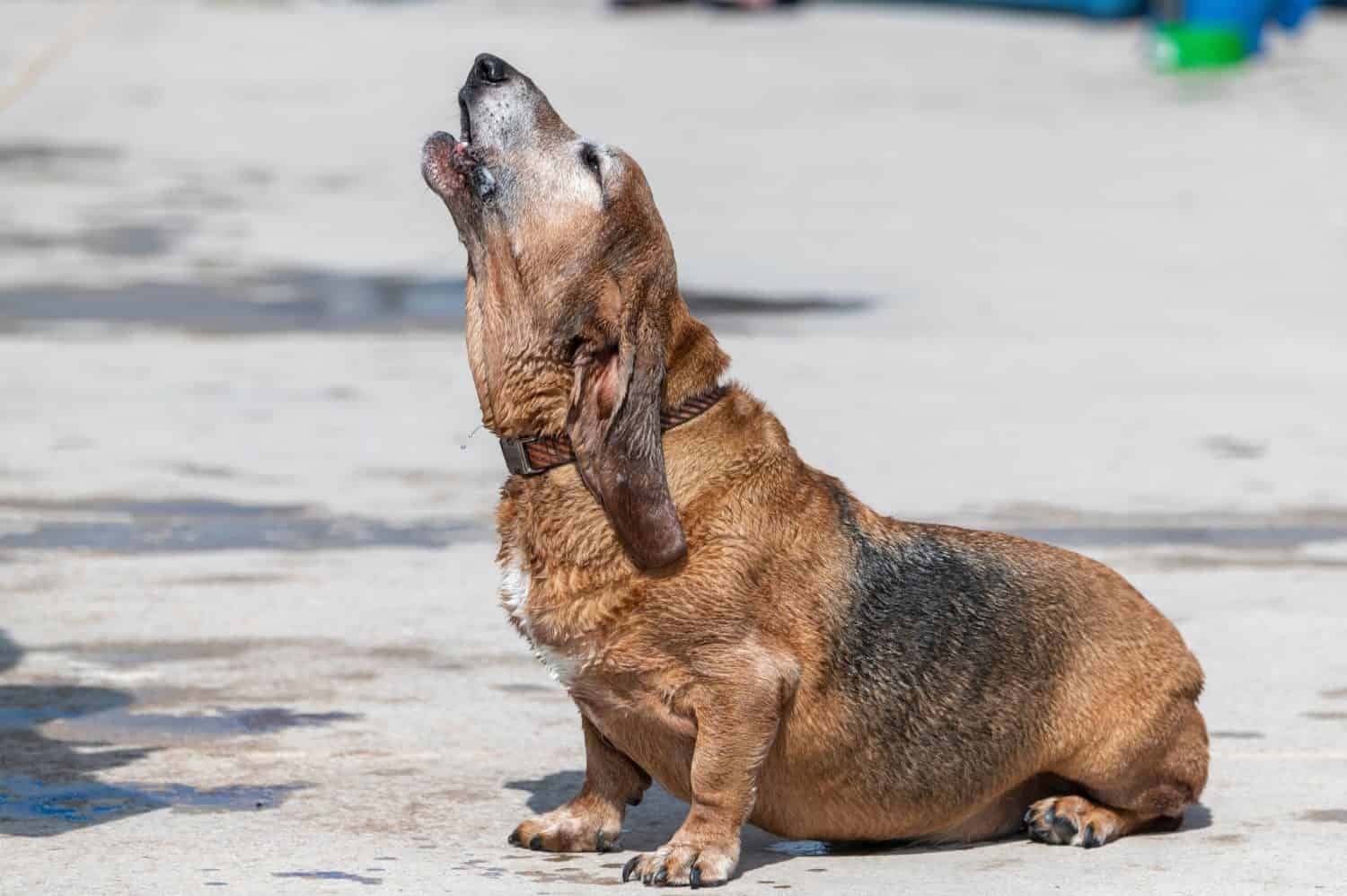
Basset hounds are loud dogs who might disturb the neighbors.
©GoDog Photo/Shutterstock.com
Like most hound dogs, basset hounds love to howl. They may also bark excessively and like to talk to their people.
Their deep voices tend to carry and aren’t for everyone. While you can train them to respond to a ‘quiet’ command for problem barking, basset hounds are naturally vocal and will likely remain talkative. It’s in their personalities, and there’s not really a way to prevent that.
Because basset hounds can be vocal and dislike being left alone, they may present challenges in apartment settings, especially if you have close neighbors. However, with proper training, exercise, and attention, many basset hounds can adapt to apartment living. If noise is a concern, consider adopting an adult basset hound from a rescue, as their personalities and vocal tendencies are often better known.
They Snore
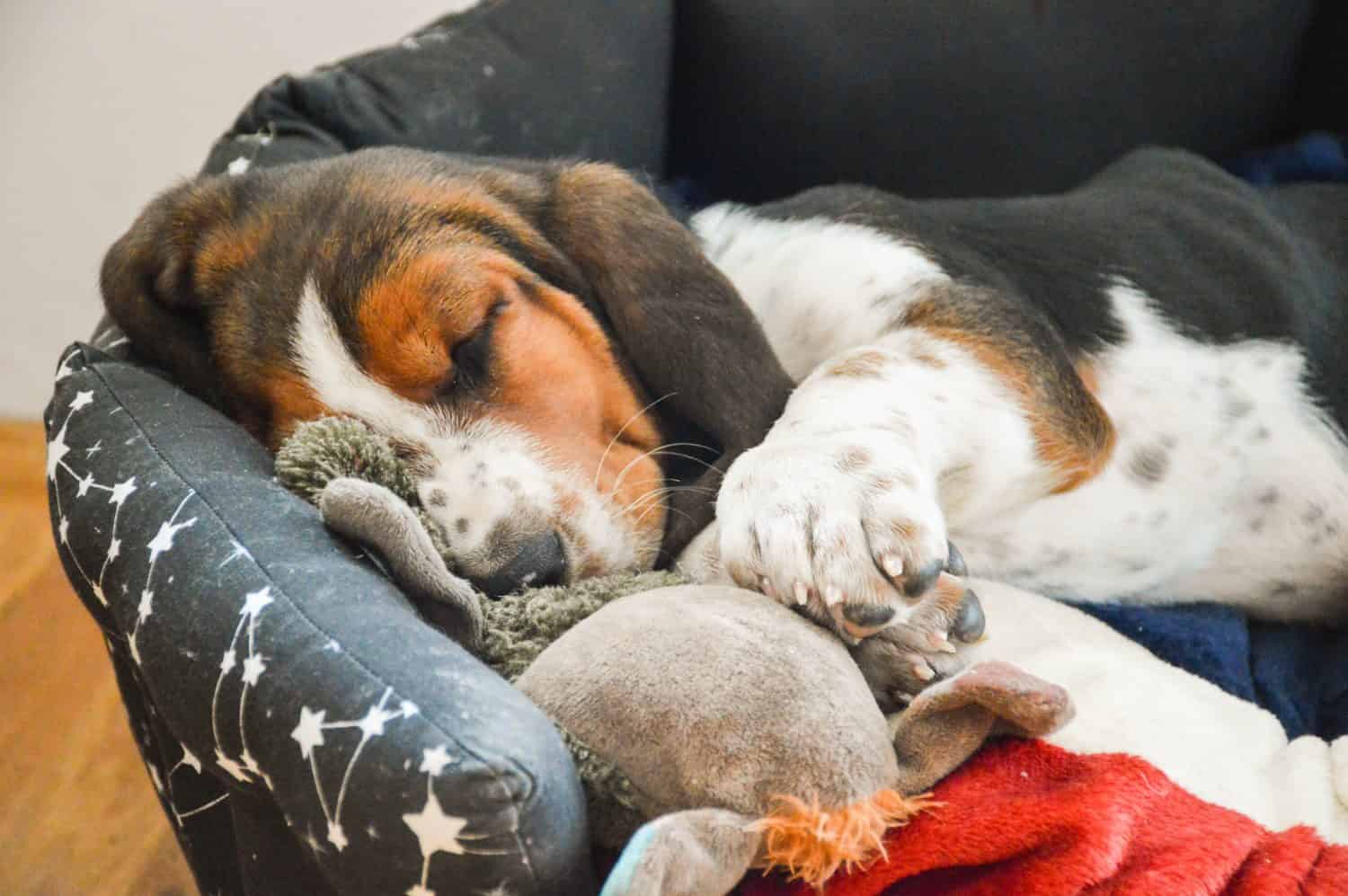
Basset hounds snore when they sleep.
©sandra.zivkovic/Shutterstock.com
Don’t expect your basset hound to hush when they’re sleeping, either. These dogs are known for their loud snoring, which is due to their body structure.
Basset Hounds Can be Stubborn
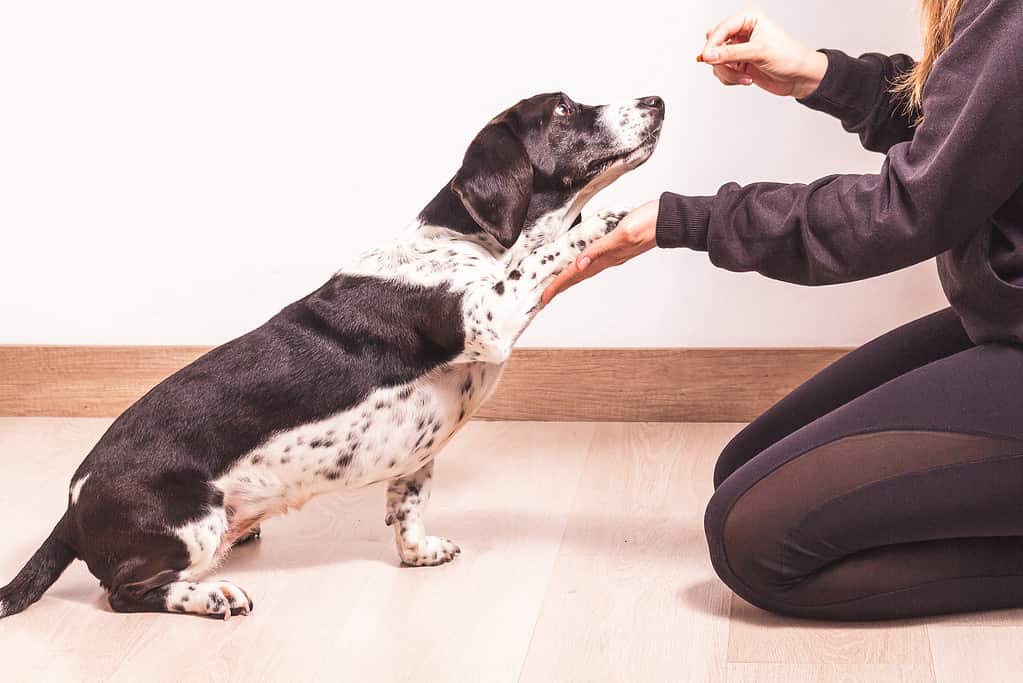
They take time and patience to train.
©Fabian Ponce Garcia/Shutterstock.com
Basset hounds tend to be slow learners, so don’t expect them to catch on to new cues as fast as you might like. These dogs can also be stubborn, further prolonging their training.
Always avoid aversive training methods, and instead keep training positive and fun. Making it into a game and offering the tastiest treats will make your basset hound want to keep coming back for more.
They Drool
If you don’t like being slobbered on, you might want to pass on adopting a basset hound. Their cute, droopy faces cause them to drool plentifully.
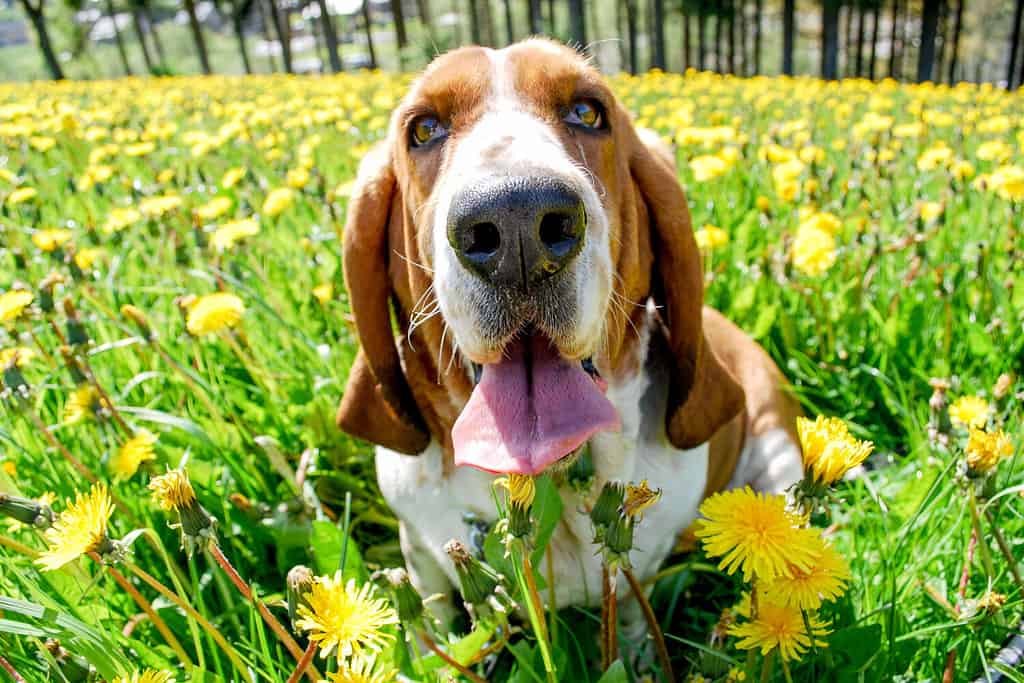
Basset hounds drool a lot.
©praneem79/Shutterstock.com
You’re likely to get drool on you, especially when they’re begging for treats or sleeping with their head in your lap. Their food and water area will also require frequent cleaning due to drooling.
They Shed
The mess doesn’t end with the drool. Basset hounds also shed year-round, though not as much as some other breeds. Though their coats are short, they’re also thick.
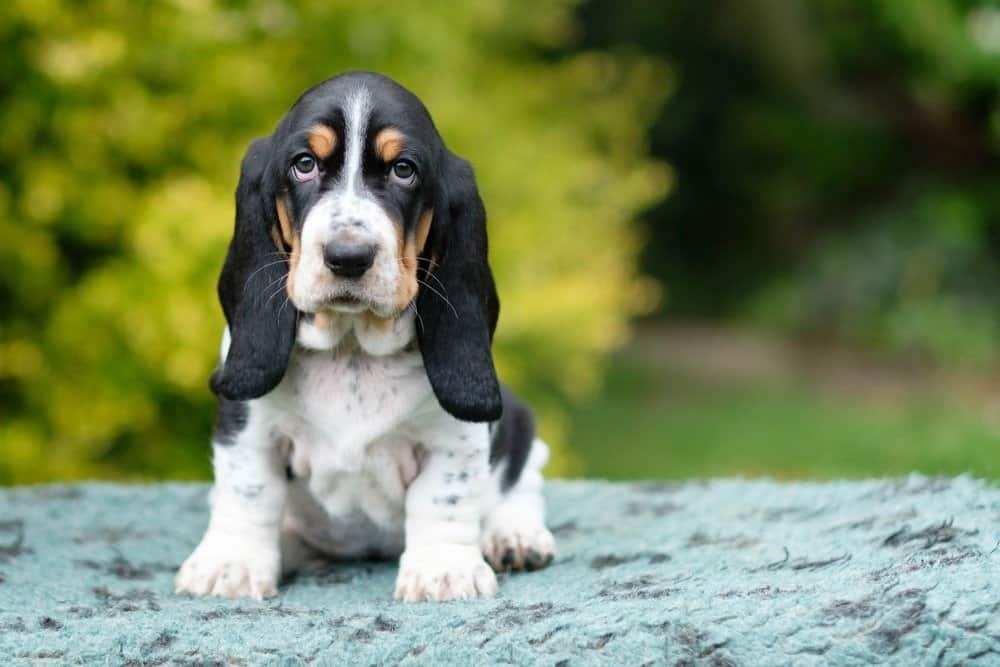
Despite their short coats, basset hounds shed a lot.
©Jon Buscall/Shutterstock.com
You’ll need to vacuum floors and furniture regularly and may want to use a reusable lint roller to remove fur from your clothing.
Basset Hounds Tend to be Gassy
Because they are prone to digestive issues, basset hounds can be gassy. It doesn’t help that, despite tummy troubles, they tend to want to eat everything in sight.

Basset hounds can be stinky.
©AaronAmat/iStock via Getty Images
As their guardian, it will be your responsibility to feed them a balanced diet that agrees with them. Keeping their weight in check can go a long way to reducing their gassiness.
These dogs also tend to inhale their food, which can also cause gas. A slow feeder bowl can help them eat more slowly, enjoy their meal, and potentially reduce gas.
Basset Hounds are Prone to Health Issues
Aside from stomach issues, basset hounds are also prone to ear infections, spinal problems, and gastric dilatation-volvulus (also known as GDV or bloat). Extra weight tends to affect them heavily due to their short legs.
Ear infections are caused by the hounds’ long ears, which can trap bacteria and moisture. It’s important to check your basset hound’s ears at least once a month and clean them as necessary.

Basset hounds are prone to many genetic health issues.
©GoodFocused/Shutterstock.com
Although their long backs and short legs are adorable, these features put basset hounds at a much greater risk of spinal injuries. They should not be allowed to walk up and down stairs or jump on and off of furniture, and you should be careful to support their entire bodies when lifting them.
When you own a basset hound, it’s important to know the signs of bloat, an incredibly deadly condition in dogs. Bloat occurs when a dog’s stomach twists inside the body, cutting off blood flow to vital organs.
Preventative measures for bloat include feeding multiple small meals a day in slow feeders, avoiding raised dishes, and avoiding exercise directly before or after meals.