
When a kitten’s brain doesn’t develop properly during the perinatal period, cerebella hypoplasia occurs. Since the brain controls various functions, including fine motor skills, this failure in development results in wobbly kitties that have trouble with balance and coordination. Kittens with this condition may appear normal until they start walking on their own. At that point, cat owners start to notice the symptoms of the condition. Learn more about cerebellar hypoplasia in cats, including the causes, symptoms, and treatment options.
Cerebellar Hypoplasia: Causes
There is one primary cause of cerebella hypoplasia in cats; however, it is possible that the condition develops under other circumstances.
Feline Panleukopenia Virus
The most common cause of cerebellar hypoplasia in cats is feline panleukopenia virus. When a pregnant cat develops this condition, she can pass off the infection to her unborn kittens. This virus attacks quickly and prevents the cerebellum in unborn kittens from developing fully. It may only affect one kitten but it could also infect all kittens in a litter.
Trauma
It is much less common for kittens to develop cerebella hypoplasia due to trauma, but it is possible. If a kitten’s cerebellum suffers physical trauma during the time of development, it’s possible for the condition to develop.
Malnourished Mother
It’s rare, but if a mother cat is exceptionally malnourished, her kittens may develop cerebellar hypoplasia. In these cases, the cerebellum can’t fully develop. In fact, it’s possible that kittens don’t survive. If they do, cerebellar hypoplasia is possible along with other issues like low birth-weight.
Cerebellar Hypoplasia: Symptoms

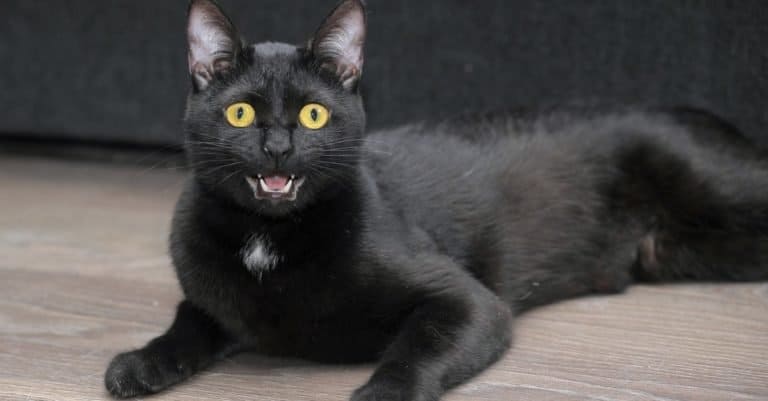
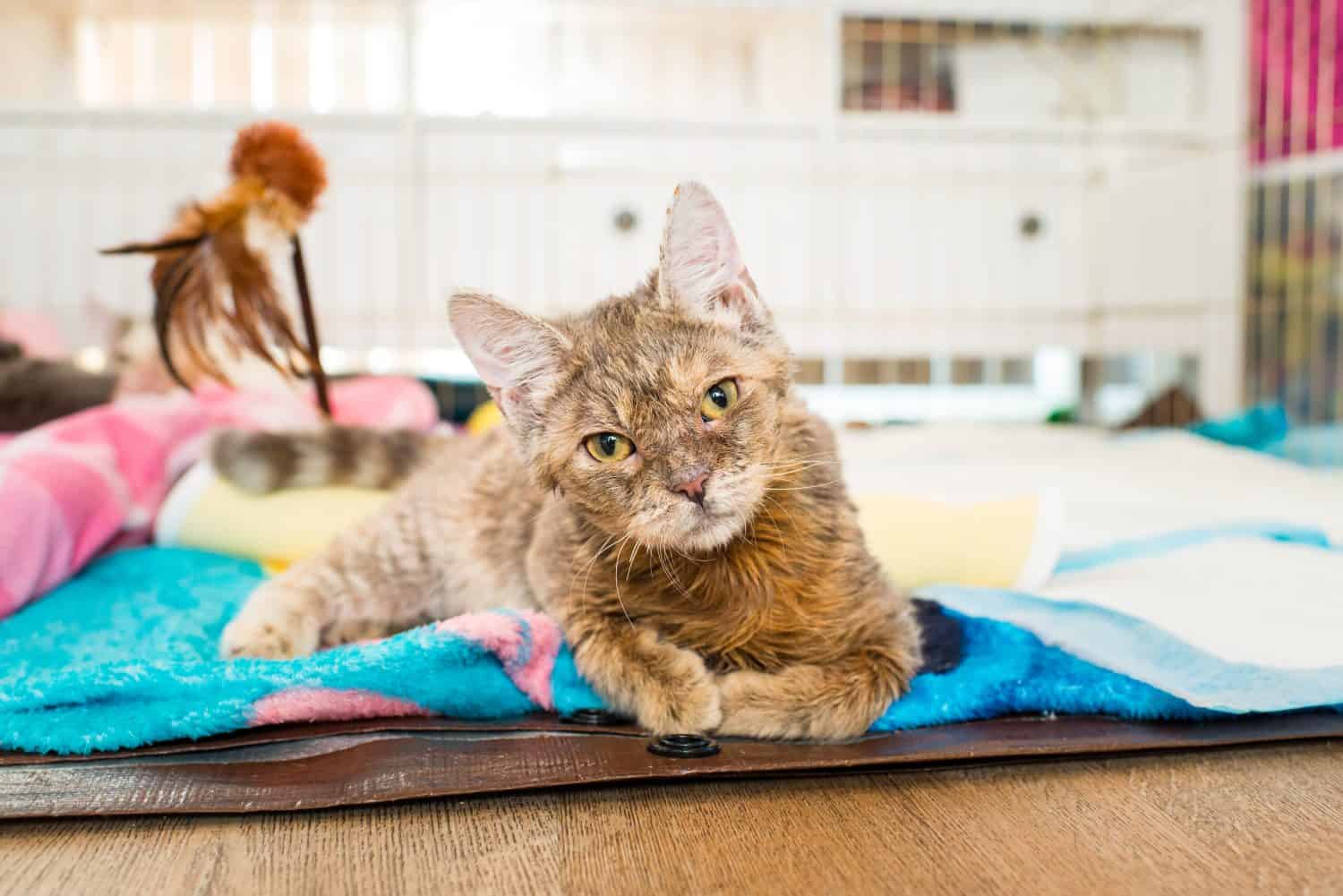
Kitties with cerebella hypoplasia appear normal but have trouble with their fine motor skills.
©Casey Elise Christopher/Shutterstock.com
Wobbly Walking
This symptom is one of the first most cat owners notice when a kitten starts walking. The walking lacks coordination so kitties wobble around without much control over their movements.
Swaying
A cat that sways may also have cerebellar hypoplasia. This symptom may be noticeable when your kitty isn’t walking. Instead of being still, you may notice swaying. This swaying motion may also occur during walking.
General Lack of Coordination
Kittens are rambunctious, turning everything they see into a toy (or scratching post). Cats with cerebellar hypoplasia lack coordination and though they have the same innate curiosity as cats with fully developed cerebellums, they are unable to execute their movements with precision.
Intention Tremors
This symptom becomes noticeable when your cat is focused on something specific. They may be trying to reach an item that has sparked their curiosity or they may be trying to focus on another task. This results in a mild head tremor that gets exacerbated the longer your kitty attempts to focus on intentionally accomplishing movement.
Difficulty Standing/Sitting
Cerebellar hypoplasia affects mobility, which makes even simple tasks like standing up or sitting down difficult. These kitties may lean on walls for support, they may shake or bob their heads, sway, or display jerky movements when they attempt to either sit or stand.
Cerebellar Hypoplasia: Diagnosis
Usually, clinical signs are used to diagnosis cerebellar hypoplasia in cats. Laboratory tests don’t detect the condition but magnetic resonance imaging (MRI) may highlight the improper development of the cerebellum in a kitten. In most cases, kitties receive a diagnosis after a physical examination performed by a veterinarian. With this method, a vet can analyze the physical movements of a cat when walking, sitting down, and standing up.
Cerebellar Hypoplasia: Treatment
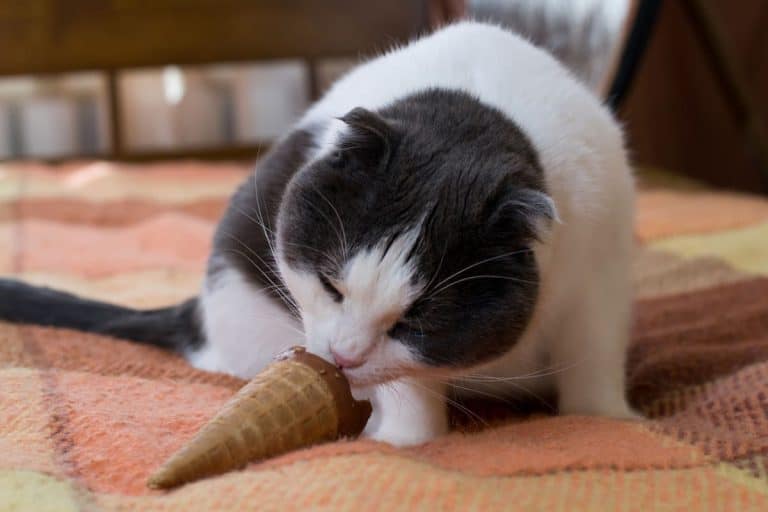
Cerebellar hypoplasia, though a neurological condition, still allows cats to enjoy a good quality of life.
©Mike Pellinni/Shutterstock.com
This condition does not have any treatment. The cause is lack of proper brain development. The good thing is that these cats don’t experience pain as a result of the condition. They’re not infectious and they adapt to their limitations. These kitties are vulnerable and should be kept strictly indoors where they can learn their environment and make adjustments. You may need to modify their home environment to help with their mobility issues, but that’s the extent to which you have to provide extra care. However, these kitties are happy to welcome extra love.
A-Z Animals spoke with Dr. Wallace, a cat-only veterinarian at Cozy Cat Veterinary Hospital in Raleigh, NC. Regarding the prognosis of this condition, she said, “The prognosis for cats with cerebellar hypoplasia varies, but the intention tremors in the majority of the affected cats improve as they get older, until in some cases, it is hard to tell that they are affected at all. Most cats and their owners become used to the physical limitations and the cats can have a good quality of life even if they have permanent defects.”