
Quick Take
- Miralax works by keeping water inside your cat's gut, and that very mechanism creates a hidden risk most owners never anticipate. See the hidden dehydration risk →
- There's a specific point where Miralax stops being useful, and giving it past that threshold can actually make things worse. Find out when Miralax fails →
- The dosage isn't one-size-fits-all, and getting it wrong can trigger an electrolyte imbalance your cat can't show you. See overdose and electrolyte risks →
- Miralax isn't always the right call. For certain cats, a completely different treatment is the only effective option. Explore other treatment options →
Constipation happens. Sometimes, it’s a prescription medication that has your kitty all backed up. Sometimes it’s an illness like kidney disease, and sometimes it’s diabetes. Other times hyperthyroidism could be the culprit. The point is that sometimes your cat has trouble going to the bathroom, and Miralax is an over-the-counter solution that could help. Learn about the Miralax dosage for cats, as well as any risks and side effects associated with its administration.
When Do Cats Need Miralax?
A cat might need Miralax if they are having trouble with bowel movements. You might have noticed that your cat is going to the litter box but not emptying its bowels. They might try to dig, they might whine, and they may even have less energy. With a full belly, it’s hard to have an appetite, so you may notice that your cat may also lose its appetite. If there is vomiting, it could also be a sign of constipation. That’s where Miralax comes in. This is a laxative that helps to soften your cat’s stool so that it can pass more easily. You can administer it as a powder either in their drinking water or mixed in with their preferred food.
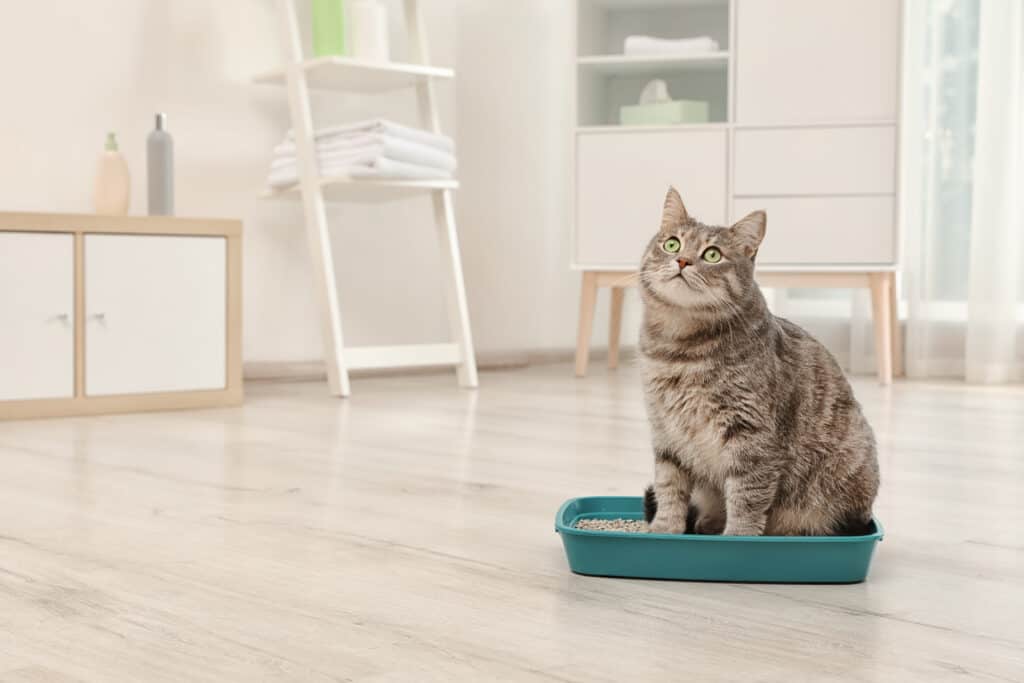
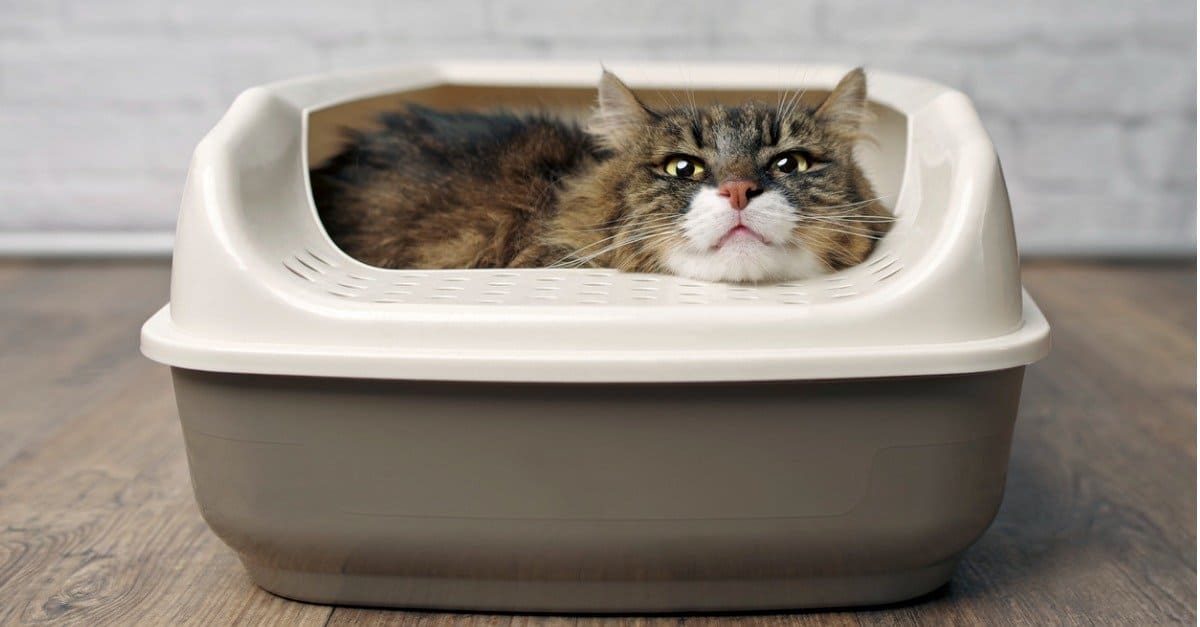
Constipation in cats may be treated at home with a laxative like Miralax.
©New Africa/Shutterstock.com
Side Effects of Miralax on Cats
Vets may recommend you purchase over-the-counter laxatives for your cat, or they may suggest a prescription option. However, you should not administer a laxative unless your veterinarian recommends it. Plain Miralax contains no flavorings, sugar, or artificial sweeteners that can be toxic to cats. However, you should always read the product label to ensure you buy the plain version with no additional ingredients. Your cat should not be able to taste it, but Miralax could have some side effects. The main side effect is dehydration. The way that Miralax works is by drawing water into your cat’s colon and retaining it in the stool, but this means that the rest of your cat’s body has less water available to absorb.
When administering Miralax, it’s vital that you ensure proper hydration. Adding broth, encouraging drinking with a fountain, or even adding water to their wet food can help increase their hydration while they take Miralax. Miralax is a laxative, after all. However, that might result in stool that’s a bit too loose and watery, otherwise known as diarrhea.
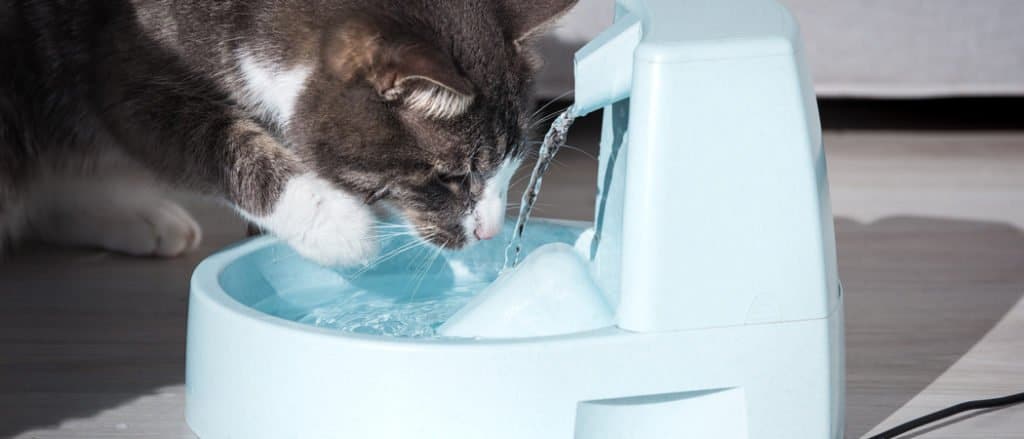
One of the main side effects of Miralax is dehydration, so make sure your cat is getting enough fluids.
©Creative Cat Studio/Shutterstock.com
Signs of Miralax Overdose/Allergies in Cats
If you’ve ever taken a laxative, you probably know that a little too much can cause cramping, nausea, vomiting, and the kind of diarrhea that’s unpredictable. The good thing about Miralax is that it’s not deadly. However, you should refrain from administering too much at a time.
Be sure to follow your veterinarian’s recommendations when administering Miralax and let the laxative do its work. If your cat’s stool is much too impacted, they may require an enema. Miralax is not a cure-all for constipation in cats. Too much or long-term use of Miralax can not only cause dehydration, but it can also lead to a loss of electrolytes such as salt and potassium, which can cause complications.
Risks to Consider
Cats usually tolerate Miralax well, and it’s considered safe, but there are some risks. None of the risks are life-threatening, but they are worth mentioning. Along with dehydration and diarrhea, your cat may experience increased flatulence and uncomfortable cramping. At high doses, it just makes your cat feel worse. Be sure to communicate with your veterinarian if you notice that Miralax isn’t working as intended. Your cat may need a different type of treatment.
When Is Miralax Not An Option For Your Cat?
As noted above, if your cat has too much impacted stool, your veterinarian may recommend an enema. At this point, Miralax may not be as effective as it could be with a milder case of constipation. Be sure to consult your vet to make the right decision for your cat’s well-being.
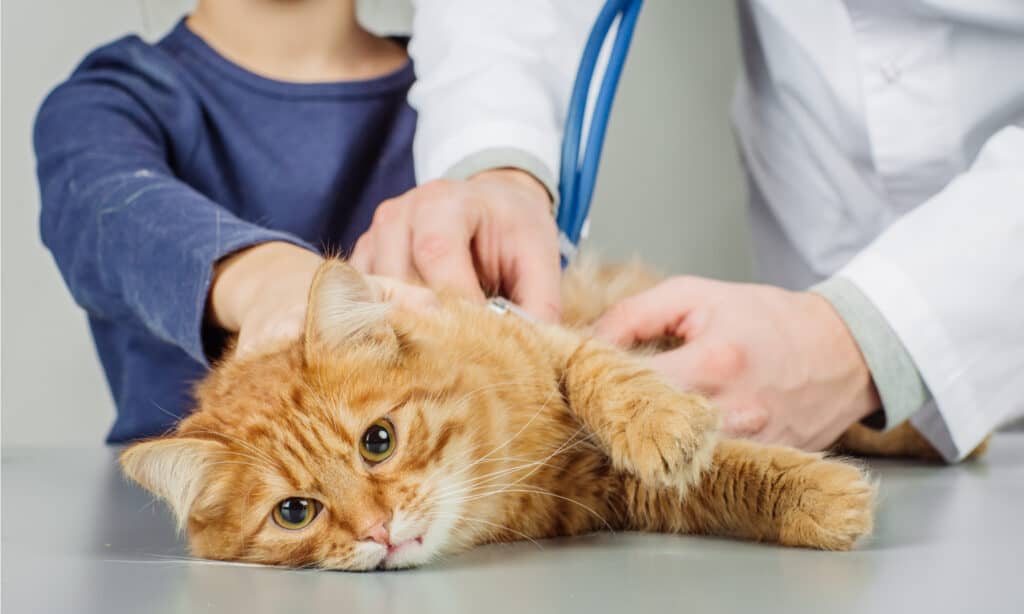
Complex constipation cases may require a visit to the vet for treatment.
©PRESSLAB/Shutterstock.com
Miralax for Cats Dosage Chart
Your veterinarian can provide you with a precise dose specifically for your cat. The dosage chart below is a general guide and does not replace your vet’s recommendations.
| Cat’s Weight | Miralax Dosage |
|---|---|
| Less than 10 pounds | 1/8 teaspoon once or twice daily |
| Over 10 pounds | 1/4 teaspoon once or twice daily |
Alternatives to Miralax for Cats
Alternatives to Miralax include Microlax, which is administered as an enema. Katalax is another alternative, especially if your cat has long hair and constantly deals with hairballs. Cat Malt is also a great option for long-haired cats and Laxapet can work as well. It’s available over the counter.
How to Treat Miralax Overdose in Cats
Although Miralax is generally safe and doesn’t pose any life-threatening risks, if you notice that your cat is in distress after administering Miralax, contact your veterinarian right away. You can’t know exactly what’s going on in your feline friend’s body unless your veterinarian takes a look. It could be dehydration, or it could be something else. It’s always best to take your cat to the vet or your nearest animal hospital if you are concerned about their reaction to administering any laxative or medication.