

Quick Take
- Giving your cat the wrong steroid could mean zero therapeutic benefit, even if that steroid works fine for dogs and humans. There's a key biological reason cats are different. See why cats are different →
- 'Roid rage' isn't just a human gym problem. Cats on prednisolone can experience it too, and that's just one of over 20 possible side effects listed here. See all 20+ side effects →
- Stopping prednisolone too soon doesn't just risk a relapse. It can also trigger a completely separate and serious condition in your cat's adrenal glands. See the adrenal gland risk →
- One common drug combination, with both drugs frequently prescribed for cats, can essentially wipe out your cat's immune system entirely when used together. See dangerous drug combinations →
- Using prednisolone before a certain diagnostic test can silently invalidate the results, and most owners have no idea that a 30-day window exists to worry about. See the 30-day diagnostic window →
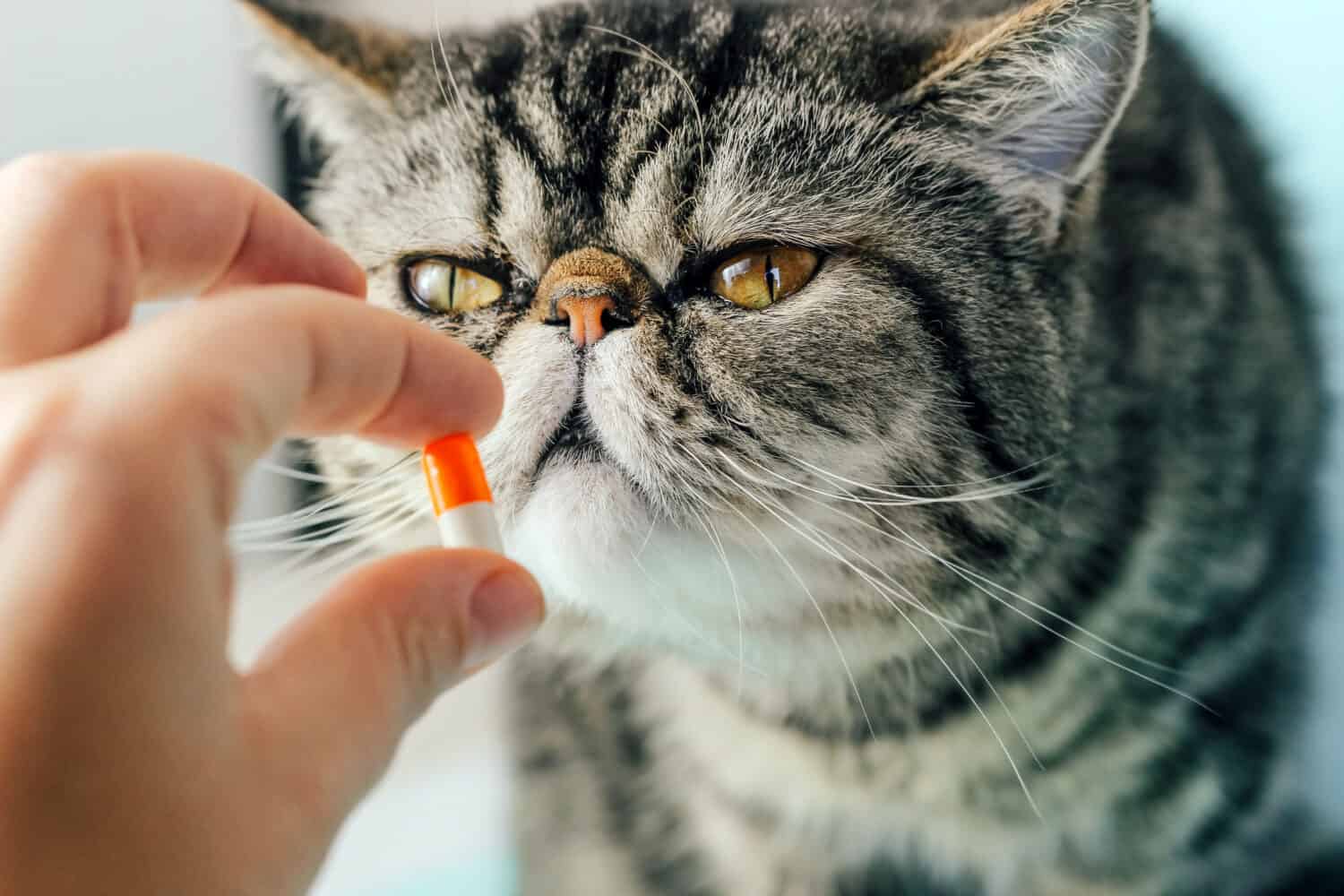
Prednisolone is a corticosteroid medication veterinarians use to treat a variety of conditions in cats. Most veterinarians prescribe it for short periods and use a tapering dose. A tapering dose involves starting with a higher dose and slowly stepping down the strength and/or frequency over time. This medication has the potential for serious side effects, which we’ll go over later. However, we remind anyone reading this article that giving medication of any kind to your pet requires a veterinarian’s advice and direction. Read on to learn more about prednisolone and its effect on cats.
What Is Prednisolone Used for in Cats?
As mentioned above, prednisolone is a corticosteroid. Generally, these medications facilitate subduing the immune system. That means the drug shuts the body’s defense mechanisms off or slows them down. This helps reduce inflammation, as well as, stopping the body from attacking itself (autoimmune disease).
It’s important to note that cats must take only prednisolone, as opposed to prednisone. The medications are similar, but cats are unable to break prednisone down into prednisolone for their body to use. Both dogs and humans can process prednisone through the liver and break it down into the usable form (prednisolone), so they can take either medication. Read more about the different conditions this medication can treat in the following sections.
Stomatitis
Stomatitis is a chronic inflammatory disease that makes the gums react to the teeth as foreign material. This sends the body’s defenses into overdrive in an attempt to destroy them. It results in severely damaged teeth and swollen, red, painful gums. Stomatitis often results in halitosis (bad breath) and a refusal to eat. These symptoms can lead to weight loss and an irritable cat.
The first line of treatment for stomatitis remains full mouth extractions. That is, the surgical removal of most or all of the teeth. If the canine teeth and incisors remain healthy and without inflammation, some surgeons choose to leave them. Once the teeth are removed and the surgical sites heal, some cats still experience inflammation. In such cases, prednisolone is an inexpensive and fast-working treatment. An important note is that the use of prednisolone during the healing process may delay healing.
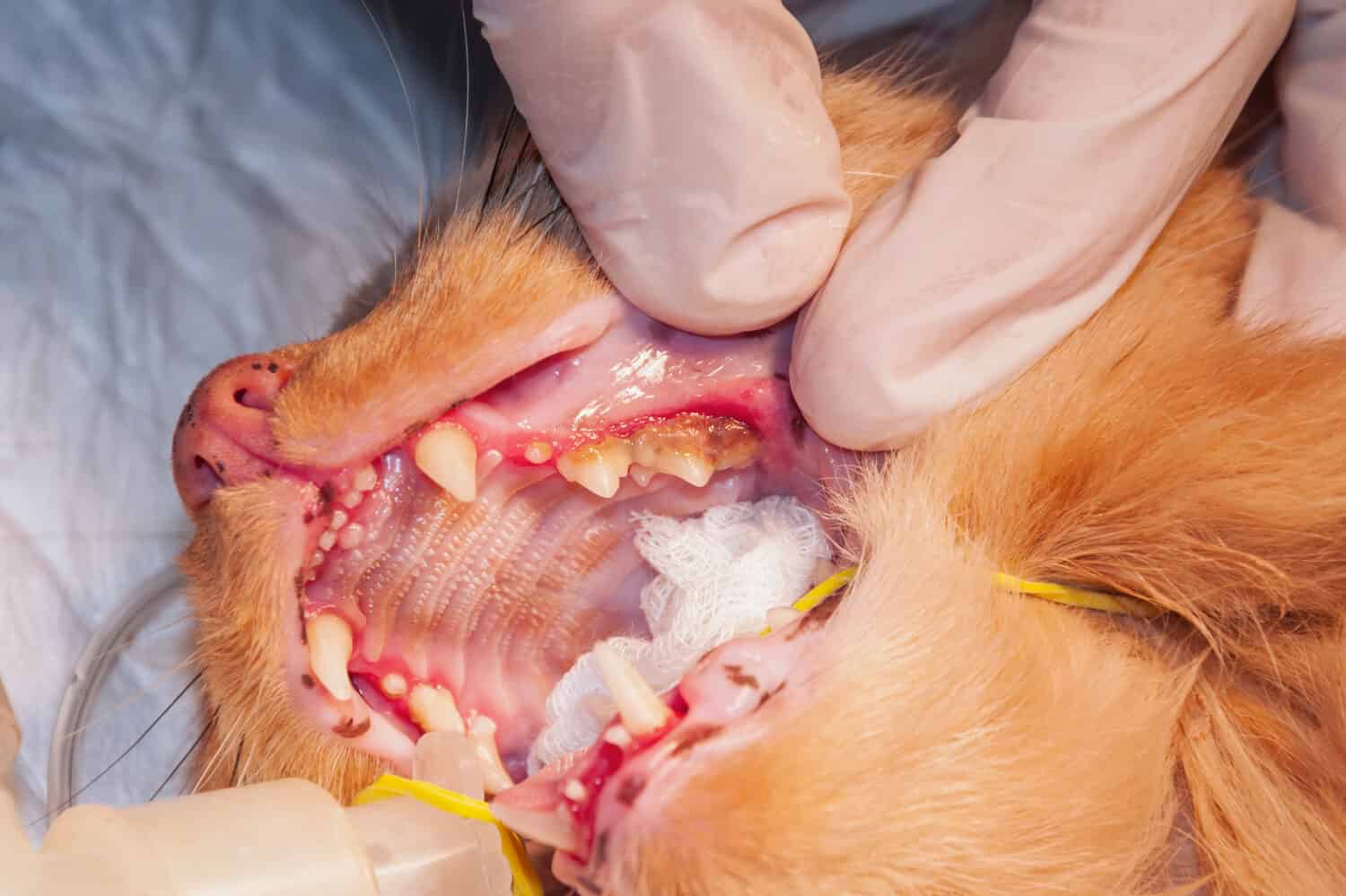
Stomatitis is an autoimmune condition affecting the gums in cats.
©mojahata/Shutterstock.com
Severe Allergies
Just like us, some animals experience allergies. Many allergy medications exist for pets. However, some of these are not safe for cats or become very expensive for pet owners to use. Short courses of prednisolone can help a cat through an allergy flare-up if they have seasonal allergies. It can also help if the cat develops an allergy to flea bites while they wait for flea prevention to begin working.
Cats affected by feline asthma along with their allergies also benefit from prednisolone. Veterinarians often use this medication in low doses alongside an inhalant steroid to help relieve swelling in the lungs and throat. Because of its ability to reduce inflammation and subdue the immune system, it can help prevent asthma attacks, as well.
Lastly, prednisolone can help treat inflammatory bowel disease in cats. This condition usually happens when the body has an allergic reaction to certain foods in the intestines, so prednisolone can make those reactions less severe.
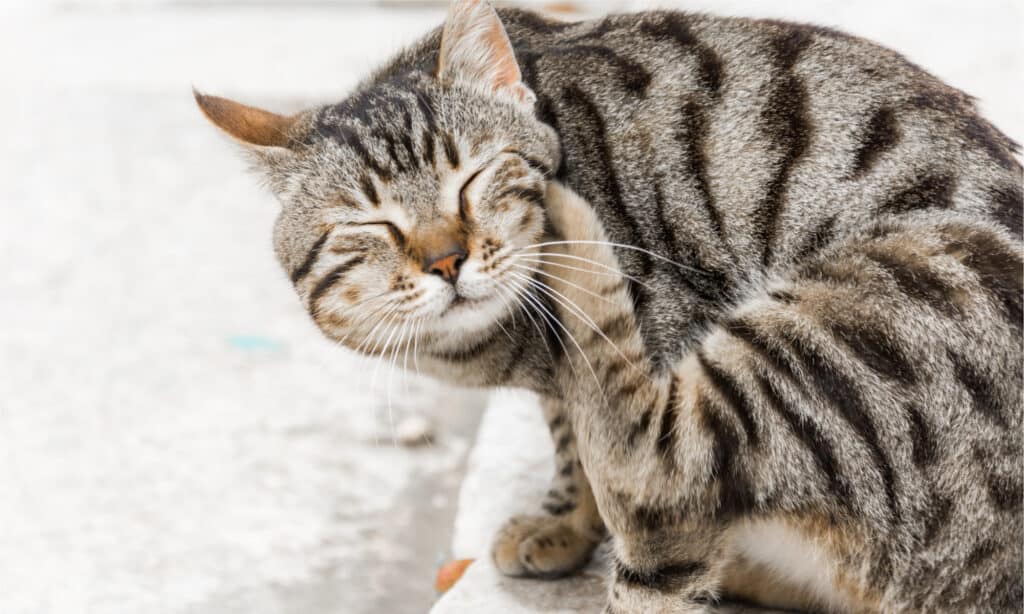
Cats can be allergic to flea bites, which causes them to damage their skin by scratching more than usual.
©Thrithot/Shutterstock.com
Other Conditions
Some other conditions that veterinarians prescribe prednisolone for in cats include joint pain, cancer, hypercalcemia (too much calcium in the blood), and central nervous system disorders. These conditions are not necessarily unique to cats (nor are they particularly common), so we won’t discuss them in full.
Pre-treatment with prednisolone in cats with gastrointestinal lymphoma may reduce the ability of chemotherapy drugs to kill cancer cells, according to one study. Regarding joint pain, other medications are now available to help with this condition as it relates to feline osteoarthritis.
Side Effects of Prednisolone in Cats
The most common side effects of prednisolone in cats include increased thirst, appetite, and urination. These are considered normal reactions to the medication. Let’s list more serious problems that could occur. Remember, if you think your cat is having a side effect of any medication, the best thing to do is call your veterinarian right away.
Possible side effects include:
- Increased thirst
- Increased urination
- Increased appetite
- Weight gain
- Pot-bellied appearance
- Panting
- Skin/coat changes including hair loss and skin rashes
- Fever
- Diarrhea
- Vomiting
- Lethargy/lack of energy
- Refusal to eat
- Painful urination
- Infections due to a suppressed immune system, particularly urinary tract infections and upper respiratory infections
- Increased blood sugar levels
- Induced labor or spontaneous abortion in pregnant animals
- Difficulty breathing
- Bleeding/ulceration of the stomach or intestines
- Increased blood cholesterol and circulating fats
- Behavior changes (aggression)
- Liver damage
- Diabetes
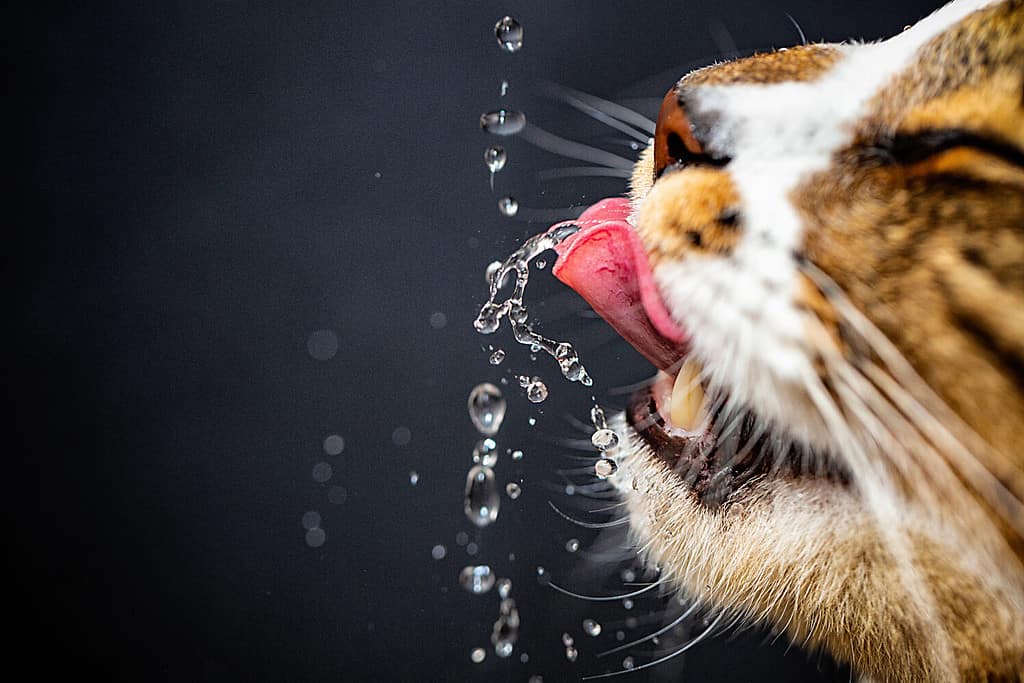
Prednisolone commonly causes excessive thirst in cats.
©AltamashUrooj/Shutterstock.com
When Should Cats Not Take Prednisolone?
According to A-Z Animals’ interview with Dr. Julie Parks, a licensed Doctor of Veterinarian Medicine at Northwood Hills Animal Hospital, “Prednisolone should be avoided in young cats because it can impair their growth. It should also be used with extreme caution in diabetic cats as it can affect blood sugar.” These reasons are not the only ones that prevent the use of prednisolone in cats. Learn more about the different reasons below.
Medications Your Cat Cannot Take with Prednisolone
Some medications increase the risk of side effects of prednisolone in cats. That’s why it is essential to discuss all medications your cat takes with your veterinarian before starting any new ones. This includes over-the-counter medications, as well as, supplements and vitamins. Let’s cover some medications and what risks they increase when given alongside prednisolone in cats. This is not a complete list, by any means.
- Non-steroidal anti-inflammatory drugs (NSAIDs): Both NSAIDs (like meloxicam) and prednisolone increase the risk of stomach ulcers or bleeding in the stomach/intestines.
- Cyclosporine: Another type of immunosuppressive drug, cyclosporine treats allergies and other autoimmune diseases in cats. Using this with prednisolone in cats can wipe out the immune system and result in terrible infections.
- Furosemide: This diuretic medication (one that causes the body to pull fluid into the urinary system for expulsion) can lead to hypokalemia (or too little potassium in the blood) when combined with prednisolone. Since both medications also increase thirst and urination, using them together is not recommended.
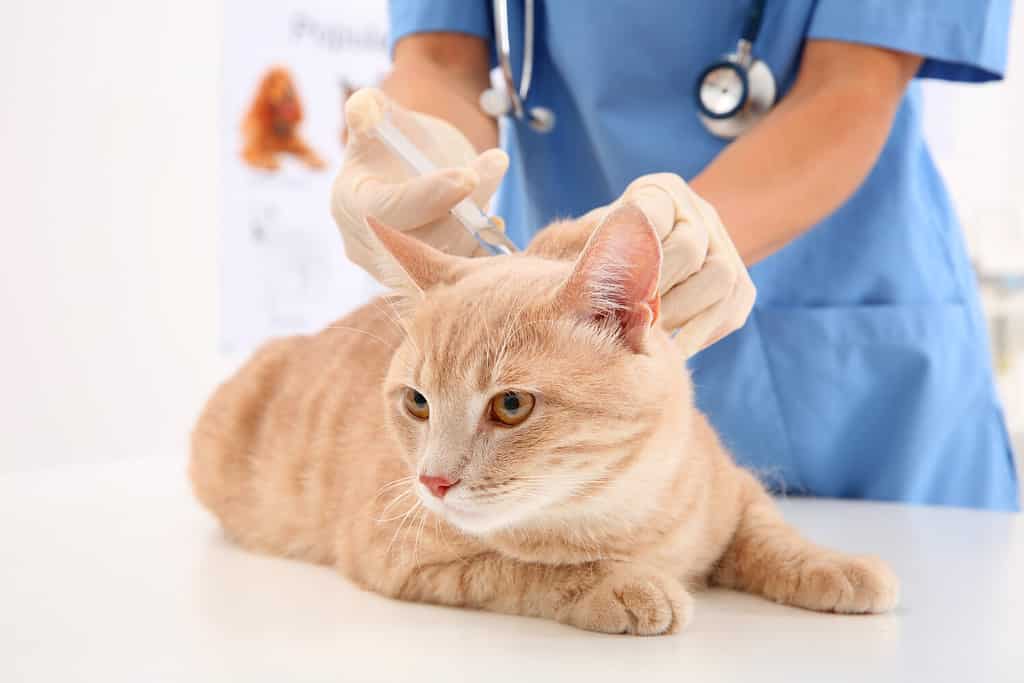
Prednisolone can cause (or worsen) diabetes in cats, which results in a need for insulin injections.
©Africa Studio/Shutterstock.com
Conditions That Prevent Your Cat from Taking Prednisolone
As Dr. Parks told AZ Animals, some conditions require prednisolone in cats to be carefully monitored as they can be worsened by its use. We’ll include some of those conditions below along with the reasons why prednisolone should be avoided or used with caution in cats.
- Diabetes: Prednisolone can increase blood sugar levels in cats which makes regulating diabetes very difficult. Prolonged high blood sugar levels can lead to diabetic ketoacidosis and death. Long-term use of prednisolone in cats can also cause diabetes.
- Liver disease: Prednisolone processes through the liver. Cats with liver damage already present may be unable to process prednisolone and use it efficiently.
- Pets undergoing allergy testing within 30 days: The use of any steroids before allergy testing can alter the results and render them useless.
- Infections: Bacterial, fungal, or viral infections can all become much worse with the use of prednisolone because of immunosuppression.
- Cushing’s Disease: Steroids contain a synthetic version of cortisol, and pets with Cushing’s disease already produce too much of this hormone. Long-term use can cause Cushing’s disease. If left untreated, this condition leads to thinning of the skin and weakness.
- Pregnancy: Spontaneous abortion or induced labor can occur. Abortion, of course, results in the loss of kittens. Inducing labor too early will result in kittens that are premature and may not survive.
Dosage Chart for Prednisolone in Cats
Always follow your veterinarian’s instructions exactly and finish the prescribed course unless otherwise instructed, even if your cat appears to be feeling 100% better. Please note that article does not replace veterinary advice. Failure to consult a veterinarian before giving medication to your cat could result in serious side effects, up to and including death.
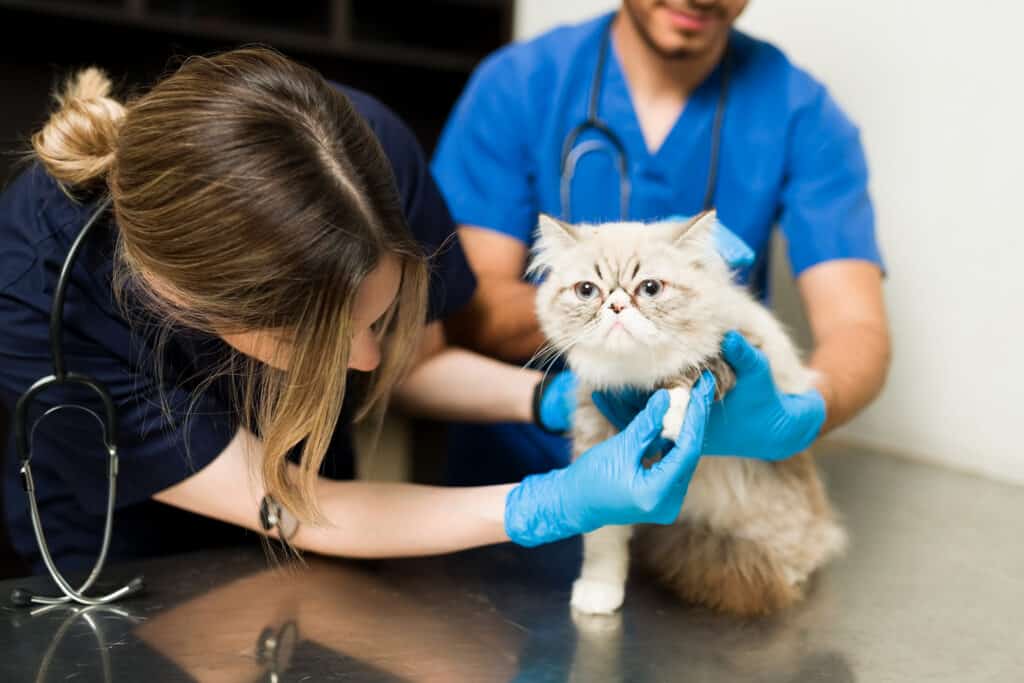
Only veterinarians should decide if it’s safe to use prednisolone for your cat.
©Beach Creatives/Shutterstock.com
The typical prednisolone dose for cats is between 0.1 mg and 3 mg per pound depending on the condition requiring treatment. Usually, the dose is given every 12 hours for 3–7 days, then every 24 hours for 3–7 days, then every other day for 3–7 doses. Prednisolone comes in injectable, liquid, and tablet forms. It can also be compounded into dosage forms and strengths not commercially available. Long-term prednisolone dosing in cats is most often given at the minimum effective dose (MED). MED is the lowest amount of medication a patient can take while still achieving the desired results.
| Cat’s Weight in Pounds | Prednisolone Dosage |
|---|---|
| 0-5 | 0.25-10 mg per dose initially |
| 6-10 | 1.5-20 mg per dose initially |
| 11-20 | 3-40 mg per dose initially |
| Over 20 | consult your vet |
Why Is a Tapering Dose Important?
The tapering dose of prednisolone we discussed earlier is very important in cats. That’s because prednisone is a glucocorticoid hormone which is something the cat’s body already produces in small amounts on its own in the adrenal gland. The body becomes used to the increased levels of this hormone. When the medication is stopped abruptly, the adrenal glands may not be able to produce enough natural glucocorticoids right away, which can lead to hypoadrenocorticism, or Addisonian crisis, which is potentially life-threatening. By slowly reducing the elevated hormone levels, the body is weaned off gradually and the adrenal glands have time to compensate.