

Quick Take
- Your cat isn't just hungry. A specific biological quirk makes them experience time in a way that might make you rethink how long you leave them alone. How cats perceive time →
- Cats don't use clocks, but they're tracking something in your home right now to measure exactly how long you've been gone. What cats track at home →
- Most cat owners feed their pets the wrong number of times a day, a mistake that quietly affects more than just hunger. How often cats need feeding →
- A cat's long-term memory can outlast what most owners assume, and what it chooses to hold onto reveals a lot about your relationship. What cats remember long-term →
Cats often wake their owners in the morning wanting breakfast, and are always underfoot again around dinnertime. Most cats thrive on routine, but do cats have a sense of time? While we don’t have many concrete studies on the subject, we do know that cats can feel time passing. It is unlikely that they think about the past or future in the same way we humans do, but we know they have short and long-term memory. They can remember people and animals, where their food bowl and litter box are located, and more. Discover all we currently know about how cats sense time.
Can Cats Tell Time?
Cats have a sense of time, but they do not recognize the passage of time the way we do. Cats do not need a clock or calendar to know what time or season it is. They don’t need to know the days of the week. However, they know when they’ve been left alone for a long time, and they know when dinnertime is.
Like most animals, they judge time based on their internal biological clocks and environmental cues. Because cats are crepuscular, meaning they are most active at dawn and dusk, their sleep and activity cycles are regulated by hormonal and light changes. In addition to lighting, changes in temperature and sounds also help cats synchronize their behavior with what is occurring in the environment.
Cats also use their routines as markers. For instance, if you play with your cat before dinner, they’ll know to expect dinner after playtime. Cats also learn that their humans leave for work in the morning and return home in the evening.
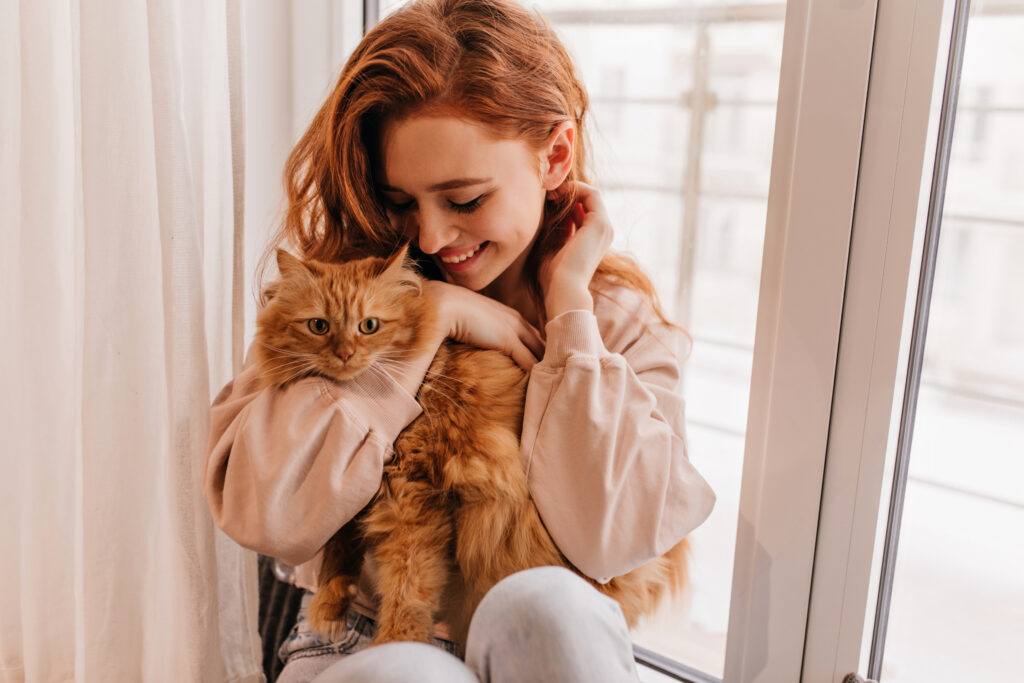
Cats have a sense of time, which is how they know when it’s time to eat, play, or greet you as you return home from work.
©Look Studio/Shutterstock.com
How Important Is a Cat’s Routine?
Sticking to a routine with your cat is incredibly important. Though not all of us have consistent work or sleep schedules, keeping your cat’s routine as similar as possible will help them to thrive in your home. If possible, also stick to a routine when it comes to errands. Cats tend to do better left alone when they can predict the time you’ll be home. After all, can you imagine not knowing when your next meal was coming?
Cat routines should consist of regular playtimes and mealtimes. Cats should have 2-3 play sessions a day, each lasting 10-15 minutes. This provides exercise and mental enrichment. The best time to play with your cat is before a meal so that they can mimic hunting their prey (i.e., toys) and then eat right after. It’s also good to play with them before you leave home or before bedtime to get that energy out.
Cats should eat two or more small meals daily rather than one large meal, as their stomachs are small, and big meals can increase their risk of health issues like vomiting after meals and digestive discomfort. Cats fed more frequently also tend to drink more water, which can cut down on kidney and urinary tract issues.
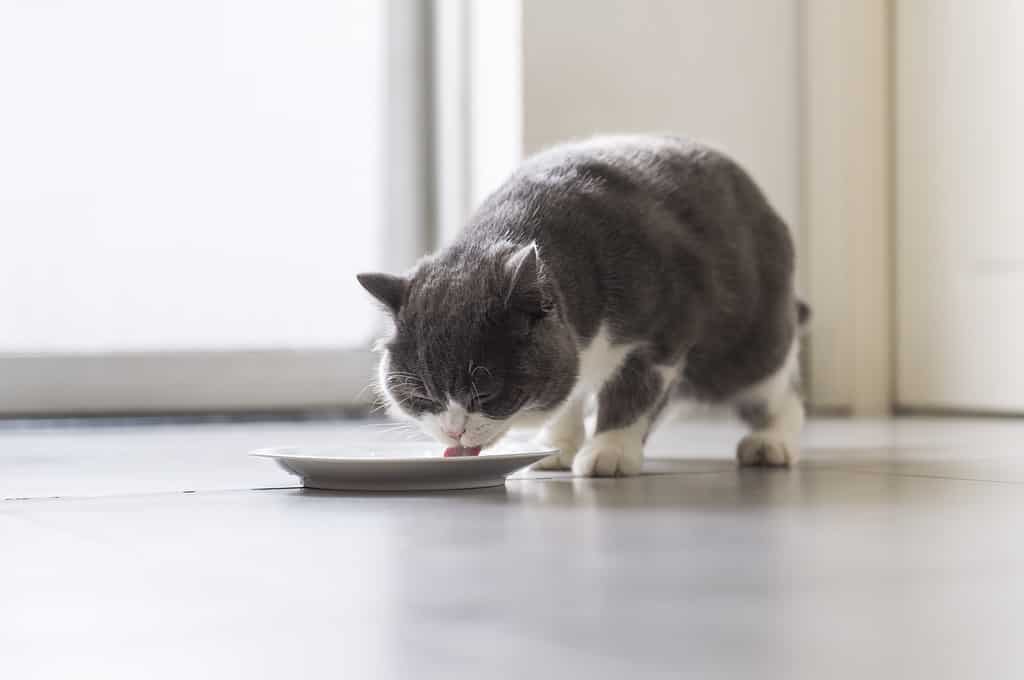
Cat routines should consist of regular playtimes and mealtimes.
©chendongshan/iStock via Getty Images
Do Cats Know How Long You’ve Been Gone?
Cats might not know how many hours you leave them for, but they do know when you’re away. One way they can gauge how long you’ve been gone is by the strength of your scent in the home. When their humans are gone, cats can get lonely, bored, and anxious.
There is also a study that shows that smaller animals with higher metabolisms may process time more slowly. This means that cats perceive time differently than people. This can make being alone harder on them, since time feels longer to them than it does to us.
Some cats have separation anxiety and really struggle being left alone at all. Most cats do okay alone for short periods, but they shouldn’t regularly be left for more than twelve hours at a time — and never for more than 24 hours without someone checking in.
People like to think of cats as independent animals, but they’re a domesticated species. They depend on humans for everything, and we owe them proper care. If you’re going away on a trip, you’ll need a pet sitter to drop in at least twice daily. For longer stays, consider having someone stay in your home to spend ample time with them.
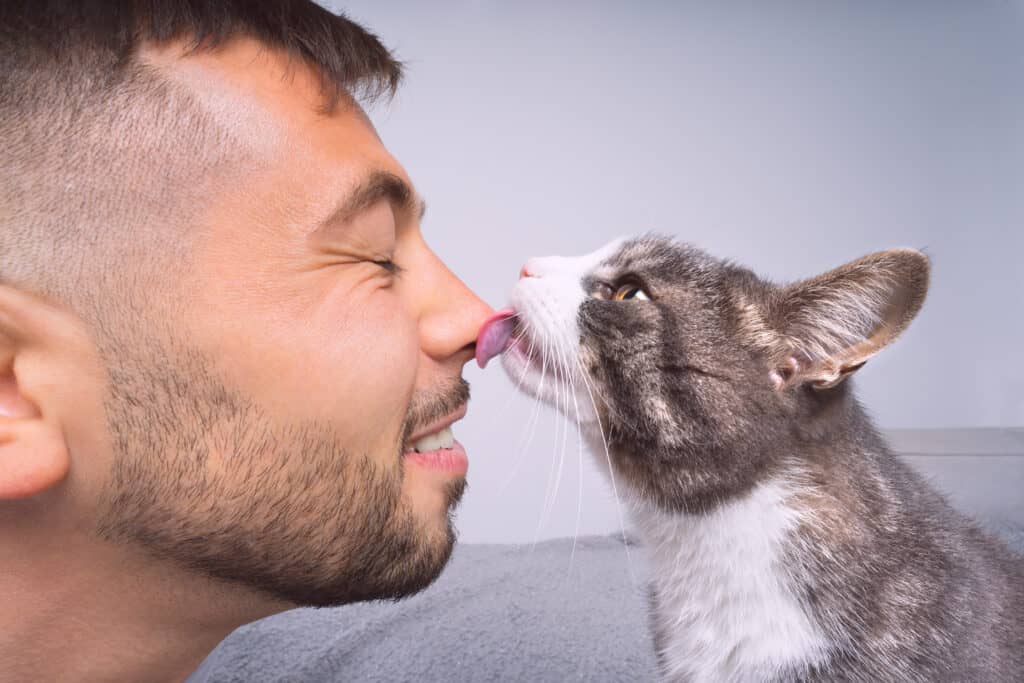
Cats develop relationships with their humans and do miss us when we’re away.
©iStock.com/Daria Kulkova
Short-Term and Long-Term Memory in Cats
Cats have a short-term memory that researchers believe lasts for about sixteen hours. This is evidenced by their remembering things like the location of their food bowl, the best lounging spots, and the safest hiding places. They can also remember events so they can avoid certain situations.
Cats also have long-term memory that can last up to three years, or possibly even longer. They remember tricks they’ve been taught, people or animals they met previously, and even one-time events that happened years ago. Like humans, their recall fades as they get older. However, cats absolutely remember their owners, as memory is especially strong if it is tied to safety, comfort, or other strong emotions.