
Quick Take
- Even with eight eyes, a tarantula still can't see your face across the room, so how does it know you're there? See how tarantula eyes work →
- Tarantulas hunt in total darkness without ears, eyes, or echolocation, and they almost never miss. Discover how they hunt blind →
- The silk a tarantula lays around its burrow does something most people never expect silk to do. Explore silk as a sensor →
- A tarantula can tell a mate from a meal without seeing, smelling, or hearing either one, and the method it uses is stranger than it sounds. Find out how they tell apart signals →
Having eight eyes sounds like it should give tarantulas incredible vision, but it doesn’t. Extra eyes don’t equal better sight, and for tarantulas, eyesight is actually just a tiny part of how they experience the world around them.
Continue reading
Simple Eyes for a Dark World
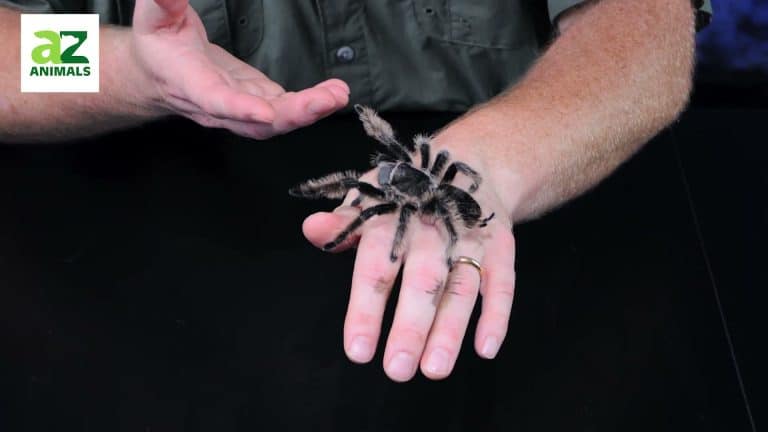
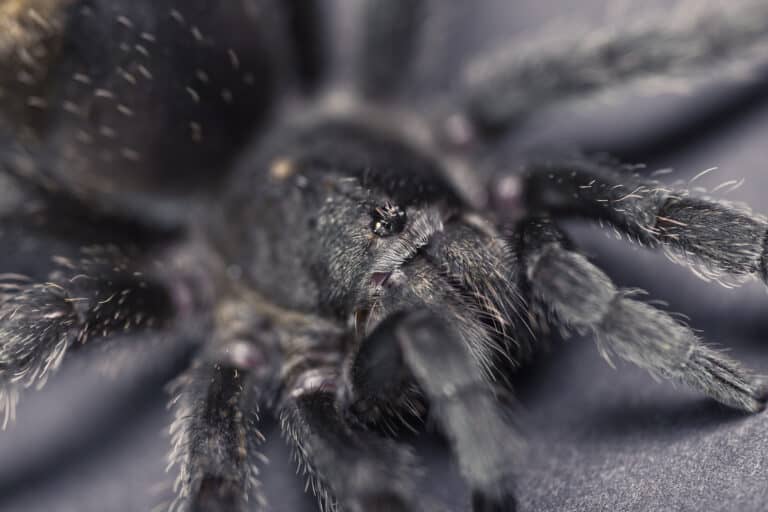
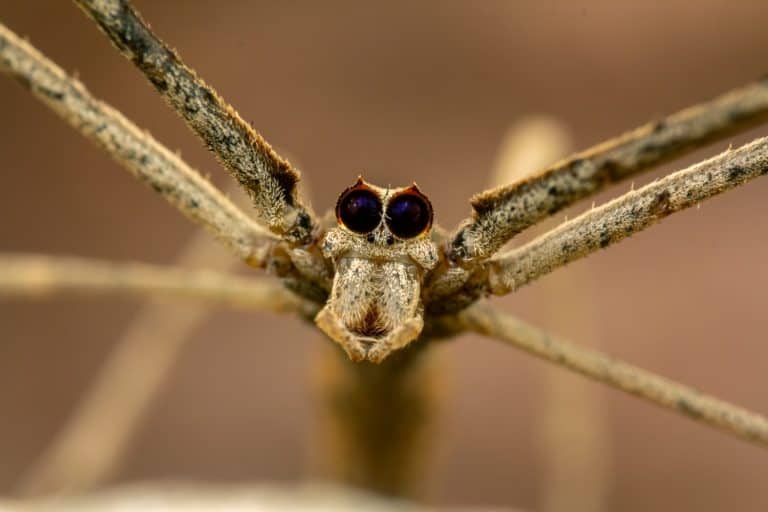
A tarantula’s eyes sit clustered together on a small bump near the front of its head. Each eye is quite simple, containing just a single lens. Unlike a fly‘s complex multi-faceted eyes or a jumping spider‘s large, high-definition main eyes, a tarantula’s eyes are fairly basic. They can spot changes in light, notice general movement, and detect certain ultraviolet rays, but they cannot form sharp, clear pictures. A pet tarantula won’t recognize your face across a room, and it can’t visually track a fly the way a jumping spider does.
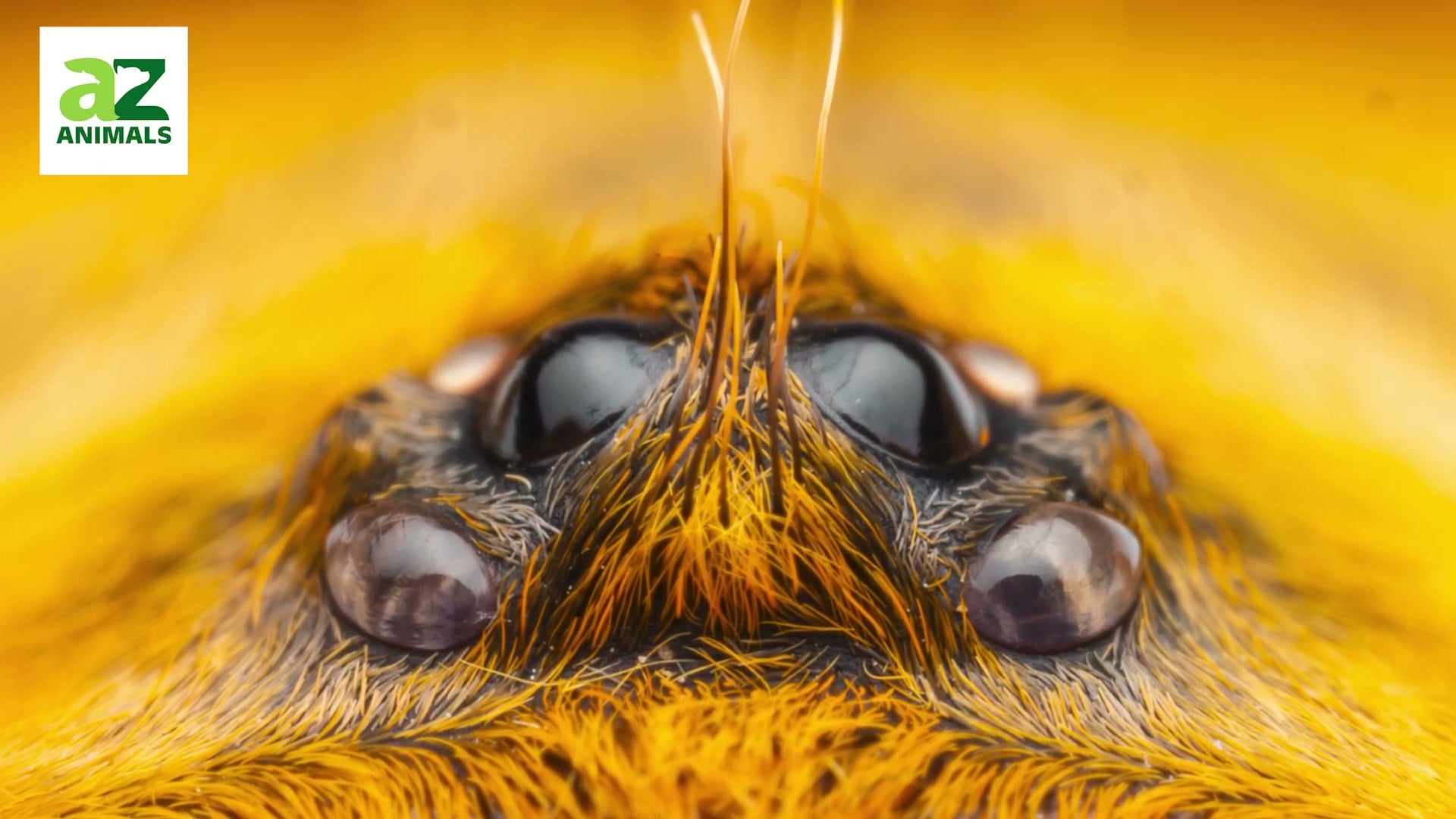
Tarantulas don’t need to see the world around them. They can feel it moving.
©A-Z-Animals via YouTube — used under fair use – Original / License
That limited vision makes complete sense when you look at how tarantulas live. Land-dwelling species spend most of their lives tucked inside underground burrows, and females of long-lived species can stay in the exact same burrow for years or even decades. During the day, the burrow shields them from heat, drying out, and predators. After the sun goes down, they sit at the entrance and wait to ambush passing prey. Deep inside a dark tunnel, eyesight isn’t very useful—feeling vibrations is.
Sensing the Ground and Air
A tarantula’s legs are covered in tiny, pressure-sensitive sensors that pick up stress in their hard outer shell caused by ground movement. When a cricket walks nearby, every footfall sends a tiny ripple through the soil. Because several of the spider’s legs rest on the ground at once, it compares the strength and timing of those signals across its feet to estimate both the distance and direction of the insect. It works much like an array of surrounding microphones pinpointing a sound.
Air currents are handled by a completely different system. Extremely fine, long hairs sit in flexible sockets along the spider’s legs and front feelers. These hairs are remarkably sensitive, reacting to air movements far smaller than what a human eardrum can pick up. The beat of an insect’s wings or the subtle air shift around a crawling cricket is enough to bend these hairs and trigger sensory nerve signals. Tarantulas don’t hear the way backboned animals do, since they lack ears or eardrums, but these fine hairs give them a full-body equivalent of hearing.
Silk as a Sensory Network
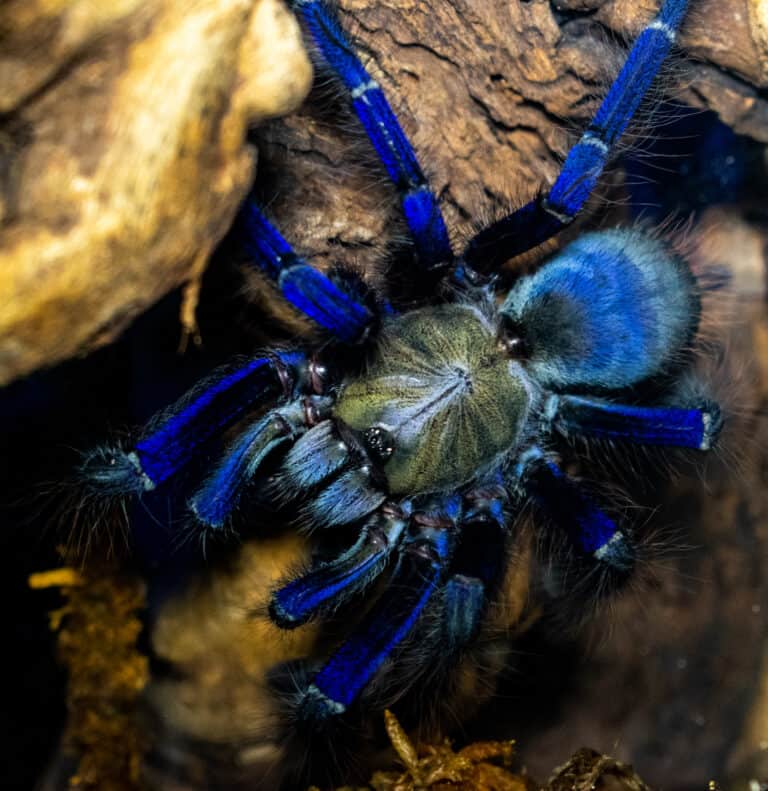
Silk extends that sensing ability even further outward. Tarantulas don’t spin classic webs in the air to catch prey. Instead, they lay down silk mats around burrow entrances, line their tunnel walls, and—in the case of tree-dwelling species—build tube-like shelters among branches and tree hollows. This silk acts like a signal wire, carrying the movements of nearby animals directly back to the spider’s legs resting on the ground. Prey doesn’t even need to go inside the burrow—just brushing against a single strand of silk is enough to send the tarantula rushing out.
Chemical clues travel along that same silk. Tarantulas have taste and smell sensors on their legs and feelers, which is why they frequently tap and probe surfaces as they walk. Adult males use these sensors to detect chemical scent signals left on a female’s silk during mating season. Once a male finds a female’s hideout, he taps and drums at the entrance. The female feels these rhythmic thumps through her silk and the ground, and she may respond with vibrations of her own. This back-and-forth tapping helps her tell the difference between a courting male, a potential meal, or a threat.

Tarantulas use light to determine when it’s safe to emerge from their burrows.
©A-Z-Animals via YouTube — used under fair use – Original / License
Putting the Clues Together
Telling these different signals apart is vital. A small insect walking across the silk makes one pattern of movement. A large animal passing by makes another. A male’s mating drumbeat has its own distinct rhythm and pace. Tarantulas combine the strength, direction, and timing of these vibrations with scent and air-current clues to decide whether to pounce, hide, or respond.
In the end, vision still serves a purpose. Noticing changes in light helps a tarantula spot shadows moving overhead, which could mean a predator is near. Daily shifts in brightness also help them know when it is time to come out of the burrow. The eyes simply report that something changed—while the rest of the body figures out what that change actually means.
Find more fascinating content at Tarantula Collective’s YouTube page here.