Quick Take
- Tall grass near a runway isn't just an eyesore. It sets off a chain reaction that puts aircraft in serious danger. Explore the safety risks →
- A single grazing species would actually make O'Hare's vegetation problem worse, and the reason comes down to why a mix of animals matters. See why the mix matters →
- Jackson the donkey isn't just at O'Hare to eat weeds. He has a second job on the airfield that no machine can replicate. Meet Jackson's second role →
- Goats have a biological quirk that makes them uniquely suited for fighting invasive plants, and this quirk has nothing to do with what they eat. Discover goats' unique trait →
Just how integral are animals to airport operations? Some species are more common than you may think, especially at terminals with difficult terrain.
Since 2013, Chicago’s O’Hare International Airport has employed an unusual class of seasonal workers each and every summer: over the years, the grazing herd has included a mix of goats, sheep, llamas, alpacas, burros, and a donkey named Jackson.
Their job? Vegetation management. These grazers are responsible for clearing terrain along O’Hare’s runways that conventional landscaping equipment can’t safely reach. It is the first program of its kind at a U.S. airport, and more than a decade in, the Chicago Department of Aviation continues to employ this herd every year.
What is the unique program O’Hare has developed—an extremely unusual approach for a major international airport? Here’s how goats, donkeys, sheep, and other grazing animals help keep this bustling terminal safe and secure for all its flights.
Continue reading
The Unique Problems of Chicago’s O’Hare International Airport
O’Hare sits on roughly 7,600 acres, and most of it can be maintained with conventional mowing equipment on a regular schedule. However, the land along Willow-Higgins Creek is the exception. The embankments are steep, the terrain is rocky, and the vegetation is a mixture of dense, woody scrub, tall grasses, and invasive species that grow back aggressively each season.
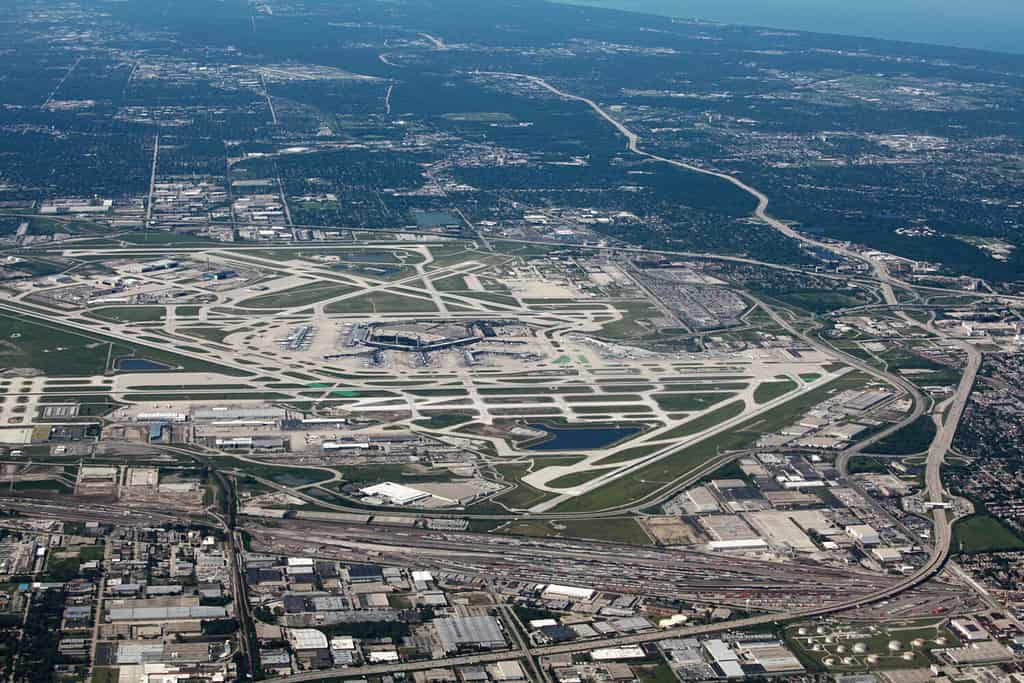
Chicago’s O’Hare International Airport faces many issues when it comes to terrain and wildlife management.
©Thomas Barrat/Shutterstock.com
Sending a tractor into those areas risks equipment damage, as well as larger concerns like soil erosion. Plus, spraying herbicides raises regulatory and environmental concerns, particularly since O’Hare is near a suburban waterway. So, what solution did this airport whip up? The CDA tested a targeted grazing program in 2013, and it expanded into an annual affair after proving effective.
“The approach of using a grazing herd has been more efficient in removing vegetation along steep embankments, and rocky and wooded areas,” a CDA representative told HowStuffWorks. “We use them on hilly areas in the airport where the property is really difficult to maintain with traditional mowing equipment,” said CDA Commissioner Jamie Rhee. “This is the perfect place for these animals to set up shop and do what they do best: eat weeds.”
The herd typically consists of about 30 animals that graze on sites outside the airfield security fence. A shepherd supervises the animals and stays on airport property during the week, with the herd returning to a transport trailer each night. But which animals make up this herd, and why were these species chosen?
The Grazing Species Chosen for O’Hare’s Program
Different grazing animals target different types of vegetation. A mixed herd achieves more comprehensive vegetation control than any single species could, and these are the animals involved.
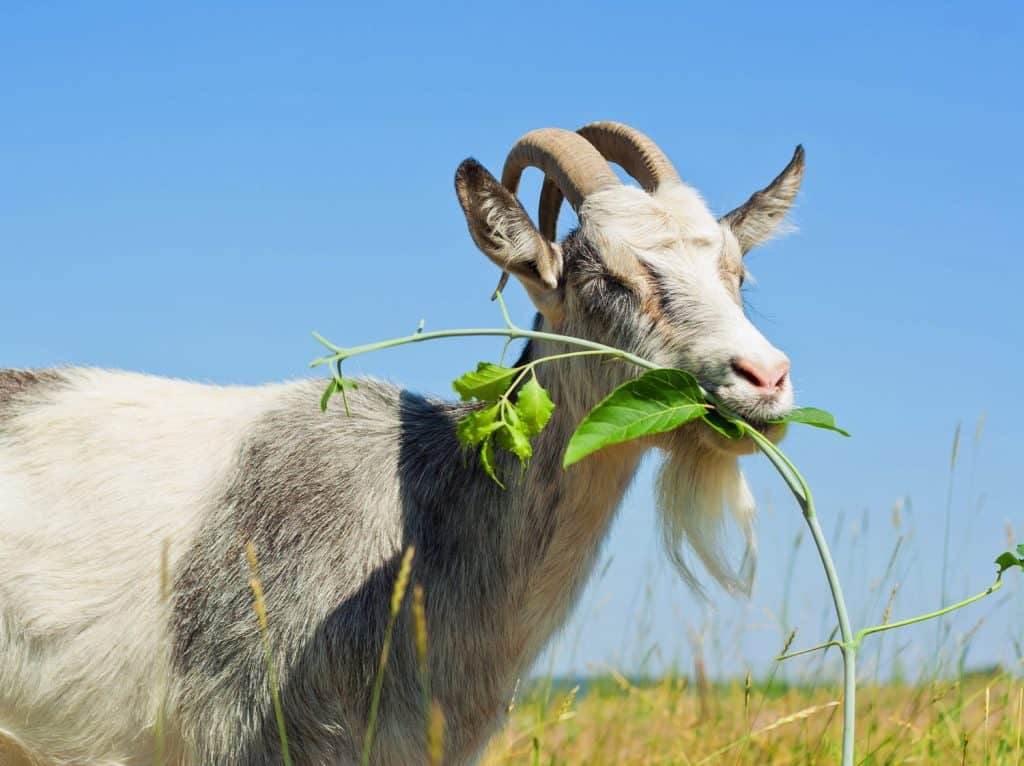
Given that they are indiscriminate eaters, goats are invaluable to any grazing herd.
©Lenar Musin/Shutterstock.com
Goats are the primary workhorses, which makes sense given their tendency to eat almost anything. Unlike sheep and cattle, which prefer to graze only on grasses, goats are browsers; they will eat shrubs, thorny invasive species, and thick-brushed areas that larger grazers avoid.
Goats consume poison ivy and poison oak without issues, and they can climb and stand on terrain that humans can’t. Their digestive systems are also effective enough to destroy many ingested seeds before passing, meaning invasive plants eaten by a goat pose a low risk of redistribution, though this is not guaranteed for all plant species.
Besides the invaluable goats hired by O’Hare, sheep do some of the heavy lifting; they cover shorter grasses and low ground-level growth that goats tend to bypass. Llamas and alpacas, which have appeared in past O’Hare seasons, add coverage for any vegetation that’s too tall for sheep and goats.
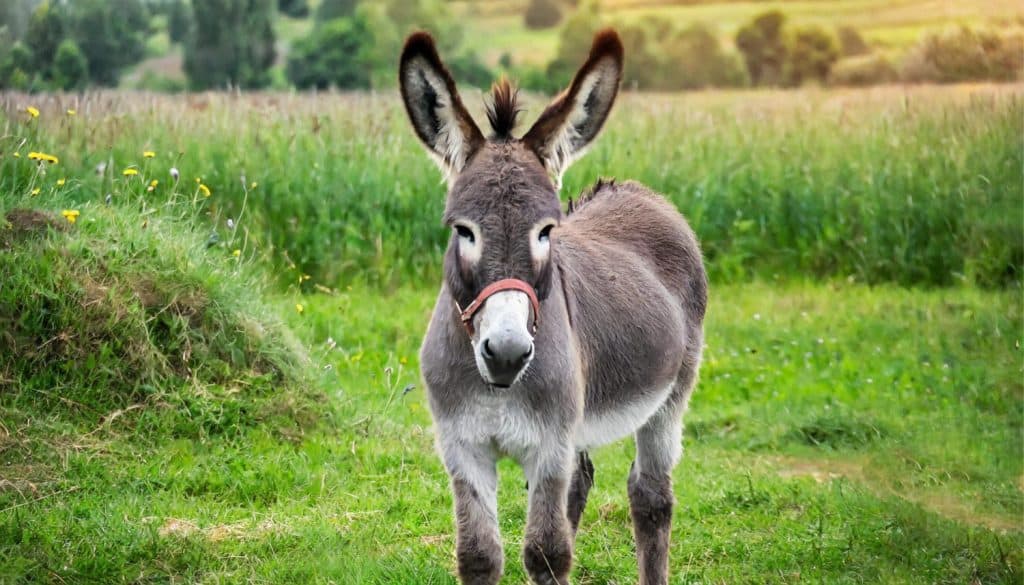
O’Hare has a donkey on its grazing team, primarily used to scare away predators from the rest of the herd.
©Capture Wave Media/Shutterstock.com
Finally, Jackson the donkey is the largest animal in the herd by a significant margin. He is an important grazer, but he also has another vital job: a bell around his neck helps deter coyotes from approaching the herd after dark.
How Grazing Animals Contribute to Airport Safety
Vegetation management at an airport may not seem vital, but neglecting it can be detrimental to certain terminals. Tall grasses and dense scrub near runways and airfield perimeters create habitats for the very species airports most want to discourage: rodents, raptors, deer, geese, and waterfowl all pose serious threats. All of these are recognized wildlife strike hazards under FAA Wildlife Hazard Management guidelines, which is why preventing them becomes crucial.
According to the CDA, the grazing program directly reduces habitat for wildlife that poses safety hazards to airport operations. Willow-Higgins Creek already attracts plenty of these other animals given its dense habitat, which is why making the area less hospitable to birds and animals is a must. Cleared terrain is also easier for airport wildlife staff to survey, allowing them to identify and disperse problem animals before they become a greater issue or encroach on runways.
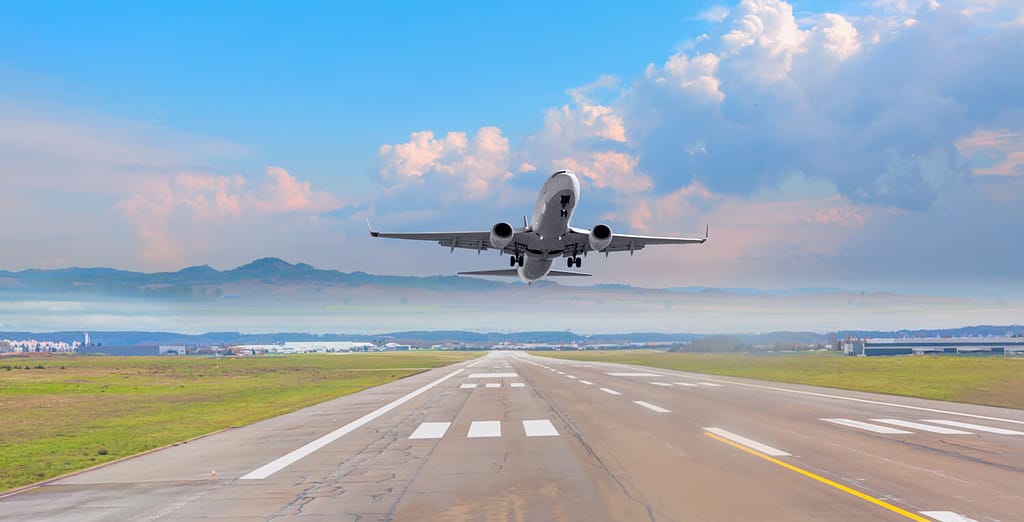
Keeping runways clear of wildlife is a must for any airport, and O’Hare uses their grazing team to limit habitats.
©muratart/Shutterstock.com
“We are proud to continue with a focus on sustainable practices at O’Hare by hosting the grazing herd,” said Commissioner Rhee in a statement accompanying the program’s fifth annual deployment. “Through this program and in partnership with the USDA, we are committed to embracing environmentally-friendly alternatives to ensure our airports have a positive impact on the surrounding ecosystem.”
The USDA’s Wildlife Services program is an active partner in O’Hare’s program, conducting research studies on the grazing herd’s effectiveness and documenting changes in wildlife activity at the treated sites. All of this data helps the CDA refine the program year after year, as well as identify if a program like this could benefit other airports.
The Sustainability of a Grazing Herd
The environmental benefits of O’Hare’s grazing program are almost as impressive as their safety benefits. Gasoline and diesel-powered mowing equipment produce harmful emissions and pollution, while goats and donkeys, obviously, don’t.
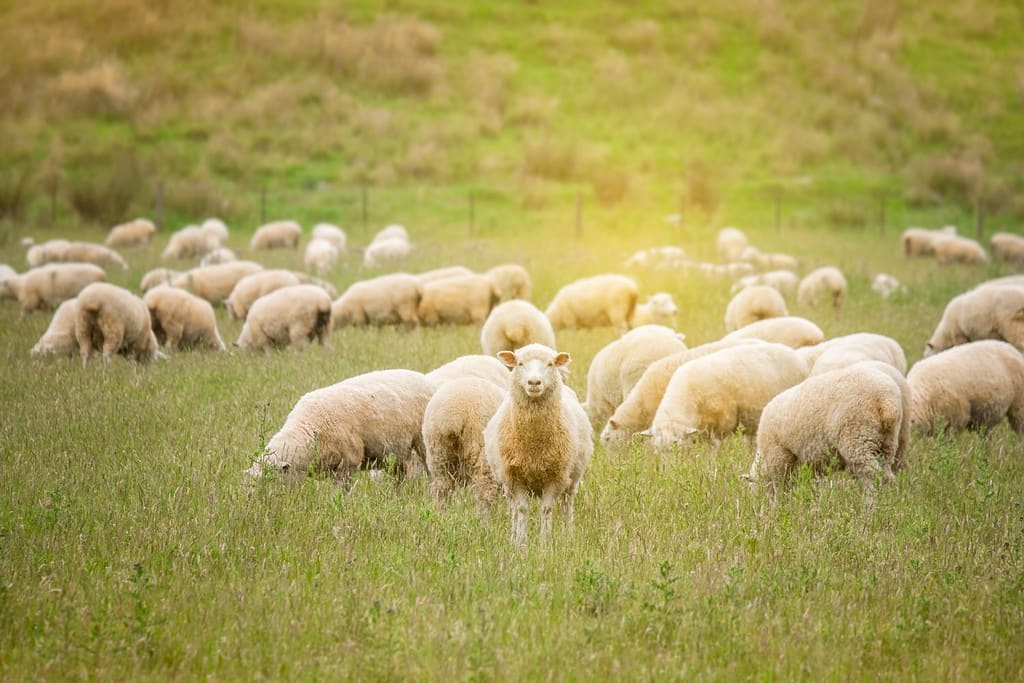
Grazing herds are much more environmentally sustainable compared to conventional machinery.
©Klanarong Chitmung/Shutterstock.com
The program also provides a range of environmental benefits compared to traditional methods: it reduces herbicide use, eliminates landscaping waste sent to landfills, decreases soil erosion from heavy equipment, and minimizes runoff concerns near the Willow-Higgins Creek waterways.
“For six summers, this program has provided sustenance to dozens of furry friends, as well as an environmentally-friendly alternative to keep areas around the airfield safe and properly maintained,” said Commissioner Rhee in 2019. “It’s all part of our commitment to ensure our airports have a positive impact on their surrounding ecosystems as O’Hare grows in the years ahead.”
The cost of this grazing program also works in the airport’s favor. A conventional vegetation management contract for difficult terrain involves many ongoing and recurring costs. A targeted grazing program requires paying for a shepherd, the animals themselves, and monitoring. The upfront cost to establish a herd might be high, but once in place, the herd works without the need for fuel, chemicals, machinery, or a paycheck.
The Future of Grazing Programs and Aviation
What began as a two-year test program has now run for more than a decade at O’Hare. The program continues to attract considerable media attention each summer, as the CDA has periodically invited press to observe the animals at work. Jackson in particular has become beloved, photographed alongside commissioners and watched by airport staff who regard the herd’s annual arrival as a telltale sign of summer in Chicago.
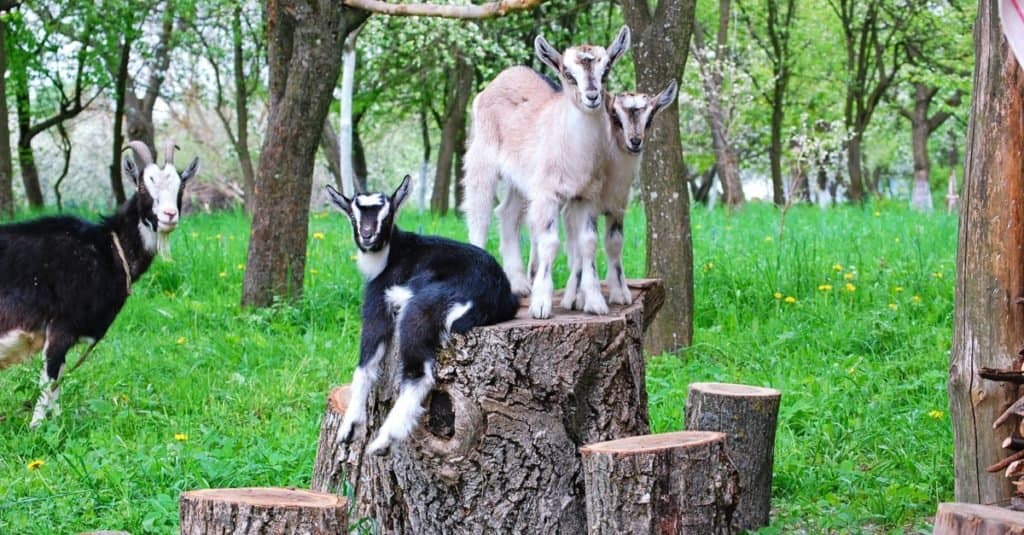
O’Hare’s grazing team has persisted for a decade, and it doesn’t appear to be going anywhere soon.
©weha/Shutterstock.com
It’s also interesting to note that O’Hare is not alone in exploring a grazing approach. San Francisco International Airport and other U.S. airports have used grazing animals for similar purposes at various times, and the broader practice of institutional grazing on other public lands has expanded significantly in recent years.
O’Hare’s grazing program remains notable because it is the first formally documented and continuously operated initiative at a U.S. airport. Plus, the USDA continues to use it as an active research platform for understanding how targeted grazing can serve as a practical, measurable tool in airport wildlife hazard management. Jackson and the rest of O’Hare’s herd don’t realize how vital they are, but now you know their importance in airport management!