
Quick Take
- The physical trait that makes Himalayans instantly recognizable is also the source of their most serious health risks, which are easily missed. See the breed's health risks →
- Most owners think outdoor access is a gift to their cat, but for Himalayans it may be the single biggest threat to a long life. Understand the outdoor dangers →
- There's a four-month window in your Himalayan kitten's life that most owners don't know exists. Missing it has consequences that can't be undone. Learn about the critical window →
- Structured daily play does something for your Himalayan's lifespan that no supplement or special diet can replicate, and the timing of it matters. See the daily play advice →
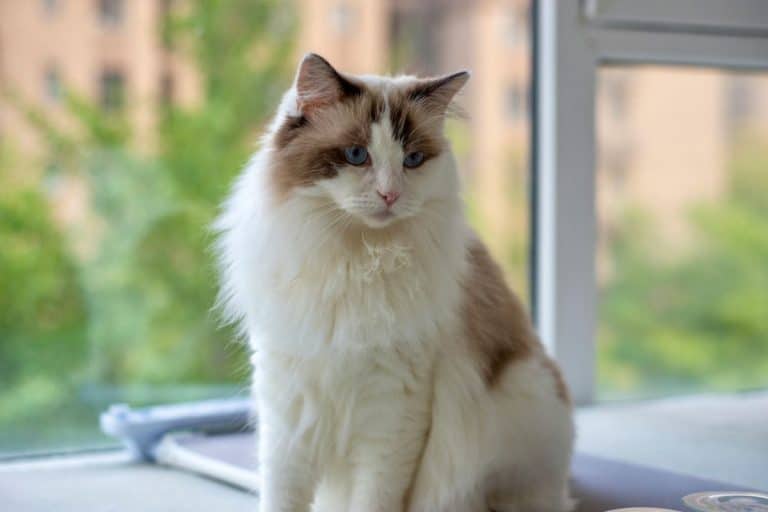
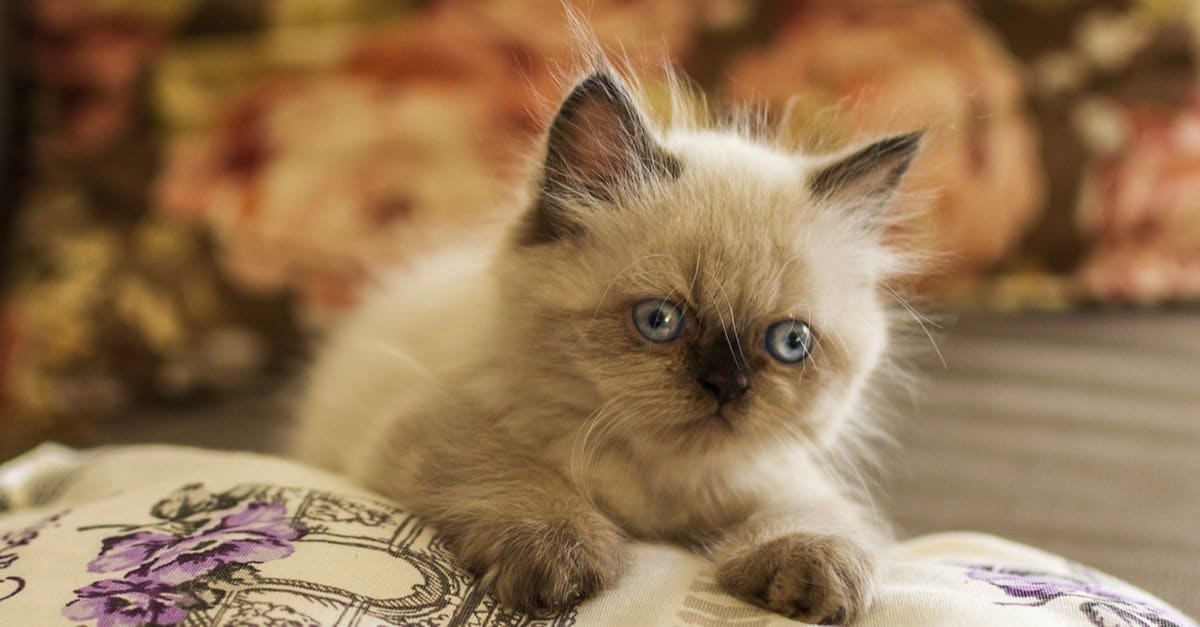
Himalayan cats were originally a crossbreed between Persians and Siamese cats, with breeding experiments beginning in the 1930s and the breed gaining formal recognition in the mid-1950s. They have calm temperaments, long fur, and shorter snouts. In this article, we’ll discuss how long Himalayan cats live on average, what their life cycle looks like, and how to keep your Himalayan alive and healthy for as long as possible.
How Long Do Himalayan Cats Live?
Himalayan cats typically live around 9-15 years. They have similar lifespans to other domestic cat species. However, Himalayans may suffer from more health issues throughout their lifetimes due to their shorter snouts. They can have difficulties breathing and other related health problems.
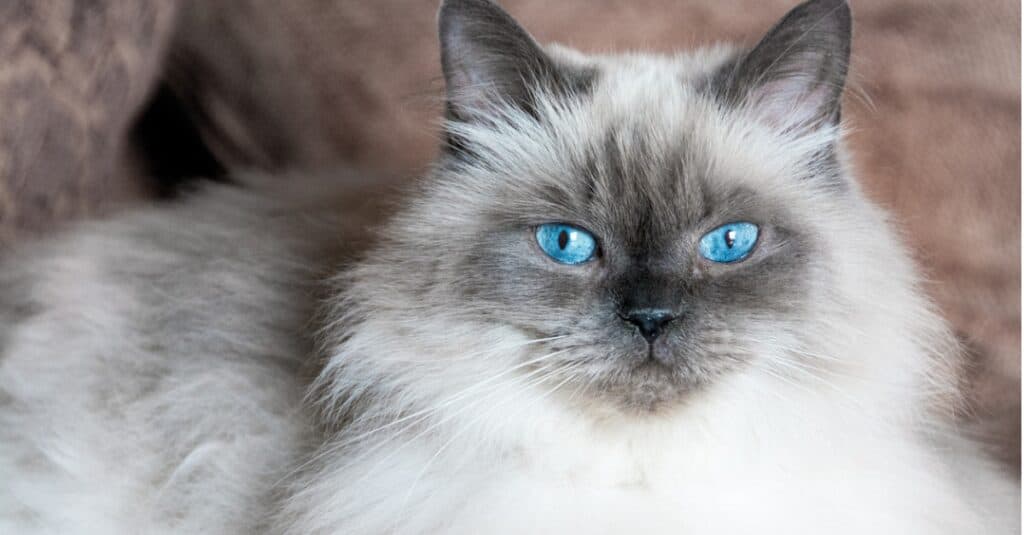
On average, Himalayan cats live 9-15 years.
©iStock.com/Louis-Michel DESERT
The Average Himalayan Cat’s Life Cycle
Take an in-depth look at each of the periods in a typical Himalayan cat’s life, from newborn to senior.
Newborn to Eight Weeks
Himalayan kittens are born completely dependent on their mothers, or human foster carers if they’ve been orphaned. They cannot even use the litter box on their own yet. Their eyes and ears are closed, so they have little sensory input. However, they can cry and purr. By the time they’re a week old, Himalayans will have their ears begin to unfold, and their eyes will open closer to two weeks old. They still won’t have great senses of hearing or sight, but they will be able to move around a bit.
Week three is a significant milestone: Himalayan kittens can begin using the litterbox and eating wet kitten food. They’re not yet weaned and still don’t venture far from their mother. They’re not yet weaned and still don’t venture far from their mother, but they will begin to learn how to play. Their senses of sight, hearing, and smell continue to develop.
The fourth week begins a crucial socialization period in Himalayan cats’ lives. They should be learning to interact with other cats and humans. The fourth week begins a crucial socialization period in Himalayan cats’ lives. This is also when Himalayan kittens will start weaning, a process that will be complete by the time they’re eight to ten weeks of age.

Himalayan kittens do not leave their mothers until they’re at least eight weeks old.
©iStock.com/Zareen Johnson
Kittenhood
Most people don’t meet their Himalayan cat until they’re at least eight weeks old. By around this age, most kittens’ eyes have begun changing from blue to their true color, a process that is usually complete by three to four months. However, you won’t see this in Himalayans, since their eyes are always blue! From two months onward, kittens still have a lot to learn. It’s important that they have other cats to interact with, as cats are social animals who prefer the company of others.
Of course, it’s also vital to socialize kittens with humans during this stage of their lives. They should learn how to play nicely with toys, not with hands or feet. Teach them life skills such as accepting grooming, teeth brushing, nail trims, and more.
Himalayan cats aren’t considered adults until they’re one year old, but they reach sexual maturity much sooner. Female cats can mate as young as four months old, while males typically reach sexual maturity at around seven to nine months, though it isn’t healthy for them to have kittens this young. Himalayan kittens should be spayed or neutered before four months of age, especially if living with other unneutered cats of the opposite sex.
Adulthood
At one year of age, most Himalayan cats will still be full of kitten energy. This will likely last until at least six years of age, and potentially longer. Most cats’ energy levels taper off gradually throughout adulthood. Of course, Himalayans are known for their calm, laid-back personalities. You’ll likely get just as much snuggle time as playtime out of them, but they still need exercise just like any cat.
You’ll also want to pay extra attention to your cat’s weight at this age. Many will become overweight, especially after being spayed or neutered. Talk to your veterinarian about which cat food to feed your Himalayan and in what amounts.
Senior Years
There are varying opinions on what age a cat becomes a senior, with starting points varying from seven to 11 years. Senior Himalayan cats will likely move more slowly than they did in their younger years. They may lose weight or develop health problems such as arthritis.
It’s especially important to stay on top of your senior Himalayan’s health. They should see a veterinarian every six months for a checkup, or more often if you notice signs of illness. Don’t spend your cat’s senior years fretting, though. Enjoy this time together, as senior cats still have plenty of love left to give.
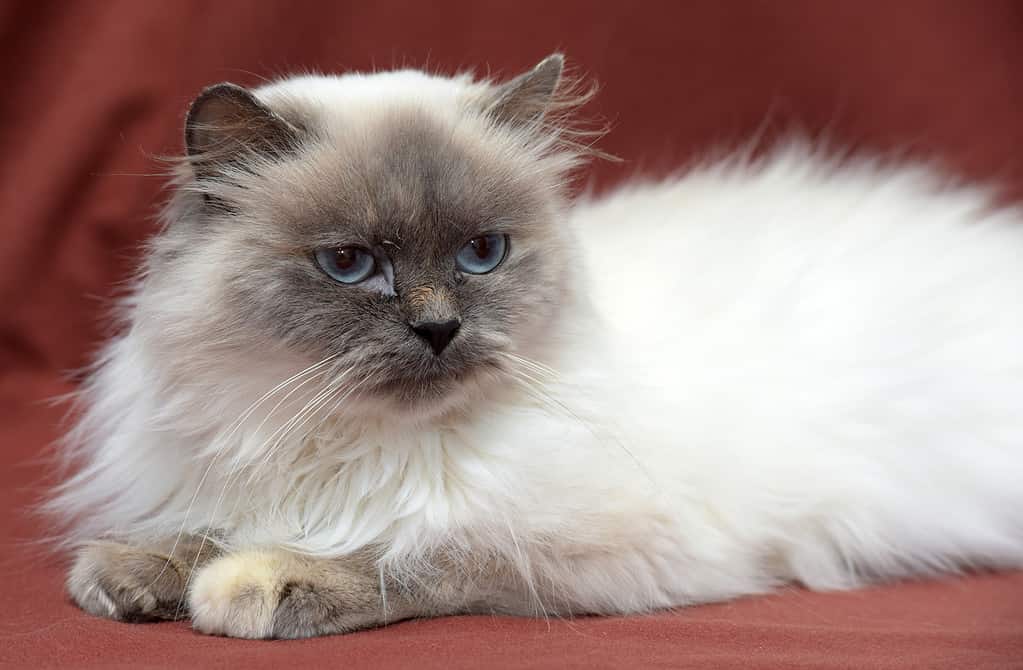
Senior cats may move more slowly, but they still have plenty of love left to give.
©Anna Krivitskaya/Shutterstock.com
Factors That Can Lessen a Himalayan Cat’s Lifespan
Take a closer look at some of the factors that can lessen a Himalayan cat’s lifespan. These include poor genetics, health conditions, and their environment.
Poor Genetics
Genetics is one of the biggest factors dictating how long any animal lives. With rescues, we don’t have control over this factor, but if you’re purchasing from a breeder, it’s crucial to do so responsibly. Reputable breeders should complete all recommended health testing to ensure that an animal’s bloodline isn’t passing down genetic conditions. Many of the Himalayan’s primary health issues stem from irresponsible breeding practices.
Health Conditions
Health problems Himalayan cats are prone to include:
- Brachycephalic syndrome
- Eye issues
- Dental disease
- Polycystic kidney disease
- Heart disease
- Feline hyperesthesia syndrome
They can suffer from brachycephalic syndrome, which is a collection of symptoms that occur due to their shortened snouts. You may notice your Himalayan cat has trouble breathing, especially after exercise or in the heat. Other symptoms include exercise intolerance, dental problems, increased risk of heat stroke, collapsed trachea, and more.
Their large eyes can also cause issues in this breed. As noted above, these cats were originally a cross between Persian and Siamese cats, and Siamese are also predisposed to eye problems. Himalayans are also prone to polycystic kidney disease, which is when cysts form on a cat’s kidneys, sometimes leading to kidney failure.
The breed may suffer from heart disease, either at birth or later in life. Feline hyperesthesia syndrome can also cause them to have sensitive skin, usually on the back, that can cause a cat to bite or scratch itself, cry, drool, or show other signs of discomfort.
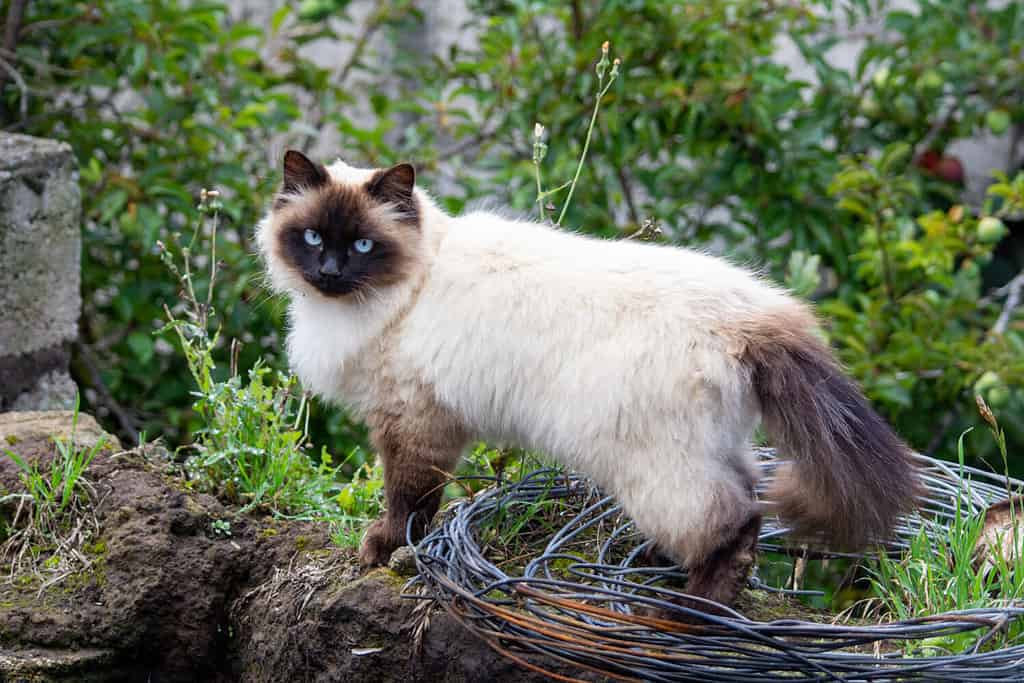
Outdoor cats generally have shorter lifespans than indoor cats.
©ecuadorplanet/Shutterstock.com
Going Outdoors
Outdoor cats generally live shorter lives than indoor cats. Outdoor cats can harm local wildlife populations, other cats, and themselves. Risks to allowing your cat outdoors include:
- Cars
- Predators
- Cat fights
- Disease
- Parasites
- Injury from falls or getting stuck in undesirable places, such as in trees
- Poisoning or other harm from humans
- Accidental poisoning (consuming toxic plants or substances)
How to Extend the Life of Your Himalayan Cat
There are also some things you can do to ensure your Himalayan cat lives as long as possible. Feeding them a quality diet, ensuring they get regular exercise, keeping them indoors, and scheduling routine vet visits can all help extend your cat’s life.
Feed Your Cat a Veterinarian-Recommended Diet
A high-quality diet will improve your Himalayan cat’s health. It’s best to go with a veterinarian-recommended diet, rather than boutique brands or marketing trends such as grain-free or raw diets. This ensures they’re eating food that’s been tested and proven to provide the nutrition your cat needs.
It’s also important to feed your cat the right amount of food. Being overweight can shorten their lifespan considerably, and being underweight also comes with health risks. Remember that treats should only make up 10% of your cat’s diet at most, with the rest consisting of their everyday cat food.
Play with Your Cat Daily
Staying in shape is as important for cats as it is for humans. Playing with your Himalayan cat for around 20–40 minutes every day will keep their minds and bodies active well into old age. This play should be broken into two sessions, ideally before mealtimes and before periods when you’d like your cat to rest, such as when you’re at work or sleeping.
Play gets cats up and moving, simulates hunting, and is very enriching for their minds. It’s vital that cats get to exhibit natural behaviors like this, but preferably without hurting actual wildlife.
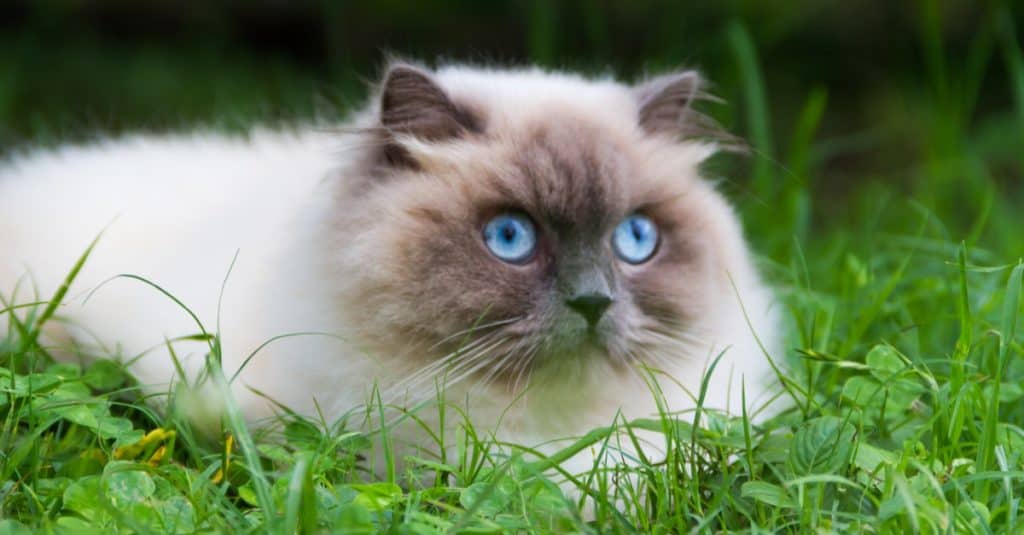
It’s best to keep your cat indoors or allow only supervised playtime in an enclosed area.
©Gabriela Bertolini/Shutterstock.com
Keep Your Himalayan Cat Indoors
Perhaps the most significant thing you can do to extend your Himalayan’s lifespan is to keep them indoors or allow only supervised outdoor time. When cared for properly, indoor cats are healthier and happier, because they don’t have to experience the stress that comes from an outdoor lifestyle.
If you want your cat to experience the outdoors safely, work on harness training them so that you can bring them out on a leash. Or, build a catio (cat patio) where they can experience nature but still be contained.
Yearly Check-Ups at the Veterinarian
Finally, bring your Himalayan cat to the veterinarian regularly. Young cats should see the vet at least once a year for a check-up, while seniors should have a wellness visit once every six months. Veterinarians notice things the average cat owner won’t, and run tests that can detect conditions nobody can spot with the naked eye.
If you notice changes in behavior or other symptoms of illness between visits, schedule an appointment to have them checked out. Remember that cats are good at hiding pain and illness, so we need to take the symptoms that do present seriously. Sometimes, the only sign will be a slight change in behavior, litter box habits, or appetite. Knowing what to look for can help you catch illnesses early and is another way to help your Himalayan live for as long as possible.