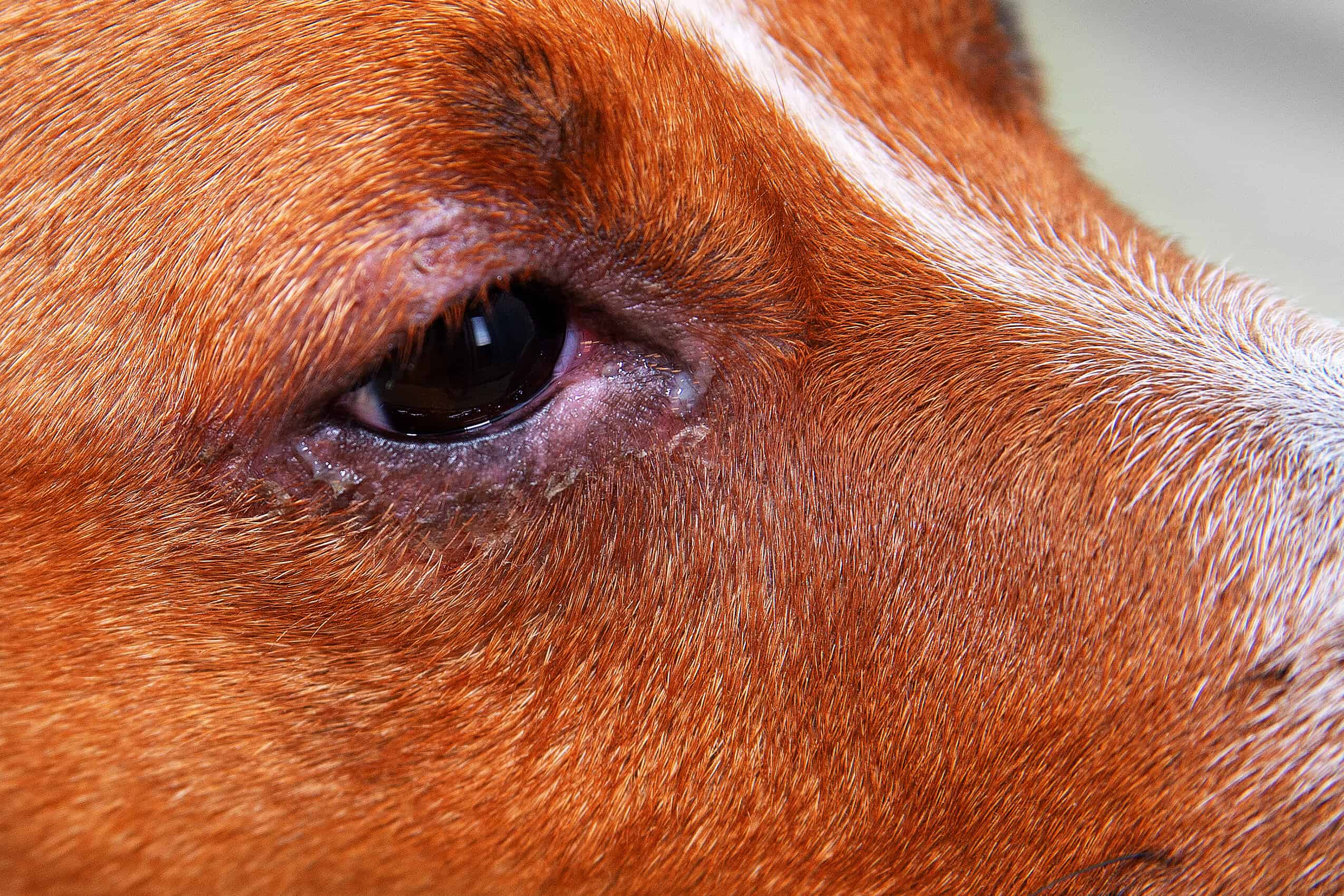

Pink eye is a common condition among humans and is usually treated with eye drops in minor cases. But pink eye is also prevalent in the veterinary world, with dogs being susceptible to this ailment as well. So if you’ve ever asked yourself the question “Can dogs get pink eye?” the answer is a resounding yes.
There are multiple causes of pink eye, otherwise known as conjunctivitis. Given that most dogs usually wander outdoors, the risk of their eyes coming into harm is high. Of course, there are other ways for your dog to get pink eye, which makes early detection somewhat challenging. We’ll go through some of the symptoms that you can watch out for in your pet and possible treatments.
How Common Is Pink Eye Among Dogs?
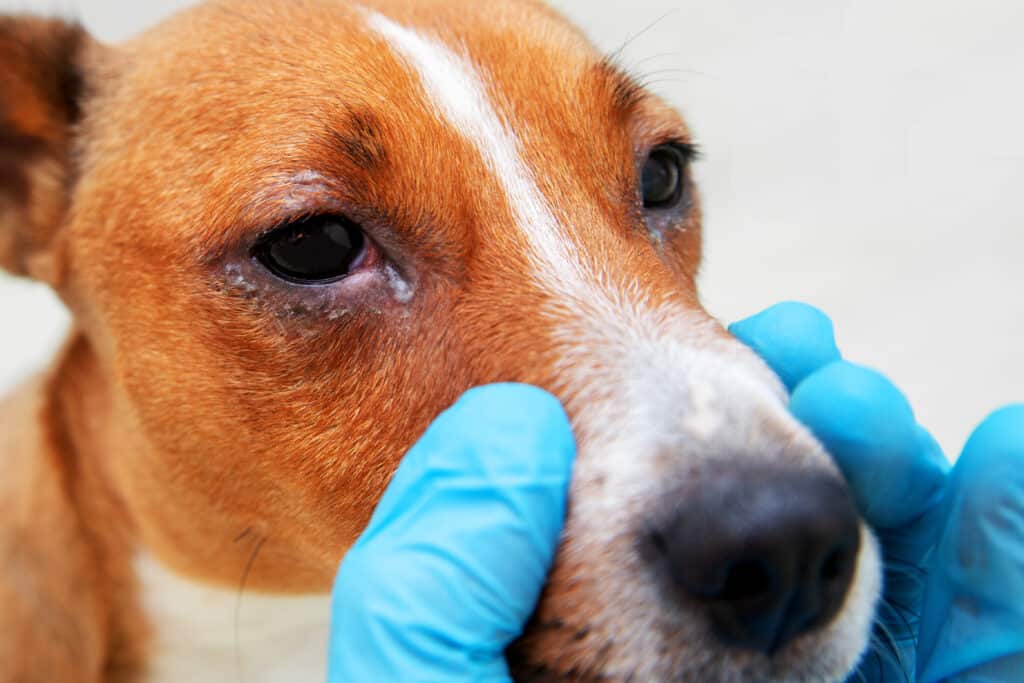
Like in humans, conjunctivitis is fairly common in dogs, especially if they’re outdoors a lot.
©Alexandr Jitarev/Shutterstock.com
Canine conjunctivitis is fairly common, pretty much like humans. It’s called pink eye because of the effect it has on the eyes, which can get inflamed or turn red in color. If your dog is mostly outdoors, there’s a high likelihood of it catching conjunctivitis, though it isn’t always the case.
Conjunctivitis, in simple terms, refers to the inflamed conjunctiva, which is the tissue present in your pooch’s eye. So, when these tissues are inflamed and the eyes turn red, it’s usually a sign that your dog could be suffering from conjunctivitis.
While some eye-related issues may heal rather quickly, more serious conditions could get worse with time. So, it is always important to take your dog to the veterinarian whenever you witness any symptoms.
Symptoms of Canine Pink Eye
Among the most common symptoms of pink eye in dogs is the discharge of liquid from their eyes. While it can usually be clear and runny, the discharge can also look like mucus on some occasions, with a green or yellow color.
Additionally, signs like your dog blinking more than usual or having swollen eyelids could also mean that your pet has developed pink eye. It generally impacts both eyes but can sometimes occur in only one eye, depending……………..0 .111111111111111111111111111111111111111111111111111111111111111on the cause of the infection.
Other symptoms associated with pink eye include sneezing, coughing, or discharge from the nose. In some cases, symptoms of pink eye could also indicate a more severe condition. If your pet is uneasy about its eye, it is always recommended that you visit your local veterinarian.
How Can My Dog Catch Pink Eye?
Given that conjunctivitis covers a broad spectrum of eye-related diseases, its causes can be multifold. But among the most common causes of pink eye in dogs are either viral or bacterial infections. Moreover, the presence of harmful gases, including allergens, smoke, and other pollutants, in the atmosphere can also cause pink eye.
In cases where the dog has conjunctivitis in one eye, it is likely caused by dry eye, which is a condition also seen in humans. Furthermore, it could also be due to an external object coming into contact with the dog’s eye.
Some dogs could also be born with entropion or distichiasis, which are congenital defects of the eyelids and eyelashes. In rare situations, pink eye could occur due to early signs of an eye or eyelid tumor. Some parasites that thrive within the eyelids can also cause conjunctivitis among dogs.
How Does the Veterinarian Identify Pink Eye?
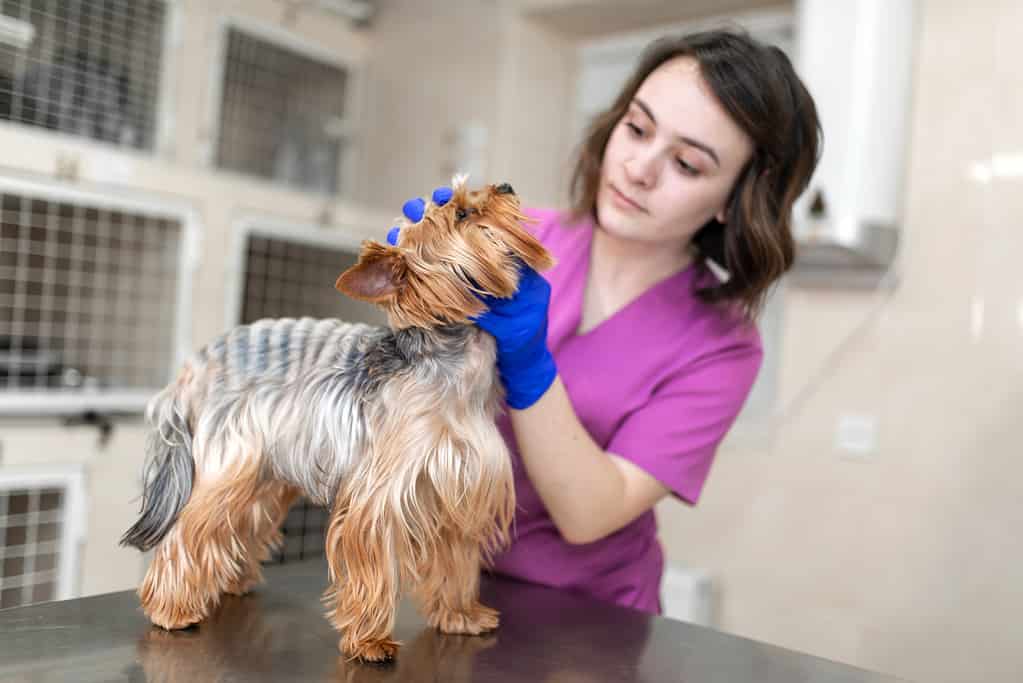
Vets will conduct a series of tests to determine if your dog has pink eye.
©Kateryna Kukota/iStock via Getty Images
While the symptoms we discussed above are good enough to tell in some instances, it doesn’t reveal the full picture. It’s always a good idea to take your dog to a veterinarian if your pet’s eye irritation lasts for more than a day.
The veterinarian may decide to conduct a series of tests, depending on the severity of the symptoms. This will help them find a viable remedy for the dog’s ailment. These tests are useful because they also help determine whether conjunctivitis is the primary issue, or if it’s only a smaller symptom of a bigger disease/condition like tumors or dry eye.
In cases where the pink eye is severe, veterinarians may conduct thorough tests on the dog’s eyelids, eyes, and surrounding regions. Vets usually examine these sensitive regions with the help of an ophthalmic lens, which gives them a good idea of any immediate issues with the eye. The veterinarian may seek additional tests if they suspect a diminished tear production in your dog’s eye. In rare instances, the vet may also perform tests for a condition like uveitis or glaucoma, or even check for damage to the corneas.
But if the veterinarian cannot determine the cause of your dog’s discomfort even after these tests, they may opt for nasolacrimal duct flushing and bacterial culture. Vets may conduct a detailed investigation of cells using cytology or test for allergies. These are some of the more common ways that your local pet clinic can use to detect conjunctivitis.
The Different Types of Canine Conjunctivitis
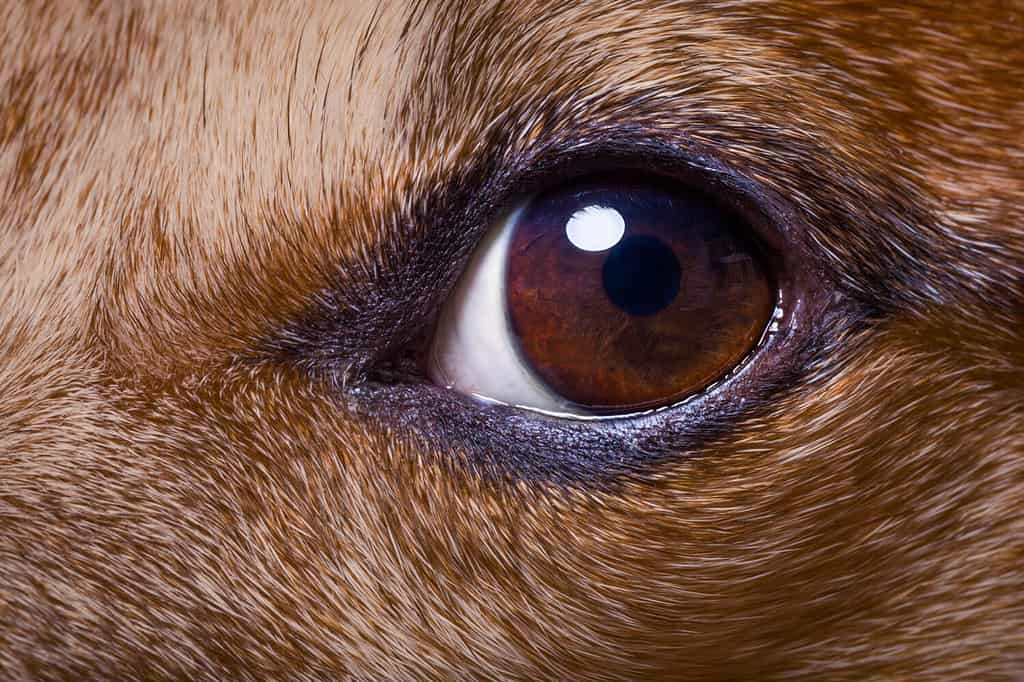
Conjunctivitis in dogs can be caused by bacteria.
©Javier Brosch/Shutterstock.com
Dogs commonly develop non-infectious conjunctivitis, which is often related to allergies. This could include an object that came into contact with the dog’s eye or as a result of an injury. Experts say that pink eye could also be a symptom of other serious conditions like canine distemper.
Meanwhile, infectious conjunctivitis, which is caused by bacteria or viruses, can also lead to pink eye. Among the most notable are bacteria called Staphylococcus and Streptococcus. Even though these cases are fairly rare, if present, it has the tendency to be highly contagious.
Treatment of Pink Eye in Dogs
Just like humans, the easiest remedy for pink eye in dogs could well be eye drops. However, it’s never safe to apply eye drops without the veterinarian’s advice. When you first take your dog to the pet clinic, they will determine the cause and come up with a possible remedy. If eye drops are what’s necessary, the veterinarian will guide you through the procedure of administering them correctly to your pet.
The vet may prescribe standard eye drops to combat infections or bring down inflammation. The vet may even use drops meant to lubricate the tear sac by using drops on the eye’s surface. While the formulation of the required eye drops may differ, most include topical steroids, antibiotics, and other similar materials.
In instances where the cause of inflammation or irritation is bacteria or virus-related, your pet may need to undergo a medication regimen, often lasting a week or more, under veterinary supervision to resolve the infection. However, if your dog is born with natural defects (entropion or distichiasis), the veterinarian may suggest surgery.
Prevention of Canine Pink Eye
Preventing pink eye in dogs is extremely hard, especially if they mostly venture outdoors. But this doesn’t mean that pet owners cannot take steps to reduce the chances of catching pink eye. Make sure your dog gets all his vaccines at the right time, with the necessary shots, including for canine distemper.
If you own a brachycephalic dog, it’s generally wise to restrict them from playing around outdoors, especially near thorny bushes, which could potentially harm their eyes. Dogs can also harm themselves when they engage with other pets like cats. So it’s advisable to keep your brachycephalic dog away from any external concerns.
Following pet care tips can also go a long way in protecting dogs from harm. If your dog has been outdoors in the dirt, you should clean their face and remove any small debris or dust from their eyes. But it is important to do this gently so as not to risk damaging your pet’s eyes.
If you notice any redness in your pet’s eyes, take them to the vet clinic immediately. Early detection could prove to be crucial in determining the cause of the condition and potentially fixing it.
Final Thoughts
It is fairly common for dogs to get pink eye. While it may not be a major disease in most cases, you don’t want to take that risk. This is why it is crucial to observe your dog for any symptoms. So if there is something serious plaguing your pooch, you can start on the veterinarian-prescribed treatment quickly.
It’s also important to be aware of your pet’s surroundings, including the garden, as it may include plants or shrubs that could cause allergies. As we’ve already mentioned above, some pink eye infections can be contagious among dogs, which is important to remember for families with multiple dogs at home. Be sure to vaccinate your pets on schedule so that they remain resistant to viruses or bacteria.