
Quick Take
- Your dog won't drink until something specific happens in its body first, and that biological quirk puts it at risk every single day. See how dog thirst works →
- Two at-home tests can reveal whether your dog is dehydrated right now, yet most owners have never heard of either one. Try the at-home tests →
- What you put in your dog's bowl affects hydration in ways that have nothing to do with their water dish. See how diet affects hydration →
- Dehydration in dogs can signal something far more serious lurking underneath, and the warning signs are easier to miss than you might expect. Spot the hidden warning signs →
We will all be familiar with the advice to make sure that your dog has access to fresh water at all times. But as the old saying goes, ‘you can lead a horse to water, but you can’t make it drink.’ The same is true of dogs. So, what makes a dog drink, and how can you tell if your dog is dehydrated? Are some canine diets better for hydration than others? We investigated how dogs experience thirst.
What Is Thirst?
Humans will drink whether they are thirsty or not. We ‘go out for a drink’ with friends and walk around with water bottles, constantly sipping and worrying about our hydration status. So, even though humans experience thirst, we are also proactive drinkers and often stop dehydration before it starts. Dogs do not do that, and neither do most other animals; they drink when they are thirsty. But what makes them feel thirst?
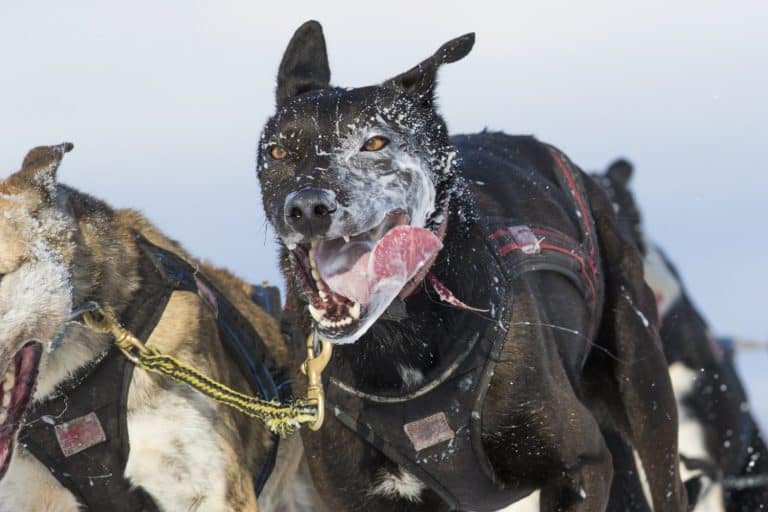
As is the case for humans and most other animals, a dog’s body is made up of mostly water. However, they are also constantly losing water through evaporation. Water is lost through panting, pooping, breathing, and evaporation from their paws. It also passes out of the body as urine. So, evolution created a robust mechanism to make sure that they take on more water so that they could survive.
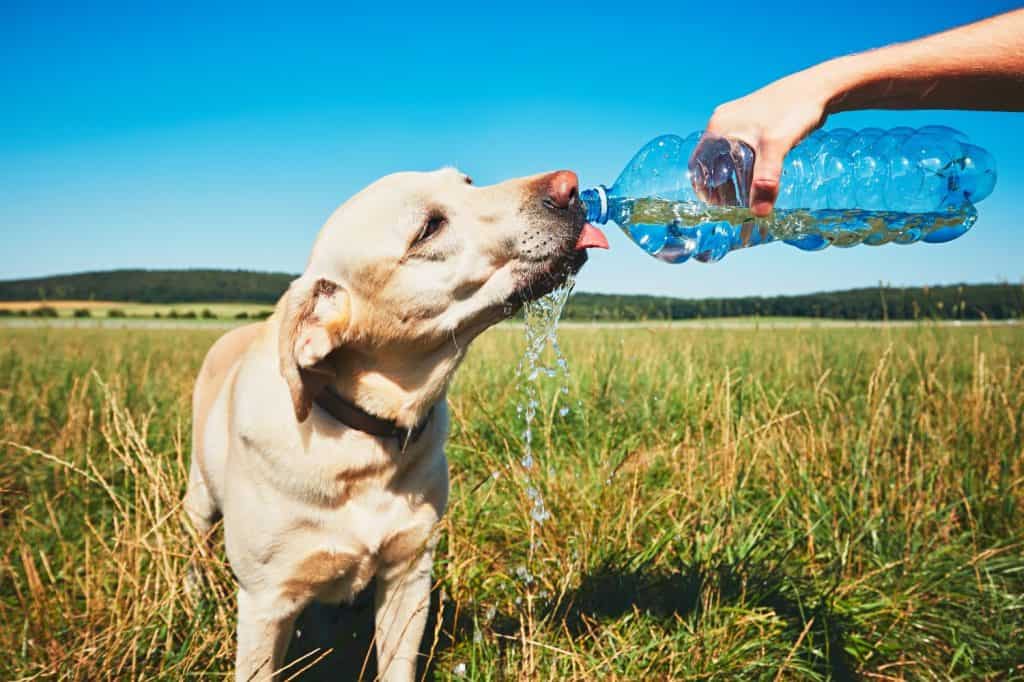
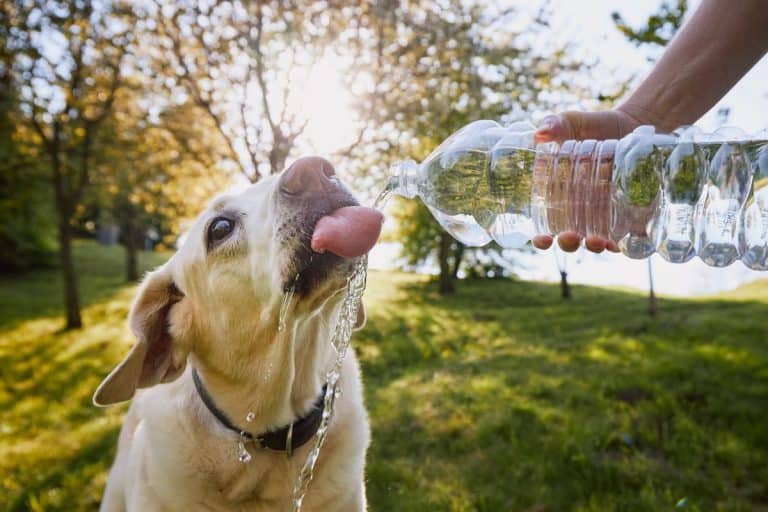
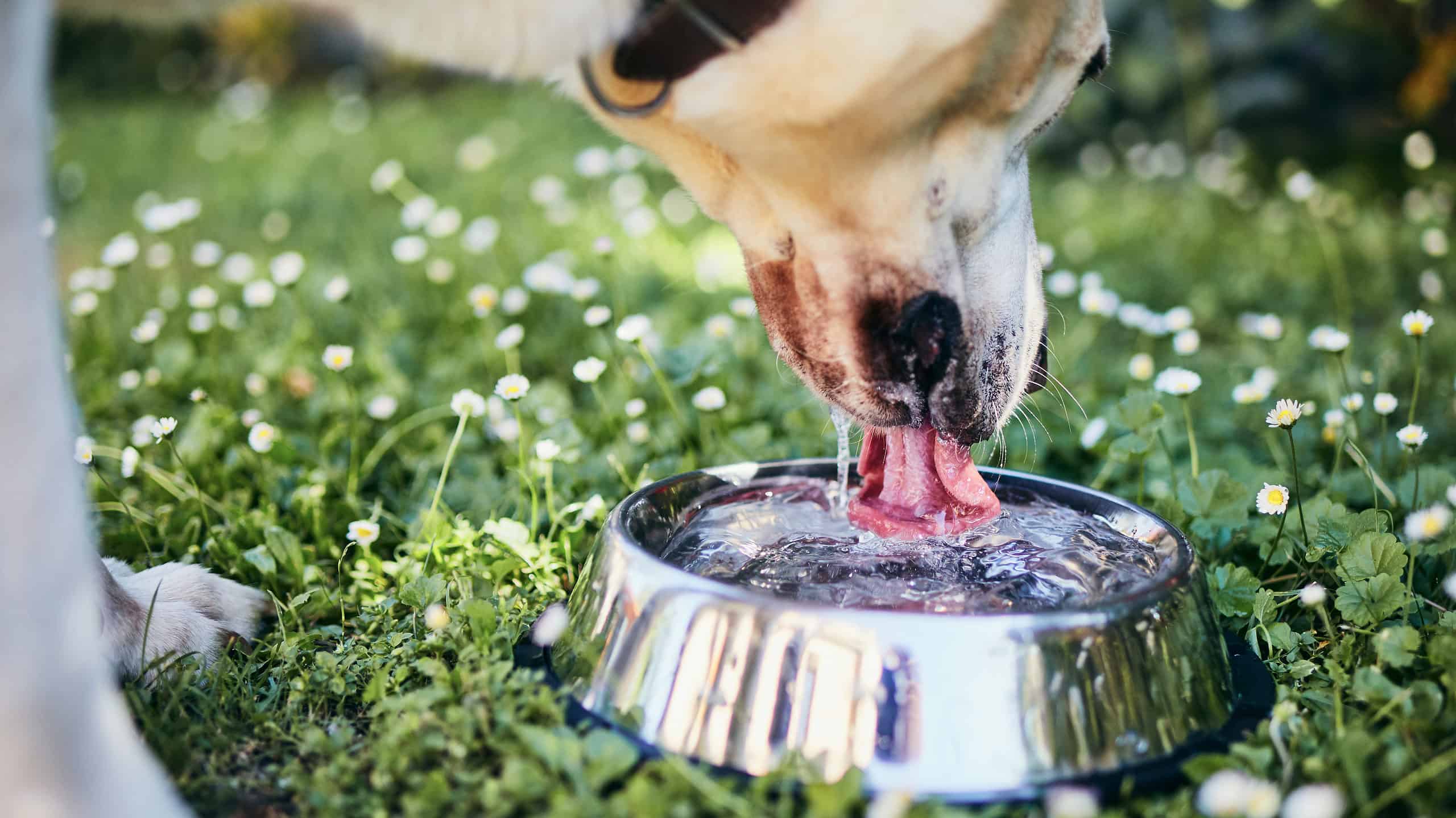
Dogs are reactive drinkers.
©Jaromir Chalabala/Shutterstock.com
Their brain constantly monitors the water content of their body, including through blood osmolality. If the blood becomes concentrated (i.e., it does not have a lot of water in it), it triggers a sensation of thirst. The dog becomes oriented and energized towards finding and consuming water. Just a small change in the composition of the blood becomes highly motivational to seek water. Without these changes, the dog does not want to drink. Therefore, the dog needs to enter a state of mild dehydration before it will drink, and this is sometimes described as a ‘reactive drinker’.
What Causes Dehydration in Dogs?
Dehydration is when a dog’s body is losing more water than it is taking in. Water is essential for lubricating joints, regulating body temperature, cushioning internal organs and aiding digestion.
If your dog’s fluid intake does not make up for their water loss, they enter a state of dehydration. Blood flow is reduced, oxygen cannot reach organs, and the electrolytes crucial for functions such as balancing the body’s pH are lost. Severe dehydration can lead to kidney failure.
The leading cause of dehydration in dogs is a lack of access to water or refusal to drink. However, dogs with vomiting, diarrhea, heatstroke, fever, or other illnesses can also become dehydrated. In general, very old and very young dogs, nursing mothers, and the toy dog breeds are at a greater risk of dehydration. Dehydration can also be a sign of an underlying condition such as kidney disease, diabetes, or even cancer.
Spotting Dehydration in Dogs
There are several signs of dehydration in dogs. They may become lethargic and have reduced energy levels. You may also notice that they are panting more than normal, have sunken and dry-looking eyes, have a dry nose and dry, sticky gums with thick saliva.
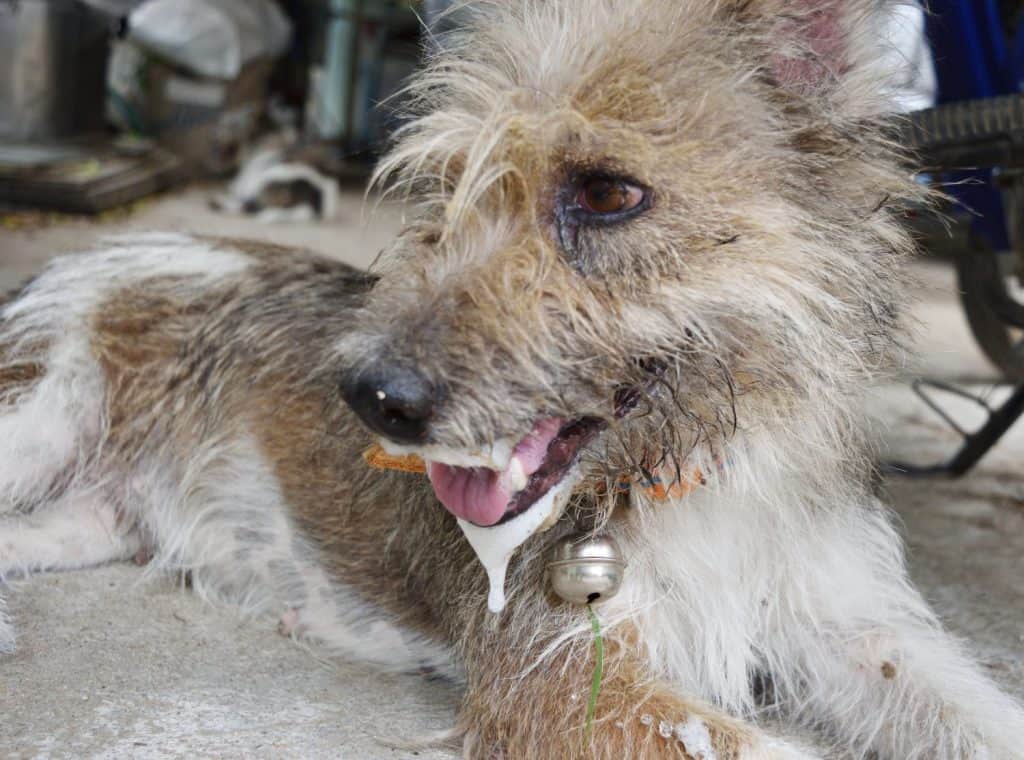
Sticky saliva is a sign of dehydration in dogs.
©Anant Kasetsinsombut/Shutterstock.com
They may also have a loss of skin elasticity. You can check this by gently holding some of their skin near their shoulder blades, raising it up, and letting it go. In a well-hydrated dog, it will instantly spring back into the normal position. If your dog is hydrated, however, it takes longer to fall into place. You can also test their capillary refill time. You do this by pressing your finger against their gums and then removing it. In a well-hydrated dog, the pressed area will appear white for a second, and then return to its normal pink color almost immediately. This takes longer in dehydrated dogs.
Treating Dehydration in Dogs
Dehydrated dogs need to be seen by a vet as it can be a medical emergency. Your vet will be able to diagnose any underlying medical condition which may require some tests. Meanwhile, your dog can be treated with electrolyte and fluid replacement, which may be given intravenously.
How Do Dog Diets Affect Their Hydration Status?
Scientists have carried out a few experiments to evaluate how a fresh food diet impacts a dog’s total water consumption and their urine supersaturation. Urine supersaturation is when the urine contains a higher concentration of certain dissolved substances (such as calcium oxalate) than can normally stay dissolved.
The 2025 study published in Frontiers in Veterinary Science found that a fresh food diet increases water intake and impacts urine relative supersaturation, helping to support hydration in adult dogs. This is because it increases total water intake relative to their calculated water requirements. Fresh food diets may be particularly useful for dogs with diseases that predispose them to increased water loss. These diets may also benefit dogs with urolithiasis (stones anywhere in the urinary tract). However, the diets also support normal hydration in healthy and working dogs.