
Quick Take
- One animal on this list kills far more people than sharks ever will, and it does not even bite. See the surprising killer →
- There's a tiny ocean creature whose bite is completely painless, and that painlessness is exactly what makes it so deadly. Meet the painless predator →
- At least two animals on this list have likely shared a space with you recently, and most people have no idea they pose any risk. Discover the hidden danger →
- One of these animals is considered a delicacy in some countries, yet a single preparation mistake turns dinner into a fatal dose of poison. See the deadly delicacy →
When people think of dangerous animals, they usually picture intimidating predators like sharks, lions, or snakes. These animals have razor-sharp claws or teeth capable of easily ripping flesh. But surprisingly, some threats come from creatures that seem harmless or even gentle. Whether it’s due to accidental contact, brute strength, or potent venom, these animals can pose serious risk to human life. In many cases, they are not aggressive, but still highly dangerous under certain circumstances.
From animals we encounter every day to rarely seen species, these animals remind us that danger isn’t always obvious. Some are even common species we choose to interact with regularly. However, they all share a surprising ability to cause life-threatening harm when conditions line up just right. Here are 10 animals you probably wouldn’t expect could kill you but absolutely can.
Deer

©Chris Converse/Shutterstock.com
Deer may seem like the gentlest creatures on Earth. We usually envision them flitting through meadows and blinking their big, beautiful eyes. Many people don’t realize they are responsible for a surprising number of human fatalities each year. These deaths do not occur as a result of direct contact with deer, but in the form of vehicle collisions. Deer are notorious for darting into dark roads and taking drivers by surprise. Their speed and unpredictability make them difficult to avoid, especially at night.
Cow
©Clara Bastian/Shutterstock.com
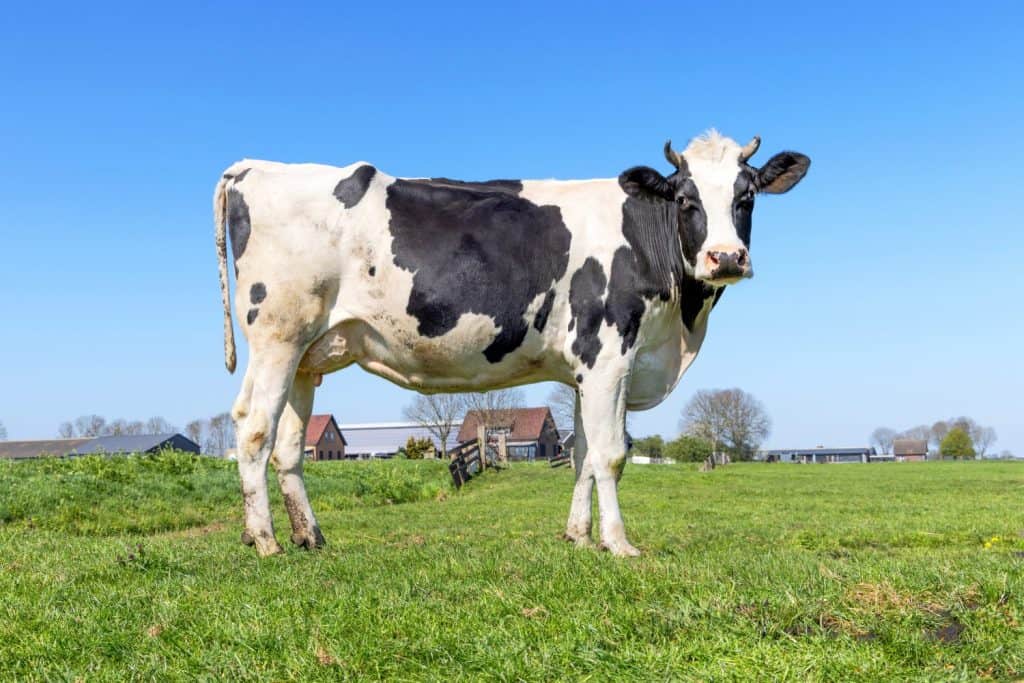
Cows are often seen as calm farm animals, but they can also be the most dangerous farm animals. These mammals are bulky, heavy, and capable of trampling a person if startled or protecting their calves. It’s no surprise that farmers and workers are most at risk, especially when moving through herds. Despite their peaceful nature, cattle-related incidents can turn deadly under the right conditions.
Blue-Ringed Octopus
©Mark Anthony Sefuentes/Shutterstock.com
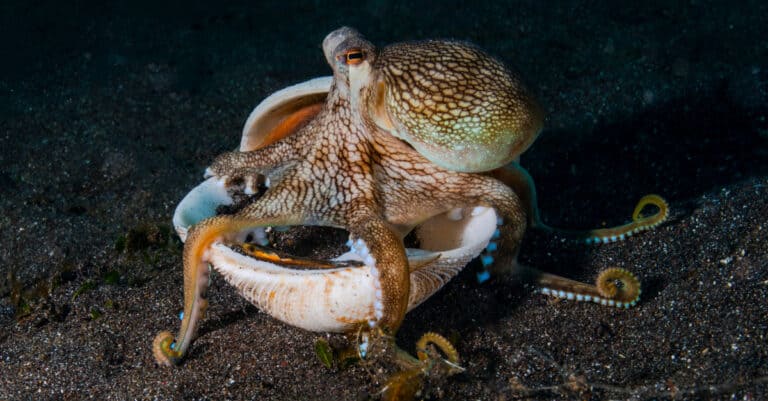
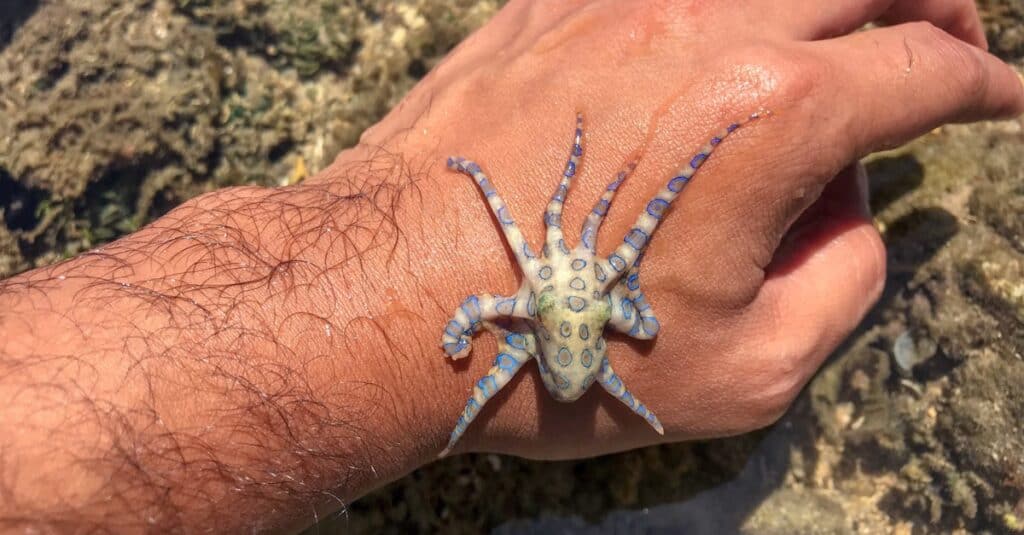
The blue-ringed octopus is small enough to fit in the palm of your hand, which means when you’re sharing water with these little guys, you likely won’t even know it. This marine creature’s venom is so potent, a single bite can deliver a neurotoxin capable of causing paralysis within minutes. And paralysis in water means a high likelihood of drowning. To make things worse, its bites are often painless, so victims might not even realize they’re in danger until it’s far too late.
Cassowary
©Honza123/Shutterstock.com
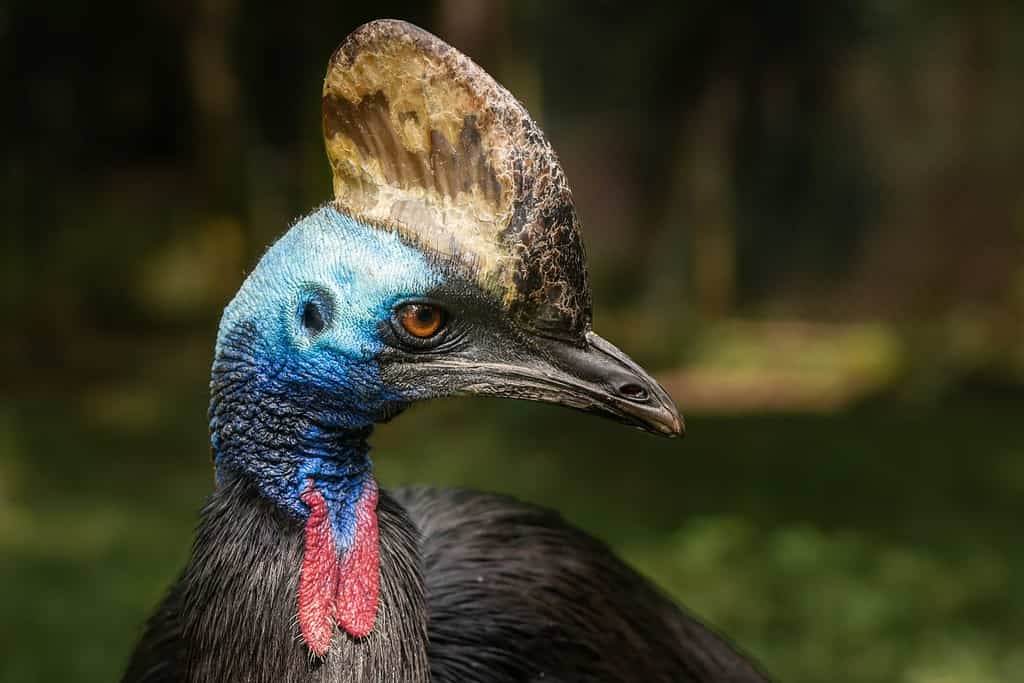
Cassowaries are large, flightless birds found in parts of Australia and New Guinea. These odd-looking birds seem almost oblivious, but they have incredibly sharp claws that can cause major injury. When threatened, they often kick with enough force to harm or even kill a person. However, humans are unlikely to encounter these birds in the wild, which means fatalities are rare.
Cone Snail
©O'KHAEN/Shutterstock.com
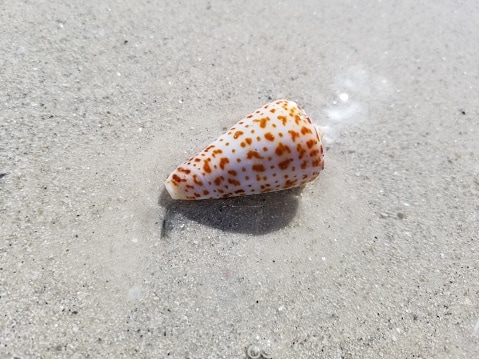
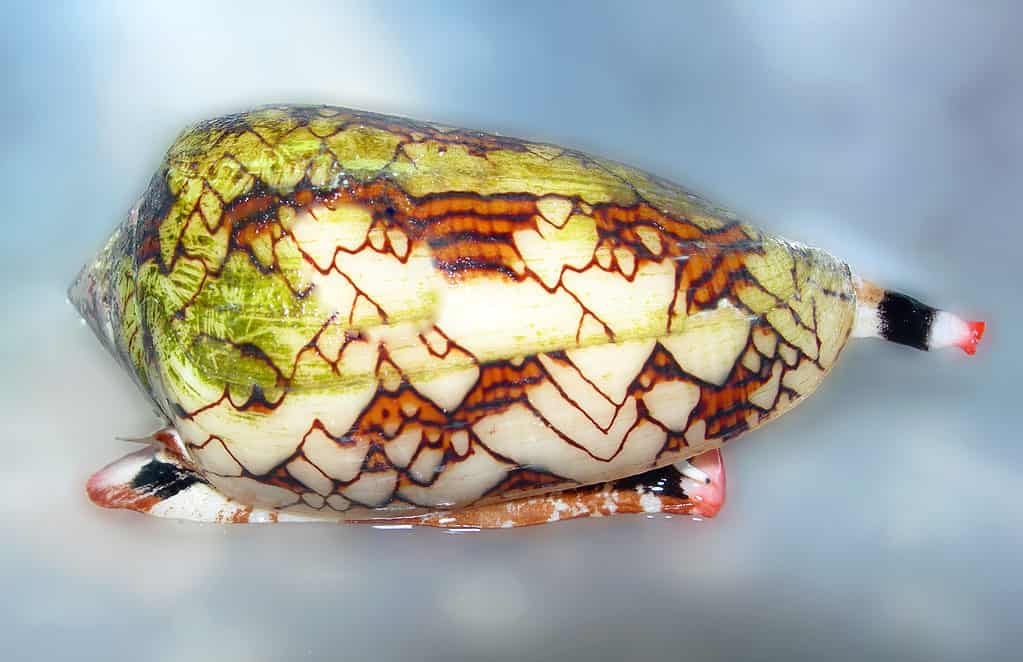
When you think “deadly animal”, snails certainly don’t pop to mind, especially this slow-moving marine creature with a beautifully patterned shell. However, the cone snail conceals a tiny harpoon-like tooth that it uses to inject venom into its prey, or into a human who ventures too close. In high-yield cases, the venom can be powerful enough to paralyze or kill a person. Its lovely appearance makes it especially dangerous to curious beach shellers.
Horse
©Richard, CC BY 2.0 <https://creativecommons.org/licenses/by/2.0>, via Wikimedia Commons - Original / License
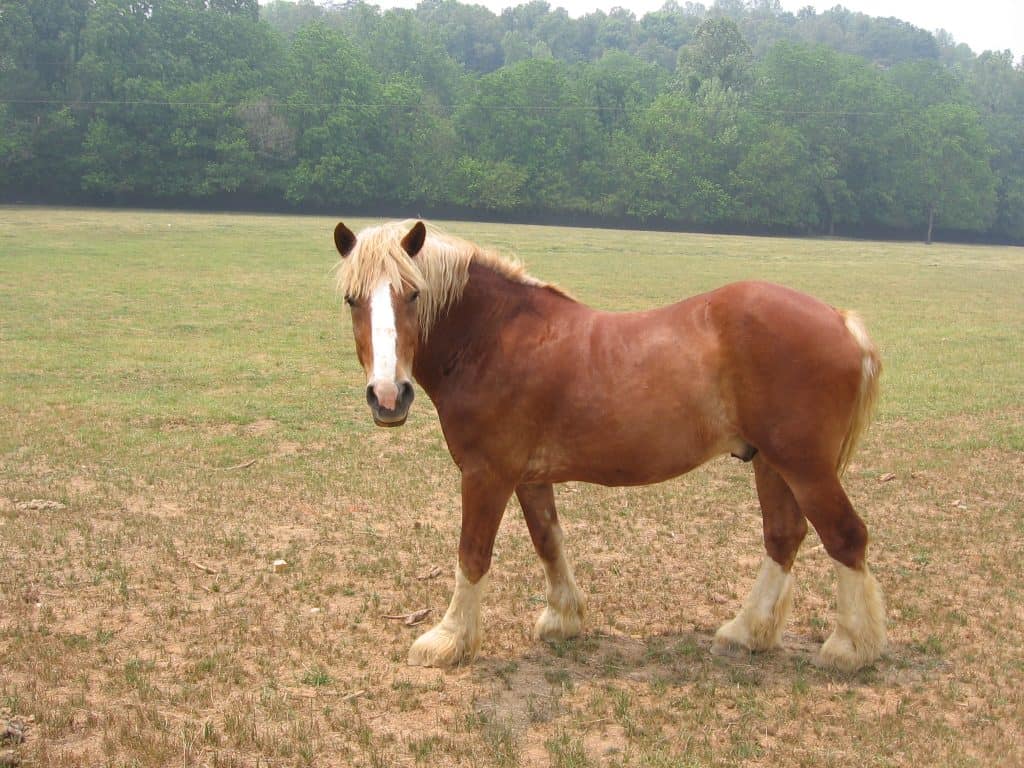
Horses are some of the greatest athletes on the planet. Because horses aren’t aggressive animals by nature, they kill unintentionally. When they grow irritated, startled, or defensive, they use their back leg to deliver a swift kick. A single kick from one large, muscular leg can generate tremendous force and cause severe injury or death. Even experienced horse handlers know to remain cautious around these large mammals.
Honey Bee
©Lima_84/Shutterstock.com
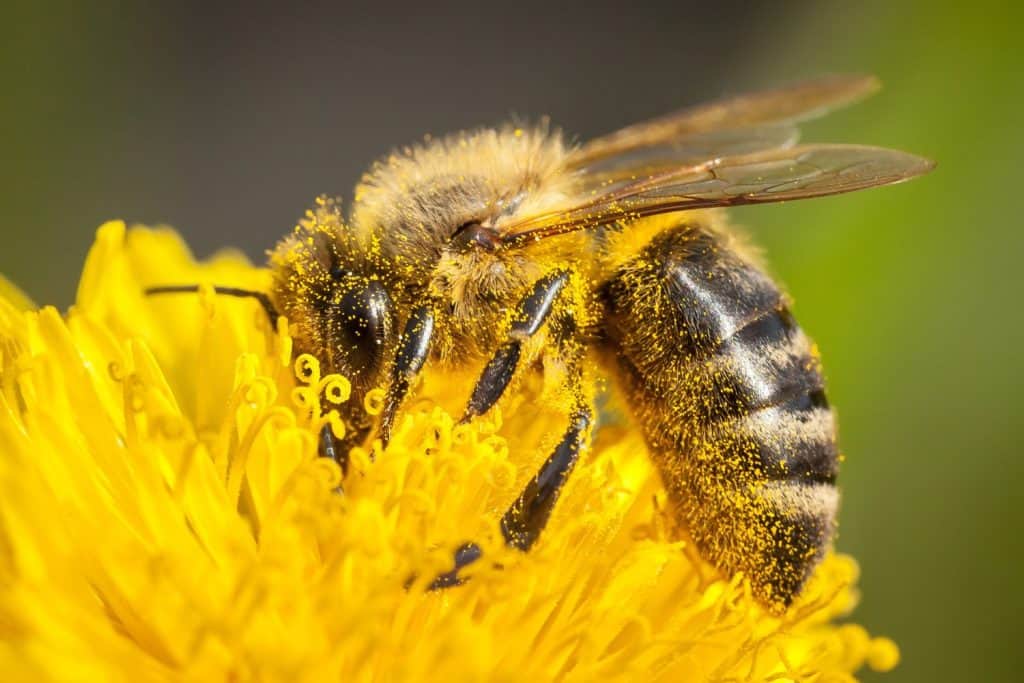
Honey bees are essential pollinators and usually not aggressive. And when they do defend themselves, how much harm could some tiny stings cause? Well, for those with severe bee allergies, it turns out a lot. In rare situations, large swarms and multiple stings delivered to an allergic victim can mean death. And because bees react quickly, what seems like a minor encounter can quickly become dangerous under the wrong conditions.
Chimpanzee
©KensCanning/Shutterstock.com
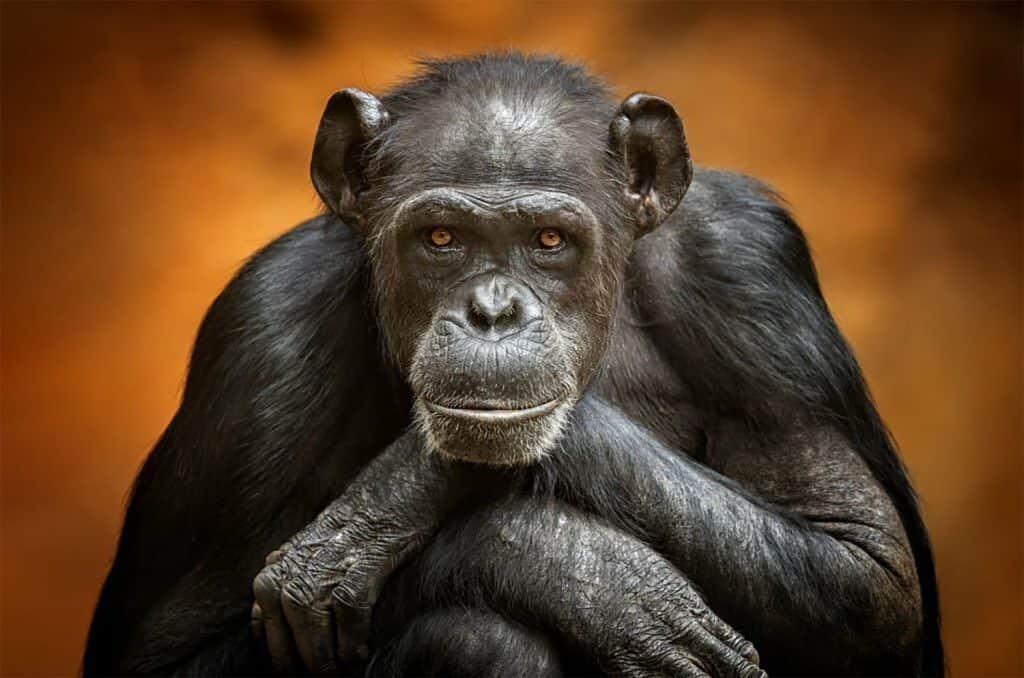
Chimpanzees are highly intelligent and closely related to humans. A relaxed chimp is actually quite cute. But they are also unimaginably strong and possess massive sharp teeth. They can become aggressive, both in the wild when defending their territory, and in captivity, as we’ve learned from a handful of horrifying incidents. Their strength far exceeds that of an average human, and they often target vulnerable areas like the face and hands.
Pufferfish
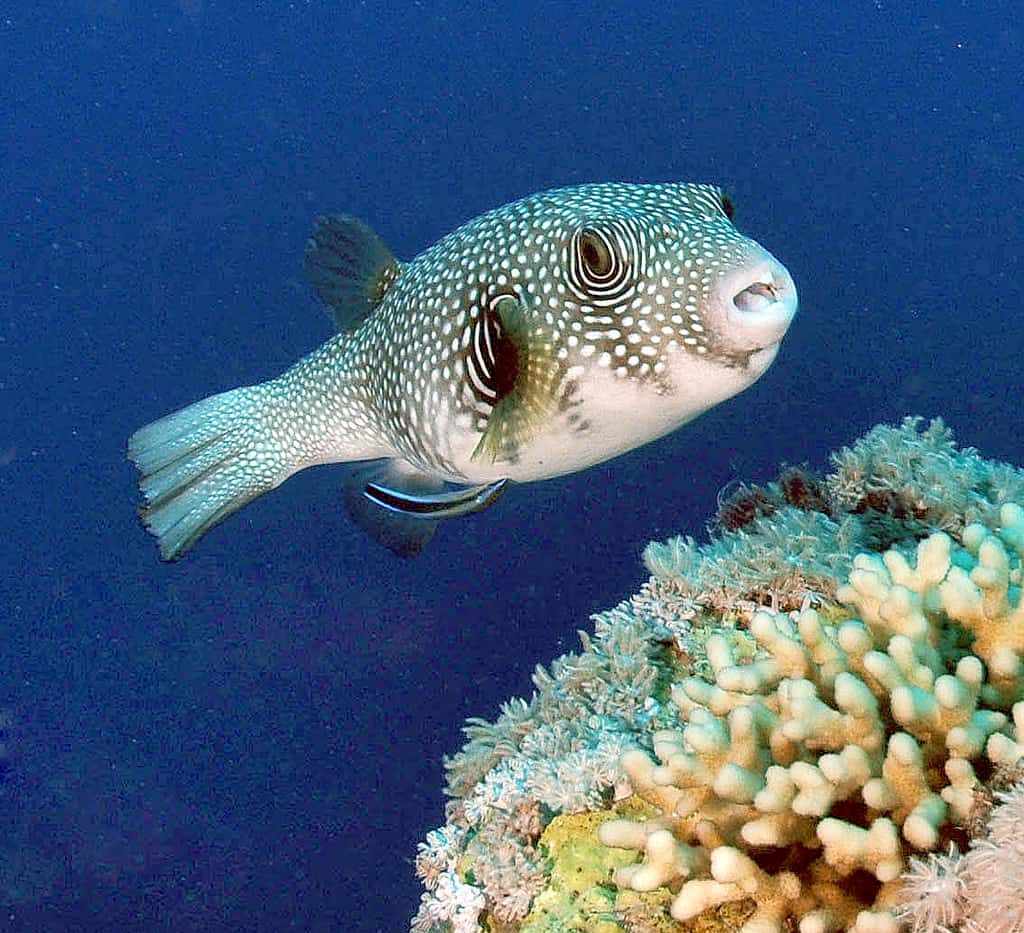
Despite their cute appearance, these fish are one of the most toxic animals in the ocean. Pufferfish do not attack directly, and they don’t cause surprise accidents. So how do they kill? This species contains a powerful toxin called tetrodotoxin, which is deadly if consumed. Since their toxin is not injected via bite or sting, human defense against them is quite straightforward: avoid eating them. However, in some cultures, they are considered a delicacy. Due to the threat they pose, only trained chefs are allowed to prepare them. But just one small mistake in preparation can lead to a fatal dose of poison.
Swan
©Miranda Brunette/Shutterstock.com
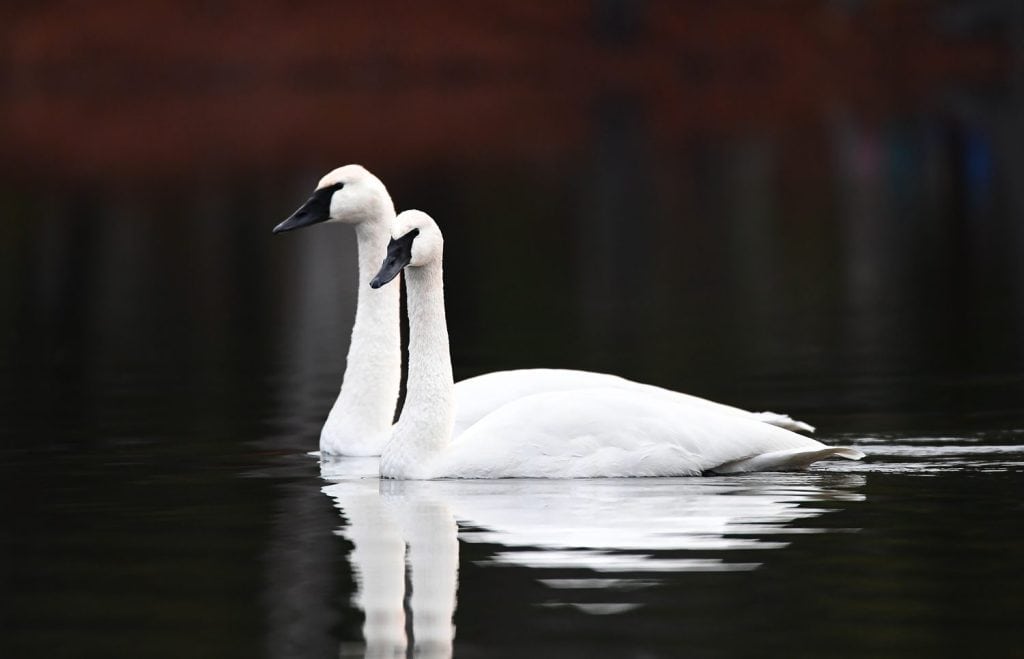
Swans are often associated with qualities like grace, beauty, and serenity. But these regal birds can be surprisingly aggressive. They are highly territorial, especially during nesting season, and will fiercely defend their space. As large birds with powerful wings and sharp beaks, swans can cause plenty of harm through repeated strong blows. While fatal encounters are extremely rare, as most of us can outrun a swan, their dedication to defense makes them much more dangerous than the lovely lake-dwellers seem.