
Quick Take
- Hours of daily exercise and your GSP is still destroying the house, yet most owners never figure out why. Why exercise isn't enough →
- A 6-foot fence isn't the safety net GSP owners assume it is. See how high GSPs jump →
- The breed's best qualities, including its intelligence, loyalty, and protectiveness, are also the source of its worst problems. When good traits go wrong →
- There's one care mistake that turns a trainable, people-pleasing dog into an unmanageable one. Most first-time owners make it immediately. The training mistake to avoid →
No dog breed is the right fit for everyone, and that includes the German shorthaired pointer (GSP). These dogs are active, large, and can be expensive. The most common complaint about GSPs is that they require too much time. They need plenty of physical exercise, mental enrichment, and one-on-one time with you. These dogs can be difficult to keep up with if you’re not an active person. In this article, we’ll explore this and other common complaints about the breed.
Common Complaints About German Shorthaired Pointers
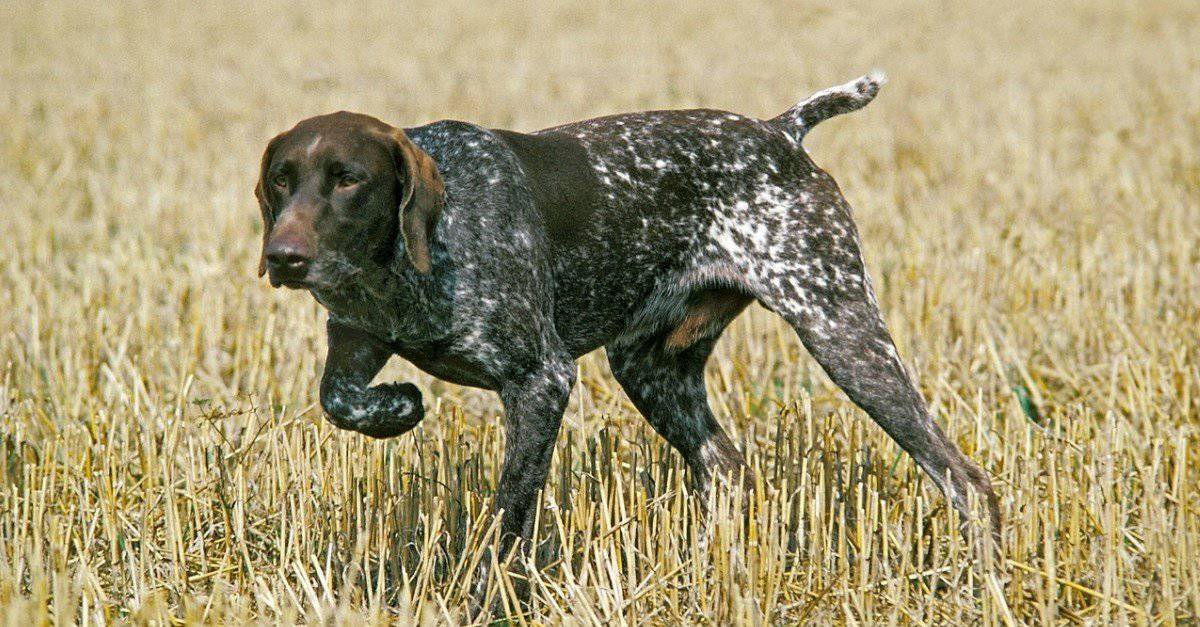
German shorthaired pointers are incredibly loyal dogs who tend to do well with families, as long as they’re well-trained and supervised around younger children. They’re affectionate, friendly, and good-natured. GSPs are people pleasers, which makes training easy if you know what you’re doing. They’re high-energy, working dogs who thrive with active people who have time to spend with them. Of course, some of their attributes can also be drawbacks depending on your point of view. Let’s take a look at 15 reasons a German shorthaired pointer may be the wrong dog for you.
#1: They Can Be Destructive
There are several factors that make German Shorthaired Pointers prone to destructive behaviors:
- They’re large dogs that grow quickly. You’ll see all the normal puppy behaviors, like teething, in a bigger body than you may be used to. They may destroy bigger things in their puppyhood than other dogs.
- GSPs are very intelligent and high-energy. They get bored easily, and a bored dog is often a destructive dog.
- They’re prone to separation anxiety, which can cause destructive chewing and even attempting to escape from home.
- Dogs need training not to chew, and GSPs can be difficult to train without experience due to their size, prey drive, and energy levels.
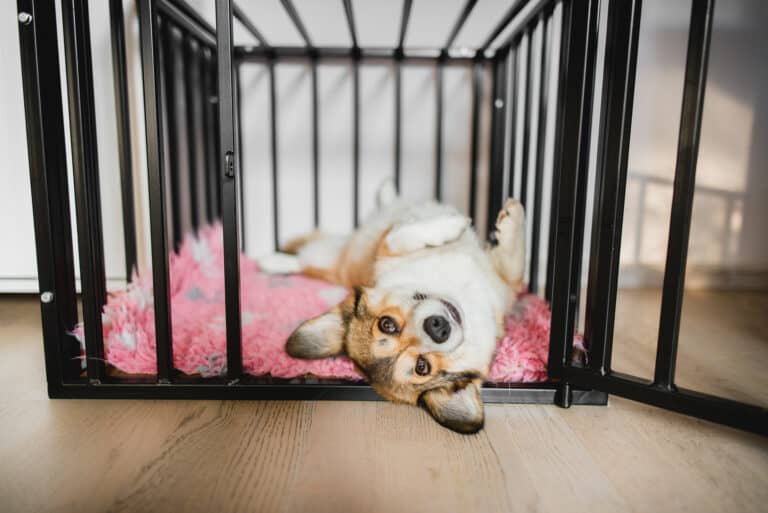
The number-one way to prevent destructive chewing is to make sure you’ll have time for your dog before adopting. They need hours of daily exercise and mental enrichment, and shouldn’t be left alone for long periods. The next steps are puppy-proofing your home to limit what they can chew, and training your dog well. An exercise pen or an entirely puppy-proofed room is good to have for when you cannot supervise your pup.
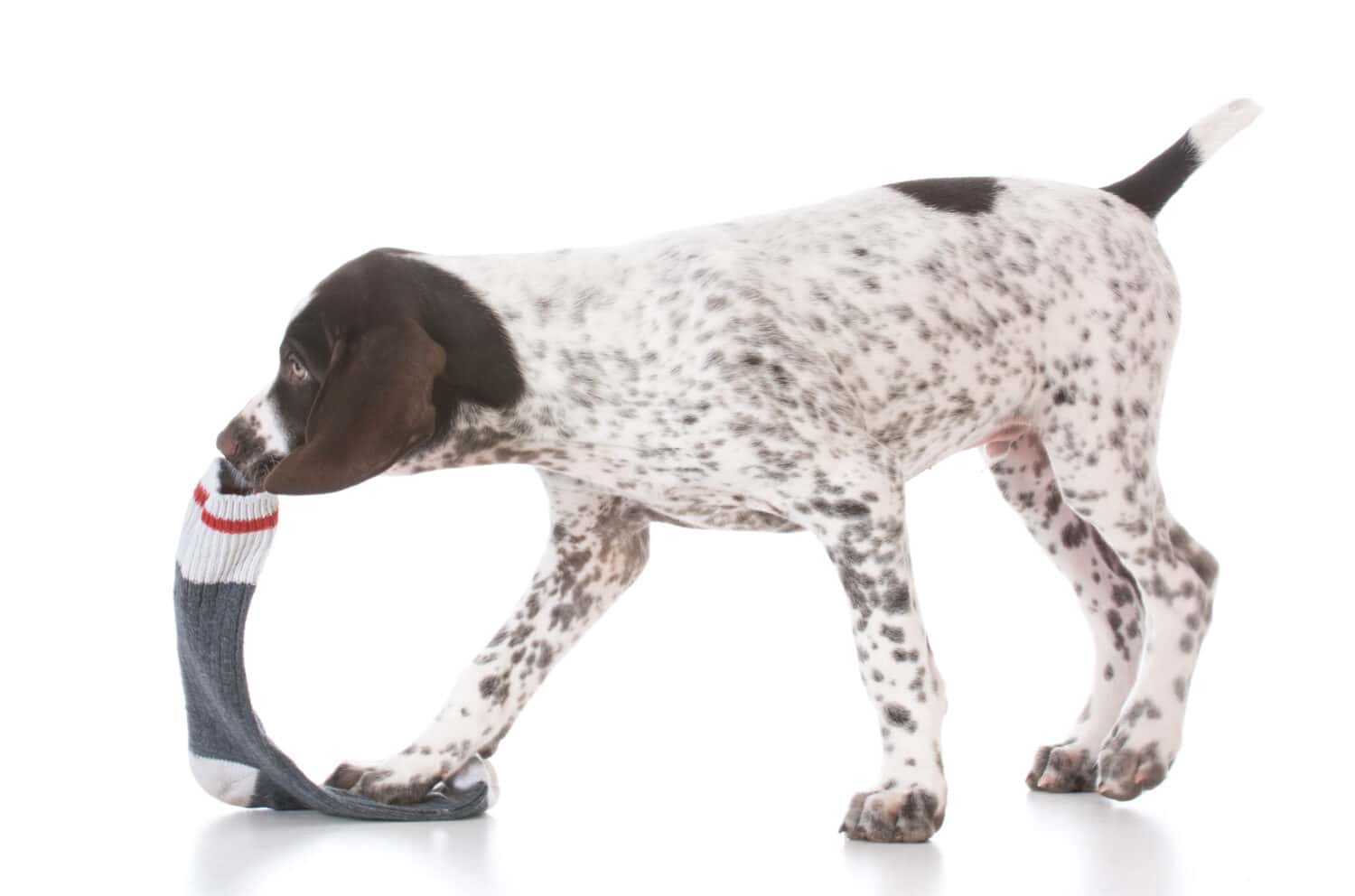
Puppy-proofing is essential with a German shorthaired pointer.
©WilleeCole Photography/Shutterstock.com
#2: They’re Big Dogs
Big dogs come with different challenges than small ones. They’re more expensive, tug harder on their leashes, and their size can amplify any behavioral issues such as chewing or jumping. German shorthaired pointers may also be more difficult to move in an emergency or if they have severe joint issues later in life. These are all important considerations before adoption.
However, there are also positive aspects to large dogs. They’re not as fragile as small dogs, and you’re not as likely to trip on them. They can also deter people from breaking into your home. A fun bonus is that their heads are at just the right height. You likely won’t need to bend down to pet them!
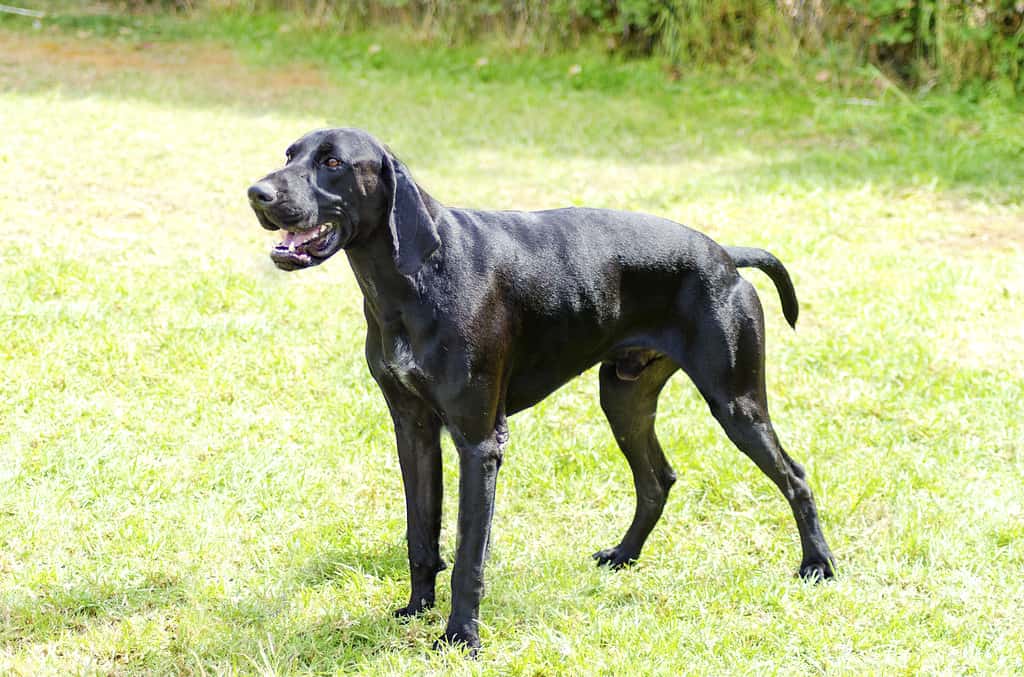
German shorthaired pointers stand 21-25 inches tall at the shoulders and weigh up to 70 pounds.
©f8grapher/iStock via Getty Images
#3: They Might Bark Too Much
Generally, German shorthaired pointers bark only moderately. They’ll speak up when they see a threat, but won’t yap on and on. However, this changes when the dogs aren’t properly cared for. Like most problem behaviors, excessive barking is usually a result of boredom due to the dog not getting enough exercise, mental enrichment, or quality time. It can also stem from anxiety, such as separation anxiety, or from reactivity to stimuli.

Excessive barking in the breed is usually due to a lack of exercise or enrichment.
©encierro/Shutterstock.com
#4: They Are Good Jumpers
German shorthaired pointers are muscular and athletic dogs, so they can easily clear a 6-foot fence. They can scale tall objects from a standing position, so managing their jumping ability is an important part of owning a GSP. They also tend to jump up to greet people, which can be a problem given their large size.

German shorthaired pointers tend to jump up to greet people, which can be overwhelming.
©MVolodymyr/Shutterstock.com
#5: They Can Be Overly Protective
Most people see having a protective dog as a good thing, but it does come with its challenges. You need to ensure their instincts don’t drive them to aggression in inappropriate moments. Your dog shouldn’t be allowed to guard individual family members from other people in the household. They also shouldn’t react fearfully to strangers out in public.
You’ll also want to take precautions against resource guarding, including never putting your hand in your dog’s food bowl. A great early training method is to toss small treats toward your dog while they have something valuable, like a favorite chew or toy. This teaches them not to fear you taking the object, but instead to associate your presence with positivity and treats.

German shorthaired pointers are protective of their people.
©New Africa/Shutterstock.com
#6: GSPs Have High Prey Drives
You can’t adopt a hunting breed and expect that they’ll never try to hunt. Unfortunately, we also can’t expect them to only see certain animals as prey, or to only hunt when it’s convenient. Your GSP’s prey drive may make it impossible for them to live with cats or small dogs. Smaller pets such as rodents should be kept separated at all times.
It’s also possible for your GSP to see prey where there isn’t any, such as a plastic bag blowing down the street. They may run off to chase it impulsively, which can be dangerous.
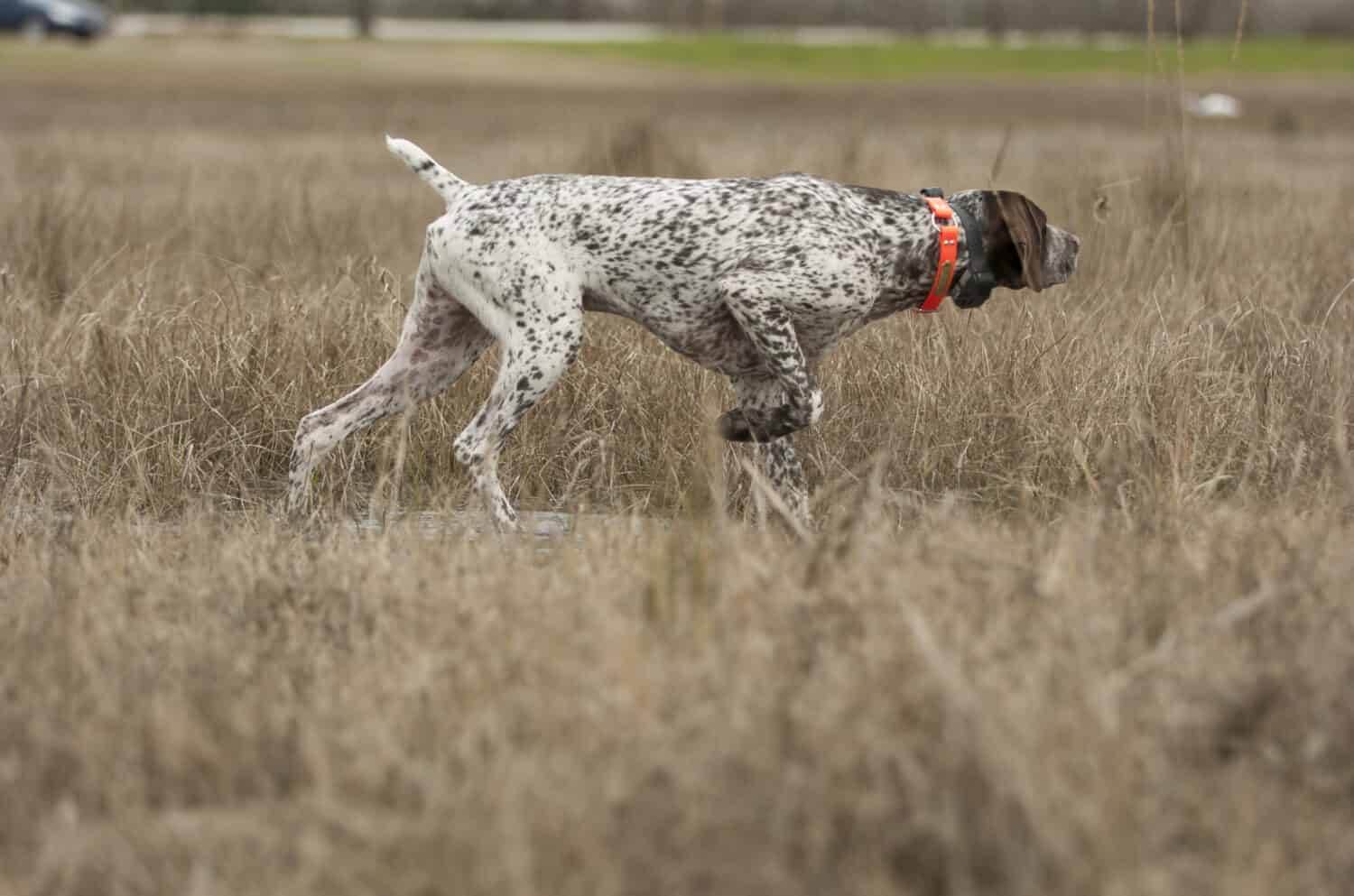
Your German shorthaired pointer may not get along with cats or small dogs due to their high prey drives.
©S.M/Shutterstock.com
#7: They Are Single-Minded While On the Hunt
Their strong prey drives can also make training a reliable recall difficult. Your German shorthaired pointer is single-minded while on the hunt. It may not respond when distracted while trying to sniff out a squirrel or when a cat crosses its path.
Unless your dog can be trusted to return to you immediately when called, even mid-chase, it should never be allowed off-leash in an unenclosed space. It’s a huge risk, especially if you’re near busy streets or even wooded areas where it can be hard to find a dog once lost.
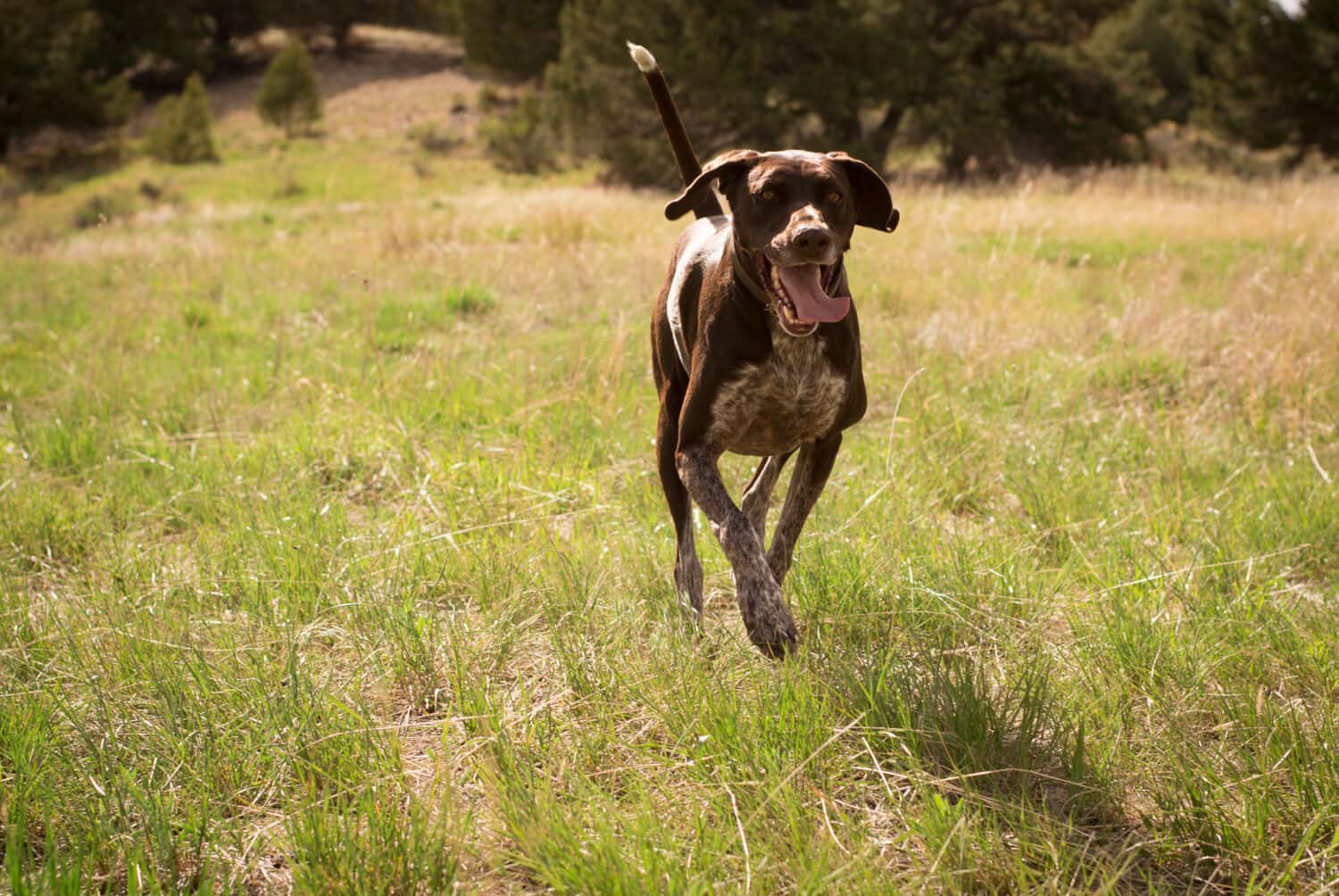
German shorthaired pointers can get distracted by prey and may be hard to recall.
©RisingTimber/Shutterstock.com
#8: They’re a Driven, Sporting Breed
As we’ve already discussed, German shorthaired pointers can develop several behavioral problems if they don’t get enough exercise every day. For these dogs, a short daily walk won’t be enough. They need to be able to exert themselves for one to two hours per day.
Ideally, this will include vigorous activity such as running or swimming. GSPs love having large yards where they can run and play with their people, but don’t expect them to exercise themselves — hands-on activities are required.

These are active dogs that need plenty of daily exercise.
©iStock.com/BeeBuddy
#9: They Aren’t Apartment Dogs
Most breeds can do well in apartments given enough outdoor time. However, there’s no doubt that keeping a GSP happy in an apartment is hard work. It means going outside for potty breaks many times a day, giving them ample opportunities to stretch their legs, and finding places for them to run safely. A house with a large, fenced backyard is best for these dogs and makes it easier for them to get enough exercise.

GSPs do best when able to roam in a large, enclosed space.
©iStock.com/BranstonandTwiglet
#10: Mental Enrichment Is a Must
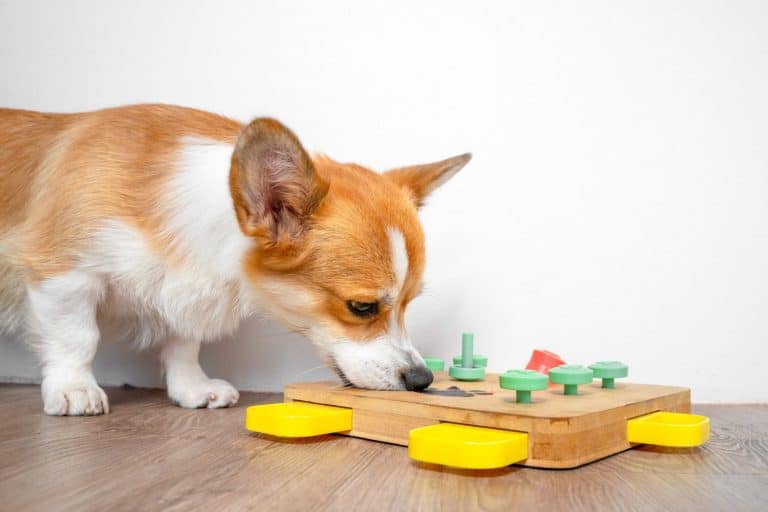
If you only physically exercise your German shorthaired pointer, you’ll still have an incredibly bored dog on your hands. A common mistake is spending hours a day on exercise and then wondering why your dog never seems tired. This is because you’re building their endurance levels, but not tiring out their minds. Mental enrichment can include training, nose work (such as finding hidden treats, objects, or people), or “hunting” a toy with a flirt pole.

Engaging a GSP’s mind is as important as physical exercise.
©Vitalii_Mamchuk/Shutterstock.com
#11: Their Care Can Be Time-Consuming
As you can see from the above, German shorthaired pointers are time-consuming pets. You’ll need to spend hours a day actively engaging with them, and that’s not including petting, snuggles, or just hanging out in the same room. It also doesn’t include other care tasks such as feeding them, cleaning up after them, or brushing their coats.

German Shorthaired Pointers need dedicated people who are willing to spend lots of time with them.
©Marian Weyo/Shutterstock.com
#12: German Shorthaired Pointers Shed
These dogs shed moderately year-round. During the spring and autumn, your GSP will shed more heavily than usual. You’ll need to brush their coat every few days, and daily during shedding season. Furniture covers can help prevent the furniture from becoming covered in hair, even if you simply toss down an old blanket and wash it weekly.
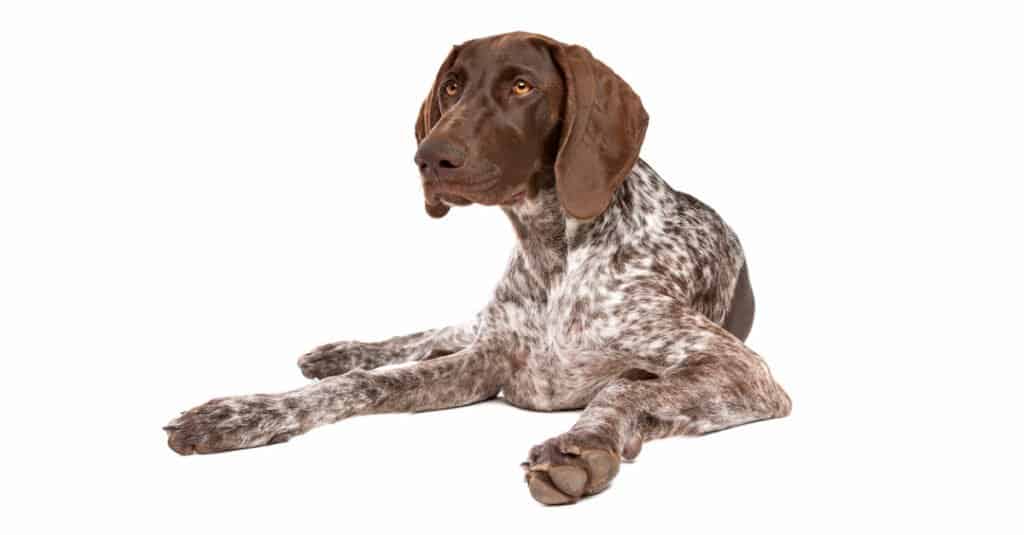
Although their coats are short, they shed plenty of fur.
©iStock.com/Eriklam
#13: They Can Be Difficult to Train
German shorthaired pointers are smart and eager to please, which makes for easier training. However, they can be difficult for people without dog training experience. A big mistake you might make is moving too quickly with their training or skipping steps.
Their prey drives can make them easily distractible, so it’s important to teach new cues indoors. Choose a low-distraction environment, even if it means removing other pets or people from the room while you work. Once your pup knows the cue well, you can work on adding in some distractions slowly. Do so until they can listen reliably in any context.
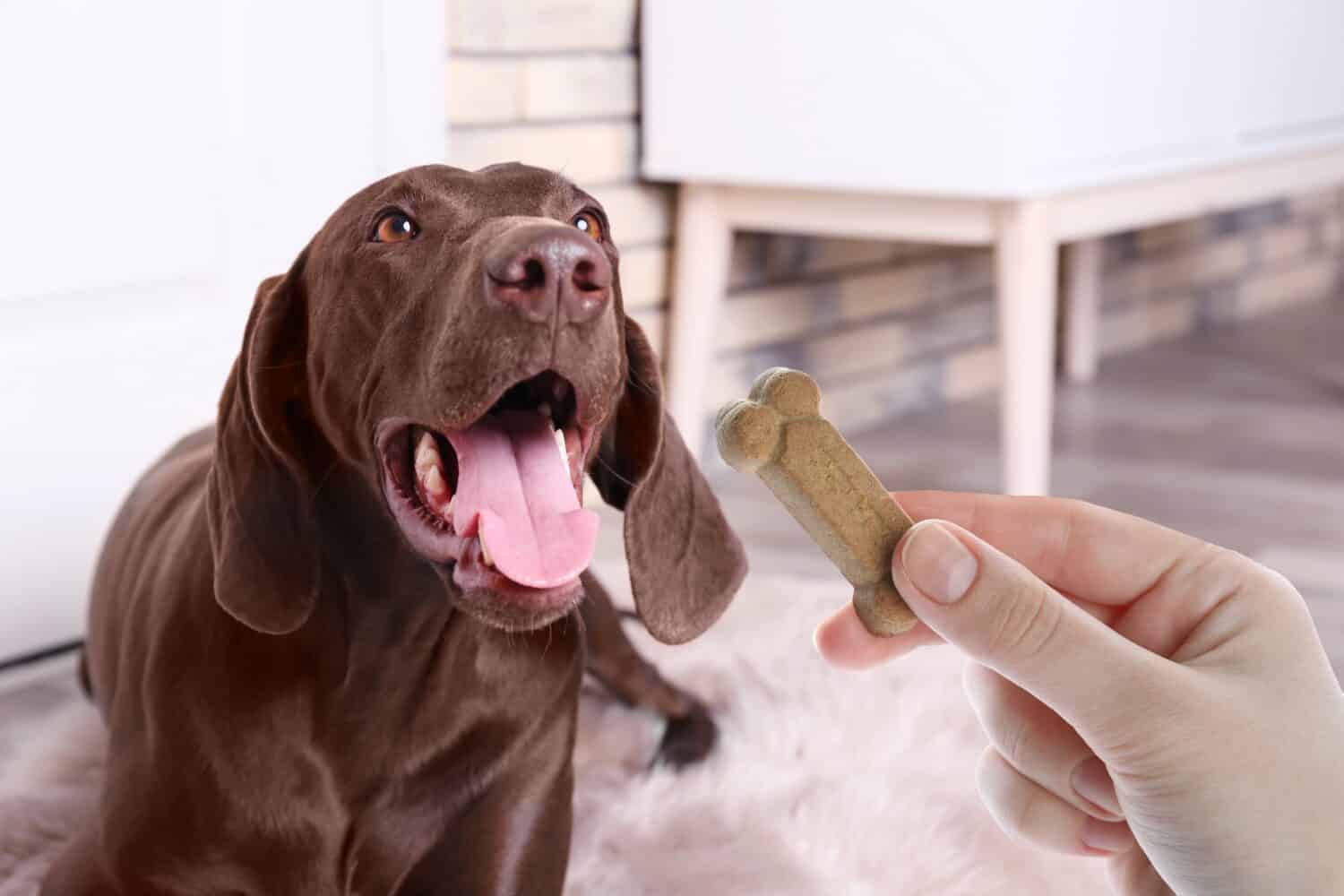
Positive reinforcement is one of the best ways to train a German shorthaired pointer.
©New Africa/Shutterstock.com
#14: They’re Sensitive to the Cold
Since they have lean bodies and their coats are so short, German shorthaired pointers can be sensitive to cold weather. This sensitivity can also apply to cold water. Although they love to swim, GSPs should be kept out of cold waters. Of course, temperature preferences will come down to the individual dog and where you live. You may be able to help a cold-sensitive dog by buying them a coat or some winter booties.

German shorthaired pointers are sensitive to the cold.
©CSNafzger/Shutterstock.com
#15: They’re Prone to Some Health Problems
Like every breed, German shorthaired pointers are prone to specific health problems. Some things to watch for include:
- Hip dysplasia – a loose hip joint that can cause difficulty walking
- Lymphedema – a disorder of the lymphatic system that causes swelling in the legs and typically begins at a young age
- Von Willebrand’s Disease – a blood clotting disorder
- Bloat (GDV) – a life-threatening condition in which a dog’s stomach fills with food, liquid, or gas and twists inside the body
Purchasing from a reputable breeder can reduce or eliminate the risk of your dog developing certain health conditions. Please make sure both parents have up-to-date OFA health testing available for you to see before purchasing a puppy.

German shorthaired pointers are prone to Von Willebrand’s Disease, which is a blood clotting disorder.
©New Africa/Shutterstock.com