







G
Species Profile

German Shorthaired Pointer

Canis lupus familiaris

Point. Retrieve. Repeat.
iStock.com/slowmotiongli

German Shorthaired Pointer Distribution

Click a location to explore more animals from that region

Origin Location

This map shows the native origin of the German Shorthaired Pointer. As a domesticated species, they are now found worldwide.

Loading map...

Found in 1 country

Size Comparison

Human 5'8"
German Shorthaired Pointer 2 ft

German Shorthaired Pointer stands at 36% of average human height.

Types of Pointer Dogs

At a Glance

Domesticated
Also Known As GSP, Deutsch Kurzhaar, Kurzhaar, German Shorthair
Diet Omnivore
Activity Diurnal+
Lifespan 11 years
Weight 32 lbs
Status Not Evaluated
Did You Know?

The breed's original name in German translates literally to "German short hair."

Scientific Classification

A versatile gundog breed developed in Germany for pointing and retrieving; commonly kept as an active companion animal.

Kingdom
Animalia
Phylum
Chordata
Class
Mammalia
Order
Carnivora
Family
Canidae
Genus
Canis
Species
Canis lupus familiaris

Distinguishing Features

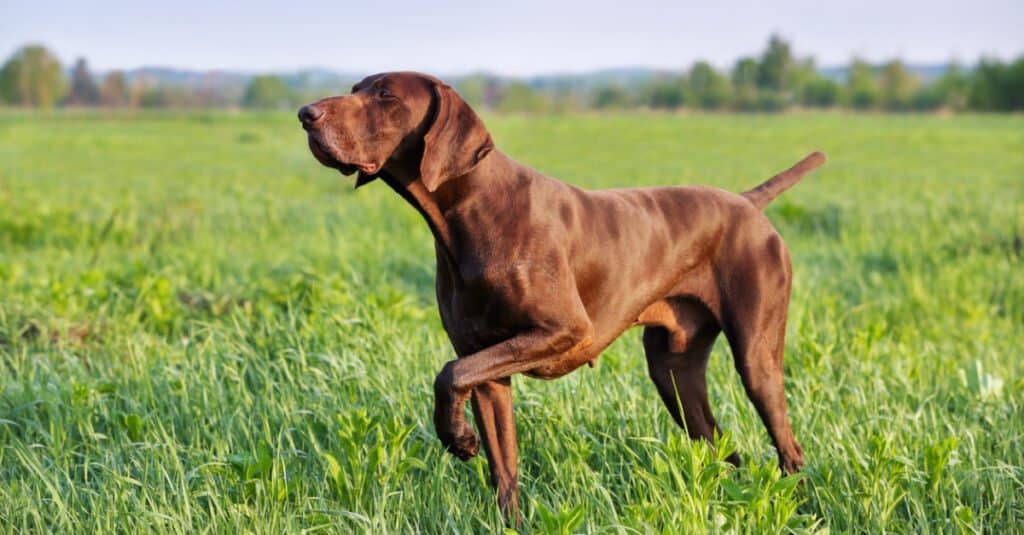
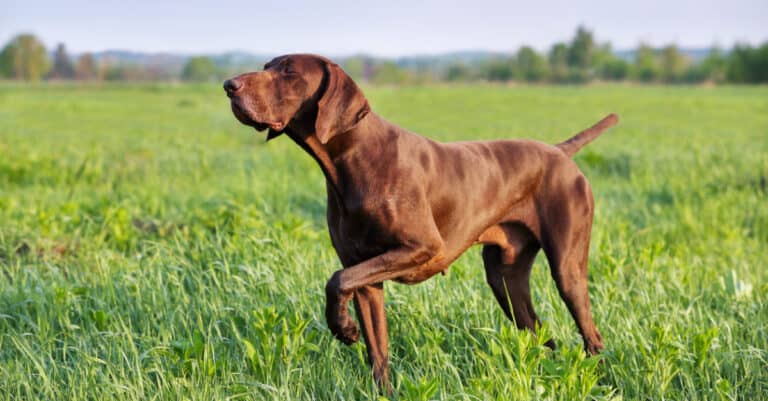
  • Medium-to-large, athletic, short-coated pointing dog
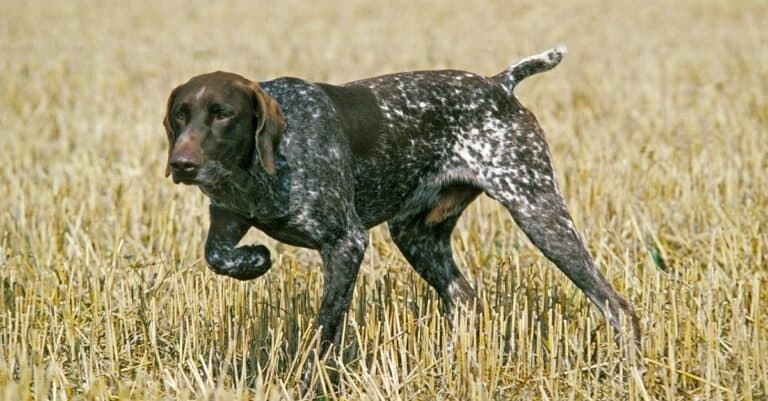
  • Typically liver/white or liver roan patterning (breed-standard coloration)
  • Long muzzle, drop ears, deep chest; built for endurance and speed
  • Noted for strong pointing instinct and versatility (field, forest, water)

Physical Measurements

Males and females differ in size

Height
2 ft 1 in (2 ft – 2 ft 2 in)
1 ft 12 in (1 ft 11 in – 2 ft 1 in)
Length
3 ft 3 in (3 ft 1 in – 3 ft 7 in)
Weight
62 lbs (55 lbs – 71 lbs)
52 lbs (44 lbs – 60 lbs)
Tail Length
1 ft 4 in (1 ft 2 in – 1 ft 6 in)
1 ft 2 in (12 in – 1 ft 4 in)
Top Speed
34 mph
About 30 miles per hour

Appearance

Primary Colors
Secondary Colors
Skin Type Very short, sleek, dense wash-and-wear coat. Skin, mouth lining, and eye rims usually match the coat color (liver or black). Coat gives less warmth than long-coated gundogs and can get small scrapes in thick cover.
Distinctive Features
  • Domesticated dog (Canis lupus familiaris) selectively bred from the gray wolf lineage for cooperative hunting work; compared with the base species/wolf-type build, the GSP is lighter-framed, more streamlined, and specialized for speed, endurance, and biddability.
  • Purpose-built versatile gundog developed in Germany for pointing and retrieving on land and from water; athletic, ground-covering trot and strong gallop; high stamina and strong prey drive.
  • Short, tight, glossy coat that sheds but is low-maintenance; characteristic liver/white (or black/white) roan/ticked patterns that distinguish it from similar pointer breeds (and from wire-coated relatives).
  • Lean, muscular, deep-chested silhouette with long legs; overall outline is square-to-slightly-rectangular and built for sustained field work rather than bulk/guarding.
  • Head is clean and chiseled with a long muzzle; ears are medium-long and pendant; eyes typically brown (darker preferred) with an alert, intense 'bird dog' expression.
  • Care requirements: needs substantial daily aerobic exercise and mental work (training, scent games, retrieving, structured running) to prevent frustration-related behaviors; thrives with consistent, reward-based training and opportunities to use nose/drive.
  • Coat care: minimal-weekly brushing/wipe-down; check ears (pendant ears can trap moisture) especially after swimming; rinse/dry after salt/pond water; regular nail and paw-pad care for active terrain.
  • Common health problems: hip dysplasia, ear infections (otitis) in swimmers, bloat/GDV risk in deep-chested dogs, inherited eye issues, skin/coat allergies, and hunting injuries like cuts, foxtails, and pad wear.

Sexual Dimorphism

Males are typically larger and more heavily muscled than females, but both sexes share the same short-coated, athletic pointer build; differences are subtle compared with many wild canids.

  • Slightly taller and heavier on average; broader head and chest; more pronounced musculature through shoulders and neck.
  • Slightly smaller and lighter; often a finer head and narrower chest; equally athletic with a slightly more refined outline.

Did You Know?

The breed's original name in German translates literally to "German short hair."

Bred as a "versatile" hunting dog: it can point upland birds, track wounded game, and retrieve from water.

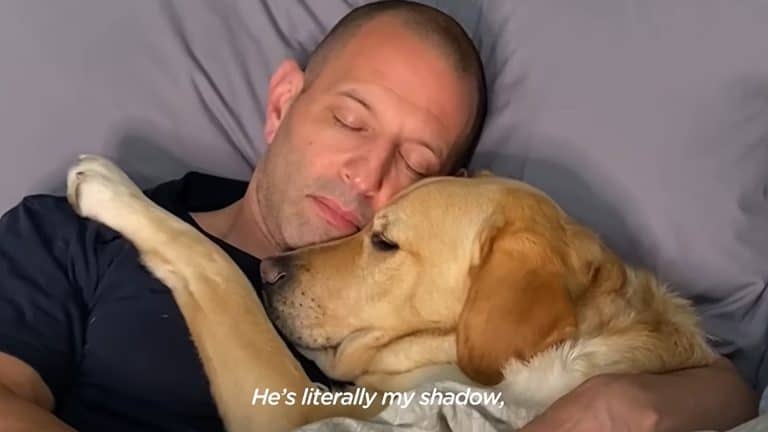
Many have a natural "velcro dog" reputation-closely shadowing their people when off-duty.

Their coat patterns often show ticking or roaning, a speckled look prized in working lines.

The classic rigid "point" is an instinctive behavior shaped by selective breeding, not taught from scratch.

In field tests, they're expected to work with both speed and endurance over large areas.

Early breed development in Germany emphasized performance standards through organized clubs and testing.

Unique Adaptations

  • Short, tight coat that sheds burrs and dries quickly-practical for fields and wetlands compared with longer-coated gundogs.
  • Long legs, deep chest, and athletic build support sustained galloping and efficient oxygen use during long hunts.
  • Highly developed olfaction and air-scenting ability for locating birds carried on the wind.
  • Natural pointing instinct-selectively reinforced for generations to hold game at a distance for the hunter.
  • Strong trainability and handler focus, shaped by working requirements to cooperate at range without losing contact.
  • Versatility across terrain (cropland, forest edges, marsh) due to balanced speed, stamina, and resilience.

Interesting Behaviors

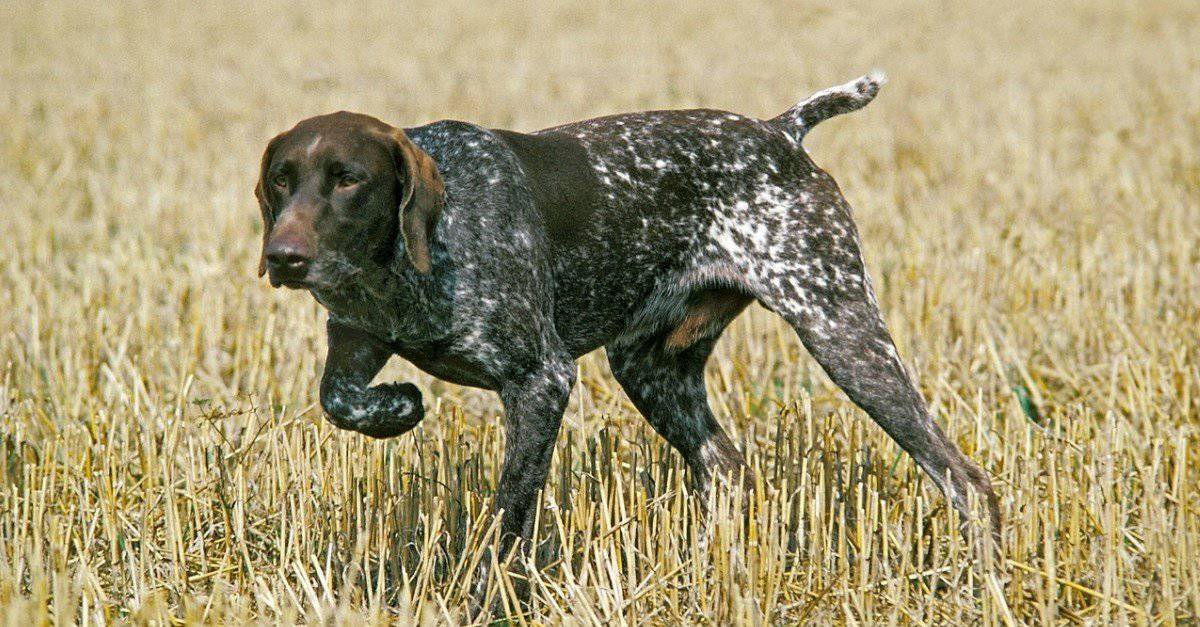
  • Freeze-and-stare pointing: they lock up with nose forward, tail level, and one forepaw sometimes lifted when scenting birds.
  • Quartering: a side-to-side searching pattern that efficiently covers ground while staying within gun range.
  • Soft-mouthed retrieving: many carry game or dummies gently, a trait valued to avoid damaging birds.
  • Water confidence: many willingly enter cold water to retrieve, especially when introduced young.
  • High "work-drive" play: fetch, scent games, and tug often look like job-like focus rather than casual play.
  • People-oriented "shadowing": they may follow room-to-room and seek physical contact after exercise.
  • Vocal and expressive alerting: some "talk" with whines or barks when anticipating activity or spotting wildlife.

Cultural Significance

The German Shorthaired Pointer (Canis lupus familiaris) is a key dog in Central European hunting and gundog breeding. Bred in 19th-century Germany by clubs and tests, it showed one dog can point, track, and retrieve, and still stars in field trials, conservation hunting, and sport homes.

Myths & Legends

In German hunting lore, early German Shorthaired Pointer breeders are said to have tried to create one dog to do the work of many specialists, with strict tests used to decide which dogs could breed.

A common story links the modern German Shorthaired Pointer (Canis lupus familiaris) to Prince Albrecht of the House of Solms-Braunfels, a German noble who made early breed rules and tests, preferring use over showy looks.

Traditional European hunting storytelling sometimes portrays the ideal pointer as a near-mystical partner that can "read the wind" and hold birds as if spellbound-an embellished campfire theme often applied to accomplished German Shorthaired Pointers.

In some German-speaking circles, the Kurzhaar's close bond and constant following is playfully framed as a dog that "guards your footsteps," a household superstition-like saying about loyal hunting dogs keeping misfortune away on the road.

Stories about the German Shorthaired Pointer say German bird dogs were crossed on purpose with imported pointing dogs, often Spanish or English; the exact mix is debated, but the tale is part of hunters' tradition.

Conservation Status

NE Not Evaluated

Has not yet been evaluated against the criteria.

Population Stable

Life Cycle

Birth 8 pups
Lifespan 11 years

Lifespan

In the Wild
10–12 years
In Captivity
10–12 years

Reproduction

Mating System Polygynandry
Social Structure Managed Domestic
Breeding Pattern Serial
Fertilization Managed Selective
Birth Type Internal_fertilization

German Shorthaired Pointer (Canis lupus familiaris): by nature polygynandrous (both sexes can mate with many partners). Breeding is managed by humans (planned studs, health testing). Pairings are temporary; no lasting pair bonds; internal fertilization.

Behavior & Ecology

Social Pack Group: 4
Activity Diurnal, Crepuscular
Diet Omnivore Meat-forward meals (e.g., poultry, beef, or fish) with animal fat; many individuals show strong preference for warm, high-protein foods and organ-meat aromas.

Temperament

High energy, athletic, and work-driven; strong need for daily vigorous exercise and mental work (distinguishes the breed from many less-driven companion-line dogs).
Highly people-oriented and handler-responsive when trained with consistent structure; can develop separation-related behaviors if under-exercised or left alone for long periods.
Bold, curious, and exploratory; strong prey drive and pointing instinct-may chase wildlife and requires reliable recall or secure areas.
Generally social with other dogs, but may be mouthy, rambunctious, and intense in play; benefits from early socialization and ongoing impulse-control training.
Intelligent and fast-learning; can become bored and destructive without enrichment (retrieving games, scent work, field training, puzzle feeding).
German Shorthaired Pointer is highly trainable, energetic in exciting settings, and bonds strongly with people. Line type, early socializing, and exercise affect stamina and prey drive, with field lines higher.

Communication

Barking to alert/excite during anticipation Departure cues, visitors, wildlife
Whining/whimpering during frustration, separation, or high arousal Common in energetic working breeds
Growls as distance-increasing signals during resource guarding or discomfort; typically preventable with management and training.
Play vocalizations (short barks, grumbles) during rough-and-tumble interactions.
Pointing/stance behavior as a hallmark breed signal: rigid posture, intense stare, lifted forepaw/tail carriage when detecting scent-an exaggerated predatory sequence shaped for human cooperation.
Body language: high tail carriage and forward posture when aroused; soft, wiggly posture and appeasement gestures when affiliative.
Scent-based investigation and marking (urine, ground sniffing) as primary information gathering; excels in nose-led tasks.
Mouth-based communication: carrying/retrieving objects; may mouth hands/leashes when overexcited-redirect to toys and reinforce calm holds.
Human-directed signaling: frequent check-ins, eye contact, and proximity seeking when trained; can learn to "ask" via nudges/pawing for access to play or work.
Care/health context (breed-specific): needs structured aerobic exercise + skill work daily; coat is low-maintenance but sheds. Common concerns include hip dysplasia, bloat/GDV risk (manage meals/exercise timing), ear irritation/infections from active outdoor exposure, and some hereditary eye/skin issues-regular veterinary screening and conditioning reduce risk.

Habitat

Biomes:
Temperate Forest Temperate Grassland Mediterranean Tundra Alpine Freshwater Desert Hot Desert Cold Savanna Tropical Dry Forest Tropical Rainforest Marine +6
Terrain:
Plains Hilly Valley Riverine Coastal
Elevation: Up to 14763 ft 9 in

Ecological Role

Human-associated omnivorous canid (domesticated companion and working hunter) that primarily consumes provided food but can act as a local mesopredator when free-ranging; in managed hunting contexts it assists humans in locating and retrieving game rather than independently regulating prey populations.

assists sustainable harvest and retrieval of game (reduces wounding loss) deterrence of some pest species around human habitation (behavioral presence) supports human activities (hunting, companionship, service/work roles) that influence local wildlife management decisions nutrient cycling at the household level via consumption of scraps (where practiced)

Diet Details

Other Foods:
Berries and fallen fruit Grasses Roots and tubers Human-provided plant foods Vegetables

Human Interaction

Domestication Status

Domesticated

The German Shorthaired Pointer (Canis lupus familiaris) was shaped by selective breeding from European hunting dogs in 19th-century Germany to be a gundog. It was bred for endurance, easy to train, strong prey drive, pointing, and retrieving on land and water. Today it is used as a hunting dog and active companion; field and show lines differ in energy.

Danger Level

Low
  • Mouthiness or nipping in undertrained adolescents due to high arousal/drive
  • Jumping/knocking over children or older adults from exuberance
  • Dog-to-dog conflict possible if poorly socialized; human-directed aggression is not typical but can occur in any dog with poor handling, fear, pain, or improper breeding
  • Bite risk increases if the dog is in pain (e.g., ear infections, orthopedic issues) or is resource-guarding without training

As a Pet

Suitable as Pet

Legality: Generally legal to own as a domestic dog in most jurisdictions; subject to standard local regulations (licensing, leash laws, vaccination/rabies compliance, breeding ordinances, and housing/HOA rules). Rarely targeted by breed-specific bans compared with some guarding breeds.

Care Level: Experienced

Purchase Cost: $500 - $2,500
Lifetime Cost: $16,000 - $42,000

Economic Value

Uses:
Companion animal ownership (pet industry) Sporting and hunting work Competitive dog sports and events Breeding and kennel operations Veterinary, grooming, training, and boarding services
Products:
  • Hunting services/field trial participation and related equipment demand (training tools, e-collars where legal, decoys, vests)
  • Working-dog training and boarding
  • AKC/FCI registration, breeding services, and stud fees
  • Dog sports participation (agility, dock diving, rally/obedience, canicross)
  • Pet goods consumption (high-activity diets, crates, enrichment toys)

Relationships

Quick Take

  • Achieving ‘perfect’ status required multiple generations of crossbreeding to master simultaneous land and water retrieval.
  • Acute GDV remains a life-threatening risk for active dogs that engage in exercise after a meal.
  • Surprisingly, a specialized pointing breed possesses webbed feet designed for powerful aquatic performance.
  • Breeders initiated a 1860 crossbreeding event to finally purge the bloodline of its persistent undesirable traits.

German Shorthaired Pointers are the result of German Breeders perfecting a bird dog. It took breeders multiple generations to mix different dog breeds to create the German Shorthaired Pointer. This breed is renowned for being a swift and powerful hunting dog that can assist in retrieving game from both land and water. German Shorthaired Pointers are excellent swimmers, thanks to their muscular bodies and webbed feet.

A German Shorthaired Pointer has a very distinct look. Their coat is either solid liver in color or a combination of both liver and white colors. This breed is very intelligent and playful. They can make a great family dog and can be a good playmate for children, especially older children. German Shorthaired Pointers, however, do require regular companionship and don’t do well when left alone, so they are best for families where someone is home most of the time.

An educational infographic about German Shorthaired Pointers featuring a central illustration of the breed with charts detailing its size, health risks, and historical lineage.
From specialized webbed feet to an 1860 crossbreeding secret, discover why this elite athlete is the 'Swiss Army Knife' of hunting dogs—and the one post-meal mistake that could be deadly. © A-Z Animals

Owning A German Shorthaired Pointer: 3 Pros And Cons

ProsCons
Excellent family dog: German Shorthaired Pointers can make a great companion and playmate for older children.High exercise needs: German Shorthaired Pointers have high exercise requirements. If their needs aren’t met, this breed may become destructive.
Gorgeous coat: German Shorthaired Pointers have a distinctive and attractive coat, often featuring liver and/or white colors.Not a good breed for apartments: German Shorthaired Pointers don’t do well living in apartment buildings due to their higher exercise needs.
Easy to Groom: German Shorthaired Pointers are very easy to groom and typically only require weekly brushing. They are not known for excessive shedding.May suffer from separation anxiety: German Shorthaired Pointers don’t like being left alone and can become anxious and destructive if alone for too long.
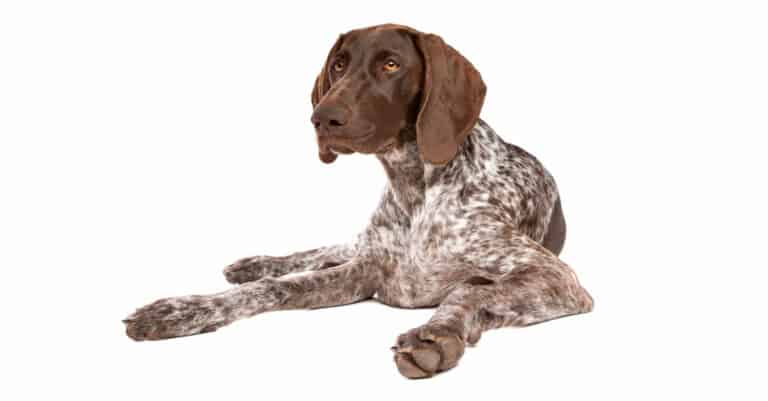
Brown German Shorthaired Pointer

German Shorthaired Pointers can make a great companion and playmate for older children.

History Of The Breed

There are many speculations about how the German shorthaired pointer actually came to be a breed. Still, most experts conclude that it was initially developed when an old Spanish pointer and the more traditional pointers, which included the French Pointer (the Braque Francais Pyrenean) and the German Pointer, were crossed. German hunters continued to crossbreed in the hopes that they would eliminate undesirable traits of the parent breeds. By 1860, when they had yet to achieve the desired result, they crossed this hybrid again with the English pointer to eventually produce the new German shorthaired pointer.

Size And Weight

German Shorthaired Pointers are a medium to large dog breed. Males typically stand between 23 and 25 inches tall and weigh between 55 and 70 pounds. Females are slightly smaller, standing between 21 and 23 inches tall and weighing between 45 and 60 pounds. Four-month-old male German Shorthaired Pointer Puppies weigh at least 28 pounds, while females of the same age weigh at least 22.5 pounds. By the time the puppies are six months old, males will weigh between 40 and 50 pounds, and females will weigh between 32 and 43 pounds. German Shorthaired Pointers typically reach full growth between 1.5 and 2 years of age.

Common Health Issues
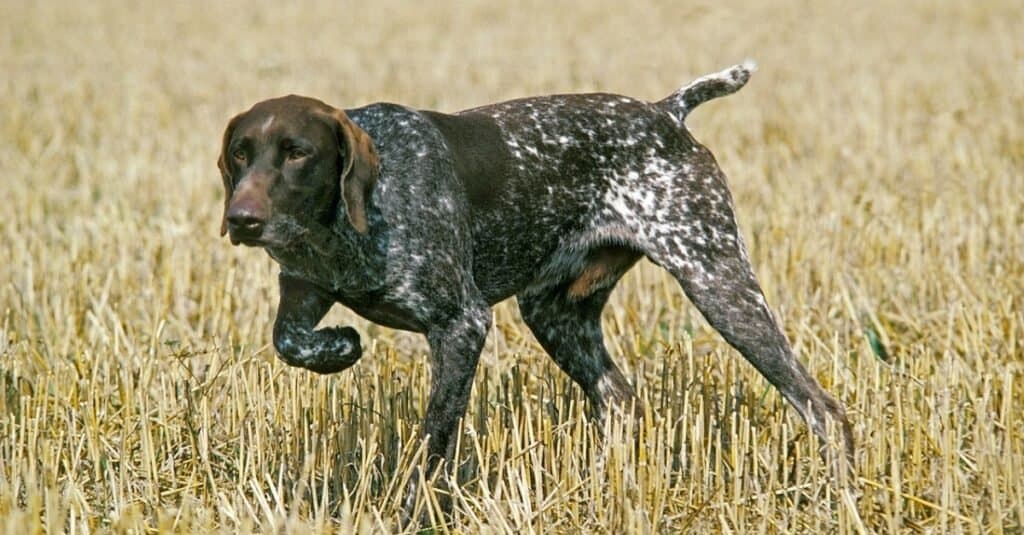
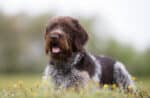
Types of Pointer Dogs

While these multitasking dogs are generally a healthy breed, they may still develop certain health conditions.

Overall, German Shorthaired Pointers are a healthy breed. Still, some health conditions may develop, and being aware of these conditions can help you provide the best possible care to your pup.

One potential health concern for a German Shorthaired Pointer is hip dysplasia. This is an inherited condition in which the dog’s hips don’t develop properly, causing the bones to rub against each other. It can be quite painful and may require surgery.

Cancer is another condition to be aware of in German Shorthaired Pointers. Mast cell tumors, mammary tumors (especially in unspayed females), and hemangiosarcoma are among the most common cancer types for this breed

As a larger breed, German Shorthaired Pointers may also suffer from gastric dilation-volvulus (GDV). Commonly referred to as bloat, this is a condition where the stomach of a dog becomes distended and then twists. The condition prevents a dog from expelling the excess air in its stomach. The exact cause of bloat is not known, but it is often seen after a dog engages in strenuous exercise following a large meal. This condition is life-threatening, and you should seek immediate attention if you think your dog is suffering from it.

Temperament And Behavior
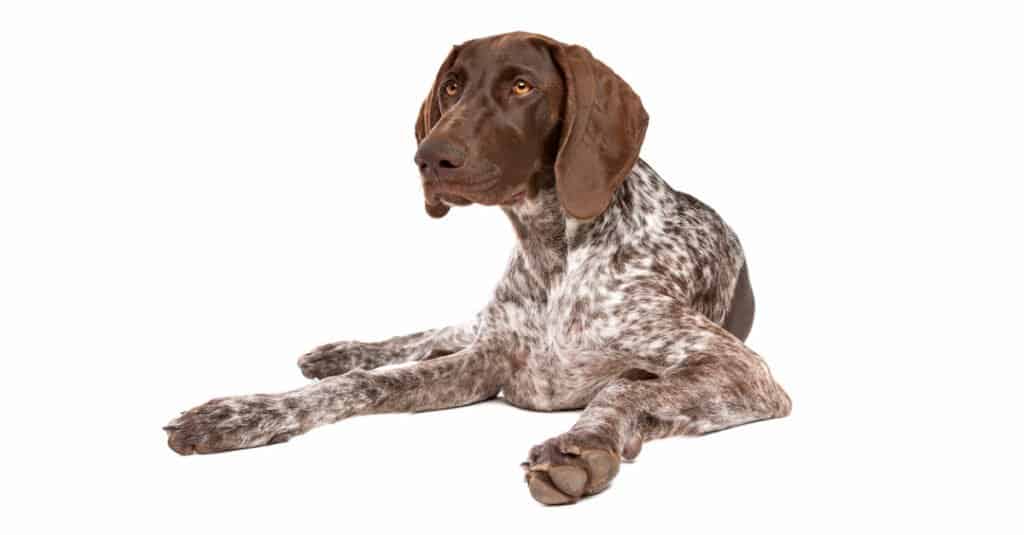
German Shorthaired Pointerr- Isolated

The German Shorthaired Pointer is known for its intelligence and friendly personality.

The German Shorthaired Pointer has a wonderful temperament. This breed is known for its intelligent and friendly personality. German Shorthaired Pointers also display very bold and confident traits. Due to their personality, German Shorthaired Pointers can make excellent family dogs. However, since they are more active and larger in size, they typically do best in homes with older children.

German Shorthaired Pointers love attention and spending time with their family. They do not fare well when left alone, however. If left alone for too long, a German Shorthaired Pointer may develop separation anxiety and exhibit destructive behaviors.

How to Take Care of a German Shorthaired Pointer

When preparing to care for a new German Shorthaired Pointer, consider the temperament, nutritional needs, exercise requirements, health concerns, lifespan, and other relevant factors to ensure you provide the best possible care for your pup.

The Best Dog Food

Always choose a high-quality dog food specifically formulated for active breeds, such as the German Shorthaired Pointer. Most dogs require between 2 and 3 cups of food per day. The exact amount your dog will require will vary based on several factors, including age, activity level, weight, metabolism, and health concerns. Speak with your dog’s veterinarian if you are unsure how much food it should be fed each day. The total daily recommended amount of food should be split into two meals each day for an adult German Shorthaired Pointer.

The nutritional needs of a puppy are different from those of an adult dog. Puppies have smaller stomachs than adults, and because of this, need to eat between three and four times each day. You’ll need to feed puppies smaller meals to make sure their nutritional needs are being met. Check with your veterinarian if you are unsure how much food your puppy should eat each day or how many times it should eat.

Although this is a hardy breed, it’s still wise for owners to select a dog food that addresses the health problems they’re most likely to develop. Additionally, any dog prone to GDV, also known as bloat, requires close monitoring of meals to ensure they don’t eat too quickly or too close to exercise.

Maintenance And Grooming
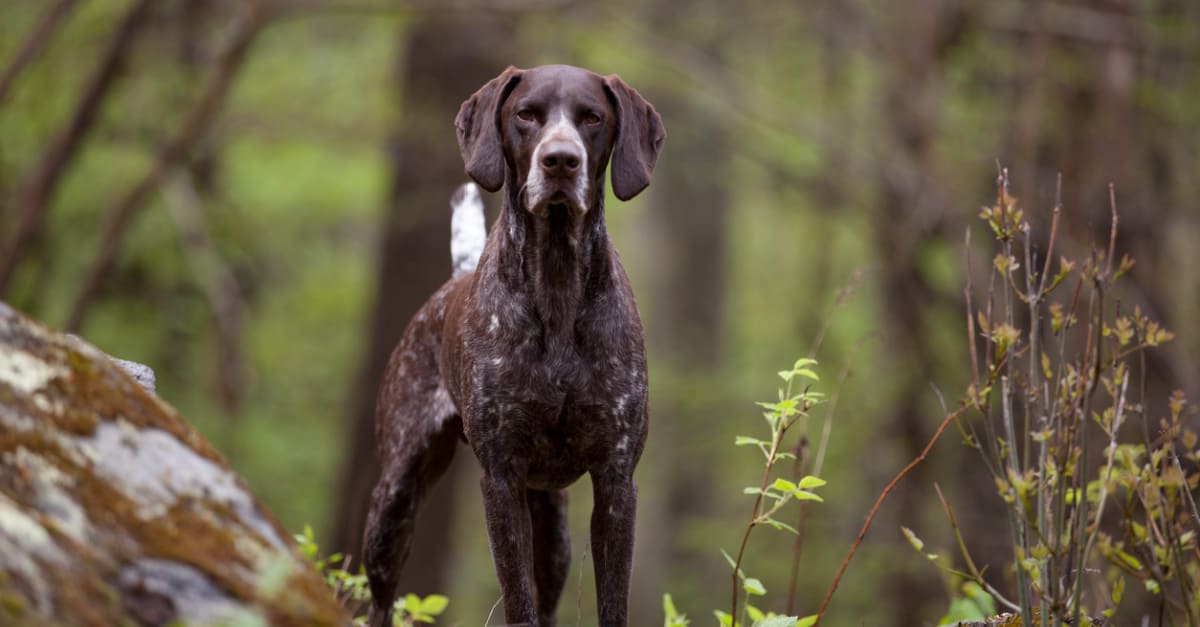
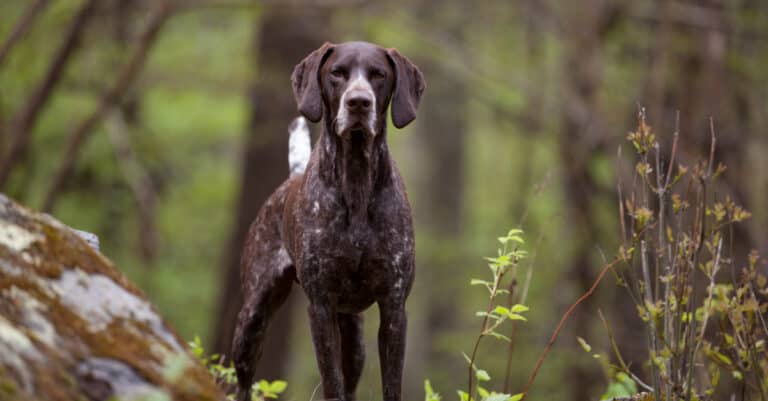
German Shorthaired Pointer in the Woods

German Shorthaired Pointers aren’t known to shed excessively and typically only require brushing once a week.

A German Shorthaired Pointer’s coat is either solid liver or comprised of both liver and white colors. Their coat is very short yet thick, making it easy to groom. German Shorthaired Pointers are not known for excessive shedding and typically only require brushing about once a week.

In addition to brushing your dog’s coat, don’t forget to also take care of his or her teeth, ears, and nails. Teeth should be brushed at least every other day, nails should be trimmed to keep them from getting too long, and ears should be kept clean and checked for any signs of infection.

Training
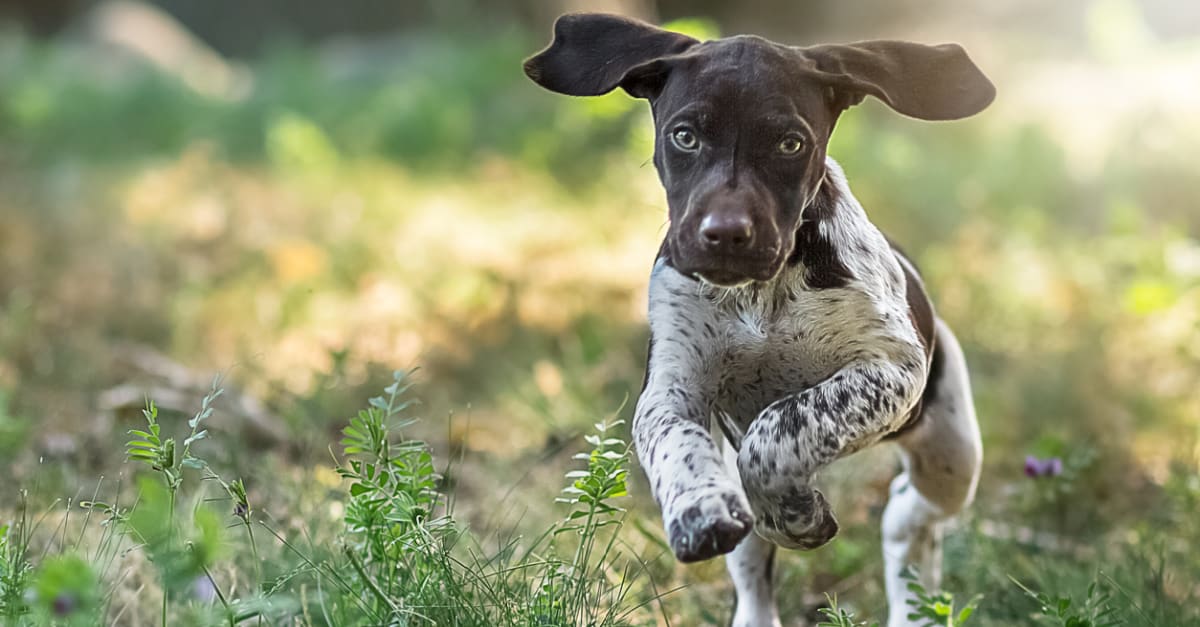
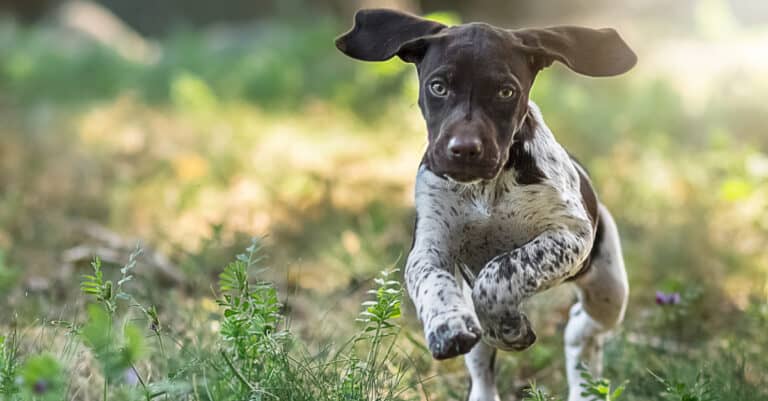
German Shorthaired Pointer Puppy Running

German Shorthaired Pointers are eager to please and should be easy to train.

Overall, German Shorthaired Pointers are very easy to train. They respond well to positive training methods, such as those that utilize food or praise. This breed is not inherently stubborn, but it may become less cooperative and more stubborn if harsh training methods are employed. German Shorthaired Pointers are eager to please, and as long as you keep each training session interesting and relatively short, you should have no trouble training this breed.

In addition to training your German Shorthaired Pointer, socializing them from an early age is also important. This will help ensure your new pup learns the expectations for different places and how to behave around various people and other pets.

Exercise

German Shorthaired Pointers require a significant amount of daily exercise. They will do best when adopted by an active family that can ensure the dog gets at least one or two hours of exercise every day. This activity may be in the form of long walks or hikes, runs, play sessions, or even swimming.

Puppies
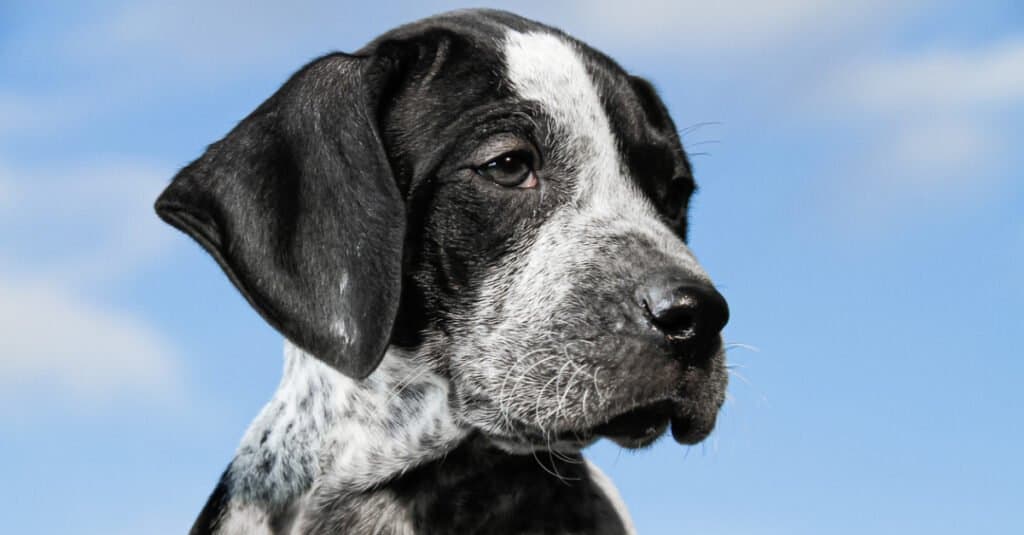
Close-up black and white german shorthaired pointer puppy

These puppies will need to be socialized from a young age to ensure they develop a positive temperament.

Before bringing home a German Shorthaired puppy, make sure you are ready to commit to the exercise needs of this breed. You should also ensure your home is puppy-proof and free of any items that could potentially endanger a puppy.

German Shorthaired Pointer puppies will need early socialization to help ensure they develop a positive temperament. Look for opportunities to bring your new puppy to different places and expose them to different people and other pets. You can also consider enrolling them in a puppy obedience class.

German Shorthaired Pointers And Children

German Shorthaired Pointers can make a wonderful family dog. They are playful and affectionate and love being active with their family. However, they typically do best in homes with older children. Because of their high energy level, boisterous personality, and larger size, a German Shorthaired Pointer may inadvertently injure a small child.

Dogs Similar To German Shorthaired Pointers

English Pointers, Flat-Coated Retrievers, and English Setters are three breeds that are similar to the German Shorthaired Pointer.

  • English Pointer: English Pointers and German Shorthaired Pointers are both hunting dogs that are relatively similar in size (average male weight of 55 pounds for an English Pointer vs. 62.5 pounds for a German Shorthaired Pointer. Both breeds are also playful, affectionate, and easy to train. However, English Pointers are a more specialized hunter for catching birds, while German Shorthaired Pointers can be used for different hunting purposes.
  • Flat-Coated Retriever: Flat-Coated Retrievers are another hunting dog who are also excellent swimmers like German Shorthaired Pointers. Both breeds are also easy to groom, intelligent, and affectionate. Flat-Coated Retrievers can make a better watchdog than German Shorthaired Pointers.
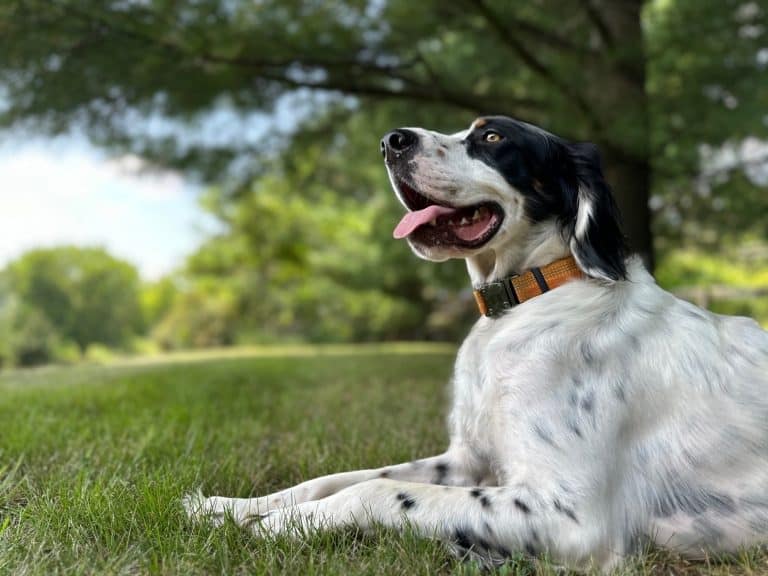
  • English Setter: English Setters and German Shorthaired Pointers are both hunting dogs with an average male weight of around 65 pounds. Both breeds are very affectionate, easy to train, and intelligent. The coat of an English Setter is feathered, compared to the denser coat of a German Shorthaired Pointer. Because of this, English Setters are a bit more difficult to groom.

Famous German Shorthaired Pointers

German Shorthaired Pointers are a popular dog breed. Some are even ‘famous’ and owned by celebrities! These famous pups include:

  • Samson was Bradley Cooper’s German Shorthaired Pointer.
  • Julie is Ben Stein’s German Shorthaired Pointer.
  • Clark Gable once had a German Shorthaired Pointer named Bob.
View all 261 animals that start with G

Sources

  1. American Kennel Club / Accessed August 18, 2021
  2. Dog Time / Accessed August 18, 2021
  3. Wikipedia / Accessed August 18, 2021
  4. Daily Paws / Accessed August 18, 2021
  5. Spirit Dog Training / Accessed August 18, 2021
  6. Pet Keen / Accessed August 18, 2021
  7. Life with Dogs / Accessed August 18, 2021
  8. Pinterest / Accessed August 18, 2021
  9. Jewish Life / Accessed August 18, 2021
  10. Mental Floss / Accessed August 18, 2021
  11. Your Purebred Puppy / Accessed August 18, 2021
  12. Trending Breeds / Accessed August 18, 2021
  13. Dogell / Accessed August 18, 2021
  14. Dogell / Accessed August 18, 2021
  15. Dogell / Accessed August 18, 2021
  16. Canine Journal / Accessed August 18, 2021
Melissa Bauernfeind

About the Author

Melissa Bauernfeind

Melissa Bauernfeind was born in NYC and got her degree in Journalism from Boston University. She lived in San Diego for 10 years and is now back in NYC. She loves adventure and traveling the world with her husband but always misses her favorite little man, "P", half Chihuahua/half Jack Russell, all trouble. She got dive-certified so she could dive with the Great White Sharks someday and is hoping to swim with the Orcas as well.
Connect:

Thank you for reading! Have some feedback for us?


German Shorthaired Pointer FAQs (Frequently Asked Questions)

The cost of purchasing a German Shorthaired Pointer from a breeder can vary. Generally, most breeders charge between $800 and $1,000. However, some German Shorthaired Pointers that have already been trained for hunting or those bred for shows could cost as much as $4,000. You may also be able to find a German Shorthaired Pointer available for adoption through a local rescue organization. The cost to adopt should be significantly less than purchasing through a breeder and will likely be a few hundred dollars.

As you assess whether you can afford to purchase a German Shorthaired Pointer from a breeder or adopt one from a rescue, keep in mind that your costs won’t end with purchasing the puppy. You will also need to cover expenses for the dog’s entire life. Given that the average lifespan of a German Shorthaired Pointer is 12 to 15 years, and each year could cost $500 to $1,000 (with the first year being more expensive), that is a significant commitment. Just make sure you’re prepared to provide the dog with excellent care throughout its life.