
Quick Take
- Pomeranians are famously clingy, yet that doesn't mean they want to cuddle. The distinction matters more than most owners expect. Clingy but not cuddly →
- Shaving a Pomeranian's coat to keep them cool in summer can backfire in a way that's hard to reverse. Why shaving backfires →
- Their tiny size makes one outdoor threat far more dangerous than most owners realize, and that threat is not other dogs. Outdoor predator dangers →
- The most popular Pomeranian trends from breeders are red flags, not selling points. Knowing the difference could save you years of heartache. Spot bad breeders →
Pomeranians may be small, but they have huge personalities that make them lovable, playful family companions. Their affectionate and lively temperaments have made them one of the most popular toy breeds, but as with any breed, there are some challenges owners should be prepared for. In this article, we’ll cover the most common complaints about Pomeranians and share practical tips on how to manage them.
#1: They’re Tiny and Fragile
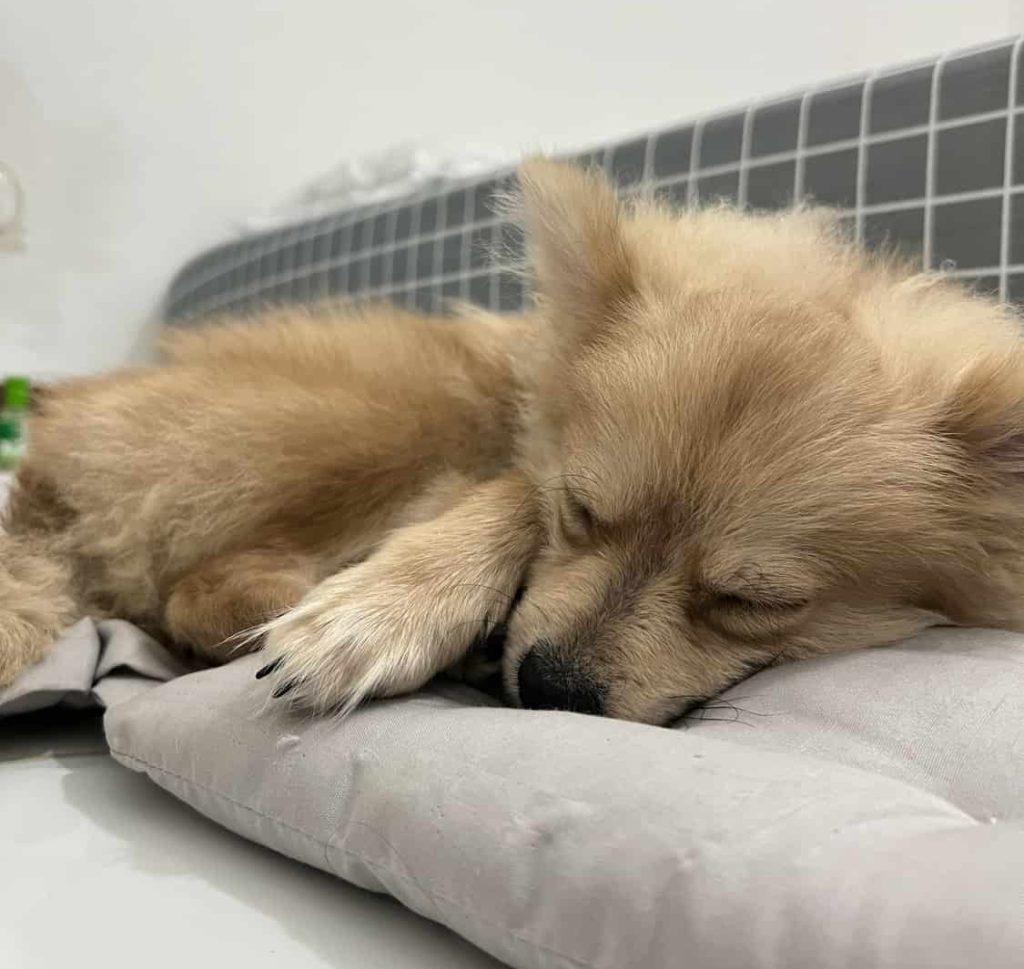
It can be easy to injure a Pomeranian by mistake if you aren’t careful.
©Ervan Widjaja/iStock via Getty Images
Pomeranians weigh just 3-7 pounds. They can easily be hurt by rough handling or stepping or sitting on them accidentally. Other pets can also harm your Pom, on purpose or by mistake through rough play. Don’t allow your Pomeranian to jump on and off furniture, as this can easily cause an injury. Buying doggy ramps or stairs can help them navigate your home safely.
If you have children, they must be taught to handle the dog gently. Young children should not be allowed to pick the Pomeranian up and carry them around, roughhouse, or tease them. They should be supervised together at all times for both of their safety.
Another risk to small dogs like Pomeranians is birds of prey and other predators outdoors. Keep an eye on your dog outside and don’t leave them unsupervised. Even if a bird cannot actually pick up your pet, they can still inflict grievous wounds with their talons.
#2: They’re Escape Artists
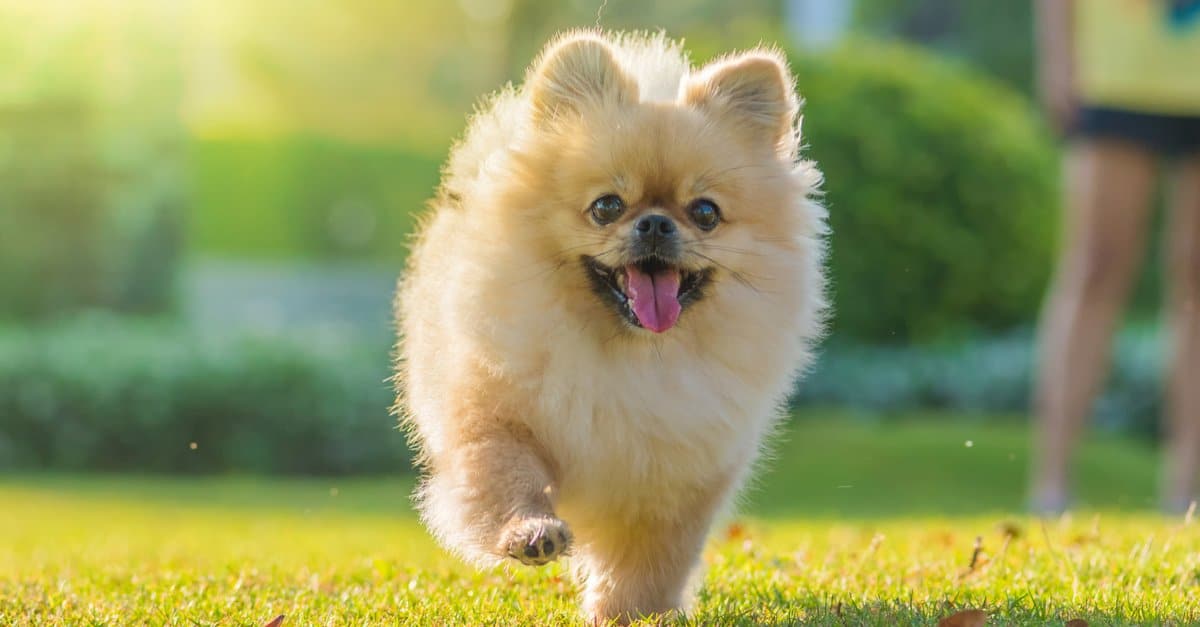
Pomeranians may escape your yard if it isn’t properly enclosed.
©wirakorn deelert/Shutterstock.com
Pomeranians may try to fit through gaps in fencing, squeeze beneath the fence, or find a way to hop over it. They can have strong prey drives and may chase small animals such as birds or squirrels. It’s important to either secure your yard well or take your dog out on a leash and supervise their outside time.
#3: Pomeranians Can Be Stubborn
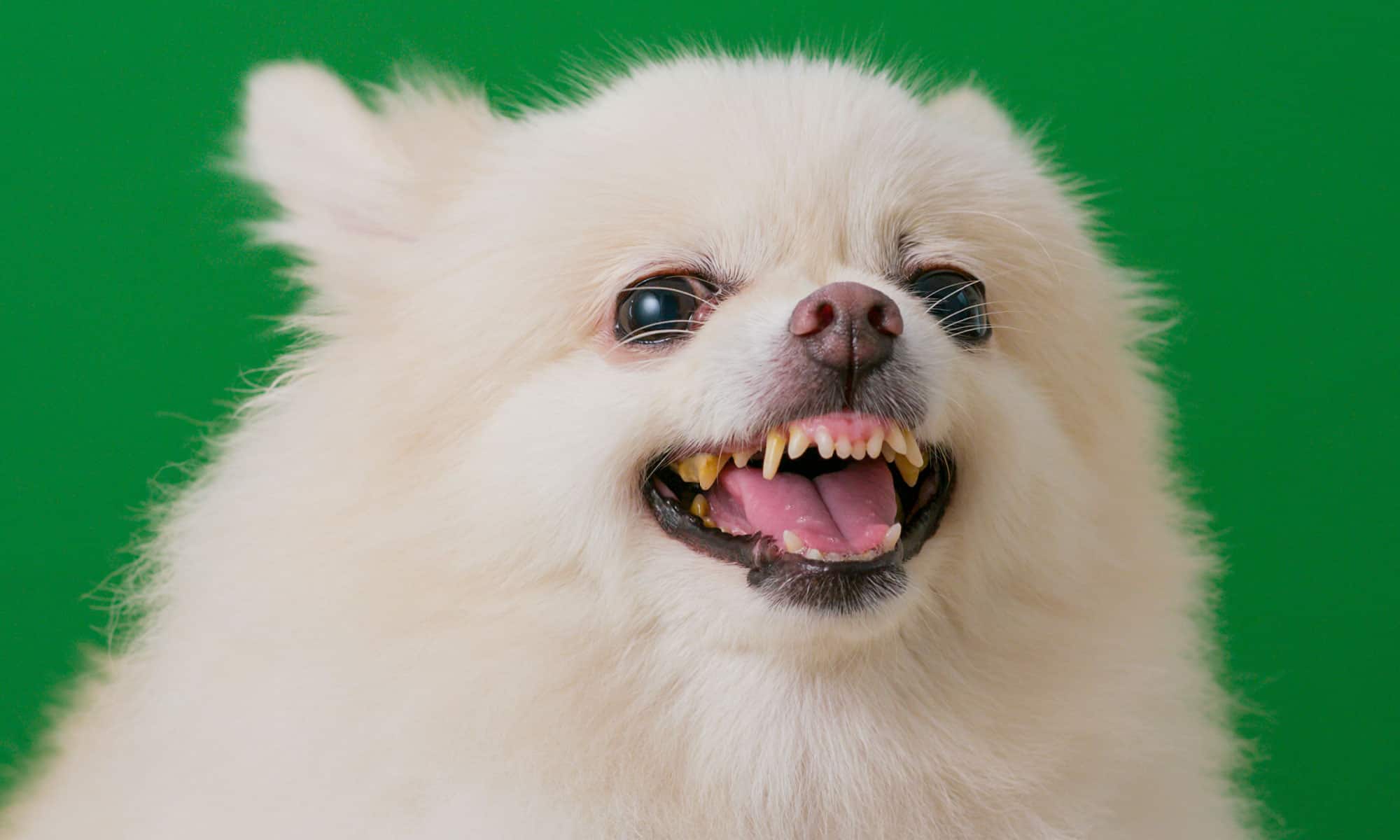
Pomeranians can be mischievous dogs who don’t always follow your rules.
©leungchopan/Shutterstock.com
Though they’re intelligent, trainable dogs, Pomeranians have an independent streak. Start training at a young age and keep the experience positive by using high-value rewards and avoiding any aversive methods. Have patience with your pup and work with them daily, even for short sessions to practice what they know.
#4: Housebreaking Can Be a Challenge
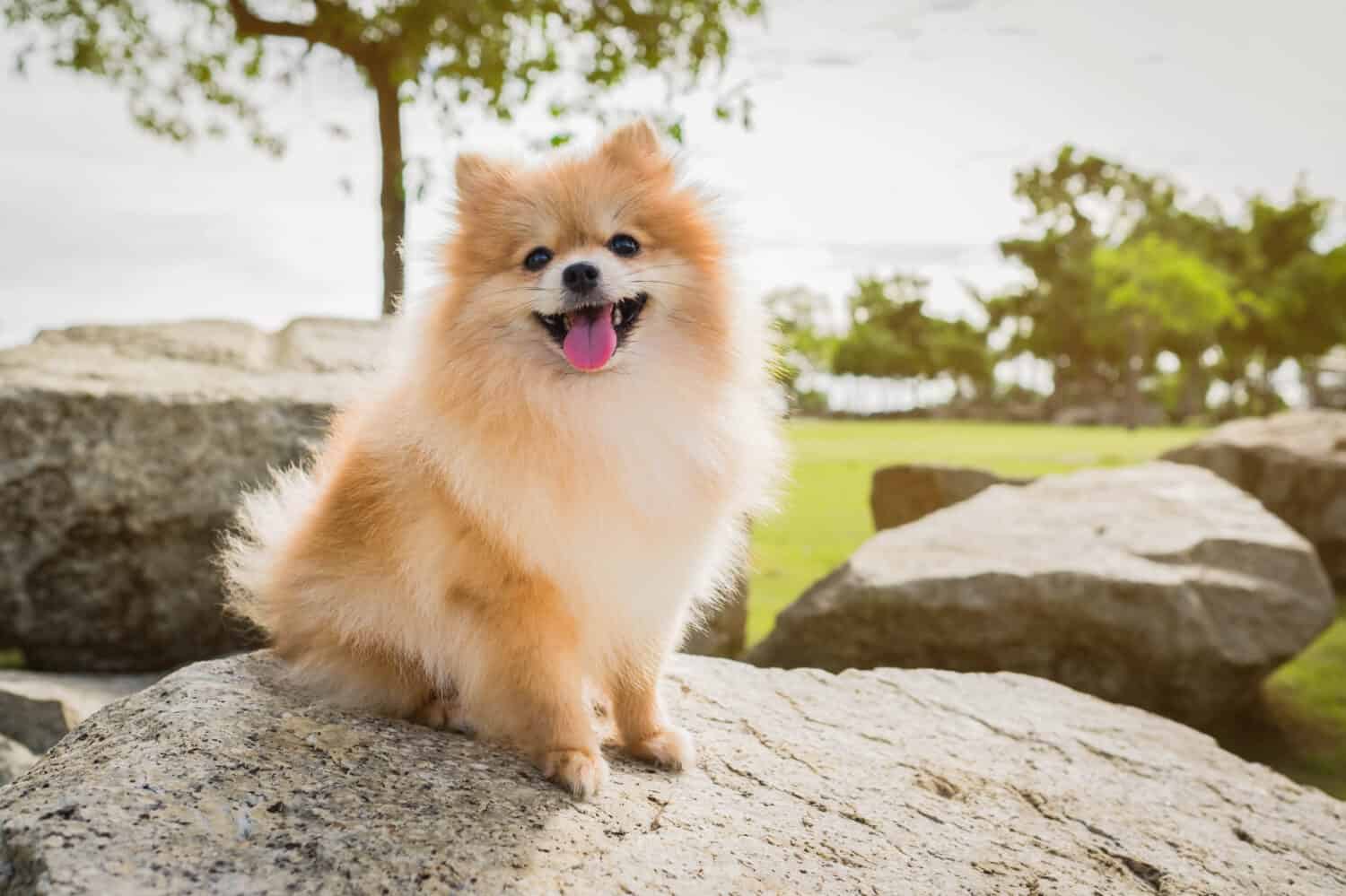
Learning to urinate outside can be difficult for a Pomeranian.
©pattarawat/Shutterstock.com
Housebreaking is more difficult for small dogs like Pomeranians because they have smaller bladders and cannot hold it as long as larger dogs. Take your Pomeranian outside consistently and have patience. Experts recommend at least once every two hours when you first bring them home.
You can also consider training using puppy pads or grass pads, but keep in mind that it can be more difficult to train a dog to go outside once you’ve given them the option of going in the house. This approach is best only if you are comfortable with indoor elimination for the rest of the dog’s life.
#5: They Need Socialization

Pomeranians require socialization just like every other dog.
©CandyRetriever/iStock via Getty Images
Many people adopt toy breeds thinking they won’t need as much training or socialization, but this isn’t true. There’s no shortcut to training your dog well. Pomeranians can be vocal and insecure around strangers if they aren’t well-socialized when young. They should be taught how to behave in public and how to accept the handling that they’ll experience at the vet or groomer.
#6: Pomeranians Tend to be Clingy
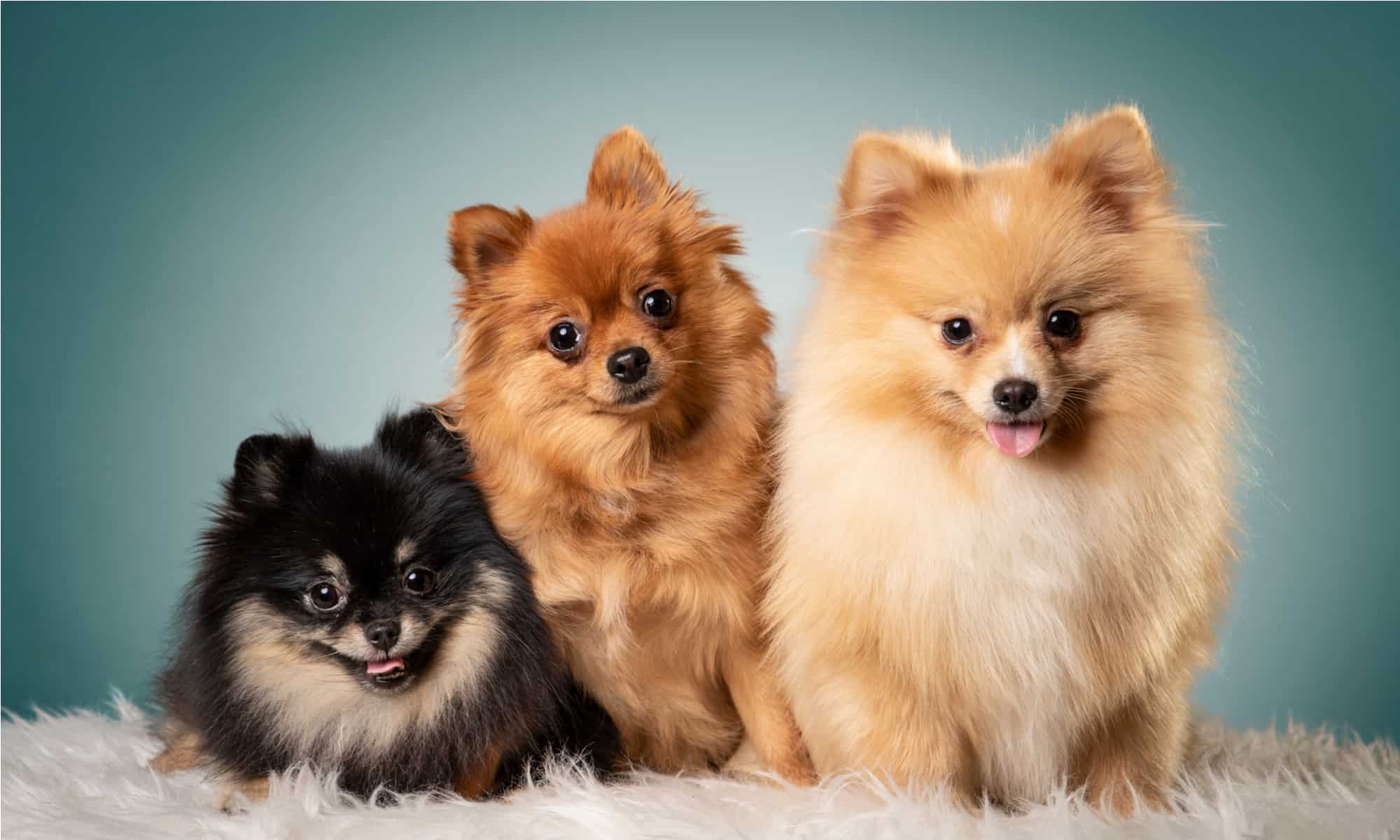
Pomeranians enjoy spending time around their favorite people and pets and don’t like being alone.
©Eva Sustar/Shutterstock.com
These aren’t dogs that can tolerate you being gone for extended periods. They thrive in families where someone is home most of the day and are prone to separation anxiety and isolation anxiety. While it’s important to teach your Pomeranian to be alone for short periods, building up to a few hours at a time, it’s equally important to keep your expectations realistic. For instance, crating them for a whole workday is going to make for an unhappy dog.
#7: They Are Not Lap Dogs
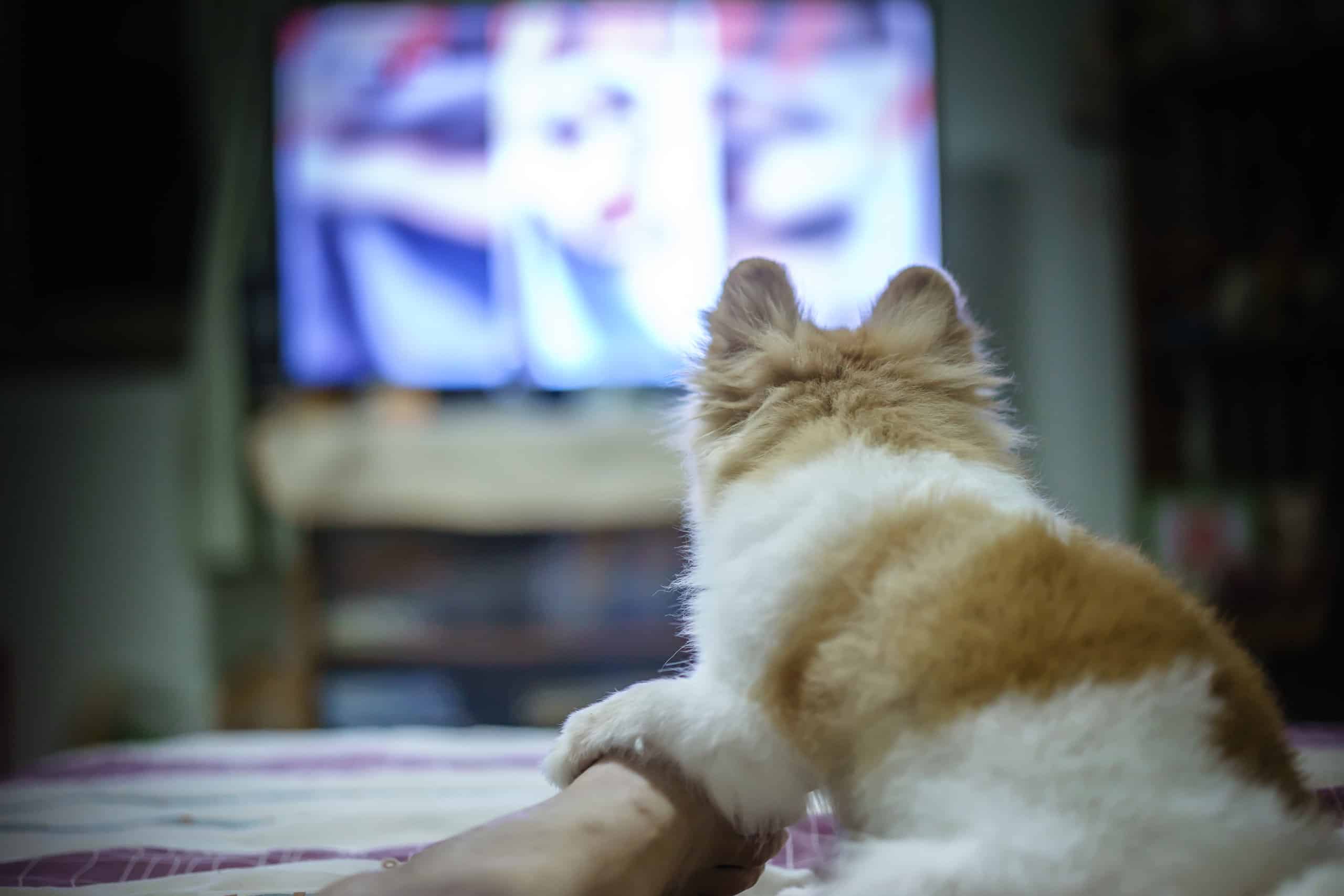
Pomeranians like being near their people but not necessarily on top of them.
©sommart sombutwanitkul/Shutterstock.com
Despite their clinginess, not all Pomeranians like to cuddle. If you want a snuggly pup, you might be better off with another small breed. Another option is to look for an adult Pom who’s uncharacteristically cuddly for the breed. Most Pomeranians aren’t really known as lap dogs, despite their size. They often prefer to lie near you rather than on you.
#8: They Are Very Vocal
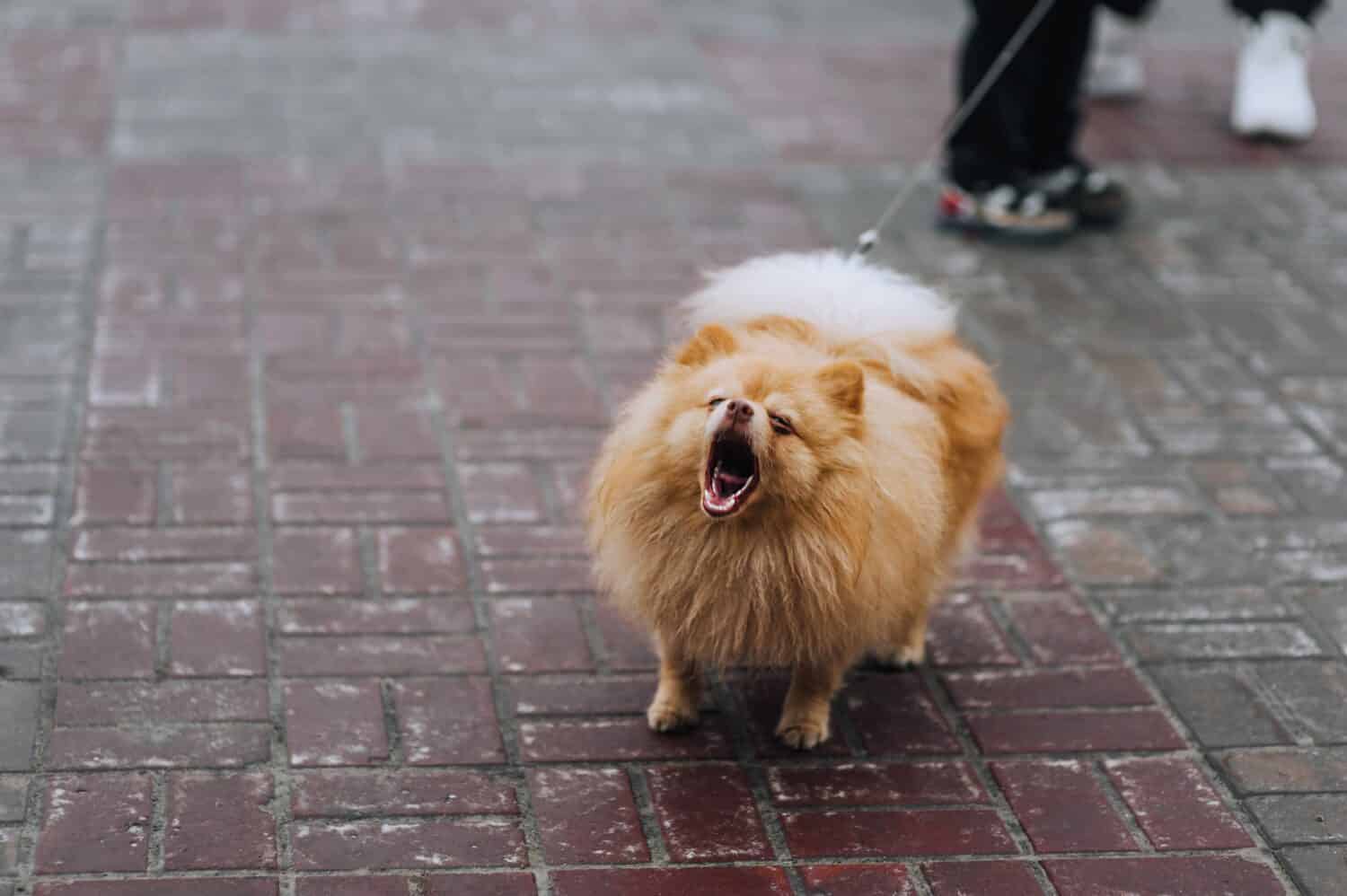
Pomeranians can be very noisy dogs.
©Shchus/Shutterstock.com
Poms make great little watchdogs because you’ll likely know everything that happens outside the window. However, a Pomeranian’s barking can get old and is one of the biggest complaints about them. You can teach a “quiet” cue to reduce the barking but don’t expect it to go away fully. These little pups have a protective nature and they are very alert.
#9: Pomeranians Are Moderate to Heavy Shedders
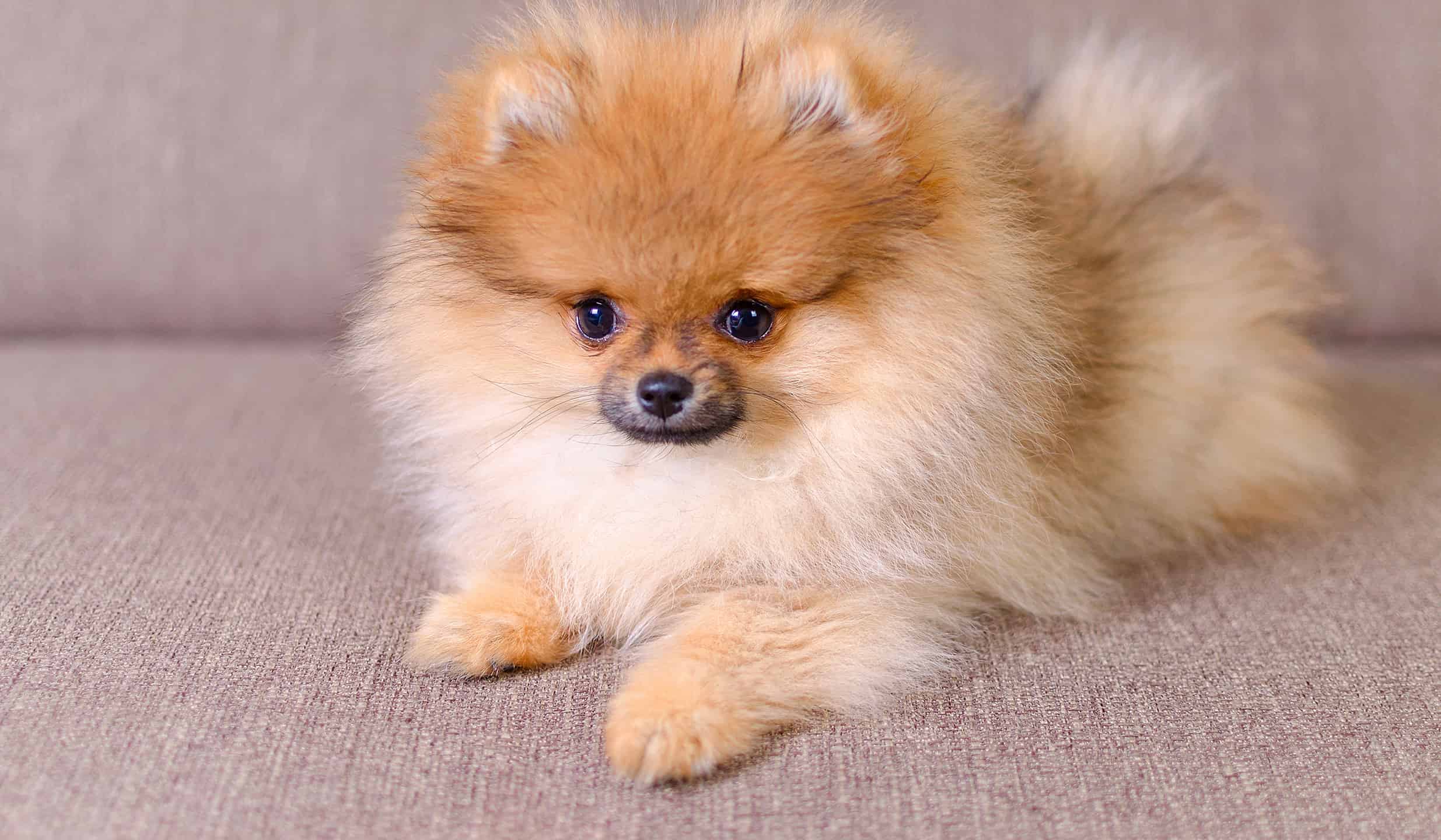
Pomeranians need frequent brushing for their coats to look their best.
©iStock.com/nadisja
Perhaps the most common complaint you’ll hear about Pomeranians is that they shed quite a bit, especially for their small size! As moderate to heavy shedders, you’ll find fur around your home year-round, and more so during shedding season in the spring and fall.
#10: Pomeranians Need Regular Grooming
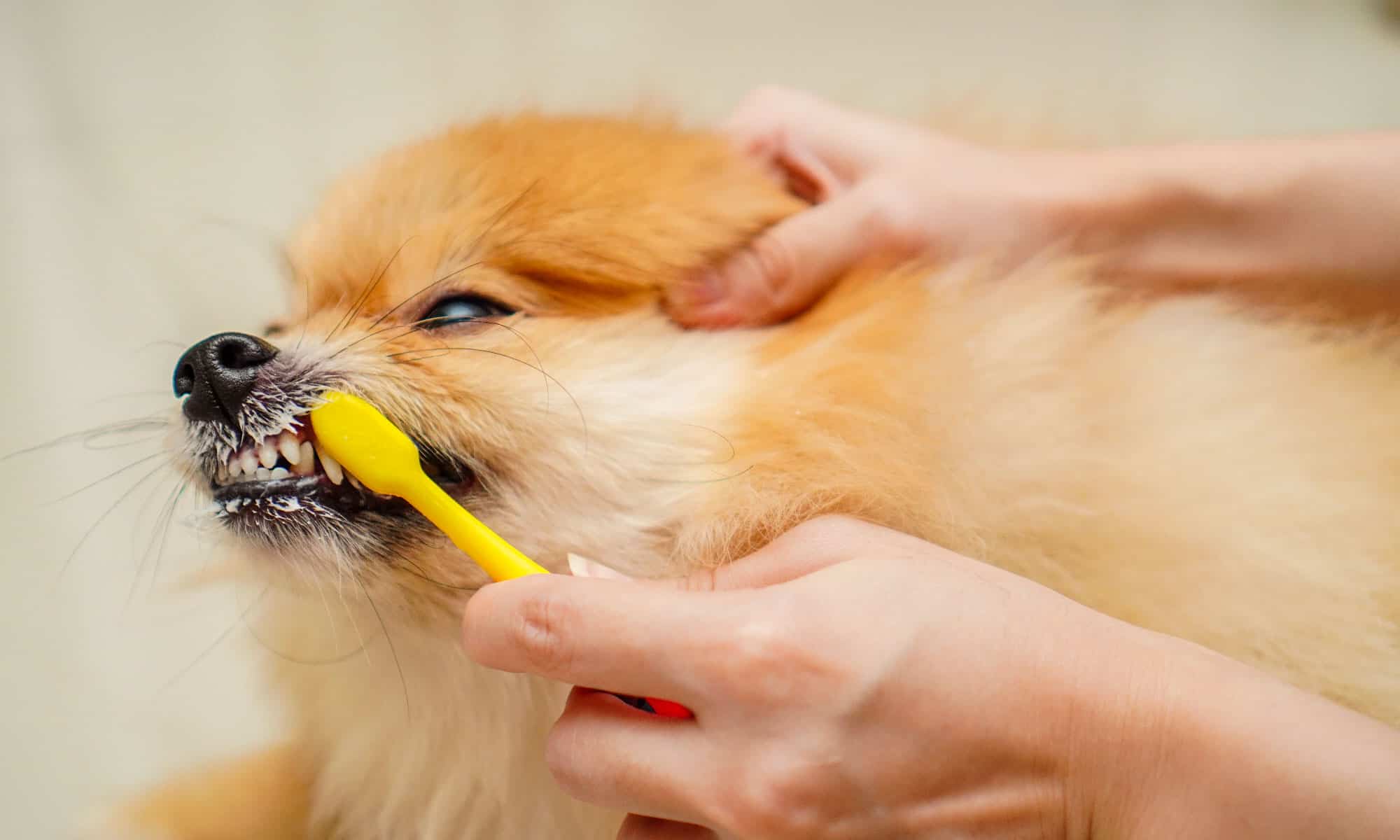
It’s important to groom your Pomeranian regularly, including brushing their teeth.
©aonip/Shutterstock.com
Pomeranians’ thick coats need combing down to the skin a few times a week to prevent painful mats from developing in their fur. During shedding season, you may need to brush them every day. This takes more time than brushing a short-haired dog, as you’ll need to part the fur and brush thoroughly throughout.
Their coats shouldn’t be shaved unless it’s needed for medical reasons, such as severe matting or surgery. Damage to a Pomeranian’s double coat can make it harder for them to regulate their temperature, so they may be too hot in the summer or too cold in the winter. It also exposes their skin to issues such as sunburn.
You can take your pup to the groomer to have them bathed, their nails trimmed, and their anal glands drained if needed every four to six weeks. Or, you can do these things at home.
#11: Pomeranians are Prone to Specific Health Problems
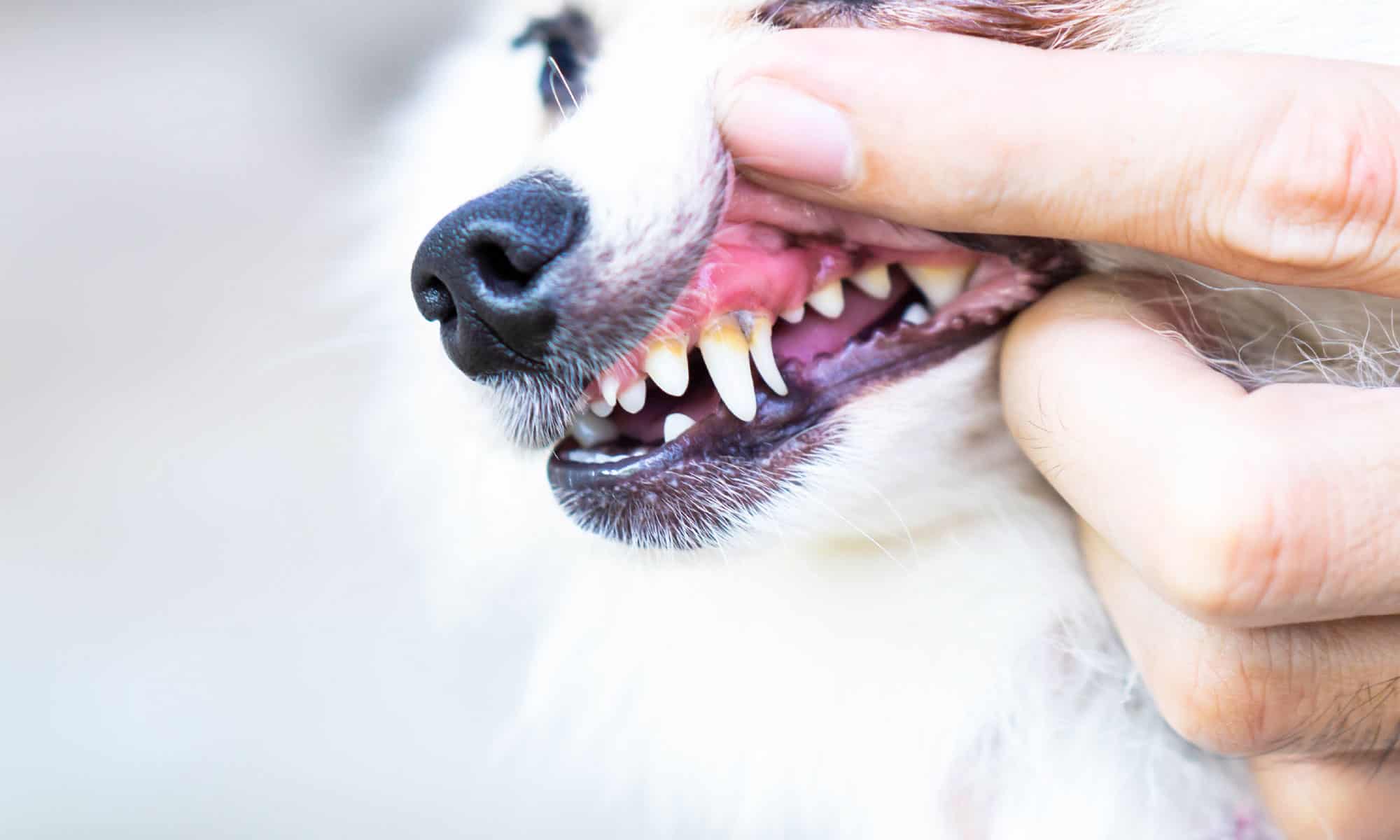
Pomeranians are prone to health problems, including dental disease.
©MRAORAOR/Shutterstock.com
Pomeranians are prone to specific genetic health problems. The Poms that tend to be the least healthy are those bred to have shorter snouts than is standard for the breed, which can lead to problems like difficulty breathing and exercising, heatstroke, and collapsing trachea.
Other common health problems in Pomeranians include:
- Luxating patella
- Hip dysplasia and Legg-Calve-Perthes
- Seizures
- Alopecia X (black skin disease)
- Heart problems
- Eye conditions
- Thyroid disease
- Dental disease
Make sure your breeder has up-to-date genetic health testing for both parents and that the results are publicly available. Your breeder should be able to give you CHIC numbers for both parents to certify that they’ve been tested. Of course, there is no way to guarantee your Pomeranian will never face health problems.
Keeping their teeth brushed can help prevent dental disease and benefit their overall health. It’s important to either have savings for veterinary care prior to adoption or to purchase pet insurance as soon as you bring them home.