
Quick Take
- Second infections can hit far harder than the first. The reason lies in the body's own defenses.
- Scientists are fighting these mosquitoes with strange tricks, from engineered males to a common bacterium.
- This mosquito attacks in a sneaky way that helps it avoid detection. Where it strikes may surprise you.
- A few small habits in your own yard could blunt an outbreak. One common repellent has also come under scrutiny.
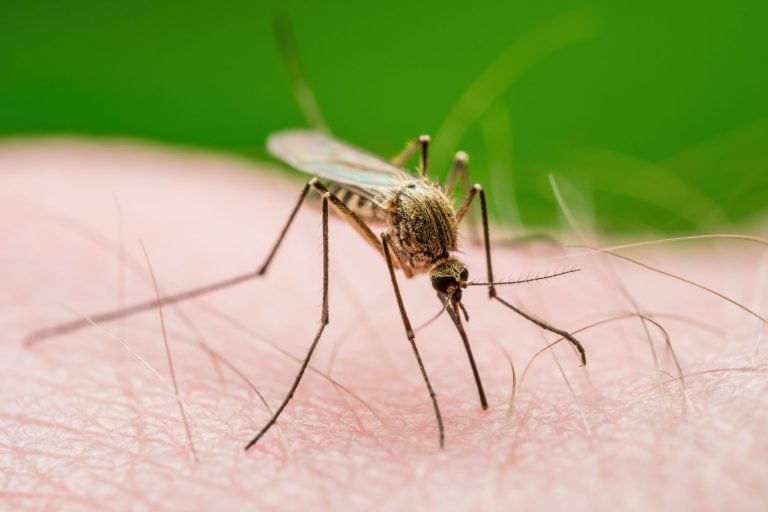
No animal on Earth is more deadly than the mosquito, due to its ability to rapidly spread disease. It could be said that Anopheles mosquitoes get most of the credit because they spread malaria, one of the deadliest diseases on Earth. In 2024 alone, the World Health Organization recorded 282 million malaria cases and 610,000 deaths from the disease. This is considerable, but there is another species of mosquito just as responsible for wreaking havoc on immune systems. Meet Aedes aegypti, otherwise known as the yellow fever mosquito.
Whereas Anopheles mosquitoes typically carry Malaria, the yellow fever mosquito is responsible for the transmission of yellow fever, dengue fever, Zika, and chikungunya, and has been associated with 54 viruses in total. This, in part, is due to the success Aedes aegypti has had in adapting to human environments. Dengue fever, in particular, is a cause for concern. In 2024, transmission of the virus reached a historic peak; the WHO recorded 14.6 million cases and more than 12,000 deaths globally. While numbers have since dropped, dengue fever remains incredibly dangerous. Let’s learn more about yellow fever mosquitoes, why they spread viruses like dengue so effectively, and how to combat instances of the infection in places around the United States.
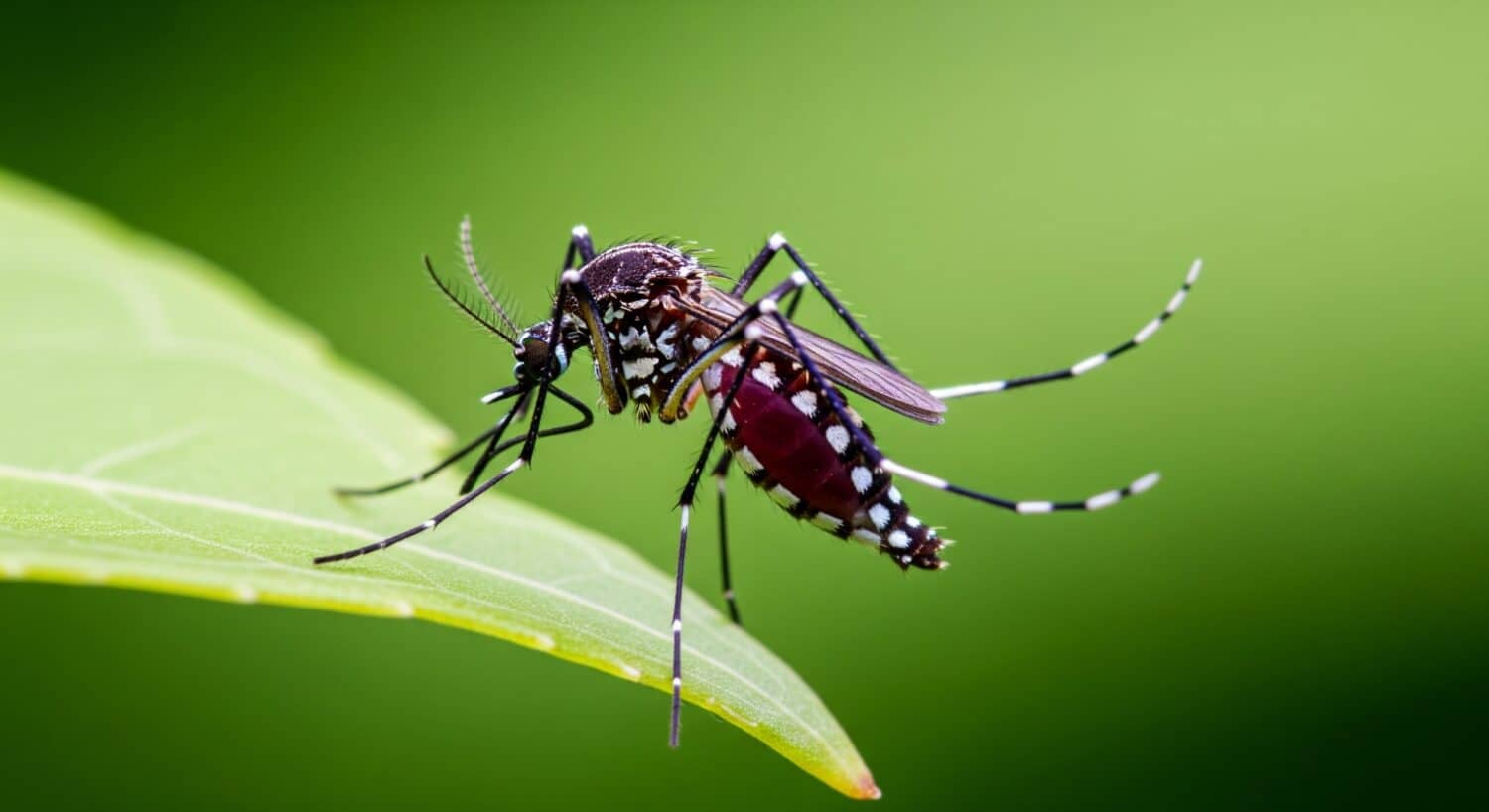
Aedes aegypti
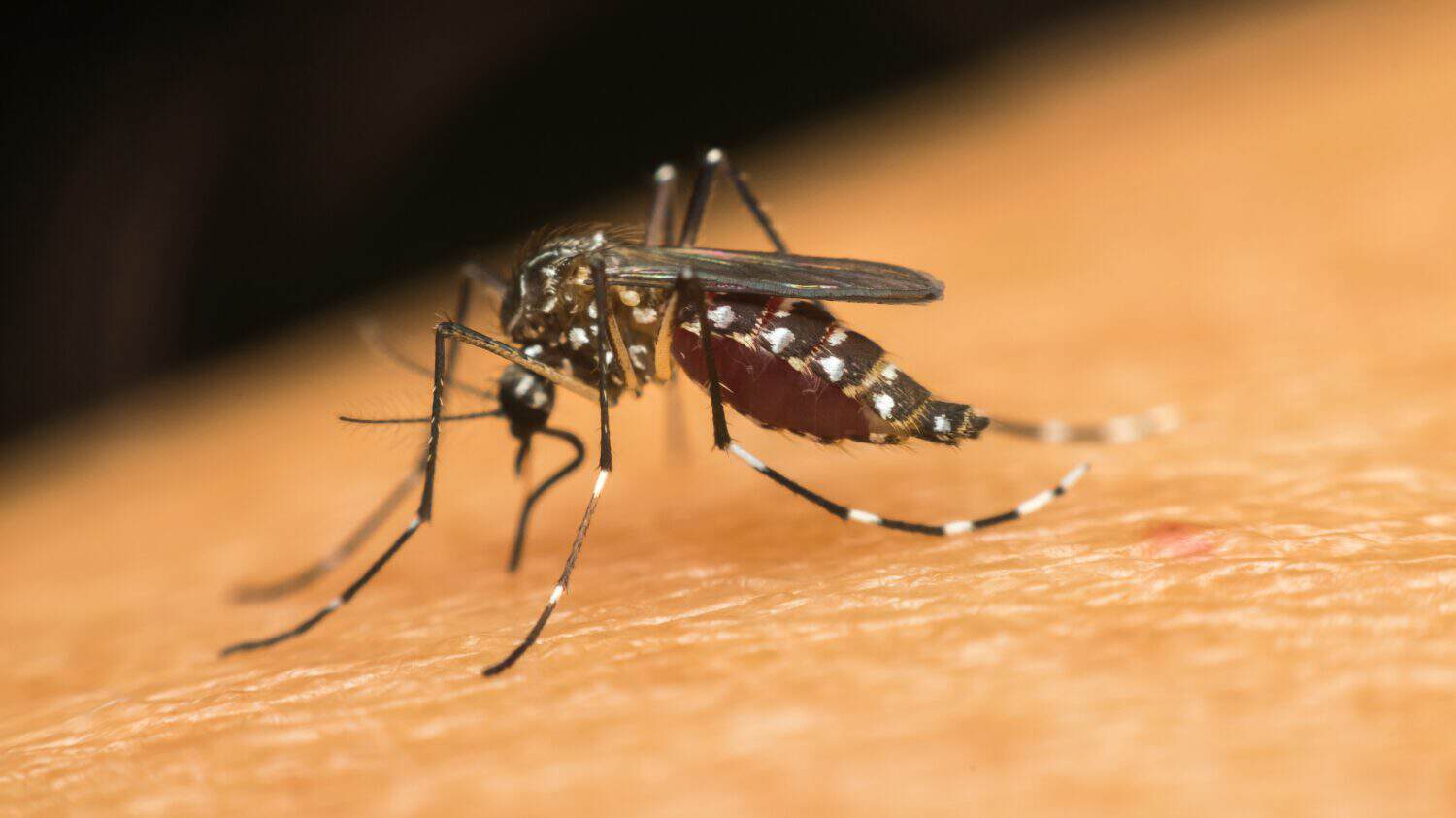
This distinct-looking mosquito is responsible for the spread of numerous diseases and viruses, including dengue fever.
©PongMoji/Shutterstock.com
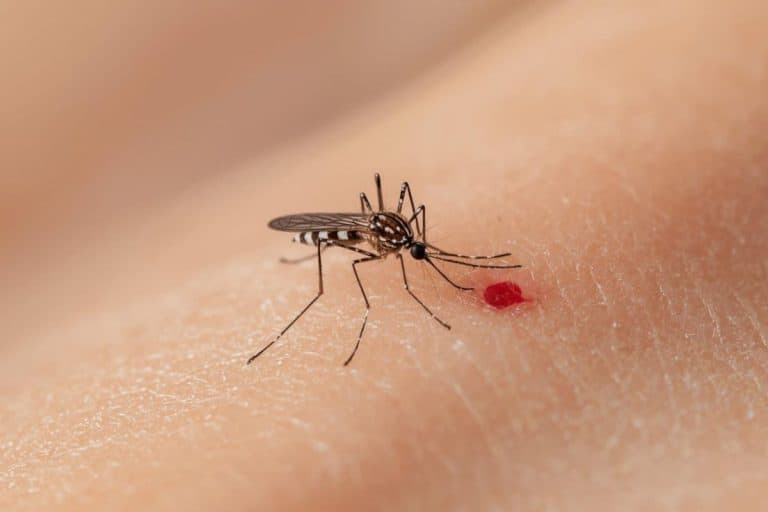
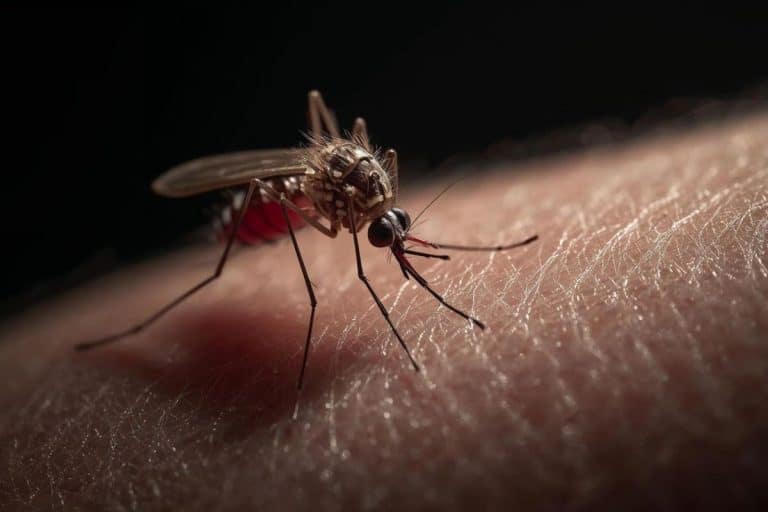
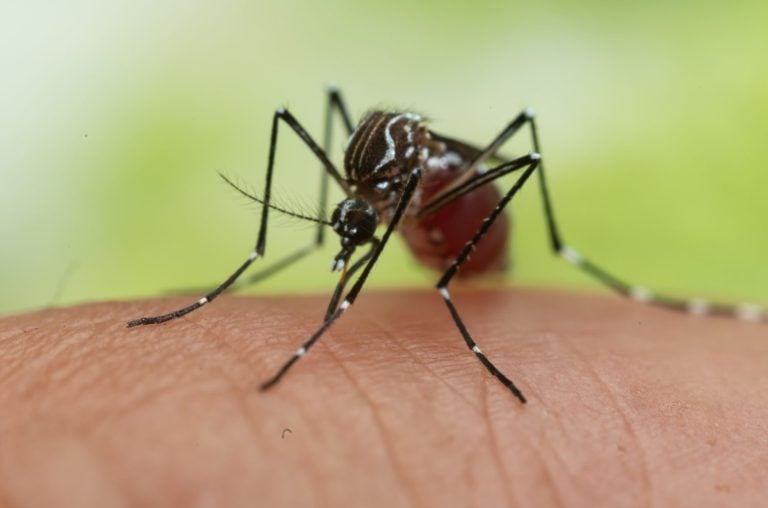
The yellow fever mosquito (Aedes aegypti) is a darkly colored mosquito species recognized by the distinct black and white markings on its back and thorax. Though native to Africa, yellow fever mosquitoes have slowly spread across the world. Now they are considered one of the most widely distributed mosquito species.
Their habits make them particularly successful at spreading and infecting human beings. Many mosquito species don’t come out until nightfall. Aedes aegypti, however, is a daytime feeder; they become most active during the early morning and late afternoon. To make matters worse, they have a fondness for human blood. This results in them often living indoors or around people’s homes. When they spot a suitable human target, they tend to attack from behind; they attack sneakily, too, avoiding easy detection by targeting feet, ankles, and lower appendages.
Yellow fever mosquitoes don’t need much space to reproduce either. Female Aedes aegypti can lay eggs in slight volumes of standing water. This means they can create offspring using nothing more than a bottle cap filled with water, or a flowerpot saucer. Though health organizations and scientists have attempted to stop their spread through tactics like the sterile insect technique, yellow fever mosquitoes remain an ongoing threat to humans.
Dengue Fever
Aedes aegypti acts as a vector for numerous diseases. Its ability to spread dengue fever, however, represents an ongoing public health concern. Indeed, the World Health Organization reported a record 14 million dengue fever cases worldwide in 2024. In general, dengue fever produces flu-like symptoms as well as joint and muscle pain.
This viral infection comes from four unique viral serotypes: DENV-1, DENV-2, DENV-3, and DENV-4. Each of these serotypes produces similar symptoms in varying levels of intensity. DENV-1, for example, often causes highly contagious outbreaks with less severe cases on average. However, scientists consider DENV-2 to be the most dangerous serotype. It can cause severe disease, high mortality rates, and horrific plasma and neurological symptoms. Meanwhile, DENV-3 also produces severe symptoms, typically in people who’ve never caught dengue fever before. DENV-4 is often associated with milder illness, though its severity varies by region.
One problem with dengue fever is its ability to hit harder the second time around. A phenomenon called Antibody-Dependent Enhancement (ADE) explains this effect. Sometimes, people who get infected with dengue twice fare worse the second time. Pre-existing antibodies can’t neutralize the new serotype, sometimes leading to severe bleeding, organ damage, and even death. The ability and ease with which Aedes aegypti transmits the virus makes secondary infections more likely.
Global Spread and Prevention
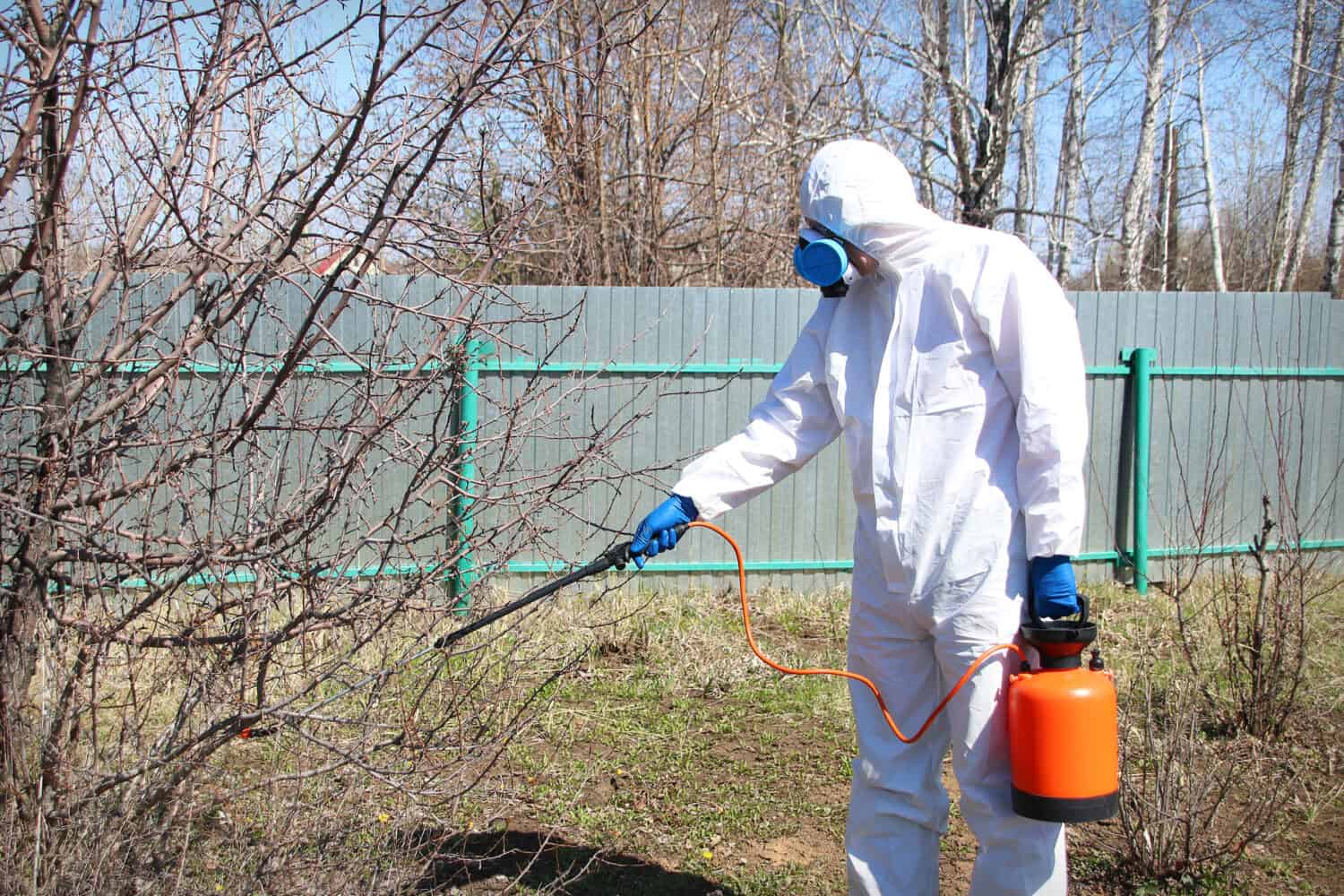
Several insect eradication techniques have shown results, including the sterile insect technique and introducing the Wolbachia bacterium into wild mosquito populations.
©IULIIA NOVIKOVA/Shutterstock.com
Once confined to specific regions, dengue fever has spread into the United States, particularly in Texas, Florida, and California. These states feature temperate climates and large human populations, factors which help yellow fever mosquitoes retain a foothold. Such circumstances have prompted public health experts to fight back.
One such method is the sterile insect technique, which involves releasing male mosquitoes sterilized with radiation to mate with pest females. This results in eggs that fail to hatch. The Wolbachia technique is another novel method for replacing mosquito populations. This naturally occurring bacterium is found in up to 60% of insect species. Scientists have found that introducing the bacterium into Aedes aegypti mosquitoes limits the ability of viruses to replicate, preventing later transmission to humans. Furthermore, when males with Wolbachia reproduce with females lacking the bacterium, eggs fail to hatch.
What You Can Do to Help
Dengue fever cases have dropped in the last year or so, but that doesn’t mean the virus isn’t a serious problem. Luckily, there are things you can do in your own backyard to prevent further spread of dengue fever by Aedes aegypti mosquitoes.
These mosquitoes don’t need much water to reproduce, so being mindful of potential egg-laying sites can go a long way. This means emptying standing water from small containers at least once a week and scrubbing their surfaces to remove attached eggs. Further safety can come from covering barrels and trash cans with lids or fine mesh, as well as cleaning gutters and leaf debris from yards.
To prevent being bitten, experts recommend wearing long-sleeved clothing and pants when outdoors during the early morning and evening. Non-air-conditioned bedrooms might require mosquito netting. The Centers for Disease Control and Prevention recommends repellents like Picaridin, IR3535, and 2-undecanone.