
Quick Take
- Some rescues aren't rescues at all, and a specific red flag exists that exposes them. Spot fake rescues →
- Both suspiciously low AND suspiciously high breeder prices can signal the same problem. See the pricing red flags →
- Shar Peis carry a hidden dental liability that most new owners don't budget for until it's too late. Check the dental costs →
- One physical trait to look for in a Shar Pei puppy could quietly save you thousands in vet bills. See the health cost impact →
Taking care of a pet is a huge responsibility. If you’re thinking about adopting a Shar Pei puppy, it’s important to estimate your expenses to ensure you are prepared financially. Take an in-depth look at each individual cost, from the cost of the puppy to veterinary costs, food, and supplies. Keep in mind that these prices are general estimates and may not reflect what you spend on your dog. Creating your own budget using the sections below and researching costs in your area will yield the most accurate estimate.
How Much Does a Shar Pei Puppy Cost?
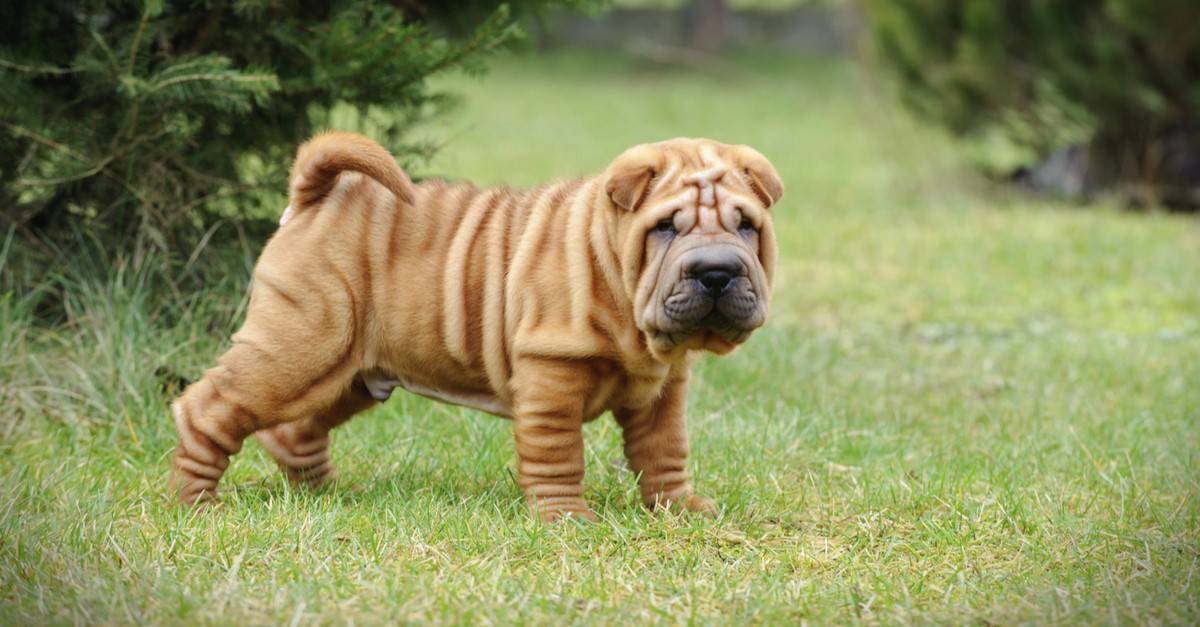
Shar Pei puppies from breeders cost $1,000-$3,000 on average, while rescue Shar Pei cost $300-$500 depending on the organization. Finding a reputable rescue is important, since there have been instances of puppy mills disguising themselves as rescues to continue selling dogs. It’s best to adopt from registered non-profits and to avoid rescues that seem to have endless litters of puppies up for adoption.
If you do choose to shop with a breeder, please make sure they have up-to-date OFA health testing available for both dogs and are breeding as responsibly as possible with this breed. Looking for dogs with longer snouts can also reduce their chances of developing respiratory problems.
Other Factors That Influence the Purchase Price of a Shar Pei
Other factors that influence puppy prices include:
- The cost of living in your area. Both breeders and rescues may charge more to cover their own costs if they live in high cost of living areas.
- The puppies’ lineage. Breeders may charge more for the puppies of champion show dogs, for instance.
- The puppies are American Kennel Club (AKC) registered. Puppies that are already registered as purebred with the AKC will cost more.
- The puppy has show-quality traits. A puppy that has exceptional AKC breed-standard traits will cost more than other pups.
Very low and very high prices from breeders both tend to be red flags. Low costs often indicate you’re dealing with a puppy mill that spends very little on their dogs’ care. High costs can also mean that a puppy mill or backyard breeder wants to make as much money as possible off of the dogs, and is likely cutting costs behind the scenes as well. However, a higher cost does not necessarily mean there is a problem. There are several factors, described below, that can raise the cost of your puppy.

Adopting a rescue Shar Pei can save you money.
©djiledesign/iStock via Getty Images
Cost of Vaccination and Other Medical Expenses for Shar Pei
Veterinary care for Shar Pei often costs more than for other breeds. Some factors that lead to issues in these dogs include their short snouts and their wrinkled skin, which can lead to respiratory issues and skin conditions. Pet insurance companies will also charge more to insure a Shar Pei since they know they’re likely to pay more for their care. If you adopt a Shar Pei, it’s important to have a plan for covering their veterinary expenses, as they can add up very quickly.
Vaccines
Vaccines generally cost $25–$75 per vaccine. There are two types of dog vaccines. Core vaccines are recommended for every dog, while non-core vaccines are recommended based on an individual dog’s lifestyle. Rabies is considered a core vaccine and is also mandated by law in most areas. DHLPP (distemper, hepatitis, leptospirosis, parainfluenza, and parvovirus) is the only other core vaccine, and it covers several common illnesses in dogs.
Some non-core vaccines are recommended for dogs who spend time around others, such as at doggy daycare, dog parks, or dog groomers. Others are recommended based on your area, such as those for Lyme and rattlesnakes. Speak with your veterinarian about which vaccines they recommend for your dog. If you can’t afford everything they recommend, they can let you know which to prioritize as well.
The cost to vaccinate your Shar Pei will vary depending on which vaccines they get, how frequently your vet recommends certain vaccinations, and the cost of the individual vaccines. Recommendations on vaccine frequency are made depending on a dog’s risk level. If you opt to only get the core vaccines, they’ll cost $125–$375 in the first year, then roughly $50-$300 every three years going forward, depending on the vaccine schedule.
Spay or Neuter Surgery
Having your Shar Pei spayed or neutered by your primary veterinarian will cost anywhere from $200–$800 or more. There are also low-cost clinics that offer the surgery for low-income families, often for $100-$200 or even less.
Vet clinics will want an exam before the surgery to ensure your dog is healthy enough to undergo the procedure. They’ll also monitor your pup closely during and after their spay or neuter and are more likely to manage your dog’s pain.
Low-cost clinics focus more on efficiency and spaying or neutering as many pets as possible. This can mean sacrificing quality of care to some extent, but the surgery is still safe and it’s a good way to cut costs.
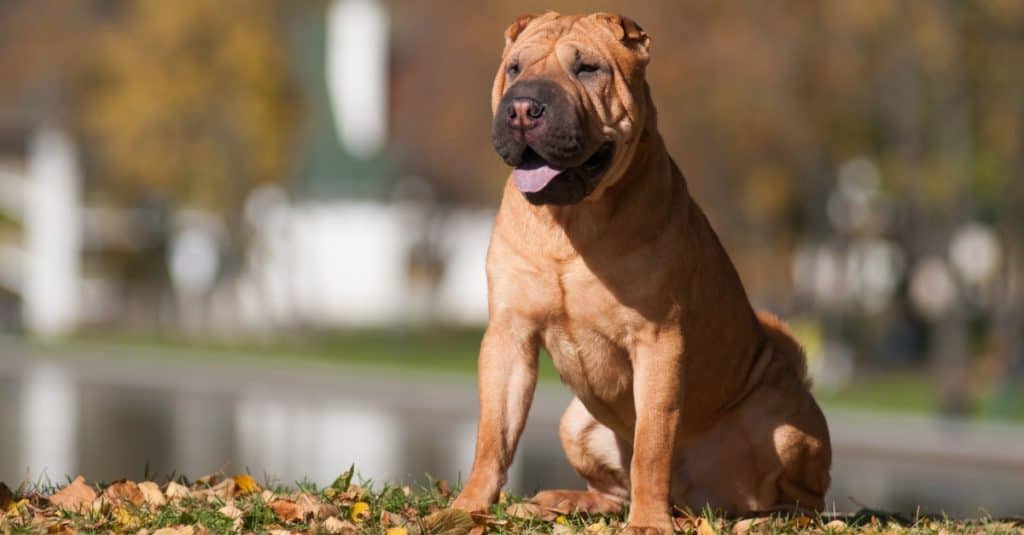
Veterinary care will cost thousands of dollars throughout your dog’s lifetime and is essential to plan for.
©David Raihelgauz/Shutterstock.com
Check-Ups
A basic yearly check-up will cost anywhere from $50-$250. You’ll end up paying toward the higher end if you want routine bloodwork and other tests performed, which is highly recommended. Your dog is likely to need more checkups in their puppy and senior years. In young adulthood, you may only need to visit once a year for a wellness check.
Parasite Prevention Medications
Ideally, your Shar Pei will be on parasite preventative year-round. These medications keep away fleas, heartworms, and other parasites. Often, dogs will be on one medication for fleas, mites, and ticks, and another for heartworm prevention. However, there are a few medications that cover all of these pests at once. The medications can cost $100–$300 per year or more.
While the medications are expensive, your dog is very likely to catch parasites without them. Many of these can infect other pets and people in the household as well. In addition, treatment for heartworm is both expensive and painful for your dog. So, it’s best to keep them protected.
Dental Cleanings
Shar Pei and other short-snouted dogs are more prone to dental disease than dogs with larger mouths. Therefore, it’s extra important to keep their teeth clean. Cleanings can cost $300-$700+ each. At-home cleaning can reduce the need for professional cleaning. However, your vet can get your dog’s teeth cleaner. Think of it like a human brushing their teeth at home versus going to the dentist.
Dental cleanings for dogs are done under anesthesia so that your vet can thoroughly clean every tooth. This also gives them a chance to inspect your dog’s mouth and see if any dental work is required. With your permission, they can do the dental work at the same time as the cleaning.
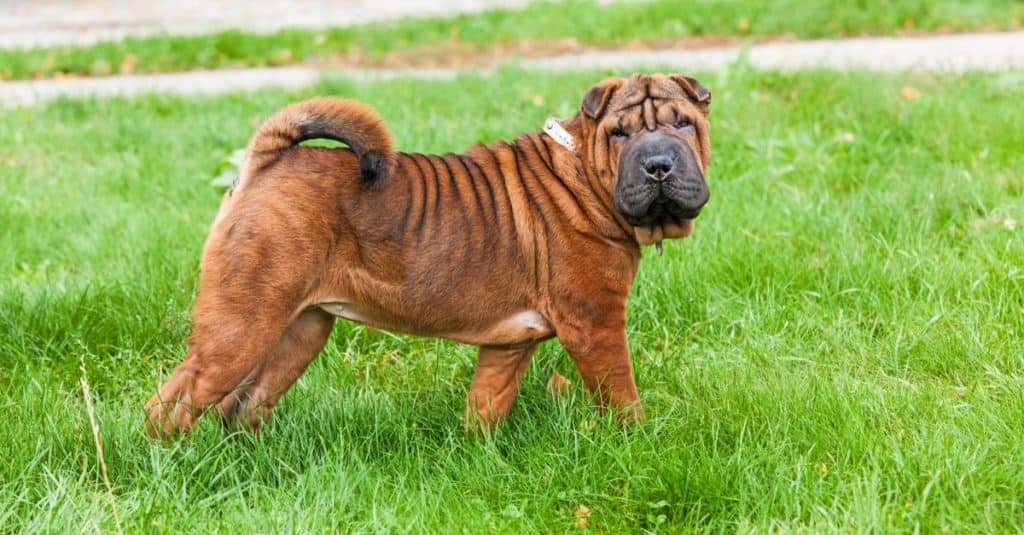
Shar Pei and other short-snouted dogs are more prone to dental disease.
©Alexeysun/Shutterstock.com
Sick Vet Visits
Shar Pei are prone to a variety of ailments, and it’s impossible to predict how much a dog will get sick throughout their lifetimes. Some dogs spend most of their lives only going to the vet for check-ups, while others develop chronic illnesses that require constant care. Pet insurance typically covers sick visits as well as emergencies or accidents. It greatly helps make your expenses more predictable. Some common Shar-Pei conditions include luxating patella, hip dysplasia, respiratory issues, and skin infections.
Cost of Food and Supplies for Shar Pei
Before bringing home a Shar Pei, it’s important to budget for food and other essential supplies. While some items are one-time purchases, many will need to be replaced, replenished, or upgraded as your puppy grows.
Food
You can expect a veterinarian-recommended kibble to cost around $400+ a year for your Shar Pei. There are, of course, cheaper and more expensive foods out there as well. Most vets will recommend a dog food that meets WSAVA standards for a science-based diet formulated by a vet nutritionist. Raw food doesn’t tend to be recommended due to the risks associated.
If you choose to feed canned or fresh food, your budget will jump considerably as these foods are more expensive than kibble. One way to make these options more affordable is to feed them alongside kibble rather than as a replacement for it.
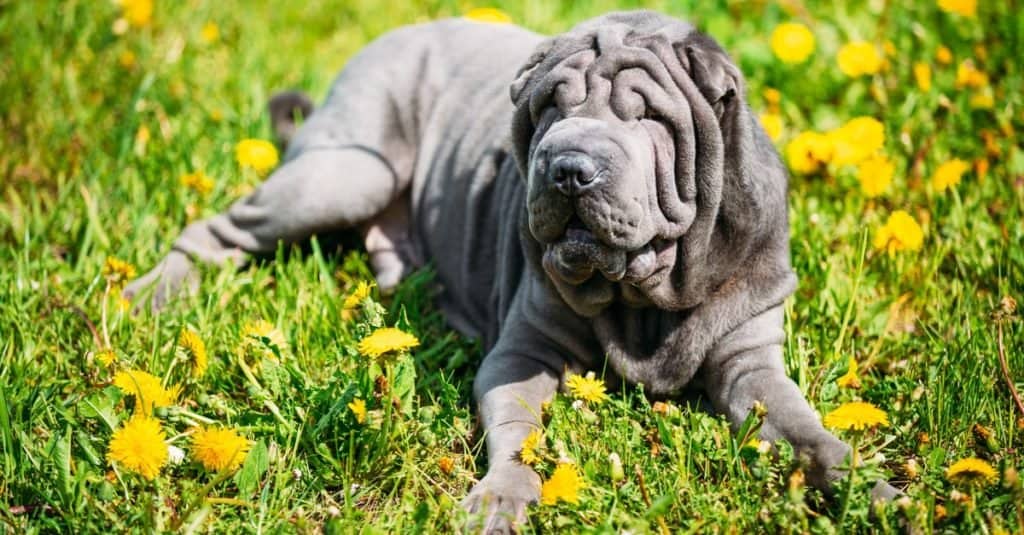
Food and supplies for your Shar Pei will cost hundreds of dollars annually.
©Grisha Bruev/Shutterstock.com
Initial Purchases
Initial purchases to consider for your Shar Pei include:
- Dog brush
- Nail clippers or dremel tool
- Food and water bowls
- Collar and leash
- Harness (optional)
- Crate (optional)
- Crash-tested dog seatbelt or car crate (optional but highly recommended)
The amount you spend will vary, especially depending on whether you buy the last two items on the list above. These tend to be the most expensive. However, you can generally expect to spend between $100 and $500 purchasing the initial supplies.
Repeat Purchases
Repeat purchases are things you’ll be buying throughout your Shar Pei’s lifetime. These include:
- Treats
- Toys
- Dental hygiene products (dog toothpaste, dental chews)
- Cleansing wipes
- Dog shampoo
- Replacements for worn or chewed items
Shar Pei are strong dogs that can do serious damage with their chewing, which might cost you a pretty penny! On the other hand, if you manage your dog well, especially through the teething phase, and stick to a budget, you can keep these costs relatively low.
Shar Pei need only a weekly brushing, as their coats are resistant to matting, but their wrinkles require special care. Clean their deep wrinkles with fragrance-free cleansing wipes 3–4 times per week, making sure to dry the area carefully to prevent infection.
Household Purchases
Household purchases include fencing, pet gates, and furniture covers. These vary in price depending on what you already have and what you need. For instance, fencing can cost thousands of dollars, but you can use an old blanket to cover your Shar Pei’s favorite spot on the couch for free.
How Much Does It Cost to Insure a Shar Pei?
Pet insurance for a Shar Pei can cost $60 to $135 a month, depending on the company and the plan you choose. As mentioned earlier, insuring these dogs does tend to be more expensive since they are at an increased risk of developing health problems compared to other dog breeds. Other factors that influence the cost of pet insurance include your Shar Pei’s age and the cost of living in your area.
When looking for pet insurance within your budget, look for plans with low deductibles and high reimbursement coverage. Make sure that your specific concerns are covered by the plan. For example, not all plans will cover wellness checks, and almost none will cover preexisting conditions.
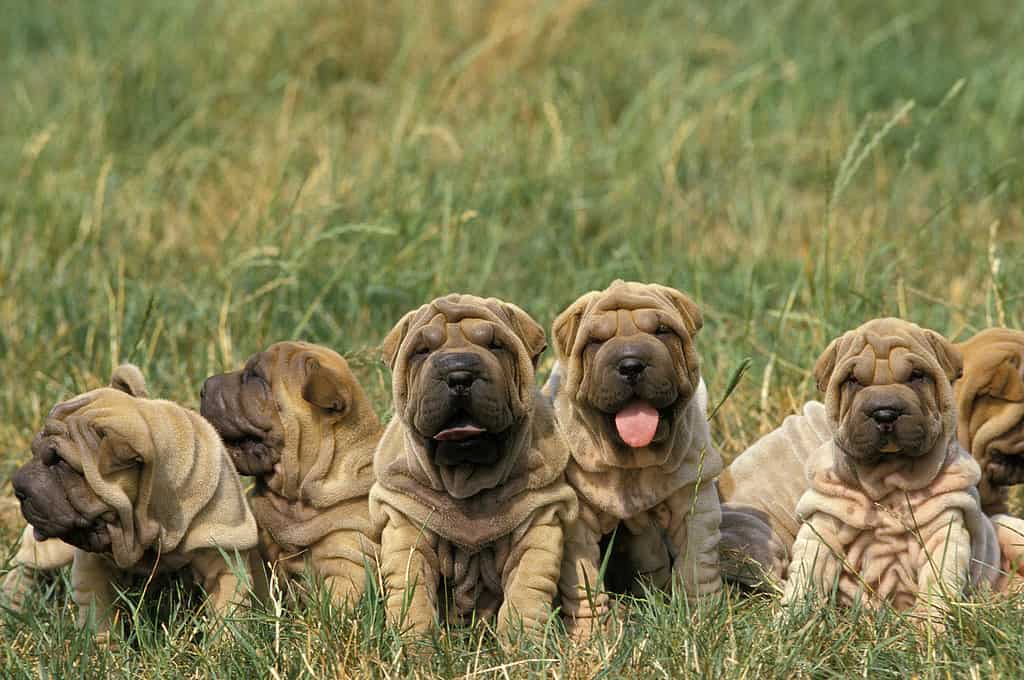
Insurance costs more for Shar Pei than some other breeds.
©slowmotiongli/iStock via Getty Images
How Much Does It Cost to Train a Shar Pei?
Some people spend just a few dollars on a clicker, while others spend thousands on private training sessions for their Shar Pei. The cost depends on your preferences and whether your dog develops any behavioral problems.
Of course, training your dog yourself is the cheapest. Shar Pei can be difficult to train if you don’t know what you’re doing, though, so professional help is very useful. Puppy classes tend to cost around $150–$300 for a 6–8 week course. These are a good middle ground, budget-wise, so that you can learn basic training techniques.
Private training sessions tend to be most helpful because your trainer can focus on just you and your dog. They also tend to be the most expensive, often ranging from $90 to $150 per hour or more, depending on your area. It can also cost more if you require specialized training. Board and train courses are also an option, and these can cost $2,500-$4,500 for a 2 to 4 week immersion course.