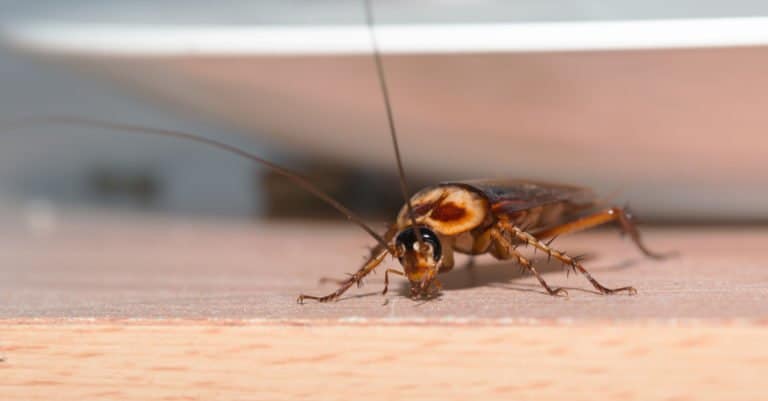
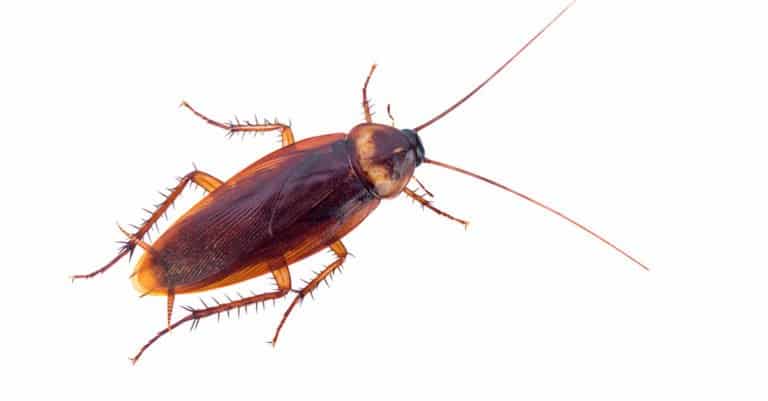
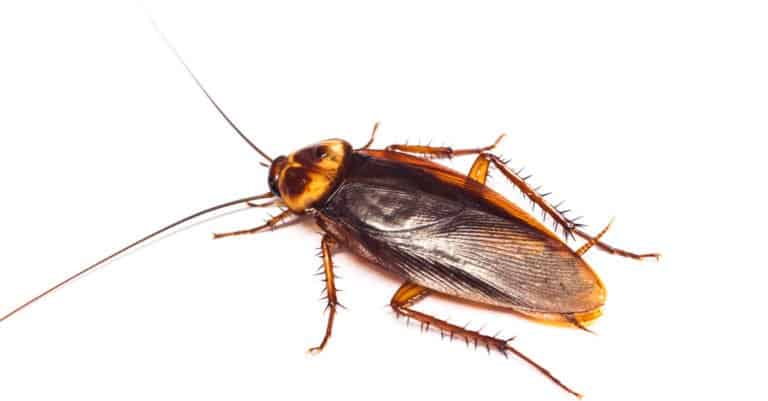
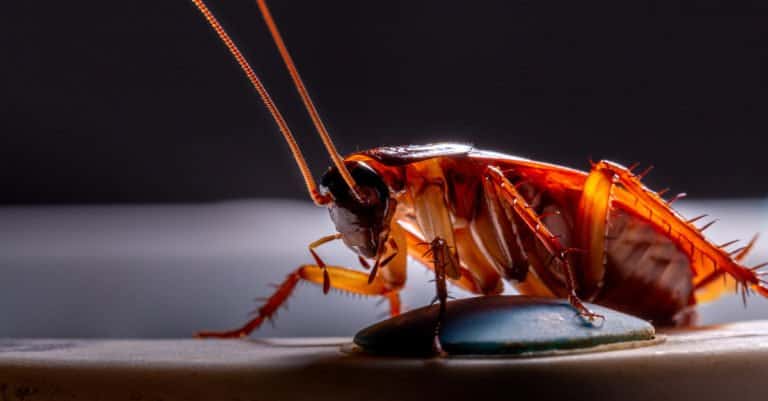

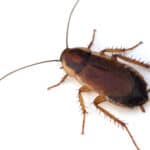

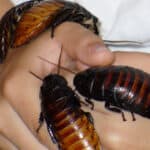
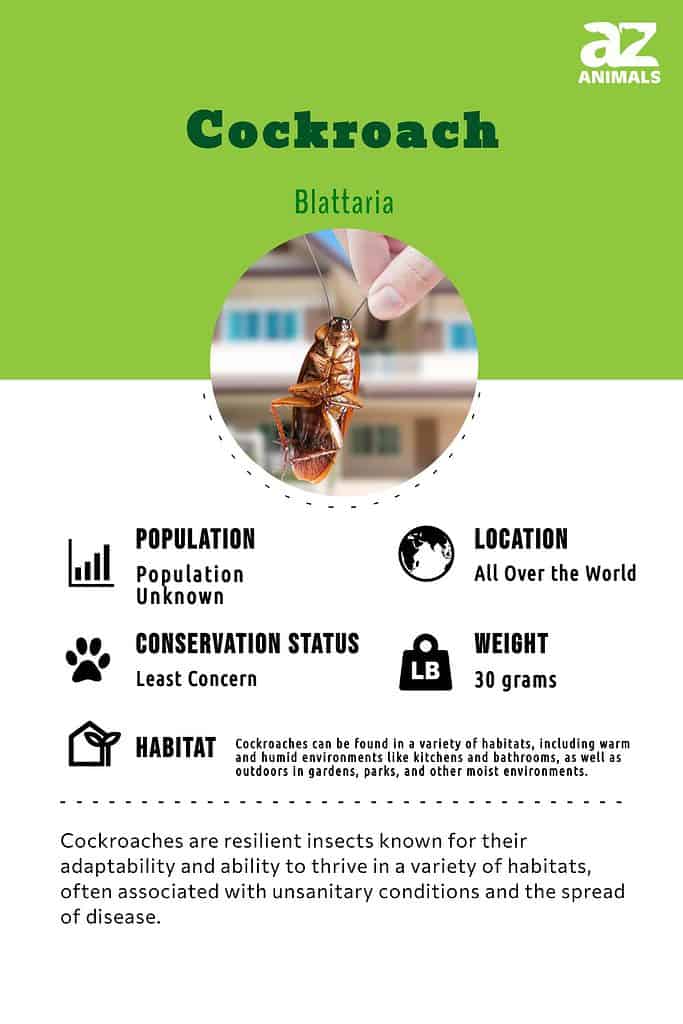
Cockroaches can live for up to 30 days without food and 10 days without water.
They can also live for up to 10 days without their heads. There are about 4,500 species of cockroaches globally, but only about 30 of them are considered pests. The largest species in the world is the Australian rhinoceros cockroach (Macropanesthia rhinoceros), which weighs about 33 grams.
6 Incredible Cockroach Facts
- They have existed for more than 300 million years.
- They have been clocked moving about 1.5 meters per second, which is about 200 miles per hour.
- They breathe through special body tubes called spiracles, which also regulate the amount of water in their bodies. If they are close to dehydration, then a cockroach will not breathe for up to 40 minutes.
- They can carry 33 kinds of bacteria, six different types of parasitic worms, and seven known pathogens.
- They are social insects that live in groups called intrusions.
- Coffee drinkers, I’m sorry to say that massed-produced coffee has been known to contain roaches.
You can read more incredible facts about cockroaches.
Species, Types, and Scientific Names
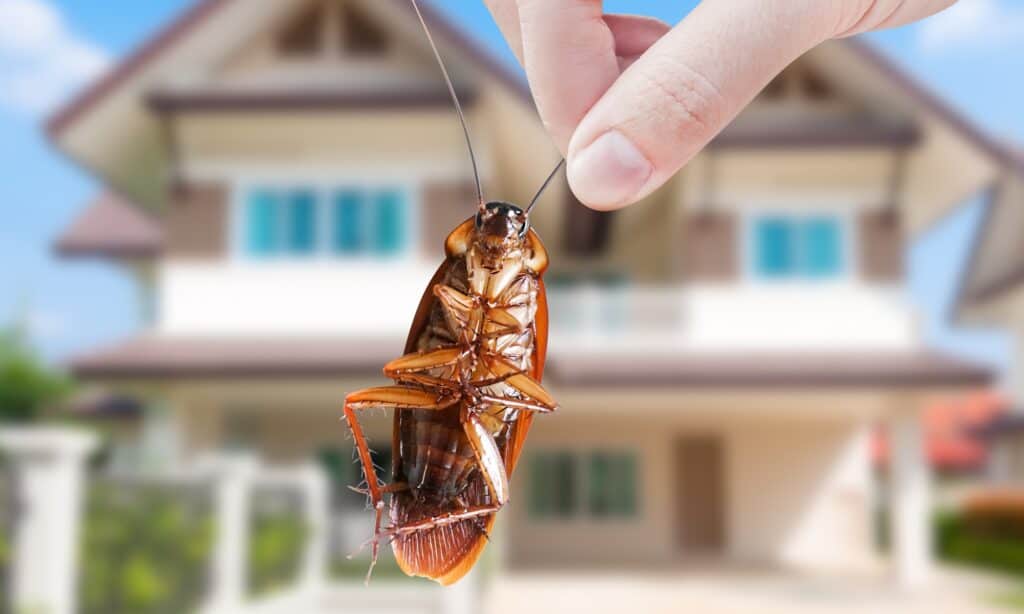
There are at least 4,500 species of cockroaches in the world.
©iStock.com/rawintanpin
There are at least 4,500 species of cockroaches in the world. The scientific name for cockroaches is Blattodea. This scientific name also covers termites. They are all members of the Dictyoplera superorder.
All known roaches are members of three superfamilies classifications and three epifamilies classifications. You can also assign each to a family classification.
- Nocticoliade cockroaches- There are about 32 species in this family, with most living in caves in Africa, Asia, and Australia.
- Corydiidas – There are about 40 genera in this group, with many being called sand cockroaches.
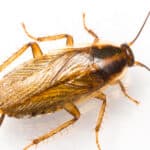
- Ectobiidae – This is the largest family of cockroaches as it contains more than 223 genera and 2,381 species, including wood cockroaches, German cockroaches (Blattella germanica), and brown-banded cockroaches (Supella longipalpa).
- Blaberidae – There are 165 genera and 1,198 species in this family, including many large cockroaches like the Madagascar hissing cockroach (Gromphadorhina portentosa) and the giant burrowing cockroach (Macropanesthia rhinoceros). The Pacific beetle cockroach which is popular for its milk production belongs to this family as well.
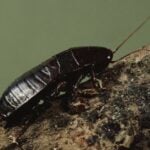
- Blattidae – This is another sizeable family as it contains at least 41 genera and 594 species, including the American cockroach (Periplaneta americana) and the Brown cockroach (Supella longipalpa). Another member of this family is the Oriental cockroach. Large Oriental cockroaches are often called black beetles. Oriental cockroaches are one of the largest members of this family.
- Lamproblattidae – This family contains only three genera and 10 species, with most living in Central and South America.
- Tryonicidae family – This family contains about 10 genera and 17 species, with most living in New Zealand, Australia, and New Caledonia.
- Cryptocercidae. There is only one known genera of this family and 12 known species, including the brown-hooded cockroach (Cryptocercus punctulatus).
Additionally cockroach types:
- German cockroach
- Oriental cockroach
- American cockroach
- Smokybrown cockroach
- Dubia roach
- Ectobius vittiventris
- Pennsylvania wood cockroach
- Madagascar hissing cockroach
- Florida woods cockroach
- Japanese cockroach
- Parcoblatta fulvescens
- Australian cockroach
- Turkestan cockroach
- Blattella asahinai
- Ectobius erythronotus
- Parcoblatta virginica
- Death’s head cockroach
- Saltoblattella montistabularis
- Dusky cockroach
- Brown-banded cockroach
- Cuban cockroach
- Speckled cockroach
- Gromphadorhina oblongonota
- Periplaneta aboriginea
- Lucihormetica verrucosa
- Tryonicidae
- Princisia vanwaerebeki
- Nocticolidae
- Lucihormetica luckae
- Brown cockroach
- Blaberus giganteus
- Forest cockroach
- Blaberus discoidalis
- Periplaneta japanna
- Simandoa cave roach
- Asiablatta kyotensis
- Eupolyphaga sinensis
- Lamproblattidae
- Ectobius vinzi
- Cryptocercus garciai
- Ectobius duskei
- Blattella biligata
Evolution and Origins of Cockroaches
Cockroaches are one of the most ancient and resilient insects in the world, with a rich evolutionary history that dates back over 300 million years. Here is a look at the evolution and origins of cockroaches:
- Ancient ancestry: Fossil evidence indicates that the ancestors of modern cockroaches evolved from a group of insects known as Blattodea during the Carboniferous period, over 300 million years ago. These ancient cockroaches were much larger than modern cockroaches and lived in the lush forests that covered much of the earth at that time.
- Evolution of flight: Cockroaches are believed to have evolved flight as a means of escaping predators and colonizing new habitats. Fossil evidence indicates that the wings of early cockroaches were covered in a leathery membrane, similar to the wings of modern cockroaches.
- Climate adaptation: Cockroaches have adapted to a wide range of habitats and climates, from the hot and humid rainforests of South America to the cool and arid deserts of Africa. This adaptability is due to their ability to regulate their body temperature, store water, and modify their behavior to suit their environment.
- Diverse diet: Cockroaches are omnivores and feed on a wide range of food sources, including leaves, fruits, and decaying organic matter. This diverse diet has helped them to survive and thrive in a variety of habitats.
- Pest status: Despite their evolutionary success, cockroaches have a negative reputation as pests due to their association with unsanitary conditions and the spread of disease. This is largely due to their tendency to seek out food and shelter in human habitats, where they can thrive and multiply.
Finally, the evolution and origins of cockroaches are fascinating stories of survival and adaptation. From their ancient ancestry to their diverse diet and adaptability, cockroaches are a testament to the resilience and diversity of life on our planet.
Appearance: How to Identify Cockroaches
It can be difficult to describe this insect because there are so many different variations. According to the Guinness Book of World Records, the largest winged cockroach is the Megaloblatta longipennis, which is 3.8 inches long and its body is 1.75 inches across. This species has a wingspan of almost 8 inches. It lives in Peru, Ecuador, and Panama.
Another giant specimen is Australia’s rhinoceros cockroach (Macropanesthia rhinoceros). This insect that has no wings is about 3.1 inches long. It digs holes in the ground for its home. It is also one of the heaviest species as it weighs about 32 grams.
While many cockroaches have wings, only a handful of species are capable of flight. These include the brown-banded cockroach, the Pennsylvania wood cockroach, and the Cuban cockroach.
They are social insects. Their feces and other parts of their bodies contain pheromones. This allows them to communicate so that they can all gather together in a harborage area.
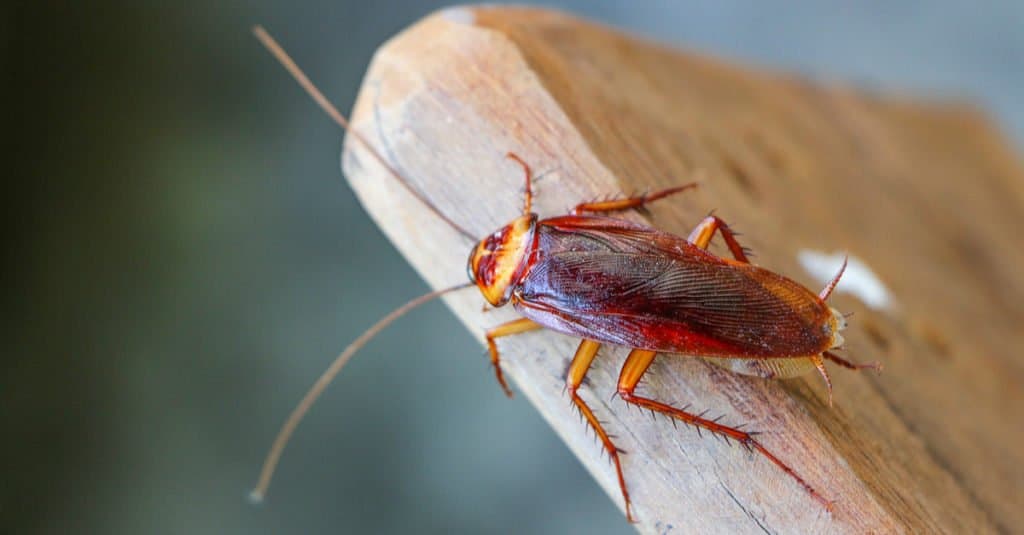
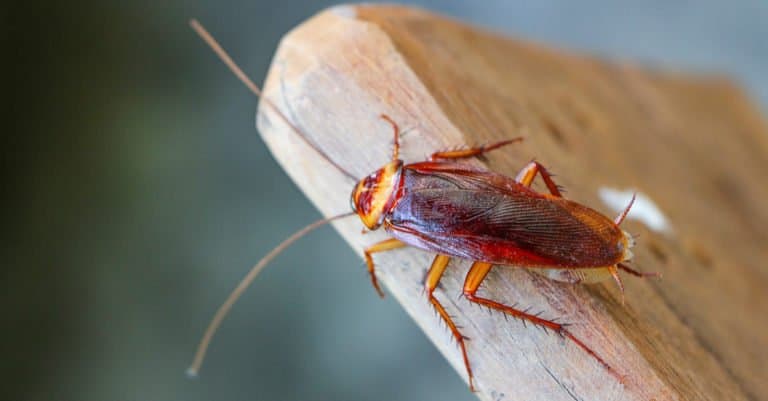
Cockroach on a piece of wood
©luis2499/Shutterstock.com
Habitat: Where to Find Them
These insects prefer tropical climates, but they are adaptable and can be found throughout the world. Even though they love warm and humid weather, they can live in below-freezing temperatures, so you can even find them in the Arctic. In some regions, they are known as Palmetto Bugs.
They prefer to be near a source of water and an easy food source. While they can go for up to 10 days without drinking and 30 days without eating, they prefer to live where both food and water are readily available.
Diet
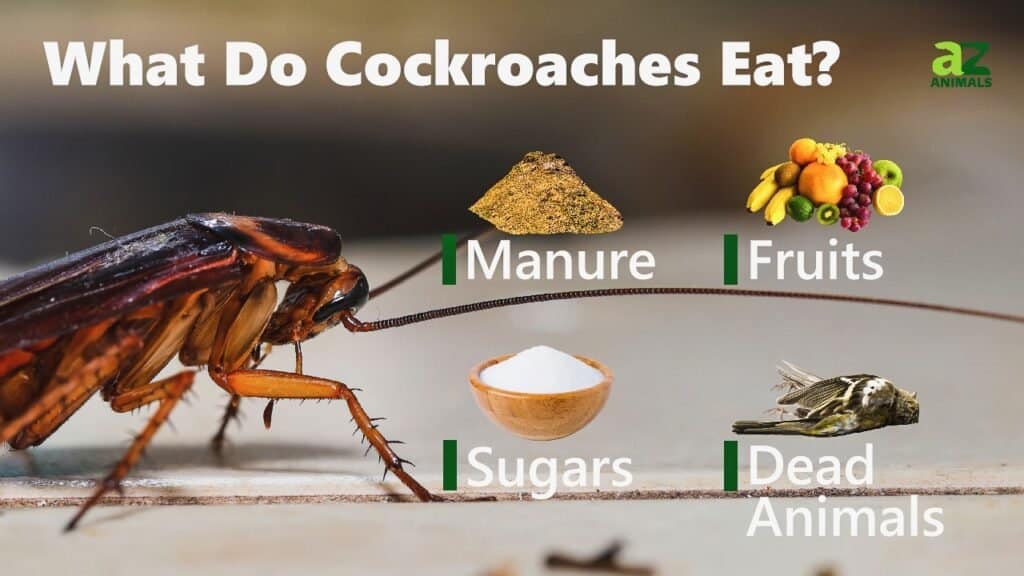
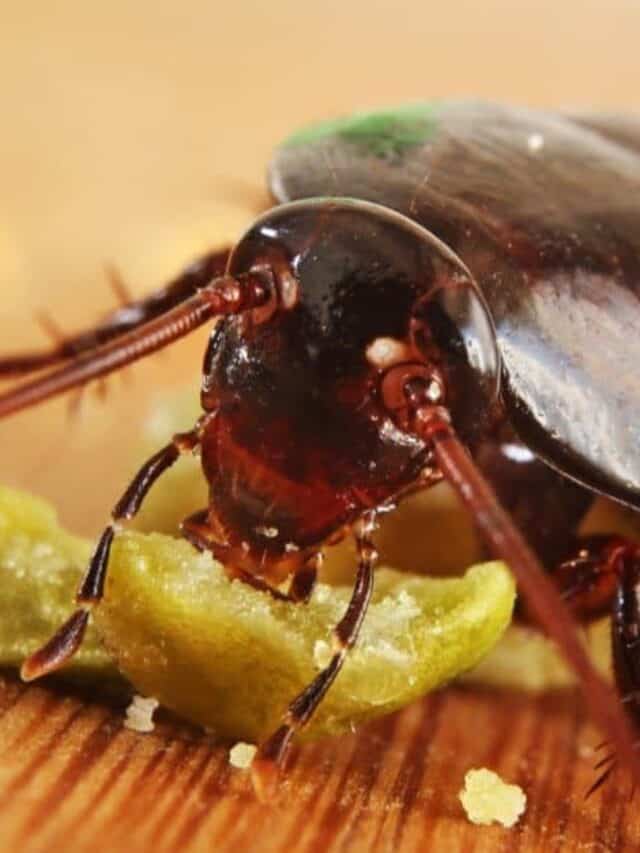
They are opportunistic feeders that will eat almost anything. While they prefer to live on sweets and greasy foods, if that is not available, they will eat anything that was once alive or growing or made from alive or growing things, such as paper or wooden items. When desperate enough, they will even eat other cockroaches who have perished. Have a look at our “What Do Cockroaches Eat?” page for a complete list of everything that a cockroach eats.
Prevention: How to Get Rid of Them
Preventing an infestation can be tricky because the things you love are also food sources they prefer. Keeping your area spotless can encourage these insects to find another place to live instead of your home. Since they feed at night, it is essential that you thoroughly clean the kitchen and any area where your family eats before you go to bed. Empty all trash cans daily.
Seal up any cracks in your home. They can flatten their exoskeleton system and put their legs out to their sides flat. Therefore, they can fit through gaps where you do not believe they can fit.
Preventing cockroaches from entering your home often starts on the outside. Leave a gap of bare ground around your home’s foundation as they love to live in grass and mulch. Remove all standing water sources from around your home. Keep your grass cut short, and do not allow junk to build up around your home’s exterior.
Cockroach Pictures
View all of our Cockroach pictures in the gallery.

Mr.Pattrawut Yamyeunyong/Shutterstock.com