

G
Species Profile

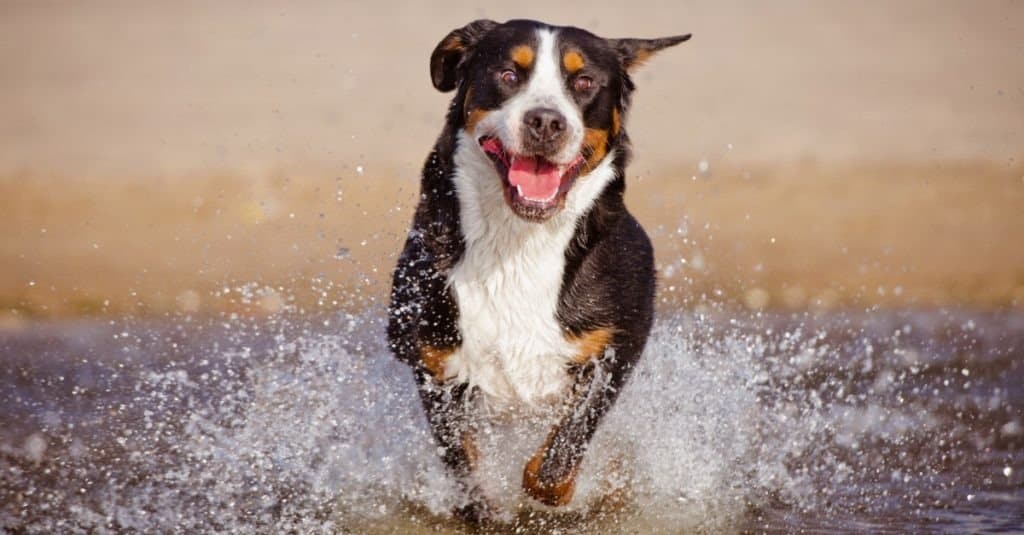
Greater Swiss Mountain Dog

Canis lupus familiaris

Swiss strength on four paws.
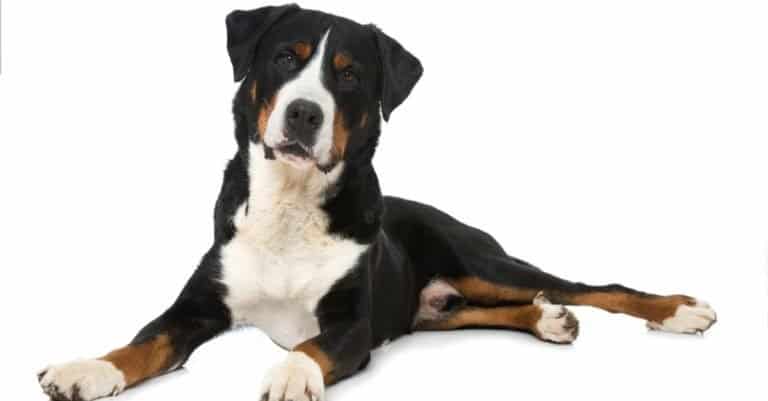
Vera Zinkova/Shutterstock.com

Greater Swiss Mountain Dog Distribution

Click a location to explore more animals from that region

Origin Location

This map shows the native origin of the Greater Swiss Mountain Dog. As a domesticated species, they are now found worldwide.

Loading map...

Found in 1 country

Size Comparison

Human 5'8"
Greater Swiss Mountain Dog 2 ft 2 in

Greater Swiss Mountain Dog stands at 38% of average human height.

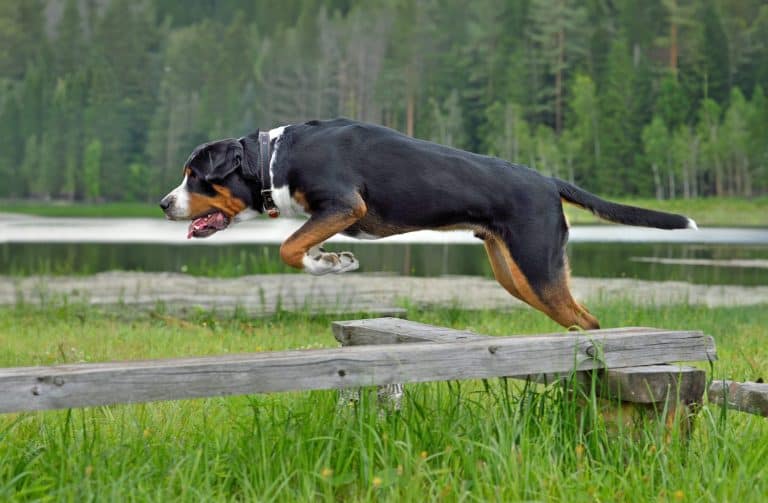
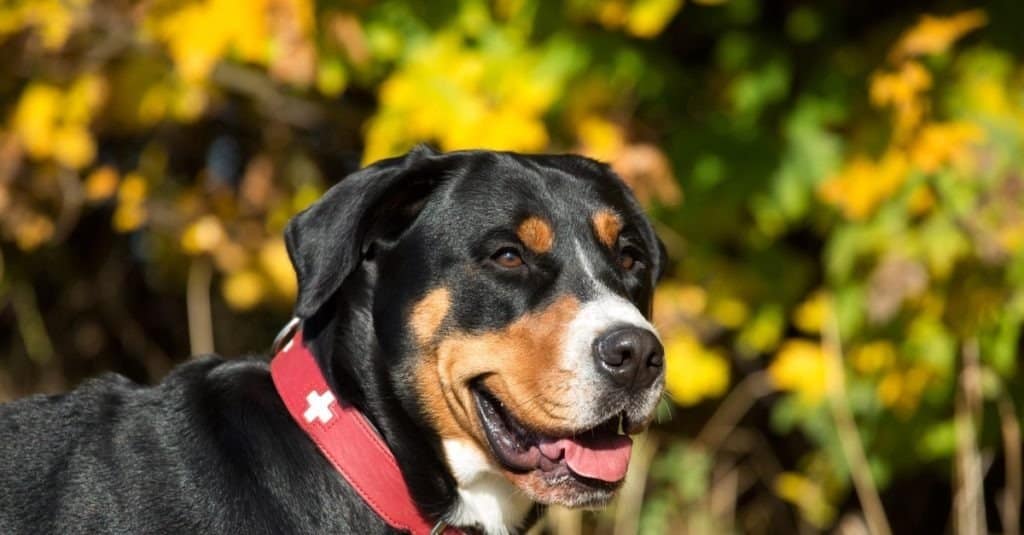
Greater Swiss Mountain Dog in autumn

At a Glance

Domesticated
Also Known As Grosser Schweizer Sennenhund, Grand Bouvier Suisse, Grande Bovaro Svizzero, Swiss Mountain Dog, Greater Swiss, GSMD, Swissy
Diet Omnivore
Activity Diurnal+
Lifespan 4 years
Weight 64 lbs
Status Not Evaluated
Did You Know?

It's the largest of the four Swiss mountain dog breeds; the others are Bernese, Appenzeller, and Entlebucher.

Scientific Classification

A large, robust Swiss working dog breed (one of the four Sennenhund/Swiss mountain dog breeds), historically used for draft work and general farm guarding/utility.

Kingdom
Animalia
Phylum
Chordata
Class
Mammalia
Order
Carnivora
Family
Canidae
Genus
Canis
Species
Canis lupus

Distinguishing Features

  • Large, heavy-boned build; strong chest and shoulders
  • Short, dense double coat
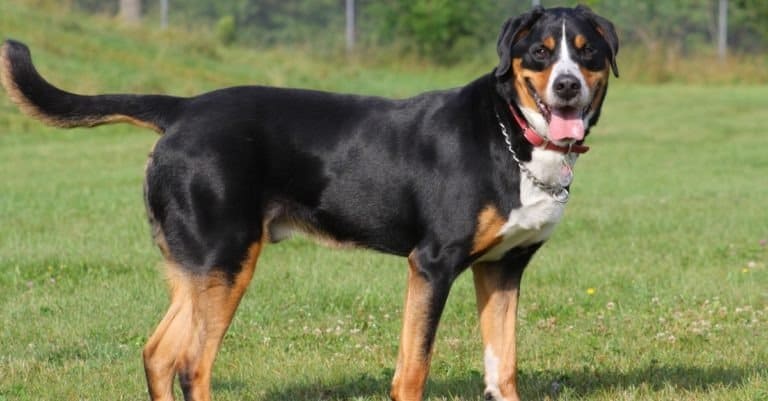
  • Typical tricolor pattern: black base with rust/tan markings and white blaze/chest
  • Bred for draft/hauling and farm utility; generally steady, confident temperament

Physical Measurements

Males and females differ in size

Height
2 ft 3 in (2 ft 2 in – 2 ft 4 in)
2 ft 1 in (1 ft 12 in – 2 ft 2 in)
Length
4 ft (3 ft 7 in – 4 ft 5 in)
Weight
126 lbs (110 lbs – 141 lbs)
104 lbs (88 lbs – 119 lbs)
Tail Length
1 ft 2 in (12 in – 1 ft 4 in)
Top Speed
25 mph
Moderate; bursts ~40 km/h

Appearance

Primary Colors
Secondary Colors
Skin Type Greater Swiss Mountain Dog (Canis lupus familiaris) has darkly colored skin (darker under black areas) and a dense, weatherproof double coat: short outer hair and a thick undercoat.
Distinctive Features
  • Large, robust domestic working breed selectively bred for draft/hauling and farm utility in Switzerland-heavier-boned and more power-built than the average domestic dog.
  • One of the four Swiss Mountain Dog breeds; distinguished within the group by its comparatively short coat and very bold, high-contrast tricolor markings.
  • Broad, strong head with a moderate stop; medium, triangular drop ears; dark, alert eyes-overall a powerful but calm expression typical of guardian/utility farm dogs.
  • Deep chest and substantial forequarters; muscular neck and shoulders consistent with historical pulling/draft work (carting/hauling).
  • Tail carried low to moderate; thick at the base, aiding balance on uneven farm terrain.
  • Temperament tendency: steady, confident, watchful; typically loyal and people-oriented but can be reserved with strangers-reflecting farm-guardian utility (requires early socialization and consistent training).
  • Health concerns seen in large, deep-chested working breeds: risk of gastric dilatation-volvulus (bloat), hip and elbow dysplasia, cruciate ligament injury/other orthopedic strain, and some hereditary eye issues (e.g., eyelid/ocular conformational problems).
  • Needs regular daily exercise for strength and stamina, but avoid hard, repeating impact in young dogs; joint-friendly fitness, weight control to protect bones and joints, and watch for overheating because of size and thick undercoat.
  • Grooming needs are moderate: weekly brushing for the double coat (more during seasonal shedding), routine nail/ear care; coat is short but sheds noticeably.

Sexual Dimorphism

Typical domestic-dog sexual dimorphism is noticeable: males trend larger and more heavily muscled with broader heads/neck; females are usually slightly lighter-built while retaining the same tricolor pattern and working-dog proportions.

  • More massive overall frame with heavier bone and a broader skull.
  • Thicker neck and more prominent forequarter musculature (draft/hauling build is often more pronounced).
  • Slightly smaller, more refined head and lighter overall build while remaining sturdy and muscular.
  • Often shows the same bold tricolor contrast; differences are primarily size/robustness rather than coloration.

Did You Know?

It's the largest of the four Swiss mountain dog breeds; the others are Bernese, Appenzeller, and Entlebucher.

Unlike the shaggy-coated Bernese Mountain Dog, the Greater Swiss has a short, dense double coat with bold tricolor markings (black, rust, white).

Historically nicknamed a "poor man's horse" in parts of Switzerland for hauling milk, cheese, and farm goods by cart.

The breed nearly disappeared and was deliberately "rediscovered" and promoted in the early 1900s by Swiss dog expert Albert Heim.

Its classic white blaze and chest markings were valued as high-visibility features for working dogs in rugged farm settings.

Despite its size, it's typically a steady, deliberate mover-bred more for strength and endurance than speed.

Many individuals are "leaners," calmly pressing their body against people-an affectionate behavior common in large working breeds.

Unique Adaptations

  • Draft-built physique: broad chest, substantial bone, and powerful hindquarters suited for traction and pulling loads.
  • All-weather coat: short but dense double coat provides insulation for cool Alpine conditions while being easier to maintain than long coats.
  • High-contrast tricolor patterning: conspicuous facial blaze/chest markings can make a working dog easier to see and identify at a distance.
  • Efficient, ground-covering trot: developed for steady farm utility over uneven terrain rather than sprinting.
  • Domestic-dog flexibility (vs. the gray wolf base species): selected for human-directed work, trainability, and stable temperament around livestock and people.

Interesting Behaviors

  • Drafting instinct: many show a natural willingness to pull or brace into a harness when trained appropriately.
  • Territorial watchfulness: tends to patrol boundaries and alert-bark with a deep, carrying voice rather than being constantly noisy.
  • Calm confidence: often greets strangers cautiously but without frantic reactivity when well-socialized.
  • Body-leaning and blocking: may lean into family members or position its body between owner and a perceived concern-an old guardian habit.
  • Work-first motivation: responds well to consistent routines and practical "jobs" (carting, backpacking, structured obedience).

Cultural Significance

The Greater Swiss Mountain Dog (Canis lupus familiaris) is part of Switzerland's mountain dog heritage. Alpine herdsmen and farmers used it to guard farms, move cattle, and pull carts. Breed clubs and carting sports keep this tradition alive.

Myths & Legends

Swiss breed lore often traces the Swiss mountain dog-type dogs to mastiff-like "Molossian" dogs brought with Roman armies, later blending with local farm dogs in the Alps-a popular origin story repeated in historical breed accounts.

In 1908 Albert Heim saw a large, short-haired tricolor dog at a Swiss show. He promoted it as a distinct breed, helping revive the Greater Swiss Mountain Dog (Canis lupus familiaris).

Alpine farm tradition remembered these big tricolor dogs as steadfast night guardians that would hold their ground against threats to livestock and homestead-stories that reinforced the breed's reputation for fearless steadiness.

The long-standing nickname "poor man's horse" became a kind of folk title, reflecting community pride in a dog that could replace expensive draft animals for everyday hauling and market trips.

Conservation Status

NE Not Evaluated

Has not yet been evaluated against the criteria.

Population Stable

Life Cycle

Birth 8 pups
Lifespan 4 years

Lifespan

In the Wild
2–7 years
In Captivity
6–12 years

Reproduction

Mating System Polygynandry
Social Structure Managed Domestic
Breeding Pattern Serial
Fertilization Managed Selective
Birth Type Internal_fertilization

Greater Swiss Mountain Dog (Canis lupus familiaris) breeding is human-directed. Dogs are bred selectively (managed_selective), with serial pairings and multiple mates over time (polygynandry). Breeders screen hips/elbows, watch for bloat, and manage large-breed care.

Behavior & Ecology

Social Pack Group: 4
Activity Diurnal, Crepuscular, Cathemeral
Diet Omnivore Meat-forward meals (beef or poultry-based) with moderate fat; many individuals show strong preference for rich, meaty aromas.

Temperament

Steady, confident, and generally calm; less frenetic than many working breeds
Affectionate with family; can be reserved with strangers (farm-guardian heritage), benefiting from broad early socialization
Watchful and territorial; tends to alert bark and posture rather than immediately pursue/engage
Trainable but can be independent/strong-willed; responds best to consistent, reward-based methods and clear boundaries
Moderate exercise needs: daily walks plus pulling/draft-style conditioning or structured play; avoid excessive repetitive high-impact work in growth
Heat sensitivity risk due to large body mass and coat; prioritize cool-weather exercise and shade/water management
Care: substantial shedding; routine brushing and nail/foot care (working-dog build) helps mobility and traction
Health concerns to monitor: orthopedic disease (hip/elbow dysplasia), bloat/GDV risk (deep-chested build), and joint/soft-tissue strain; maintain lean body condition and consider slower growth management in puppies
Variation across the HUB (large Swiss working/utility guardian types): individuals range from more sociable/"greeter" to more reserved/guardy, and from lower to moderate vocal reactivity depending on lines and socialization

Communication

deep alert bark used for perimeter notification Often more "announce" than continuous
low grumble/growl as a distance-increasing signal when uncertain or guarding
whines or soft "talking" sounds for attention/affiliation with family
occasional howling in response to triggers (sirens, other dogs), less typical than in wild canids
body blocking/positioning between family and novel people Protective posturing
stiffening, head high, forward weight shift to signal vigilance; relaxed loose body and leaning for affiliation
scent investigation and marking during patrol-like walks; less territory-driven than wolves but still routine
pawing/leaning contact to solicit interaction; mouthy "carry" behavior can appear due to working utility background
draft/utility context signals: response to harness pressure and handler cues; benefits from clear cue systems and consistent reinforcement

Habitat

Agricultural/Farmland Suburban Urban Mountain Alpine Meadow Coniferous Forest Deciduous Forest Grassland Desert Wetland +4
Biomes:
Temperate Forest Alpine Boreal Forest (Taiga) Tundra Temperate Grassland Mediterranean Desert Hot Wetland +2
Terrain:
Mountainous Hilly Valley Plains
Elevation: Up to 16404 ft 3 in

Ecological Role

Domesticated working/companion canid; human-subsidized omnivore with minimal direct predation in managed settings.

farm utility and guarding (deterrence of predators and intruders) draft work and hauling support (historical/working role) incidental rodent control where permitted (opportunistic predation) nutrient cycling via consumption of human-provided food and production of waste managed by humans

Diet Details

Main Prey:
Small mammals Ungulate meat Birds and eggs Fish
Other Foods:
Berries and other fruits Root and leafy vegetables Grasses Starches from human-associated foods

Human Interaction

Domestication Status

Domesticated

Greater Swiss Mountain Dog (Canis lupus familiaris) is a large Swiss working breed with a short, dense tri-color coat. Bred for farm work—pulling carts, moving goods, and guarding—its calm, steady nature fits families, work, and sport. Modern revival came in the 20th century. Watch for hip/elbow dysplasia, bloat, and cancer risks.

Danger Level

Moderate
  • Size/strength-related injury risk (knocking over people, leash pulling, accidental collisions), especially with children or older adults
  • Protective/territorial behavior can lead to intimidation or bites if poorly socialized or mishandled
  • Resource guarding or fear-based reactions possible without early training and safe management
  • Working-dog drive to pull can create safety issues around carts, bikes, or stairs if untrained

As a Pet

Suitable as Pet

Legality: The Greater Swiss Mountain Dog is generally legal to own in the U.S. and most places. Not usually banned by breed laws, but local dog rules (license, leash, noise), housing, or insurance may restrict large dogs.

Care Level: Moderate

Purchase Cost: Up to $3,500
Lifetime Cost: $20,000 - $55,000

Economic Value

Uses:
Companion animal Working/draft and farm-utility roles Breeding and showing Canine sports and events Training and veterinary services market demand
Products:
  • Draft/carting activities (recreational/competitive) and related equipment
  • Conformation show participation and breed club activities
  • Professional training (obedience, manners, reactivity prevention, CGC-type programs)
  • Therapy dog visitation work (where temperament and training are suitable)
  • Routine and specialty veterinary care (orthopedics, oncology, GDV emergency care)
  • Grooming supplies for short double coat (shedding management) and large-breed consumables (food, crates, beds)

Relationships

These dogs are covered in double coats, featuring an undercoat that is thick and an outer coat that is dense. The coat is about 1 to 1.5 inches long. The Greater Swiss Mountain Dog is incredibly animated, showing exactly how they feel in their facial expression and smile. Though it is easy to purchase a purebred puppy, Greater Swiss Mountain Dogs are relatively rare in rescue shelters, but breed-specific rescues do exist for those seeking adoption.

History and Origin

The Greater Swiss Mountain Dog, as well as other Swiss breeds, most likely developed from the introduction of the Molosser dogs, which were taken across parts of Europe by the Roman Legions. They may have already existed in some form before the Romans’ invasion, but that is unknown. Another line of thinking is that the Phoenicians carried with them a big dog breed to Spain around 1100 B.C., which might have moved westward towards the Swiss Alps.

This breed is the longest-lasting of the Swiss Sennenhund dogs and helped pave the way for the Rottweiler and St. Bernard breeds. They were known to have been utilized throughout central Europe by merchants and farmers for their great ability to pull loads for work. They were also used for simple tasks such as guarding. They were extremely popular in Switzerland until other means of transportation developed around the turn of the 20th century.

3 Pros and Cons of Ownership

Much like all other dogs and pets in general, the dog also has some pros and cons. When adopting this breed, consider the following pros and cons to decide if this dog would be a suitable match for you.

ProsCons
Robust and powerful: This dog is robust and powerful. They are incredibly agile, which can make for a great defensive role in the household.Huge build: Greater Swiss Mountain Dogs are huge in size. If you live in an apartment or a small home, this pup may require more space.
Easy-care coat: Despite the double coat of the Greater Swiss Mountain Dog, their grooming is relatively easy. They won’t require any intricate styling or brushing, though regular grooming is recommended to avoid excessive shedding.Aggressive: Though loyal to their owners, these dogs are generally aggressive towards strangers or any animal that challenges them.
Vigilant watchdogs: Are you looking for a dog that can be the perfect watchdog for you? The Greater Swiss Mountain Dog is vigilant and smart, always looking out for danger.Excessive barking: The Greater Swiss Mountain Dog barks a lot. If you want a small and quiet pet, this breed may not be the right option.
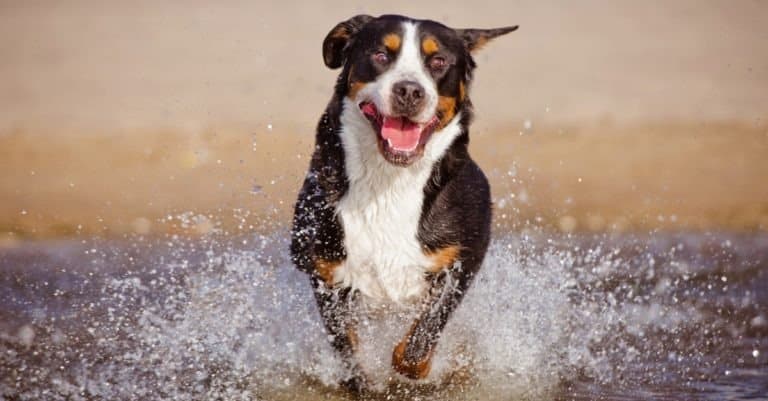
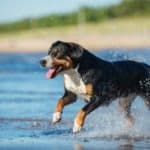
great swiss mountain dog on the beach

Though loyal to their owners, these dogs are generally aggressive towards strangers or any animal that challenges them.

Size and Weight

These dogs are usually large and bulky. The female is usually 23.5 to 27 inches long, reaching a weight of anywhere from 85 to 110 pounds. Meanwhile, the males are a little larger, measuring about 25.5 to 28.5 inches in length and 105 to 140 pounds in weight.
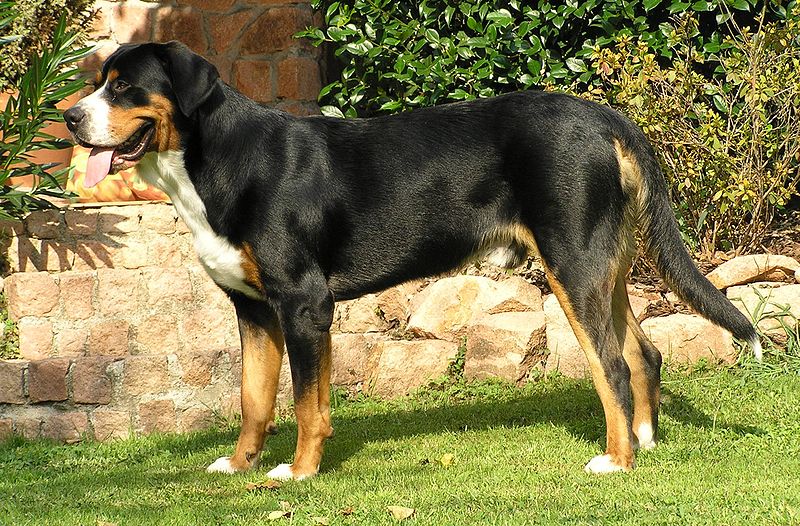
Greater Swiss Mountain Dogs are usually large and bulky, topping out at 140 lbs.

Common Health Issues

These dogs are, like all other living creatures, prone to several health issues. Many of the health concerns associated with this dog are related to its large size, genetics, and other factors.

Perhaps one of the most common ailments of the dog is dysplasia in the hips and elbows. Dysplasia is the abnormal growth in these joints, which causes limping and pain. Their bones are at an elevated risk of damage, which is only proven by their predisposition to orthopedic problems like panosteitis and osteochondritis dissecans.

Panosteitis is also called Shifting Leg Lameness or Pano, and it happens spontaneously. This dog grows quickly, which is part of the reason that they have a higher risk. The dog will end up with inflammation in the long bones in the legs, which can prevent them from moving around. It can happen in dogs as young as two months old.

Osteochondritis dissecans has to be diagnosed with radiography, as it is nearly impossible to diagnose with symptoms. This condition essentially means that there’s improper development in the cartilage, and there’s the possibility of cracks and fissures. Some research suggests that breeders are trying to eliminate this condition from the breed’s genetic makeup.

Greater Swiss Mountain Dog can also suffer from eye diseases, gastric torsion (a twist in the gut), epilepsy (seizures in the brain), and urinary incontinence. Interestingly, female dogs are more prone to the latter than males.
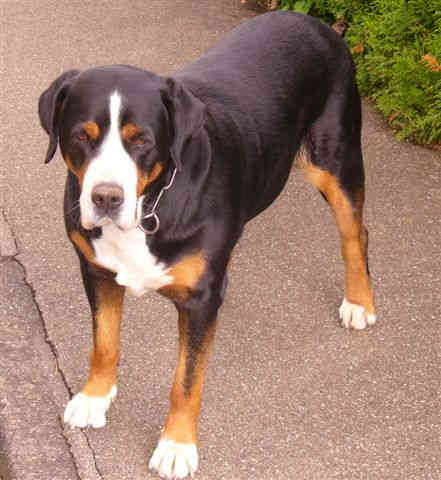
Many of the Greater Swiss Mountain Dog’s health concerns associated with this dog are related to its large size, genetics, and other factors.

Temperament

These dogs, if properly trained, usually have a calm temperament. They are loyal and devoted to their owners’ families. However, maturity comes slowly to these dogs, and therefore, it can often be tiring to deal with a large-sized puppy.

When these dogs are small puppies, they are very active. However, sometimes, they can get very mouthy, tending to nip at little children when they run and chase them.

The Greater Swiss Mountain Dogs are usually eager to please. As long as they are not provoked, this breed is excellent with the children of the family, thanks to their sweet and easy-going nature. These dogs tend to be very cautious and protective of the home. Luckily, this astute attention to their surroundings allows them to show their courageous side as great watchdogs.
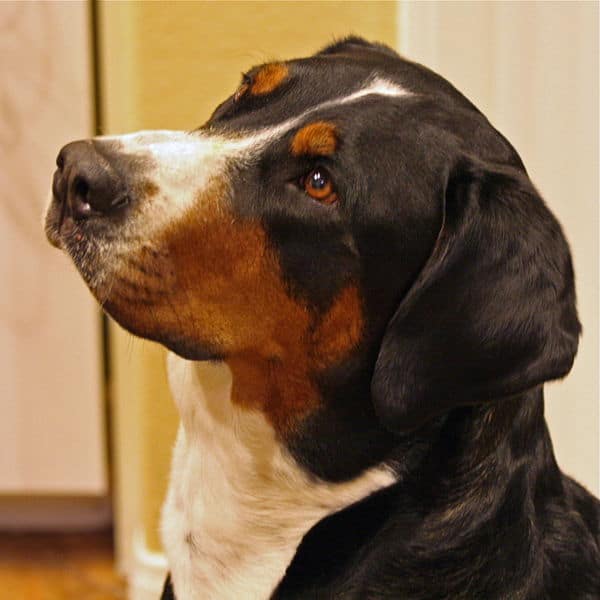
As long as they are not provoked, Greater Swiss Mountain Dogs are excellent with the children of the family, thanks to their sweet and easy-going nature.

How to Take Care of One

Before you get your hands on a Greater Swiss Mountain Dog (as a puppy or adult), you need to make sure that you are prepared for the task ahead of you. Here are a few things that you would want and need to keep in mind before adopting a Greater Swiss Mountain Dog as a pet.

The Best Dog Food

Daily, the Greater Swiss Mountain Dog needs about four to five cups of high-quality dry dog food. Rather than allowing the pup to continually have access to food that they can graze on through the day, most experts advise dividing this into two separate meals for the dog.

Puppies are a different story. The puppies in this breed will need to have their food broken into 3 to 4 smaller meals a day. The younger ones tend to have smaller stomachs, making smaller meals easier to digest.

Maintenance and Grooming

These dogs have double coats — one is thick, and one is dense. Brush it weekly to remove dead coat hair, but this brushing is rather easy and relaxing for you and your dog alike.

While these dogs do not drool as other breeds do, they shed a lot. In fact, they have so much fur that they shed heavily during spring and fall months, which is fairly common, even with the more moderate temperatures. A shedding blade is incredibly useful to keep on hand (if you intend to do the grooming yourself).

Nail care is equally important. This dog’s nails can grow quickly, so you should trim their nails every week or two. Teeth should be brushed daily to maintain the health of the mouth and to prevent decay. Many products on the market make this part of their care easy, like treats that break down plaque.
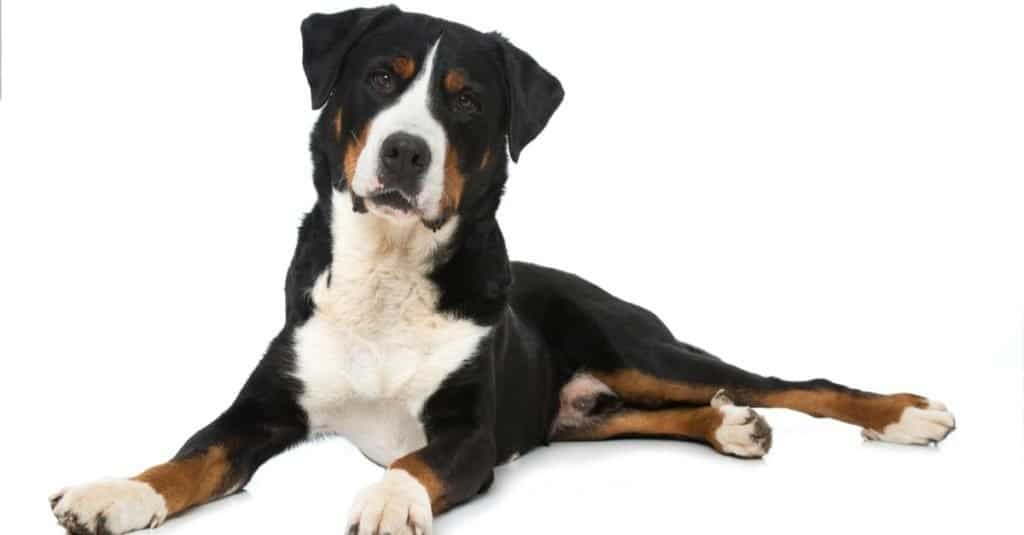
Greater Swiss Mountain dog isolated

Greater Swiss Mountain Dogs have so much fur that shedding heavily during spring and fall months is fairly common, even with the more moderate temperatures.

Training

While you can’t keep pushing your dog to train, these dogs shouldn’t be too resistant to it. They are willing to learn for the sake of pleasing their owner, so the best approach will be a training routine that comes with plenty of praise and positive reinforcement. This training will mean the difference between a disruptive dog and a housebroken, obedient dog.
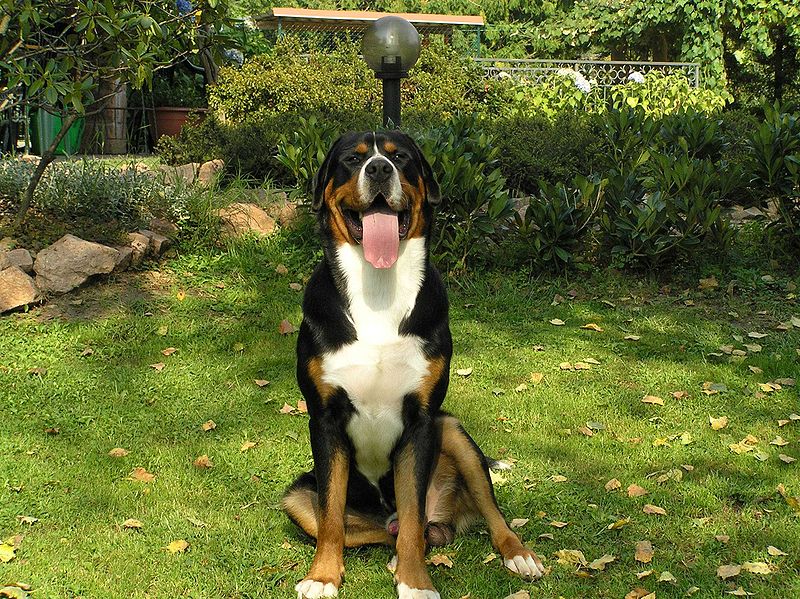
Greater Swiss Mountain Dogs are willing to learn for the sake of pleasing their owner.

Exercise

These dogs require a moderate amount of exercise each day, so a home with a yard is their best friend. Even with outdoor exposure, it is best to bring this dog out on a long walk once or twice a day to get its body moving. Exercise is also an excellent way to reduce the risk of obesity, which can occur in dogs that don’t get enough physical activity or balance in their diet.

Puppies

Bringing up and taking care of a puppy is similar to taking care of an adult. However, instead of two large meals, you would need to break their meals into at least three to four smaller meals so that the puppies could adjust easily and digest the food properly in their smaller stomachs.
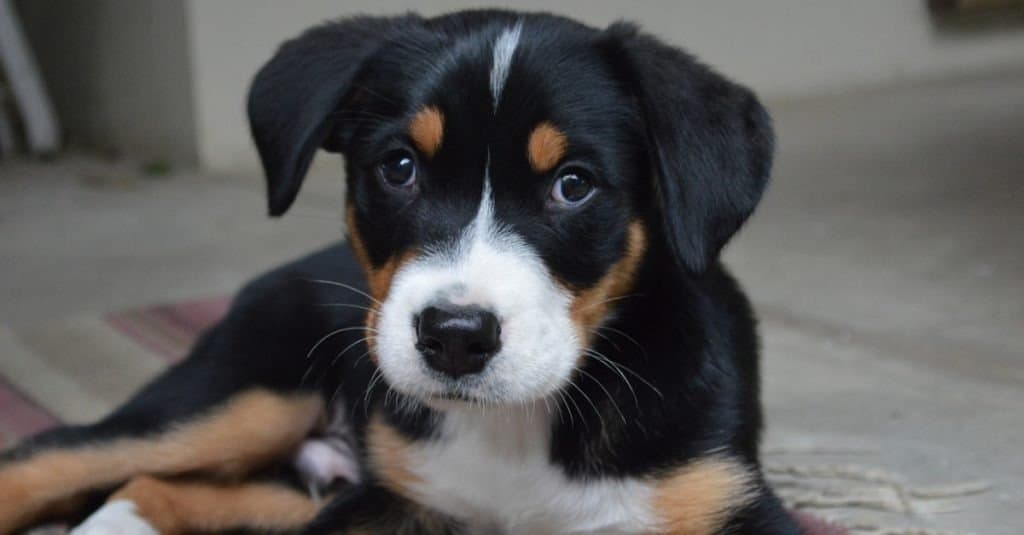
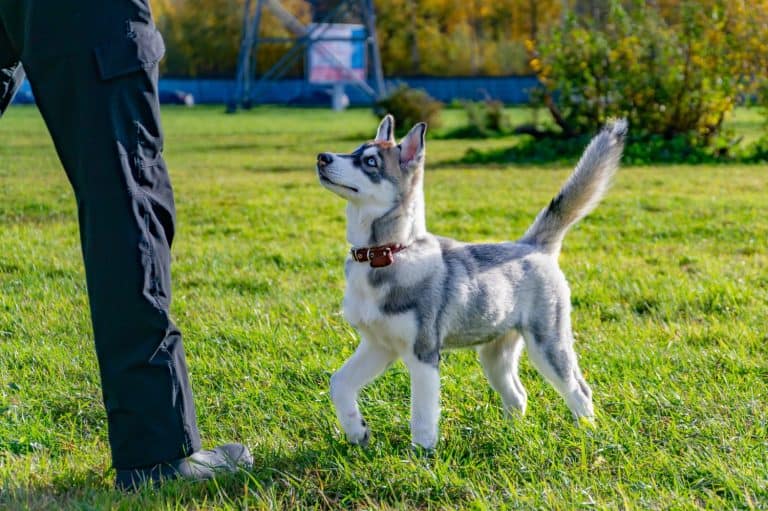
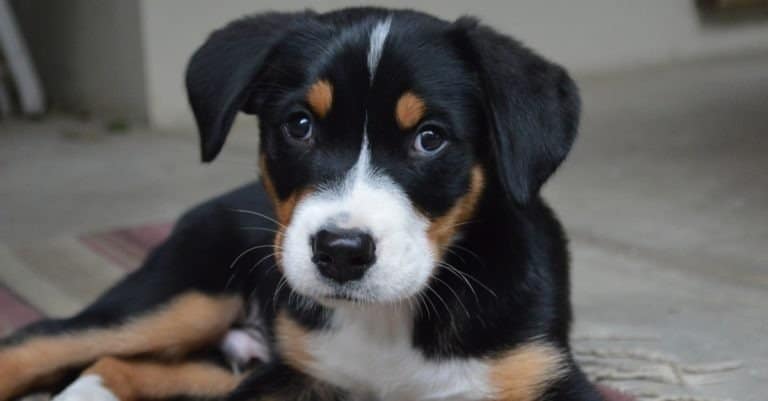
greater swiss mountain dog puppy

Greater Swiss Mountain Dogs are great around children, maintaining a friendly personality that is devoted and loving towards their companions.

With Children

These dogs are great around children, maintaining a friendly personality that is devoted and loving towards their companions. They make great playmates, and they naturally take on the role of a careful and vigilant watchdog around the family. They will be highly cautious of newcomers in the home, protecting their loved ones as needed. With the right training, this pup would be proud to defend its home.
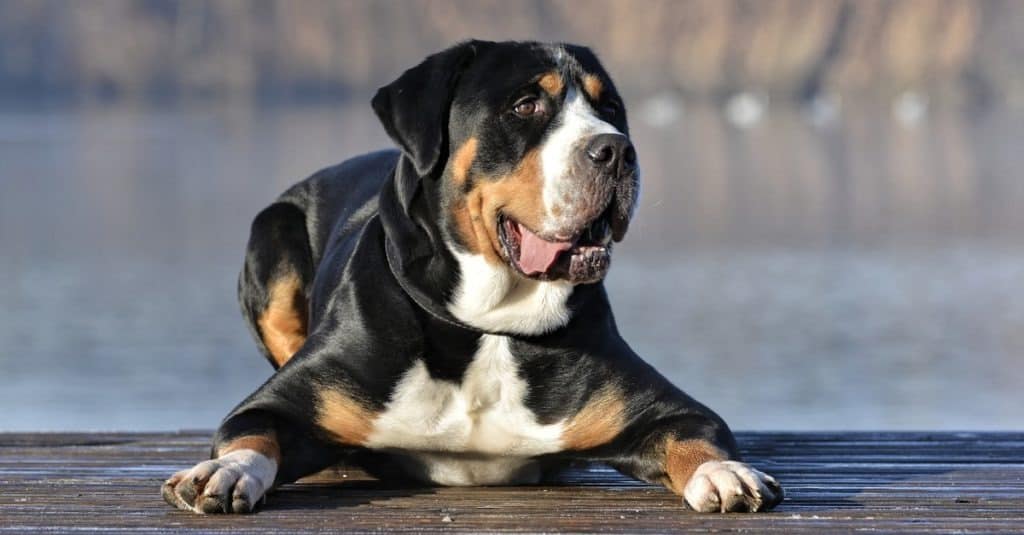
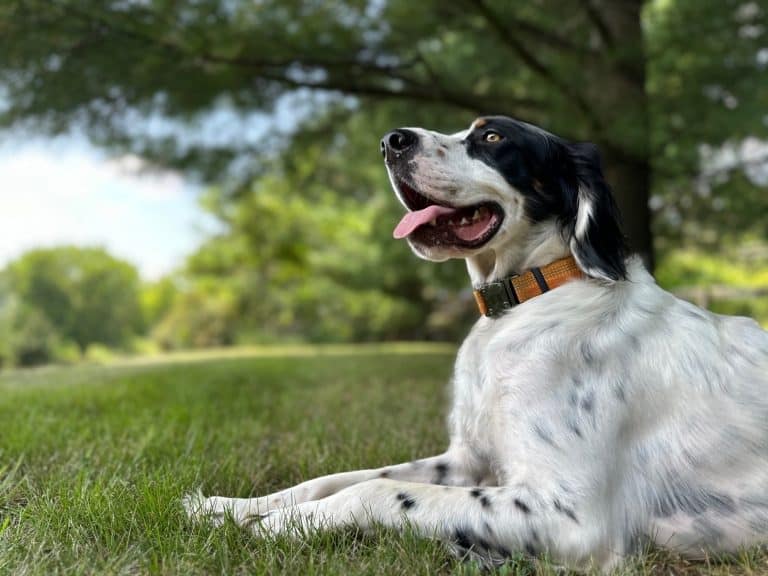
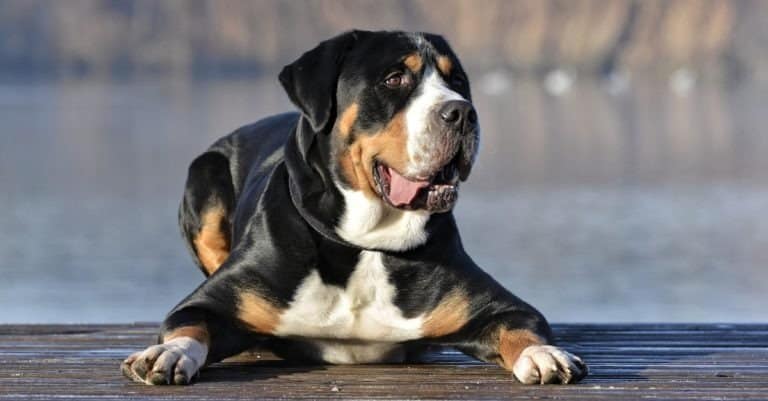
Greater Swiss Mountain Dog lying down

Greater Swiss Mountain Dogs are extremely cautious of newcomers in the home, protecting their loved ones as needed.

Similar Dogs

Here are some dogs that are similar to these dogs:

  • Bernese mountain dogs: These dogs are much like the Greater Swiss Mountain Dog, and they are even mistaken for the same breed (on occasion). However, they have thicker coats and require much more grooming. They are also known to shed more.
  • Appenzeller Sennenhund: These dogs are very energetic and serve as rescue dogs who show the way to lost travelers and rescue them.
  • Entlebucher Mountain Dogs: These dogs are also very closely related to the Bernese Mountain Dogs. They are alert and are often known as “laughing dogs.”

Famous Examples

Several celebrities own these dogs, like Sarah Michelle Gellar of the Buffy the Vampire Slayer franchise and the Scooby Doo films. These dogs have also been featured in a YouTube film called Pearl.

View all 261 animals that start with G

Sources

  1. Petfinder / Accessed January 22, 2021
  2. Your Pure Bred Puppy / Accessed January 22, 2021
  3. Dogtime / Accessed January 22, 2021
  4. Vetstreet / Accessed January 22, 2021
  5. Dog Breed Info / Accessed January 22, 2021
  6. Cornerstone Greater Swiss Mountain Dogs / Accessed January 22, 2021
  7. Pet ID Register / Accessed January 22, 2021
Heather Ross

About the Author

Heather Ross

Heather Ross is a secondary English teacher and mother of 2 humans, 2 tuxedo cats, and a golden doodle. In between taking the kids to soccer practice and grading papers, she enjoys reading and writing about all the animals!

Thank you for reading! Have some feedback for us?


Greater Swiss Mountain Dog FAQs (Frequently Asked Questions)

They cost around $1,500 to $2,300. You could expect an additional price of about $2,000 annually to keep up with its maintenance and grooming.