

P
Species Profile

Pekingese

Canis lupus familiaris

Small dog, imperial attitude.
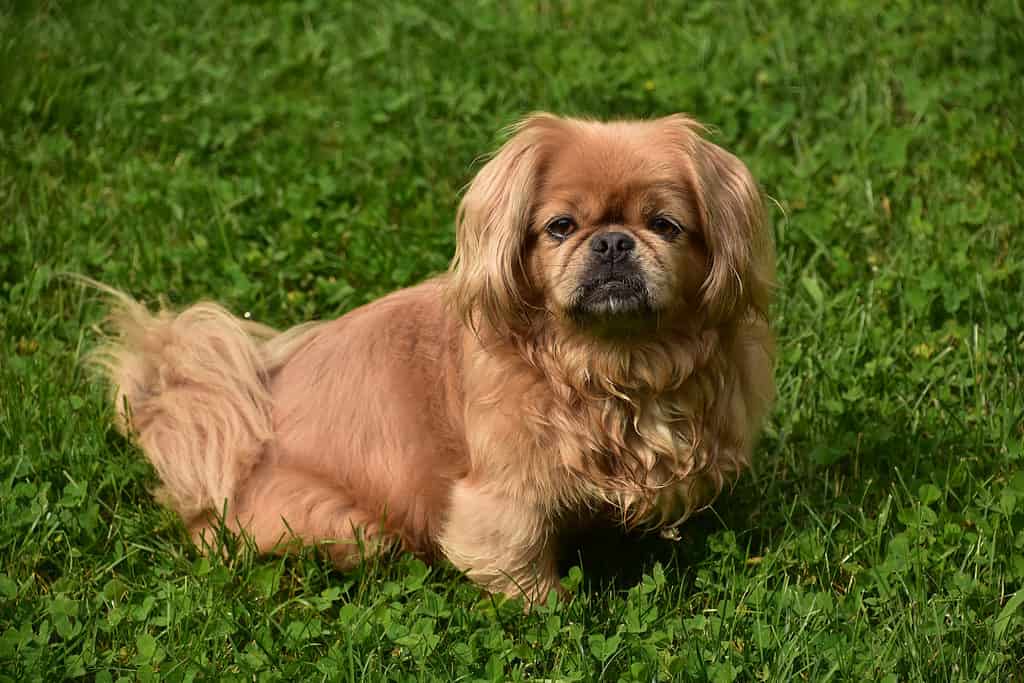
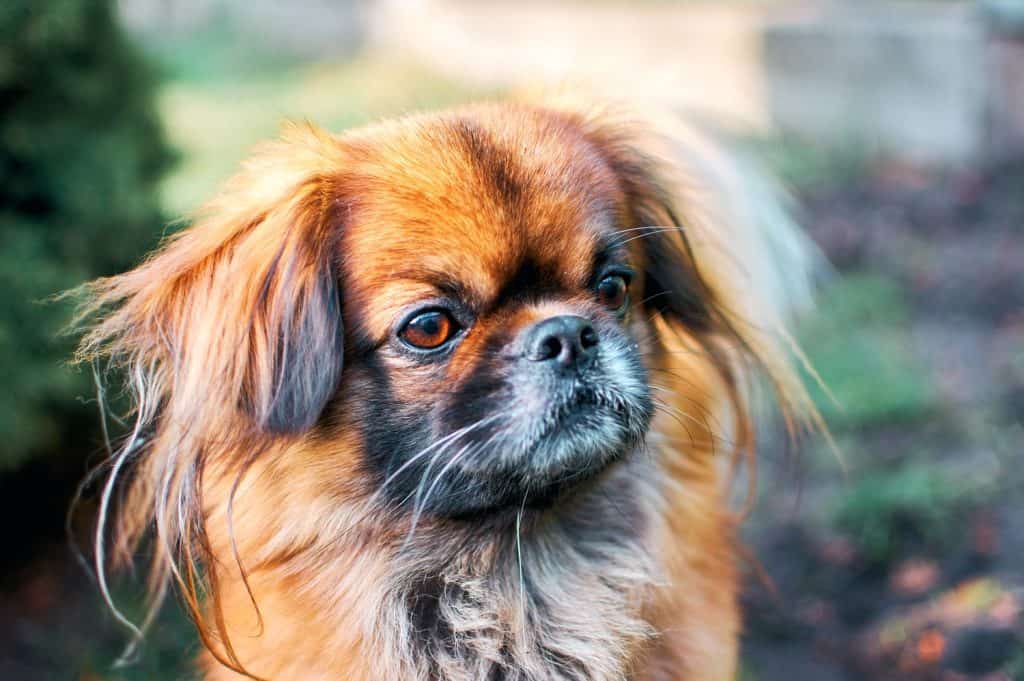
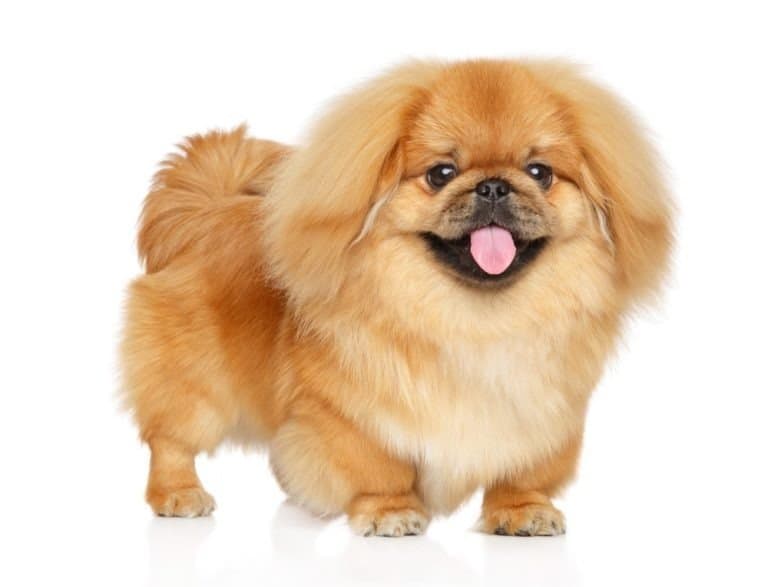
Oksana Valiukevic/Shutterstock.com

Pekingese Distribution

Click a location to explore more animals from that region

Origin Location

This map shows the native origin of the Pekingese. As a domesticated species, they are now found worldwide.

Loading map...

Found in 1 country

Size Comparison

Human 5'8"
Pekingese 8 in

Pekingese stands at 12% of average human height.

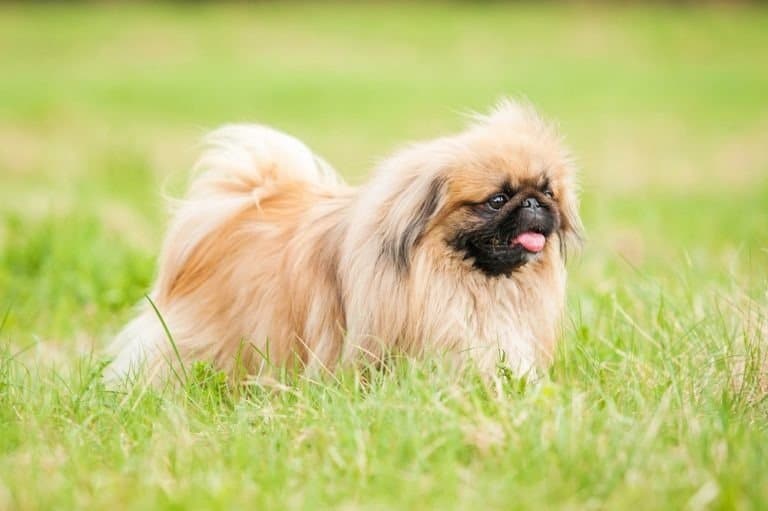
Pekingese dog tongue out in green grass. Portrait happy pekingese dog lying in grass on summer walk. Red pekingese resting in field & enjoying of sun rays. Fluffy hairy small dog playing closeup

At a Glance

Domesticated
Also Known As Peke, Lion dog, Jingba
Diet Omnivore
Activity Diurnal+
Lifespan 6 years
Weight 6.5 lbs
Status Not Evaluated
Did You Know?

The Pekingese was bred as an imperial palace companion in China and was historically closely guarded.

Scientific Classification

The Pekingese is a small brachycephalic (short-muzzled) toy dog breed developed as a palace companion in China, known for its long, profuse coat and distinctive “lion-like” appearance.

Kingdom
Animalia
Phylum
Chordata
Class
Mammalia
Order
Carnivora
Family
Canidae
Genus
Canis
Species
Canis lupus

Distinguishing Features

  • Very small toy-sized dog with a broad, flat face (brachycephalic)
  • Long, dense double coat with heavy feathering and a mane-like ruff
  • Large, prominent eyes and short, wide muzzle
  • Plumed tail carried over the back
  • Sturdy, low-slung body with a rolling gait

Did You Know?

The Pekingese was bred as an imperial palace companion in China and was historically closely guarded.

Its "lion dog" look comes from a long double coat with a mane-like ruff around the neck and shoulders.

Like all dogs (Canis lupus familiaris), Pekingese descend from gray wolf ancestors, but were selected for extreme small size and companionship.

The breed's large, prominent eyes and very short muzzle are classic brachycephalic traits-cute, but linked to specific health risks.

Pekingese move with a distinctive rolling gait, influenced by their body shape and front assembly.

After the 1860 looting and burning of Beijing's Old Summer Palace (Yuanmingyuan), a few Pekingese were taken to Britain-helping establish the breed in the West.

Unique Adaptations

  • Brachycephalic skull and shortened muzzle: a human-selected form emphasizing infant-like facial features; requires heat and airway caution compared with the wolf-derived baseline dog.
  • Compact, low-to-the-ground build: suited to indoor companionship rather than endurance running typical of many canids.
  • Profuse double coat with a mane-like ruff: an ornamental, insulating coat that demands regular grooming; more "display" than working adaptation.
  • Relatively large eyes and short nasal bridge: contributes to expressive face but increases risk of corneal injury and eye irritation.
  • Selective breeding for low exercise requirements and companion temperament: differs from many dogs closer to working/foraging roles.

Interesting Behaviors

  • Independent, dignified "cat-like" decision-making; often less eager-to-please than many other toy breeds.
  • Strong preference for close proximity to trusted people-many bond intensely with one household member.
  • Alert watchdog behavior: quick to announce unfamiliar sounds despite small size.
  • Tolerance for calm indoor routines; typically enjoys short, leisurely walks more than high-intensity exercise.
  • Can be selective with strangers and other dogs; benefits from early, gentle socialization to reduce reactivity.
  • Comfort-seeking behavior in cool spots (tile floors, shaded areas), reflecting sensitivity to heat common in brachycephalics.

Cultural Significance

Pekingese (Canis lupus familiaris) is tied to the Chinese imperial court as a status symbol and lap pet, known for a 'lion dog' look from Chinese guardian-lion art. In the late 19th century it became a sign of exotic royal status in the West after palace dogs reached Europe.

Myths & Legends

A Chinese legend says the Pekingese came from a lion that fell in love with a marmoset. The lion asked to be made small but keep a brave lion's heart, making the lion-dog.

Imperial court tradition held that these palace "lion dogs" embodied a noble spirit and were treated with ceremony, reinforcing stories of their almost-royal rank and guarded lives behind palace walls.

After the 1860 looting of the Old Summer Palace (Yuanmingyuan), a few Pekingese (Canis lupus familiaris) were taken to Britain; the tale is often told as the palace dogs reaching the West.

In Chinese cultural symbolism, "lion dogs" echo the protective role of Chinese guardian lions in art and architecture, feeding the idea that these tiny dogs carried a protective, auspicious presence in miniature.

Conservation Status

NE Not Evaluated

Has not yet been evaluated against the criteria.

Population Stable

Life Cycle

Birth 3 pups
Lifespan 6 years

Lifespan

In the Wild
3–10 years
In Captivity
10–18 years

Reproduction

Mating System Polygynandry
Social Structure Managed Domestic
Breeding Pattern Serial
Fertilization Managed Selective
Birth Type Internal_fertilization

In Pekingese, reproduction is typically human-managed: selected sires may mate with multiple dams across heat cycles, with pairing changing between litters. Natural mating can be difficult; brachycephaly and narrow pelvis increase dystocia, so assisted breeding and frequent C-sections are common.

Behavior & Ecology

Social Pack Group: 2
Activity Diurnal, Crepuscular, Cathemeral
Diet Omnivore Meat-forward, highly palatable small-bite foods (e.g., cooked chicken/turkey or high-quality small-breed kibble with animal protein as the first ingredient).

Temperament

HUBS: Companion breeds commonly seek proximity to humans; individual sociability varies by handling and genetics.
Breed-distinguishing: palace companion selection favors people-focus, indoor adaptability, and lower roaming drive than village dogs.
Affectionate and devoted with family; may be aloof, skeptical, or standoffish with strangers.
Bold, self-assured, and sometimes stubborn; responds best to calm, consistent, reward-based training.
Alert watchdog tendency; can be vocal if under-stimulated or poorly socialized.
May be dog-selective; early controlled introductions reduce reactivity and resource guarding.
Lower exercise needs than many dogs, but still benefits from short daily walks and play.
Health/behavior link: brachycephalic airway limits endurance; avoid intense exercise and heat/humidity.
Care needs: long coat requires frequent brushing to prevent mats; regular eye/face cleaning is important.
Common concerns to monitor: BOAS, eye injuries/ulcers, dental crowding, patellar luxation, and intervertebral disc disease.

Communication

sharp alert barking
low growl during resource guarding or discomfort
whining for attention or frustration
snorting/stertor and reverse-sneeze sounds Brachycephalic breathing
close following and leaning contact to solicit attention
stiff posture and staring when uncertain; may escalate if crowded
pawing or nose-bumping hands to request interaction
lip-licking, yawning, and turning away as stress-calming signals
scent marking during walks; may be more frequent in intact males
reduced tolerance for tight collars; harness use often improves comfort and behavior

Habitat

Biomes:
Temperate Forest Temperate Grassland Boreal Forest (Taiga) Tundra Alpine Desert Hot Desert Cold Mediterranean Savanna Tropical Rainforest Tropical Dry Forest Freshwater Wetland Marine Temperate Rainforest +9
Terrain:
Plains Hilly Valley Coastal Island
Elevation: Up to 16404 ft 3 in

Ecological Role

Domesticated companion omnivore; primarily integrated into human environments rather than functioning as a wild predator.

companionship and social support for humans limited pest deterrence/control (may alarm or occasionally catch small pests) cultural/heritage value (historically palace companion breed) minor contribution to nutrient cycling via waste in managed settings; potential negative impact on local wildlife if allowed to roam

Diet Details

Main Prey:
Dog food Meat-based proteins Animal fats Carbohydrate sources
Other Foods:
Grasses Fruits Vegetables Starches and grains Fungi and plant matter

Human Interaction

Domestication Status

Domesticated

Canis lupus familiaris: Domestic dogs came from gray wolves and were shaped by humans for friendliness and to work with people. The Pekingese is a toy companion breed bred in imperial China for small size, short muzzle, long double coat, and lion-like silhouette. Once palace lap dogs, they remain bold, independent, and mainly companion/show pets needing grooming and vet care.

Danger Level

Low
  • Bite risk: can be defensive or wary with strangers/rough handling; small size usually limits severity but bites can injure children or elderly skin
  • Zoonotic/parasitic risks common to dogs if not managed: fleas/ticks, intestinal parasites, ringworm; reduced with routine vet care
  • Allergy/asthma triggers from dander/saliva in sensitive individuals
  • Trip/fall hazard due to small size underfoot
  • Heat-related incidents: brachycephalic dogs can overheat quickly; risk is mainly to the dog but can create emergency situations for owners (e.g., heatstroke during walks/transport)

As a Pet

Suitable as Pet

Legality: Pekingese (Canis lupus familiaris) are usually legal pets. Owners must have a dog license, rabies shot, and obey leash laws. Some airlines limit flat-faced dogs; rentals/HOAs may have size or pet rules.

Care Level: Experienced

Purchase Cost: $800 - $3,500
Lifetime Cost: $18,000 - $45,000

Economic Value

Uses:
Companion animal/pet keeping Professional grooming services (high coat maintenance) Veterinary services (brachycephalic/eye/skin/dental care) Dog breeding and pedigree sales Dog showing and related events Pet product market (food, crates, harnesses, coats, brushes)
Products:
  • Household companionship (primary value)
  • Show-quality individuals and breeding stock (secondary value)
  • Grooming-related demand (brushes, detanglers, professional grooming appointments)

Pekingese Varieties

1

Explore 1 recognized types of pekingese

Quick Take

  • Owners must commit to 1 year of training before this breed reliably follows basic protocols.
  • Exceeding 30 minutes of daily exercise often triggers sudden and severe respiratory distress in this breed.
  • This fragile breed was counter-intuitively utilized as attack dogs hidden within imperial sleeves.
  • Rigorous scouting of dietary legumes is required to mitigate the risk of heart failure.

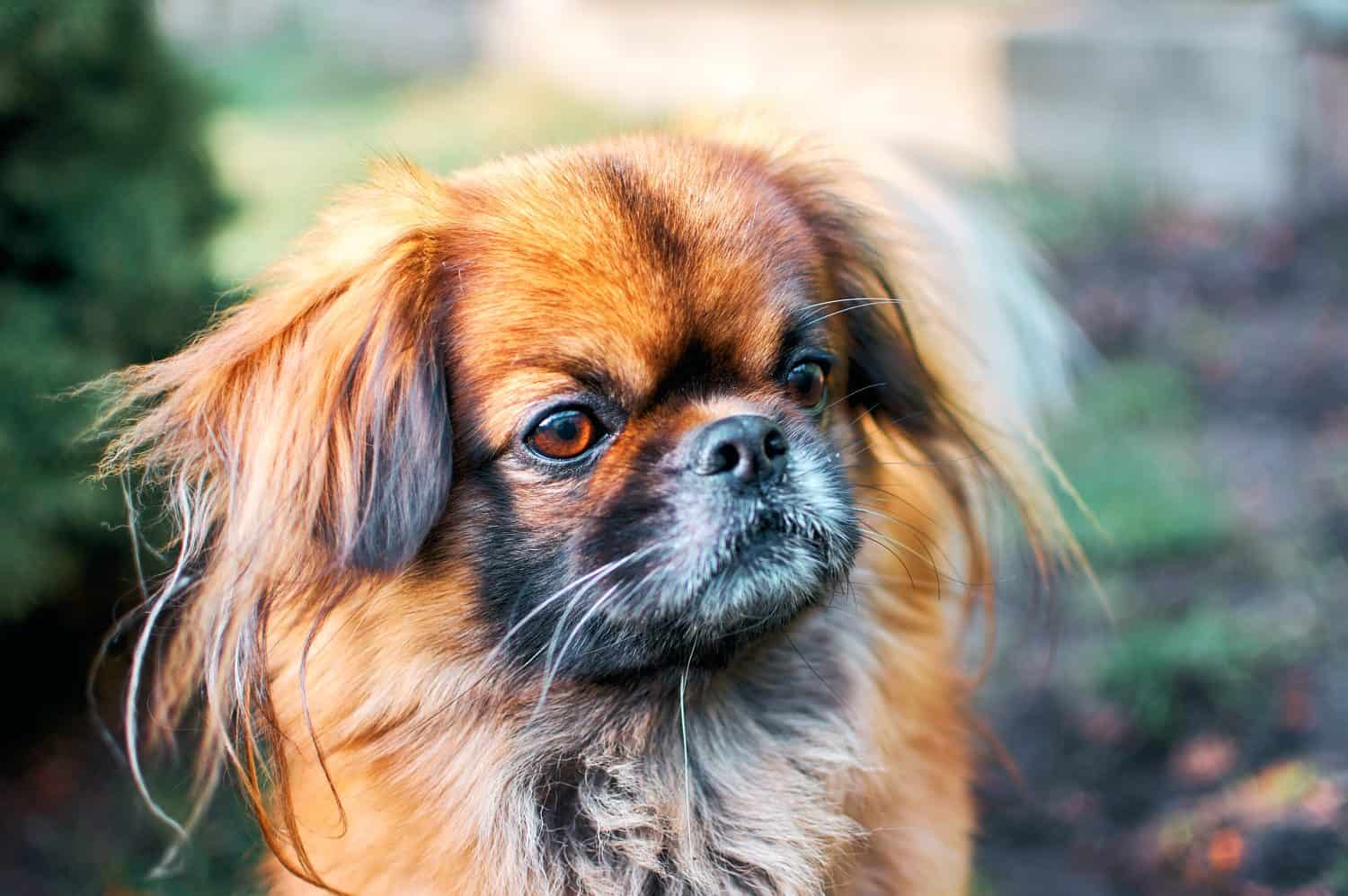
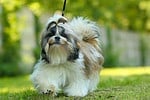
Pekingese, also known as a “lion dog,” are toy dogs and are fairly compact in their build. They usually weigh up to 14 pounds and have long fur coats all over their bodies. Their ears are large and rounder (in comparison to their bodies), and their eyes are dark and sparkly.

They are particularly known to create a bond with people whom they like. However, they are also very well known for being independent and alert, and often make good watchdogs.

An educational infographic about the Pekingese dog, featuring a large illustration of the breed at the top and several sections outlining facts, health risks, and history.
Behind that fluffy face lies the history of an ancient bodyguard—and a modern list of high-stakes health warnings every owner must know. © A-Z Animals

Origin

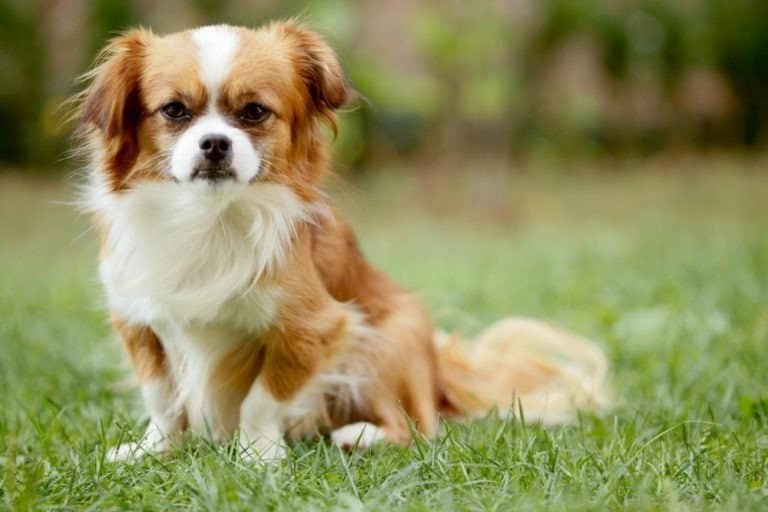
Pekingese dog sitting in grass

The Pekingese first came about during the Tang dynasty of China, which lasted from 618 to 907 AD.

Pekingese are an ancient breed of dog, originally bred as companions to the royal Chinese family during the Tang dynasty, and are considered sacred or lucky in China to this day. Legend also says that they were originally lion-sized, as they are often depicted outside temples and other important Chinese buildings, but were reduced to their now-known size by the Buddha. Because of this, they are also referred to as the lion dog. There are two different varieties of Pekingese: mini and “sleeve.” Sleeve Pekingese get their name from legends of Chinese emperors hiding them in the sleeves of their robes as attack dogs.

Pros and Cons of Owning a Pekingese Dog

ProsCons
Friendly and calm
These dogs are known to be friendly and are usually very calm. In addition to that, they are known to be loyal creatures, too.
Vulnerable and sensitive physical features
These dogs are tiny and fragile and have very sensitive and vulnerable bodies. Therefore, it is always a nice idea to keep them away from situations that can do them more harm than good. Therefore, they should also be handled very carefully around younger children.
Compatible with family
They are known to be great family dogs and are very affectionate towards all the members of the family. However, they particularly choose a few people who eventually become their absolute favorites.
Prone to breathing problems
A major health concern for this dog is its respiratory health. If it exercises even slightly more than it should, your dog could end up in respiratory distress.
Very positive and energetic
Another good thing about these dogs is that they carry a very positive vibe and are very energetic, which eventually brightens up your home’s atmosphere.
High maintenance
These dogs require a high level of grooming and maintenance. They shed a lot, and their loose fur needs to be regularly removed for them to be clean.

Size and Weight

Cute and nice golden Pekingese dog in park playing

Pekingese usually weigh about 6 to 12 lbs.

Pekingese are small toy dogs that are covered in fur that falls the longest from their heads. Male and female Pekingese weigh around 6 to 12 lbs. Meanwhile, both males and females are approximately 6 to 9 inches in height.

Common Health Issues
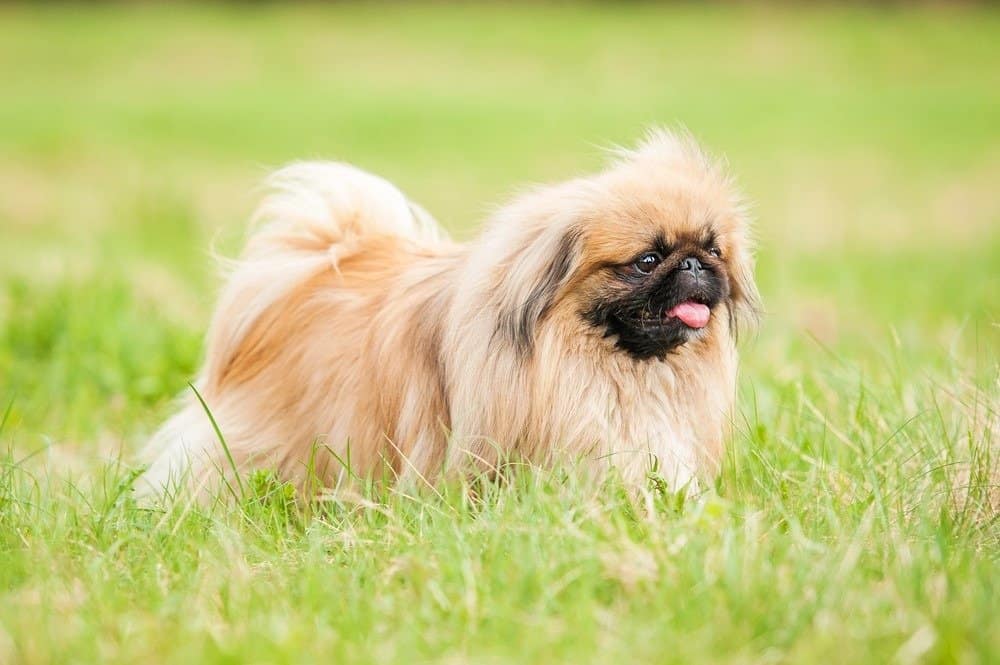
Pekingese dog walking outdoors

It is important to take your Pekingese to the vet regularly to monitor for various health concerns.

Pekingese dogs are prone to several health issues. Intervertebral disc disease, for example, occurs when the discs in the spine begin to break down, putting the dog in great pain along its back and neck. The legs may also be affected.

Brachycephalic airway syndrome is another common health issue due to the naturally flat face of the Pekingese. If breathing becomes difficult, a veterinarian may be able to perform surgery to improve airflow.

Pekingese dogs are also prone to heart murmurs and syringomyelia. While a heart murmur can be a symptom of a separate problem inside the heart, syringomyelia is a broad term that simply means that the spine has a cyst. However, this condition is far from benign; if left untreated, the dog’s spinal cord can deteriorate and lead to paralysis, muscle stiffness, and weakness.

Temperament and Behavior

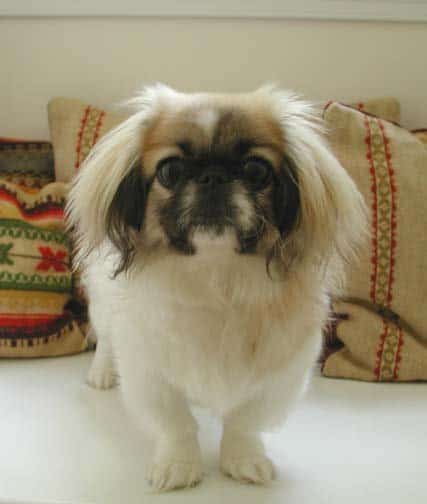
Pekingese sitting on carpet

Pekingese are extremely brave and loyal dogs despite their small size.

Pekingese dogs are loyal and have very friendly behavior within their human families. They are known to be fearless and independent despite being tiny in size. They love their owners’ laps, and it is said that they are also used as companion pets, which eventually serve as status symbols.

These dogs are considered to be one of the most stubborn and are awfully hard to train. They love a few favorite humans in the family. However, their affection is usually with all the members.

These dogs are also great with children. However, it is not recommended to keep them if you have young children at home, as these dogs are very fragile and vulnerable.

These dogs are not very suitable for busy people. They are ideal for retired people, usually. These dogs also require a lot of maintenance as their thick fur needs to be groomed and untangled very regularly. Being aggressive is also a rare personality trait of Pekingese dogs.

How to Take Care of a Pekingese Dog
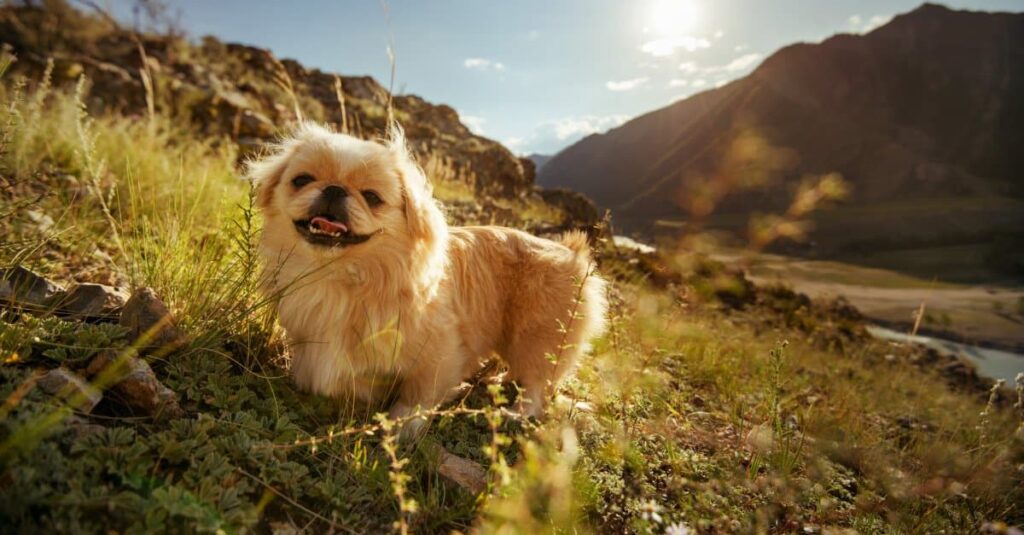
Calmest dog - pekingese in the valley

Pekingese owners should be aware of the amount of attention that must be dedicated to these dogs for them to thrive.

Taking care of a Pekingese dog is usually a time-consuming task as these tiny creatures require a lot of maintenance and grooming, especially as a puppy. Therefore, it is particularly important to consider several factors if you are thinking of adopting a Pekingese dog as your pet. Use the tips below to create a comfortable and safe space for them.

The Best Dog Food

Pekingese dogs require only balanced and small portions of food. However, they might behave as if they need a lot more, which could eventually make them sick. Usually, their diet includes protein-rich items like pork, fish, and chicken. You can combine this with soy items, rice, and green vegetables to give them a comprehensive diet.

At regular vet appointments, keep an eye on signs of a heart murmur. Also, look into the link between dog food with legumes and heart failure in dogs, because you may prefer a legume-free dog food.

A Pekingese puppy also has a similar diet except for the fact that it should be fed more often in comparison to the adults, since they have smaller stomachs and can only take very small quantities at a time, which may or may not be sufficient for their nutritional needs.

Best Insurance

Since these dogs suffer from a host of health problems, it would only be safe for you as an owner to get your dog appropriate insurance that would have you covered in times of need. Find pet insurance that covers regular visits, as well as emergency coverage. Also, many veterinarians offer payment plans or special coverage packages at their offices, so it is best to speak with a local vet to learn more.

Maintenance and Grooming
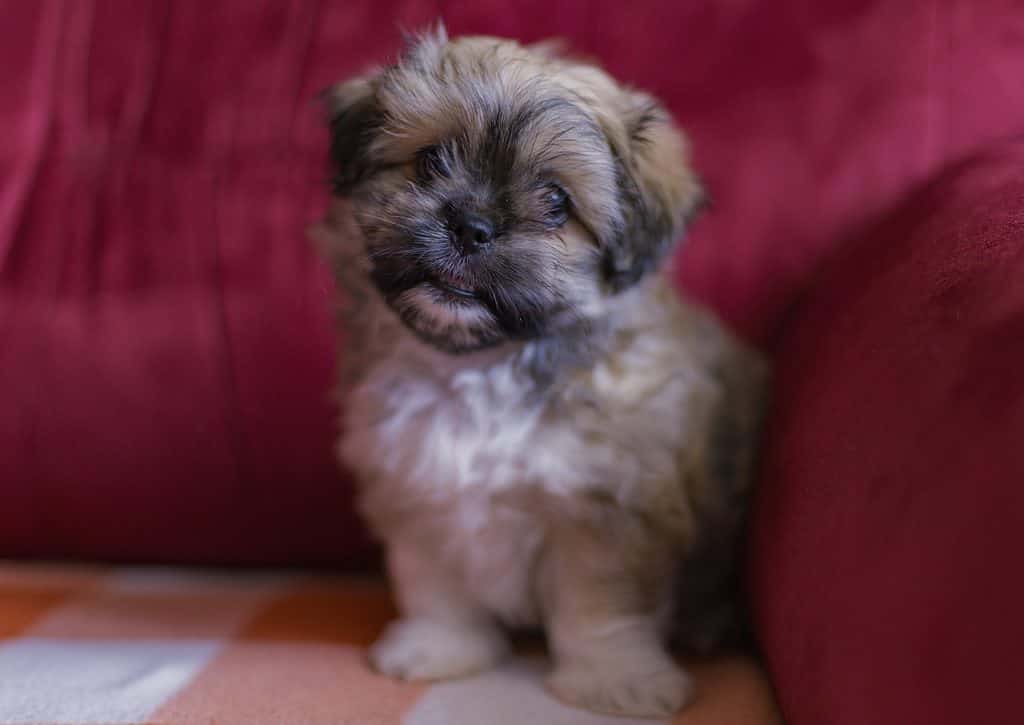
Pekingese must be brushed every day to maintain a healthy coat.

Pekingese dogs are generally high-maintenance. Their very thick coat requires proper grooming. Owners will have to brush the coat of their Pekingese dog daily, though they should not be surprised by the amount of shedding. Brushing will remove this extra fur, reducing the tangles for a smooth and shiny coat.

Training

These dogs are known to be very stubborn and are usually difficult to train. You will need a lot of effort and patience to train your Pekingese dog. It would usually take six months to a year for your dog to start following the training protocols.

Exercise
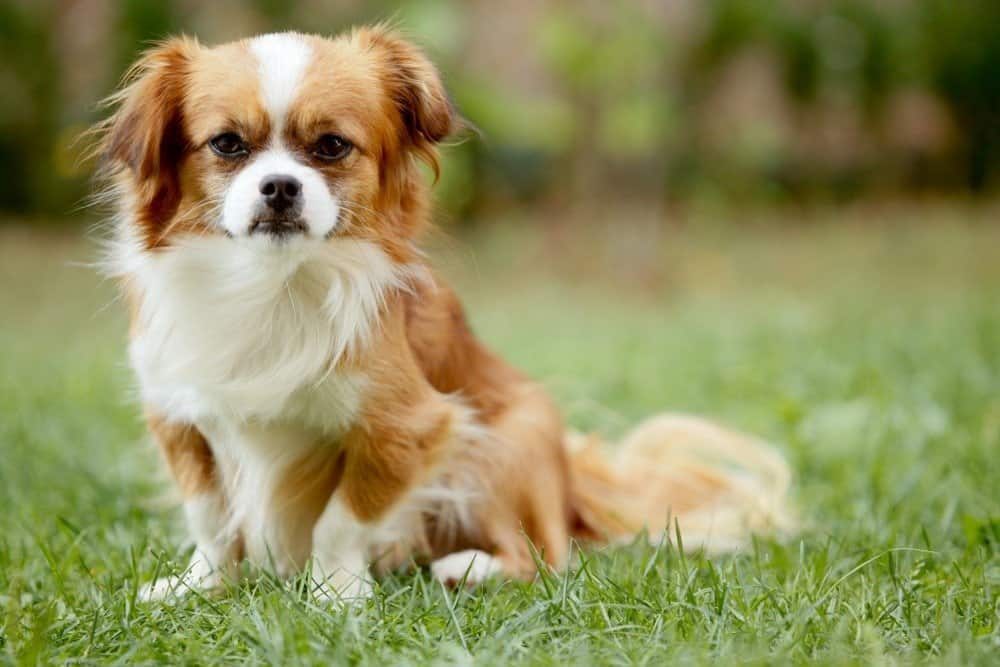
Cute and funny red light Pekingese dog in autumn park playing

Pekingese need regular breaks when exercising to avoid respiratory issues.

Pekingese dogs require a minimum of 30 minutes of exercise every day, which is much less than more active and larger dogs. However, exercise should not be overdone to prevent breathing issues. During breaks, a few shorter walks would be great for your dogs. They won’t need much space to run around in a yard, making them an ideal pet for owners in apartments or with limited yard space.

Puppies

The care needed for Pekingese puppies is similar to that of full-grown ones. However, they require a little extra care. You would also have to feed them more often because their stomachs are small and can’t hold much food at a time. Always provide adequate water to ensure that they are hydrated.
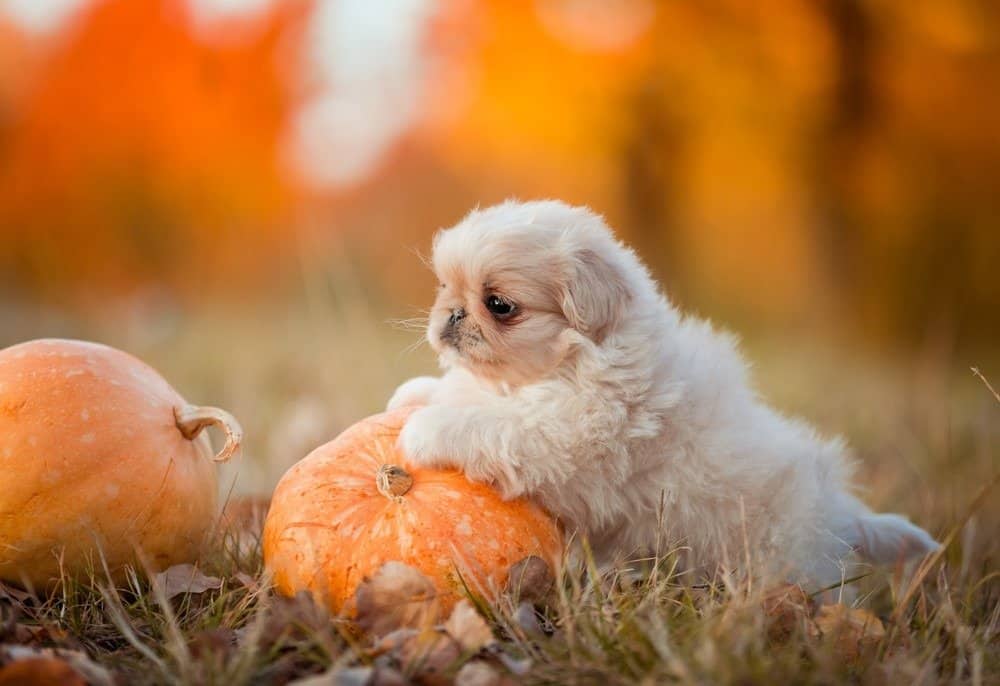
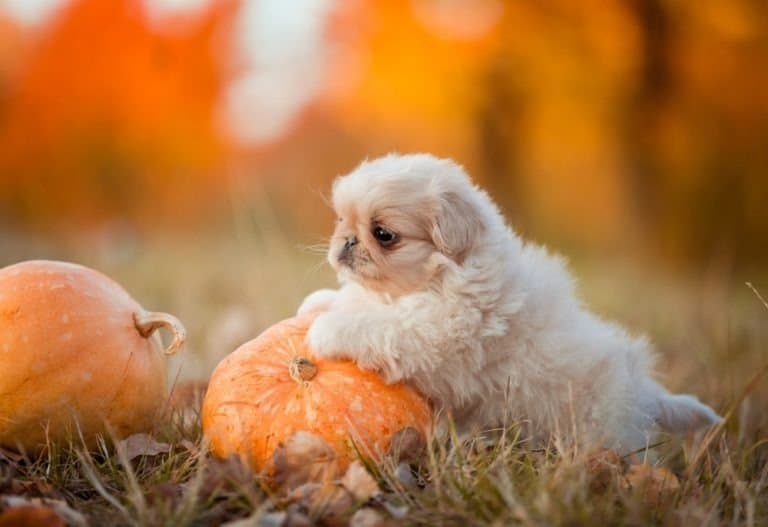
Pekingese little white puppy playing with pumpkin.

Pekingese are extraordinarily cute as puppies!

Pekingese Dogs and Children

Pekingese dogs are great with children. They are considered to be loyal family dogs and are especially affectionate towards children. However, these dogs are sensitive, fragile, and vulnerable. Therefore, they should not be kept with infants.

Similar Breeds
Emotional Support Animals

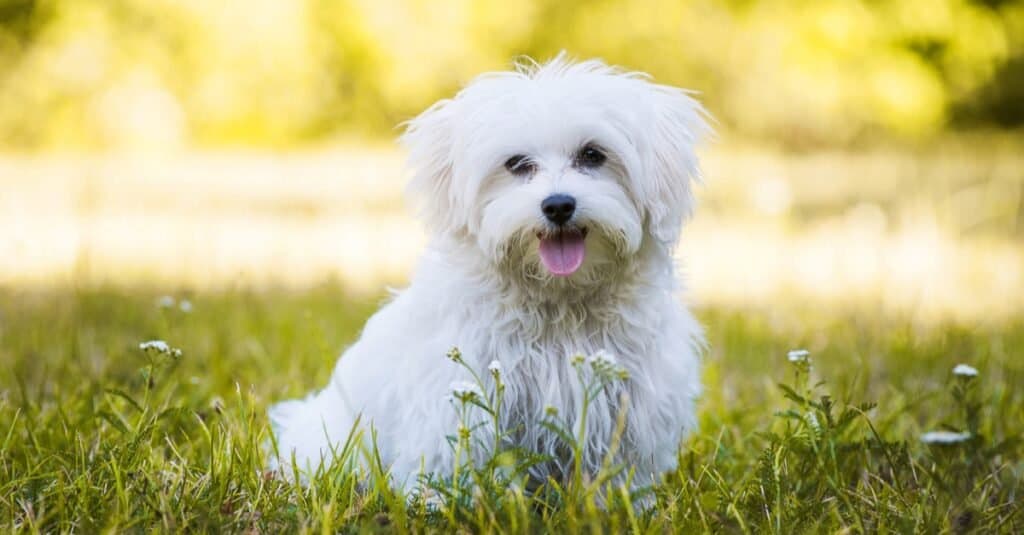
The Maltese is another small, affectionate breed with adorable floppy ears.

Some dogs are similar to the Pekingese. Some of them are:

  • Japanese Chin: Much like the Pekingese, this one is also known to be a loyal companion dog. These dogs are also alert and independent.
  • Maltese: These dogs are also covered in thick fur and are very friendly. However, they can also turn out to be deceiving.
  • Affenpinscher: This dog is intelligent, but also prone to health risks. Bred with toy dogs like the Brussels Griffon, the majority of their health risks are self-imposed, due to their high energy and innate curiosity. They share the same loving nature for their family as the Pekingese.

Famous Pekingese Dogs

Due to their beautiful fur and small stature, it should come as no surprise that the Pekingese dog has found a place in the hearts of many famous personalities. When Shirley Temple was in the 1936 film “Stowaway,” she was gifted her character’s Pekingese dog, naming it “Ching-Ching” (formerly “Mr. Woo”).

Jennifer Grey and Elizabeth Taylor have also owned Pekingese dogs. The breed has also served as an inspiration for an animated dog in the Walt Disney series “Pluto”.

As fancy as these dogs may be, they are also resilient. It is said that this breed was one of the dogs that survived the tragic Titanic sinking in 1912.

View all 247 animals that start with P

Sources

  1. David Burnie, Dorling Kindersley Animal, The Definitive Visual Guide To The World's Wildlife / Accessed December 10, 2008
  2. Tom Jackson, Lorenz Books The World Encyclopedia Of Animals / Accessed December 10, 2008
  3. David Burnie, Kingfisher The Kingfisher Animal Encyclopedia / Accessed December 10, 2008
  4. David Burnie, Dorling Kindersley Illustrated Encyclopedia Of Animals / Accessed December 10, 2008
  5. Dorling Kindersley Dorling Kindersley Encyclopedia Of Animals / Accessed December 10, 2008
  6. American kennel Club / Accessed November 3, 2020
  7. Dog Breeds 911 / Accessed November 3, 2020
  8. PDSA / Accessed November 3, 2020
Corinna Cybele

About the Author

Corinna Cybele

My name is Corinna! In my profile photo you can see me with one of my two cats, Bisky! The other's name is Yma and she's a beautiful black Bombay kitty. I'm 24 years old and I live in Birmingham, AL with my partner Anastasia and like to spend my free time making music, collecting records and reading. Some other animals I've owned were a hamster, 2 chihuahuas and many different kinds of fish.

Thank you for reading! Have some feedback for us?


Pekingese FAQs (Frequently Asked Questions)

Pekinese is a tiny toy dog that is known to be very loyal and friendly. They are famous for being family companion dogs.