T
Species Profile

Tibetan Mastiff

Canis lupus familiaris

Built for the cold. Born to guard.
Olga Aniven/Shutterstock.com

Tibetan Mastiff Distribution

Click a location to explore more animals from that region

Origin Location

This map shows the native origin of the Tibetan Mastiff. As a domesticated species, they are now found worldwide.

Loading map...

Size Comparison

Human 5'8"
Tibetan Mastiff 2 ft 2 in

Tibetan Mastiff stands at 38% of average human height.

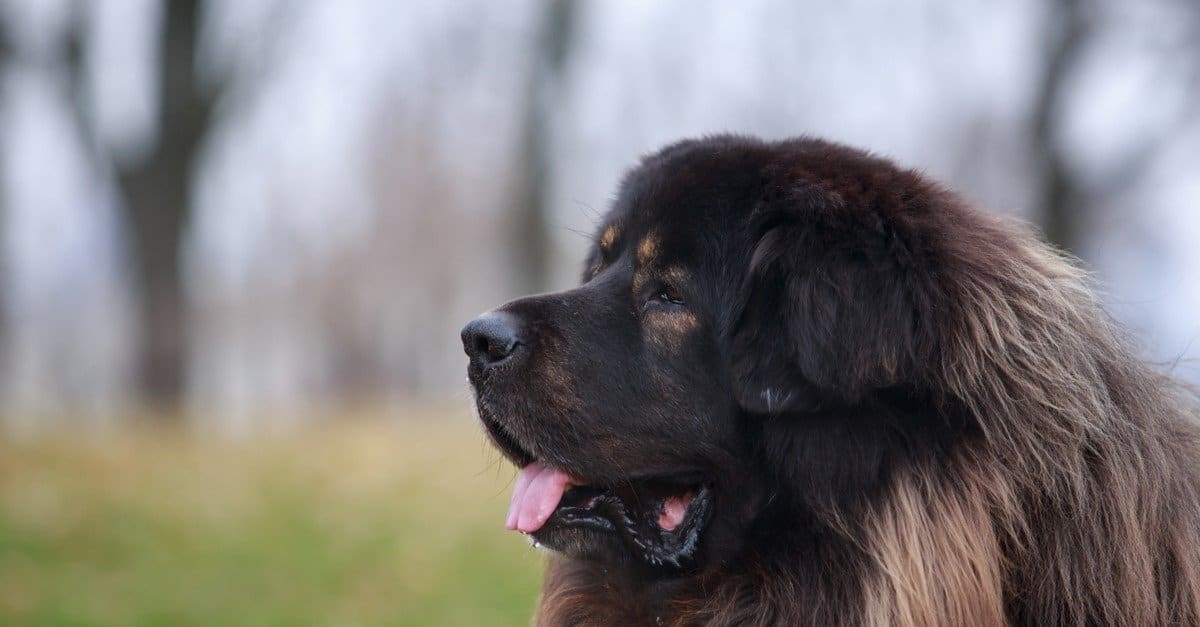
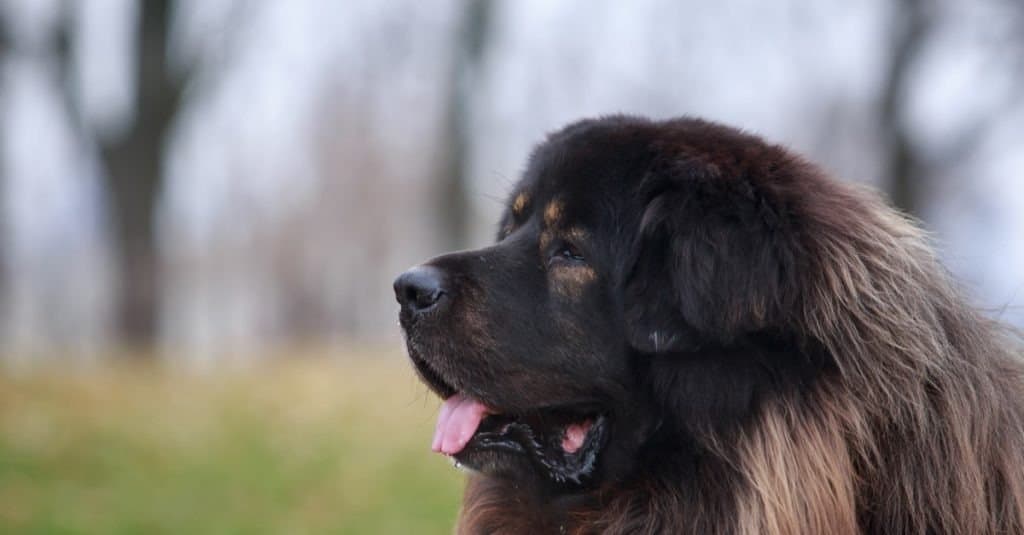
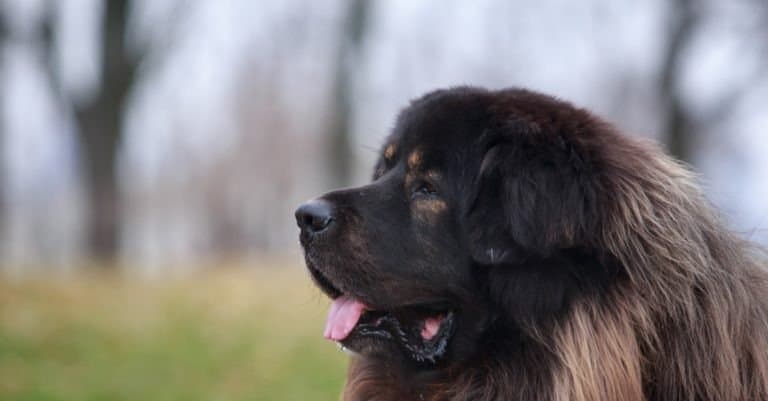
Tibetan mastiff a close-up

At a Glance

Domesticated
Also Known As Do-khyi, Do Khyi, Tibetan dog, Himalayan Mastiff, Tibetan mountain dog
Diet Omnivore
Activity Nocturnal+
Lifespan 4 years
Weight 68 lbs
Status Not Evaluated
Did You Know?

The Tibetan Mastiff is a domestic dog (Canis lupus familiaris), a specialized guardian type shaped by people for life on the Tibetan Plateau.

Scientific Classification

The Tibetan Mastiff is a large domestic dog breed (domestic form of the gray wolf) historically used as a livestock and property guardian in high-altitude Himalayan/Tibetan regions. It is known for its heavy build, dense coat, and strong territorial guarding behavior.

Kingdom
Animalia
Phylum
Chordata
Class
Mammalia
Order
Carnivora
Family
Canidae
Genus
Canis
Species
Canis lupus

Distinguishing Features

  • Large, powerful livestock-guardian type build
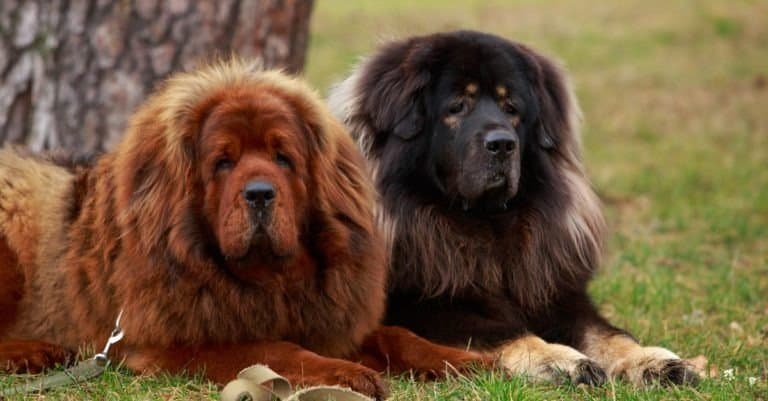
  • Dense double coat adapted to cold climates; often a pronounced ruff/manesque neck coat
  • Strong territorial instincts and deep, resonant bark
  • Heavily boned head with a broad muzzle (breed-standard dependent)

Physical Measurements

Males and females differ in size

Height
♂ 2 ft 4 in (2 ft 2 in – 2 ft 6 in)
♀ 2 ft 2 in (2 ft – 2 ft 4 in)
Length
♂ 5 ft 7 in (5 ft 1 in – 6 ft 1 in)
♀ 4 ft 6 in (3 ft 11 in – 5 ft 1 in)
Weight
♂ 121 lbs (99 lbs – 159 lbs)
♀ 95 lbs (75 lbs – 119 lbs)
Tail Length
♂ 1 ft 8 in (1 ft 6 in – 1 ft 10 in)
♀ 1 ft 3 in (12 in – 1 ft 6 in)
Top Speed
25 mph
running

Appearance

Primary Colors
Secondary Colors
Skin Type Thick, pigmented skin under a dense double coat; adapted for cold, dry, high-altitude climates.
Distinctive Features
  • Domestic dog (Canis lupus familiaris) selectively bred for livestock/property guarding, not a wild canid.
  • Massive, heavy-boned build with broad head, deep chest, and strong neck.
  • Very dense double coat with a mane-like ruff, especially pronounced in males.
  • Plumed tail carried curled over the back; heavily feathered hindquarters ("breeches").
  • Weather-resistant coat suited to Tibetan Plateau/Himalayan cold; heat sensitivity in warm climates.
  • Strong territorial, watchful guardian behavior; independent decision-making and nighttime alertness are common.
  • Typically slower to mature than many dogs; adult temperament and coat develop over several years.
  • Care: early, ongoing socialization and training; secure fencing due to guarding/roaming tendencies.
  • Care: frequent brushing during seasonal shedding; avoid shaving-coat insulates and protects skin.
  • Care: moderate, joint-friendly exercise; avoid excessive impact during growth to protect developing joints.
  • Health concerns: hip/elbow dysplasia and osteoarthritis risk in a giant, heavy-framed breed.
  • Health concerns: hypothyroidism, eye issues (entropion/ectropion), and gastric dilatation-volvulus (bloat) risk-use sensible feeding routines.

Sexual Dimorphism

Males are typically larger and heavier with a broader head, thicker neck, and more pronounced mane-like ruff. Females are smaller and more refined, often with a slightly lighter coat and less dramatic ruff.

♂
  • Greater height and mass; more imposing overall silhouette.
  • Broader skull and heavier muzzle; thicker neck and shoulders.
  • More prominent mane/ruff and heavier feathering in full coat.
  • Deeper, louder bark often noted in adult males.
♀
  • Smaller frame with finer bone structure and narrower head.
  • Less pronounced ruff; coat can appear slightly shorter or less voluminous.
  • Often more agile-looking build while retaining guardian type.
  • Heat cycle-related coat changes and weight fluctuation may be noticeable.

Did You Know?

The Tibetan Mastiff is a domestic dog (Canis lupus familiaris), a specialized guardian type shaped by people for life on the Tibetan Plateau.

Its famous "lion-like" ruff is a seasonal mane-often fuller in males and during colder months.

Unlike many herding dogs bred to move animals, Tibetan Mastiffs were bred to deter predators and strangers by presence, voice, and boundary-holding.

They're known for a deep, far-carrying bark-an alarm system historically valued around tents, monasteries, and villages.

The breed commonly shows strong night alertness; many individuals become more watchful after dusk, matching traditional guard duty rhythms.

Their thick double coat sheds heavily ("blows coat") seasonally, sometimes in dramatic clumps.

Historically, Tibetan dogs were described by travelers as formidable guardians on caravan routes and high mountain settlements.

Unique Adaptations

  • Cold-climate coat: A dense double coat (insulating undercoat + longer guard hairs) helps retain heat and shed moisture/snow.
  • Robust build: Heavy bone and substantial musculature support long hours of stationary guarding and sudden explosive movement when needed.
  • Low-energy endurance style: Bred for long-duration watchfulness rather than sustained sprinting or constant running.
  • Acute environmental awareness: Strong startle response to unusual sounds/sights can be advantageous for guarding but requires careful socialization.
  • Breed-distinguishing traits vs the base species (gray wolf): More tolerance of human proximity, a guardian temperament selected by people, and wide variation in coat/size/color typical of domestication.

Interesting Behaviors

  • Perimeter patrol: Many individuals naturally "check the fence line," doors, or property edges and prefer vantage points.
  • Suspicious-by-default guarding: They often hold a wary, assessing posture with strangers rather than immediately seeking attention.
  • Independent decision-making: Like many livestock-guardian dogs, they may act without looking to humans for constant direction.
  • Nocturnal vigilance: Increased alertness at night is common; they may bark more after dark in response to novel sounds.
  • Selective social bonding: Strong attachment to family/"home group," but not always universally friendly with unfamiliar people or dogs.
  • Resource and territory sensitivity: Can be protective of home spaces, gates, and vehicles; early training and management help prevent over-guarding.
  • Weather-seeking behavior: Many choose cool surfaces, shade, or snow and may avoid heat, reflecting cold-climate heritage.

Cultural Significance

The Tibetan Mastiff (Canis lupus familiaris) is a strong guard dog on the Tibetan Plateau and Himalayas, protecting yaks, sheep, homes and monasteries. 18th–19th‑century travel tales made them famous; today they are seen as signs of wealth and symbols of traditional livestock-guardian dogs, not just pets.

Myths & Legends

In Tibetan and Himalayan stories, big guardian dogs like the Tibetan Mastiff were called "lion dogs." They had mane-like ruffs and were linked to Buddhist and Asian lion guardians at sacred places.

Monastery guardian tales: regional stories say fierce Tibetan Mastiffs (Canis lupus familiaris) stood at gates and walls to warn of intruders and protect monks, their deep bark serving as a night alarm.

Traveler's legends along caravan routes: Accounts from explorers and traders sometimes portray Tibetan Mastiff-type dogs as near-mythic obstacles-massive, fearless guardians encountered at high passes and encampments, reinforcing their formidable reputation in frontier narratives.

Protectors against snow-leopard and wolf raids: Pastoral stories across the region commonly credit big guardian dogs with standing between livestock and predators in blizzards and darkness, a recurring motif in highland herding folklore.

Nobility and gifting traditions: Historical anecdotes describe prized Tibetan dogs being exchanged as prestigious gifts to visitors or elites, contributing to legends of rare, "royal" Himalayan guardians.

Conservation Status

NE Not Evaluated

Has not yet been evaluated against the criteria.

Population Stable

Life Cycle

Birth 7 pups
Lifespan 4 years

Lifespan

In the Wild
2–8 years
In Captivity
8–14 years

Reproduction

Mating System Polygynandry
Social Structure Managed Domestic
Breeding Pattern Serial
Fertilization Managed Selective
Birth Type Internal_fertilization

In Tibetan Mastiffs, reproduction is typically human-managed: selected males may sire litters with multiple females across breeding seasons. Copulation and gestation are via internal fertilization, with no stable pair bond; breeding is timed to the female's seasonal estrus.

Behavior & Ecology

Social Pack Group: 2
Activity Nocturnal, Crepuscular, Cathemeral
Diet Omnivore Rich, meat-forward meals (traditionally mutton/yak-based) with a strong aroma (e.g., meat stews/broth over kibble)

Temperament

Breed distinction vs gray wolf: selected for stationary guarding, not cooperative pursuit hunting.
Strong territoriality and suspicion of strangers; slower to accept new people than many breeds.
Calm, watchful baseline; rapid escalation to defensive posturing when boundaries are challenged.
Independent decision-making; less handler-focused than many domestic breeds without early training.
HUBS: most show strong guarding drives; variation ranges from reserved to overtly confrontational.
Dog-directed social tolerance varies; same-sex conflicts more likely without careful management.
Care: extensive early socialization and controlled exposures reduce fear-based reactivity and biting risk.
Care: secure fencing and clear property rules; prone to perimeter patrolling and barrier frustration.
Care: dense double coat needs regular brushing; heavy seasonal shedding and heat sensitivity are common.
Health concerns: hip/elbow dysplasia, hypothyroidism, entropion/ectropion, bloat risk, skin allergies.

Communication

deep alarm bark
repetitive territorial barking
low growl
howl
whine
scent marking and overmarking along boundaries
upright posture, forward weight shift, and blocking behavior to control access
piloerection and tail carriage changes signaling arousal and threat assessment
direct stare, head-high stance, and slow approach as distance-increasing signals
lip lift, muzzle wrinkling, and freezing as escalation warnings
circling/patrolling routes to advertise territory presence

Habitat

Biomes:
Alpine Tundra Boreal Forest (Taiga) Temperate Grassland Temperate Forest Desert Cold Mediterranean Wetland Freshwater Savanna +4
Terrain:
Mountainous Plateau Valley Hilly Rocky
Elevation: Up to 18044 ft 8 in

Ecological Role

Human-associated guardian omnivore (domestic breed): primarily a livestock/property guardian whose feeding ecology is shaped by human provisioning rather than autonomous predation.

Livestock and property protection by deterring predators (e.g., wolves, snow leopards in historical ranges) Reduced human-wildlife conflict by creating a defensive buffer around herds and homesteads Cultural/working heritage role in Himalayan pastoral systems Companionship and security functions in domestic settings

Diet Details

Main Prey:
Meat and animal-protein foods provided by humans Organ meats Fish Small mammals Eggs
Other Foods:
Cooked grains and starches Vegetables Fruits and berries Fermentable plant fibers and prebiotics

Human Interaction

Domestication Status

Domesticated

Domestic dog (Canis lupus familiaris) comes from the gray wolf. The Tibetan Mastiff is an ancient landrace guardian from Himalayan/Tibetan highlands, kept to protect livestock, monasteries and property from predators and people. Bred for size, loud voice, independence, territorial guarding, and to tolerate cold; dense double coat and heavy build. Less suited to being pets in busy public places.

Danger Level

High
  • territorial aggression and strong stranger suspicion; can escalate quickly if poorly socialized or if boundaries are challenged
  • high bite force potential due to size; injuries can be severe even from a single incident
  • protective behavior toward home/yard can create risk for visitors, delivery personnel, and unfamiliar children
  • escape/roaming risks if fencing is inadequate; may confront perceived threats
  • resource/space guarding (property, doors, fences) and intolerance of unfamiliar dogs can lead to conflict
  • risk increases at night or when the dog is in "on-duty" guarding mode; management and secure containment are critical

As a Pet

Not Suitable as Pet

Legality: Tibetan Mastiff is usually legal as a pet in most U.S. areas, but local dangerous-dog laws, HOA or rental rules, insurance limits, or breed-specific bans can stop you from owning one. Check city, housing, and insurance rules.

Care Level: Expert Only

Purchase Cost: $1,500 - $6,000
Lifetime Cost: $25,000 - $80,000

Economic Value

Uses:
Livestock and property guarding (working dog value) Companion animal and specialty-breed pet trade Breeding, kennels, and stud services Dog shows/conformation and related services Veterinary care, grooming, training, boarding
Products:
  • puppies (companion/guardian prospects)
  • stud services and breeding rights (where applicable)
  • working guardian placement for farms/ranches (region-dependent)
  • grooming services for heavy double-coat maintenance
  • training/behavior consulting for guardian-breed management

Relationships

Ecological Equivalents 6

Animals that fill a similar ecological role in their ecosystem

Domestic dog
Domestic dog Canis lupus familiaris Tibetan Mastiff (Canis lupus familiaris) — a large, independent guardian breed with heavy bone and a double coat adapted for cold, high-altitude environments. Prone to hip and elbow dysplasia, bloat, hypothyroidism, and eye issues. Requires early socialization, secure fencing, experienced handlers, weight management, and coat care; avoid heat.
Central Asian Shepherd Dog Canis lupus familiaris Very similar working niche as a livestock/property guardian, with comparable independence, territoriality, and capacity to deter large predators. Typically has a shorter coat and is often more heat-tolerant depending on the line.
Caucasian Shepherd Dog Canis lupus familiaris A large, heavy-boned flock guardian bred for predator deterrence and perimeter defense; exhibits similar guarding intensity and requires experienced management.
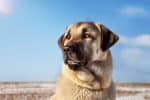
Anatolian Shepherd Dog
Anatolian Shepherd Dog Canis lupus familiaris Plays a livestock guardian role similar to the Tibetan Mastiff but is generally more endurance-oriented and often more mobile/roaming; it likewise requires early socialization and strong containment.
Great Pyrenees
Great Pyrenees Canis lupus familiaris Guardian breed with comparable protective instincts and nocturnal vigilance; typically more social toward people and less sharply territorial than many Tibetan Mastiffs, though individuals vary.
Maremma Sheepdog
Maremma Sheepdog Canis lupus familiaris Guardian niche overlap: protects sheep and goats. Similar independence and bonding to stock, and often somewhat more cooperative with handlers than Tibetan Mastiffs.

Tibetan Mastiffs are a very old dog breed, but little is known about their history. They were used as guard and herd dogs by nomads in Tibet and were also watchdogs for Tibetan monasteries.

While this breed has grown in popularity since the 1980s, they are still a less common dog breed. Based on a DNA study, it was learned that other large breed dogs, such as Bernese Mountain Dogs, Rottweiler, Saint Bernards, and Great Pyrenees, are descendants of the Tibetan Mastiff.

These Mastiffs have an average lifespan of between 10 and 12 years. They are very independent and intelligent dogs. They can be very loyal and protective of their families, but this can also lead to aggressive behaviors if not properly trained and socialized. These dogs are best suited for experienced dog owners.

Owning a Tibetan Mastiff: 3 Pros and Cons

Pros!Cons!
Loyal: Tibetan Mastiffs are very loyal dogs.Challenging to train: Tibetan Mastiffs are very difficult to train and don’t respond well to typical training methods.
Easy to groom: Tibetan Mastiffs shed heavily once a year, but other than that, they only require weekly brushing.Can be aggressive: If this dog feels like a member of their family is being threatened, the dog may display negative behaviors.
Love to work: Tibetan Mastiffs enjoy being given a task to complete.Can be destructive: If Tibetan Mastiffs become bored, they can become destructive.

Evolution and Origins

Tibetan mastiffs guarded monasteries and livestock on mountainous heights for at least a thousand years or even more. There on the Himalayan heights, they kept scavenging snow leopards and wolves with intentions to help themselves to a yak or two at bay.

These giant canines, originally bred by nomads in the region, can thrive at elevations as high as 16,000 feet, which would be challenging for most other dogs.

Scientists have found it is all thanks to the presence of a gene also found in wolves, which makes Tibetan mastiffs’ red blood cells function more efficiently at storing oxygen.

In spite of its ancient status, the large breed with its lion-like mane was only recognized by the American Kennel Club in 2006.

Size and Weight
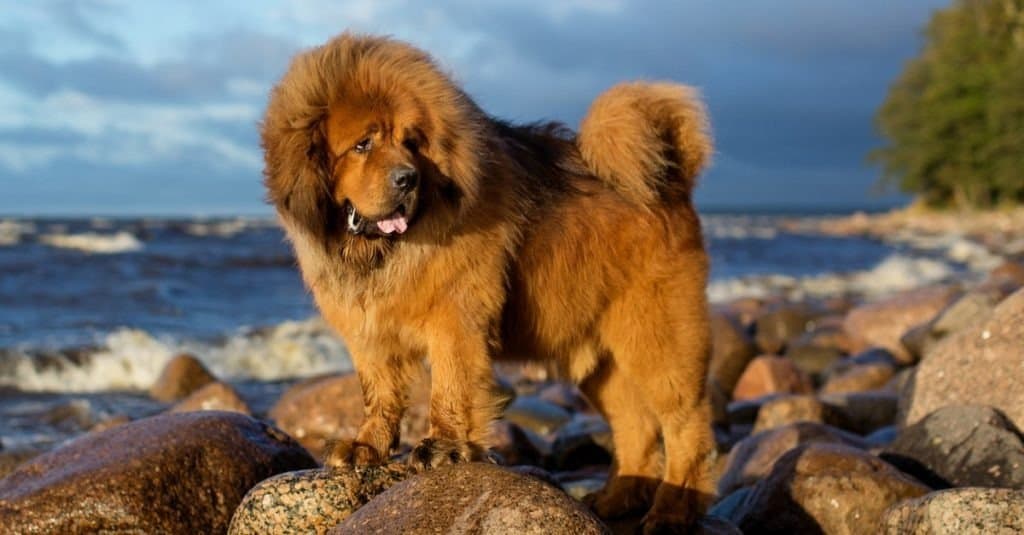
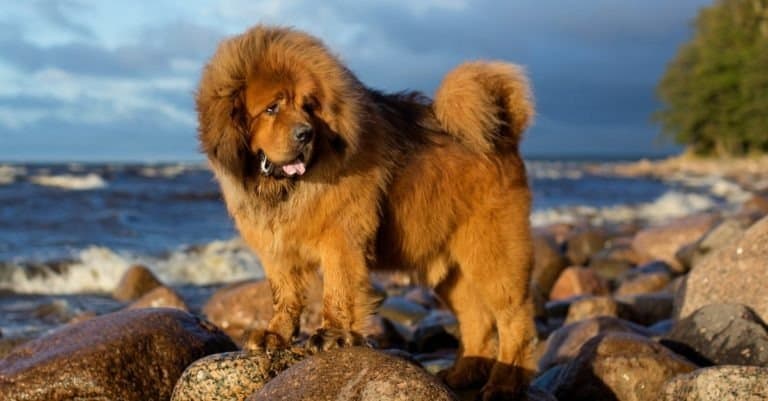
Tibetan Mastiff on the rocks

Male Tibetan mastiffs may take up to 4 or 5 years to reach full maturity.

Tibetan Mastiffs are a very large dog breed. Males can weigh between 90 and 150 pounds and are at least 26 inches tall. Females weigh between 70 and 120 pounds and are at least 24 inches tall. Puppies take longer to mature than other breeds. Females don’t reach maturity until they are between 3 and 4 years old, and males can take an additional 1 to 2 years to completely mature.

Newborn Tibetan Mastiffs weigh between 13 and 22 ounces. Early on, the puppies will only gain between 2 and 8 ounces a day, but as they get a bit older, their growth should speed up a bit to the point that they are gaining between 1 and 3 pounds each week. While they are not fully finished growing by the time they are a year old, they will be close to their full size by this point.

These dogs are often most active at night. They were originally bred to be a flock guardian dog and instinctively look to keep any potential predators away overnight. Training this breed can be a challenge due to their stubborn behavior. Since they are protective by nature, they need owners who are prepared to handle and train the breed properly to prevent aggressive behaviors or accidental injury to another person, the dog is ‘protecting’ its owner against.

Common Health Issues
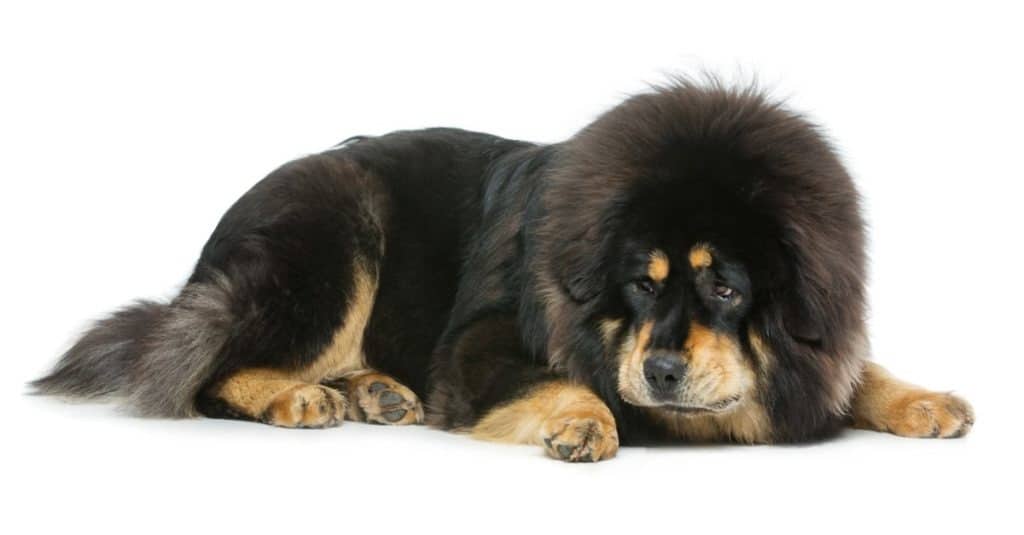
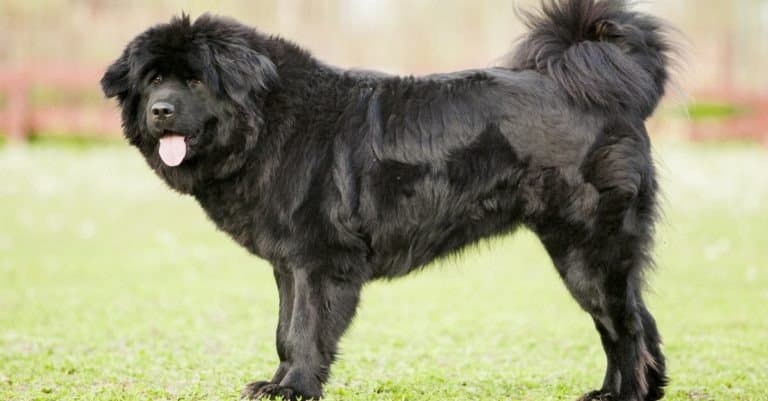
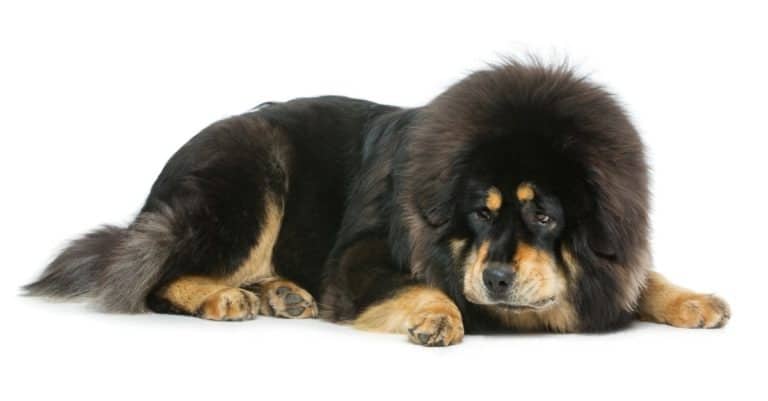
Tibetan mastiff isolated

Tibetan Mastiffs may suffer from hypothyroidism as well as hip and elbow dysplasia.

There are a few potential health concerns that you should be aware of if you’re going to own one of these mastiffs. Not all Tibetan Mastiffs will suffer from the health concerns below, but some will, and knowing what to look out for can help make sure you provide the best possible care for your dog.

Hip and elbow dysplasia are two potential health problems that these dogs may face. These result when a dog’s joints don’t develop properly. They can make it difficult and painful for the dog to walk and may require surgery to fix. These are hereditary conditions that are passed down from the previous generation.

These dogs may also develop hypothyroidism. This is a condition where the thyroid doesn’t function properly and can lead to weight gain, infertility, fatigue, and a lower quality coat.

Progressive Retinal Atrophy is another potential issue to look out for. In this condition, the dog’s retina degenerates slowly over time, which can lead to blindness.

These dogs have a narrow ear canal, which can cause them to get more frequent ear infections than other breeds. To prevent this from occurring, it is important to keep your dog’s ears cleaned.

Temperament and Behavior

These mastiffs are very independent and intelligent dogs. However, they also have a very affectionate personality towards the people in their family. They can also exhibit protective traits, which may make them more suspicious of strangers.

How to Take Care of a Tibetan Mastiff

As with other dog breeds, these dogs will require a unique care plan. Keep this breed’s temperament, dietary needs, exercise requirements, health concerns, and more in mind as you prepare to care for your Tibetan Mastiff.

The Best Dog Food for Tibetan Mastiffs

While they are a very large dog, these dogs typically only need between 2 and 4 cups of food each day. Always choose high-quality dog food and check with your dog’s veterinarian to ensure they are getting the right amount of food based on their age, weight, and any health concerns. Because these dogs’ bodies are so big, they need extra attention to the nutrition they get from their diet.

Maintenance and Grooming

Tibetan Mastiffs shed their coats yearly in spring or summer.

The coat of these dogs is relatively easy to groom. Brushing it once a week using a long pin brush or a slicker brush can help remove any dirt from their coat and keep it looking its best. You’ll need to use a wide-tooth comb to keep their tail and mane from getting too tangled. Once a year, in the spring or summer, they go through their shedding season and shed a lot of their coat.

Don’t forget to also brush your dog’s teeth a few times a week and trim their nails so they don’t become too long.

Training

These dogs can be a challenge to train. They are intelligent and get bored with too much repetition. Unlike other breeds that respond well to food incentives, they aren’t as reliable in this respect. If they trust their owners, they are more likely to follow through with commands, but still may revert to their instincts at times. For this reason, this breed does best with an experienced owner.

Exercise

Make sure your dog gets exercise each day. They enjoy being given a job and can be more active if the weather is cooler. Having a large fenced-in yard is a good attribute of a home for a Tibetan Mastiff.

Puppies
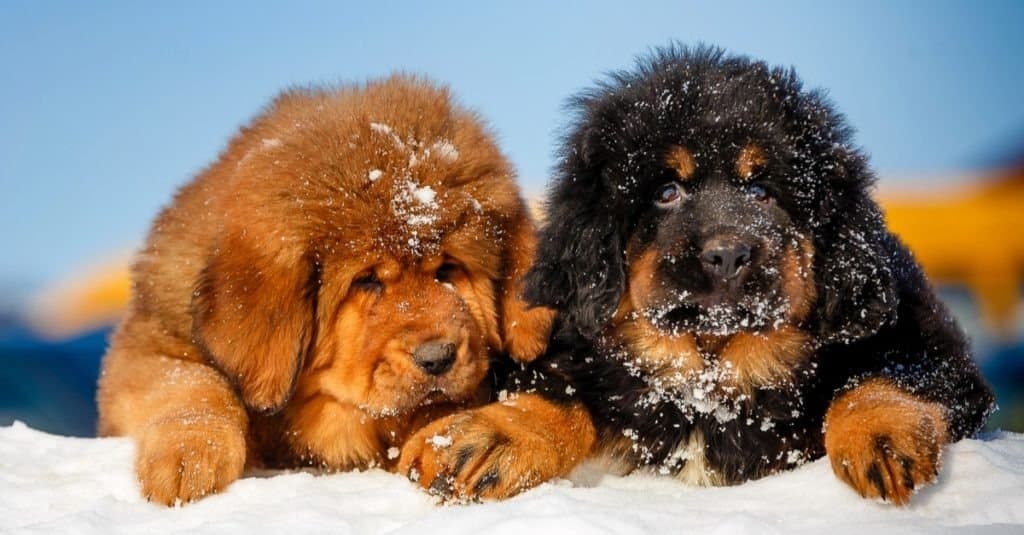
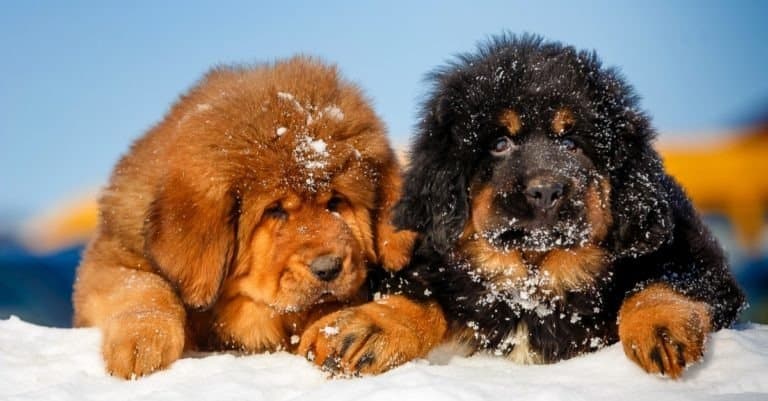
Pretty Tibetan mastiff puppies in the open air

Tibetan Mastiff puppies reach their full size when they are about three or four years old.

Puppies mature more slowly than other dog breeds and may take three or four years to reach their full size potential. Younger puppies have a smaller stomach and will need to eat more frequently (see the section above for more information). Before you bring home a puppy, make sure your home is properly set up for a dog. Remove anything potentially hazardous or that you wouldn’t want to see destroyed by a puppy.

In addition to making sure your home is set up properly, you should also make sure you have all the food and supplies you’ll need for your dog. Find a veterinarian you can trust to care for your dog and schedule a checkup shortly after you bring your new puppy home.

Children

These dogs can be a good family dog for homes with older children. When children have playdates, a Tibetan Mastiff may mistake their friends running around and yelling as being a threat to the child, which could lead to unwanted aggression. This breed may also become overprotective when parents discipline or yell at their children.

Dogs similar to the Tibetan Mastiff

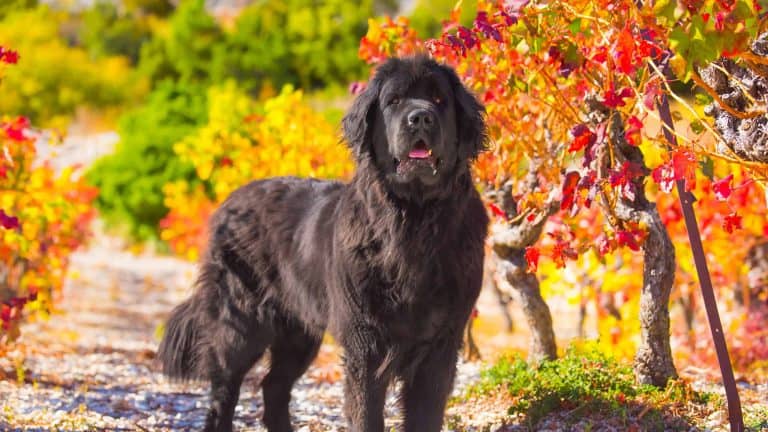
Great Pyrenees, Newfoundland Dogs, and Bernese Mountain Dogs are three breeds that are similar to a Tibetan Mastiff.

  • Great Pyrenees: Great Pyrenees and Tibetan Mastiffs are both very large dog breeds with a weight of over 100 pounds and a height of at least 25 inches. Both breeds can also be quite territorial. The great Pyrenees make a better family pet than Tibetan Mastiffs, though.
  • Newfoundland Dog: Newfoundland Dogs and Tibetan Mastiffs are both working dogs. Both breeds are very large, with a weight of well over 100 pounds. Newfoundland Dogs are heavier shedders than Tibetan Mastiffs and are easier to train.
  • Bernese Mountain Dog: Bernese Mountain Dogs are another breed of working dogs, like the Tibetan Mastiff. Both breeds can also be very protective. Bernese Mountain Dogs are less likely to bark than Tibetan Mastiffs and do better with children or other dogs.

Famous Tibetan Mastiffs

Over the years, many celebrities have owned a Tibetan Mastiff. Here are a few famous owners:

  • Vin Diesel
  • Christina Aguilera
  • Bob Dylan
  • Jon Bon Jovi
  • Gayle Kin
  • Dwayne Johnson
View all 606 animals that start with T

Sources

  1. American Kennel Club / Accessed January 29, 2021
  2. Dogtime / Accessed January 29, 2021
  3. Wikipedia / Accessed January 29, 2021
  4. Petfinder / Accessed January 29, 2021
  5. Tibetan Mastiff Info / Accessed January 29, 2021
  6. Dog Breeds List / Accessed January 29, 2021
  7. Dogell / Accessed January 29, 2021
Dana Mayor

About the Author

Dana Mayor

I love good books and the occasional cartoon. I am also endlessly intrigued with the beauty of nature and find hummingbirds, puppies, and marine wildlife to be the most magical creatures of all.
Connect:

Thank you for reading! Have some feedback for us?


Tibetan Mastiff FAQs (Frequently Asked Questions)

The average lifespan for a Tibetan Mastiff is between 10 and 12 years.