
Quick Take
- One Maine island is barely two miles long, and yet migrating birds from across the eastern U.S. keep crash-landing on it. The reason why explains a lot about the Atlantic Flyway. Explore Monhegan Island →
- Maine's easternmost tip is one of the only places in the country where you can spot a specific iconic seabird from shore, though this is possible only during a narrow seasonal window. Visit the easternmost point →
- One overlooked refuge in southern Maine is the last stronghold for bird species so rare they're listed as state-endangered, yet most birders drive right past it. Discover Kennebunk Plains →
- A farm in Maine has been banding wild birds every week since 1988, and the public is invited to watch, though most people have no idea it exists. See the banding program →
Maine has recorded around 475 bird species, with over 200 confirmed breeding species in the state, meaning these birds nest and raise their young in Maine’s forests, wetlands, and along the coastline. Every spring and fall, migratory birds breeding in the north and wintering in the south pass through Maine to rest and feed along the Atlantic Flyway. However, where can you see these birds? Read on to learn about some of Maine’s best birding spots, where you can see resident and migrant bird species.
Monhegan Island
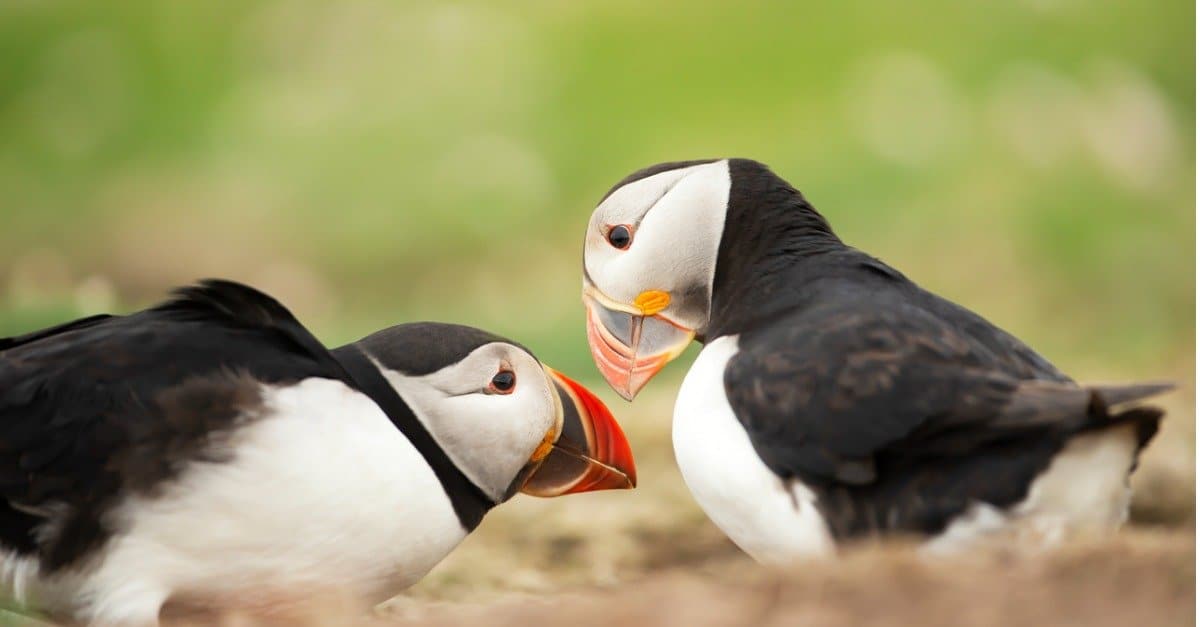
Monhegan Island is located around 10 miles off the mid-coast of the state. Although it is less than 2 miles long, there are over 9 miles of trails that visitors can walk through forests, meadows, and cliffs overlooking the Atlantic. Spring and fall are the best times to visit, as migrant birds on the Atlantic Flyway are often blown off course and land on Monhegan Island to rest and feed. Beyond migrating land birds from the eastern U.S., visitors can see coastal and marine birds such as the common eider, black guillemot, common loon, and several species of gulls. Atlantic puffins can also sometimes be glimpsed here. Land birds include black-capped chickadees, common ravens and crows, and raptors such as bald eagles and peregrine falcons.
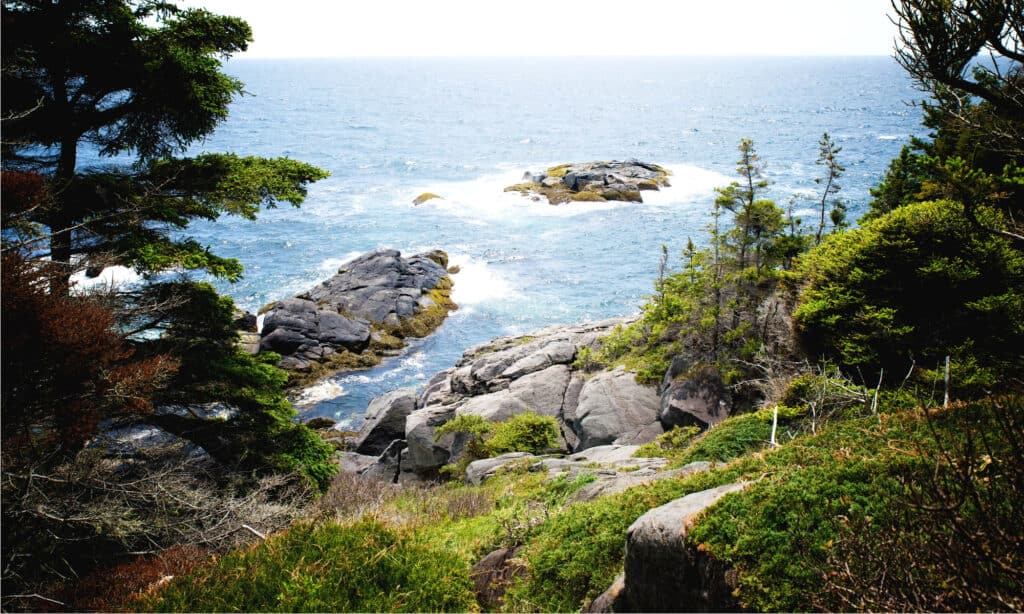
Birders can see coastal and marine birds on Monhegan Island, 10 miles off the mid-coast of Maine.
©LeShayne/Shutterstock.com
Scarborough Marsh
The 3,100-acre Scarborough Marsh estuary, owned and administered by the Maine Department of Inland Fisheries and Wildlife, is the state’s biggest salt marsh. The area includes tidal marsh, salt streams, freshwater marsh, and uplands. The marsh serves as a vital refuge, nesting area, and feeding area for wading birds, shorebirds, and marsh sparrows. Both the Nelson’s sparrow and the saltmarsh sharp-tailed sparrow nest in the salt marsh. Glossy ibis, great blue herons, green herons, and snowy egrets are common here during the summer. From fall through spring, loons, grebes, and ducks congregate in the marsh.
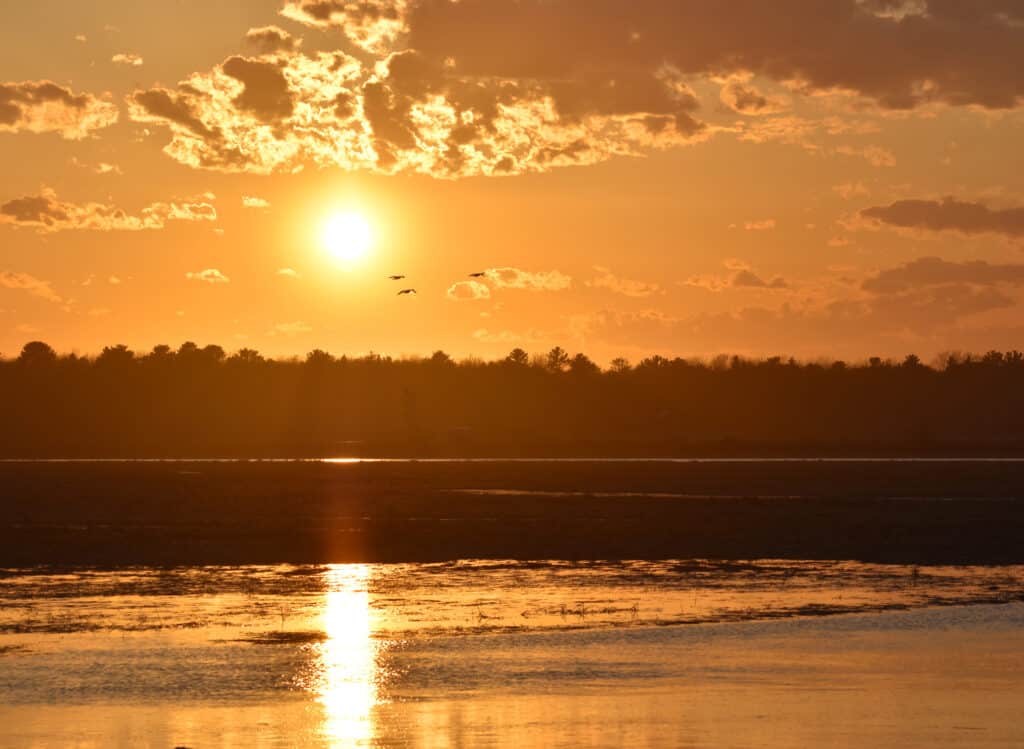
Wading birds, shorebirds, and marsh sparrows can be viewed at Scarborough Marsh.
©iStock.com/Anna E Bolton
Acadia National Park
Acadia National Park is one of the most visited national parks in the U.S. Primarily located on Mount Desert Island, the park has a wide variety of habitats from mountains to forests and wetlands. Over 338 bird species have been documented here, making it one of the premier bird-watching areas in the country. Bald eagles and ospreys nest along the cliffs. Hawks, including sharp-shinned hawks, northern harriers, Cooper’s hawks, merlins, and peregrine falcons, can be seen on Cadillac Mountain in the fall. Farther inland, visitors can see blue-headed vireos, red-breasted nuthatches, purple finches, pine siskins, and a wide variety of warblers, including Nashville warblers, magnolia warblers, and black-throated green warblers.

Acadia National Park is one of the most visited national parks in the U.S.
©Jon Bilous/Shutterstock.com
Moosehorn National Wildlife Refuge
Moosehorn National Wildlife Refuge is around 30,000 acres of federally protected lands in northeastern coastal Maine. The forests, streams, wetlands, and rocky outcroppings provide habitat for more than 225 bird species. The refuge is also important in the restoration and protection of the American woodcock. Other birds nesting on the refuge include the bald eagle, American black duck, osprey, ring-necked duck, spruce grouse, Virginia rail, sora, purple finch, black-backed woodpecker, veery, palm warbler, Nashville warbler, magnolia warbler, blackburnian warbler, and swamp sparrow.
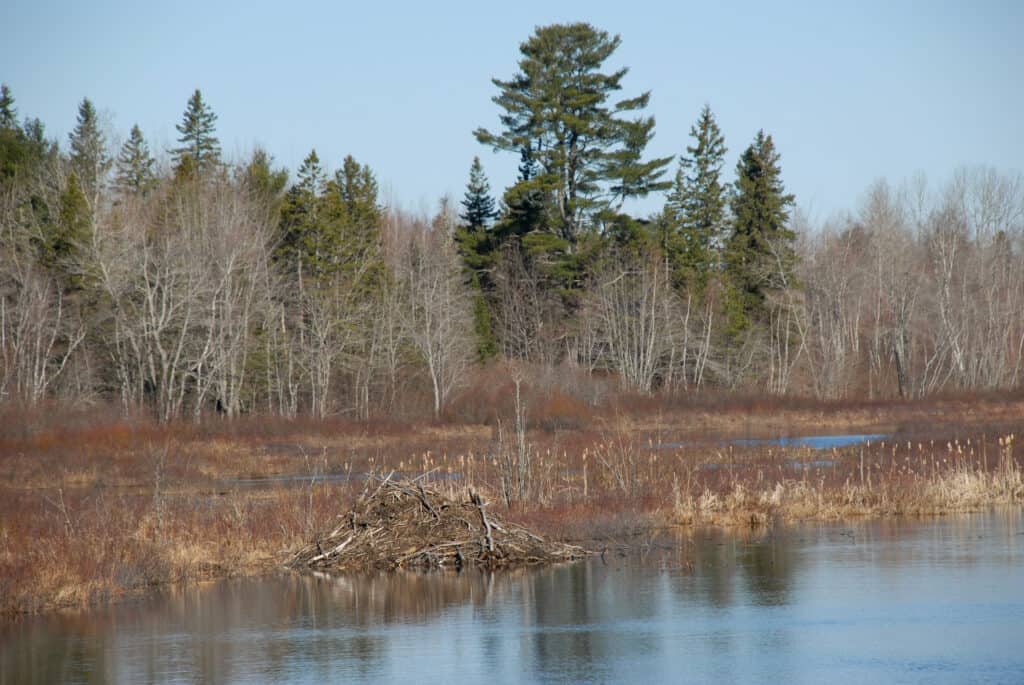
Moosehorn National Wildlife Refuge has more than 225 bird species, including around 20 warbler species.
©iStock.com/visionsofmaine
Quoddy Head State Park
Quoddy Head State Park spans 541 acres at the point of the easternmost peninsula in the United States. Year-round coastal and sea birds include common eiders, bald eagles, black guillemots, common loons, and great black-backed gulls, while summer visitors may see puffins offshore. Harlequin ducks, purple sandpipers, and great cormorants can sometimes be seen from fall through spring. Woodlands and inland trails are great places to view warblers, sparrows, flycatchers, and other songbirds. Raptors are also common during fall migration.
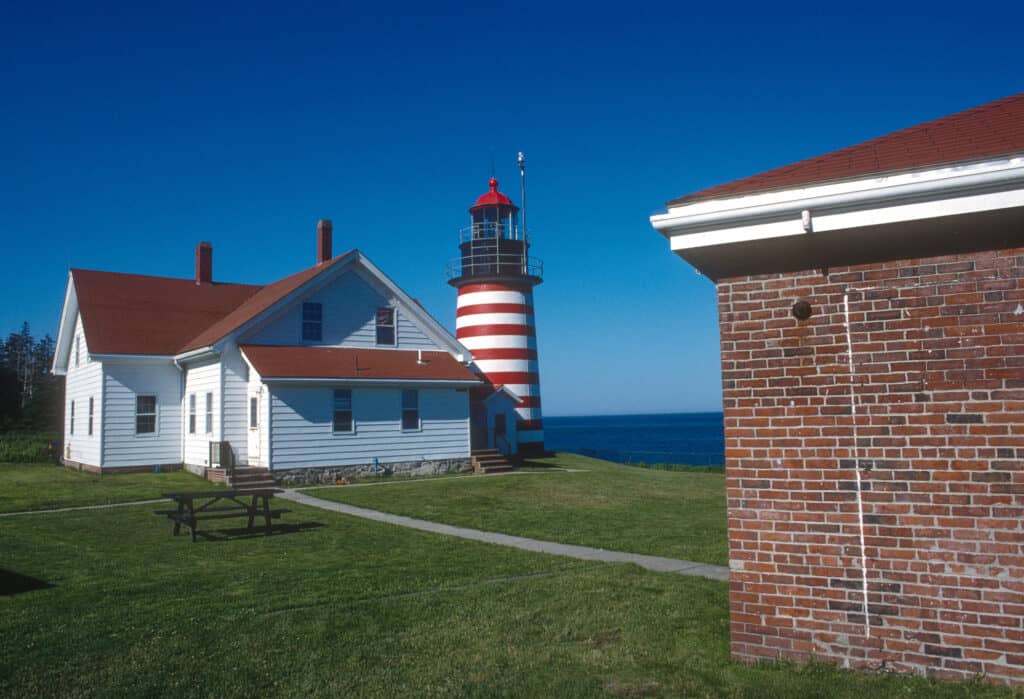
Summer visitors to Quoddy Head State Park can see coastal and sea birds year-round.
©iStock.com/scgerding
Baxter State Park
The 5,269-foot Mount Katahdin, Maine’s tallest mountain, lies inside Baxter State Park. Maine’s largest park has 209,644 acres of wilderness to explore, including around 200 miles of trails. Some common sights on mountain slopes include boreal chickadees, spruce grouse, black-backed woodpeckers, and Canada jays, as well as Bicknell’s thrush at elevations over 3,000 feet. Common loons, common mergansers, and common goldeneyes can be seen in the park’s waters. A wide variety of warblers and other songbirds are found in the forests and woodlands.
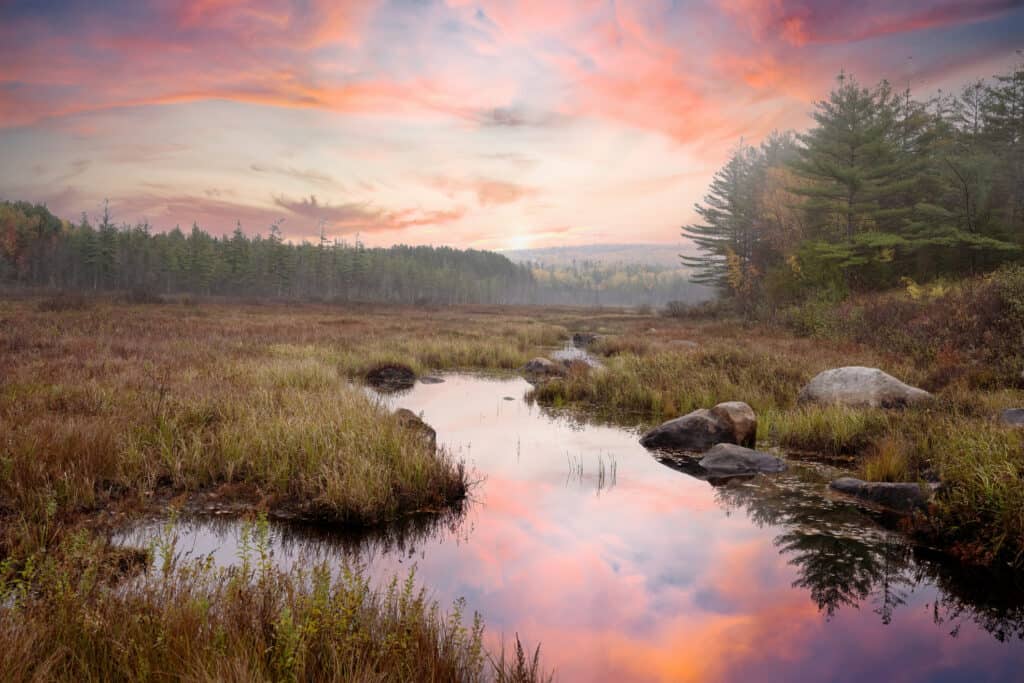
Baxter State Park is known for Mount Katahdin, Maine’s tallest mountain.
©iStock.com/Dave Oxford
Kennebunk Plains Wildlife Management Area
Kennebunk Plains is a 1758-acre refuge in the city of Kennebunk. The area is known for providing safe habitats for state-listed rare, threatened, and endangered species. Birders can see the state-endangered grasshopper sparrow and state threatened upland sandpiper during the spring and summer. Prairie warblers, eastern meadowlarks, brown thrashers, vesper sparrows, and field sparrows are also common sights during the warmer months.
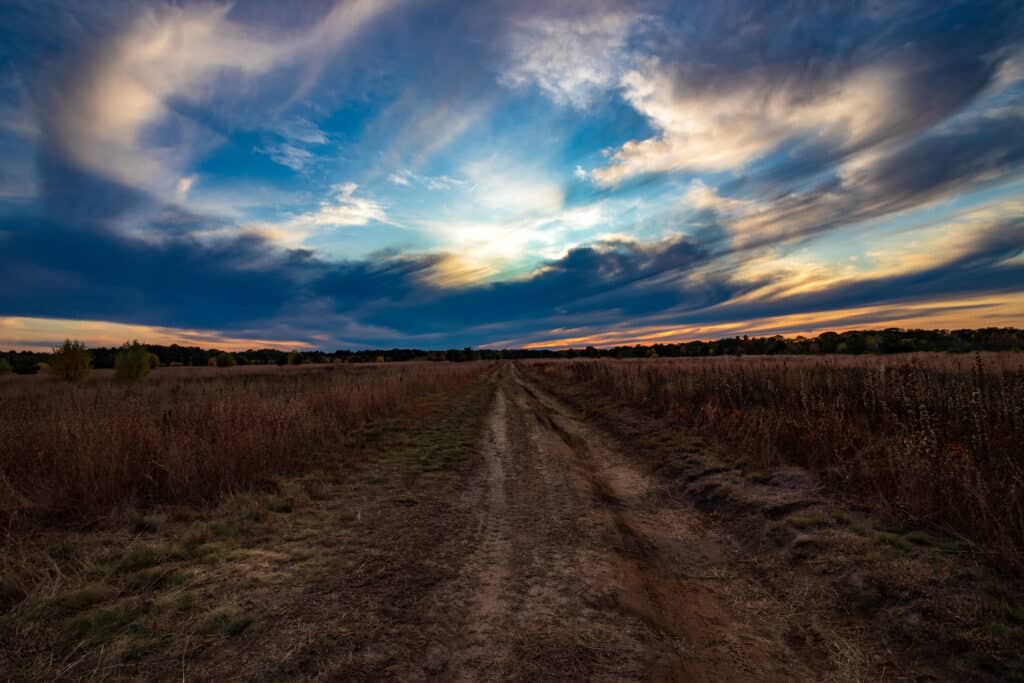
Kennebunk Plains provides habitat for important state-listed rare, threatened, and endangered species.
©iStock.com/Corey T. Burns
Wells National Estuarine Research Reserve at Laudholm Farm
The historic Laudholm Farm serves as the administrative center for the Wells National Estuarine Research Reserve. This area safeguards over 2,250 acres of habitat, including salt marshes, grasslands, and woodlands. Around 260 bird species have been identified here. The Wells Reserve has operated a bird-banding station since 1988. Every Wednesday morning from June through August, the public is invited to watch demonstrations of banding techniques. The American woodcock, bobolink, eastern meadowlark, brown thrasher, veery, and eastern bluebird are a few species that may be seen in the spring and early summer. Shorebirds such as piping plover, willet, and terns are more common in August.
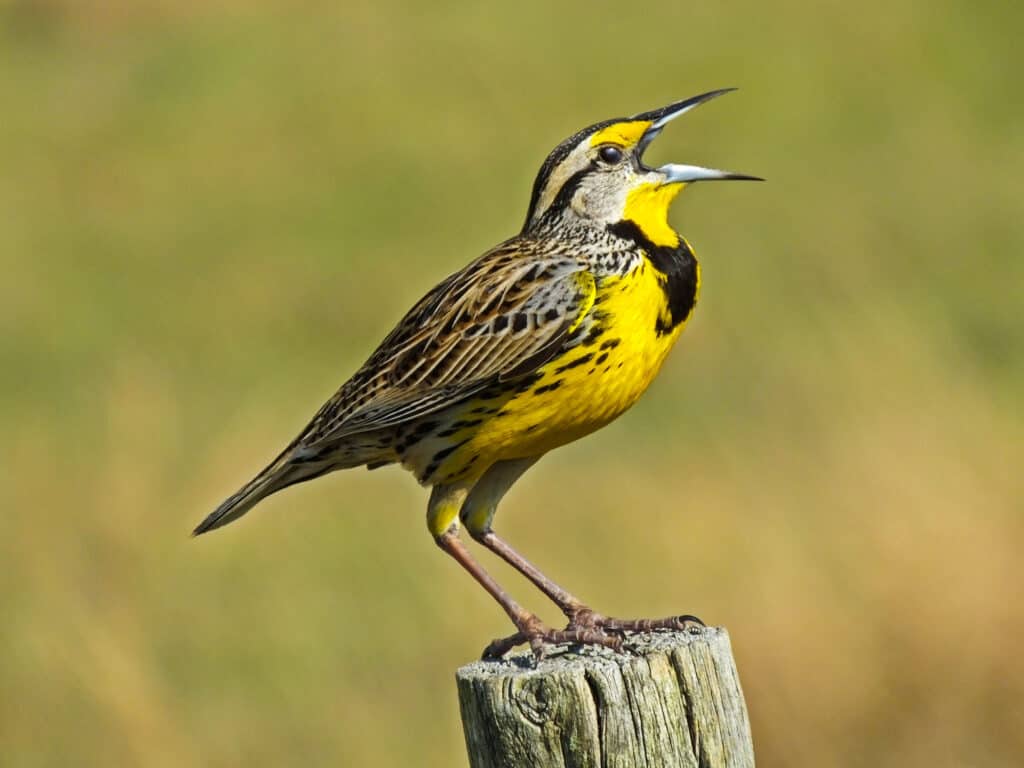
Eastern meadowlarks can be seen in the grasslands of Wells National Estuarine Research Reserve.
©iStock.com/passion4nature