
Quick Take
- Hundreds of outbreaks are logged, yet one crucial number is missing from the official count.
- The first case didn't come from where you'd expect, and it arrived somewhere remote.
- A quirk in how the virus swaps genetic material could change everything about who is at risk.
Highly pathogenic avian influenza has a mortality rate of 90%-100% among birds. This highly lethal strain causes severe respiratory distress, extreme fatigue, and full-body inflammation. In severe cases, the bird’s nervous system can also be affected, causing loss of coordination and shaking. In female birds, H5N1 also carries an additional risk: egg loss and reduced egg production.
This has been a nightmare for Australian locals since June. The Australian government has confirmed 734 positive H5N1 events nationwide, but that data tells only part of the story. While bird flu “events” are being reported, the actual number of cases isn’t, leaving locals wondering how many are sick and how worried they should be.
Cape Le Grand National Park Was Ground Zero
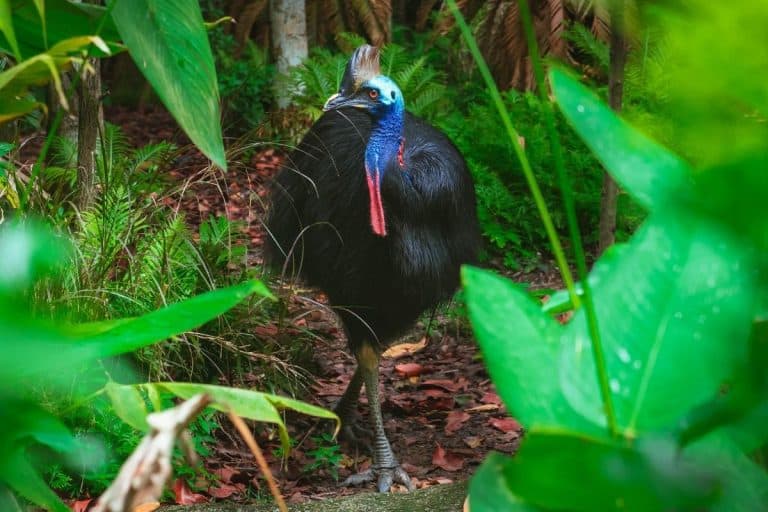
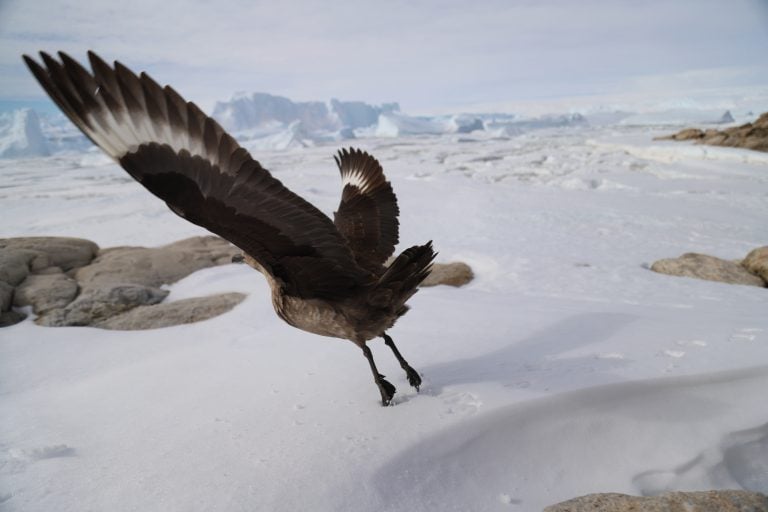
The first official H5N1 case did not come from a bird. In October 2025, officials detected traces of the virus in marine life on Heard Island, a remote sub-Antarctic territory. This is the first time the strain was ever recorded in Australian territory. In June 2026, researchers found a brown skua, a migratory seabird, on the coast of Cape Le Grand National Park in Western Australia and tested it, confirming it as the first mainland case. Not long after, researchers confirmed a second case.

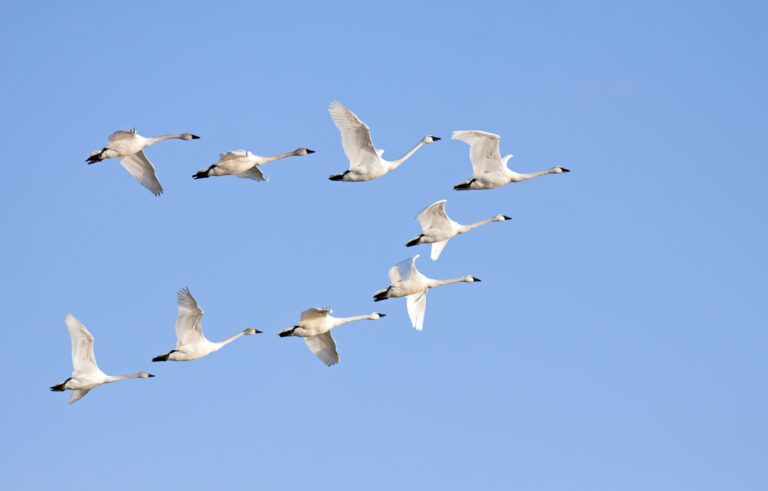
Researchers confirmed the first case of H5N1 on Australian shores in a brown skua.
©Henner Damke/Shutterstock.com
Esperance is not far from Cape Le Grand National Park, so it wasn’t surprising to find another bird testing positive for H5N1. This time, authorities found a northern giant petrel on a beach, showing clear signs of distress and fatigue.
At the time, there was little cause for concern. Australia’s Chief Veterinary Officer, Beth Cookson, said authorities had been preparing for this for some time. But as several months passed, it became clear that these would not be isolated incidents.
The Bird Flu Hits All Australian States
As of November 2026, the bird flu has primarily impacted:
- Western Australia (10 events)
- South Australia (341 events)
- New South Wales (78 events)
- Queensland (two events)
- Victoria (249 events)
- Tasmania (53 events)
H5N1 events reported by state
These regions have the most reported events, even though H5N1 is widespread. Since the first detection in June, more than 68,000 hotline tips have been called in regarding cases. Despite this, the Australian government still has not released the total number of fatalities from the virus.
Instead, it records “events” that provide little information about the epidemic’s severity. An event is defined as a location where one or more species have been found dead or affected by bird flu. The biggest issue is that it provides no specific details, such as the number of individuals or how many deaths occurred.
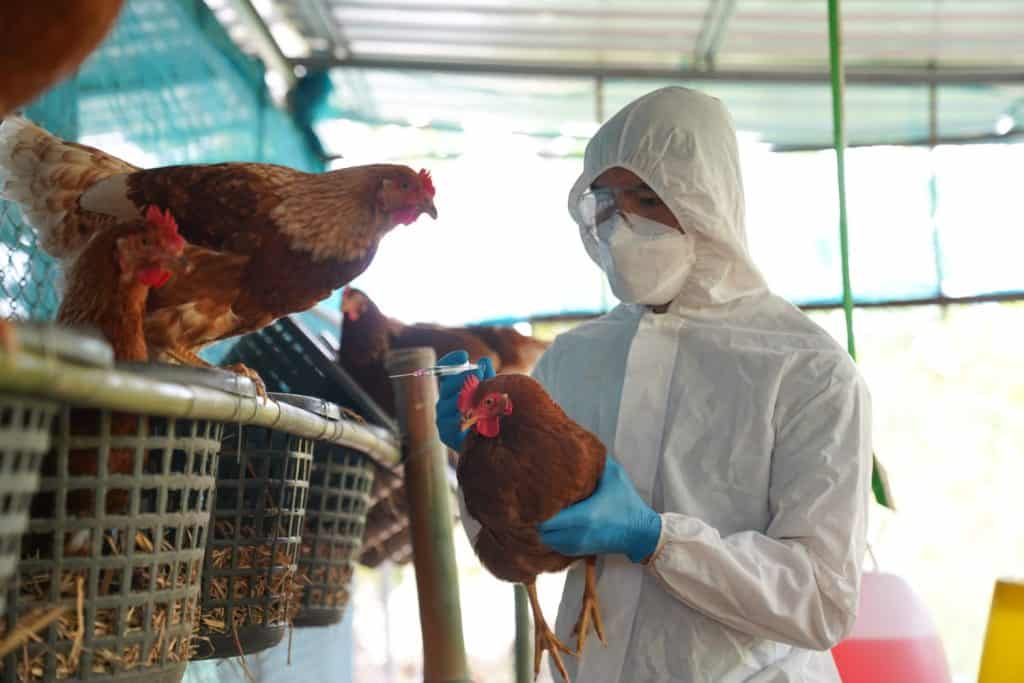
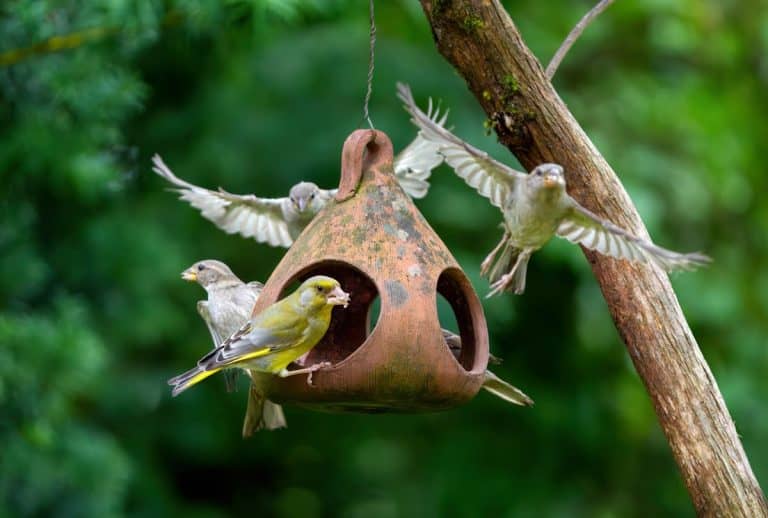
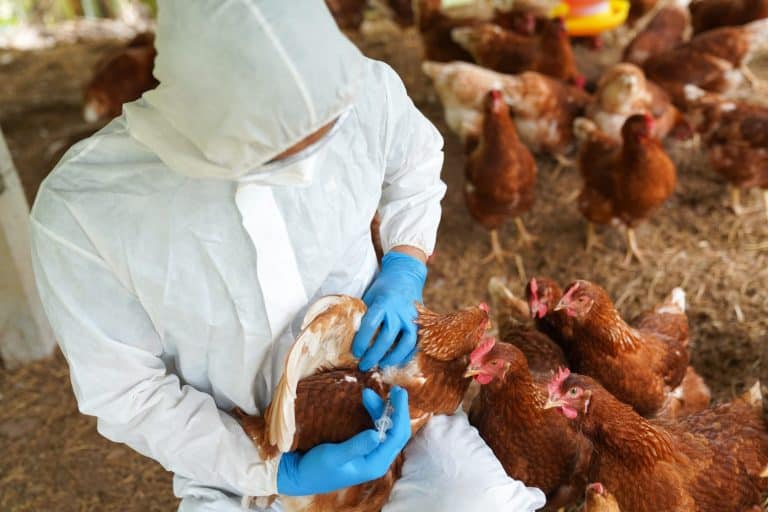
Bird flu spreads easily among birds but is less commonly transmitted to mammals.
©Pordee_Aomboon/Shutterstock.com
In total, researchers have recorded 734 H5N1 events nationwide. As cases rise, the risk of spread to other mammals, including humans, increases.
What Makes H5N1 So Dangerous?
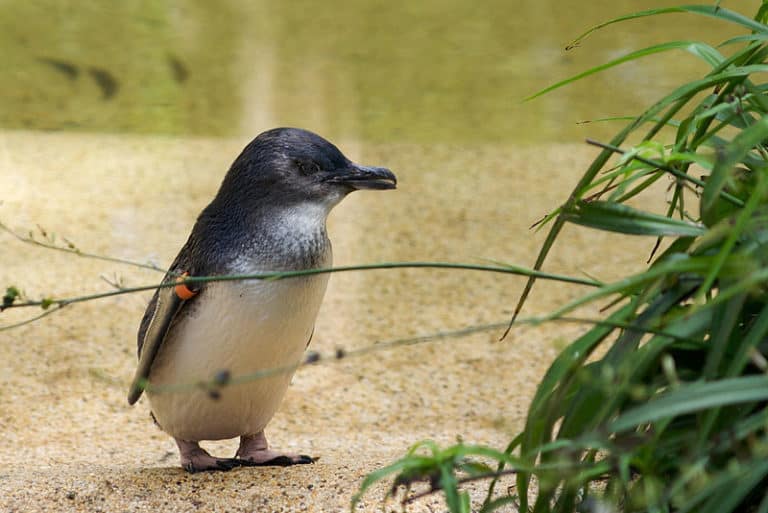
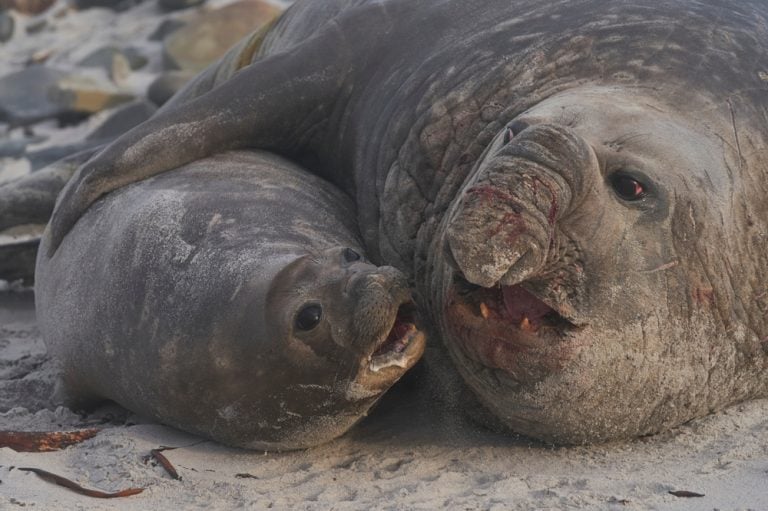
Between August and mid-September, researchers confirmed even more aviary carriers, including penguins, magpies, crested terns, and pelicans. And in late August, officials documented the first bird-to-mammal transmission. The animal was a long-nosed fur seal found and tested at Beachport in South Australia. Less than a week later, officials confirmed another case in a red fox that lived in Osborne, Adelaide.
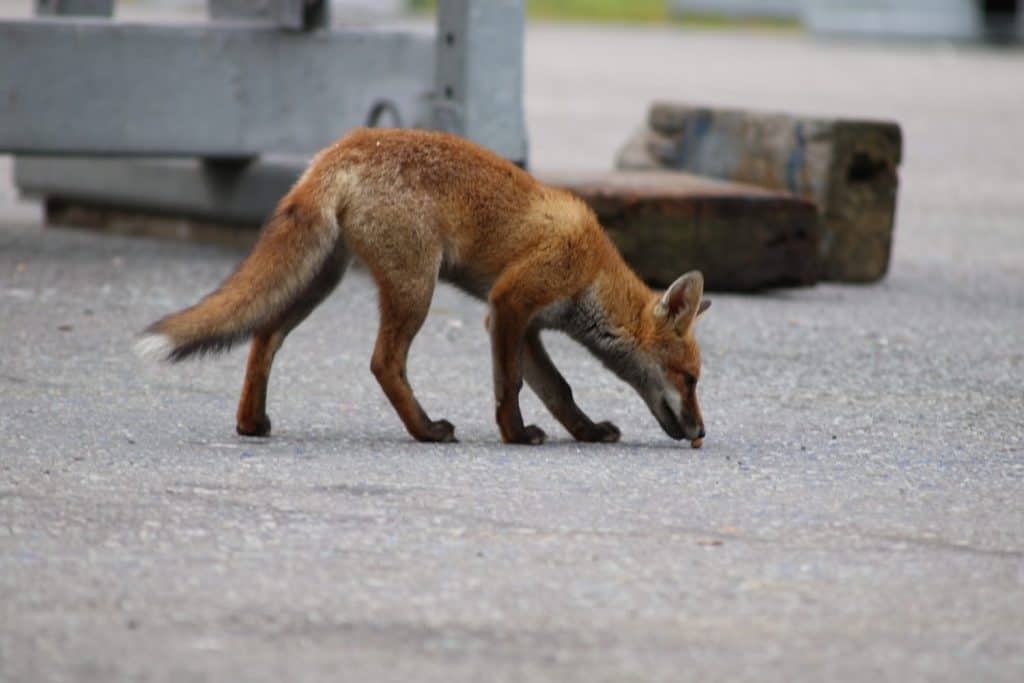
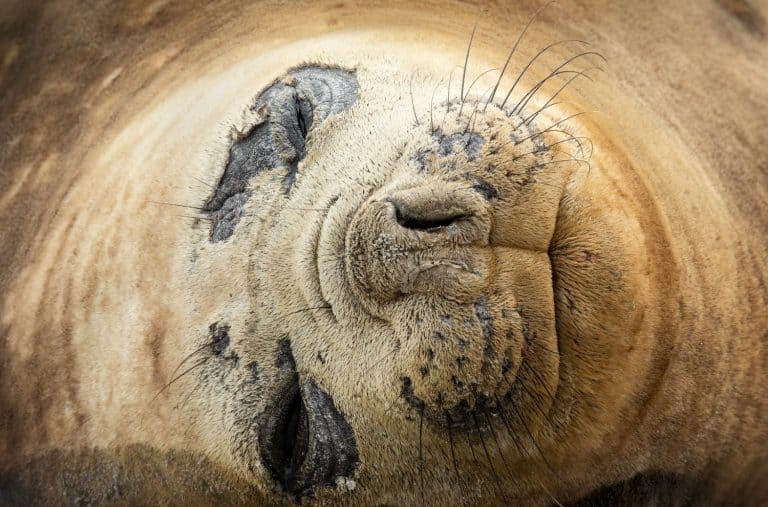
While rare, bird-to-mammal transmission occurs in areas with high virus concentrations.
©Amanda Cogan Barber/Shutterstock.com
Right now, there are no mammal-to-mammal transmission cases of the bird flu. However, its uncanny ability to jump between species unexpectedly is part of what makes it so dangerous. The H5N1 virus can mutate when it comes into contact with other flu strains through a process known as “reassortment.” When this happens, its genetic markers shift, allowing it to jump between species more easily. This can also change its symptoms, as we often see with seasonal flu viruses.
Bird flu has not spread between humans, but it can spread from birds to humans and other mammals. Many respiratory symptoms overlap, and the human fatality rate is roughly 50%. Severe cases can cause secondary pneumonia, organ failure, and even brain swelling. Because of H5N1’s mutability, scientists worry about an antigenic shift, which makes Australia’s outbreak more concerning.
Australia’s Animal Fatality Toll Remains Hidden
The Australian government is now being criticized for skewing its outbreak data. By releasing only event data, it downplays H5N1’s severity. The Biodiversity Council has called on officials to release the current death tally, broken down by location. They hope this new information will provide more transparency for the general public, particularly those who own livestock and work with animals regularly.
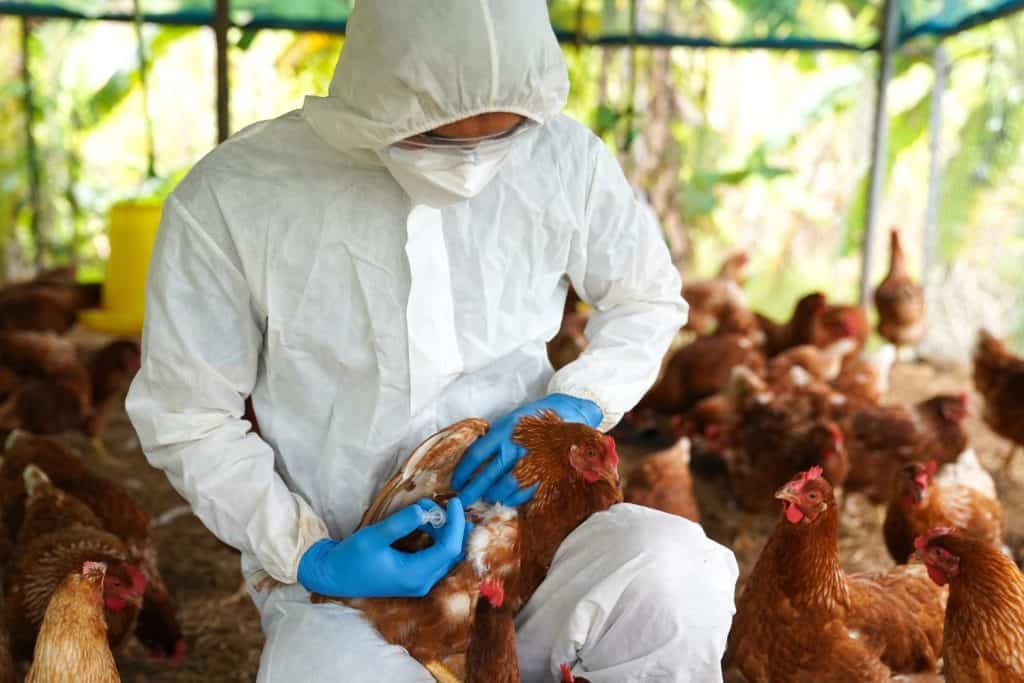
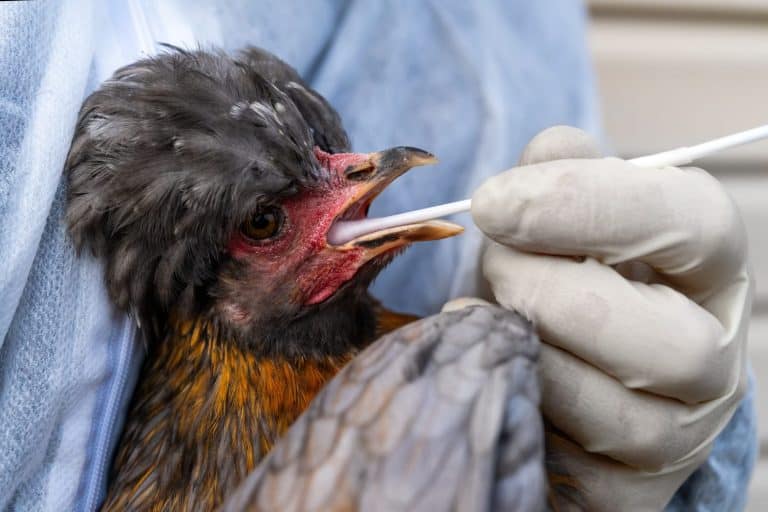
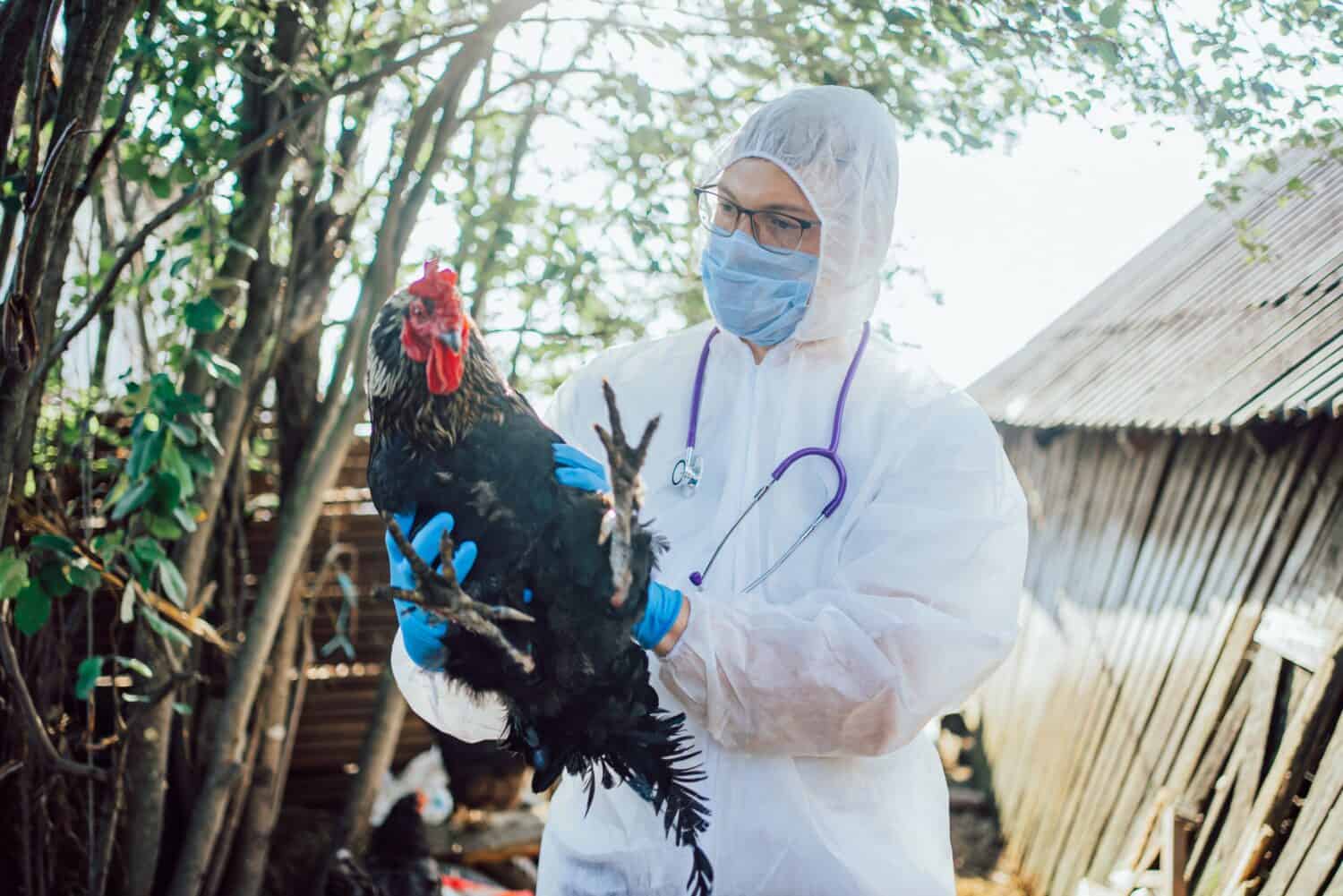
Those who work with animals daily are advised to exercise caution.
©Pordee_Aomboon/Shutterstock.com
Out of an abundance of caution, some free-range farmers in South Australia have moved their hens indoors. The virus spreads quickly among birds, and one sick chicken can quickly infect an entire flock. By the time a farmer notices one sick hen, several more are likely already sick but haven’t shown symptoms yet.
As of late September, officials claim the risk to humans is low. However, they are encouraging caution for those who work closely with animals, particularly birds.