
Quick Take
- Swans are large, elegant waterfowl with long, slender necks and enormous wingspans.
- Baby swans, called cygnets, are ready to swim and forage soon after they hatch.
- Humans should avoid the urge to feed swans, which encourages dependence and affects their migration behavior.
Swans are the largest members of the waterfowl family Anatidae in the genus Cygnus. They have long, slender necks, impressive flight skills, and an elegant appearance. They are highly social, monogamous birds, often mating for life. Swans are primarily found in temperate wetlands across the globe and are mainly herbivorous, feeding on submerged vegetation, seaweed, stems, seeds, and roots. They also graze on land, eating grasses and cultivated crops. Swans will occasionally supplement their plant-based diet with small aquatic invertebrates, particularly during the breeding season when energy needs are greater. Continue reading to learn everything you need to know about what swans eat.
What Foods Do Swans Eat?
Swans eat algae, small fish, frogs, worms, fruits, grasses, and sometimes insects. However, as primarily herbivorous birds, only a small percentage of their diet consists of insects, mollusks, and other small aquatic animals. Swans are semi-aquatic, meaning that they spend time on land and in water, and they find food in both environments.
The most common foods that swans eat include:
- Beetles
- Snails
- Worms
- Algae
- Pondweed
- Wild celery
- Coontail
- Water striders
- Mosquitoes
- Dragonflies
- Cracked corn
- Common waterweed
- Muskgrass
- Grain
- Wheat
- Wild Rice
- Arrowhead
- Blueberries
- Freshwater shrimp.
How Do Swans Find Food?
The most common way that swans find food is by grazing on land, where they obtain suitable food by using their vision, which exceeds their sense of smell.
When swans find food they like, they’ll use their serrated beaks to clamp down and sever the plant matter for consumption. Their serrated beaks allow swans to easily tear off portions of plants and quickly grasp insects.
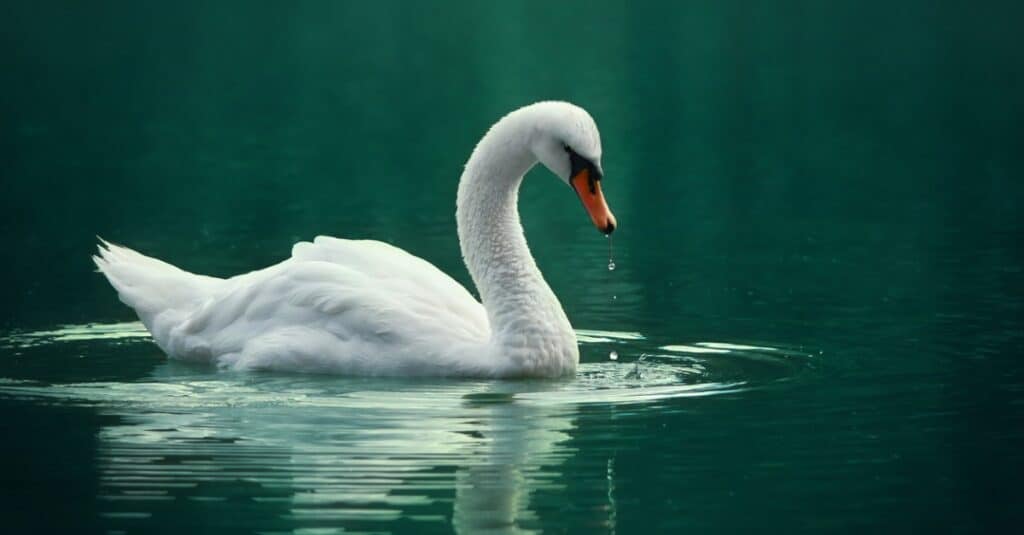
Swans will use their sight to find food and then eat it directly or use up-ending to get it.
©iStock.com/Arina_Bogachyova
Swans also feed when they are paddling along. When they spot a plant that they wish to consume beneath the water, swans will start upending.
Upending is when they dive into the water, leaving their feet and posterior exposed while using their long necks to reach down and grab the food. Although this leaves them briefly open to attack, it’s an effective way of obtaining foods that few other waterfowl can successfully replicate.
What Do Cygnets Eat?
Swans often mate for life and build large nests to house their young. These nests can be up to 2 feet high and 6 feet across. Swan cygnets are precocial, meaning that they are capable of swimming and foraging for food within hours to a few days after hatching. Despite this early independence, cygnets remain with their parents for several months to learn to fly and for protection against predators.
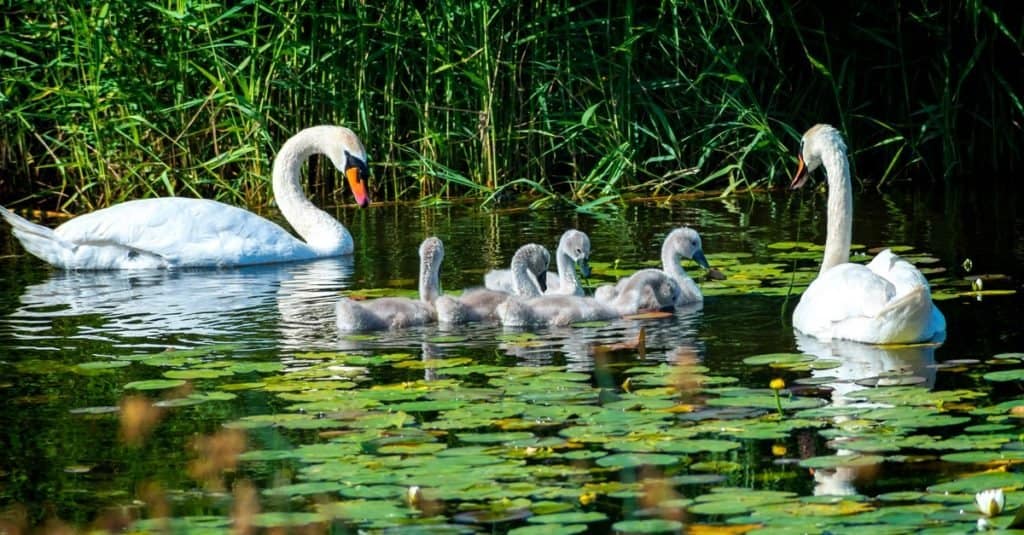
Baby swans, called cygnets, initially eat insects, but they start eating plants within a month of hatching.
©Sergei25/Shutterstock.com
Mother swans often lead their cygnets into shallow water and stir up the bottom by paddling their feet, which brings nutritious food closer to the young birds. During this time, cygnets will eat insects, small mollusks, and freshwater shrimp.
After a few weeks, the young swans start to include more plant matter in their diet before adopting a fully adult diet after the first month. Shortly after they learn to fly, most cygnets migrate without the aid of their parents.
What Do Swans Eat During the Winter?
Swans are migratory birds that fly to warmer areas during the winter, with some species traveling several thousand miles.
Along the way, swans will start losing access to a lot of their staple foods as winter reduces the availability of water plants and the rich foods that grow around ponds and lakes.
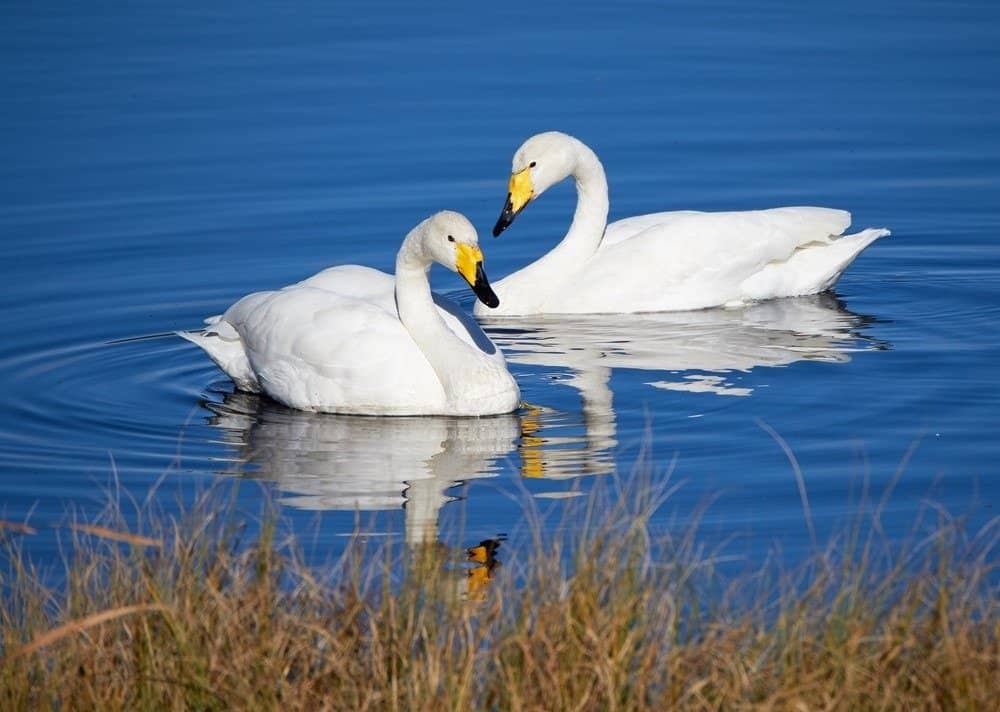
Swans can thrive in cold climates by eating more vegetables, grains, and grasses.
©Teemu Tretjakov/Shutterstock.com
The foods swans eat during their migratory times and in winter include:
- Carrots
- Potatoes
- Celery
- Cracked corn
- Grain
- Herbs
- Beetles
- Animal feeds
- Wheatgrass
- Ryegrass
- Cranberries.
These foods are in addition to the ones that swans regularly consume. As swans travel farther south, their typical diet becomes more readily available. However, they adapt to their environment by frequenting large open fields where corn has recently been harvested or by landing in areas where suitable animal feed is left out.However, they adapt to their situation, often frequenting large open fields where corn was just harvested or landing in areas with suitable animal feed left in the open.
Is It Okay To Feed Swans?
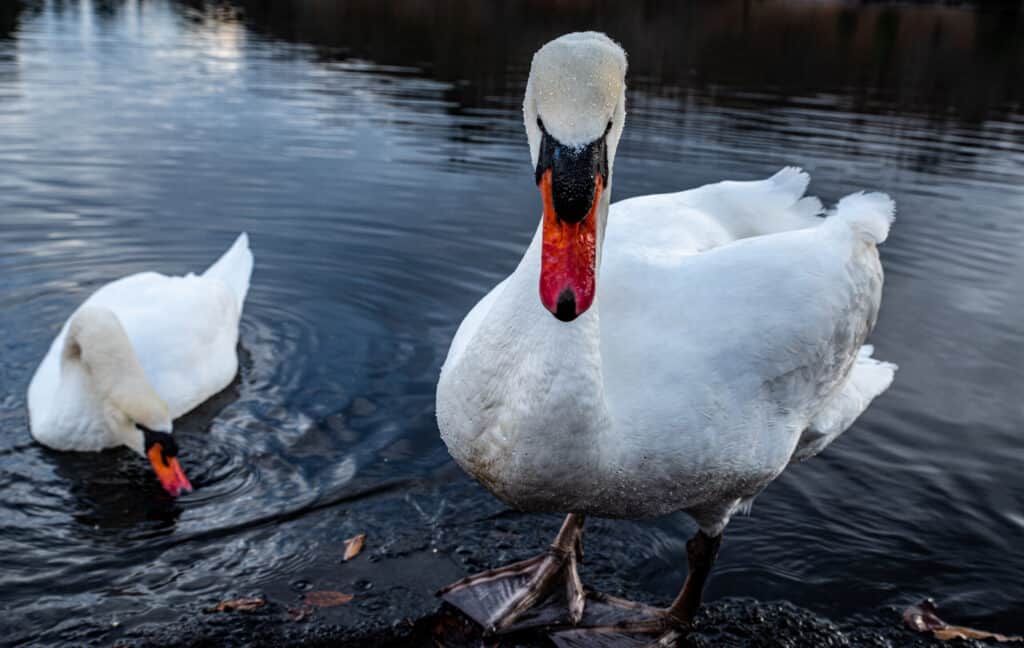
Best practice dictates not feeding swans in public ponds, as it creates dependency, and alters their natural migration.
©TETSU Snowdrop/Shutterstock.com
Humans should never feed swans because it causes severe health issues like malnutrition, angel wing (a permanent deformity), and fatal dietary imbalances. Feeding swans causes them to become reliant on humans, lose their natural fear of people, display more aggressive behavior, while contributing to water pollution and attracting pests. Natural foraging is essential for their survival and health.
What Predators Eat Swans?
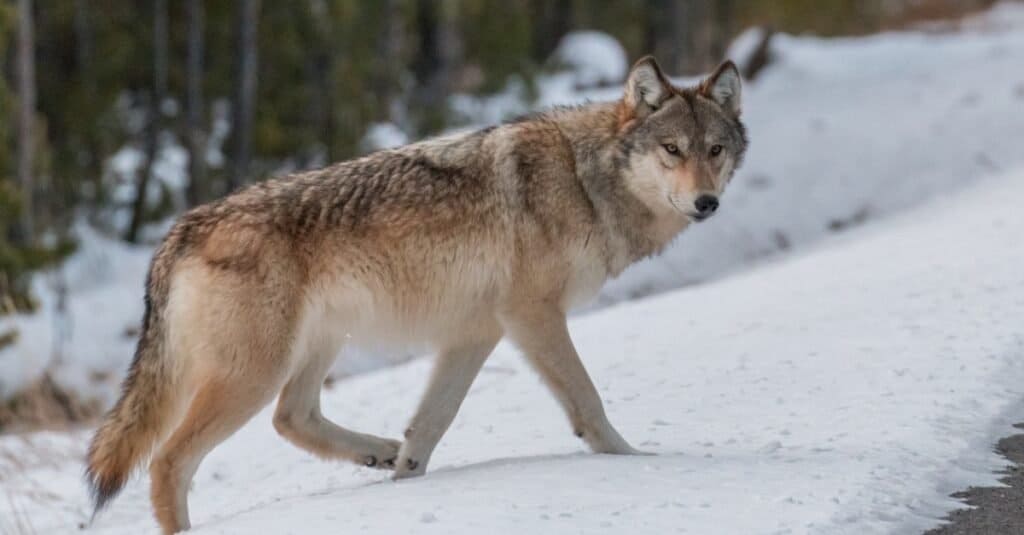
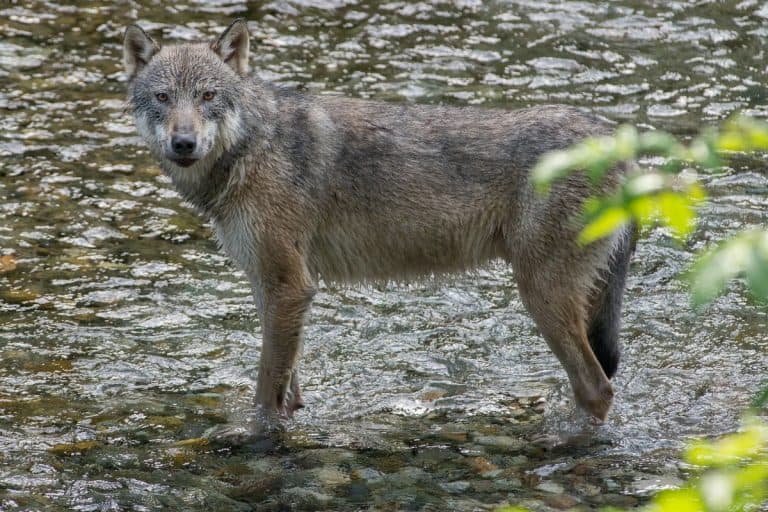
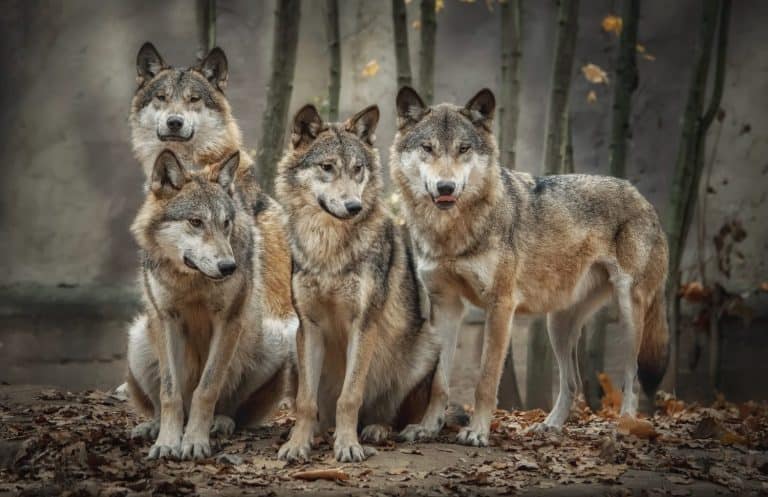
Although rare, gray wolves can eat swans without a challenge.
©iStock.com/mtnmichelle
Swans are large, territorial birds, but that does not make them immune to predation. In fact, their large size, bright coloring, and tendency to leave themselves exposed while feeding make them attractive targets for predators. The same is true of their young, helpless cygnets.
These are the most common swan predators:
- Wolves
- Red-tailed hawks
- Foxes
- Snapping turtles
- Domestic cats
- Herons
- Raccoons
- Snakes
- Domestic dogs
- Humans.
As with most predators, the most successful attacks are those carried out on cygnets. Adult swans will make themselves appear larger by spreading their wings and will use their beaks in a counterattack. However, they are simply not very strong creatures, so predators that are not frightened off stand a good chance of success.