
Quick Take
- Wolf teeth hold a hidden record of this behavioral shift, and researchers are using museum specimens to read it. See how teeth reveal diet →
- Hunting sea otters may be slowly poisoning Alaska's wolves in a way nobody anticipated. Explore the mercury danger →
- Sea otters nearly vanished from the Pacific Coast once before, and wolves may now be threatening their comeback in a completely unexpected way. Revisit the otter's history →
- Over a quarter-million trail camera photos sit waiting for review, and researchers still can't answer the most basic question about these hunts. See the camera findings →
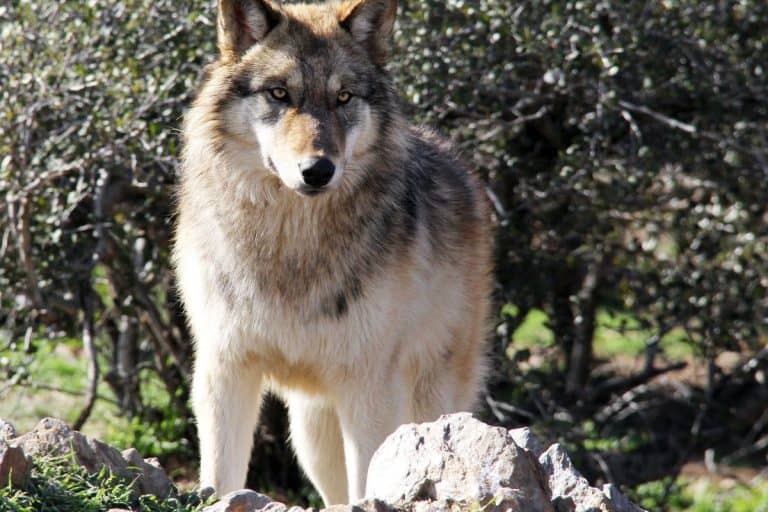
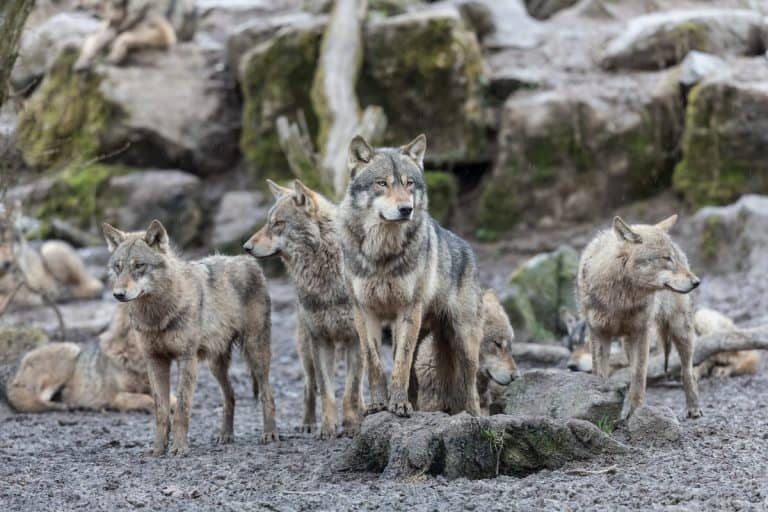
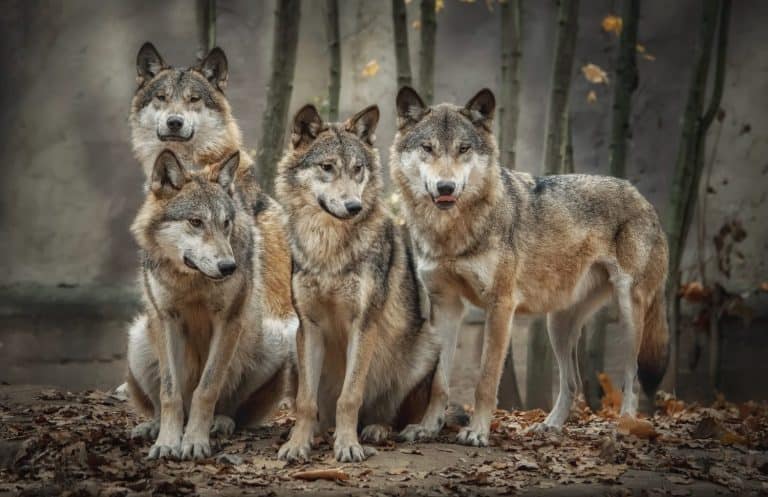
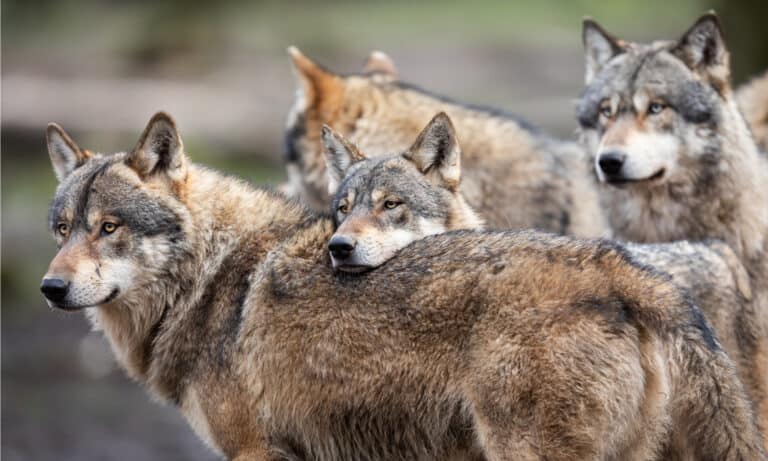
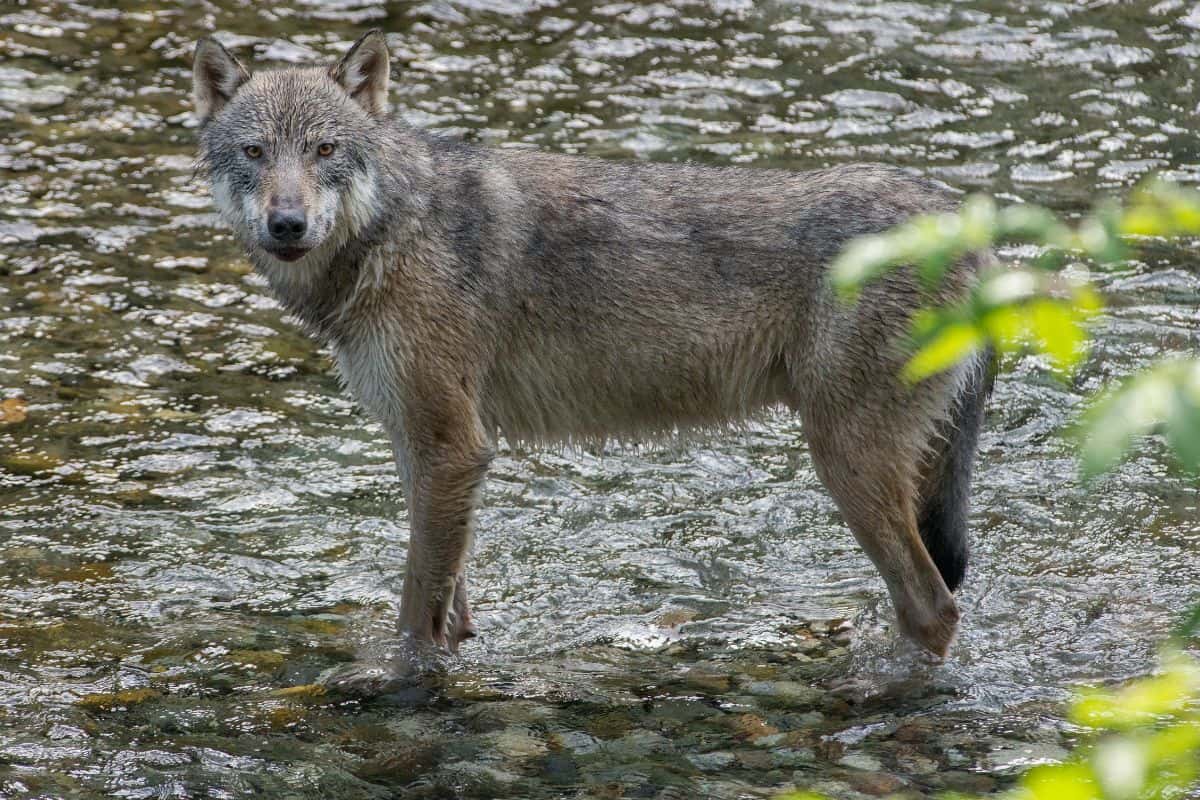
Along the rugged shores of Prince of Wales Island in Alaska, an unexpected shift is unfolding. Gray wolves, known for their land-based hunts, have started preying on sea otters, a behavior so rare that it has drawn the attention of researchers across the country.
For Patrick Bailey, a Ph.D. candidate at the University of Rhode Island, the mystery is personal and professional. He leads a team trying to piece together how these apex predators are adapting to marine environments, and what the consequences might be for both wolves and the surrounding ecosystem.
Studying Unfamiliar Territory
Wolves have long been celebrated for their role in shaping land ecosystems. But what happens when their influence stretches into the water? Bailey and his colleagues at the university’s CEAL Lab, guided by advisor Sarah Kienle, set out to determine whether these terrestrial-meets-marine food webs are more common and more complex than anyone realized.
“We don’t have a clear understanding of the connections between water and land food webs, but we suspect that they are much more prevalent than previously understood,” Bailey notes. The interactions may echo what wolves do on land, where their predatory habits ripple through entire ecosystems. If similar dynamics are playing out at sea, the impacts could extend far beyond the shoreline.
Revisiting Old Relationships
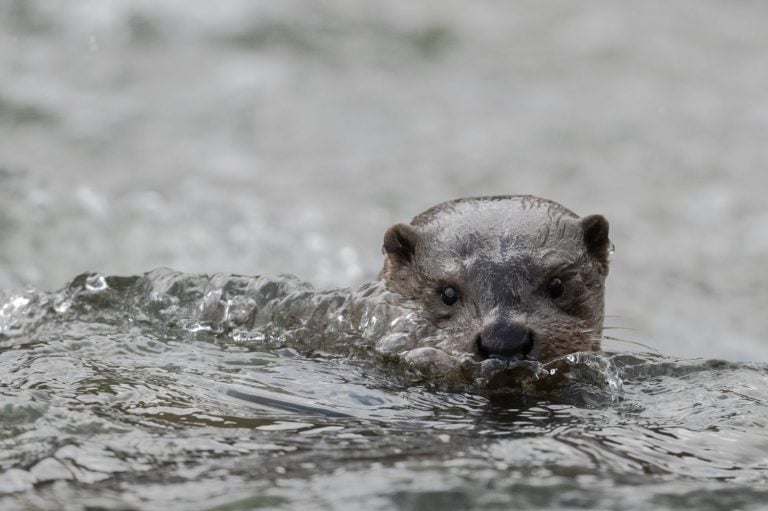
The sea otter, once abundant along the Pacific Coast, was nearly wiped out by the fur trade during westward colonial expansion. As otters slowly return, the relationship between these marine mammals and wolves may be reopening an ancient chapter, a predator-prey dynamic that faded for generations.
Researchers now face urgent questions: How is this new interaction shaping wolf behavior? Could wolf predation complicate the recovery of sea otter populations, which remain classified as endangered? These are questions without easy answers.
Mapping Diets with Cutting-Edge Tools
Tracking how often and why wolves target sea otters requires creativity. Bailey has turned to stable-isotope analysis of wolf teeth including samples from natural history museums and freshly deceased animals. Wolf teeth, like rings in a tree trunk, capture dietary changes over the years. “If large enough, we can individually sample each of these growth rings to track an individual’s feeding patterns over time,” Bailey explains. Mapping the data across multiple animals might show whether this new diet is widespread or a rare adaptation.
But hunting in the ocean is far from simple. As Kienle points out, “Capturing and eating prey in the marine environment is very different from doing it on land.” She and Bailey are watching for behavioral adaptations that set coastal wolves apart from their inland counterparts.
Cameras Reveal Elusive Wolves
Official sightings of wolves eating aquatic prey go back twenty years or more. Yet how wolves actually hunt otters, a nimble marine species, remains a puzzle. Video from past wolf hunts was too blurry to analyze. That could change thanks to new trail cameras installed by Bailey over the summer, designed to capture clearer evidence. “So far, we know that these wolves are consuming sea otters, and we’re now staged to capture the details that have previously eluded us,” Bailey says. The cache is enormous: since December, more than a quarter-million photos have been collected, awaiting review by a trained team of seven University of Rhode Island students.
The research is anything but straightforward. Wolves are intelligent and elusive, thriving in tangled forests and along remote coastlines. “When you pair these traits with a landscape that is very rural and difficult to traverse, researching them becomes quite the undertaking,” says Bailey.
Risks of a Marine Menu
The research effort relies on local wisdom and collaboration. Gretchen Roffler, a biologist with the Alaska Department of Fish and Game, and technician Michael Kampnich have made critical contributions, especially in navigating challenging terrain. Bailey credits their expertise: “Working with locals is so important because they have decades of experience and perspective that we as outside researchers simply do not have.”
There are new dangers for wolves in their aquatic shift, too. Roffler’s work highlights a hidden threat: sea otters accumulate high levels of methylmercury, a potent toxin. Coastal wolf liver samples reveal alarming methylmercury levels, up to 278 times higher than those in inland wolves. Bailey warns that this could affect wolf health and reproduction, and even alter behaviors over time.
Discovery with Wide Horizons
For now, Bailey’s research stays close to Alaska’s coasts, where otters are returning and wolves are making bold moves. But the story doesn’t end there. He plans to expand, comparing historical skull specimens from Newfoundland and Labrador with those from elsewhere in Canada and the U.S. “I’m including historical east coast wolves in a separate chapter of my dissertation comparing skull morphology between coastal and inland populations,” Bailey shares.
As the line between land and sea blurs for top predators, each discovery adds a new layer to our understanding of how animals, and the ecosystems they call home, adapt in unexpected ways. The wolves of Alaska are reminding scientists just how much remains to be learned at the intersection of sea and shore.