
Quick Take
- Crows can pass a self-awareness test that dogs, cats, and most animals fail, which has unsettling implications for how we define intelligence. See the mirror test →
- A crow has been filmed outsmarting modern infrastructure to get a meal, doing so by reading traffic signals. Watch the traffic trick →
- There's a neurological reason crows outthink animals with much larger brains, and it challenges everything we assumed about brain size and smarts. Explore the crow's brain →
- When a crow hides food and another crow is watching, something calculated happens next. The behavior suggests these birds model what others are thinking. See the food-hiding behavior →
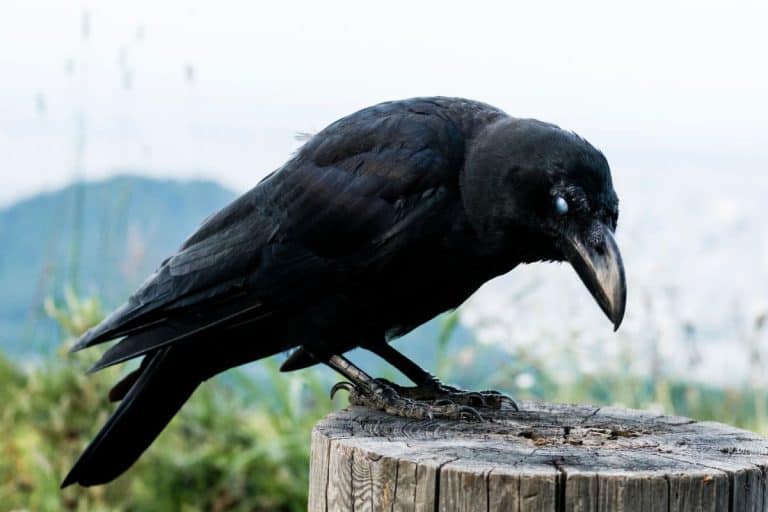
The crow’s reputation in folklore often lingers somewhere between mischief and mystery. Yet when scientists turn their attention to these glossy black birds, the findings point in one direction: intelligence. Far beyond the stereotype of “bird-brained,” crows demonstrate abilities that blur the line between animal instinct and advanced problem-solving.
Memory, Recognition, and Human Interaction
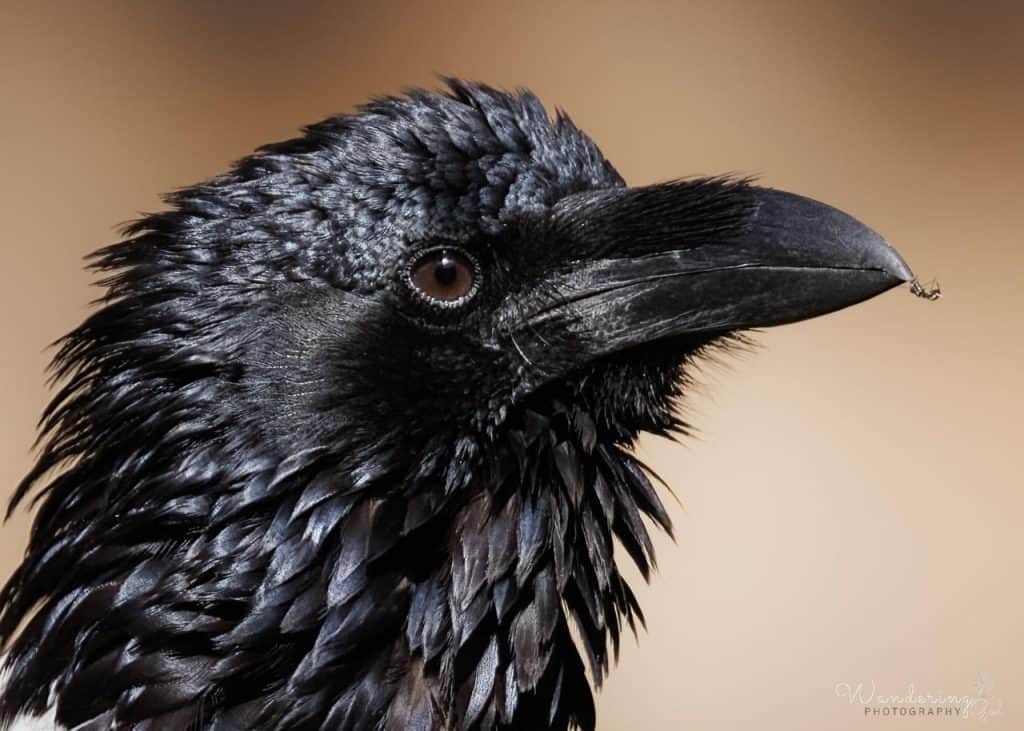
Crows watch everything. Not only do they remember faces; they recall whether a particular human was kind or threatening. In urban environments, this has become a practical skill, allowing them to adapt to a constantly shifting landscape of threats and opportunities. Their powers of recognition extend to voices, too. These birds quickly learn to distinguish one human’s tone or call from another.
Studies have also documented how crows observe each other. When hiding food, a crow might check if another is watching. If it senses a rival’s attention, it’s likely to move its stash, revealing an understanding of what others might know or plan.
©Holly Lamar
Making Tools Before Breakfast
For crows, eating is rarely just a matter of grabbing a meal. In experiments at the University of Oxford, New Caledonian crows displayed not just the use of tools but the ability to make them, shaping hooks and selecting just the right twig, even at a young age without adult guidance. This was once believed to be a behavior unique to primates.
Researchers have watched crows use sticks to fish insects from slim tubes, a level of technical skill that calls ideas of comparative intelligence into question. When presented with vending-like machines that require them to drop tokens to receive food, crows reliably figure out the system and participate in the exchange.
Even matching colors or shapes to access a reward comes naturally. Food-motivated crows quickly grasp which objects to place where, and experiments show them learning these patterns faster than many might expect of a bird, or a dog.
Complex Communication and Social Learning
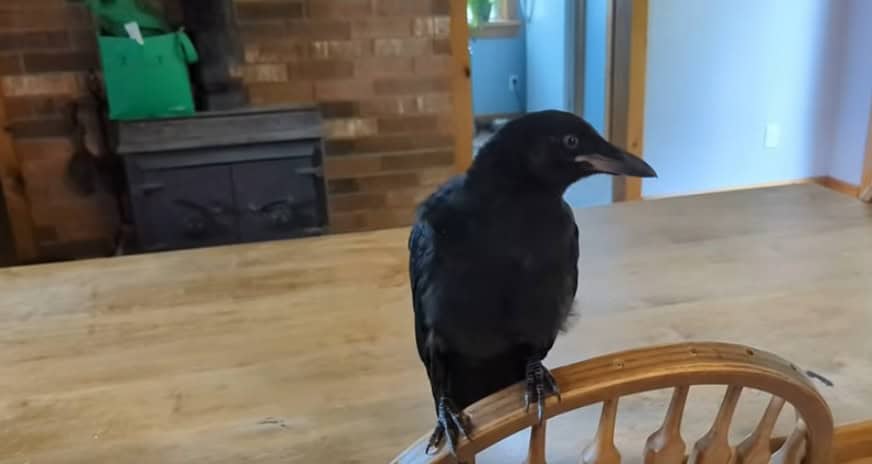
Unlike most birds that rely strictly on vocal calls, crows add gestures to their vocabulary. They point with their beaks, much like a person would gesture with a finger. Their vocal range is complex, danger alerts, food calls, and songs for social interaction all form an intricate language.
Learning is communal. Crows readily imitate the behavior of their peers, picking up problem-solving strategies simply by watching others. This social learning evokes strategies not unlike those used by humans.
This advanced communication system helps them coordinate in groups, too. Researchers note crows working together not only in hunting, but in defending against predators, a form of teamwork and empathy rare among birds.
©YouTube/Fuff Fuff Fuff – Original
A Bird That Understands Zero
One of the most surprising findings comes from a 2021 study in the Journal of Neuroscience. Using image-matching tests, scientists led by Maximilian E. Kirschhock, Helen M. Ditz, and Andreas Nieder demonstrated that crows can grasp the concept of zero. When shown screens with differing numbers of dots, the birds responded to correct or incorrect matches, treating “zero” as a number and reacting accordingly. This level of abstract thought had previously only been observed in primates.
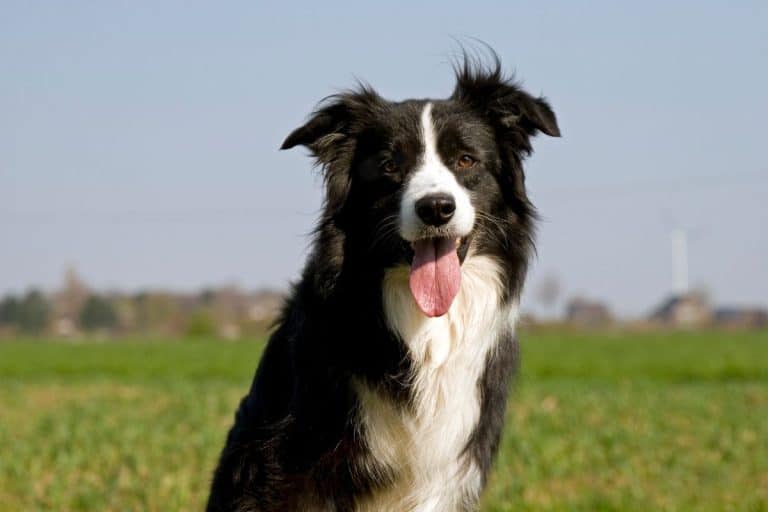
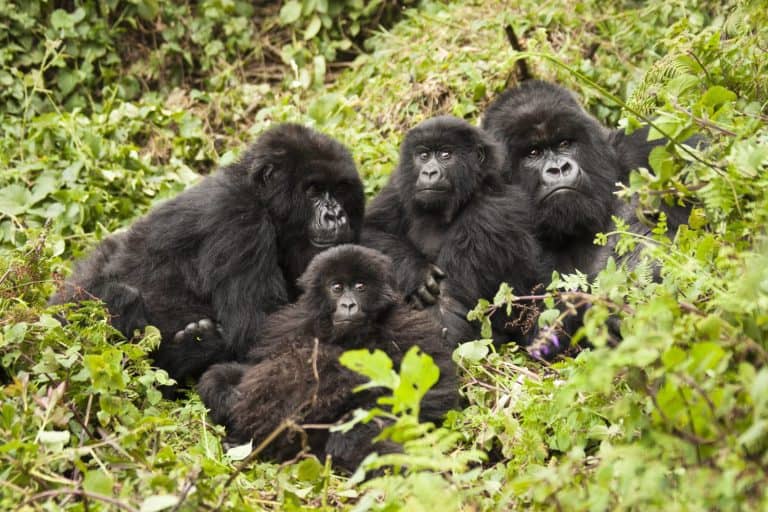
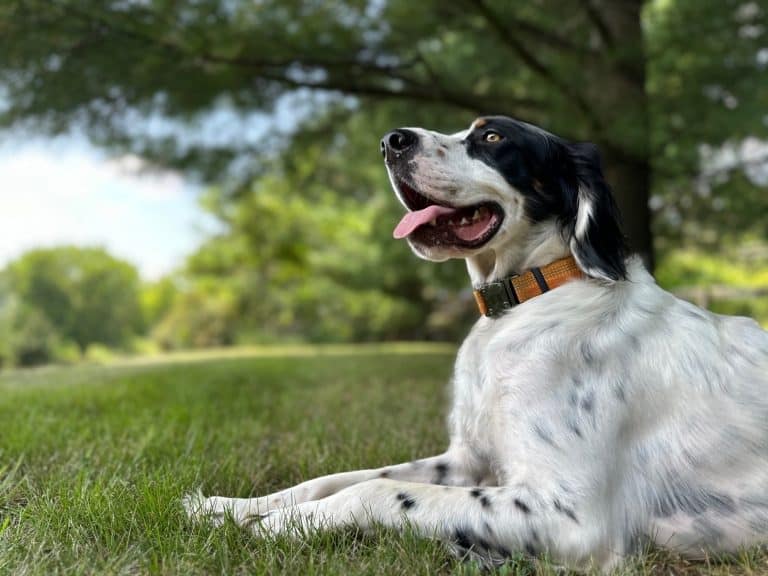
Crows are capable of passing the “mirror test,” too, a classic measure of self-awareness. When marked with a colored, non-toxic spot in a spot only visible through a reflection, crows noticed and responded to the change, a feat only great apes and certain dolphins have achieved. Dogs and cats, notably, fail this test.
The Adaptable City-Dweller
City life poses unique challenges, but crows do not only cope; they innovate. In Japan, crows have been filmed dropping nuts onto roads, waiting for passing cars to crack them, and then retrieving the food only when the pedestrian signal turns red and traffic stops. This adaptation turns a modern hazard into a meal and shows the birds can read and respond to traffic cues, a rare ability among wildlife.
Their adjustment to urban settings extends to learning to avoid vehicles and tapping new food sources. These skills suggest that crow intelligence is more than an academic curiosity, it’s a tool for survival in a rapidly changing environment.
Where Intelligence Begins: Inside the Crow’s Brain
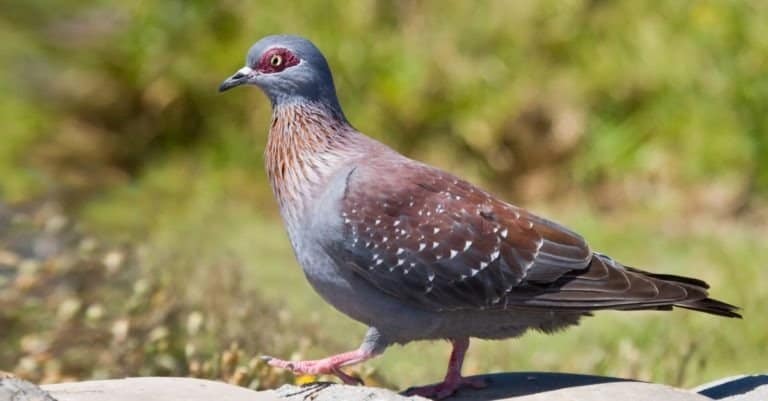
What gives crows their edge? The answer lies partly in brain structure. Scientists have found that crows possess an unusually high number of interneurons, cells known for facilitating decision-making and planning. Compared to other birds, like chickens or ostriches, the numbers are staggering: crows house about 290 million such cells, far exceeding the 40 million in pigeons or chickens and 124 million in ostriches, despite their brains being much lighter.
In humans, our mental prowess is linked to the cortex, responsible for higher functions like memory, language, and social interaction. Birds have a comparable region called the pallium. In crows, the pallium dominates the brain’s volume, much as it does in humans and great apes. Recent studies tie this anatomical feature to the memory, foresight, and flexible thinking that separate crows from much of the animal kingdom.
Scientific curiosity about crows doesn’t just reveal the bird’s secrets; it constantly challenges our assumptions about animal minds. Every time a crow cracks a nut in traffic or recognizes a human across a crowded city, it’s another moment in the ongoing story of how animals reshape our understanding of intelligence itself.