
Quick Take
- A bird with an 8-foot wingspan and powerful talons backed down from a swan, and the reason why is not as simple as it looks. Watch the encounter →
- White-tailed eagles will steal food from otters and hunt everything from fish to rabbits, yet something made this one suddenly decide a patch of water wasn't worth the trouble. Learn about eagle behavior →
- Swans have a reputation for aggression, but wildlife officials warn the danger goes well beyond what most people expect. See the real danger →
- A defensive swan has a very specific sequence of warning signals before it charges, and missing them can have real consequences. Understand swan warning signs →
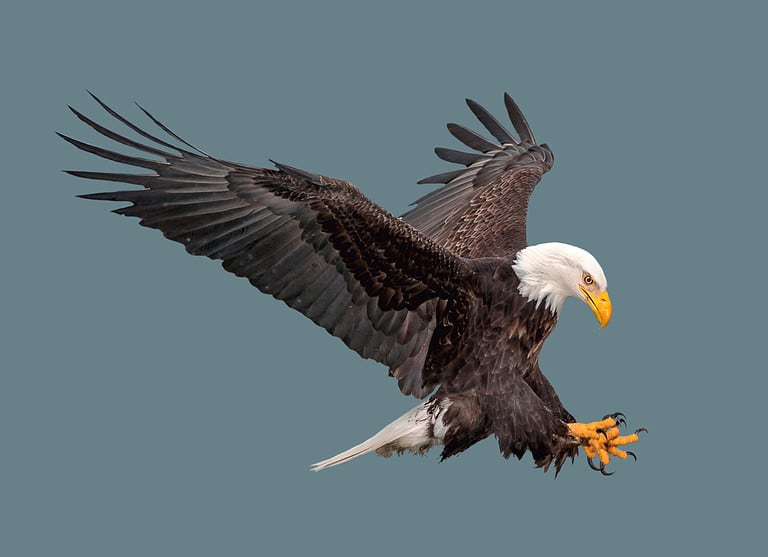
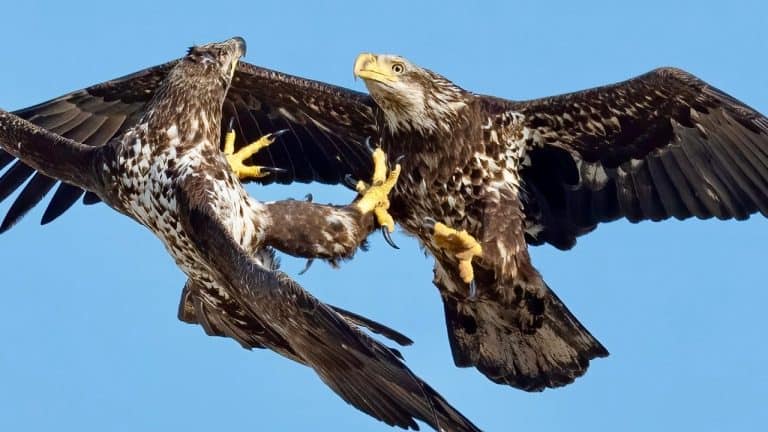
White-tailed eagles are enormous birds of prey, and there are not many birds that look eager to pick a fight with one. A territorial swan, apparently, did not get that memo. In the clip below, a white-tailed eagle is sitting low in the water, seemingly enjoying a bath, when a swan comes charging across the surface with its wings raised. The eagle quickly decides this particular patch of water is no longer worth defending and takes off.
Watch the Swan Chase Off the Eagle Below
Where Do White-Tailed Eagles Normally Live?
White-tailed eagles (Haliaeetus albicilla) are native across large parts of Europe and Asia. They are also called white-tailed sea eagles, which gives away one of their favorite habitats. These birds are strongly associated with coasts, estuaries, large lakes, rivers, wetlands, and other places where they can find plenty of fish and waterbirds. They can also use farmland, uplands, and wooded areas, particularly when those habitats are close to water.
They are among the largest eagles in Europe. Adults typically measure about 70 to 90 centimeters, or roughly 28 to 35 inches, from head to tail. Their wingspan can reach about 2.4 meters, or nearly 8 feet. Males generally weigh about 7.7 to 11 pounds, while females can reach roughly 15.4 pounds. Add a massive hooked bill and powerful talons, and you have a bird that looks considerably less intimidating from a safe distance.
White-tailed eagles are opportunistic carnivores rather than specialists that hunt one particular type of prey. Fish make up an important part of their diet, but they also take birds such as ducks and gulls along with mammals including rabbits and hares. They readily eat carrion as well and have even been observed stealing food from other birds and otters. In other words, they are perfectly capable predators, but they are also not above letting someone else do the grocery shopping.
Are Swans Territorial?
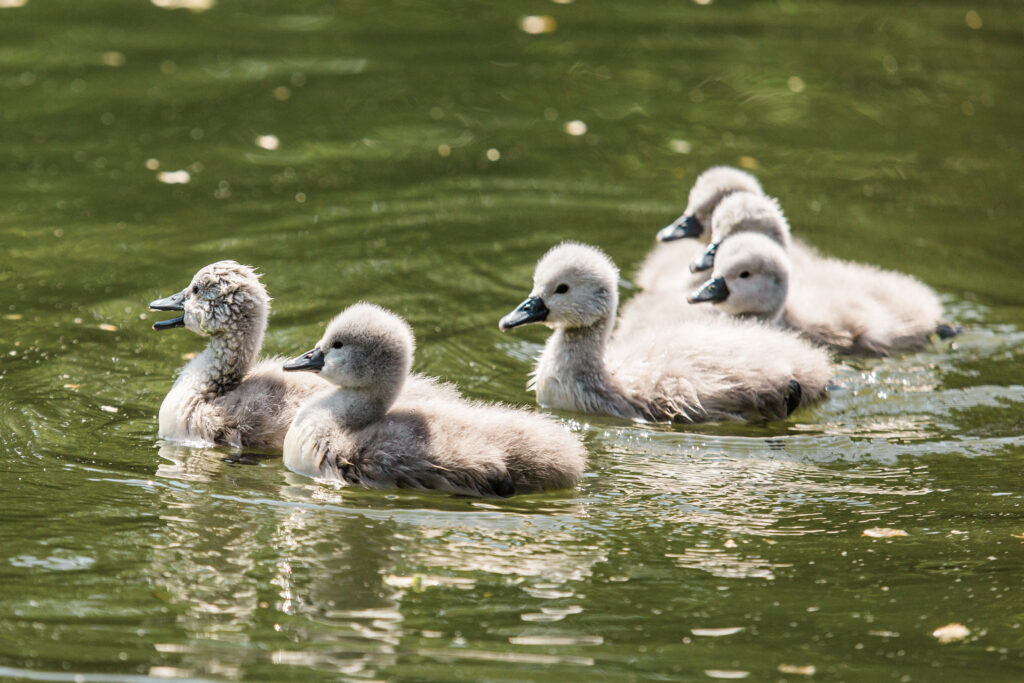
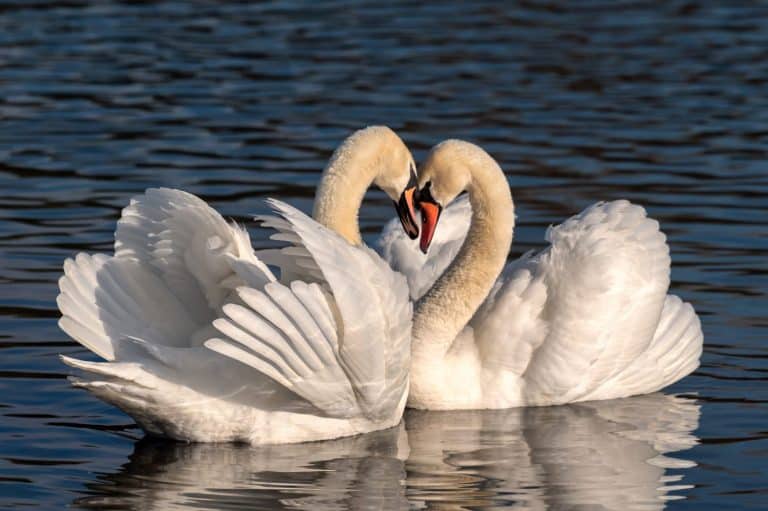
Mute swans can get very aggressive when they have young to protect.
©iStock.com/Kelsey Lafferty
They certainly can be. There are several species of swan, but mute swans in particular have a reputation for aggressively defending nesting areas and young. During nesting and brood-rearing season, both males and females may chase other waterfowl, people, kayaks, canoes, and anything else they consider too close to their territory.
The Connecticut Department of Energy and Environmental Protection warns that mute swans can be especially aggressive while protecting nests and cygnets. A defensive swan may raise its wings, arch its neck, hiss, and charge across the water before making contact. Those are all excellent signs that it is time to give the bird considerably more room.
A swan should not be treated as harmless simply because serious attacks are uncommon. These are large birds with powerful wings, and wildlife officials warn that they can injure people or even overturn small watercraft during territorial encounters. The safest response is simple: do not approach a nesting swan, give adults with cygnets a wide berth, and let them keep whatever patch of water they have decided belongs to them. The eagle in this video seems to reach the same conclusion pretty quickly.