





C
Species Profile

Chorkie

Canis lupus familiaris

Tiny body, terrier grit.
Rimmer Aerial Media/Shutterstock.com

Chorkie Distribution

Click a location to explore more animals from that region

Origin Location

This map shows the native origin of the Chorkie. As a domesticated species, they are now found worldwide.

Loading map...

Found in 1 country

Size Comparison

Human 5'8"
Chorkie 7 in

Chorkie stands at 11% of average human height.

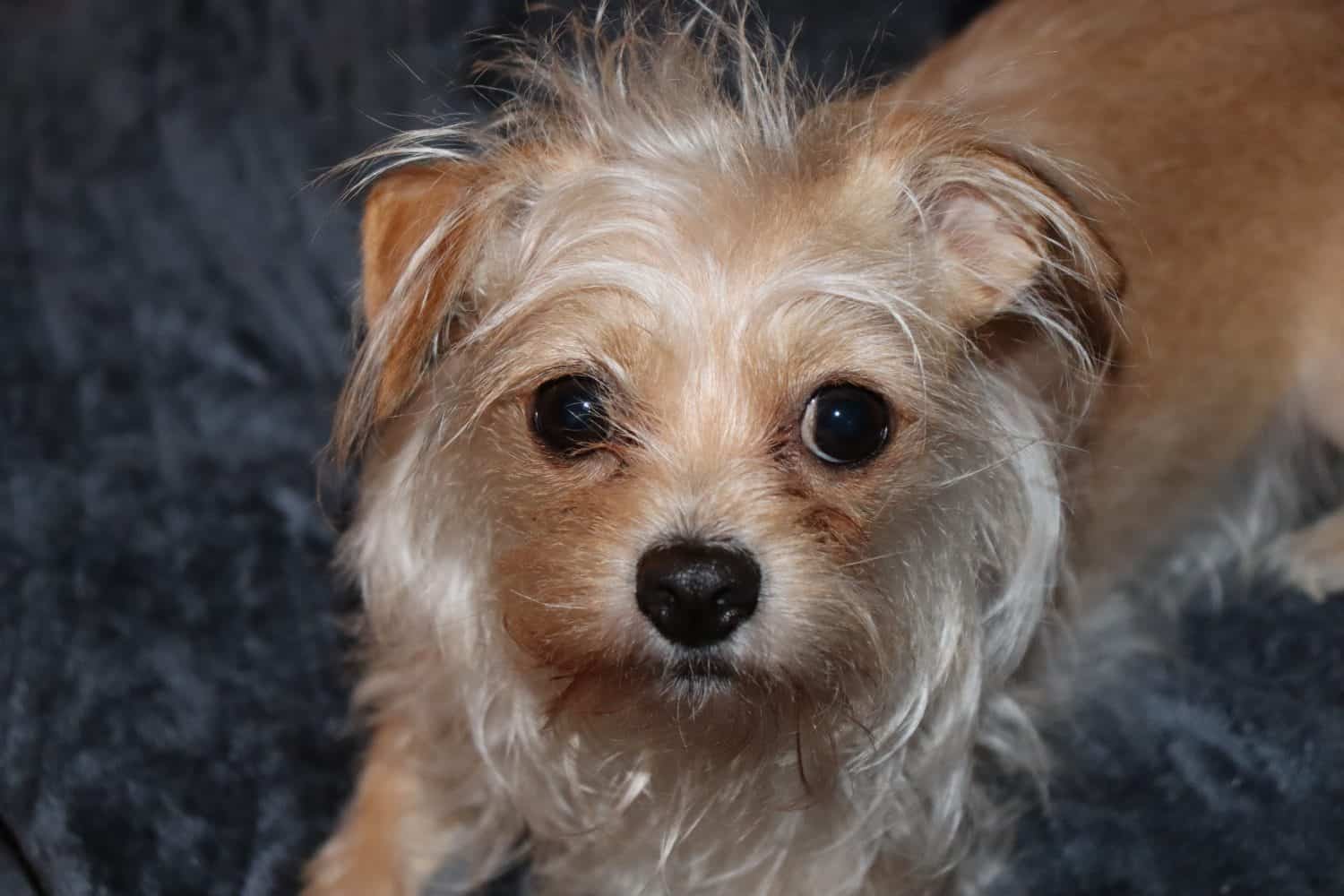
Chorkie (Chi-Yorkie mix) in all her cuteness

At a Glance

Domesticated
Also Known As Chi-Yorkie, Yorkie-Chi, Chiorkie, Chorky, Yorkiehuahua
Diet Omnivore
Activity Diurnal+
Lifespan 12 years
Weight 4.5 lbs
Status Not Evaluated
Did You Know?

"Chorkie" isn't a formal kennel-club breed in many registries-litters can look quite different from each other.

Scientific Classification

A Chorkie is a small companion dog produced by crossing a Chihuahua with a Yorkshire Terrier (Yorkie). It is not a standardized, kennel-club-recognized breed in many registries, but the name is widely used for this specific cross.

Kingdom
Animalia
Phylum
Chordata
Class
Mammalia
Order
Carnivora
Family
Canidae
Genus
Canis
Species
Canis lupus

Distinguishing Features

  • Very small/toy-sized domestic dog
  • Mixed traits from Chihuahua and Yorkshire Terrier: upright or semi-erect ears possible, fine silky coat possible, compact body
  • High variability in coat length/color and temperament due to being a crossbreed

Did You Know?

"Chorkie" isn't a formal kennel-club breed in many registries-litters can look quite different from each other.

Most Chorkies stay in the toy range; size and coat type vary because Chihuahua and Yorkie traits mix unpredictably.

Many inherit the Yorkie's fine, low-shedding-style coat texture, but some take on the Chihuahua's shorter coat.

They often bond strongly with one person, a common companion-dog pattern amplified by small size and close handling.

Their alert barking can make them excellent "doorbell dogs," despite being too small for true guarding.

The mix can combine the Yorkie's terrier tenacity with the Chihuahua's confidence-creating a surprisingly fearless little dog.

Because both parent breeds were developed as companions/ratters (Yorkie) and companions (Chihuahua), Chorkies are typically people-focused indoor dogs.

Unique Adaptations

  • Companion specialization (vs. the wild gray wolf): reduced body size and a temperament shaped for close human living rather than hunting large prey.
  • Neotenous features common in toy dogs (rounded head/large eyes in some individuals) can promote human caretaking responses.
  • Efficient indoor lifestyle: short activity bursts suit apartment living, but they still need daily play and short walks for enrichment.
  • Enhanced social attunement: like many domestic dogs, they read human cues well; Chorkies often show strong handler focus.
  • Coat variation as a "toolkit": individuals may inherit Yorkie-like continuously growing hair needing trims, or shorter Chihuahua-like coats needing less grooming but more cold protection.

Interesting Behaviors

  • "Big-dog" posturing: standing tall, chest-forward, and vocalizing toward larger dogs-often confidence rather than aggression.
  • Lap-to-lookout switching: cuddling intensely, then popping up to patrol windows or react to hallway sounds.
  • Terrier-style "shake and pounce" play with toys, sometimes paired with Chihuahua-style quick bursts of zoomies.
  • Selective sociality: may be affectionate at home but reserved with strangers without early, positive exposure.
  • Barking as communication: alert barks for novelty, demand barks for attention, and excitement barks during play.
  • Cold-seeking warmth behaviors: burrowing under blankets, curling tightly, and choosing sunny spots-common in small, low-mass dogs.
  • "Pick-up preference": many tolerate being carried, but some dislike sudden handling; they do best with gentle, predictable lifts.

Cultural Significance

Chorkies (Chihuahua × Yorkshire Terrier) are 21st-century designer crossbreeds: small toy dogs mixed as city pets. Not kennel-club standard, the name is popular in pet culture and rescues, blending Chihuahua (Mexican) and Yorkie (Victorian British) traditions.

Myths & Legends

Chihuahua origin stories in Mexico say tiny dogs had sacred roles: some were thought to guide souls in the afterlife, which helped people respect small companion dogs in local tradition.

In Victorian Britain, Yorkshire Terriers moved from working-class to fashionable pets. Stories say these tiny "ladies' pets" still had rat-hunting bravery, shaping how Yorkie mixes are seen as pampered yet brave.

A common modern naming-origin tale says "Chorkie" rose from informal, community shorthand among owners and groomers-reflecting how many crossbreeds gain identity through shared stories rather than official standards.

In parts of Europe and the Americas, people believe a small dog's sudden barking can warn of unseen visitors or coming change. This old belief fits Chorkies, known as watchful, noisy companions.

Conservation Status

NE Not Evaluated

Has not yet been evaluated against the criteria.

Population Stable

Life Cycle

Birth 3 pups
Lifespan 12 years

Lifespan

In the Wild
10–15 years
In Captivity
10–15 years

Reproduction

Mating System Polygynandry
Social Structure Managed Domestic
Breeding Pattern Serial
Fertilization Internal Fertilization
Birth Type Internal_fertilization

Chorkies breed mostly under human control. Breeding is often polygynandrous (multiple mates), with internal fertilization and a canine copulatory tie. Pairing is short-term; helpers rarely raise pups. Toy females may need C-sections if bred to larger males and often have small litters.

Behavior & Ecology

Social Pack Group: 3
Activity Diurnal, Crepuscular
Diet Omnivore High-quality small-breed diet (kibble or wet) with poultry (chicken/turkey) as the primary animal protein, often highly palatable in soft textures.

Temperament

Chorkies are companion dogs, very attached to people and respond to owner cues. As a cross, they vary: some act more Chihuahua (cautious, protective), others more Yorkie (bold, persistent).
Affectionate and "velcro-dog" tendency; often chooses a primary person and may show clinginess or separation distress if routines are inconsistent or enrichment is low.
Alert, territorial, and often vocal at novel sounds/approaches; can be an effective 'watchdog' but may develop nuisance barking without training and desensitization.
Confident 'big-dog' attitude in a small body is common; can be pushy about attention or resources (laps, toys, food) without clear boundaries and reward-based training.
Stranger sensitivity is common (especially Chihuahua-leaning individuals): may be cautious, reactive, or defensive if approached quickly; benefits from structured, positive exposure during puppyhood/adolescence.
Terrier influence can produce higher prey/chase interest (small animals, fast movement) and persistence; leash manners and recall require consistent reinforcement.
Trainability: typically bright and food-motivated but may be stubborn; short, frequent sessions work best. House-training can be challenging in some toy dogs; schedule + confinement training + reward timing improves reliability.
Handling sensitivity: may dislike rough restraint; best with gentle cooperative-care training (touch/hold/paw/teeth handling) to reduce stress during grooming and vet care.
Chorkies may show fear aggression if in pain. Often have: dental disease, patellar luxation, tracheal collapse (use harness), hypoglycemia in tiny pups, Legg‑Calvé‑Perthes, eye problems. Dental care, weight control, quick pain care keep them social.
Grooming needs vary (long Yorkie-like coat vs short). Regular brushing and trims stop mats and pain. They are sensitive to cold—more indoor time and warm coats help prevent grumpiness and not wanting to walk.

Communication

High-pitched barking/yapping as alert/alarm; may escalate quickly with doorbells, footsteps, or unfamiliar people/dogs.
Whining/crying to solicit attention, indicate frustration, or during separation-related distress.
Growling and low grumbles during resource guarding or when cornered/over-handled; important early warning signals to respect and address.
Play vocalizations Short barks, excited yips) during games or when anticipating routines (leash, food
Body language: ear position changes, tail carriage, lip licking, yawning, and freezing can signal stress-commonly subtle in small breeds and easily missed by humans.
Proximity/physical contact seeking: climbing into laps, pawing, nudging, leaning; may 'shadow' a preferred person room-to-room.
Scent marking and investigative sniffing on walks; may urine-mark indoors if anxious, intact, or in multi-dog homes Management + vet check + training
Visual signaling: staring/'checking' owner for cues; may orient quickly to sounds and hold a stiff posture when on alert.
Touch-based communication: pawing at hands/legs, nudging, or placing paws on people to request interaction; can be shaped into polite alternatives to barking E.g., targeting a hand

Habitat

Biomes:
Temperate Forest Temperate Grassland Mediterranean Desert Hot Desert Cold Boreal Forest (Taiga) Tundra Alpine Tropical Dry Forest Savanna Tropical Rainforest Wetland Freshwater Marine +8
Terrain:
Plains Coastal Hilly Mountainous Valley Island
Elevation: -3937 in – 18044 ft 8 in

Ecological Role

Domesticated companion omnivore; in human-dominated environments it functions primarily as a commensal consumer with minor opportunistic predation.

Limited small-pest deterrence/control (may chase rodents/insects) Nutrient redistribution via consumption of human-provided foods and waste (minor scavenging role) Supports human social well-being as a companion animal (anthropogenic ecosystem service)

Diet Details

Main Prey:
Small rodents Small birds Lizard Insects and other invertebrates
Other Foods:
Starchy plant foods Vegetables Fruits Plant oils

Human Interaction

Domestication Status

Domesticated

Chorkie (Chihuahua × Yorkshire Terrier) is a small pet mix of Canis lupus familiaris. Toy-sized, often very attached, bold and vocal. Coat and behavior vary. Watch for dental, kneecap, breathing and eye problems. Needs regular grooming, dental care, gentle training and meeting other dogs and people. Fragile—watch with children.

Danger Level

Low
  • Bites or nips, often linked to fear, handling sensitivity, or resource guarding (more likely with poor socialization)
  • Scratches from defensive handling or rough play
  • Zoonotic risks typical of domestic dogs if not properly managed (e.g., parasites, ringworm), mitigated by routine veterinary care
  • Trip hazard due to very small size underfoot

As a Pet

Suitable as Pet

Legality: Chorkies are usually legal to own in the United States and most places. Rules are normal dog rules (license, leash, shots) or housing or insurance rules; rare breed bans mostly do not target toy mixes.

Care Level: Moderate

Purchase Cost: $200 - $1,200
Lifetime Cost: $15,000 - $35,000

Economic Value

Uses:
Companion animal market Pet services (grooming/boarding/training) Veterinary and preventive healthcare Pet products retail
Products:
  • sale/adoption fees for Chorkie puppies/adults
  • spay/neuter, vaccinations, dental cleanings, and routine veterinary care
  • grooming services and grooming tools
  • small-breed diets, dental chews, harnesses, crates, and toys
  • pet insurance policies and wellness plans

Relationships

Ecological Equivalents 6

Animals that fill a similar ecological role in their ecosystem

Domestic dog
Domestic dog Canis lupus familiaris Chorkie (Chihuahua × Yorkshire Terrier): a very small, people-oriented lap/alert dog that is cold-sensitive and physically fragile yet bold in a tiny body. Prone to dental disease, patellar luxation, tracheal problems, hypoglycemia, and obesity. Requires regular dental care, use of a harness instead of a tight collar, grooming, and socialization.
Morkie
Morkie Canis lupus familiaris Designer small companion cross with Yorkie-derived coat and grooming needs, toy-dog dental risks, and strong attachment tendencies; often chosen for apartment living and companionship.
Pomchi
Pomchi Canis lupus familiaris Comparable size and temperament profile—alert, bold, and prone to barking; similar toy-dog health considerations, including dental issues and patellar problems; and similar exercise needs such as short daily walks and play.
Toy Poodle
Toy Poodle Canis lupus familiaris Small companion dog with a strong human focus. Often requires a similar grooming commitment (regular brushing and clipping) and is well suited to urban/apartment living, though typically more trainable and less stubborn than many terriers and other toy mixes.
Shih Tzu
Shih Tzu Canis lupus familiaris Companion-focused small dog requiring frequent grooming and dental care, with moderate exercise needs; overlaps in lifestyle fit (indoor, family companion) though has a different respiratory risk profile.
Papillon
Papillon Canis lupus familiaris Small companion dog with high alertness and agility; similar size and training needs—requires regular mental stimulation and early socialization—and comparable vulnerability to predation or rough handling due to small body size.

Quick Take

  • Achieving a 5-pound adult weight creates a specific fragility risk for teacup variants.
  • The patellar luxation defect causes bones to slide, creating a significant mobility constraint.
  • These companion hybrids often require socialization to overcome a paradoxical hostility toward other dogs.
  • Performing anal gland expression is a vital maintenance step to prevent painful internal issues.

Chorkies are mixed-breed dogs, the result of a hybrid between Yorkshire terriers and Chihuahuas. Another name for this designer dog breed is the Yorkiechi. They are playful, energetic dogs that love to go on walks. Chorkies are very devoted to their owners and will often prefer the company of their people to other dogs. If bred from a teacup chihuahua, they may be among the tiniest of designer dog breeds.

Infographic about Chorkie dogs featuring breed parentage, size charts, health risks, and pros and cons against a green and white background.
A designer dog with a big personality and even bigger maintenance needs—from teacup fragility to mandatory social training. © A-Z Animals

History And Origin

The exact origin of the Chorkie is not entirely known, but it is believed to have started in the United States in the 1990s when more people had a desire for smaller dogs. The parent breeds of the Chorkie, the Yorkshire terrier, and the Chihuahua all have longer histories. The Yorkshire terrier can be traced back to the middle of the 19th century, when breeders started to cross various English terriers with Scottish terriers. Developed as ratters to chase and flush small mammals and rodents out of mills and mines, they later became beloved lap dogs. The chihuahua is believed to have evolved from a small, mute dog called the Techichi, which was kept by the Toltec people of Mexico as early as the 9th century.

3 Pros And Cons Of Owning Chorkies

ProsCons
They make great companions. Chorkies are portable, small dogs, which means they are easy to transport from place to place. These dogs will love to travel to new places and go on adventures out on a leash, or even from the comfort of a bag.Chorkies bark frequently. Chorkies are a very vocal breed. Their constant barking may annoy both owners and neighbors. They may also suffer from separation anxiety, which could cause them to bark.
Chorkies are very loyal to their owners. Man’s best friend may be found in this tiny dog breed. Chorkies are a very loyal and friendly breed.Chorkies are not kid-friendly. Being tiny, fragile dogs, especially if bred from a teacup Chihuahua, Chorkies may not be a good fit for young children. Young, unwieldy children may injure these tiny dogs.
Chorkies don’t shed very much. These dogs often don’t shed very much, and some, not at all, meaning some may even be hypoallergenic. This trait makes them great pets for people who want a hypoallergenic dog.Chorkies require a lot of attention. Chorkies love nothing more than hanging out with their families. They even prefer family attention over that of other dogs. This means that owners must be willing to spend a lot of time with their Chorkie to keep them happy.
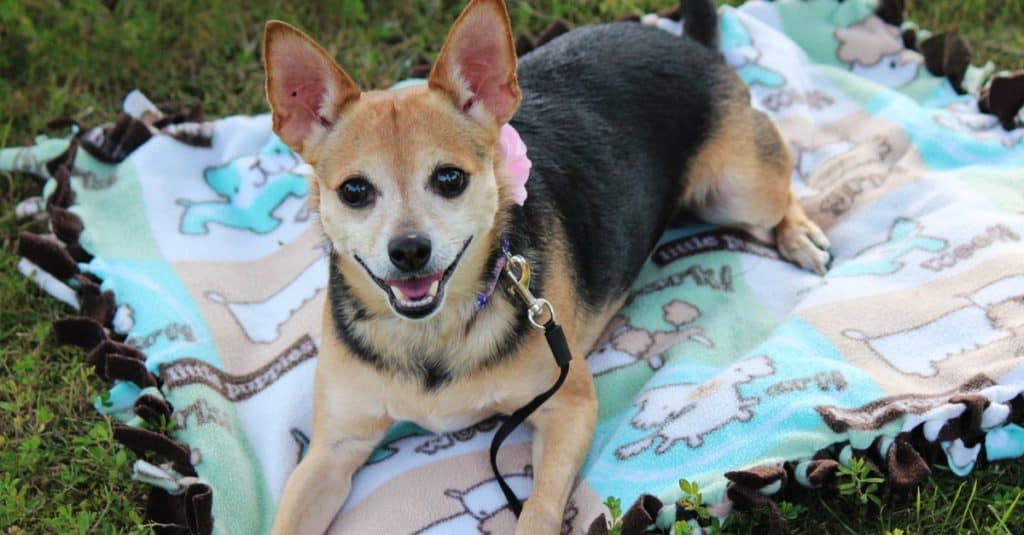
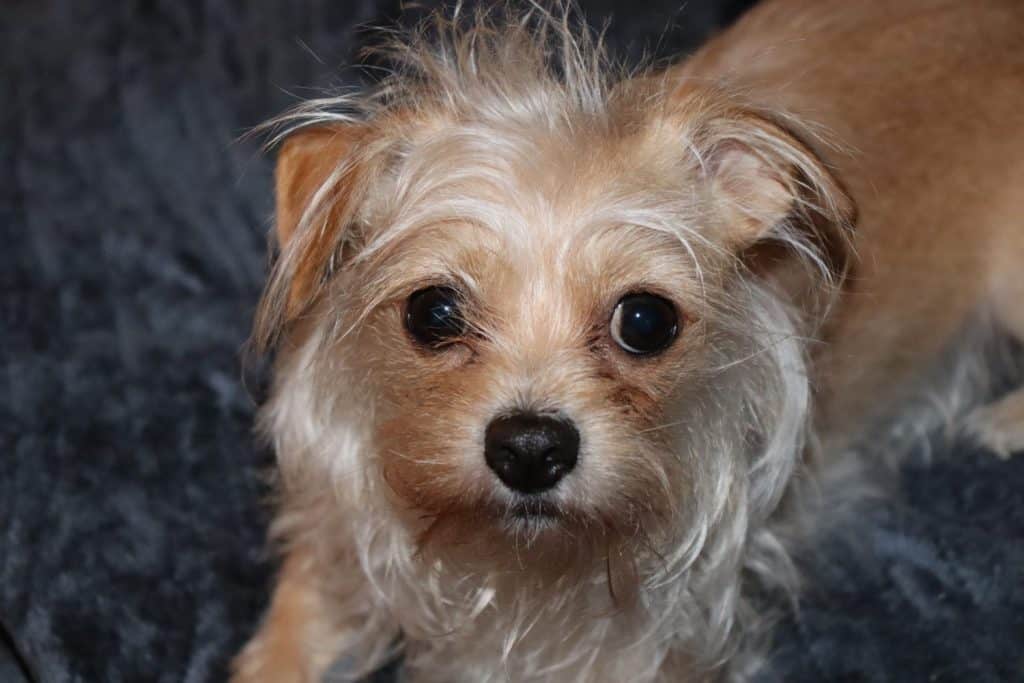
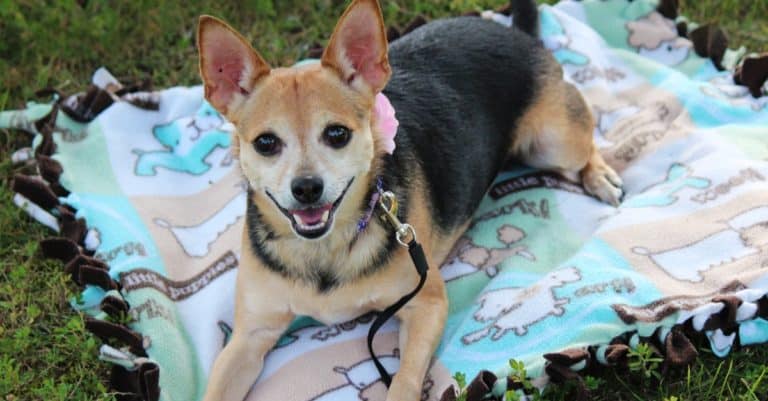
A Chorkie, Chihuaha Yorkie on a blanket

Chorkies do not shed very much, and some do not shed at all.

Size And Weight

Chorkies tend to be very small. They average 8 to 15 pounds and are around 6 to 9 inches in height. If bred from a teacup Chihuahua, they may be even smaller than this, as a full-grown teacup Chihuahua can weigh as little as 5 lbs.

Height (Male)9 inchesTall
Height (Female)6 inches Tall
Weight (male)10 lbs full grown
Weight (female)10 lbs full-grown

Common Health Issues

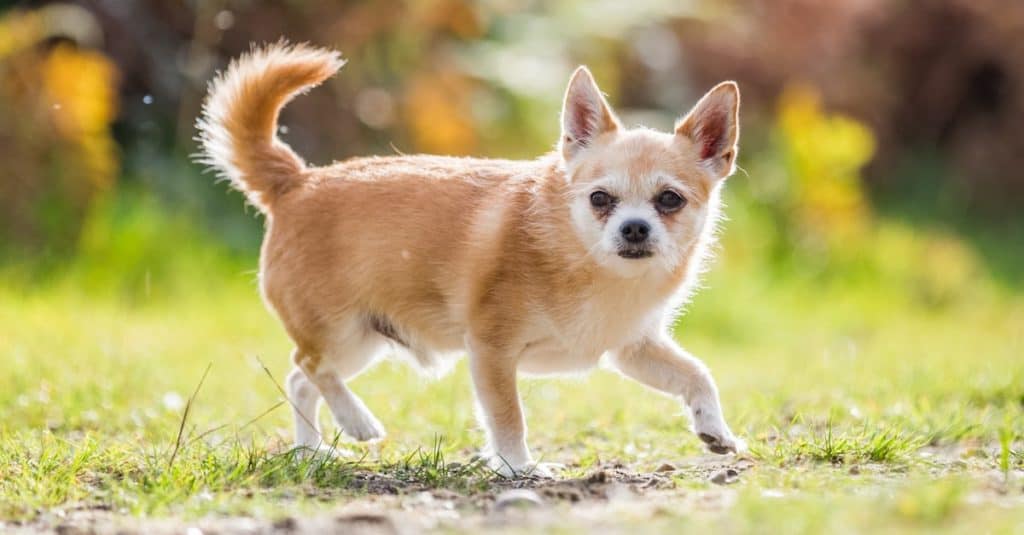
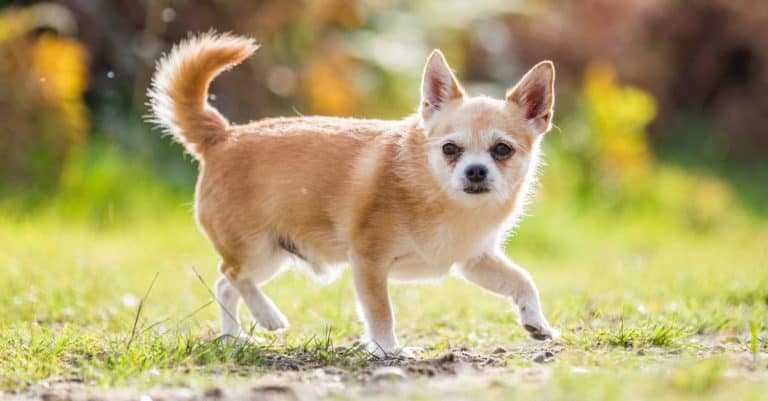
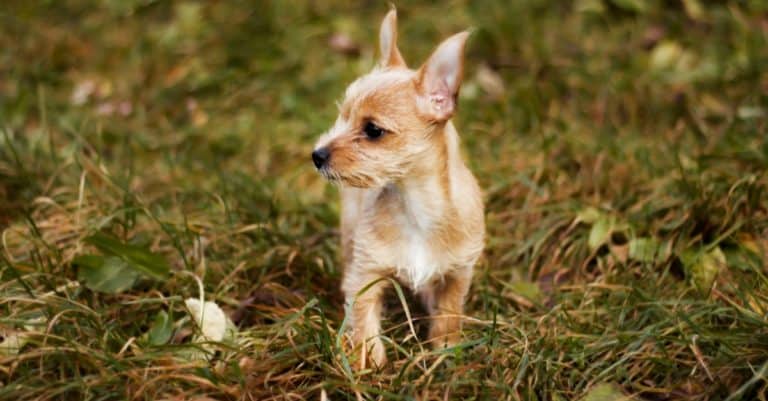
A cute sandy small Chorkie dog looking around in the country.

Regular vet visits are important to make sure your Chorkie doesn’t develop health issues common to the breed.

Chorkies are predisposed to many of the same health issues as chihuahuas and Yorkshire terriers. This includes but is not limited to skin problems and allergies, patellar luxation, and hypothyroidism. Skin problems may include dry skin and irritated skin caused by allergies. Allergies may cause the dog to scratch excessively. Patellar luxation is a problem with the kneecaps, where the bone slides out of place when the knee is flexed. And hypothyroidism may cause weight gain, laziness, and seizures in a Chorkie.

Temperament

Chorkies are very energetic for their size. They are playful, intelligent, and overall pleasant dogs with good temperaments. They can be stubborn and will need constant training, starting as puppies.

Chorkies love their owners but are not always fond of other dogs. This means that they will need to be socialized with other dogs to set a precedent for good behavior. They are very brave and protective, making them great watchdogs for a home.

How To Take Care Of Chorkies
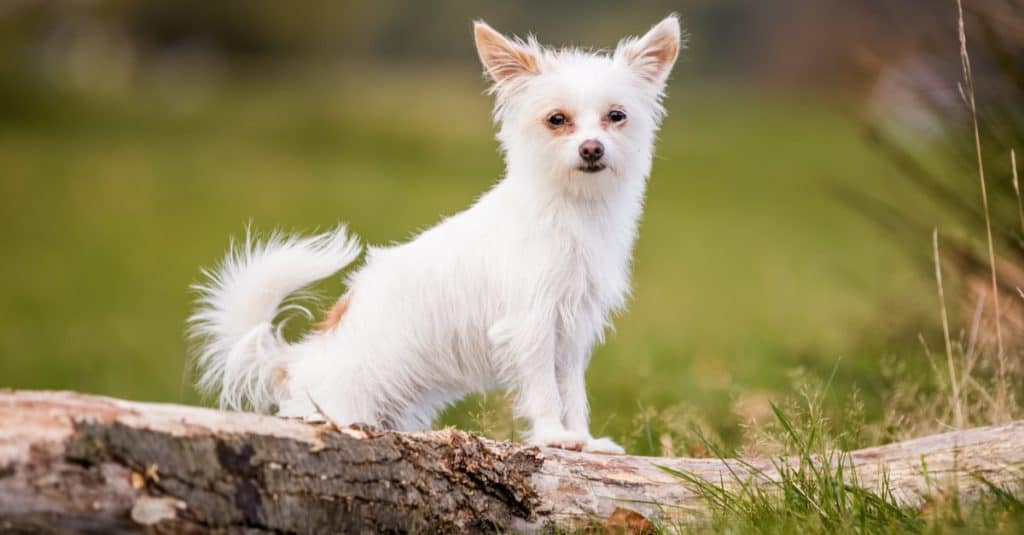
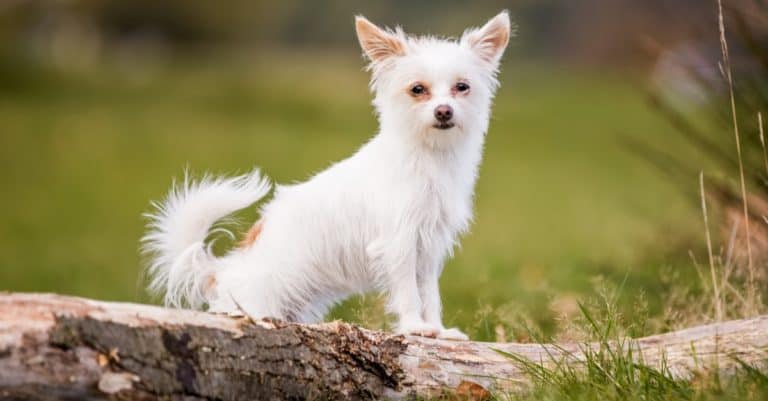
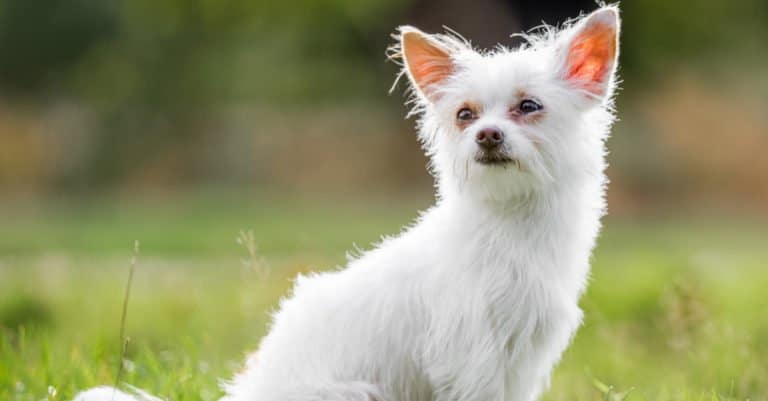
White small Chorkie puppy dog standing on a log

Chorkies may be prone to under-exercising, so a good diet is important.

Chorkies make for very adorable puppies and a loving, portable pet. Their small size means they can be prone to under-exercising and becoming overweight, so a good diet is key. They will need to be taken to the groomer quite frequently, depending on what kind of coat they have.

The Best Dog Food

Chorkies should have a regular feeding schedule to avoid becoming overweight. Because they are prone to weighing too much, they should receive a limited number of treats.

Chorkie puppy food: Because these dogs can so easily become overweight and develop health issues, consult your veterinarian when choosing the right food to feed your Chorkie puppy. As they transition into adulthood, Chorkie puppies will need to alter their diets.

Adult Chorkie Food: Full-grown Chorkies will benefit from food with a good source of protein. Chorkies should eat food that is specially formulated for small dogs. They will also need their teeth brushed often, as Chorkies are prone to dental issues. High-quality foods are important for all dogs, but especially smaller, designer dog breeds.

Adequate nutrition is essential for all dogs, but for dogs like Chorkies who experience allergies and are prone to thyroid problems, it’s especially important to choose the right food. Organic food can be a safe bet, and there are limited-ingredient dog foods to help avoid allergy-causing ingredients.

Maintenance And Grooming
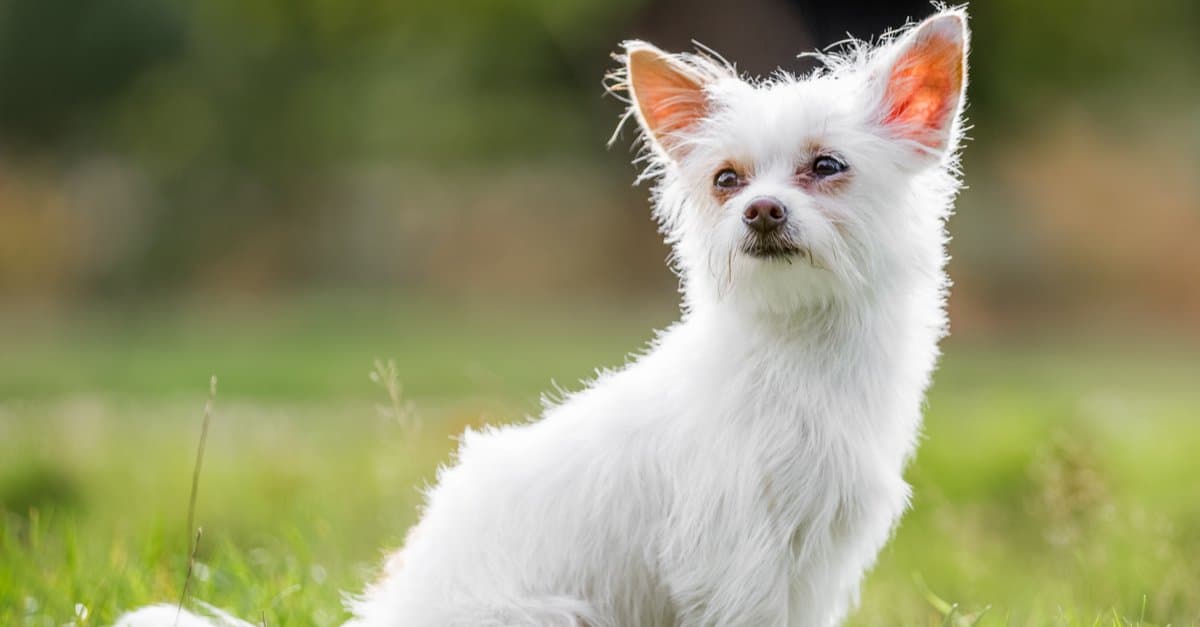
Smallest Dogs: Chorkie

Chorkies do not shed much, but they do require haircuts and should be brushed regularly.

Chorkies are not frequent shedders; however, they do require attentive haircuts. They should be brushed regularly with a pin brush and a two-in-one comb. They should also be given baths every one to two weeks. Haircuts may be more or less frequent depending on the type of coat that the Chorkie inherits from its parents.

Smaller breeds like Chorkies may also need other grooming considerations, other than simply haircuts. They may need their anal glands expressed, which some groomers will do automatically, or owners can learn to do it themselves. They are also prone to tear stains, so wiping their eyes occasionally with a warm, clean cloth will help keep them at bay.

Training

Chorkies should be trained early and consistently. In addition to obedience, they should be socialized with other dogs to help combat their aggressiveness. Owners will need to train their Chorkie to deal with separation anxiety from an early age, as these dogs are prone to shaking, barking, and otherwise panicking when separated from their owners for a long period of time. Rewarding positive behavior will be key in training your Chorkie and preventing it from developing bad habits.

Exercise
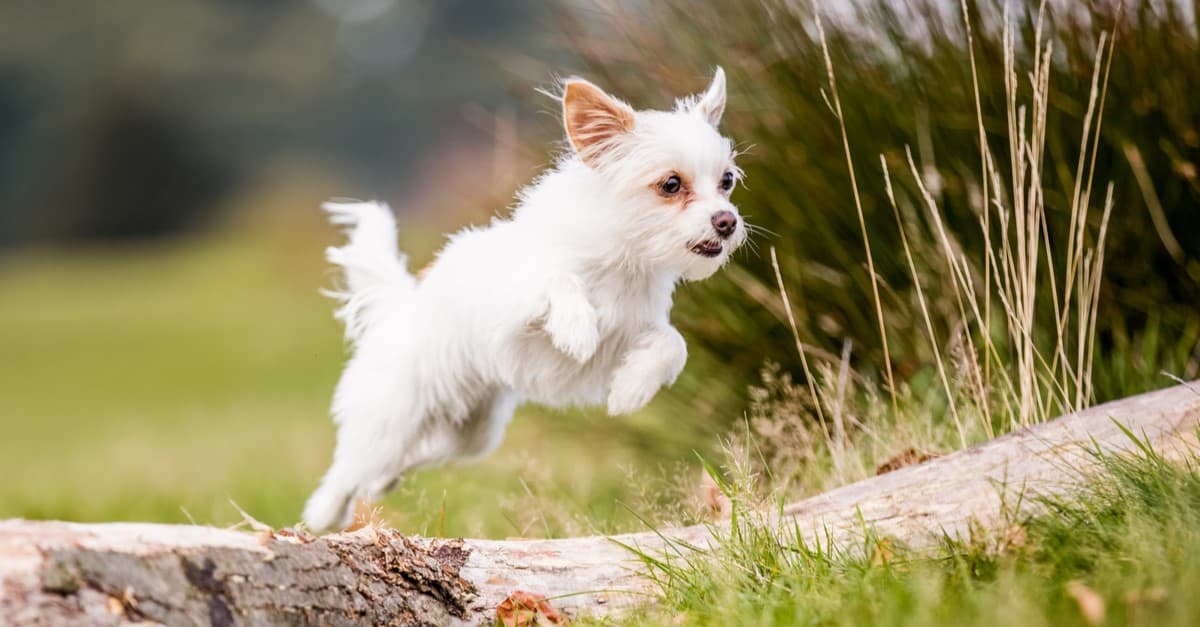
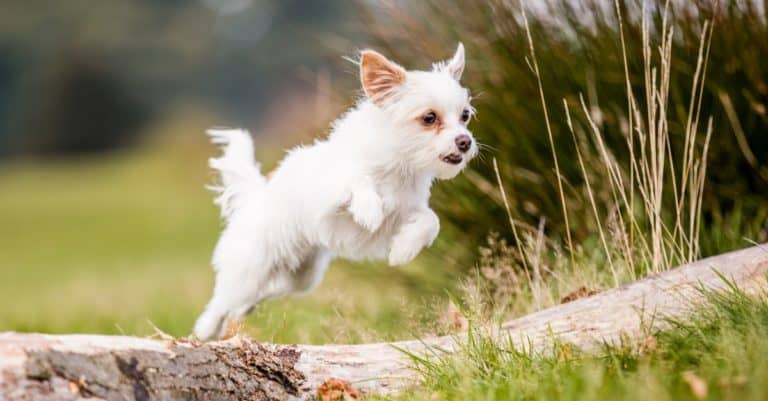
A cute white Chorkie jumping over a fallen tree.

The Chorkie will require daily exercise as they are a very energetic breed.

Chorkies require daily exercise. Short walks of mild to moderate difficulty will be perfect for this breed. They enjoy playing for short amounts of time. They will prefer indoor living and may be good for apartments or small homes.

Puppies

Chorkies are very high-energy puppies and will require regular walks and playtime. They should also be trained consistently from a young age. Chorkie puppies should be socialized with other dogs early on. They will be especially prone to barking. It typically costs between $350 and $900 to buy a Chorkie puppy, though prices can be higher for puppies with a superior pedigree.
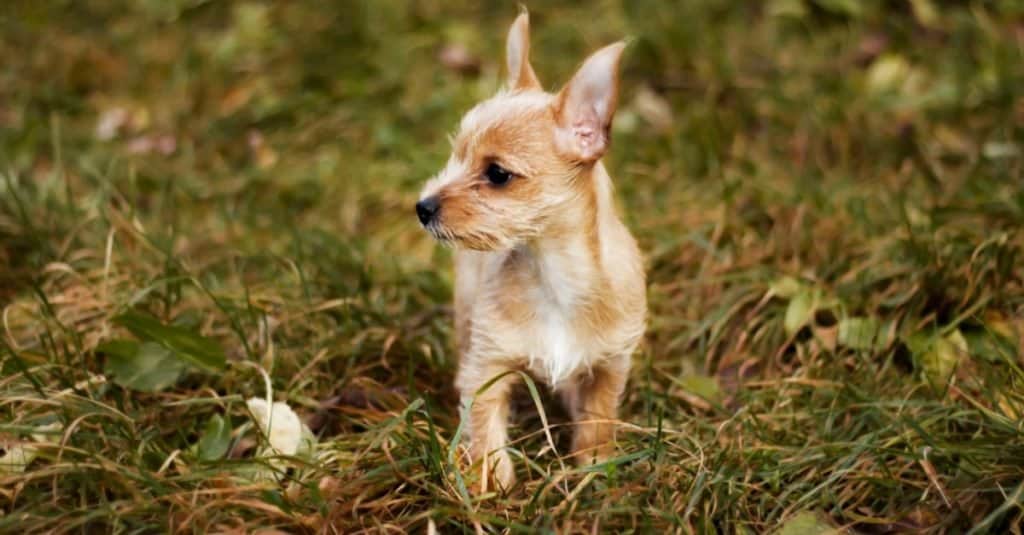
Chorky puppy on grass

Chorkie puppies are very high-energy dogs that require a lot of exercise.

Chorkies And Children

Chorkies are not great dogs for families with young children, as they are very small dogs. Children may not know how to handle them, and they are easily injured if mishandled. They can work well for families with older children who understand the responsibilities of owning a dog.

Dogs Similar To Chorkies

  • Chihuahuas: Chihuahuas are used to breed Chorkies and are also an adorably small addition to any household. Chihuahuas love to spend time with their owners, just like Chorkies do.
  • Yorkshire Terriers: Another dog that contributes to the Chorkie hybrid breed, these dogs are also small and full of personality. Their coats are hypoallergenic.
  • Chinese Crested: These dogs shed very little, as they are mostly hairless. They are also prone to gaining weight.
View all 395 animals that start with C

Sources

  1. Dog Breeds 911 / Accessed April 12, 2021
  2. Dog Time / Accessed April 12, 2021
  3. Love To Know / Accessed April 12, 2021
  4. Animals Adda / Accessed April 12, 2021
  5. Pet Guide / Accessed April 12, 2021
Melissa Bauernfeind

About the Author

Melissa Bauernfeind

Melissa Bauernfeind was born in NYC and got her degree in Journalism from Boston University. She lived in San Diego for 10 years and is now back in NYC. She loves adventure and traveling the world with her husband but always misses her favorite little man, "P", half Chihuahua/half Jack Russell, all trouble. She got dive-certified so she could dive with the Great White Sharks someday and is hoping to swim with the Orcas as well.
Connect:

Thank you for reading! Have some feedback for us?


Chorkie FAQs (Frequently Asked Questions)

Chorkies come at a price of $350-$900 to buy initially. The price of a dog over its entire lifespan varies depending on the individual dog and its needs. Grooming and healthcare needs will factor into the cost of ownership of a Chorkie.